⚡ FLASH SALE: Get 60% OFF All Premium 3D & STL Models! ⚡

“`html
The world of automotive design and marketing has been revolutionized by real-time rendering. Gone are the days of lengthy offline renders and static imagery. Today, Unreal Engine 5 stands at the forefront of this transformation, offering an unprecedented suite of tools that empower artists, designers, and developers to create breathtakingly realistic and interactive automotive experiences. With groundbreaking features like Nanite virtualized geometry and Lumen dynamic global illumination, the barrier between digital and reality is thinner than ever. This guide is your roadmap to harnessing that power.
Whether you’re a seasoned 3D artist aiming to build a stunning portfolio piece, a game developer integrating high-quality vehicles, or a marketing professional creating the next-generation car configurator, this deep dive will equip you with the essential knowledge. We will journey through the entire workflow, from initial project setup and asset preparation to crafting photorealistic PBR materials, mastering dynamic lighting, building interactive elements with Blueprint, and producing cinematic-quality final renders. Prepare to transform your high-fidelity 3D car models into dynamic, photorealistic assets ready for any application.
A successful automotive visualization project begins with a solid foundation. Before you even import your first model, configuring your Unreal Engine project correctly is paramount to achieving high-fidelity results and maintaining a smooth workflow. This initial setup ensures that the engine is primed for the demanding task of rendering complex geometry and materials in real time.
When creating a new project in Unreal Engine, you are presented with several templates. While options like the ‘Games’ or ‘Film/Video & Live Events’ templates come with useful pre-configurations, starting with a ‘Blank’ template often provides the cleanest slate for a custom visualization project. This approach prevents unnecessary assets and settings from cluttering your project. Alternatively, the ‘Architecture, Engineering, and Construction’ template is an excellent choice as it automatically enables plugins and settings, such as Hardware Ray Tracing, which are crucial for high-quality rendering.
Once your project is created, several settings under Project Settings (Edit > Project Settings) need to be tweaked for optimal visual quality. Here are the most critical ones:
The quality of your source model is just as important as your engine settings. When sourcing automotive assets from marketplaces such as 88cars3d.com, the models are often already prepared for engine integration. However, if you are working with your own model, ensure the following steps are taken in your preferred Digital Content Creation (DCC) software (e.g., Blender, 3ds Max, Maya):
With a properly configured project and a prepared 3D model, the next step is to bring your asset into Unreal Engine. The import process itself offers powerful options for optimization and workflow efficiency, especially when dealing with the high-polygon counts typical of detailed 3D car models. This is where modern Unreal Engine 5 features truly begin to shine.
Unreal Engine supports a variety of file formats, but FBX and USD (Universal Scene Description) are the two primary choices for high-quality assets.
During import, ensure ‘Generate Missing Collisions’ is unchecked for visualization projects unless you need physics interactions. Also, it’s good practice to let Unreal Engine create new materials and textures from the imported file, which you can then edit and refine.
Nanite is arguably one of the most transformative features in Unreal Engine 5. It is a virtualized micropolygon geometry system that allows you to render meshes composed of millions or even billions of polygons in real time without significant performance loss. This effectively eliminates the need for traditional polygon budget constraints and manual Level of Detail (LOD) creation for static meshes.
For automotive visualization, Nanite is a game-changer. You can now import your high-poly CAD data or cinematic-quality models directly into the engine without decimation. The intricate details of headlights, grilles, and interior stitching can be rendered with full fidelity. To enable Nanite on an already imported mesh, simply open the Static Mesh Editor, find the ‘Nanite Settings’ panel, and click the ‘Apply Changes’ button after enabling it. You can visualize the Nanite clusters by going to the ‘Lit’ viewport dropdown and selecting Nanite Visualization > Triangles.
While Nanite is revolutionary, it currently works best for rigid, static meshes. For objects that need to deform, such as wheels that might have physics-based deformation, or for projects targeting lower-end hardware like VR/AR where Nanite might not be supported or optimal, traditional optimization techniques are still vital.
Unreal Engine has a built-in tool for automatically generating LODs. In the Static Mesh Editor, under ‘LOD Settings’, you can set the ‘Number of LODs’ and the engine will progressively simplify the mesh for each level. This reduces the polygon count as the object gets further from the camera, improving performance. For critical game assets, creating custom LODs in a DCC application provides the most control over the final look and silhouette of the simplified model.
A perfect 3D model is only as convincing as the materials applied to it. Unreal Engine’s node-based Material Editor is an incredibly powerful tool for creating complex, physically-based materials that react realistically to light. For automotive visualization, mastering materials for surfaces like car paint, glass, and chrome is essential for achieving photorealism in your real-time rendering.
Unreal Engine utilizes a PBR (Physically-Based Rendering) workflow, which aims to simulate the properties of real-world materials. The key inputs for most materials are:
For automotive surfaces, these inputs are critical. Chrome will have a Metallic value of 1 and a very low Roughness. Tire rubber will have a Metallic of 0 and a high Roughness, complemented by a detailed Normal map for the tread and sidewall details.
Car paint is one of the most complex materials to replicate. It’s a multi-layered surface with a base coat, metallic flakes, and a glossy clear coat on top. In the Unreal Material Editor, you can achieve this with the ‘Clear Coat’ shading model.
Beyond the paint, other materials complete the vehicle.
Lighting is what breathes life into a scene, and Unreal Engine 5’s Lumen system is a paradigm shift for dynamic, real-time global illumination and reflections. Lumen eliminates the need for baking lightmaps and allows for instant feedback as you light your automotive showcase, creating incredibly realistic and interactive lighting environments.
Lumen is enabled by default in new projects, but its quality and performance can be fine-tuned within a Post Process Volume. Drag one into your scene and ensure ‘Infinite Extent (Unbound)’ is checked to have it affect the entire level. Key settings to adjust under the ‘Global Illumination’ and ‘Reflections’ tabs include:
The fastest way to achieve realistic environmental lighting is with a High Dynamic Range Image (HDRI). Unreal Engine’s HDRI Backdrop actor simplifies this process. It automatically creates a textured sky dome, a Skylight for ambient illumination, and projects the HDRI onto a ground plane, all in one actor.
Simply drag the HDRI Backdrop actor into your scene and assign a high-quality HDRI texture (cubemap) to it. You can then adjust its intensity, rotation, and size to perfectly position the lighting and reflections on your car model. For even more control, you can use a separate Skylight with a specified cubemap and add Directional Lights to simulate the sun or other key lights, giving you the ability to art-direct the scene while still benefiting from the HDRI’s rich ambient light.
Automotive visualization is all about clean, accurate reflections. While Lumen’s default screen-space reflections are good, enabling Hardware Ray Tracing provides the highest quality. In your Post Process Volume, setting the Reflection Method to Lumen and enabling ‘Use Hardware Ray Tracing when available’ ensures that off-screen objects and complex details are accurately represented in the vehicle’s reflective surfaces. For additional control, you can place Sphere Reflection Capture actors around the scene to provide localized reflection data, which helps to ground the vehicle in its environment.
A key advantage of real-time rendering is the ability to go beyond static images and create interactive experiences and dynamic cinematic sequences. Unreal Engine’s Blueprint visual scripting system and its powerful Sequencer tool are the keys to unlocking this potential, allowing you to build everything from a simple color picker to a full-blown animated commercial.
Blueprint allows you to create complex logic and interactivity without writing a single line of code. A common use case in automotive visualization is creating a car configurator. Here’s a simplified workflow:
This same logic can be extended to swap Static Meshes for different wheel options, trigger animations to open doors, or turn on headlights.
Sequencer is Unreal Engine’s multi-track editor for creating cinematic content. It functions like a professional video editing suite, allowing you to animate objects, cameras, and properties over time.
To create a simple animation, open the Sequencer window (Cinematics > Add Level Sequence). Drag your car’s Blueprint Actor from the World Outliner into the Sequencer track list. You can then add a ‘Transform’ track and set keyframes for the car’s location and rotation to make it drive along a path. Add a ‘Cine Camera Actor’ to your scene and also add it to Sequencer. By animating the camera’s transform, you can create dynamic swooping shots, dolly zooms, and focus pulls for a professional, film-quality result.
For more dynamic shots or playable experiences, you can implement real-time physics using Unreal’s Chaos Vehicle system. This is a more advanced topic but involves creating a special Vehicle Blueprint that links your car’s skeletal mesh (with bones for each wheel) to a Chaos Vehicle Movement Component. You configure engine settings, suspension, and wheel properties to simulate realistic vehicle dynamics. This allows you to “drive” the car in real time, record the gameplay with Sequencer’s ‘Take Recorder’, and then refine the camera work for a final cinematic. For comprehensive guides on these advanced systems, the official Unreal Engine learning portal provides excellent documentation and tutorials.
Even with the power of modern hardware and technologies like Nanite, performance and optimization are crucial, especially when targeting a wide range of devices or creating VR/AR experiences. The final step in any project is to profile, optimize, and render your work using professional-grade tools for the highest quality output.
Before optimizing, you need to know where the bottlenecks are. Unreal Engine provides several built-in profiling tools. You can open the console by pressing the tilde (~) key and use commands like:
By identifying what is most expensive, you can focus your optimization efforts. If Lumen GI is taking too long, you might lower the Final Gather Quality. If shadows are the issue, you can adjust their resolution or distance.
Virtual and Augmented Reality applications run on hardware with much stricter performance constraints. While a high-end PC can handle Nanite and Lumen, mobile-based headsets cannot. For these platforms, a more traditional optimization workflow is necessary:
For final output, avoid using the simple ‘Render Movie’ button from Sequencer. Instead, use the Movie Render Queue (Window > Cinematics > Movie Render Queue). This tool offers a suite of professional features that provide far superior quality and control.
With the Movie Render Queue, you can:
We’ve traveled the entire pipeline, from the foundational steps of project configuration to the final polish of high-quality rendering. We’ve seen how Unreal Engine 5, with its revolutionary Nanite and Lumen technologies, has shattered old limitations, making it possible to work with cinematic-quality 3D car models in a fully dynamic, real-time environment. You now have the knowledge to import and optimize complex assets, craft stunningly realistic PBR materials, build dynamic lighting scenarios, and create compelling interactive and cinematic content.
The world of automotive visualization is no longer confined to specialized agencies with render farms. It’s now in the hands of creators like you. The key is to combine technical understanding with artistic vision. Start a new project, experiment with the tools, and don’t be afraid to push the boundaries. By applying the principles of PBR materials, mastering lighting with Lumen, and leveraging the power of Blueprint and Sequencer, you can produce work that rivals reality. Sourcing a high-quality, engine-ready asset is a great way to begin, allowing you to focus immediately on the creative aspects of lighting and rendering. Now, it’s time to start your engine and bring your vision to life.
“`
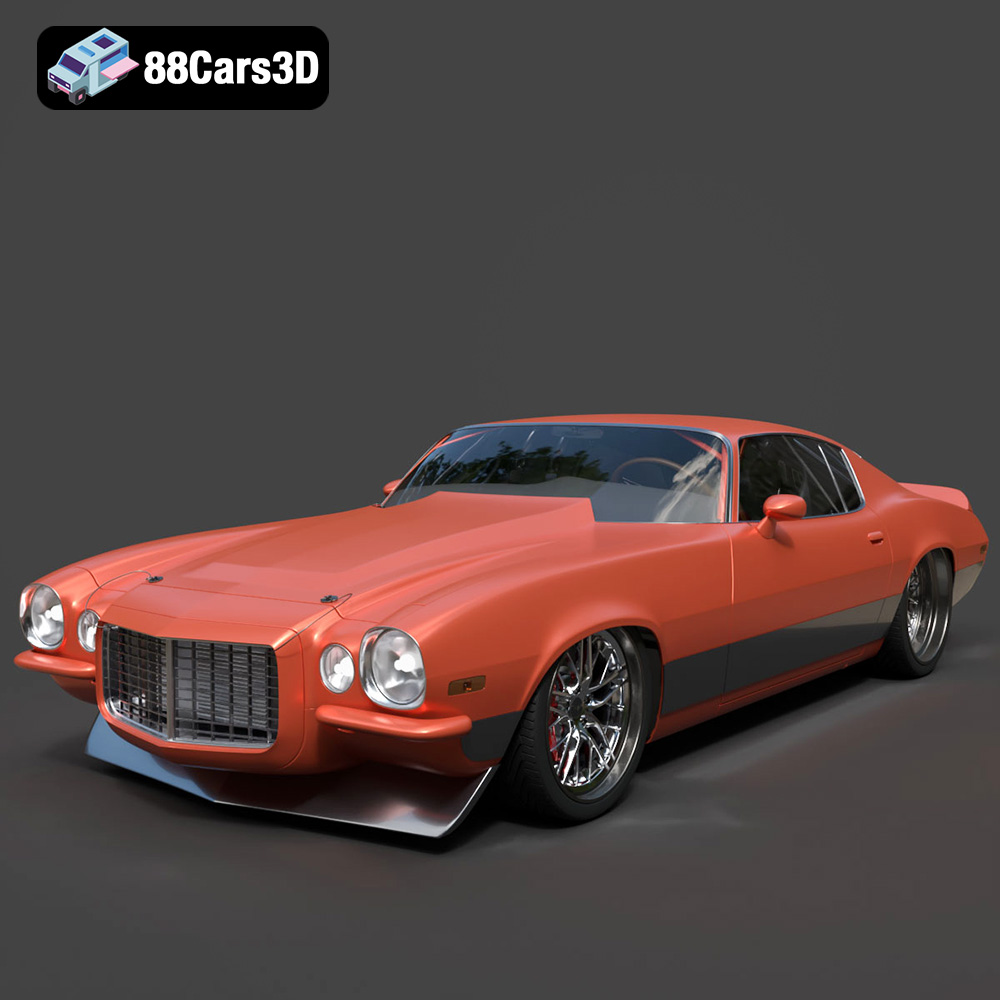
Texture: Yes
Material: Yes
Download the Chevrolet Camaro 1970 3D Model featuring clean geometry, realistic detailing, and a fully modeled interior. Includes .blend, .fbx, .obj, .glb, .stl, .ply, .unreal, and .max formats for rendering, simulation, and game development.
Price: $10
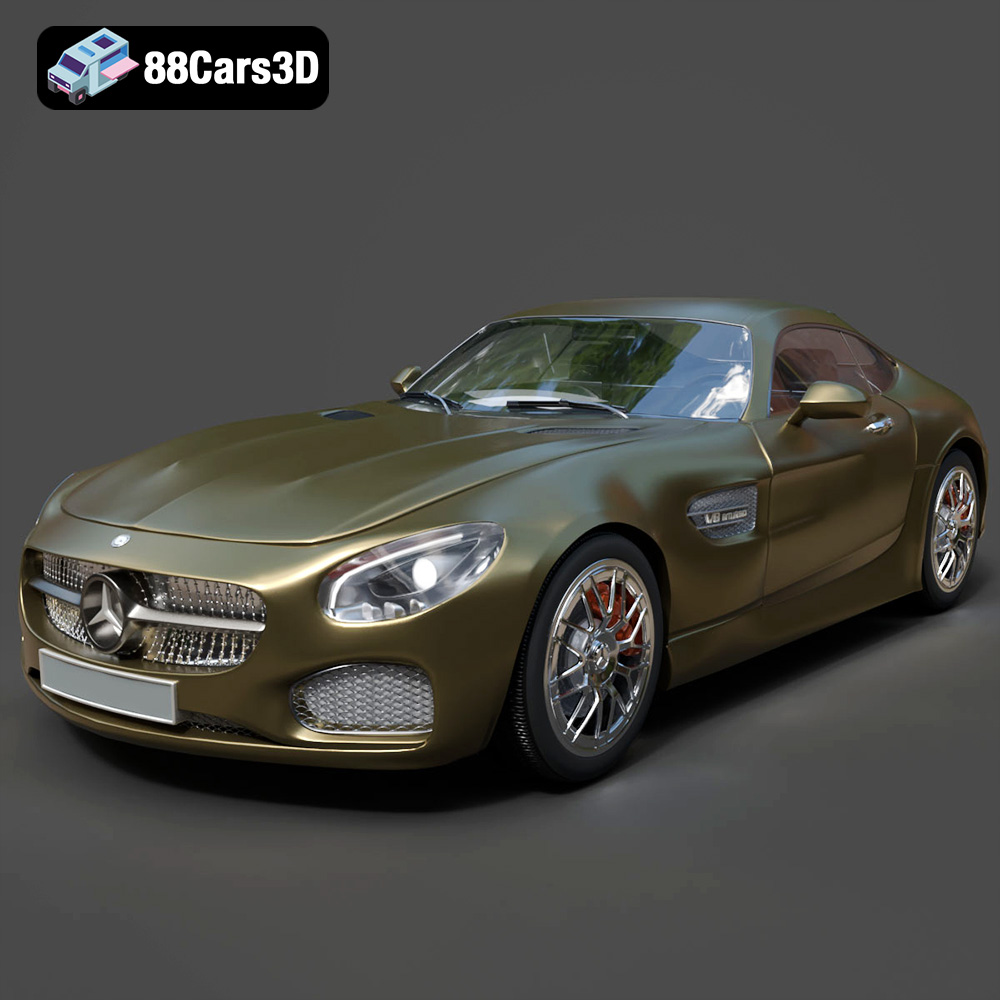
Texture: Yes
Material: Yes
Download the Mercedes-AMG GT 2015 3D Model featuring clean geometry, realistic detailing, and a fully modeled interior. Includes .blend, .fbx, .obj, .glb, .stl, .ply, .unreal, and .max formats for rendering, simulation, and game development.
Price: $88.99
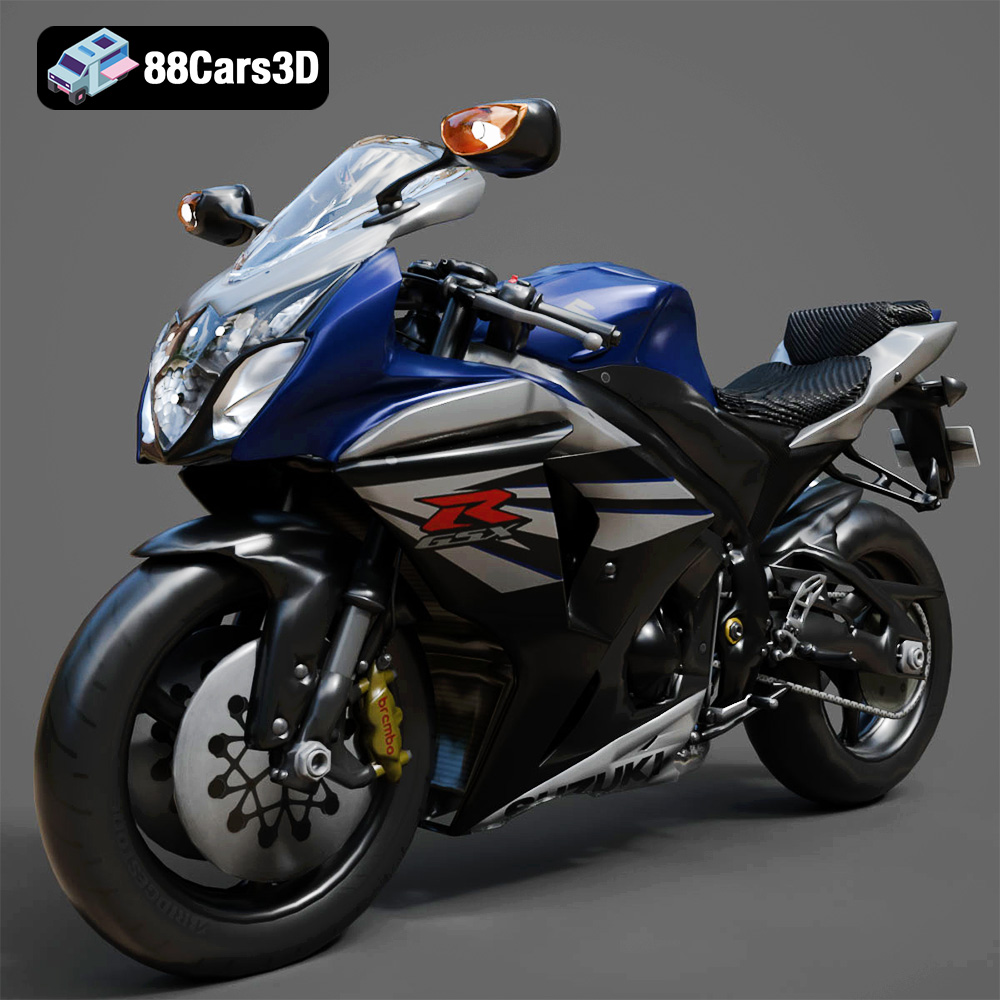
Texture: Yes
Material: Yes
Download the Suzuki GSX-R 1000 3D Model featuring clean geometry, realistic detailing, and a fully modeled interior. Includes .blend, .fbx, .obj, .glb, .stl, .ply, .unreal, and .max formats for rendering, simulation, and game development.
Price: $10
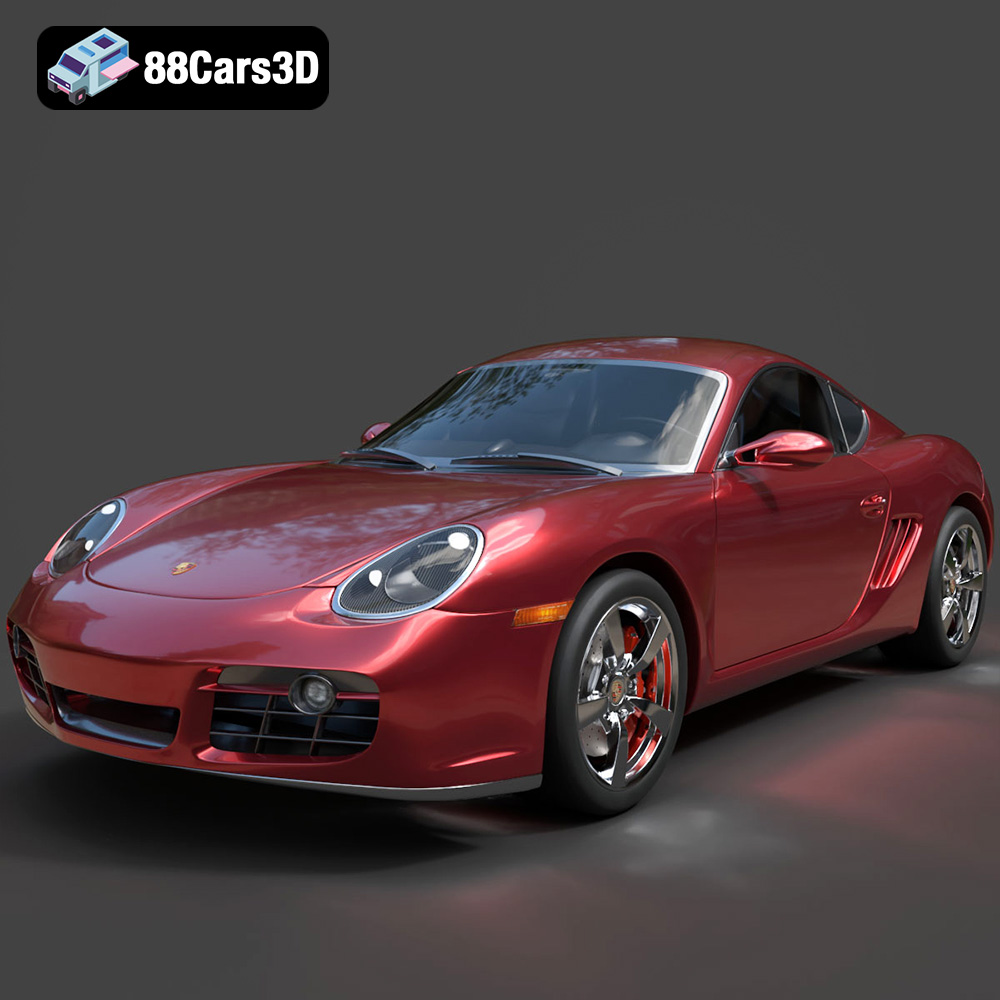
Texture: Yes
Material: Yes
Download the Porsche Cayman S 2024 3D Model featuring clean geometry, realistic detailing, and a fully modeled interior. Includes .blend, .fbx, .obj, .glb, .stl, .ply, .unreal, and .max formats for rendering, simulation, and game development.
Price: $10
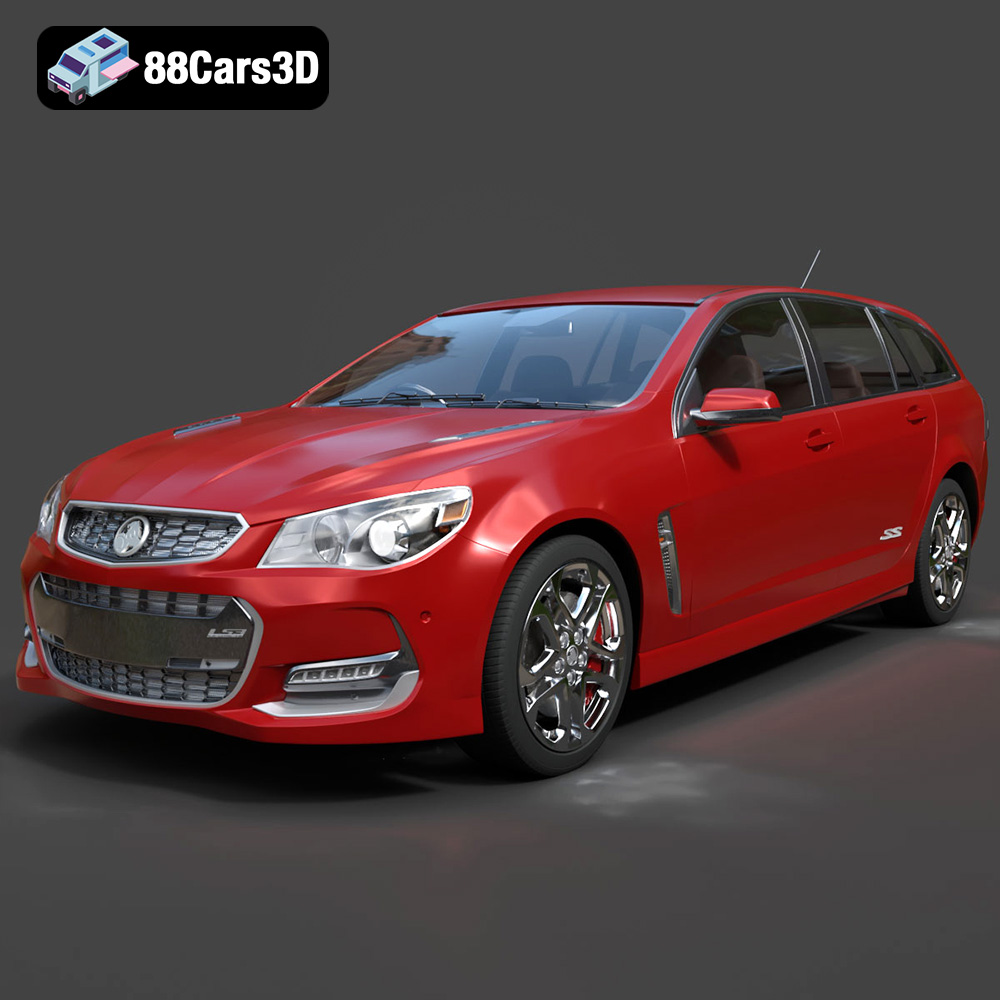
Texture: Yes
Material: Yes
Download the Holden Commodore Sportwagon 2017 3D Model featuring clean geometry, realistic detailing, and a fully modeled interior. Includes .blend, .fbx, .obj, .glb, .stl, .ply, .unreal, and .max formats for rendering, simulation, and game development.
Price: $10
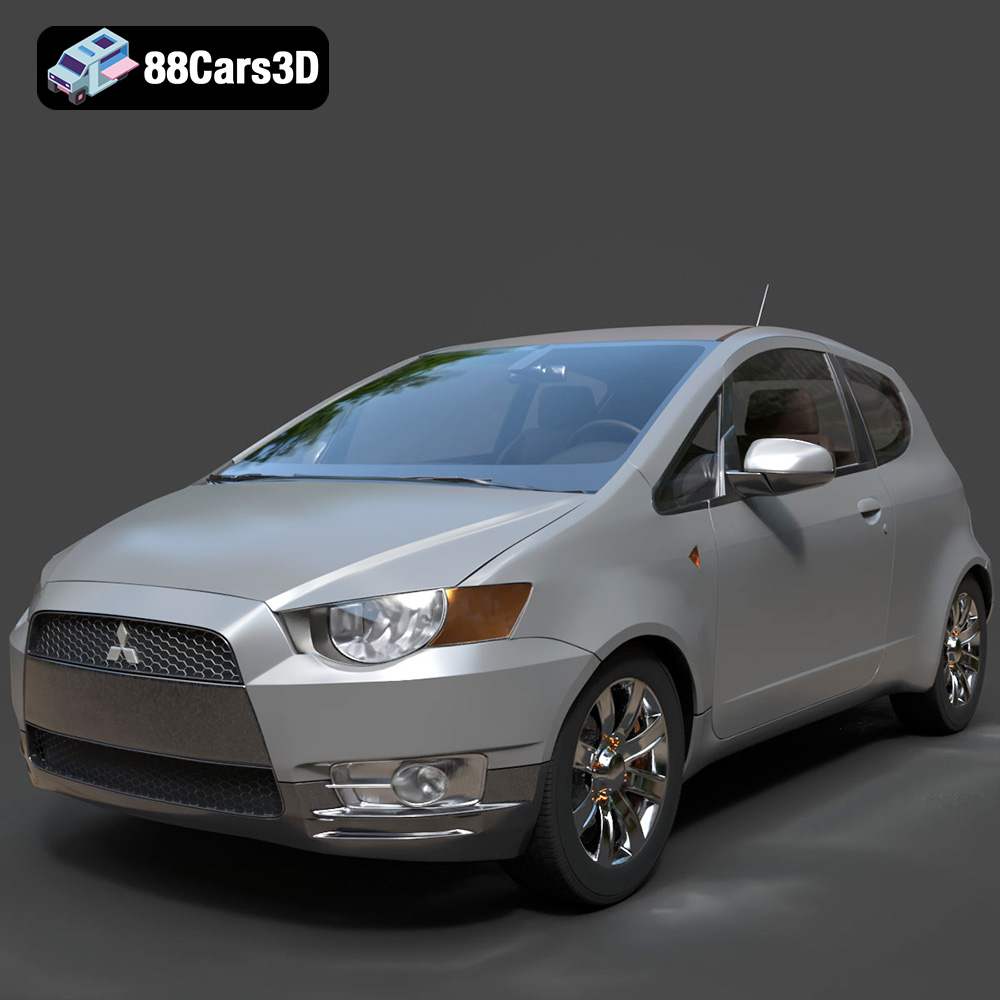
Texture: Yes
Material: Yes
Download the Mitsubishi Colt 3 Door 2008 3D Model featuring clean geometry, realistic detailing, and a fully modeled interior. Includes .blend, .fbx, .obj, .glb, .stl, .ply, .unreal, and .max formats for rendering, simulation, and game development.
Price: $10
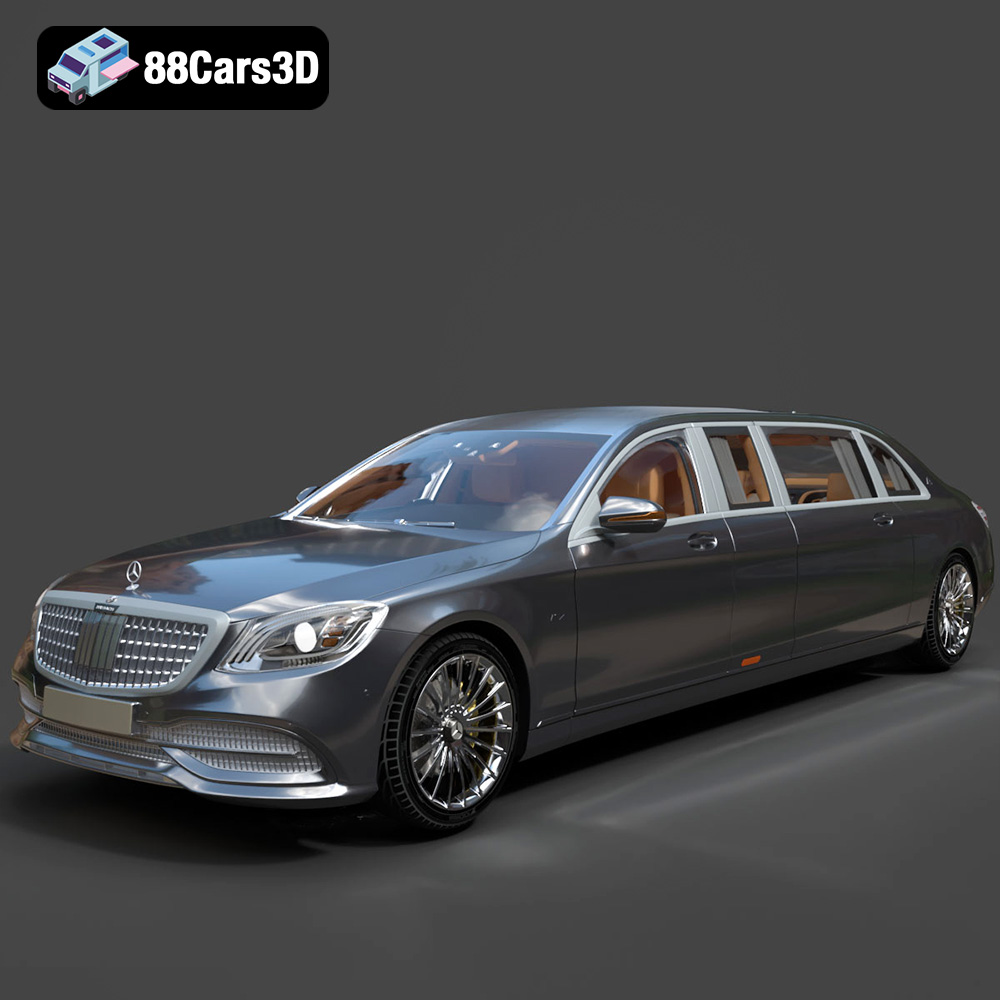
Texture: Yes
Material: Yes
Download the Mercedes-Benz S650 Pullman 3D Model featuring clean geometry, realistic detailing, and a fully modeled interior. Includes .blend, .fbx, .obj, .glb, .stl, .ply, .unreal, and .max formats for rendering, simulation, and game development.
Price: $10
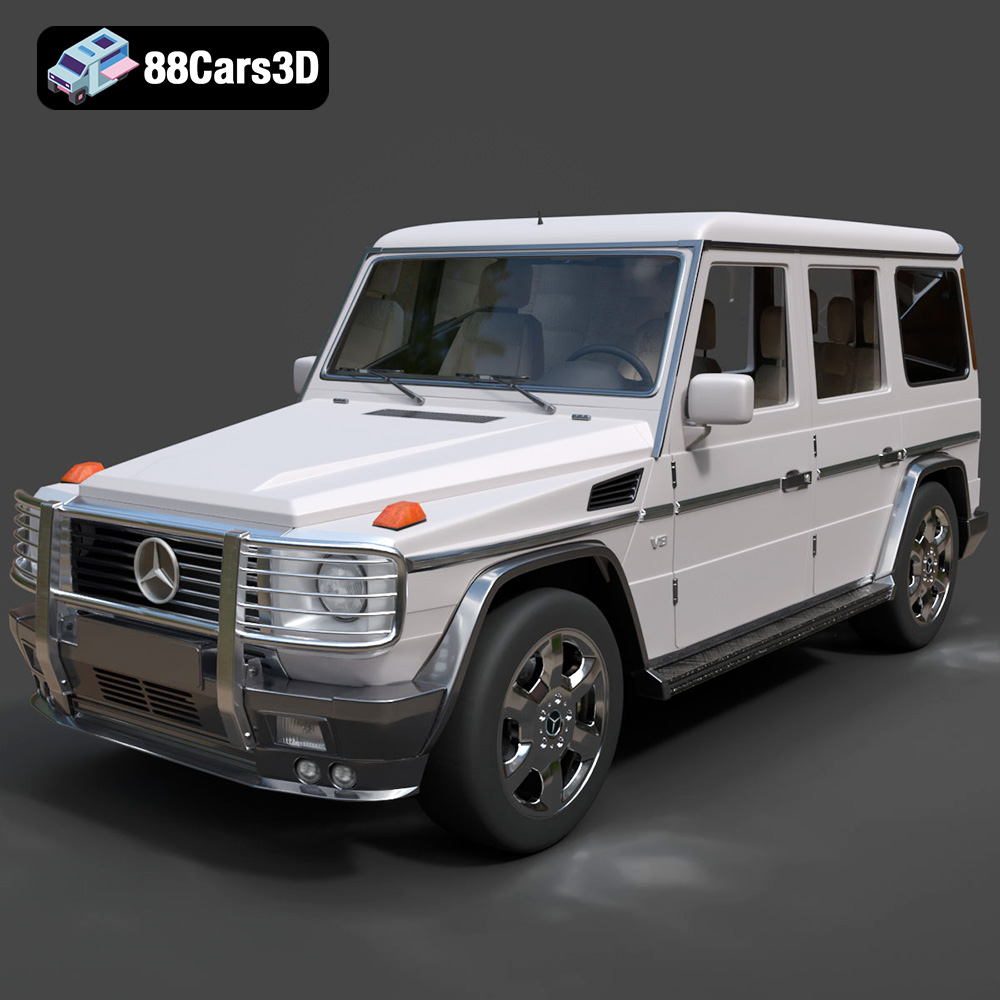
Texture: Yes
Material: Yes
Download the Mercedes G-Class SUV 2024 3D Model featuring clean geometry, realistic detailing, and a fully modeled interior. Includes .blend, .fbx, .obj, .glb, .stl, .ply, .unreal, and .max formats for rendering, simulation, and game development.
Price: $10

**Meta Description:**
Texture: Yes
Material: Yes
Download the Toyota Crown Majesta 2009 3D Model with luxury detailing, clean topology, and a fully modeled interior. Available in .blend, .fbx, .obj, .glb, .stl, .ply, .unreal, and .max formats for rendering, simulation, and game development.
Price: $4.99

**Meta Description:**
Texture: Yes
Material: Yes
Download the Toyota AE86 Levin 1983 1987 3D Model featuring realistic exterior and interior detailing. Includes .blend, .fbx, .obj, .glb, .stl, .ply, .unreal, and .max formats for rendering, simulation, and game development.
Price: $9.99

