⚡ FLASH SALE: Get 60% OFF All Premium 3D & STL Models! ⚡

“`html
In the world of digital creation, the 3D car model stands as a pinnacle of complexity and artistry. It’s an asset that transcends a single purpose, finding its home in hyper-realistic automotive renderings, fast-paced video games, immersive augmented reality (AR) experiences, and even as a physical object through 3D printing. Creating a car model that excels in one of these areas is a challenge; creating one that can be adapted for all of them requires a mastery of sophisticated workflows and technical principles. This guide is a deep dive into the professional pipeline for building versatile, high-quality 3D car models. We will deconstruct the entire process, from the foundational mesh and topology to the specific optimization techniques required for each unique application. You will learn the industry best practices for UV mapping, PBR texturing, and setting up stunning renders, as well as the critical steps for preparing your asset for real-time game engines, AR/VR platforms, and 3D printing. Whether you are a seasoned 3D artist, a game developer, or an automotive designer, this comprehensive overview will equip you with the knowledge to create truly universal automotive assets.
The journey to a versatile 3D car model begins with a flawless foundation: the 3D mesh itself. Without clean, deliberate geometry, no amount of texturing or rendering wizardry can save the final product. This initial modeling stage is where the asset’s potential is defined, influencing everything from how light reflects off its surfaces to how efficiently it performs in a game engine. The key lies in understanding the symbiotic relationship between topology—the flow of polygons—and the final intended use. For automotive models, which are defined by their precise curves and reflective surfaces, this is not just a technical step but an art form. Investing time and precision here ensures the model is robust, flexible, and ready for any application you can imagine.
For any high-quality 3D car, topology is king. An ideal automotive model is built almost exclusively with quadrilaterals (quads), as they subdivide cleanly and deform predictably, which is essential for achieving smooth, reflective surfaces. The term edge flow refers to the way these quads are arranged to follow the natural contours and lines of the vehicle. Proper edge flow is what allows you to create sharp, precise panel gaps, fender flares, and character lines that catch the light realistically. A common technique is to use “holding edges” or “support loops”—additional edge loops placed close to a hard edge—to maintain sharpness after applying subdivision modifiers (like TurboSmooth in 3ds Max or the Subdivision Surface modifier in Blender). This “subdivision-ready” workflow is standard practice because it allows artists to work on a relatively simple base mesh while being able to generate a high-resolution version for rendering with the click of a button. Messy topology, filled with triangles and chaotic edge loops, will result in visible pinching, shading artifacts, and unpredictable reflections, immediately compromising the model’s realism.
The required polygon count is one of the most significant factors that changes between applications. A “hero” car model intended for a cinematic close-up or a high-resolution marketing render might have millions of polygons after subdivision, capturing every minute detail. For instance, a render-ready exterior might start at 300,000 to 700,000 polygons before subdivision. However, this level of detail is completely unsustainable for real-time applications. For game engines, a system of Levels of Detail (LODs) is used. The primary model, LOD0, would be the most detailed version used when the player is close, typically ranging from 80,000 to 150,000 triangles (quads are converted to triangles in-engine). As the car moves further away, the engine swaps to lower-poly versions: LOD1 (~40,000-75,000 triangles), LOD2 (~15,000-30,000 triangles), and so on. A professional workflow involves creating the high-poly “source” model first and then generating the optimized LODs from it through a process called retopology.
The level of detail required for a car’s interior dramatically impacts the modeling process and overall polygon budget. There are generally three tiers of interior modeling:
Once the 3D model’s geometry is finalized, the next crucial step is to breathe life into it with realistic materials and textures. This is achieved through a two-part process: UV unwrapping and PBR texturing. UV unwrapping is the technical foundation that allows 2D images (textures) to be correctly applied to the 3D surface. Think of it as creating a flat pattern or blueprint of your 3D model. Without a well-executed UV map, textures will appear stretched, compressed, or distorted. Following this, the PBR (Physically Based Rendering) texturing workflow uses a set of specialized texture maps to simulate how light interacts with different materials in the real world. This combination of a clean UV layout and high-quality PBR textures is what separates an average model from a truly photorealistic one, capable of convincing the eye that it is real, whether in a still render or a dynamic game environment.
UV mapping is the process of translating a 3D mesh surface into a 2D representation, known as a UV map. For automotive models, this requires a strategic approach.
The industry standard for creating realistic materials is the PBR materials workflow, most commonly the Metallic/Roughness approach. This system uses several texture maps to define a material’s properties:
These textures are authored in software like Adobe Substance Painter, Quixel Mixer, or even directly within Blender’s texture painting tools.
The resolution of your textures directly impacts both visual quality and performance. For high-end automotive rendering, 4K (4096×4096) or even 8K (8192×8192) textures are common for large parts like the main body. For smaller components, 2K or 1K textures may suffice. In real-time applications, this becomes a critical performance consideration. A common optimization technique for game assets is texture atlasing. This involves combining the UV maps of multiple separate objects onto a single, larger UV layout. For example, all the small components of the dashboard (buttons, knobs, vents) can be unwrapped to share one texture set. This allows the game engine to render all those objects in a single command, or “draw call,” dramatically improving performance.
Creating a photorealistic render of a 3D car model is the ultimate test of both the asset’s quality and the artist’s skill. This process goes beyond just having a good model; it’s about simulating the complex interplay of light, shadow, and reflection that our eyes perceive in the real world. A successful automotive render combines three key elements: a realistic lighting setup that mimics a professional photo studio or natural environment, a powerful render engine capable of accurately calculating light physics, and a final post-processing stage to fine-tune the image to perfection. When these elements are harmonized, the digital model transcends its polygonal origins and becomes virtually indistinguishable from a photograph.
Lighting is arguably the most critical element in achieving photorealism. The most common and effective technique for lighting vehicles is Image-Based Lighting (IBL) using a High Dynamic Range Image (HDRI). An HDRI is a 360-degree panoramic image that contains a vast range of light intensity data. When used as an environment map, it projects realistic lighting and, crucially, detailed reflections onto the car’s surface. This is what gives the car paint its depth and the chrome its brilliant shine. For studio shots, artists often supplement the HDRI with manually placed 3D lights:
This combination provides complete control over the final look, allowing artists to sculpt the car with light and highlight its most important design features.
The choice of render engine plays a significant role in the final output. While many engines are capable of producing great results, some are particularly favored for automotive rendering.
The raw render from the engine is rarely the final image. Professional artists render out multiple layers, or “passes,” to have maximum control during the final compositing stage. Common render passes include:
These passes are then layered in software like Adobe Photoshop, Affinity Photo, or Blackmagic Fusion. Here, the artist can precisely adjust the intensity of reflections, deepen shadows with the AO pass, perform color grading to set the mood, and add subtle effects like lens flares, chromatic aberration, or a vignette to draw the viewer’s eye. This final step is what polishes the image and elevates it to a truly professional level.
Transitioning a high-quality 3D car model from a cinematic rendering pipeline to a real-time game engine like Unity or Unreal Engine requires a rigorous process of optimization. In a game, performance is paramount; every polygon, texture, and material must be carefully managed to ensure a smooth, stable frame rate, typically targeting 60 frames per second (FPS) or higher. Unlike pre-rendered scenes where render times can take minutes or hours per frame, a game engine must render the entire scene in about 16 milliseconds. This demands a different mindset, one focused on efficiency and clever compromises. The goal is to retain as much visual fidelity as possible from the high-detail source model while adhering to the strict technical budgets of real-time rendering. When done correctly, this process yields a game asset that is both beautiful and performant.
The first step in preparing a high-poly model for a game engine is retopology. This is the process of creating a new, clean, and highly optimized low-polygon mesh that sits on top of the original high-poly model. This low-poly mesh will be the actual asset used in the game. The goal is to capture the silhouette and major forms of the original with the fewest polygons possible. Once the base low-poly model (LOD0) is created, its high-resolution details (like panel lines, vents, and emblems) are “baked” from the source model into a normal map. This creates the illusion of detail on a much simpler geometry. Following this, even lower-poly versions—Levels of Detail (LODs)—are created. A typical strategy involves:
This ensures that the engine is only ever rendering the amount of detail necessary based on the car’s distance from the camera.
A “draw call” is a command sent from the CPU to the GPU to draw an object on the screen. Each object with its own unique material generates at least one draw call. A high number of draw calls can create a CPU bottleneck and severely impact performance. Therefore, minimizing them is a top priority for game optimization.
Careful planning during the modeling and texturing phase is essential for an efficient draw call strategy.
Once the optimized model and textures are ready, they must be imported into the game engine and set up correctly. Both Unity and Unreal Engine use advanced PBR-based material editors. The texture maps created in the PBR workflow (Albedo, Metallic, Roughness, Normal, AO) are plugged into the corresponding inputs in the engine’s material editor. Modern engines offer highly realistic car paint shaders out of the box, which often include parameters for a clear coat layer and metallic flake simulation. It’s important to keep shaders efficient; complex, multi-layered shaders can be expensive on performance. For elements like glass, artists must configure transparency settings carefully, as transparent materials are more performance-intensive to render than opaque ones. Properly configuring materials and shaders in-engine is the final step to ensuring the 3D car model looks and performs its best in the game.
Beyond cinematic renders and gaming, 3D car models are increasingly being used in two revolutionary fields: Augmented/Virtual Reality (AR/VR) and 3D printing. Each of these applications presents its own unique set of technical challenges and requires a specialized preparation workflow. For AR and VR, the primary constraint is extreme performance optimization, as these platforms, especially on mobile devices, have very limited processing power. For 3D printing, the challenge shifts from visual appearance to physical viability; the digital model must be converted into a solid, “watertight” object that a printer can successfully manufacture layer by layer. Mastering these distinct pipelines unlocks the full potential of a 3D car model, transforming it from a purely visual asset into an interactive experience or a tangible object.
AR and VR applications demand the highest level of performance optimization. Because the scene must be rendered twice (once for each eye) and at a high frame rate (typically 90 FPS) to avoid motion sickness, the polygon and texture budgets are extremely strict.
Quality models for these platforms, such as those available on marketplaces like 88cars3d.com, are often provided in these ready-to-use formats.
Preparing a model for 3D printing is a completely different challenge. The focus shifts from visual aesthetics to structural integrity.
The final step before printing is exporting the prepared model in a compatible format. The most universally accepted format for 3D printing is STL (Stereolithography), which describes the surface geometry of the 3D model as a collection of triangles. OBJ is also widely used and has the advantage of containing UV information, though this is less relevant for single-color prints. Once exported, the file is imported into a “slicer” program (e.g., Cura, PrusaSlicer, Chitubox). The slicer software converts the 3D model into a series of thin horizontal layers and generates a G-code file containing the exact instructions and toolpaths the 3D printer will follow to build the object, layer by painstaking layer.
We have journeyed through the multifaceted world of 3D car model creation, revealing that a single asset can wear many hats—a star in a photorealistic render, a performant hero in a video game, an interactive object in AR, and a physical model on your desk. The key to this versatility is not a secret trick, but a methodical approach built on a strong foundation. It begins with meticulous, quad-based topology that respects the vehicle’s form. It builds upon this with strategic UV unwrapping and high-fidelity PBR texturing to achieve stunning realism. From there, the path diverges into specialized workflows: leveraging powerful render engines and post-processing for breathtaking automotive rendering, and employing rigorous optimization techniques like retopology and LOD creation for real-time game assets. Finally, we explored the technical preparations needed to make a model physically sound for 3D printing or hyper-efficient for AR/VR applications.
Your next step is to put this knowledge into practice. Start by focusing on one area: practice creating clean edge flow on a car hood, experiment with PBR materials on a simple wheel, or try optimizing an existing model for a game engine. As you master each stage, you’ll find that your ability to create truly universal assets grows. For inspiration and to study how professionals structure their models, exploring high-quality assets on platforms like 88cars3d.com can provide invaluable insight into industry-standard topology, texturing, and file preparation. The ultimate 3D car model is one that is built with purpose and adaptability from the very first polygon, ready to excel in any reality—virtual or physical.
“`

Texture: Yes
Material: Yes
Download the Mercedes S-Class 2024 3D Model featuring clean geometry, realistic detailing, and a fully modeled interior. Includes .blend, .fbx, .obj, .glb, .stl, .ply, .unreal, and .max formats for rendering, simulation, and game development.
Price: $10
Texture: Yes
Material: Yes
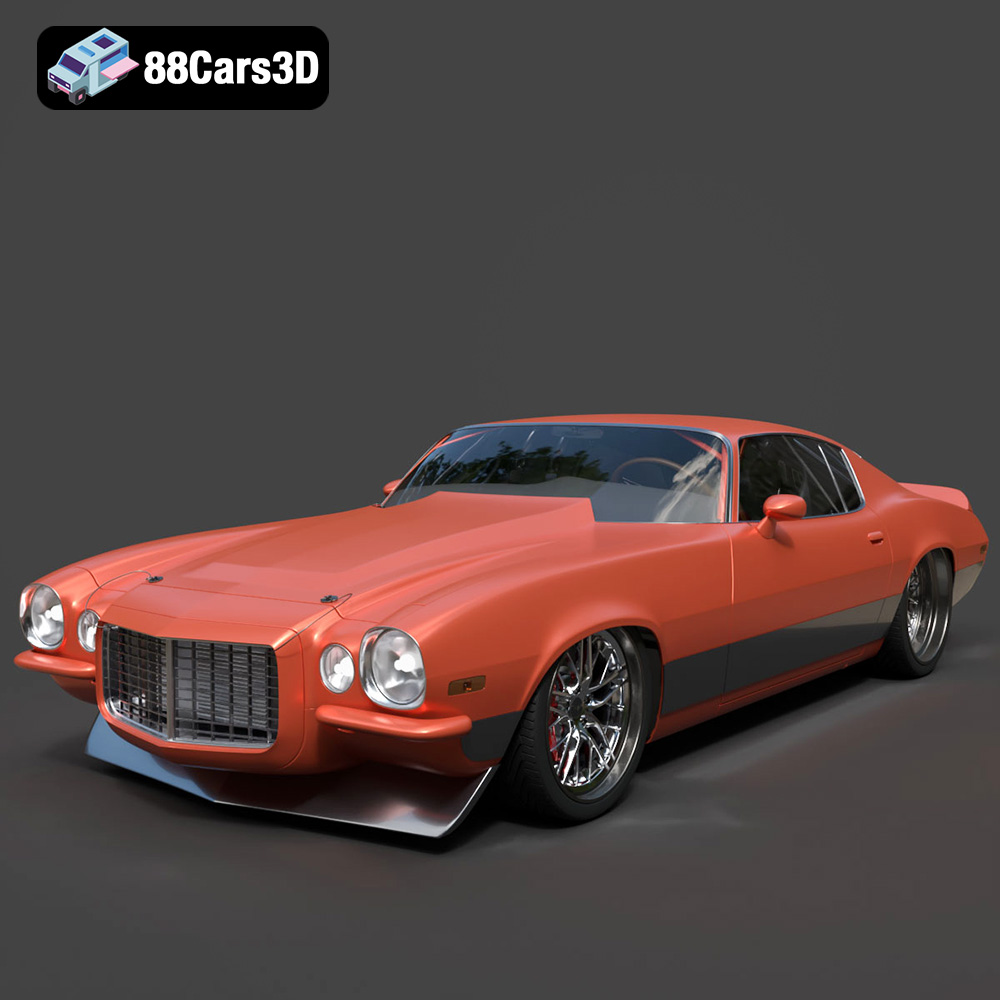
Download the Chevrolet Camaro 1970 3D Model featuring clean geometry, realistic detailing, and a fully modeled interior. Includes .blend, .fbx, .obj, .glb, .stl, .ply, .unreal, and .max formats for rendering, simulation, and game development.
Price: $10
Texture: Yes
Material: Yes
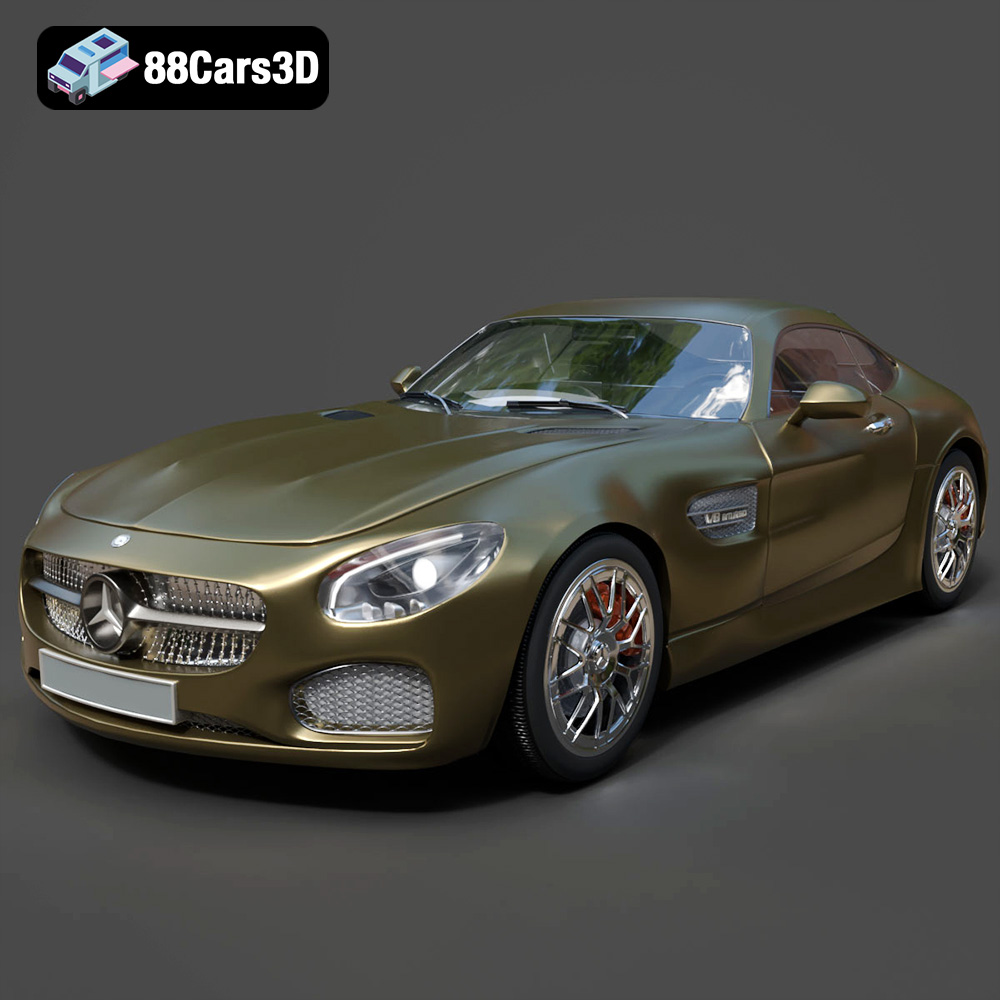
Download the Mercedes-AMG GT 2015 3D Model featuring clean geometry, realistic detailing, and a fully modeled interior. Includes .blend, .fbx, .obj, .glb, .stl, .ply, .unreal, and .max formats for rendering, simulation, and game development.
Price: $88.99
Texture: Yes
Material: Yes
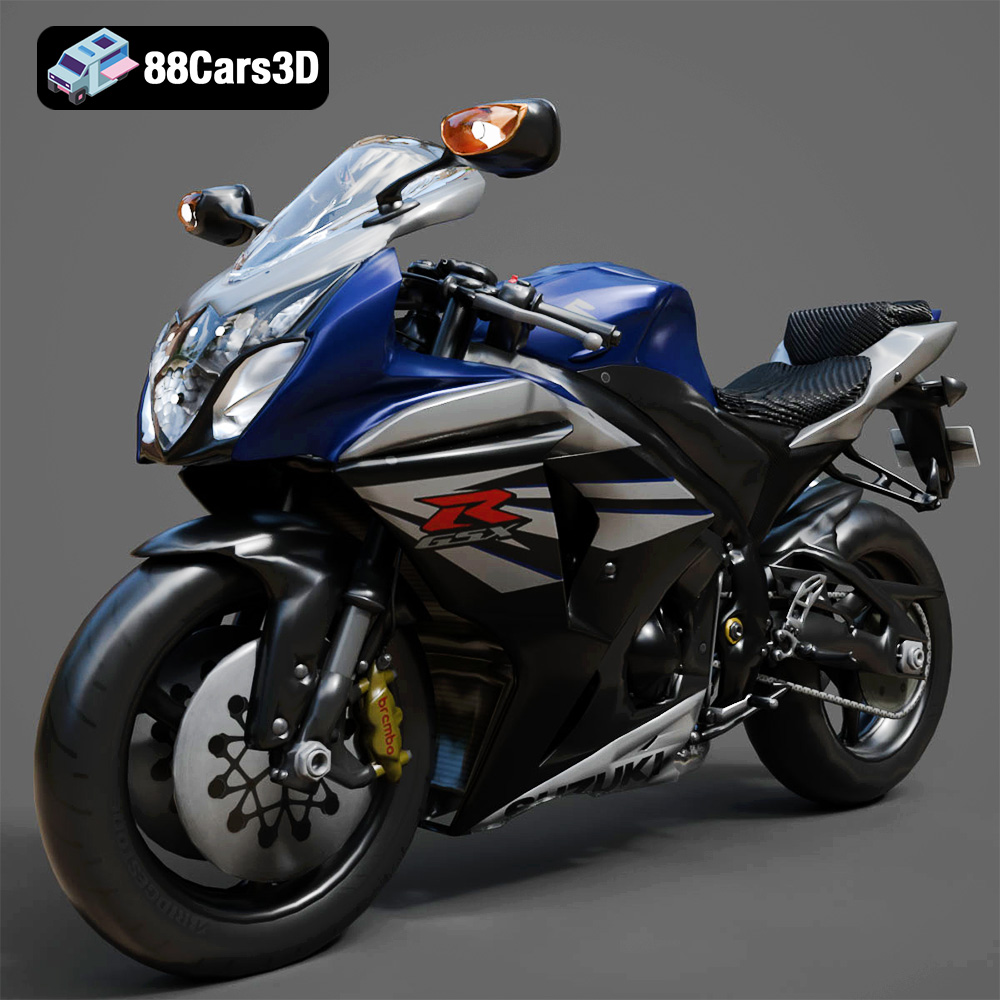
Download the Suzuki GSX-R 1000 3D Model featuring clean geometry, realistic detailing, and a fully modeled interior. Includes .blend, .fbx, .obj, .glb, .stl, .ply, .unreal, and .max formats for rendering, simulation, and game development.
Price: $10
Texture: Yes
Material: Yes
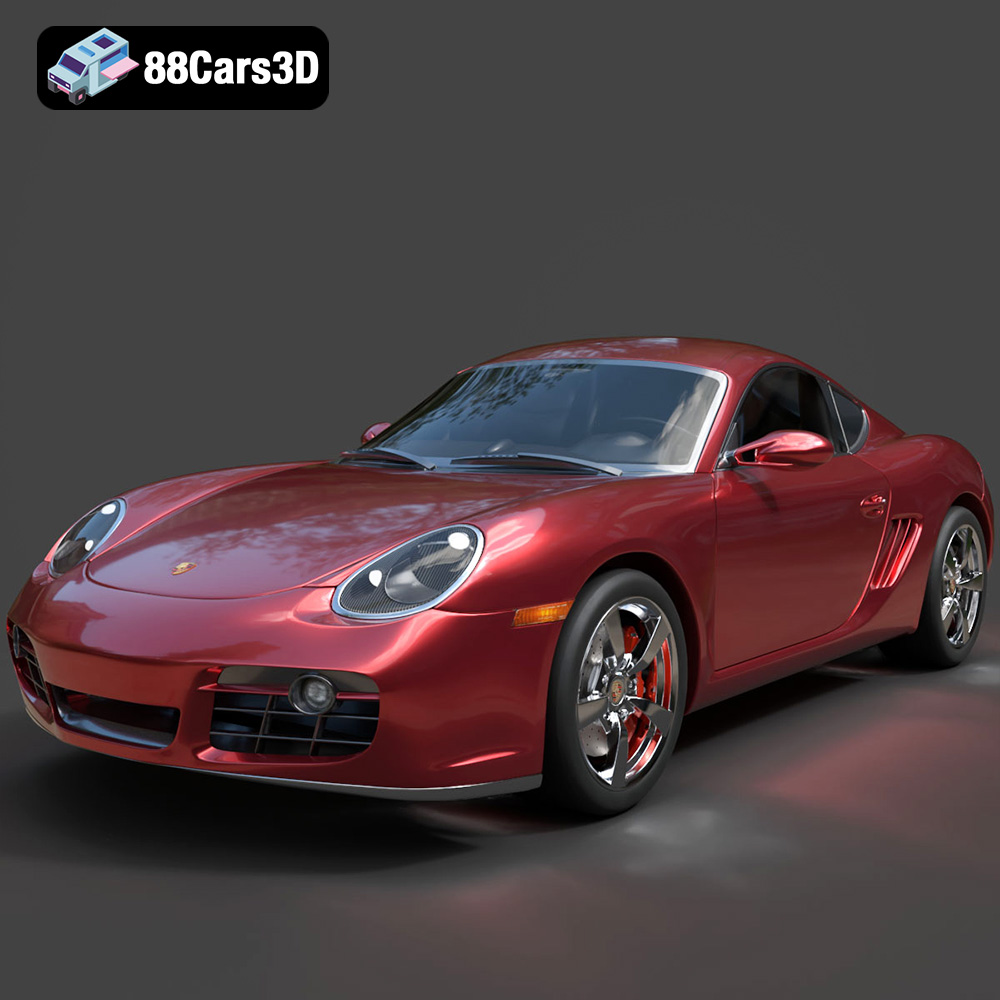
Download the Porsche Cayman S 2024 3D Model featuring clean geometry, realistic detailing, and a fully modeled interior. Includes .blend, .fbx, .obj, .glb, .stl, .ply, .unreal, and .max formats for rendering, simulation, and game development.
Price: $10
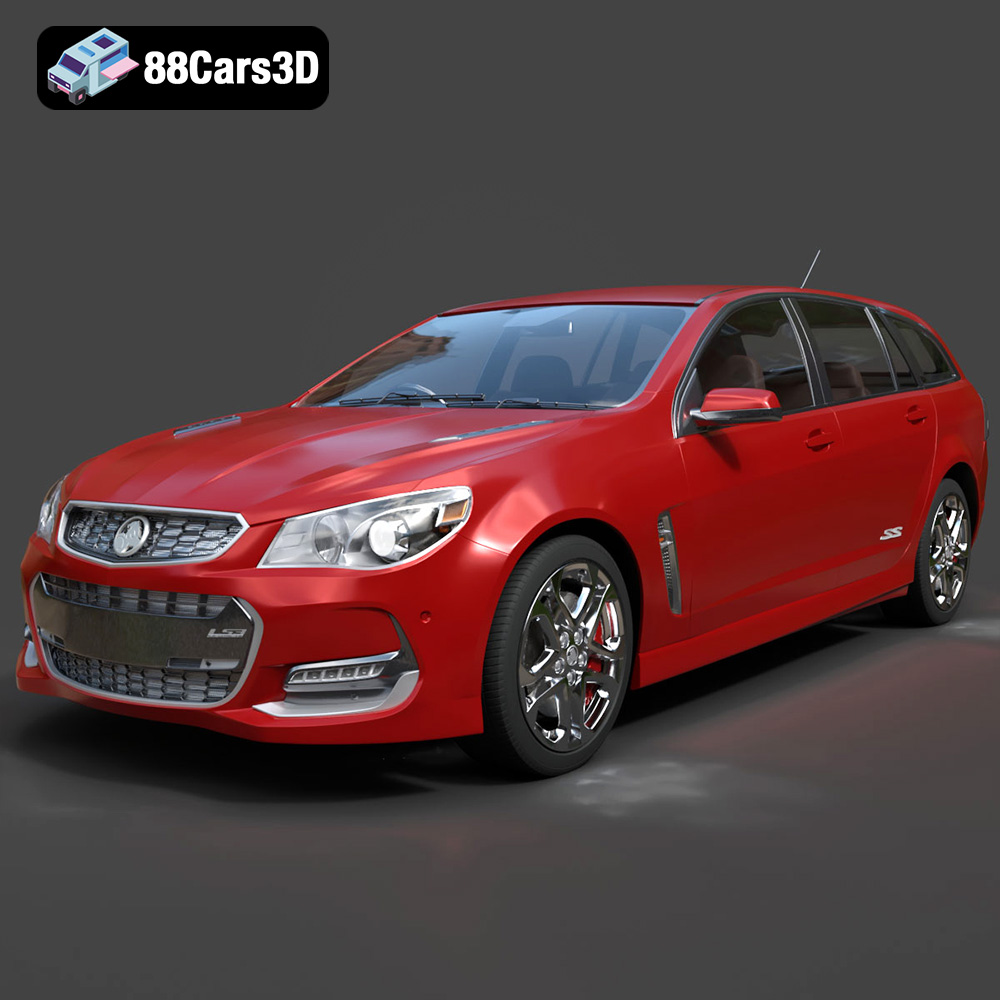
Texture: Yes
Material: Yes
Download the Holden Commodore Sportwagon 2017 3D Model featuring clean geometry, realistic detailing, and a fully modeled interior. Includes .blend, .fbx, .obj, .glb, .stl, .ply, .unreal, and .max formats for rendering, simulation, and game development.
Price: $10
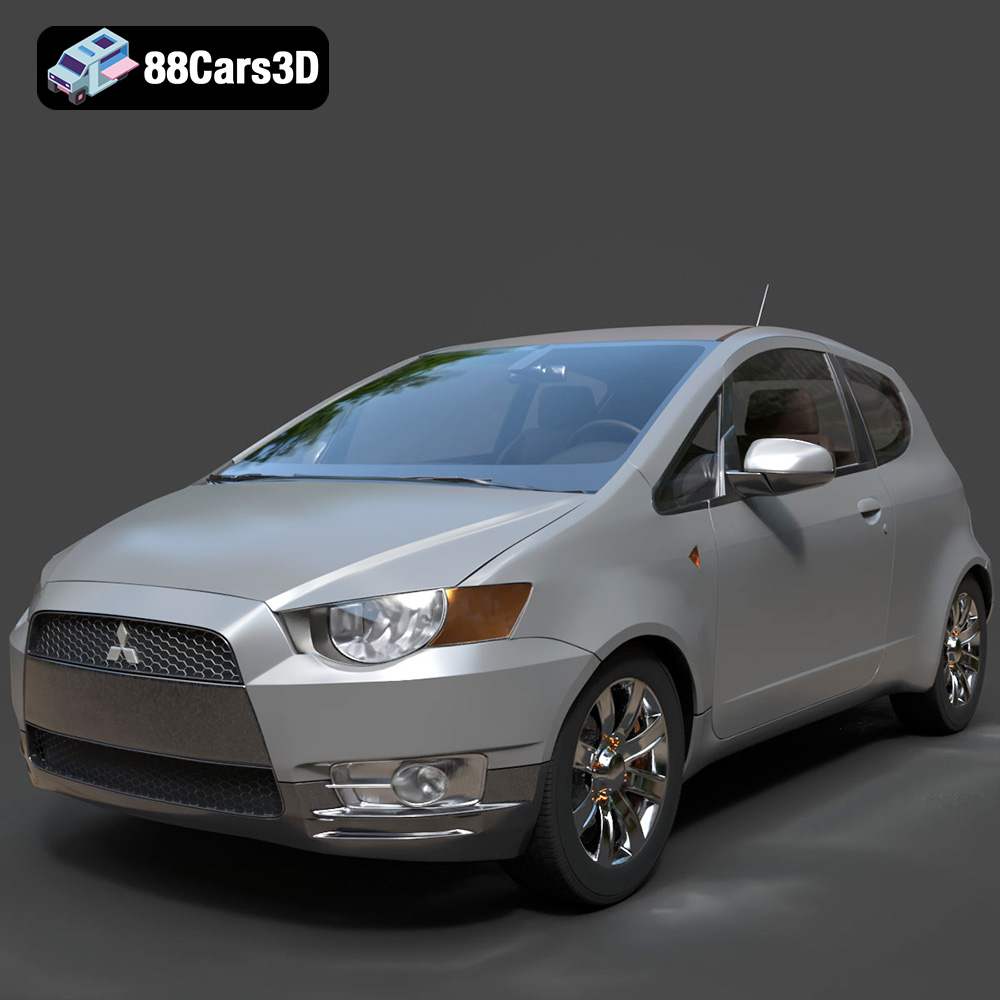
Texture: Yes
Material: Yes
Download the Mitsubishi Colt 3 Door 2008 3D Model featuring clean geometry, realistic detailing, and a fully modeled interior. Includes .blend, .fbx, .obj, .glb, .stl, .ply, .unreal, and .max formats for rendering, simulation, and game development.
Price: $10
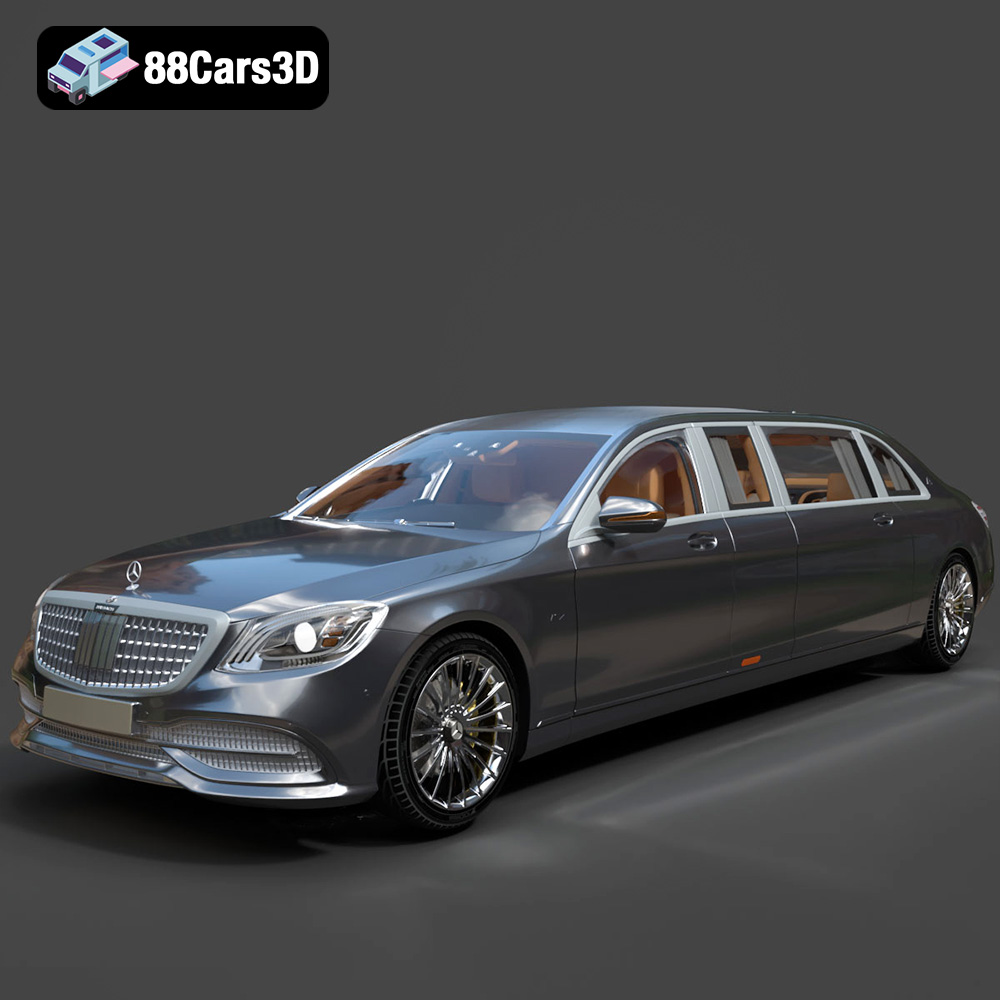
Texture: Yes
Material: Yes
Download the Mercedes-Benz S650 Pullman 3D Model featuring clean geometry, realistic detailing, and a fully modeled interior. Includes .blend, .fbx, .obj, .glb, .stl, .ply, .unreal, and .max formats for rendering, simulation, and game development.
Price: $95.99
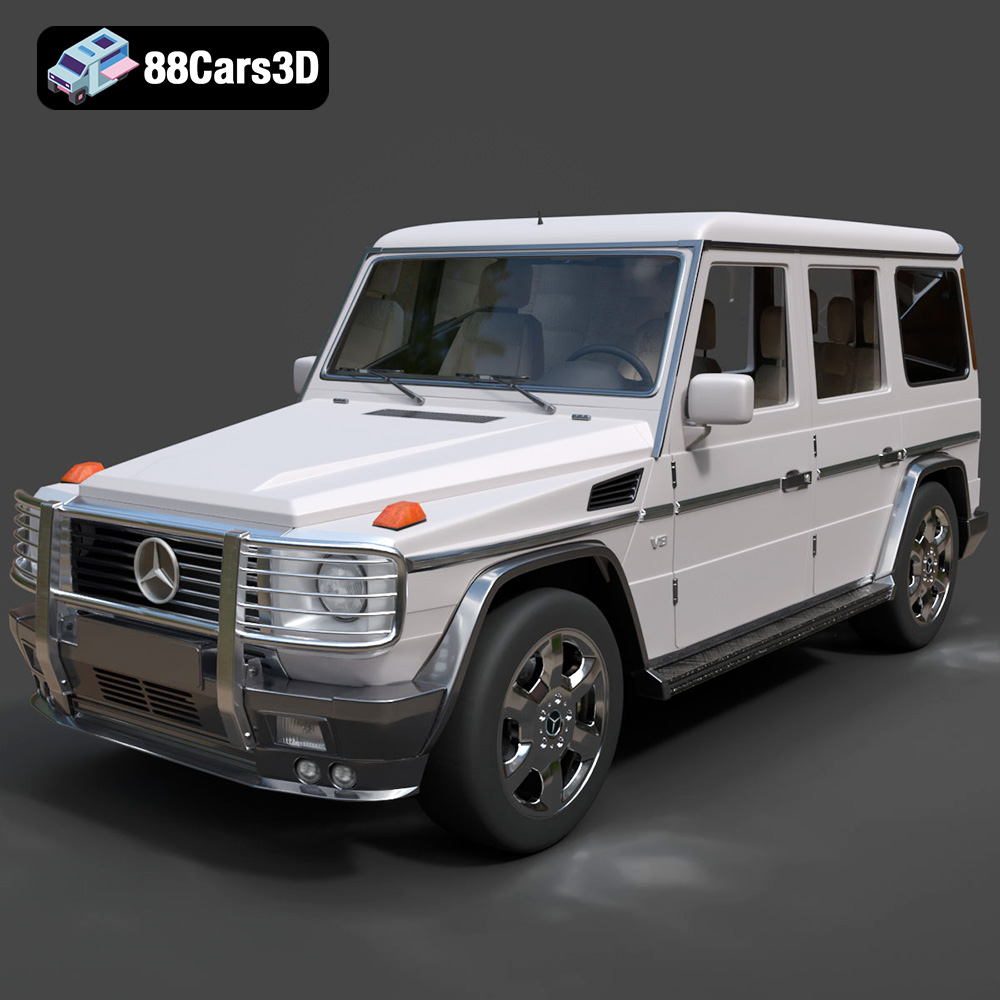
Texture: Yes
Material: Yes
Download the Mercedes G-Class SUV 2024 3D Model featuring clean geometry, realistic detailing, and a fully modeled interior. Includes .blend, .fbx, .obj, .glb, .stl, .ply, .unreal, and .max formats for rendering, simulation, and game development.
Price: $10
Texture: Yes
Material: Yes
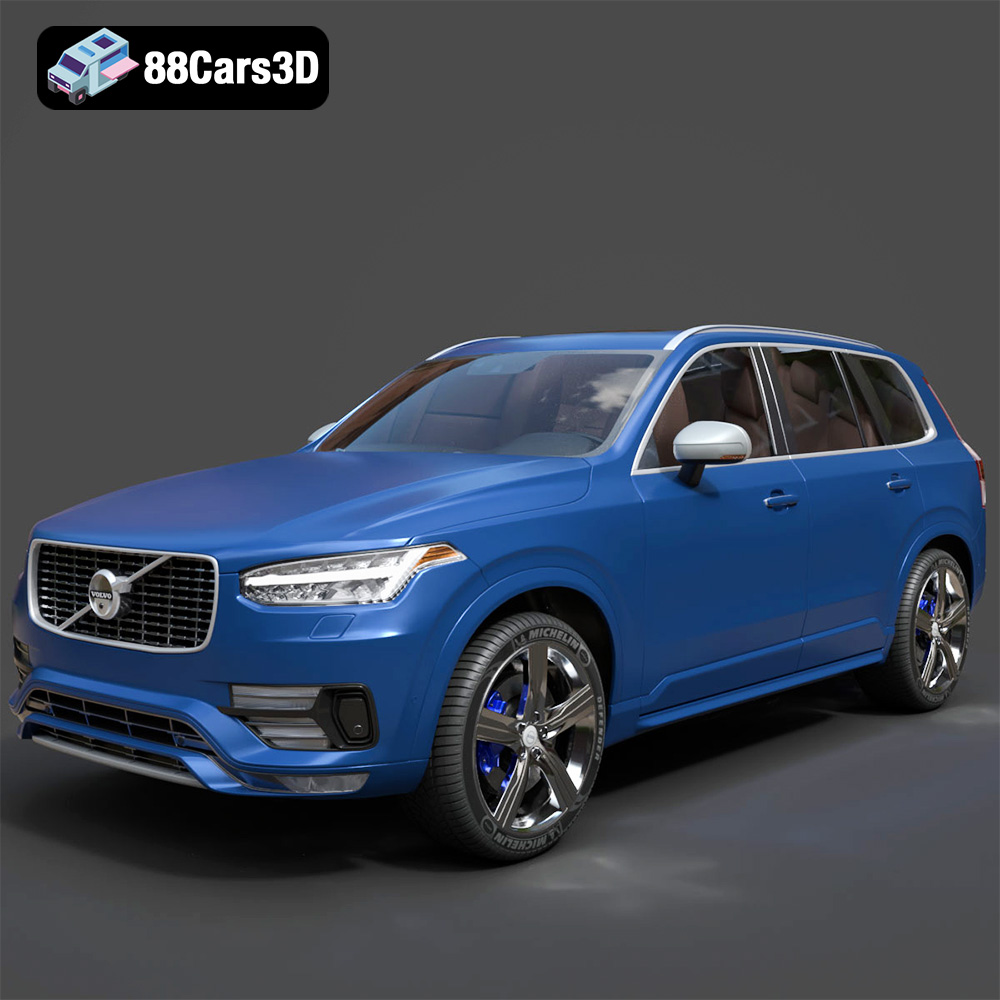
Download the Volvo XC90 R-Design 2015 3D Model featuring clean geometry, realistic detailing, and a fully modeled interior. Includes .blend, .fbx, .obj, .glb, .stl, .ply, .unreal, and .max formats for rendering, simulation, and game development.
Price: $10

