⚡ FLASH SALE: Get 60% OFF All Premium 3D & STL Models! ⚡

“`html
There are few objects as universally captivating as the automobile. It’s a marvel of engineering, a piece of kinetic sculpture, and a symbol of freedom. Capturing this blend of precision and artistry in the digital realm is one of the most challenging and rewarding tasks a 3D artist can undertake. A high-quality 3D car model is a versatile digital asset, capable of starring in a cinematic automotive rendering, performing as a high-speed vehicle in a video game, or even becoming a physical object through 3D printing. However, creating a model that excels in one area doesn’t guarantee its success in another. The path from a blank viewport to a multi-purpose, production-ready asset is paved with technical decisions and meticulous craftsmanship. This comprehensive guide will navigate that path, exploring the core principles and advanced techniques required to build 3D car models that are not only visually stunning but also technically robust for any application. We will delve into the foundational importance of topology, demystify the complex art of UV mapping, build photorealistic materials, and optimize for the demanding worlds of gaming, AR/VR, and beyond.
The foundation of any great 3D car model is its topology—the flow and structure of its polygons. Flawless topology is not just about aesthetics; it dictates how the model will deform, how it will accept textures, and how smoothly it will render. For the complex, flowing surfaces of a car, getting this right is non-negotiable. Poor edge flow can lead to unsightly pinching, lighting artifacts, and shading errors that no amount of texturing can hide. The industry standard is a quad-based workflow, meaning the mesh is constructed almost entirely of four-sided polygons. Quads are predictable, subdivide cleanly, and are ideal for creating the smooth, continuous surfaces characteristic of automotive design. This approach provides the ultimate control over the model’s form, ensuring that highlights and reflections glide seamlessly across the body panels, just as they would in the real world. When you source professional assets from marketplaces like 88cars3d.com, you are paying for this expertly crafted topology that saves hours of frustration.
Edge flow is the art of directing the polygon loops to define and support the car’s shape. For automotive models, edge loops must follow the primary contours of the bodywork—circling the wheel arches, defining the sharp crease of a shoulder line, and outlining the window frames. This ensures that when a subdivision surface modifier (like Turbosmooth in 3ds Max or Subsurf in Blender) is applied, the model maintains its intended shape without collapsing or creating lumps. A key technique is to use support loops or holding edges placed closely on either side of a sharp crease. This tightens the subdivided surface, creating crisp panel gaps and character lines while allowing the larger surfaces to remain smooth and flowing. The density of the topology should be carefully managed; it should be dense enough to hold the curvature but sparse enough to be editable and efficient.
The required polygon count varies dramatically depending on the model’s final use case. It’s crucial to model with this target in mind from the start.
Once the model’s geometry is perfected, the next critical phase is UV mapping. This process involves “unfolding” the 3D mesh into a 2D space, creating a map that tells the software how to apply textures to the model’s surface. For a complex object like a car, with its mix of large, curved panels and intricate mechanical parts, UV unwrapping is a significant undertaking. A sloppy UV layout can result in stretched, distorted textures, visible seams in unwanted places, and inefficient use of texture space, all of which shatter the illusion of realism. The primary goals are to minimize distortion, strategically place seams where they are least visible (e.g., along hard edges or panel gaps), and maximize the use of the texture area, a concept known as texel density. Consistent texel density across the model ensures that textures have a uniform resolution, so a decal on the door doesn’t look sharper or blurrier than the texture on the hood.
The core of the UV unwrapping process is defining seams. Seams are edges on the 3D model that are designated as splitting points for the 2D UV layout, creating separate UV “islands.” Mastering the placement of seams is critical. In Blender, for instance, you enter Edit Mode, select the desired edges, and use the ‘Mark Seam’ tool to define where the UV island edges will be. For an in-depth guide on the underlying principles and tools in Blender, the official Blender 4.4 documentation is an invaluable resource. Best practices for a car model include:
Maintaining a consistent texel density is crucial. Tools like the Texel Density checker in RizomUV or the UV Toolkit in Maya help visualize and equalize the resolution across all UV islands.
For cinematic-quality assets that require extreme close-ups, a single texture map (e.g., 4K or 8K) may not provide enough resolution across the entire car. This is where the UDIM (U-Dimension) workflow comes in. UDIMs allow you to spread a model’s UVs across multiple texture maps, or “tiles,” within the same material. For a car, you could dedicate one UDIM tile to the main body, another to the wheels and brakes, a third to the interior, and so on. This approach allows you to assign massive texture resolution (e.g., multiple 8K maps) to a single object without being constrained by a single UV grid. Software like Mari, Substance Painter, and modern versions of Blender and Maya have robust UDIM support, making it the standard for high-end film and advertising assets.
With a perfectly modeled and unwrapped car, the next step is to create the materials that bring it to life. The modern standard for this is the Physically Based Rendering (PBR) workflow, which simulates how light interacts with surfaces in a physically plausible way. The most common PBR approach is the Metallic/Roughness workflow. It relies on a set of texture maps to define a surface’s properties:
This system is powerful because it’s intuitive and produces consistent results across different lighting conditions and render engines.
Automotive materials are notoriously complex. Car paint, for example, isn’t just a single color. A realistic car paint shader needs to be layered. In 3ds Max with Corona Renderer or Blender with Cycles, you can build a layered material consisting of:
Other materials like rubber for tires require high-roughness values and detailed normal maps for the sidewall lettering. Glass for windows and headlights needs correct Index of Refraction (IOR) values (approx. 1.52) and might have subtle “grunge” or dirt maps applied to the roughness channel for added realism.
The resolution of your textures should match the intended use case, just like polygon count. For a cinematic hero car using UDIMs, each tile might be a 4K (4096×4096) or 8K (8192×8192) texture. For a real-time game asset, the entire car might be mapped to a single 2K or 4K texture set. When working with PBR, it’s essential to use lossless file formats like .PNG or .TGA for most maps. However, for maps with a high frequency of detail like normal maps or when memory is a concern, compressed formats might be necessary. It’s also best practice to export maps correctly: the Base Color map should be in sRGB color space, while linear data maps like Roughness, Metallic, and AO should be in Linear (or Raw) color space to ensure the render engine interprets their values correctly.
Creating a 3D car for a game engine like Unreal Engine or Unity is a constant battle between visual fidelity and performance. A model that brings a workstation to its knees during rendering will completely halt a game. Optimization is not an afterthought; it’s a core part of the production process. The goal is to make the model look as good as possible while consuming the minimum amount of processing power, ensuring the game runs at a smooth, consistent framerate. This involves a multi-faceted approach, tackling geometry, materials, and textures to reduce the load on the GPU. High-quality game-ready models, such as those available from 88cars3d.com, often come pre-optimized with multiple LODs, saving developers countless hours of work.
Levels of Detail (LODs) are the single most important optimization for in-game geometry. An LOD system uses multiple versions of the same model, each with a progressively lower polygon count. The game engine automatically switches to a simpler version as the car gets farther from the camera.
Creating LODs involves carefully removing edge loops and collapsing details while preserving the car’s overall shape. This process can be done manually or with automated tools like InstaLOD or Simplygon.
Every time the GPU has to draw an object with a different material, it’s called a draw call. Too many draw calls can create a bottleneck and severely impact performance. To combat this, game artists use texture atlasing. This technique involves combining the textures for multiple parts of the car into a single, larger texture sheet. For example, instead of having separate materials and texture sets for the brake calipers, suspension, and exhaust, their UVs are all laid out onto one UV grid, and they share a single material. This allows the GPU to render all of those parts in a single draw call. The interior of a car is a prime candidate for atlasing, where the dashboard, seats, steering wheel, and door panels can often be combined into one material to drastically improve performance.
The utility of a 3D car model now extends far beyond traditional renders and games. Augmented Reality (AR) and Virtual Reality (VR) applications demand highly optimized assets that can be viewed from any angle in real-time, while 3D printing requires a completely different set of technical preparations to turn a digital file into a physical object. Each application presents unique challenges, from file format compatibility and performance budgets in AR/VR to mesh integrity and physical scale for 3D printing. A truly versatile car model is one that can be adapted to these emerging technologies, opening up new possibilities for automotive visualization, design prototyping, and custom collectibles.
For AR and VR, performance is paramount to provide a comfortable, immersive experience. The technical requirements are similar to game engine optimization but often even stricter, especially for mobile AR.
Preparing a model for 3D printing is a process of converting a visual asset into a manufacturable one. The key is creating a “watertight” or manifold mesh.
Creating a truly versatile 3D car model is a journey that blends artistic vision with rigorous technical execution. It begins with the fundamental discipline of clean topology, where every polygon serves a purpose in defining the vehicle’s iconic form. It progresses through the meticulous puzzle of UV mapping, laying the groundwork for the textures that will give the model its soul. In the material creation phase, artists become digital painters and scientists, layering shaders to replicate the complex interplay of light on metal, glass, and rubber. Finally, the model is tailored for its destination—carefully optimized with LODs and atlases for the fluid performance required in games and AR/VR, or meticulously checked and solidified to withstand the physical realities of 3D printing. Each step is a craft in itself, and mastery of the entire pipeline is what separates a good model from a great one. Whether you are building from scratch or sourcing a base model for a project, understanding these principles is the key to unlocking the full potential of your digital garage and ensuring your creations perform flawlessly in any environment you can imagine.
“`

Texture: Yes
Material: Yes
Download the Mercedes S-Class 2024 3D Model featuring clean geometry, realistic detailing, and a fully modeled interior. Includes .blend, .fbx, .obj, .glb, .stl, .ply, .unreal, and .max formats for rendering, simulation, and game development.
Price: $10
Texture: Yes
Material: Yes
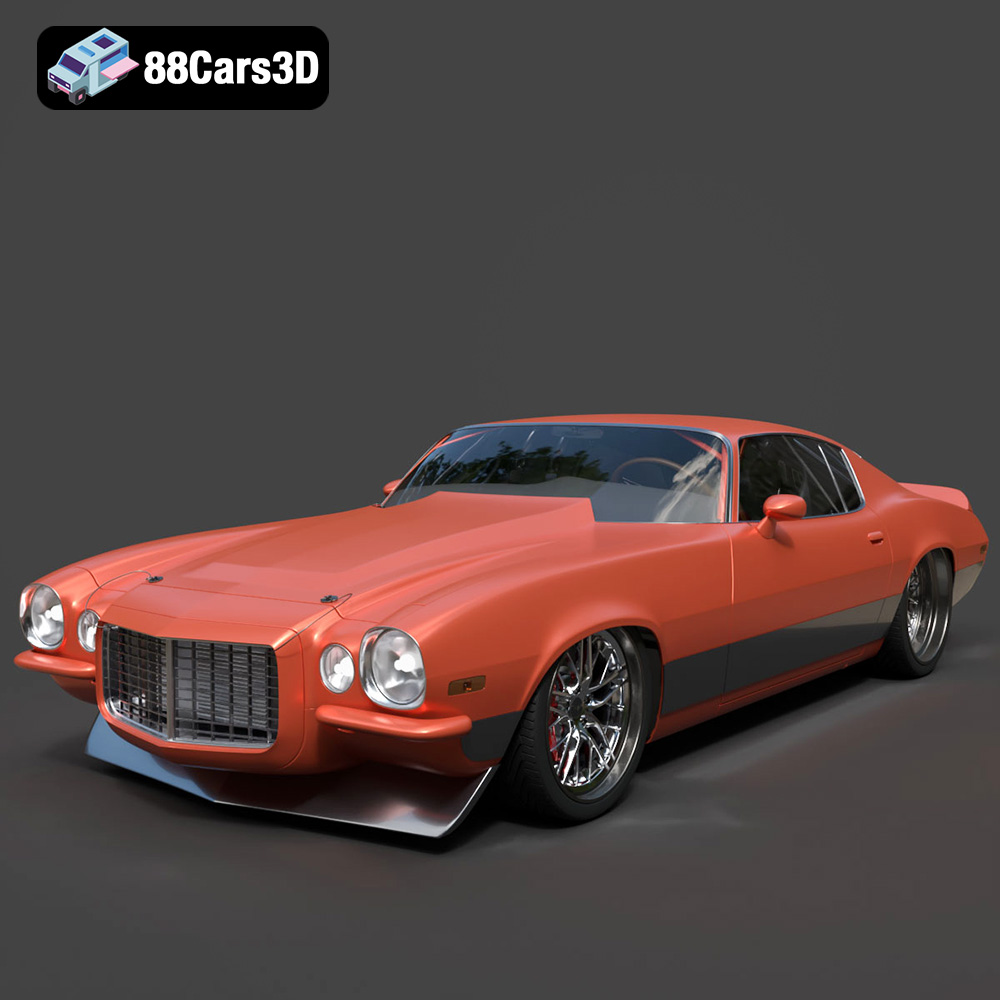
Download the Chevrolet Camaro 1970 3D Model featuring clean geometry, realistic detailing, and a fully modeled interior. Includes .blend, .fbx, .obj, .glb, .stl, .ply, .unreal, and .max formats for rendering, simulation, and game development.
Price: $10
Texture: Yes
Material: Yes
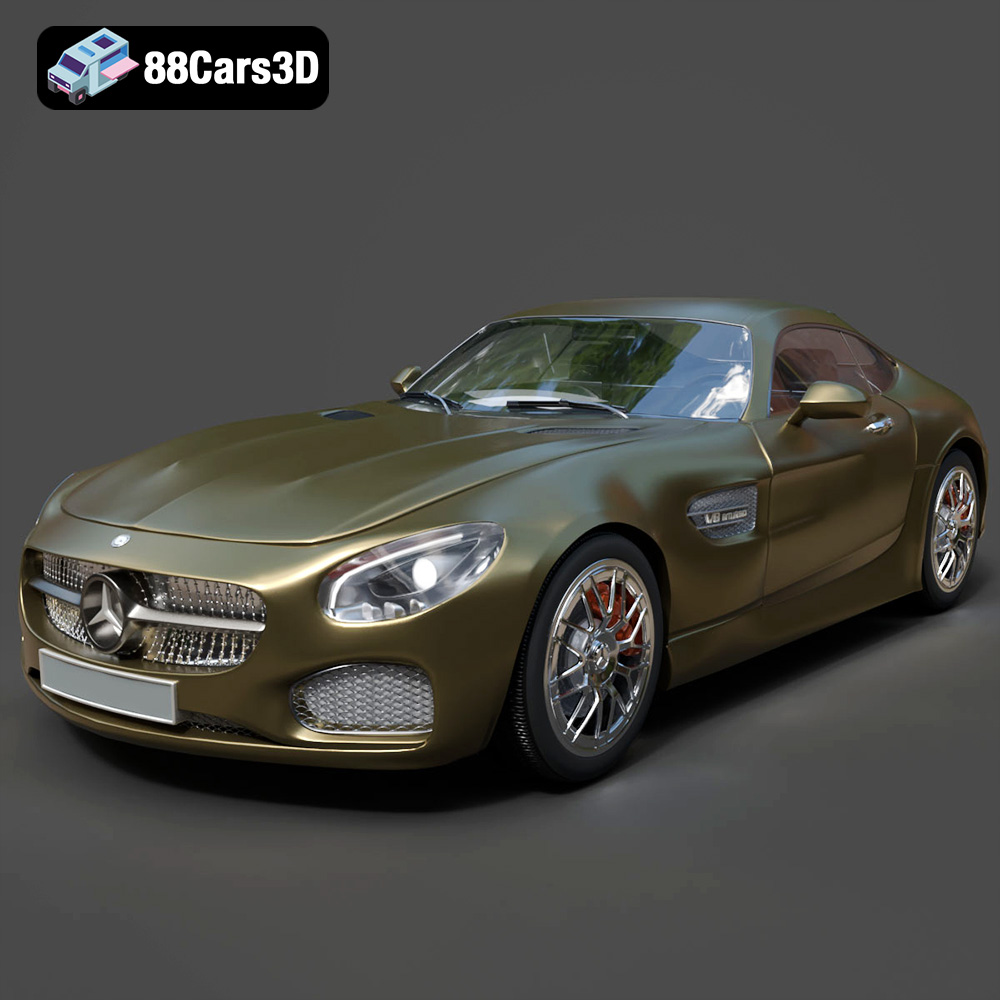
Download the Mercedes-AMG GT 2015 3D Model featuring clean geometry, realistic detailing, and a fully modeled interior. Includes .blend, .fbx, .obj, .glb, .stl, .ply, .unreal, and .max formats for rendering, simulation, and game development.
Price: $88.99
Texture: Yes
Material: Yes
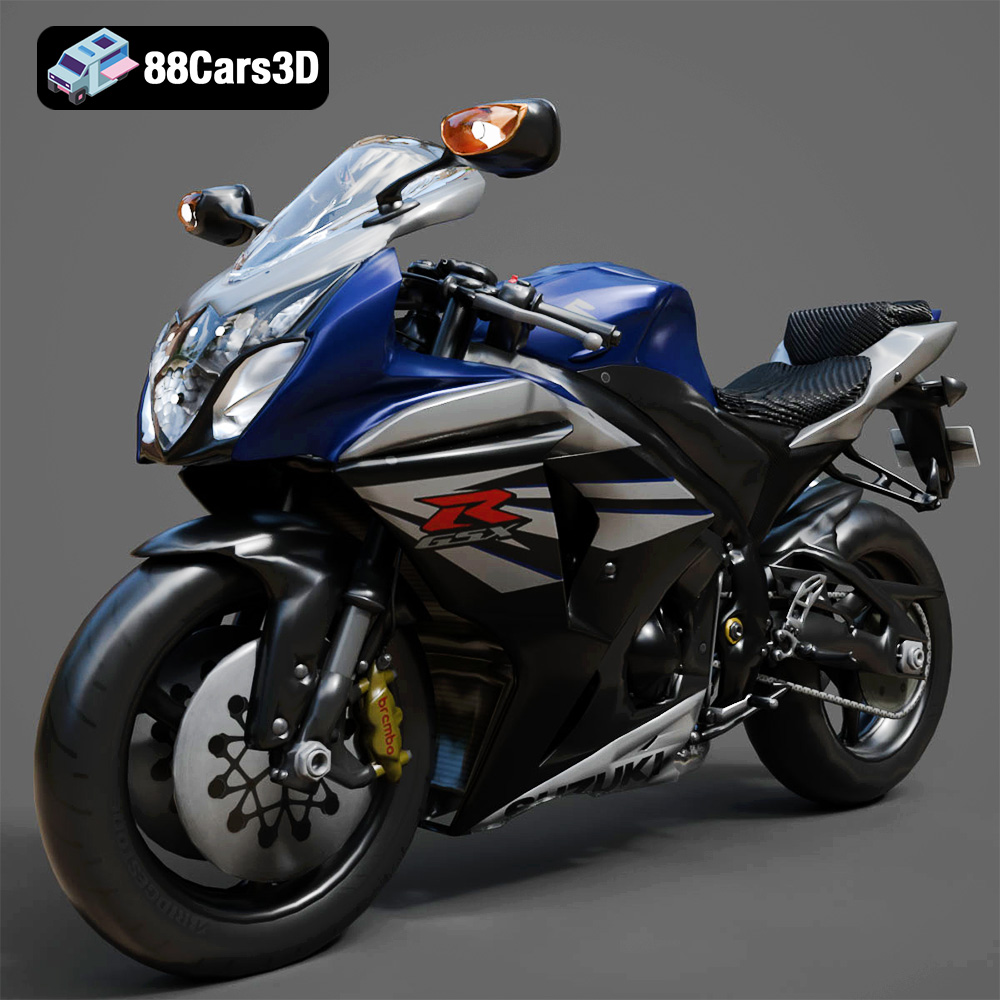
Download the Suzuki GSX-R 1000 3D Model featuring clean geometry, realistic detailing, and a fully modeled interior. Includes .blend, .fbx, .obj, .glb, .stl, .ply, .unreal, and .max formats for rendering, simulation, and game development.
Price: $10
Texture: Yes
Material: Yes
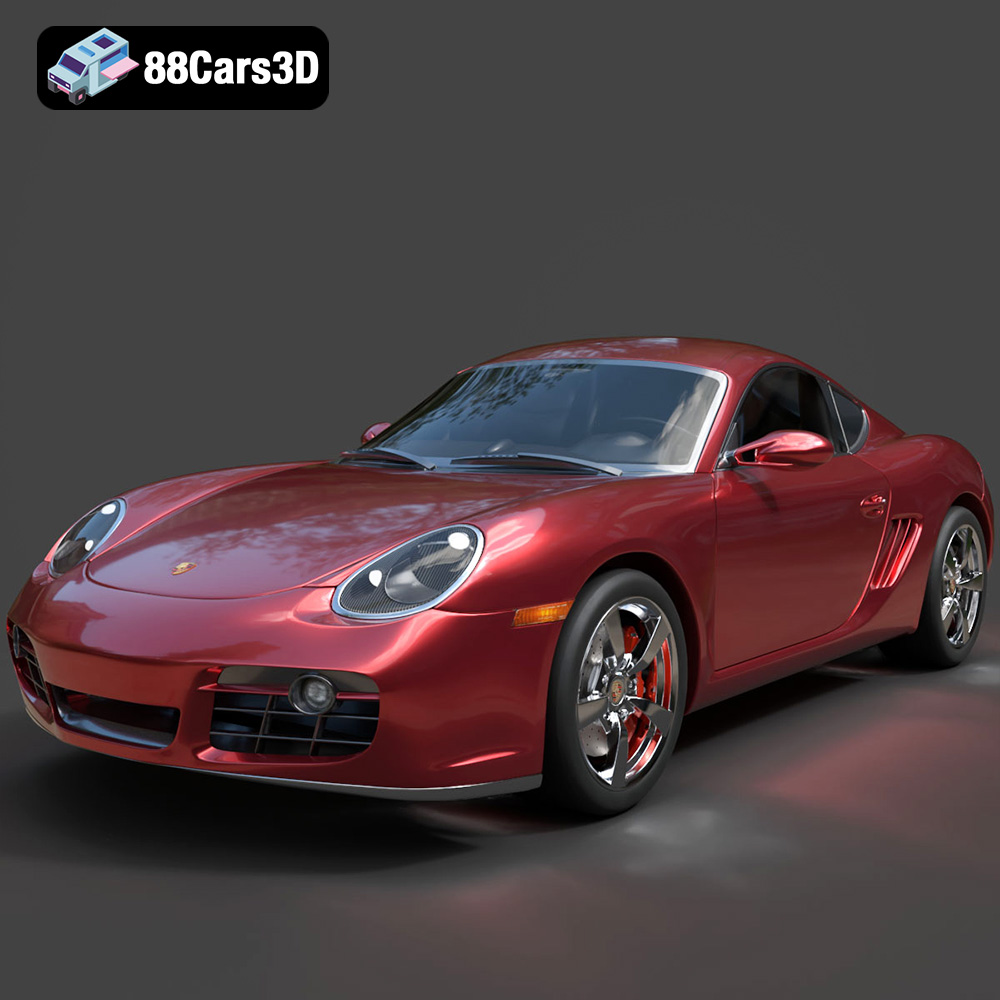
Download the Porsche Cayman S 2024 3D Model featuring clean geometry, realistic detailing, and a fully modeled interior. Includes .blend, .fbx, .obj, .glb, .stl, .ply, .unreal, and .max formats for rendering, simulation, and game development.
Price: $10
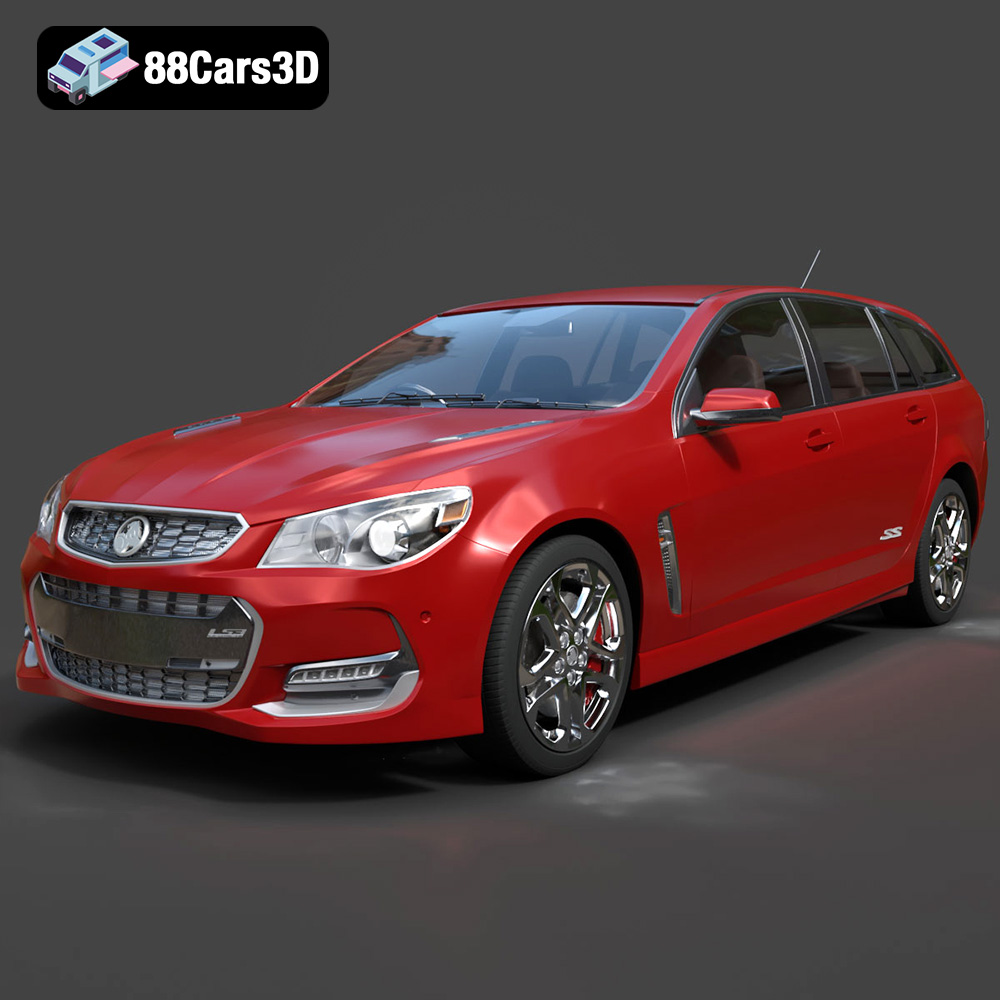
Texture: Yes
Material: Yes
Download the Holden Commodore Sportwagon 2017 3D Model featuring clean geometry, realistic detailing, and a fully modeled interior. Includes .blend, .fbx, .obj, .glb, .stl, .ply, .unreal, and .max formats for rendering, simulation, and game development.
Price: $10
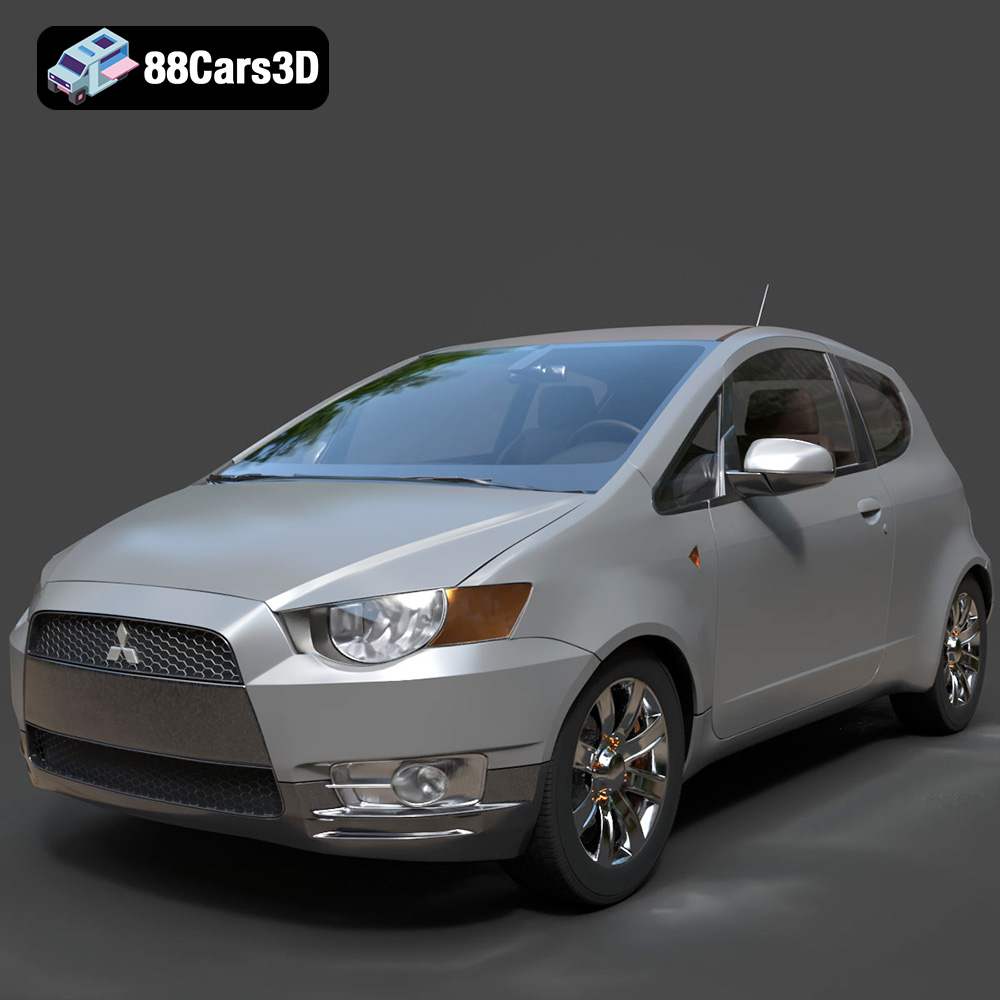
Texture: Yes
Material: Yes
Download the Mitsubishi Colt 3 Door 2008 3D Model featuring clean geometry, realistic detailing, and a fully modeled interior. Includes .blend, .fbx, .obj, .glb, .stl, .ply, .unreal, and .max formats for rendering, simulation, and game development.
Price: $10
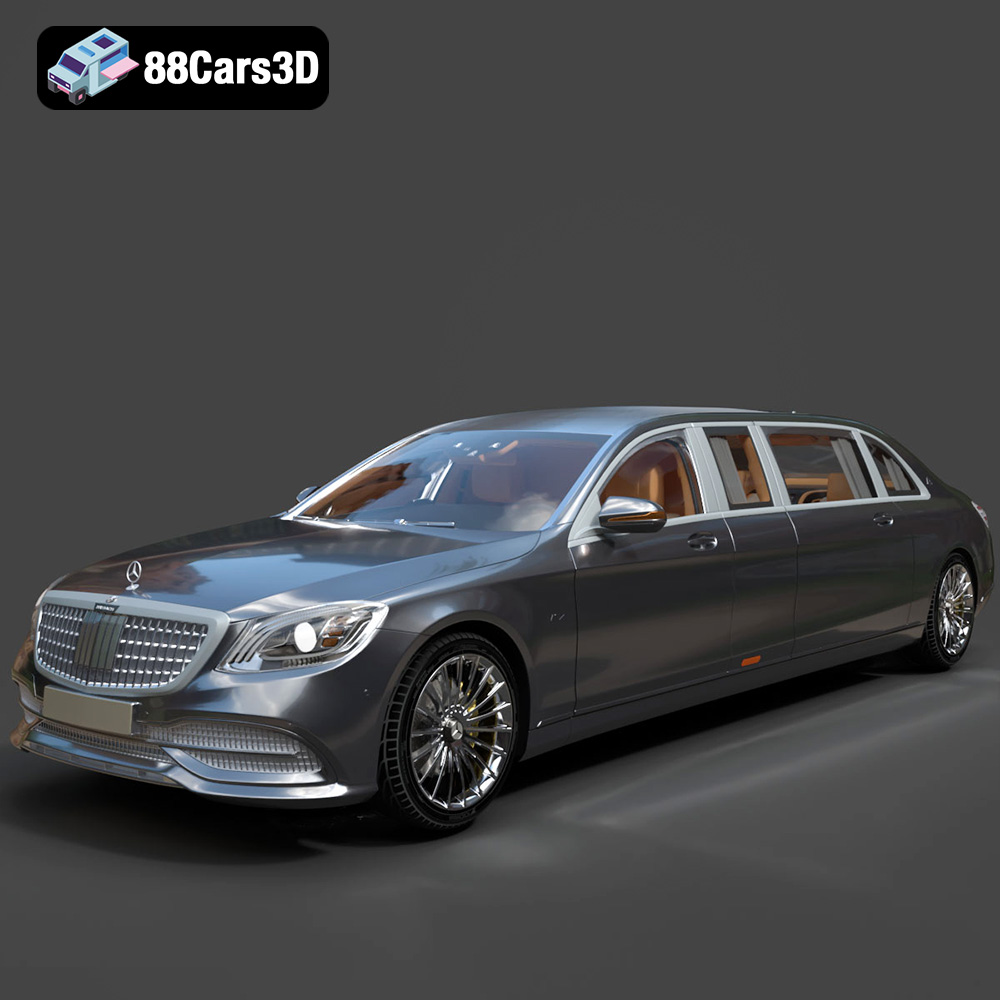
Texture: Yes
Material: Yes
Download the Mercedes-Benz S650 Pullman 3D Model featuring clean geometry, realistic detailing, and a fully modeled interior. Includes .blend, .fbx, .obj, .glb, .stl, .ply, .unreal, and .max formats for rendering, simulation, and game development.
Price: $95.99
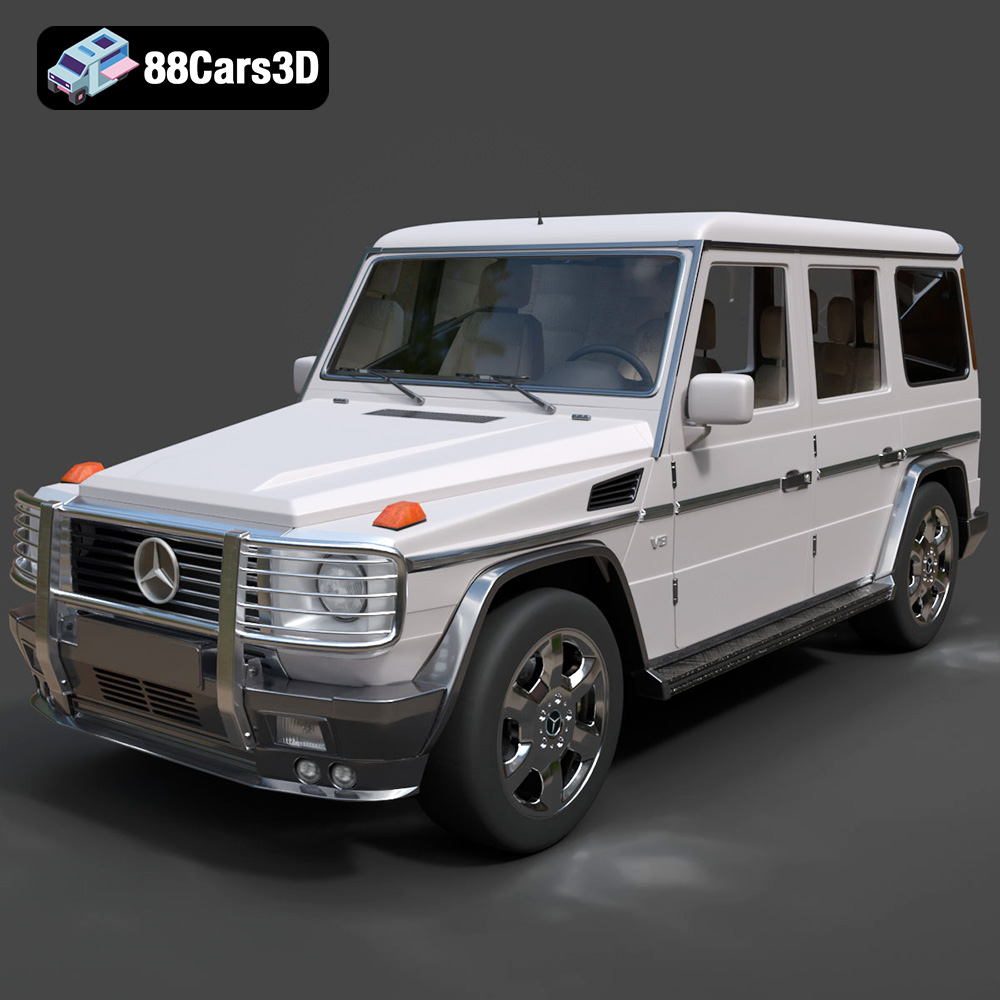
Texture: Yes
Material: Yes
Download the Mercedes G-Class SUV 2024 3D Model featuring clean geometry, realistic detailing, and a fully modeled interior. Includes .blend, .fbx, .obj, .glb, .stl, .ply, .unreal, and .max formats for rendering, simulation, and game development.
Price: $10
Texture: Yes
Material: Yes
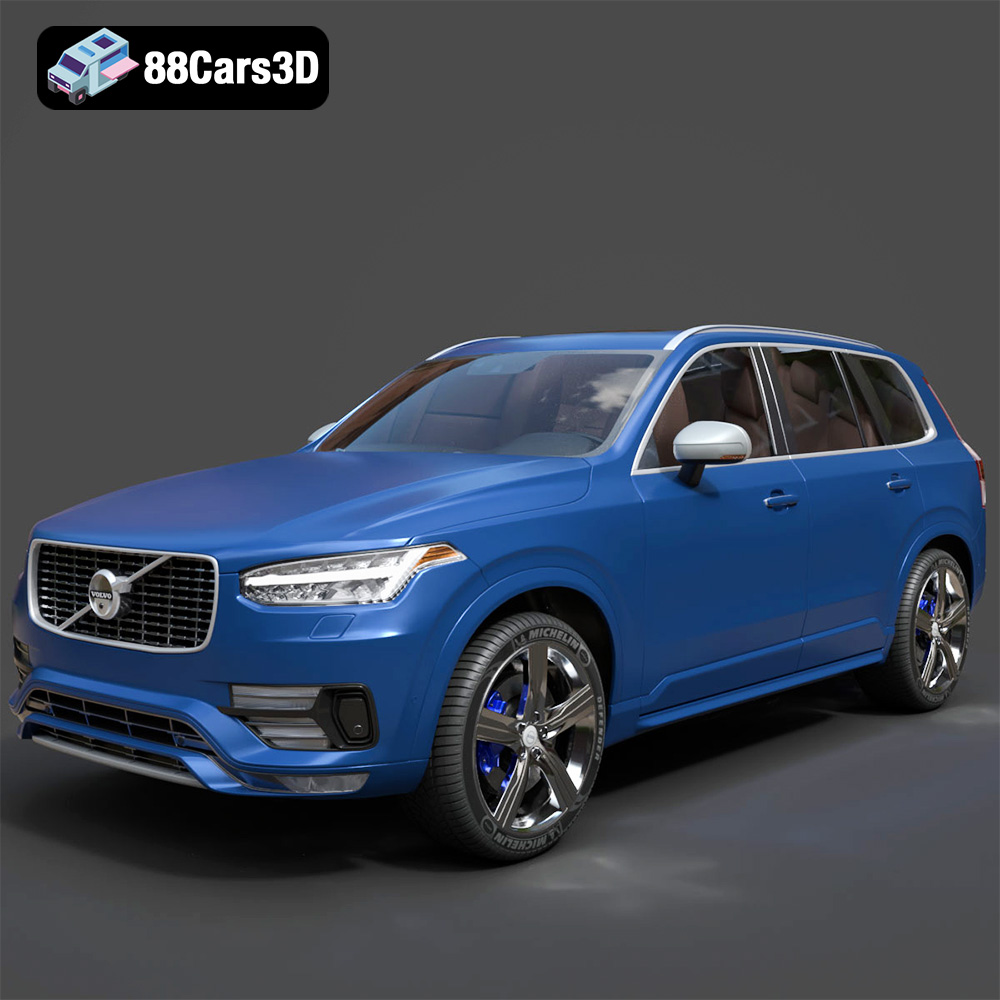
Download the Volvo XC90 R-Design 2015 3D Model featuring clean geometry, realistic detailing, and a fully modeled interior. Includes .blend, .fbx, .obj, .glb, .stl, .ply, .unreal, and .max formats for rendering, simulation, and game development.
Price: $10

