⚡ FLASH SALE: Get 60% OFF All Premium 3D & STL Models! ⚡

“`html
A meticulously crafted 3D car model is a work of digital art, but its journey doesn’t end in the modeling software. Whether destined for a stunning marketing render, a high-octane video game, an immersive augmented reality experience, or even a physical 3D print, the base asset must be expertly prepared and optimized. This process of transformation is a crucial discipline that separates good 3D artists from great ones. A model perfect for a 4K cinematic shot will bring a real-time game engine to its knees, while a game-ready asset lacks the detail needed for a photorealistic close-up. Understanding how to adapt a single, high-quality source model for these diverse applications is an essential skill for any professional in the automotive design and visualization industry.
This comprehensive guide will walk you through the entire pipeline of preparing 3D car models for any conceivable output. We will dive deep into the technical foundations of flawless modeling and topology, explore advanced UV mapping strategies for complex surfaces, and build photorealistic PBR materials from the ground up. We’ll then cover distinct workflows for creating breathtaking offline renders, optimizing assets for peak performance in game engines like Unity and Unreal, and preparing models for the unique challenges of AR/VR and 3D printing. Prepare to elevate your workflow and learn how to make your automotive assets versatile, efficient, and stunningly realistic, no matter the final destination.
Before any texture is applied or a single render is cast, the success of a 3D car model is determined by its underlying geometry—its topology. In automotive modeling, clean, quad-based topology isn’t just a best practice; it’s a fundamental requirement for achieving the smooth surfaces, crisp reflections, and predictable deformations that define a high-quality vehicle. The structure of your polygons dictates how light interacts with the surface, how the model behaves when subdivided, and how easily it can be modified or optimized later. A poorly constructed mesh will result in visual artifacts like pinching, shading errors, and distorted reflections, immediately breaking the illusion of realism.
The core principle of good automotive topology is the consistent use of four-sided polygons (quads). Quads subdivide smoothly and predictably, which is essential when using modifiers like 3ds Max’s TurboSmooth or Blender’s Subdivision Surface to create high-poly, render-ready models. Triangles and especially N-gons (polygons with more than four sides) can cause pinching and surface irregularities. For a hero vehicle in a cinematic render, polygon counts can reach millions after subdivision, but the base mesh might be a manageable 200,000 to 500,000 quads. In contrast, a background vehicle might have a much simpler topology, but it should still be clean and efficient. Starting with a well-structured mesh is the most critical investment you can make in a model’s lifecycle, as it simplifies every subsequent step, from UV unwrapping to optimization.
Edge flow refers to the way polygon edge loops are directed across the model’s surface. For automotive models, the edge flow must follow the natural contours and design lines of the car. This ensures that the iconic curves of a fender or the sharp crease along the shoulder line are defined cleanly and accurately. A key technique is using support loops—additional edge loops placed parallel to hard edges. These loops control the tension of the surface during subdivision, allowing you to create sharp, defined panel gaps and crisp character lines without creating unwanted creases elsewhere. When working in Blender, the Subdivision Surface modifier is essential. You can control the sharpness of edges using techniques like creasing or by adding support loops, and the official Blender 4.4 documentation provides an excellent breakdown of these methods at https://docs.blender.org/manual/en/4.4/. The goal is to let the geometry do the heavy lifting in defining the car’s form.
Professionals often encounter two primary starting points: converting engineering CAD data or building the model from scratch using polygonal modeling techniques. CAD data (often in STEP or IGES format) offers unparalleled accuracy but typically consists of NURBS surfaces that convert into messy, triangulated meshes. This necessitates a time-consuming retopology process to create a clean, quad-based mesh over the dense CAD geometry. Manual polygonal modeling, while often more labor-intensive initially, gives the artist complete control over the topology and edge flow from the very beginning. Many high-end models, including those found on marketplaces like 88cars3d.com, are created using this manual approach to ensure the highest quality and usability across all applications.
If a 3D model is a sculpture, its UV map is the blueprint that tells 2D textures how to wrap around its 3D surface. For a complex object like a car, with its large, curving panels and intricate details, UV unwrapping is a challenging but essential process. A well-executed UV map ensures that textures apply without distortion, seams are hidden, and texture resolution is used efficiently. It is the bridge between your model and a world of realistic materials, decals, and custom liveries, and shortcuts taken here will inevitably lead to problems down the line.
The first step in UV unwrapping is defining seams, which act as “cuts” that allow the 3D mesh to be flattened into a 2D UV island. The key to professional UV mapping is placing these seams strategically where they are least visible. For a car body, ideal locations for seams are along the natural panel gaps—between the door and the fender, around the hood, or on the underside of the vehicle. This approach effectively hides the transition between textures in the same places where real-world panels meet. For large, continuous surfaces like a roof or hood, you must unwrap them as a single, large UV island to avoid any visible seams on the most prominent parts of the car. Tools like Blender’s “Unwrap” and 3ds Max’s “Peel” are invaluable for creating these clean, low-distortion layouts.
Texel density is a critical concept that refers to the resolution of your texture map relative to the size of the model’s surface area. To maintain a consistent level of detail across the entire car, all UV islands should have a similar texel density. This means a small part like a side mirror shouldn’t have more texture resolution than a large part like a door. For ultra-high-quality assets, a single texture map is often not enough. This is where a multi-tile workflow, known as UDIM (U-Dimension), becomes essential. UDIMs allow you to spread your UVs across multiple texture sets, or tiles. For example, you could assign the main car body to one UDIM tile, the interior to another, the wheels to a third, and so on. This enables you to use multiple 4K or 8K textures on a single model, achieving incredible detail without being limited by a single map. This workflow is standard in visual effects and is well-supported in Maya, Blender, and texturing applications like Substance Painter.
Standard material texturing is one thing, but applying precise graphics like racing stripes, sponsor logos, or complex liveries requires a different approach. The best practice is to create a secondary UV channel. The first UV channel (UV0) can have overlapping islands to save texture space for tiling materials like carbon fiber. The second channel (UV1), however, must be laid out with absolutely no overlapping parts. This creates a clean, unique map of the entire car body onto which a single large decal sheet or livery texture can be projected without any errors or duplication. This two-channel approach offers maximum flexibility, allowing for easy customization without disturbing the base material setup.
With a solid model and a clean UV map, the next stage is to breathe life into the asset through materials and textures. The modern standard for creating realistic materials is the Physically Based Rendering (PBR) workflow. PBR aims to simulate the behavior of light in a physically plausible way, resulting in materials that look correct in any lighting condition. For automotive models, this means accurately recreating the complex interplay of light on materials like multi-layered car paint, brushed aluminum, tire rubber, and glass.
A convincing car paint material is more than just a simple color; it’s a layered shader that mimics a real-world base coat, metallic flakes, and a protective clear coat.
Combining these elements in a layered material (like the CoronaLayeredMtl in 3ds Max) gives you ultimate control and produces stunningly realistic results.
Perfection is often the enemy of realism. In the real world, nothing is perfectly clean or perfectly smooth. Adding subtle imperfections is key to selling the photorealism of your 3D car model. This can include:
Texture resolution should match the asset’s purpose. A hero car for a cinematic render might use 8K textures for the main body, while a game asset might use 2K or 4K textures combined into an atlas.
Beyond the paint, accurately representing other materials is vital. Using correct PBR values is essential:
Preparing a 3D car model for a real-time game engine like Unreal Engine or Unity is a discipline of strategic compromise. The goal is to preserve as much visual fidelity as possible while adhering to a strict performance budget. A model with millions of polygons and dozens of 8K textures that looks stunning in a V-Ray render will cripple a game’s frame rate. The optimization process involves polygon reduction, creating Levels of Detail (LODs), and efficient texture management.
The first step is to create a low-polygon version of the high-detail render model. This process, known as retopology, involves creating a new, game-ready mesh that captures the silhouette and form of the original but with a fraction of the polygons. The details from the high-poly model are then “baked” into texture maps—primarily a Normal Map—which are applied to the low-poly model. This creates the illusion of high detail on a performance-friendly asset.
Polygon budgets vary by platform and game type:
It’s crucial to work with triangles, as this is how game engines ultimately render geometry.
Even an optimized hero car can be too detailed when it’s a small speck in the distance. This is where Levels of Detail (LODs) come in. An LOD system involves creating several versions of the model, each with a progressively lower polygon count and simpler materials.
The game engine automatically swaps between these LODs based on the car’s distance from the camera, dramatically improving performance, especially in scenes with many vehicles.
In game development, performance is not just about polygon count. Every time the engine has to draw an object with a unique material, it issues a “draw call.” Too many draw calls can create a CPU bottleneck and lower the frame rate. To combat this, we use texture atlasing. This technique involves combining the textures for many different smaller parts (like interior buttons, emblems, brake calipers, and wheel nuts) into a single, larger texture sheet. The UVs of these separate objects are all arranged to fit within this one texture space. This allows the engine to render all of those objects in a single draw call, significantly improving efficiency. When exporting game assets, the FBX file format is the industry standard as it robustly packages mesh data, LODs, collision geometry, and material information for seamless import into Unity and Unreal Engine.
The frontiers of digital content extend beyond traditional screens into augmented reality, virtual reality, and physical manufacturing. Each of these applications requires a specialized preparation process that pushes optimization and model integrity to its limits. While both AR/VR and 3D printing start with a 3D model, their technical requirements are vastly different.
Augmented and Virtual Reality applications, especially those running on standalone headsets or mobile devices, operate under extremely tight performance constraints. Optimization for these platforms must be even more aggressive than for traditional PC or console games. Polygon counts must be kept low, often under 100,000 triangles even for detailed models. Texture atlasing is not just a best practice; it’s a necessity to minimize draw calls and keep memory usage down. A key consideration for AR is the file format. The two dominant standards are GLB (for Android/web) and USDZ (for Apple iOS). These formats are popular because they are self-contained, packaging the 3D mesh, PBR textures (color, normal, roughness-metallic), and even basic animations into a single, compact file. This makes them incredibly easy to share and deploy across a wide range of devices for real-time visualization.
Preparing a model for 3D printing is a shift from visual representation to structural integrity. The most critical requirement is that the model must be a watertight (or “manifold”) mesh. This means the mesh must be completely enclosed with no holes, open edges, or internal faces. Any gaps in the mesh will confuse the slicing software that prepares the model for the printer, leading to print failures. Tools within Blender (like the 3D-Print Toolbox add-on) or dedicated software like Meshmixer can be used to analyze a mesh for errors and automatically repair them. Furthermore, digital details that look great on screen may be too thin to print physically. Parts like side mirrors, spoilers, and antennas often need to be manually thickened to meet the minimum wall thickness of the target 3D printer. For complex models, it’s often wise to split the car into several pieces (e.g., body, wheels, chassis) that can be printed separately and assembled later. The universal file format for this purpose is STL, which represents the surface geometry of the 3D model without any color or texture information.
The journey of a 3D car model from a pristine digital sculpt to a functional asset across myriad platforms is a testament to the versatility of modern 3D workflows. We’ve seen that the entire process is built upon a single, unshakable foundation: a high-quality base model with clean, deliberate topology. From this source, every other version can be derived. A flawless mesh ensures smooth subdivision for photorealistic renders. It provides a perfect canvas for distortion-free UV unwrapping and PBR texturing. It serves as the ideal high-poly source for baking details onto an optimized, real-time game asset. And it provides a solid, error-free starting point for conversion into a physical 3D-printed object.
Mastering these preparation techniques allows you to maximize the value and reach of any 3D automotive asset. The key takeaway is to approach each project with a clear understanding of its final destination and to apply the specific optimization and formatting rules required. Whether you are a visualization artist chasing photorealism, a game developer balancing fidelity and performance, or a designer bringing digital concepts into the real world, these principles are universal. For those looking to accelerate their projects, starting with a professionally crafted model from a curated marketplace such as 88cars3d.com can provide the perfect, production-ready foundation, saving you invaluable time on modeling and allowing you to focus directly on these specialized preparation workflows for your specific application.
“`

Texture: Yes
Material: Yes
Download the Chevrolet Camaro 1970 3D Model featuring clean geometry, realistic detailing, and a fully modeled interior. Includes .blend, .fbx, .obj, .glb, .stl, .ply, .unreal, and .max formats for rendering, simulation, and game development.
Price: $10

Texture: Yes
Material: Yes
Download the Mercedes-AMG GT 2015 3D Model featuring clean geometry, realistic detailing, and a fully modeled interior. Includes .blend, .fbx, .obj, .glb, .stl, .ply, .unreal, and .max formats for rendering, simulation, and game development.
Price: $88.99

Texture: Yes
Material: Yes
Download the Suzuki GSX-R 1000 3D Model featuring clean geometry, realistic detailing, and a fully modeled interior. Includes .blend, .fbx, .obj, .glb, .stl, .ply, .unreal, and .max formats for rendering, simulation, and game development.
Price: $10

Texture: Yes
Material: Yes
Download the Porsche Cayman S 2024 3D Model featuring clean geometry, realistic detailing, and a fully modeled interior. Includes .blend, .fbx, .obj, .glb, .stl, .ply, .unreal, and .max formats for rendering, simulation, and game development.
Price: $10
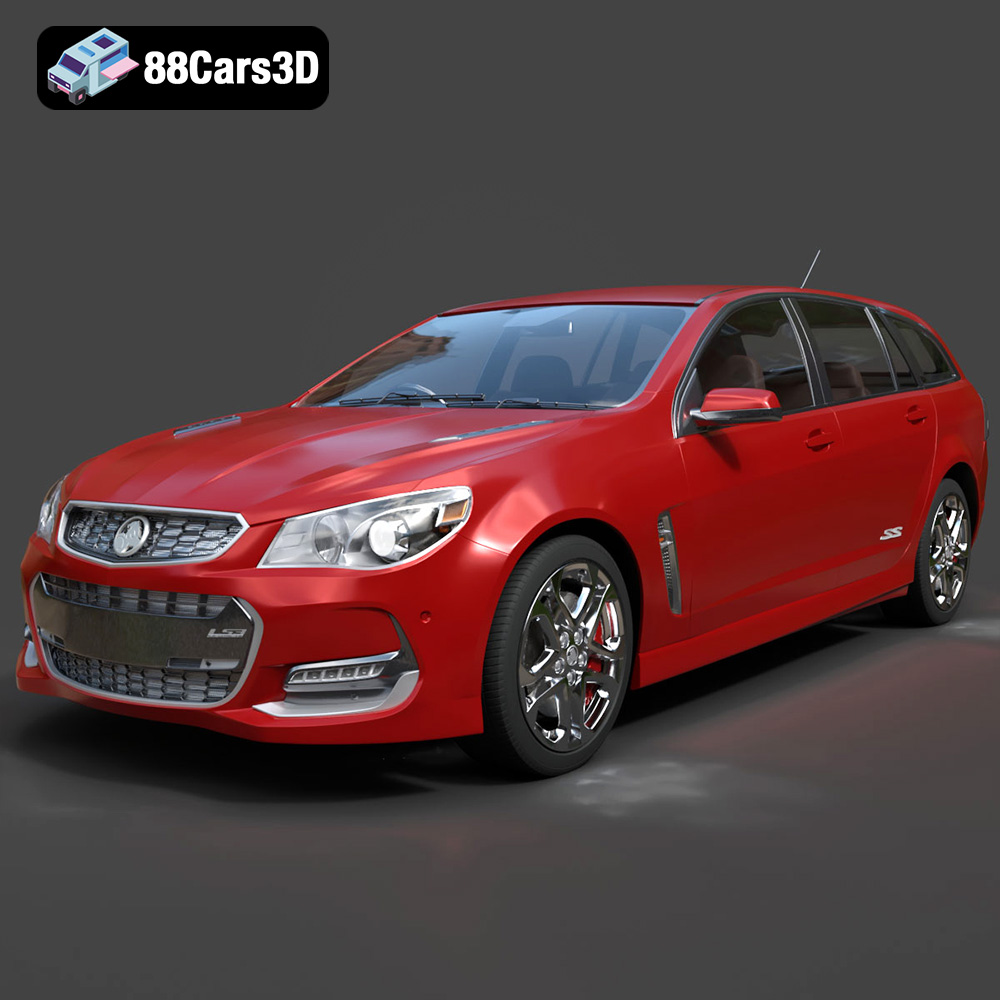
Texture: Yes
Material: Yes
Download the Holden Commodore Sportwagon 2017 3D Model featuring clean geometry, realistic detailing, and a fully modeled interior. Includes .blend, .fbx, .obj, .glb, .stl, .ply, .unreal, and .max formats for rendering, simulation, and game development.
Price: $10
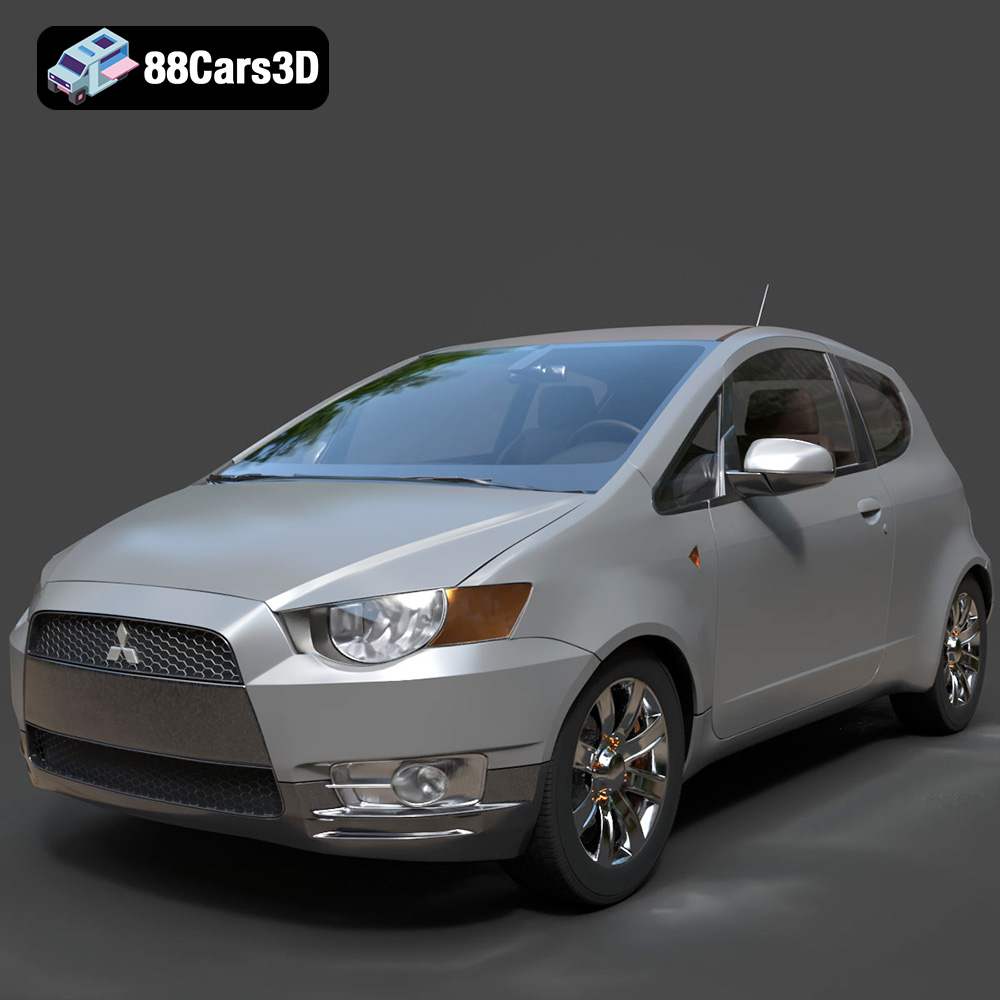
Texture: Yes
Material: Yes
Download the Mitsubishi Colt 3 Door 2008 3D Model featuring clean geometry, realistic detailing, and a fully modeled interior. Includes .blend, .fbx, .obj, .glb, .stl, .ply, .unreal, and .max formats for rendering, simulation, and game development.
Price: $10
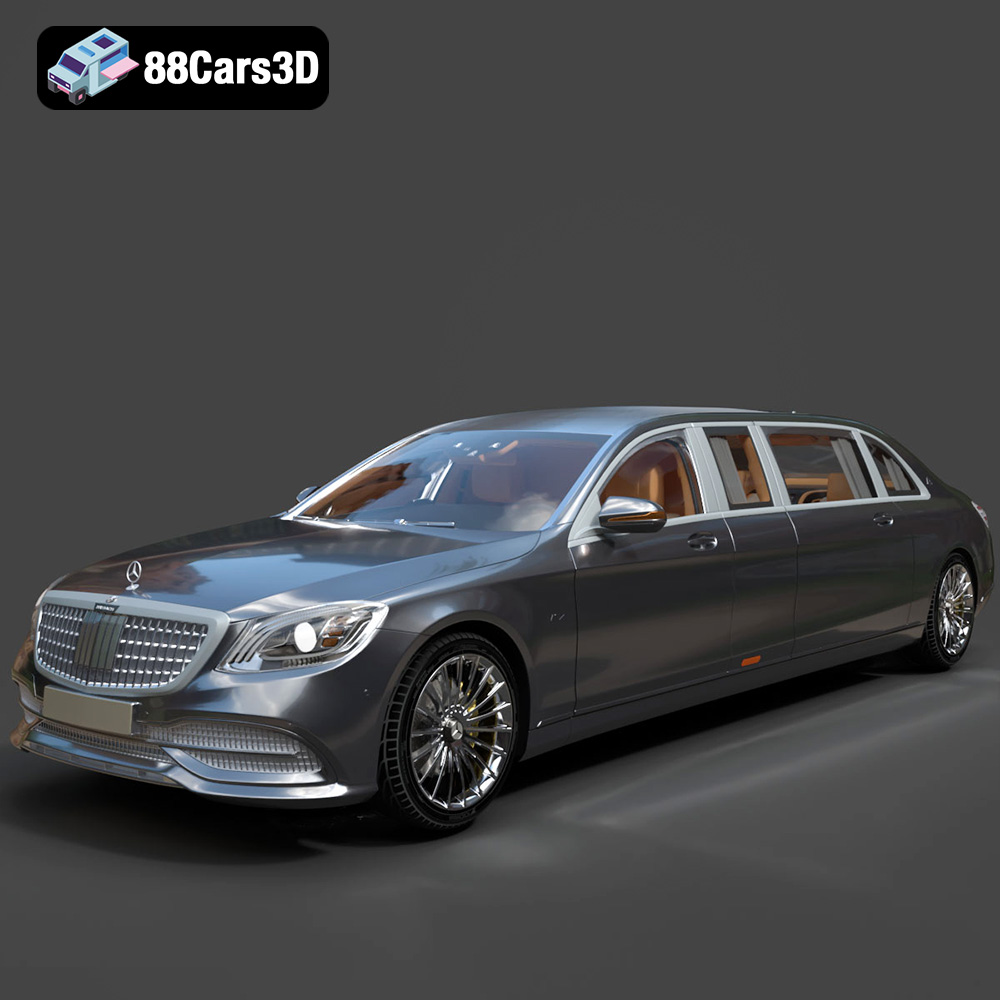
Texture: Yes
Material: Yes
Download the Mercedes-Benz S650 Pullman 3D Model featuring clean geometry, realistic detailing, and a fully modeled interior. Includes .blend, .fbx, .obj, .glb, .stl, .ply, .unreal, and .max formats for rendering, simulation, and game development.
Price: $10
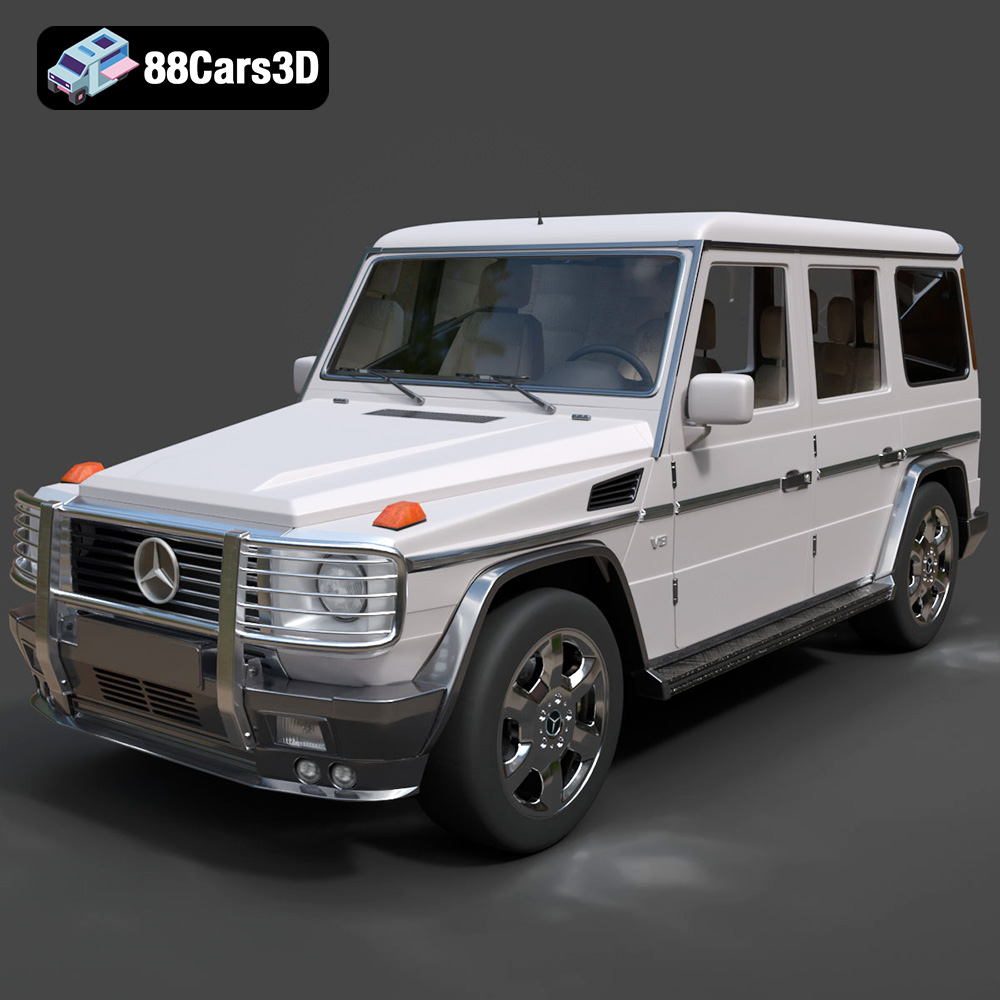
Texture: Yes
Material: Yes
Download the Mercedes G-Class SUV 2024 3D Model featuring clean geometry, realistic detailing, and a fully modeled interior. Includes .blend, .fbx, .obj, .glb, .stl, .ply, .unreal, and .max formats for rendering, simulation, and game development.
Price: $10

Texture: Yes
Material: Yes
Download the Volvo XC90 R-Design 2015 3D Model featuring clean geometry, realistic detailing, and a fully modeled interior. Includes .blend, .fbx, .obj, .glb, .stl, .ply, .unreal, and .max formats for rendering, simulation, and game development.
Price: $10

**Meta Description:**
Texture: Yes
Material: Yes
Download the Toyota Crown Majesta 2009 3D Model with luxury detailing, clean topology, and a fully modeled interior. Available in .blend, .fbx, .obj, .glb, .stl, .ply, .unreal, and .max formats for rendering, simulation, and game development.
Price: $4.99

