⚡ FLASH SALE: Get 60% OFF All Premium 3D & STL Models! ⚡

“`html
3D printing has revolutionized the world of model making, allowing enthusiasts and professionals alike to create intricate and detailed replicas of their favorite vehicles. Whether you’re a seasoned 3D printing expert or just starting your journey, achieving flawless results requires a thorough understanding of key parameters like wall thickness and support structure optimization. This guide will delve into the technical aspects of these crucial elements, providing you with the knowledge and techniques to bring your 3D printed car models to life. We’ll explore best practices for both FDM and resin printing, covering software-specific settings, material considerations, and troubleshooting common issues. So, buckle up as we navigate the intricacies of creating stunning, high-quality 3D printed car models.
Wall thickness is a fundamental parameter in 3D printing that directly impacts the strength, appearance, and material consumption of your printed car model. Choosing the right wall thickness ensures structural integrity, prevents warping, and minimizes print time. It’s a delicate balance between aesthetics and functionality. For car models, especially those intended for display or light handling, a well-defined wall thickness is crucial for capturing the intricate details and maintaining the overall shape.
The minimum wall thickness depends on the printing technology and material used. For FDM printing with PLA, a minimum wall thickness of 0.8mm is generally recommended when using a standard 0.4mm nozzle. This allows for at least two passes of the nozzle, ensuring proper bonding and structural integrity. For smaller, more detailed areas, increasing the wall thickness to 1.2mm or even 1.6mm might be necessary. For resin printing, the minimum wall thickness can be significantly lower, often around 0.4mm, due to the higher resolution and layer adhesion. However, consider the material’s brittleness; thicker walls might be required for more durable parts. Remember that platforms like 88cars3d.com often provide recommendations tailored to their specific models.
Increasing wall thickness directly translates to longer print times and increased material consumption. A thicker wall requires more material to be extruded or cured, extending the overall printing process. For example, doubling the wall thickness from 0.8mm to 1.6mm could increase print time by 20-30% depending on the model’s complexity and infill settings. Infill density also plays a significant role; with thicker walls, you may be able to reduce the infill percentage without compromising strength, thereby offsetting the material increase. Experimentation is key to finding the optimal balance for your specific model and printer.
Support structures are essential for 3D printing models with overhangs, bridges, or complex geometries. Without proper support, these features would collapse during the printing process. For intricate car model designs, especially those with curved surfaces, detailed undercarriages, or complex spoilers, strategic placement and optimization of support structures are paramount to achieving a successful print. Failing to plan your supports adequately can lead to failed prints, marred surfaces, and significant wasted filament or resin.
The type of support structure required differs significantly between FDM and resin printing. FDM printing typically uses breakaway supports, which are physically detached from the model after printing. Common FDM support types include linear supports, tree supports, and grid supports. Tree supports are particularly useful for car models as they provide efficient support with minimal contact points, reducing the risk of surface damage. Resin printing utilizes supports that are chemically or mechanically removed. Resin supports are often thinner and more delicate, requiring careful placement and removal to avoid damaging the printed part. When downloading models from marketplaces such as 88cars3d.com, consider if they already include pre-supported versions for your specific printing method.
Strategic support placement is critical for minimizing print failures and maximizing surface quality. Identify areas with significant overhangs (typically exceeding 45 degrees) and areas that bridge gaps. In Cura, consider using the “Support Blocker” tool to prevent supports from generating in areas where they’re not needed, such as the interior of the car. In PrusaSlicer, the “Paint-on supports” feature allows for precise manual placement of supports. For resin printing, orient the model to minimize the number of supports needed, and prioritize placing supports on less visible surfaces, such as the underside of the chassis. Consider the angle of the model; tilting it can significantly reduce the need for supports and improve print quality.
Slicing is the process of converting a 3D model into a series of thin layers that the 3D printer can understand. Slicing parameters, such as layer height, print speed, and temperature, play a critical role in the final quality of your 3D printed car model. Fine-tuning these parameters is crucial for achieving smooth surfaces, sharp details, and overall structural integrity. An improperly sliced model can lead to defects, warping, and ultimately, a failed print.
Layer height directly affects the resolution and surface finish of your print. Lower layer heights (e.g., 0.1mm or 0.05mm) produce smoother surfaces and finer details but significantly increase print time. Higher layer heights (e.g., 0.2mm or 0.3mm) print faster but result in more visible layer lines and reduced detail. For car models, a layer height of 0.15mm to 0.2mm is a good starting point for FDM printing, balancing detail and print speed. For resin printing, layer heights can be much smaller, often ranging from 0.025mm to 0.05mm, allowing for exceptional detail. Experiment with different layer heights to find the optimal balance for your specific model and aesthetic preferences. Always consider the material’s recommended layer height range.
Proper temperature and speed settings are crucial for layer adhesion and preventing warping. For PLA, a nozzle temperature of 200-220°C and a bed temperature of 60-70°C are generally recommended. PETG requires higher temperatures, typically 230-250°C for the nozzle and 70-80°C for the bed. ABS, known for its tendency to warp, requires even higher temperatures and an enclosed build chamber to maintain consistent temperature. Print speed should be adjusted based on the complexity of the model and the material used. Slower speeds (e.g., 40-60mm/s) are generally recommended for intricate details and overhangs, while faster speeds (e.g., 60-80mm/s) can be used for simpler sections. Dialing in these settings requires experimentation and careful observation of the printing process.
The choice of material significantly impacts the final properties of your 3D printed car model, including its strength, flexibility, heat resistance, and appearance. Understanding the characteristics of different filaments and resins is crucial for selecting the right material for your specific application. Whether you prioritize durability, aesthetics, or ease of printing, the material you choose will play a vital role in the success of your project.
PLA (Polylactic Acid) is a popular choice for beginners due to its ease of printing, biodegradability, and low warping tendency. However, PLA has lower heat resistance and can soften at temperatures above 60°C. PETG (Polyethylene Terephthalate Glycol-modified) offers a good balance of strength, flexibility, and heat resistance, making it a versatile option for car models. ABS (Acrylonitrile Butadiene Styrene) is known for its high strength and heat resistance but is more prone to warping and requires an enclosed build chamber for optimal results. For car models that will be exposed to sunlight or high temperatures, PETG or ABS are generally preferred over PLA.
Resin printing offers a wider range of material properties compared to FDM printing. Standard resin is ideal for highly detailed models with intricate features but can be brittle. Tough resin provides increased impact resistance and durability, making it suitable for parts that need to withstand stress. Flexible resin allows for the creation of parts with rubber-like properties, which can be useful for tires or suspension components. When selecting a resin, consider the intended use of the car model and choose a resin that provides the appropriate balance of properties.
Post-processing is the final step in the 3D printing process, transforming a raw print into a polished and finished masterpiece. This involves removing support structures, sanding surfaces, filling gaps, and applying paint or coatings. Proper post-processing techniques can significantly enhance the appearance and durability of your 3D printed car model, bringing it closer to the realism and quality of professionally manufactured models.
Careful support removal is crucial for minimizing surface damage and preserving the intricate details of your car model. For FDM prints, use flush cutters or a sharp hobby knife to carefully snip away the supports, working slowly and methodically. For resin prints, soak the model in warm water to soften the supports, making them easier to remove. Consider using specialized support removal tools, such as small pliers or scrapers, to avoid scratching or gouging the surface of the model. Always prioritize patience and precision over speed when removing supports.
Sanding is essential for smoothing out layer lines and imperfections on the surface of the printed model. Start with coarse-grit sandpaper (e.g., 220 grit) to remove major imperfections, then gradually move to finer grits (e.g., 400, 600, 800, and 1000 grit) to achieve a smooth and polished finish. After sanding, apply a primer to prepare the surface for painting. Use multiple thin coats of paint, allowing each coat to dry completely before applying the next. Consider using an airbrush for a smooth and even finish. Finally, apply a clear coat to protect the paint and add a glossy or matte finish. With careful sanding, painting, and finishing, you can transform your 3D printed car model into a stunning work of art.
Even with careful planning and meticulous execution, 3D printing can sometimes present challenges. Understanding common printing issues and their solutions is essential for overcoming obstacles and achieving successful prints. From warping and bed adhesion problems to stringing and nozzle clogs, being able to diagnose and resolve these issues will save you time, material, and frustration.
Warping occurs when the corners of the printed model lift off the build plate due to uneven cooling. This is particularly common with ABS. To prevent warping, ensure that your build plate is properly leveled and clean. Use a bed adhesive, such as glue stick or hairspray, to improve bed adhesion. Increase the bed temperature to promote better adhesion. For ABS, use an enclosed build chamber to maintain a consistent temperature. If warping persists, consider adding a brim or raft to the model to increase the contact area with the build plate. Small adjustments to these settings can make a huge difference.
Stringing occurs when the printer extrudes filament while moving between different parts of the model, leaving thin strands of plastic. This is often caused by excessive retraction distance or temperature. To resolve stringing, decrease the nozzle temperature, increase the retraction distance, or increase the retraction speed. A nozzle clog occurs when filament becomes stuck inside the nozzle, preventing extrusion. To clear a nozzle clog, try performing a cold pull, using a needle to unclog the nozzle, or replacing the nozzle entirely. Regular maintenance and cleaning of the nozzle can help prevent future clogs.
Mastering wall thickness and support structure optimization is critical for achieving flawless 3D printed car models. By understanding the nuances of these parameters, experimenting with different settings, and troubleshooting common issues, you can elevate your 3D printing skills and create stunning replicas that showcase your passion for automotive design. Remember to carefully consider material selection, slicing parameters, and post-processing techniques to further enhance the quality and durability of your finished model. Platforms like 88cars3d.com offer a wide variety of high-quality STL files and resources to support your 3D printing journey. So, dive in, experiment, and don’t be afraid to push the boundaries of what’s possible with 3D printing. With practice and patience, you’ll be well on your way to creating a collection of impressive 3D printed car models that you can proudly display.
“`
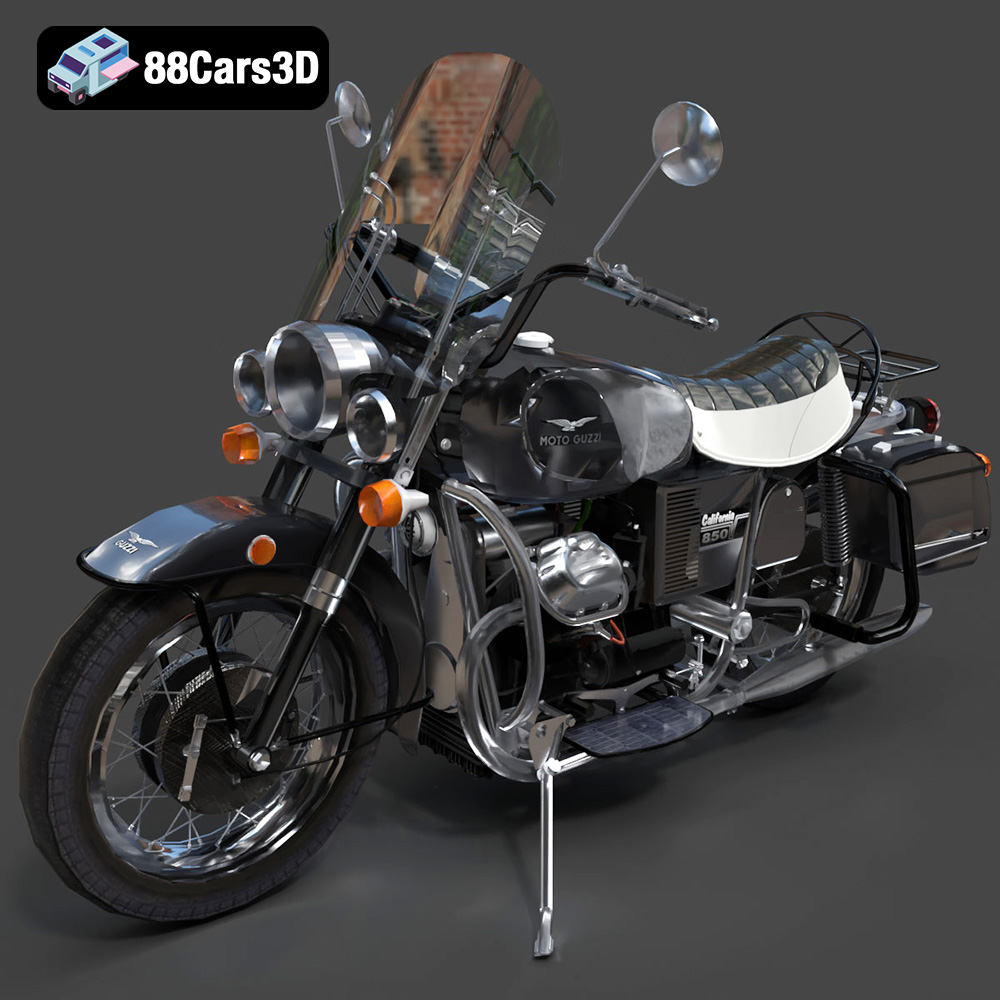
Texture: Yes
Material: Yes
Download the Moto Guzzi Classic Motorcycle 2024 3D Model featuring clean geometry, realistic detailing, and a fully modeled interior. Includes .blend, .fbx, .obj, .glb, .stl, .ply, .unreal, and .max formats for rendering, simulation, and game development.
Price: $10

Texture: Yes
Material: Yes
Download the Mercedes S-Class 2024 3D Model featuring clean geometry, realistic detailing, and a fully modeled interior. Includes .blend, .fbx, .obj, .glb, .stl, .ply, .unreal, and .max formats for rendering, simulation, and game development.
Price: $10

Texture: Yes
Material: Yes
Download the Chevrolet Camaro 1970 3D Model featuring clean geometry, realistic detailing, and a fully modeled interior. Includes .blend, .fbx, .obj, .glb, .stl, .ply, .unreal, and .max formats for rendering, simulation, and game development.
Price: $10

Texture: Yes
Material: Yes
Download the Mercedes-AMG GT 2015 3D Model featuring clean geometry, realistic detailing, and a fully modeled interior. Includes .blend, .fbx, .obj, .glb, .stl, .ply, .unreal, and .max formats for rendering, simulation, and game development.
Price: $88.99

Texture: Yes
Material: Yes
Download the Suzuki GSX-R 1000 3D Model featuring clean geometry, realistic detailing, and a fully modeled interior. Includes .blend, .fbx, .obj, .glb, .stl, .ply, .unreal, and .max formats for rendering, simulation, and game development.
Price: $10

Texture: Yes
Material: Yes
Download the Porsche Cayman S 2024 3D Model featuring clean geometry, realistic detailing, and a fully modeled interior. Includes .blend, .fbx, .obj, .glb, .stl, .ply, .unreal, and .max formats for rendering, simulation, and game development.
Price: $10

Texture: Yes
Material: Yes
Download the Holden Commodore Sportwagon 2017 3D Model featuring clean geometry, realistic detailing, and a fully modeled interior. Includes .blend, .fbx, .obj, .glb, .stl, .ply, .unreal, and .max formats for rendering, simulation, and game development.
Price: $10
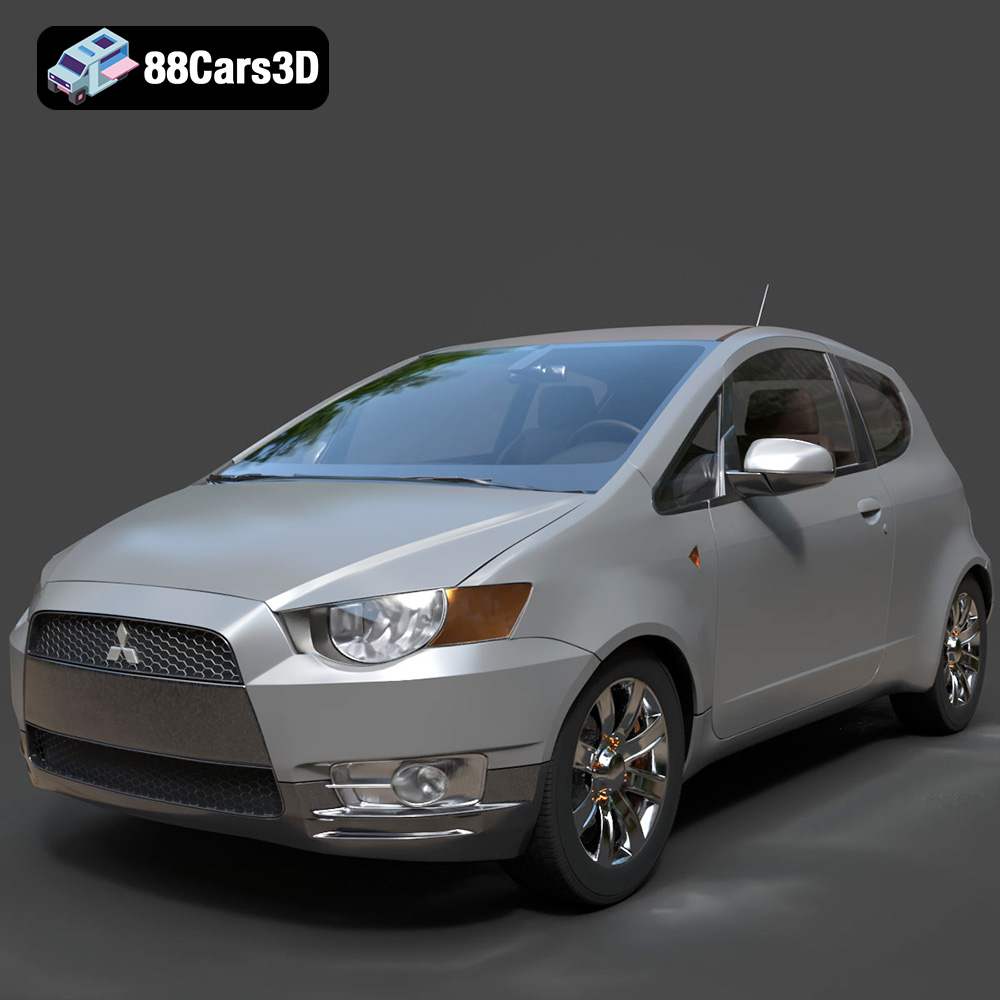
Texture: Yes
Material: Yes
Download the Mitsubishi Colt 3 Door 2008 3D Model featuring clean geometry, realistic detailing, and a fully modeled interior. Includes .blend, .fbx, .obj, .glb, .stl, .ply, .unreal, and .max formats for rendering, simulation, and game development.
Price: $10
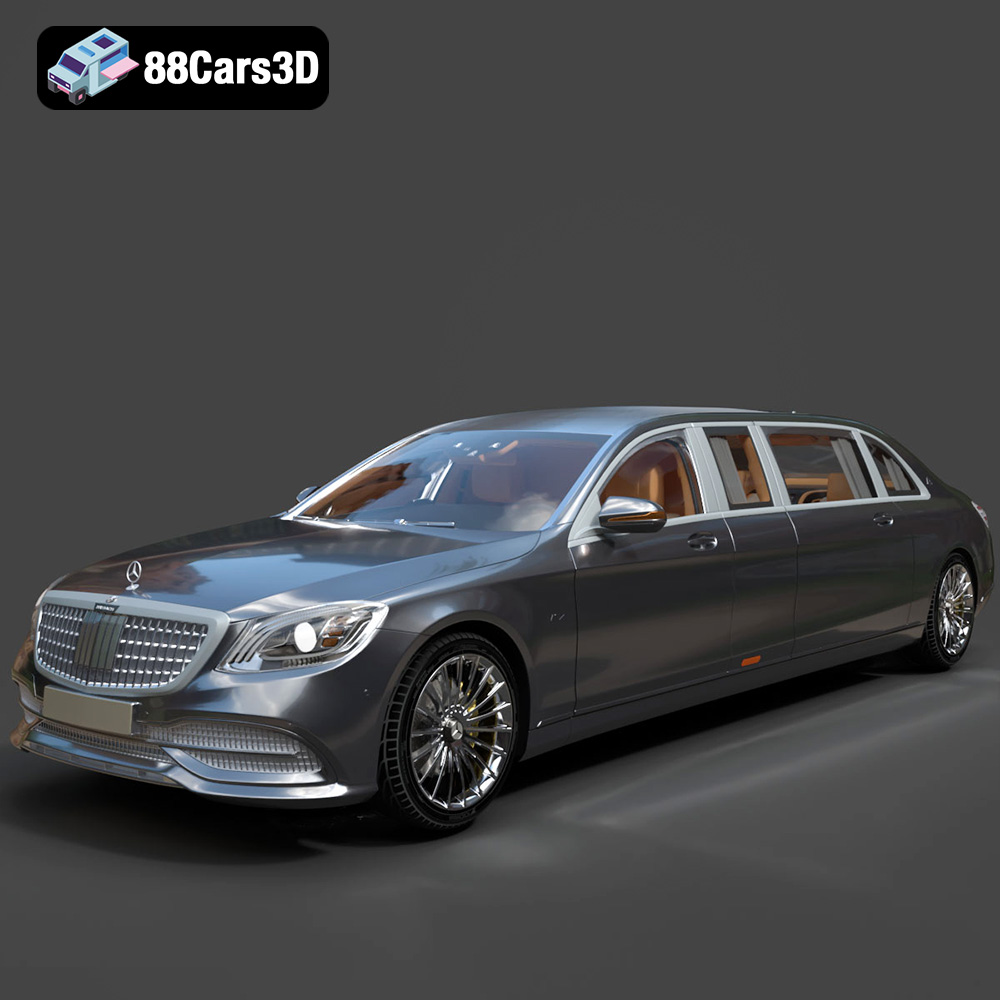
Texture: Yes
Material: Yes
Download the Mercedes-Benz S650 Pullman 3D Model featuring clean geometry, realistic detailing, and a fully modeled interior. Includes .blend, .fbx, .obj, .glb, .stl, .ply, .unreal, and .max formats for rendering, simulation, and game development.
Price: $95.99
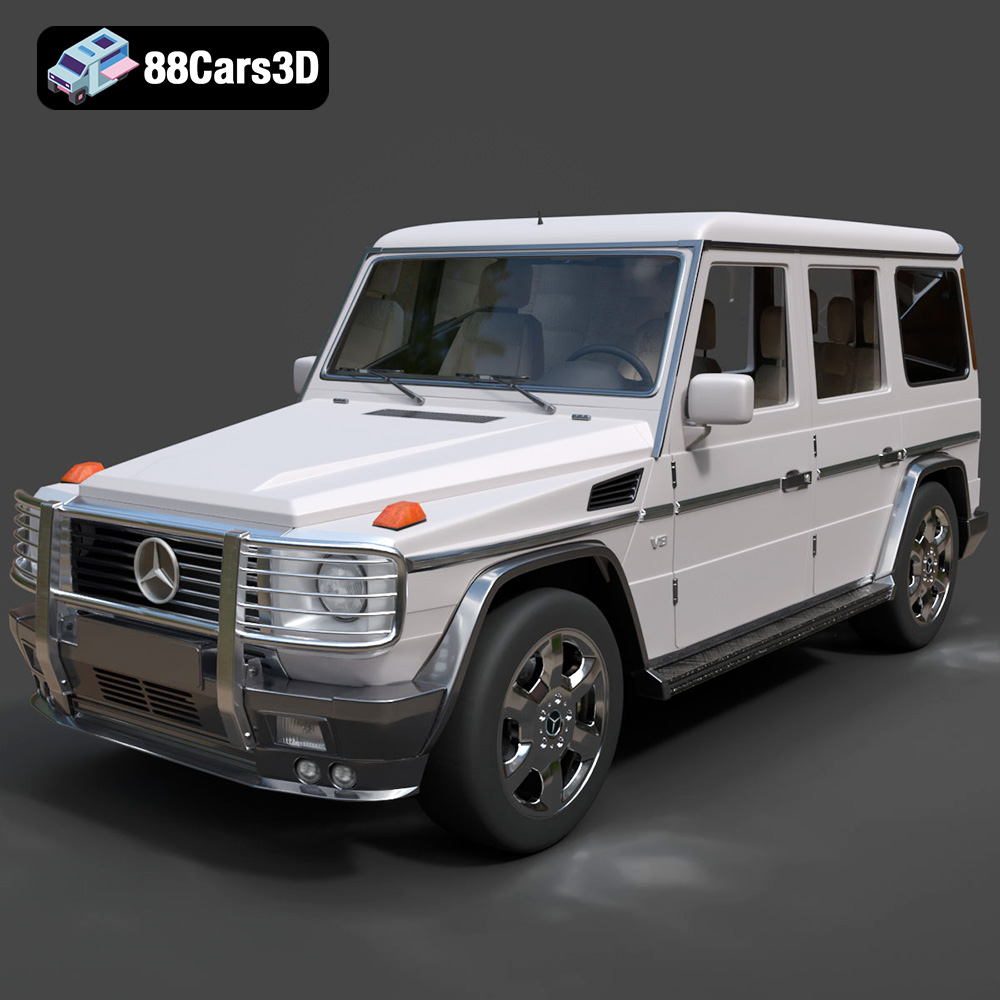
Texture: Yes
Material: Yes
Download the Mercedes G-Class SUV 2024 3D Model featuring clean geometry, realistic detailing, and a fully modeled interior. Includes .blend, .fbx, .obj, .glb, .stl, .ply, .unreal, and .max formats for rendering, simulation, and game development.
Price: $10

