⚡ FLASH SALE: Get 60% OFF All Premium 3D & STL Models! ⚡

“`html
For years, a distinct line separated the worlds of real-time rendering and offline, production-quality rendering. Real-time engines offered speed and interactivity, while offline renderers like V-Ray or Corona delivered uncompromising photorealism at the cost of time. For automotive visualization professionals, this often meant a fragmented workflow: using a real-time engine for previews and a separate offline renderer for final marketing stills and cinematics. With the evolution of Unreal Engine, that line has all but vanished. The introduction and continuous improvement of the integrated Path Tracer have brought physically accurate, offline-quality rendering directly into the heart of the real-time environment.
This powerful feature completely changes the game for creating stunning automotive content. It allows artists and designers to leverage Unreal Engine’s vast ecosystem of tools—from its intuitive Material Editor to the powerful Sequencer—and output final images and videos that are indistinguishable from traditional CG renders. In this comprehensive guide, we will explore every facet of using the Path Tracer for automotive visualization. We will cover the fundamental concepts, essential project setup, advanced material and lighting techniques, and the best practices for rendering breathtaking final pixels, all while working with high-fidelity 3D car models. Prepare to unlock a new level of realism in your Unreal Engine projects.
Before diving into the technical setup, it’s crucial to understand what Path Tracing is and why it represents such a monumental leap forward for realism, especially for complex subjects like automobiles. It’s not just an incremental improvement; it’s a fundamentally different way of calculating light.
At its core, conventional real-time rendering is based on rasterization. This technique is incredibly fast and efficient, projecting 3D geometry onto a 2D screen and then using various shaders and clever algorithms to simulate lighting, shadows, and reflections. Modern real-time global illumination systems like Lumen are phenomenal at approximating light bounces and creating believable, dynamic scenes. However, they are still approximations, designed to run at interactive framerates.
Path Tracing, on the other hand, is a form of ray tracing that simulates the physics of light much more accurately. Instead of approximating, it traces the path of individual light rays from the camera into the scene. Each time a ray hits a surface, it bounces off in a new direction, gathering color and light information, until it eventually hits a light source. By simulating millions of these paths for every pixel on the screen, the Path Tracer can produce physically correct results for the most complex lighting phenomena: perfectly soft shadows, color bleeding, accurate reflections and refractions, subtle ambient occlusion, and intricate caustics. It is, in essence, a ground-truth reference for what a scene should look like.
Automobiles are one of the most challenging subjects to render realistically due to their complex materials and surfaces. This is where Path Tracing truly shines:
It’s important to clarify that Path Tracing does not replace Lumen. They are complementary tools designed for different purposes. Lumen is for high-quality, real-time feedback and final output for interactive experiences. The Path Tracer is for producing the absolute highest-fidelity, noise-free final frames for cinematics, hero shots, and print marketing. Your workflow will often involve using Lumen for interactive scene setup, lighting, and camera work, then switching to the Path Tracer for the final, time-intensive render via the Movie Render Queue.
Before you can leverage the power of the Path Tracer, you need to ensure your project and hardware are correctly configured. This foundational step is critical for stability and performance.
Getting your project ready involves enabling a few key settings. Follow these steps carefully:
Once the editor restarts, you can activate the Path Tracer in your viewport by going to the View Mode dropdown (usually says “Lit”) and selecting Path Tracing. The viewport will begin to resolve the image progressively, which may appear noisy at first before clearing up.
Path Tracing is a computationally intensive process that relies on specific GPU hardware. To use it effectively, you need a graphics card with dedicated hardware for ray tracing acceleration.
– AMD: Radeon RX 6000-series or newer.
Equally important is ensuring your graphics drivers are up to date. Both NVIDIA and AMD release regular driver updates that often include performance improvements and bug fixes for ray tracing applications like Unreal Engine. Always use the latest “Studio Driver” from NVIDIA if available, as they are optimized for content creation workflows.
The Path Tracer is only as good as the assets you feed it. Garbage in, garbage out. Using a meticulously crafted 3D car model is non-negotiable for achieving photorealistic results. Assets from professional marketplaces like 88cars3d.com are ideal because they are built with the high standards required for this level of rendering. Key features to look for are:
Materials define how light interacts with every surface in your scene. With Path Tracing, every subtle nuance of your material setup is accurately simulated, making material authoring a critical step for achieving photorealism.
Modern car paint is a complex, multi-layered material, and Unreal Engine’s Material Editor has the perfect tool for replicating it: the Clear Coat shading model. This model simulates a translucent layer of paint on top of a base layer.
For advanced paint materials, you can even add “flakes” by using a normal map with a noise texture plugged into the base layer’s Normal input, simulating the metallic flakes suspended within the paint.
Beyond the paint, other materials are just as important for a convincing result.
Lighting is everything in visualization. The Path Tracer’s physical accuracy means it responds beautifully to realistic lighting setups. Simple, physically-based lighting approaches often yield the most stunning results.
For studio-style renders, image-based lighting (IBL) with a High Dynamic Range Image (HDRI) is the industry standard. This technique uses a 360-degree photograph of a real-world location to provide both the scene’s illumination and its reflections.
For the best results, use a high-resolution (e.g., 8K or higher) HDRI with a high dynamic range to ensure you get sharp, detailed reflections in your car’s bodywork. The Path Tracer will accurately calculate the soft, diffuse lighting and the crisp specular highlights generated by the HDRI.
For outdoor scenes, Unreal Engine’s Sun and Sky system is a powerful, physically-based solution. You can add it to your scene by going to Window > Environment Light Mixer and clicking the buttons to add a Sky Light, Sky Atmosphere, Volumetric Cloud, and Directional Light. The Path Tracer will correctly render the soft shadows from the sky and the sharp shadows from the sun (Directional Light), as well as accurately simulate how the atmospheric scattering affects the color of the light and shadows. Adjusting the position of the Directional Light will realistically simulate different times of day, from the warm, long shadows of a golden hour sunset to the harsh, direct light of midday.
Once your scene is set up, lit, and looking great in the interactive Path Tracing viewport, the final step is to export your high-resolution images or cinematic sequences. For this, the Movie Render Queue is the essential tool.
The Movie Render Queue (MRQ) is a production-grade rendering system that provides fine-grained control over the final output. To access it, go to Window > Cinematics > Movie Render Queue.
You can further refine the Path Tracer’s behavior using console variables. The most important one is r.PathTracing.MaxBounces. This controls how many times a light ray can bounce around the scene. The default value is often sufficient, but for scenes with complex light interactions (like interiors or multiple refractive surfaces), increasing this value to 32 or 64 can improve lighting accuracy at the cost of render time. You can learn more about these settings and other rendering features by exploring the extensive resources on the official Unreal Engine documentation at https://dev.epicgames.com/community/unreal-engine/learning.
While the Path Tracer is designed for offline quality, there are still ways to optimize your workflow and tackle advanced challenges for even better results.
One of the most powerful combinations in modern Unreal Engine is using Nanite virtualized geometry with the Path Tracer. Nanite allows you to import and render 3D models with millions or even billions of polygons without the traditional performance costs or the need for manual LOD creation. The Path Tracer fully supports Nanite geometry. This means you can use incredibly detailed source models—like the ultra-high-resolution automotive assets available from platforms such as 88cars3d.com—and render them with perfect, physically accurate lighting. This workflow removes the polygon budget ceiling, allowing for an unprecedented level of geometric detail in your final automotive visualizations.
The Path Tracing viewport mode can be noisy, especially in the first few seconds as it resolves. To speed up your look development process, you can enable the real-time denoiser. Use the console command r.PathTracing.Denoise 1 to activate it. This uses Intel’s Open Image Denoise to provide a fast, clean preview of your lighting and material changes, allowing you to iterate much more quickly before committing to a final, high-sample-count render in the Movie Render Queue.
As you work with the Path Tracer, you might encounter a few common issues:
r.PathTracing.ClampFireflies 1 or by slightly increasing the roughness on purely metallic or glass surfaces.The Path Tracer in Unreal Engine is not just a feature; it’s a paradigm shift. It democratizes access to offline-quality rendering, integrating it seamlessly into a real-time workflow. For automotive visualization, this means no more compromises. You can now produce marketing imagery, configurator stills, and cinematic animations with breathtaking, physically accurate realism, all within a single, unified application. By combining the power of the Path Tracer with meticulously crafted 3D car models and a solid understanding of physically-based materials and lighting, you can create visuals that truly capture the beauty and complexity of automotive design.
The journey to photorealism is one of precision and attention to detail. The key takeaways are to start with a correctly configured project, invest in high-quality assets, build your materials based on real-world physics, and light your scene with intention. As a next step, we encourage you to take these principles and apply them. Find a high-fidelity car model, set up a simple studio scene with an HDRI, and render your first image with the Movie Render Queue. Seeing the incredible quality that is now at your fingertips is the best way to understand the transformative power of Path Tracing in Unreal Engine.
“`
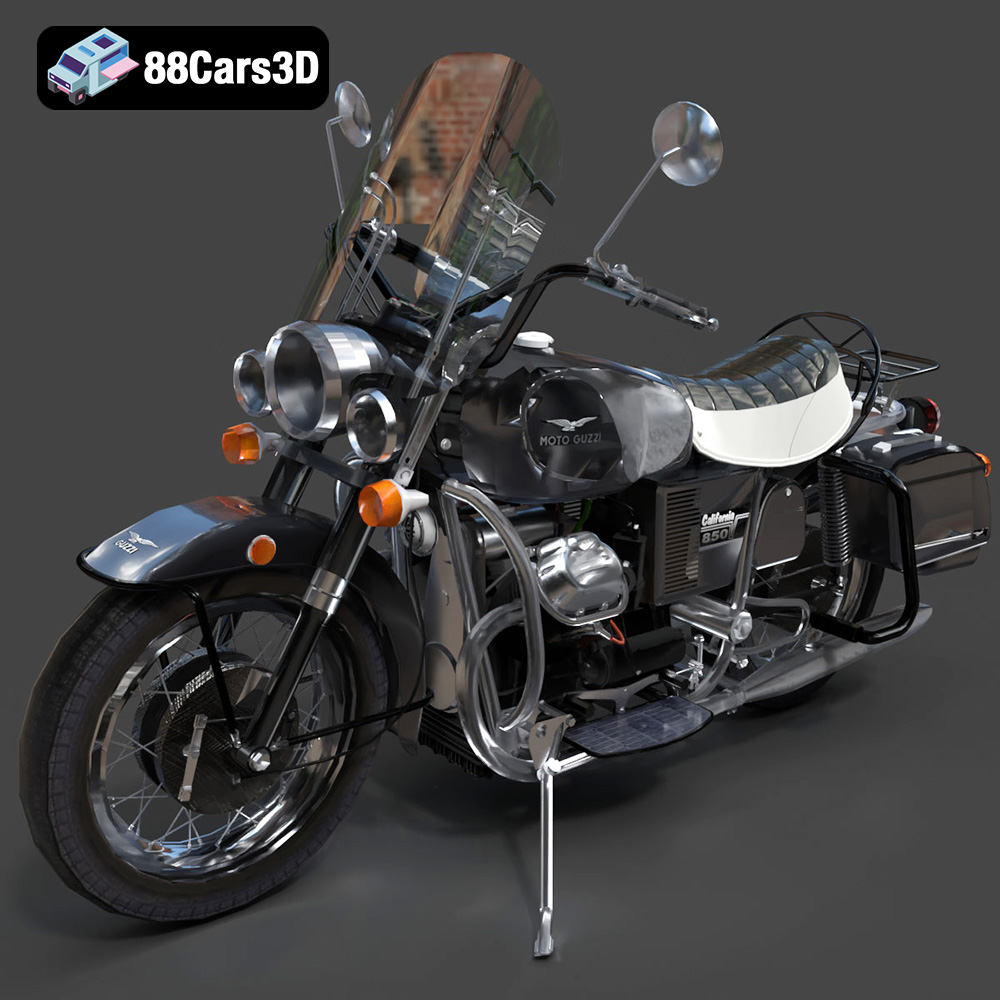
Texture: Yes
Material: Yes
Download the Moto Guzzi Classic Motorcycle 2024 3D Model featuring clean geometry, realistic detailing, and a fully modeled interior. Includes .blend, .fbx, .obj, .glb, .stl, .ply, .unreal, and .max formats for rendering, simulation, and game development.
Price: $10

Texture: Yes
Material: Yes
Download the Mercedes S-Class 2024 3D Model featuring clean geometry, realistic detailing, and a fully modeled interior. Includes .blend, .fbx, .obj, .glb, .stl, .ply, .unreal, and .max formats for rendering, simulation, and game development.
Price: $10

Texture: Yes
Material: Yes
Download the Chevrolet Camaro 1970 3D Model featuring clean geometry, realistic detailing, and a fully modeled interior. Includes .blend, .fbx, .obj, .glb, .stl, .ply, .unreal, and .max formats for rendering, simulation, and game development.
Price: $10

Texture: Yes
Material: Yes
Download the Mercedes-AMG GT 2015 3D Model featuring clean geometry, realistic detailing, and a fully modeled interior. Includes .blend, .fbx, .obj, .glb, .stl, .ply, .unreal, and .max formats for rendering, simulation, and game development.
Price: $88.99

Texture: Yes
Material: Yes
Download the Suzuki GSX-R 1000 3D Model featuring clean geometry, realistic detailing, and a fully modeled interior. Includes .blend, .fbx, .obj, .glb, .stl, .ply, .unreal, and .max formats for rendering, simulation, and game development.
Price: $10

Texture: Yes
Material: Yes
Download the Porsche Cayman S 2024 3D Model featuring clean geometry, realistic detailing, and a fully modeled interior. Includes .blend, .fbx, .obj, .glb, .stl, .ply, .unreal, and .max formats for rendering, simulation, and game development.
Price: $10
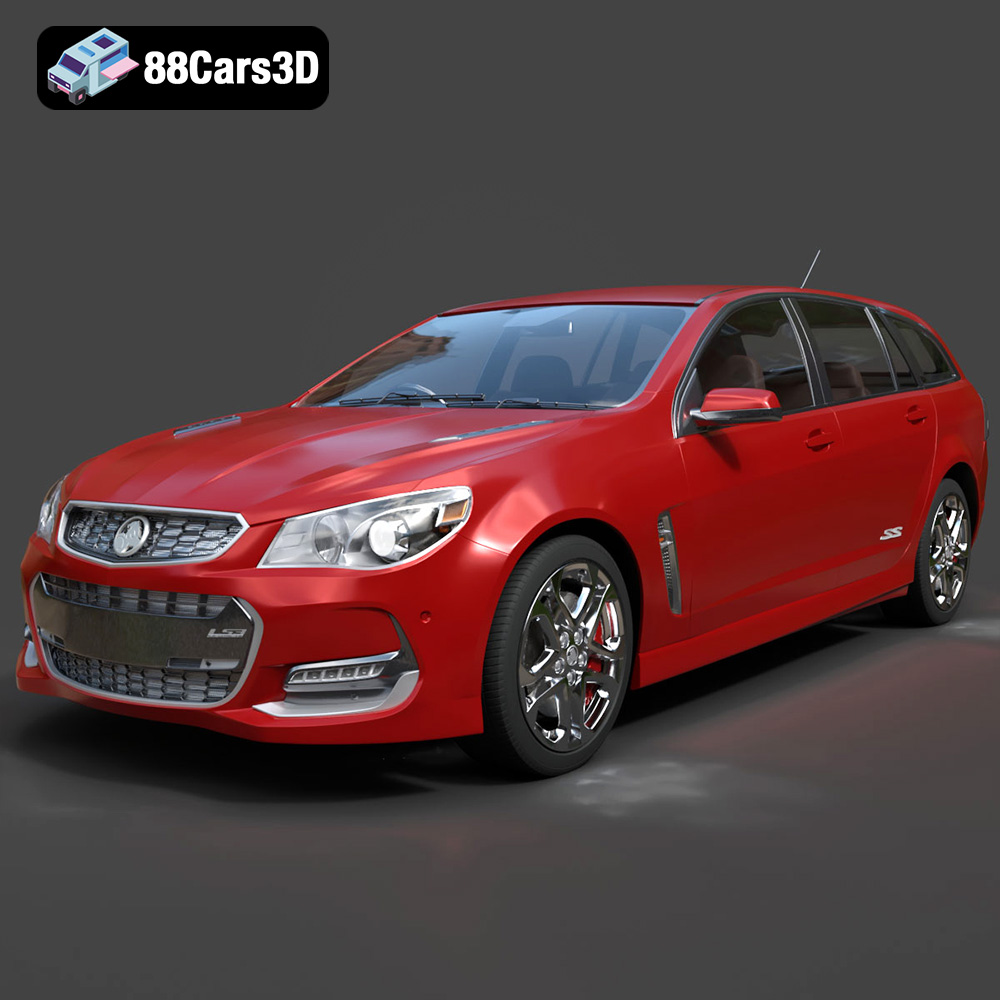
Texture: Yes
Material: Yes
Download the Holden Commodore Sportwagon 2017 3D Model featuring clean geometry, realistic detailing, and a fully modeled interior. Includes .blend, .fbx, .obj, .glb, .stl, .ply, .unreal, and .max formats for rendering, simulation, and game development.
Price: $10
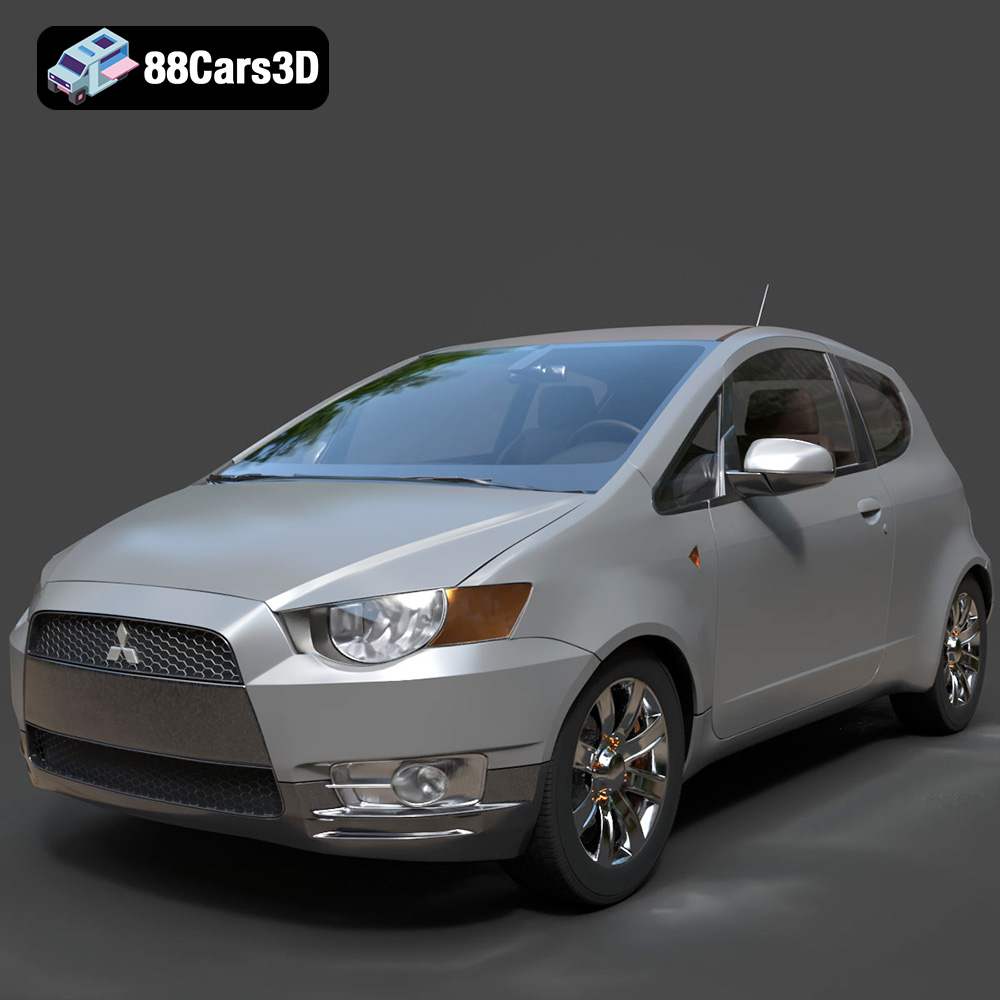
Texture: Yes
Material: Yes
Download the Mitsubishi Colt 3 Door 2008 3D Model featuring clean geometry, realistic detailing, and a fully modeled interior. Includes .blend, .fbx, .obj, .glb, .stl, .ply, .unreal, and .max formats for rendering, simulation, and game development.
Price: $10
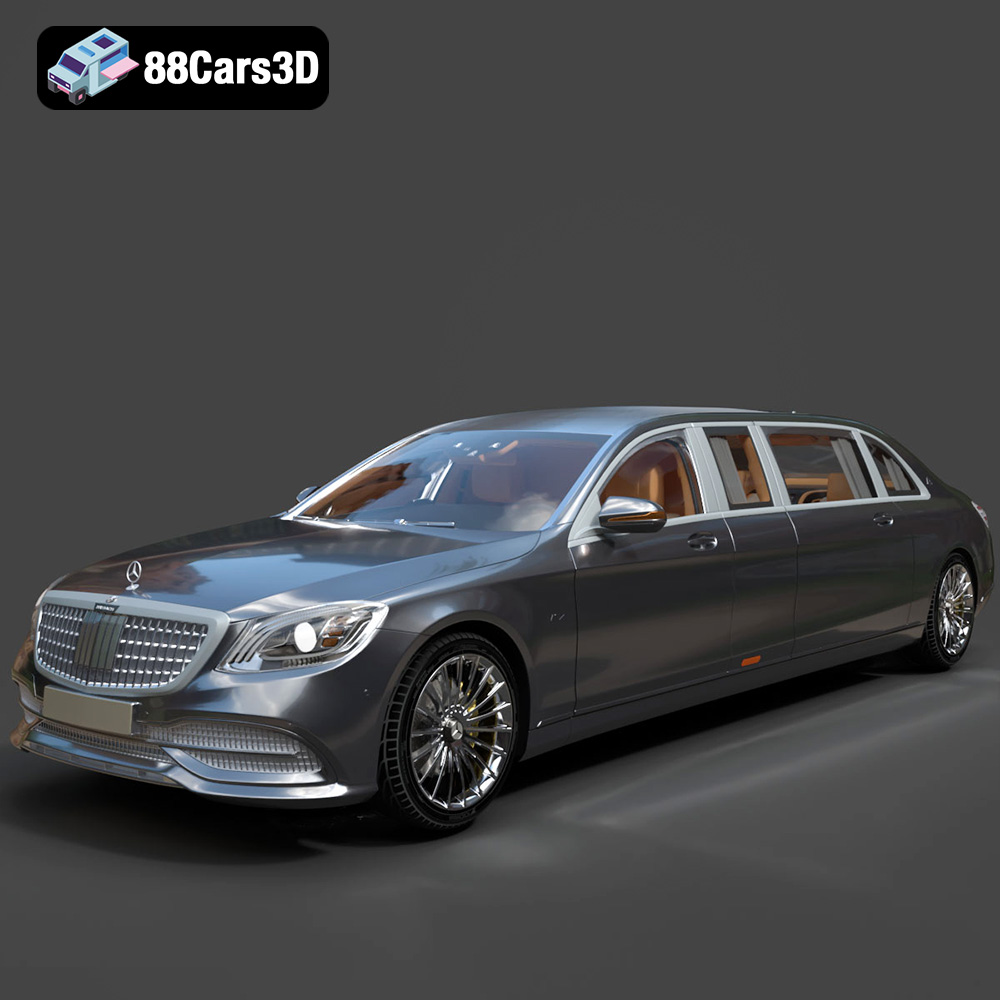
Texture: Yes
Material: Yes
Download the Mercedes-Benz S650 Pullman 3D Model featuring clean geometry, realistic detailing, and a fully modeled interior. Includes .blend, .fbx, .obj, .glb, .stl, .ply, .unreal, and .max formats for rendering, simulation, and game development.
Price: $95.99
Texture: Yes
Material: Yes
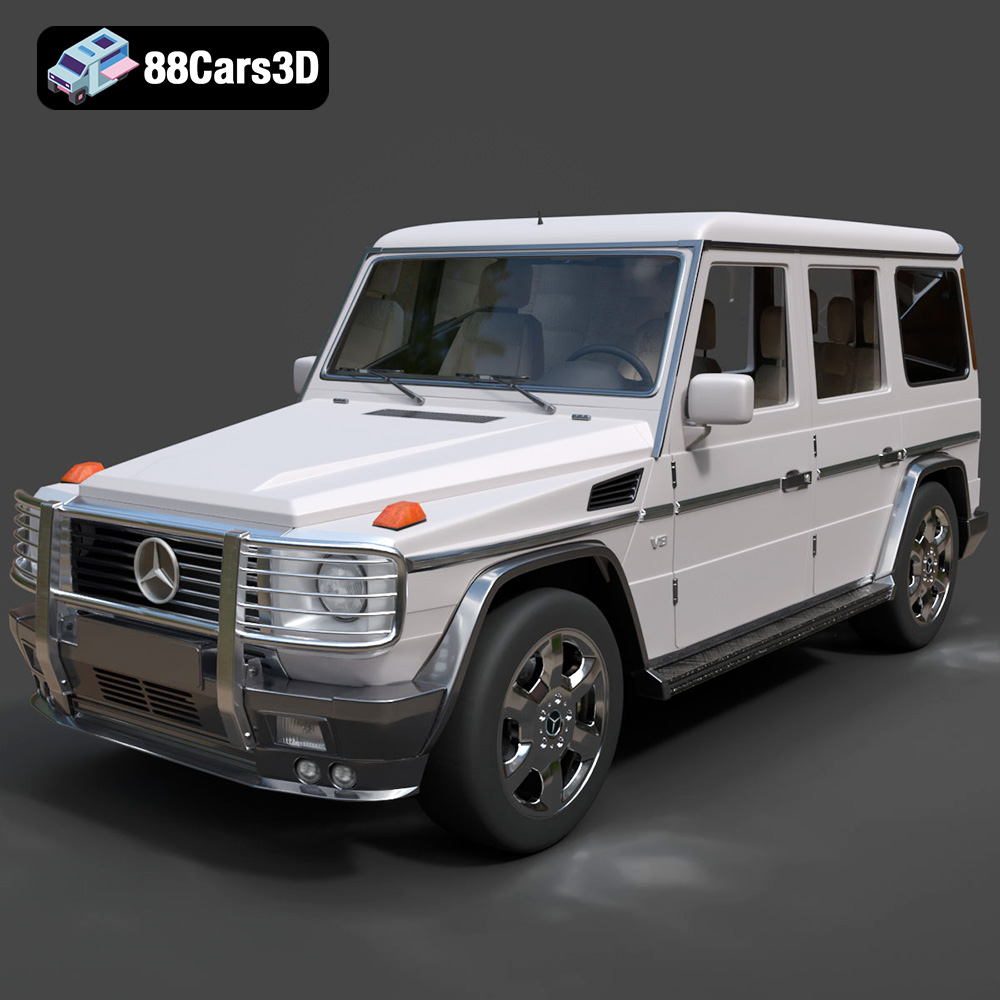
Download the Mercedes G-Class SUV 2024 3D Model featuring clean geometry, realistic detailing, and a fully modeled interior. Includes .blend, .fbx, .obj, .glb, .stl, .ply, .unreal, and .max formats for rendering, simulation, and game development.
Price: $10

