⚡ FLASH SALE: Get 60% OFF All Premium 3D & STL Models! ⚡

“`html
3D printing has revolutionized the world of model making, particularly for automotive enthusiasts. The ability to bring intricate vehicle designs to life right in your home is incredibly exciting. However, achieving high-quality, durable prints of car models requires a deep understanding of two crucial parameters: wall thickness and support settings. These elements directly impact the structural integrity, surface finish, and overall success of your 3D printing project. This comprehensive guide will walk you through the intricacies of setting up these parameters for optimal results, whether you’re using FDM or resin printing. Platforms like 88cars3d.com offer a wide variety of high-quality, detailed STL files, but even the best model can be ruined by incorrect settings. This guide will equip you with the knowledge to unlock the full potential of these designs.
In this guide, we’ll explore the significance of proper wall thickness for both aesthetic appeal and structural strength, delve into the nuances of support generation and removal, and provide practical tips and troubleshooting techniques to ensure your 3D printed vehicle models are nothing short of spectacular. We will cover specific software techniques for Cura and PrusaSlicer, detail FDM and resin printing differences, and offer insight into common printing pitfalls and solutions.
Wall thickness refers to the number of perimeters or shells your 3D printer lays down to form the outer walls of your model. This setting is paramount for several reasons. Insufficient wall thickness leads to weak, brittle prints that are prone to cracking or breaking. Conversely, excessive wall thickness increases print time and material usage without necessarily improving structural integrity beyond a certain point. The ideal wall thickness depends on the size and complexity of your car model, the material you’re using, and the intended use of the final product. For example, a display model might prioritize aesthetics and fine details, while a functional prototype needs to withstand stress and impact.
As a general rule, aim for a minimum wall thickness of at least 1.2mm for FDM printing with a 0.4mm nozzle. This translates to three perimeters. For smaller, more delicate parts, you might need to increase the wall thickness to 1.6mm or even 2.0mm. Resin printing allows for thinner walls due to the higher resolution and material properties. A wall thickness of 0.8mm to 1.0mm is often sufficient for resin-printed car models. However, consider the fragility of the resin and the potential for breakage during post-processing when deciding on your final setting.
The choice of material significantly influences the optimal wall thickness. PLA, a common and relatively easy-to-print filament, typically requires a wall thickness within the ranges mentioned above. ABS, known for its higher strength and heat resistance, might benefit from slightly thicker walls, particularly for parts subjected to stress. PETG offers a good balance of strength and flexibility and can be printed with similar wall thicknesses to PLA. For resin printing, different resin formulations have varying degrees of strength and brittleness. Experiment with test prints to determine the optimal wall thickness for your specific resin.
Support structures are temporary scaffolding that your 3D printer builds to support overhanging features and bridges during the printing process. Car models, with their complex geometries and intricate details, almost always require support structures. Proper support generation and removal are crucial for achieving clean, accurate prints. Incorrect support settings can lead to failed prints, marred surfaces, and difficulty in removing the supports without damaging the model.
There are several types of support structures, each with its advantages and disadvantages. Linear supports are simple vertical pillars that provide basic support. Tree supports are branching structures that offer more targeted support with less material usage and easier removal. Hybrid supports combine the best features of both linear and tree supports. The optimal choice depends on the geometry of your car model and the desired balance between support strength and ease of removal. In Cura, you can experiment with the “Support Pattern” and “Support Placement” settings to find the best combination for your model.
Slicing software offers a range of settings to fine-tune support generation. “Support Overhang Angle” determines the angle at which supports are generated. A lower angle results in more support, while a higher angle reduces support but might lead to sagging. “Support Density” controls the amount of material used for the supports. Higher density provides stronger support but increases material usage and removal difficulty. “Support Placement” allows you to choose where supports are generated – “Everywhere” places supports under all overhangs, while “Touching Buildplate” only places supports that connect to the build plate. Experiment with these settings to find the optimal balance for your car model.
FDM (Fused Deposition Modeling) and resin printing are two fundamentally different 3D printing technologies, each with its strengths and weaknesses. FDM printing uses thermoplastic filaments that are melted and extruded layer by layer. Resin printing uses liquid resins that are cured by UV light. The optimal wall thickness and support settings differ significantly between these two technologies due to their inherent differences in resolution, material properties, and printing mechanisms.
FDM printing generally requires thicker walls and more robust support structures than resin printing. This is due to the lower resolution of FDM printing and the layer-by-layer deposition process, which can lead to sagging and warping. When printing car models with FDM, pay close attention to the orientation of the model on the build plate. Orienting the model to minimize overhangs can reduce the need for support structures and improve print quality. Consider using a brim or raft to improve bed adhesion, especially for large or complex models. Nozzle size also impacts wall thickness. A 0.4mm nozzle is standard, but smaller nozzles (0.2mm or 0.3mm) can produce finer details at the cost of longer print times. When printing with a 0.2mm nozzle, reduce your layer height to 0.1mm or even 0.05mm for highly detailed models.
Resin printing offers higher resolution and finer details than FDM printing, allowing for thinner walls and more delicate support structures. However, resin-printed parts are often more brittle than FDM-printed parts, so it’s crucial to choose the right resin and optimize support settings. “Light-off Delay” is a critical parameter in resin printing, as it allows the resin to settle between layers, improving print quality and reducing the risk of layer separation. “Lift Distance” and “Lift Speed” also affect print quality. A larger lift distance ensures that the printed part is fully detached from the FEP film, while a slower lift speed reduces the risk of suction forces that can cause layer separation. Be cautious when removing supports, as resin prints can be brittle. Warm water can help soften the supports and make them easier to remove without damaging the model. Platforms such as 88cars3d.com offer models that are designed to be easily printed in resin, minimizing the need for complex support structures.
Slicing software transforms your 3D model into a series of instructions that your printer can understand. The slicing parameters you choose have a direct impact on the print quality, strength, and appearance of your car model. Mastering slicing parameters is essential for achieving professional-looking results. Key parameters to consider include layer height, infill density, print speed, and temperature.
Layer height determines the thickness of each layer of plastic or resin that your printer deposits. Lower layer heights result in smoother surfaces and finer details, but they also increase print time. Higher layer heights reduce print time but can lead to more visible layer lines. The optimal layer height depends on the desired balance between print quality and speed. For FDM printing, a layer height of 0.1mm to 0.2mm is a good starting point for car models. For resin printing, a layer height of 0.025mm to 0.05mm is common. Experiment with different layer heights to find the best balance for your specific model and printer.
Infill refers to the internal structure of your 3D printed model. Infill density determines the amount of material used to fill the interior of the model. Higher infill density results in stronger, more durable prints, but it also increases material usage and print time. Infill patterns affect the strength and weight of the model. Common infill patterns include grid, line, concentric, and gyroid. Gyroid infill is known for its isotropic strength, meaning it provides equal strength in all directions. For car models, an infill density of 15% to 25% is typically sufficient for display models. For functional prototypes, you might need to increase the infill density to 50% or higher. Consider the intended use of the model when deciding on the infill pattern and density.
Even with careful planning and optimized settings, 3D printing can sometimes present challenges. Common issues include warping, bed adhesion problems, stringing, and layer separation. Understanding the causes of these issues and knowing how to troubleshoot them is crucial for achieving successful prints. Prevention is always better than cure, so it’s important to maintain your printer properly, calibrate it regularly, and use high-quality filaments and resins.
Warping occurs when the corners or edges of your 3D printed model lift off the build plate. This is often caused by uneven cooling or inadequate bed adhesion. To prevent warping, ensure that your build plate is clean and level. Use a heated bed to maintain a consistent temperature throughout the printing process. Apply an adhesion promoter, such as glue stick or hairspray, to the build plate. Consider using a brim or raft to improve bed adhesion, especially for large or complex models. If you are printing with ABS, an enclosure can help maintain a stable temperature and prevent warping.
Stringing occurs when thin strands of plastic are left between different parts of the model. This is often caused by excessive retraction distance or temperature. To prevent stringing, reduce the retraction distance in your slicing software. Lower the printing temperature slightly. Increase the travel speed. Ensure that your filament is dry. Layer separation occurs when the layers of your 3D printed model do not adhere properly. This can be caused by inadequate temperature, low extrusion multiplier, or poor bed adhesion. Increase the printing temperature slightly. Increase the extrusion multiplier. Ensure that your bed is properly leveled and that your first layer is properly squished. If you are printing with resin, increase the light-off delay.
Post-processing is the set of techniques used to refine and enhance your 3D printed model after it has been printed. This can include removing support structures, sanding, filling, priming, and painting. Post-processing is essential for achieving a professional-looking finish and transforming your raw print into a finished masterpiece. The specific techniques you use will depend on the material you’re working with and the desired aesthetic.
Removing support structures is often the first step in post-processing. Carefully detach the supports using pliers, cutters, or a sharp knife. Take care not to damage the model during removal. Sanding is used to smooth out surface imperfections and layer lines. Start with coarse sandpaper and gradually move to finer grits. For FDM prints, you can use filler primer to fill in gaps and imperfections. For resin prints, you can use a UV-curing resin to fill in gaps and imperfections. After sanding and filling, prime the model with a suitable primer. This will provide a smooth, even surface for painting.
Painting is used to add color and detail to your 3D printed car model. Use high-quality acrylic paints designed for plastic models. Apply multiple thin coats rather than one thick coat. Use masking tape to create clean lines and intricate designs. Consider using an airbrush for a smooth, even finish. After painting, allow the model to dry completely before applying a clear coat. A clear coat will protect the paint and add a glossy or matte finish. If your car model consists of multiple parts, assemble them carefully using glue or screws. Ensure that all parts fit together properly and are securely attached.
Mastering wall thickness and support settings is crucial for achieving high-quality 3D printed vehicle models. By understanding the principles outlined in this guide, you can optimize your slicing parameters, troubleshoot common printing issues, and transform your raw prints into stunning finished products. Remember to consider the material you are using, the complexity of the model, and the intended use of the final product when making decisions about wall thickness and support settings. Don’t be afraid to experiment and iterate until you find the settings that work best for your specific printer and model. When downloading models from marketplaces such as 88cars3d.com, remember that these are optimized starting points and still require careful consideration of these parameters for best results. Keep practicing, and you’ll be creating professional-quality 3D printed car models in no time. Now, go forth and print!
“`
Texture: Yes
Material: Yes
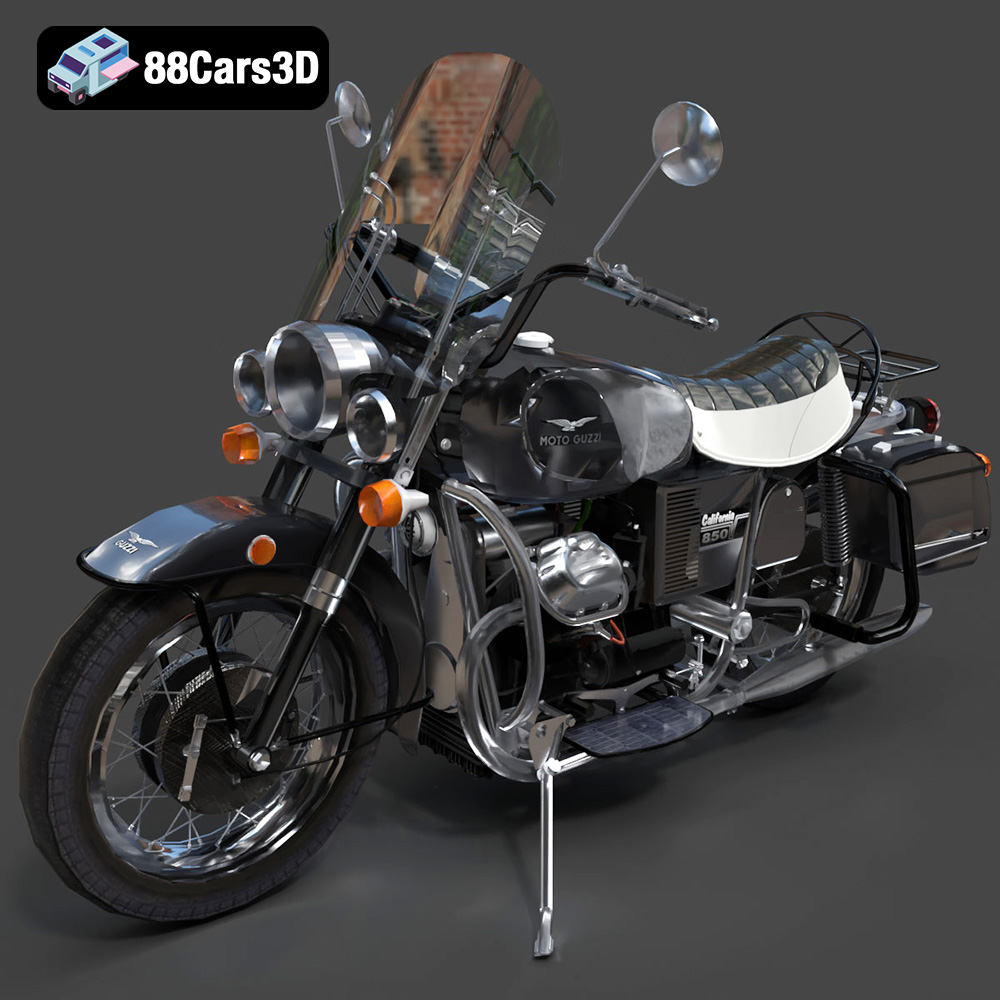
Download the Moto Guzzi Classic Motorcycle 2024 3D Model featuring clean geometry, realistic detailing, and a fully modeled interior. Includes .blend, .fbx, .obj, .glb, .stl, .ply, .unreal, and .max formats for rendering, simulation, and game development.
Price: $10

Texture: Yes
Material: Yes
Download the Mercedes S-Class 2024 3D Model featuring clean geometry, realistic detailing, and a fully modeled interior. Includes .blend, .fbx, .obj, .glb, .stl, .ply, .unreal, and .max formats for rendering, simulation, and game development.
Price: $10

Texture: Yes
Material: Yes
Download the Chevrolet Camaro 1970 3D Model featuring clean geometry, realistic detailing, and a fully modeled interior. Includes .blend, .fbx, .obj, .glb, .stl, .ply, .unreal, and .max formats for rendering, simulation, and game development.
Price: $10

Texture: Yes
Material: Yes
Download the Mercedes-AMG GT 2015 3D Model featuring clean geometry, realistic detailing, and a fully modeled interior. Includes .blend, .fbx, .obj, .glb, .stl, .ply, .unreal, and .max formats for rendering, simulation, and game development.
Price: $88.99

Texture: Yes
Material: Yes
Download the Suzuki GSX-R 1000 3D Model featuring clean geometry, realistic detailing, and a fully modeled interior. Includes .blend, .fbx, .obj, .glb, .stl, .ply, .unreal, and .max formats for rendering, simulation, and game development.
Price: $10

Texture: Yes
Material: Yes
Download the Porsche Cayman S 2024 3D Model featuring clean geometry, realistic detailing, and a fully modeled interior. Includes .blend, .fbx, .obj, .glb, .stl, .ply, .unreal, and .max formats for rendering, simulation, and game development.
Price: $10

Texture: Yes
Material: Yes
Download the Holden Commodore Sportwagon 2017 3D Model featuring clean geometry, realistic detailing, and a fully modeled interior. Includes .blend, .fbx, .obj, .glb, .stl, .ply, .unreal, and .max formats for rendering, simulation, and game development.
Price: $10
Texture: Yes
Material: Yes
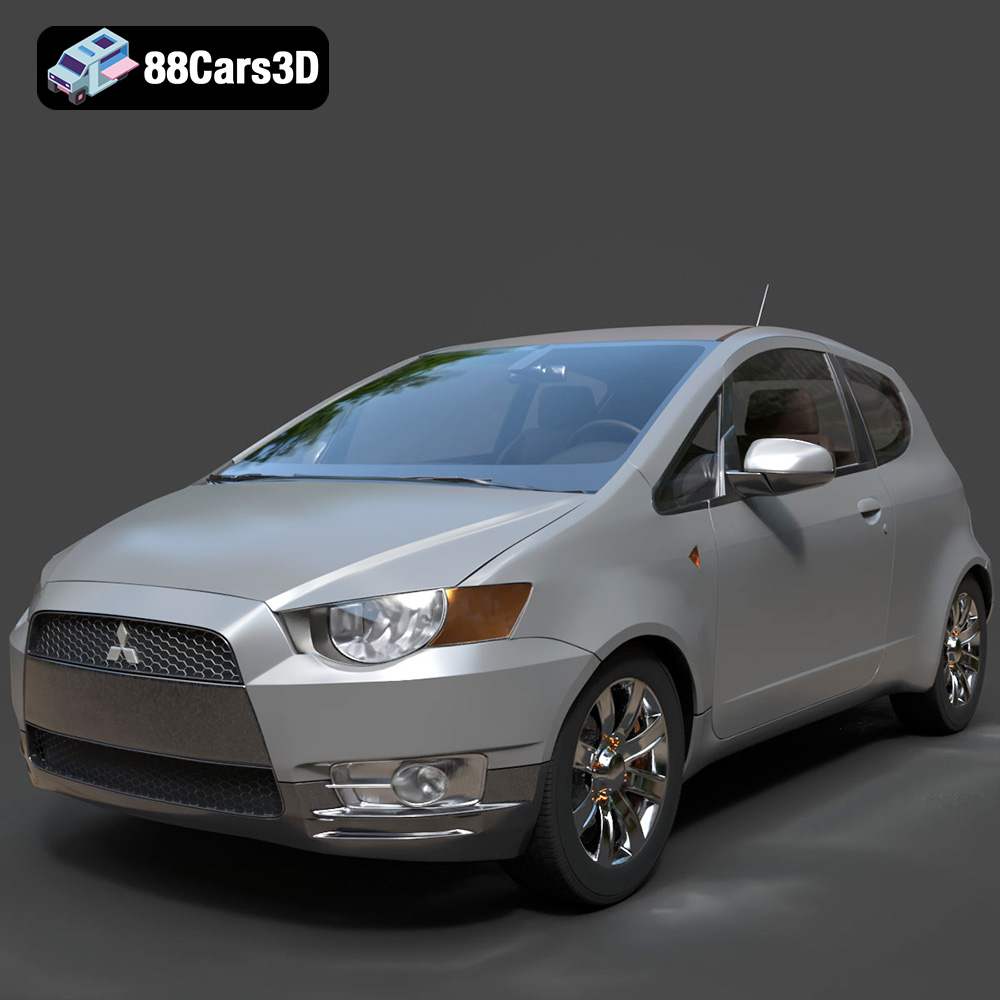
Download the Mitsubishi Colt 3 Door 2008 3D Model featuring clean geometry, realistic detailing, and a fully modeled interior. Includes .blend, .fbx, .obj, .glb, .stl, .ply, .unreal, and .max formats for rendering, simulation, and game development.
Price: $10
Texture: Yes
Material: Yes
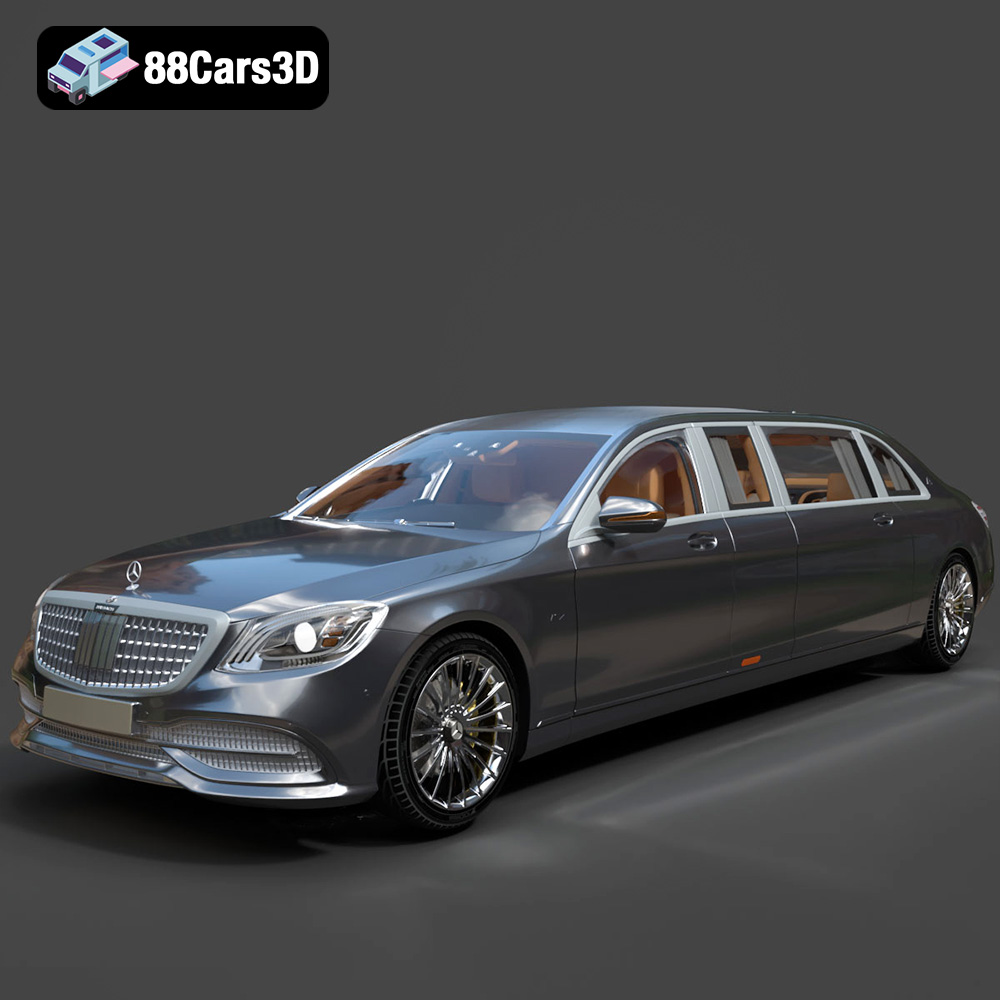
Download the Mercedes-Benz S650 Pullman 3D Model featuring clean geometry, realistic detailing, and a fully modeled interior. Includes .blend, .fbx, .obj, .glb, .stl, .ply, .unreal, and .max formats for rendering, simulation, and game development.
Price: $95.99
Texture: Yes
Material: Yes
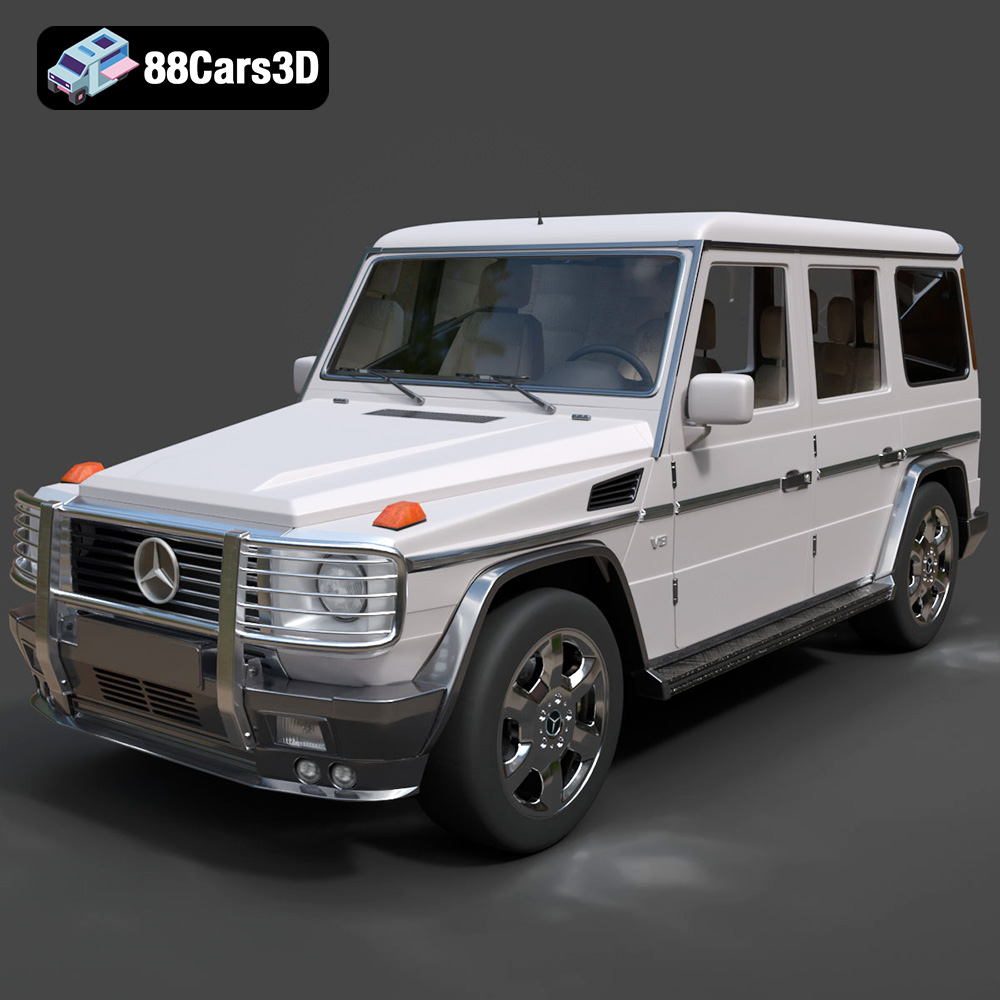
Download the Mercedes G-Class SUV 2024 3D Model featuring clean geometry, realistic detailing, and a fully modeled interior. Includes .blend, .fbx, .obj, .glb, .stl, .ply, .unreal, and .max formats for rendering, simulation, and game development.
Price: $10

