⚡ FLASH SALE: Get 60% OFF All Premium 3D & STL Models! ⚡

The allure of a perfectly rendered car is undeniable. From the subtle glint of metallic flakes under direct light to the deep, wet reflections of a pristine clear coat, automotive paint is a masterclass in surface complexity. Achieving this level of realism in 3D requires going far beyond simple Physically Based Rendering (PBR) materials. While standard PBR provides an excellent foundation, truly capturing the magic of high-end car finishes demands a deeper understanding of material science and advanced shading techniques.
Many artists find that their attempts at car paint fall short, looking flat or artificial. This often stems from treating the paint as a single, homogenous layer, ignoring the intricate optical interactions occurring within its multi-layered structure. In this comprehensive guide, we’ll peel back these layers, diving into the sophisticated methods used to create hyper-realistic car paint shaders. We’ll explore the underlying physics, detail advanced shader techniques, and provide practical workflows to elevate your automotive renders to cinematic quality. Whether you’re developing assets for games, film, or automotive visualization, mastering these techniques is crucial. For those seeking a strong foundation, starting with high-quality base models, like those available at 88cars3d.com, can significantly accelerate your workflow and allow you to focus on the nuanced art of shading.
To truly understand how to render car paint, we must first deconstruct its real-world composition. Automotive paint isn’t a single material; it’s a sophisticated stack of distinct layers, each contributing to the final appearance. Standard `PBR materials` often simplify this, which is why they frequently fall short of achieving photorealistic results for such a complex surface.
At its core, a typical automotive paint job consists of several layers. First, a primer ensures adhesion and corrosion protection. On top of that is the base coat, which provides the primary color. This layer can be solid, metallic, or pearlescent. The most critical component for visual realism is the clear coat – a transparent, hard layer applied over the base coat that provides gloss, depth, and protection. Each of these layers interacts with light differently, creating the rich optical effects we observe. Simple PBR setups often treat this entire stack as a single surface, neglecting the crucial optical interplay between the base color, any embedded flakes, and the thick, glossy top layer. Understanding these `dielectric properties` and how light refracts and reflects through each layer is paramount.
The base coat defines the fundamental hue of the vehicle. For a non-metallic paint, this might be a relatively straightforward diffuse color with a subtle sheen. However, for most modern car paints, the base coat contains microscopic metallic or pearlescent flakes. These flakes are suspended within a colored binder, and their orientation, density, and material properties are critical for light scattering. They are responsible for the distinctive “sparkle” or “flop” effect where the color and brightness shift depending on the viewing angle and light source direction.
Above this lies the clear coat, a thick, highly reflective, and transparent layer. This layer acts as a dielectric material, meaning light reflects off its surface based on its Index of Refraction (IOR) and roughness. It also allows light to pass through, revealing the base coat and flakes beneath. The clear coat contributes significantly to `clear coat reflectivity`, defining the sharpness of reflections and the overall “wet look.” Imperfections within this layer, such as microscopic scratches or the subtle “orange peel” texture, further enhance realism by breaking up perfect reflections. Accurately simulating these distinct layers and their interactions is the first step in moving beyond basic PBR.
The most distinguishing feature of many automotive paints is the captivating sparkle and shift in color, largely attributed to the `metallic flake shader` embedded within the base coat. Recreating this effect authentically is crucial for hyper-realism. It’s not just about scattering tiny dots; it’s about simulating how countless microscopic, reflective particles interact with light at various angles.
These flakes, typically aluminum particles or mica pigments, are suspended in the paint and tend to align somewhat parallel to the surface. When light hits them, they reflect it with varying intensity and color depending on their individual orientation, size, and the viewing angle. A simplistic approach often leads to a uniform “glitter” effect, which lacks the nuanced depth and directional quality of real car paint. Advanced techniques focus on controlling the density, size, and particularly the `anisotropic shading` properties of these flakes. This allows for a more dynamic and believable interaction with light, mimicking how a car’s surface comes alive as you move around it.
Creating a believable flake effect starts with their distribution. Random noise patterns can work, but for a more controlled appearance, especially with `node-based shaders`, procedural textures offer immense flexibility. You can generate patterns that mimic varying densities or clumpiness, avoiding overly uniform looks.
* **Density:** Control how many flakes appear within a given area. Too many can look like sandpaper; too few might not give enough sparkle. A good density value balances visibility without overwhelming the base color.
* **Scale/Size:** Flakes are microscopic. While you might not render individual flakes, a texture that simulates varying sizes adds to the naturalness. Use noise functions to drive the scale, creating a more organic appearance where some flakes appear larger or smaller than others.
* **Orientation:** This is paramount for `anisotropic shading`. Real flakes don’t lie perfectly flat. They have slight variations in their tilt, which influences how they reflect light. In a shader, you might use a subtle noise texture to subtly perturb the “normal” direction of each simulated flake, or influence a tangent space for localized anisotropy.
`Anisotropic shading` is not just for brushed metals; it’s fundamental to realistic metallic flakes. Each flake, being a tiny, often elongated metallic particle, reflects light preferentially along its length or width. This means the highlight on an individual flake won’t be a perfect circle, but rather an elongated streak, and its visibility will change drastically with viewing angle.
* **Tangent Map Influence:** To simulate this, you’ll need to define a tangent direction for your flakes. While generating a distinct tangent map for every flake is impractical, you can often use a noise texture or a generated pattern to influence the local tangent space of the flake layer. This allows the reflected light to stretch in a specific direction relative to the flake’s perceived orientation.
* **Flake Orientation and Light Interaction:** As your camera or light source moves, different flakes will “catch” the light and sparkle. This is the “flop” effect. A well-implemented `metallic flake shader` should calculate the angle between the light source, the camera, and the flake’s normal/tangent, determining its contribution to the final specular reflection. This requires complex calculations, often incorporating a custom microfacet distribution for the flakes themselves, separate from the clear coat.
The material properties of the flakes themselves significantly impact the final look.
* **Metallic Flakes:** These are typically made of aluminum, reflecting light broadly across the spectrum (like a white metallic). Their color contribution to the overall paint is primarily through their reflectivity.
* **Pearlescent/Mica Flakes:** These are more complex. They often consist of transparent layers that interfere with light, causing iridescence or shifting colors depending on the viewing angle (like a prism effect). Implementing this requires careful manipulation of the flake’s reflected color based on the Fresnel effect or view angle, often achieved with color ramps or specific spectral rendering techniques in `node-based shaders`. The underlying color of the binder also plays a critical role, subtly influencing the hue of the reflected light.
If the metallic flakes provide the sparkle, the clear coat provides the depth, the “wet look,” and the crispness of reflections that define a high-quality automotive finish. This transparent, hard layer is arguably the most crucial component in achieving realistic `clear coat reflectivity` and overall visual fidelity. It sits atop the base coat and flake layer, acting as an optical interface that refracts and reflects light, revealing the complexities beneath while adding its own signature sheen.
The clear coat is a `dielectric material`, meaning it has a specific Index of Refraction (IOR) and exhibits Fresnel reflections – reflections that become stronger at grazing angles. Accurately modeling this layer involves more than just setting a high metallic value in a standard PBR material. We need to account for its optical properties, thickness, and subtle imperfections. `Microfacet theory` is particularly relevant here, as it describes how light interacts with microscopic surface irregularities, dictating the sharpness and distribution of specular highlights and reflections.
The most effective way to handle the clear coat is through a layered material system, where the clear coat is a separate, transparent shader stacked on top of your base paint and flake shader.
* **Building the Stack:** Conceptually, you have your base paint (diffuse color + embedded metallic/pearlescent flakes) as one layer, and then the clear coat as a second, independent layer. Light first interacts with the clear coat. Some light reflects off its surface (contributing to `clear coat reflectivity`), while the rest refracts through it to hit the base paint. This refracted light then interacts with the flakes and base color, and then refracts back out through the clear coat to reach the camera.
* **IOR and Transparency:** The clear coat’s IOR (typically around 1.4-1.5 for automotive finishes) dictates how much light is reflected versus refracted. A higher IOR means stronger reflections. The clear coat should be fully transparent in terms of its base color, allowing the underlying paint to show through, but opaque in terms of its specular reflection. Many 3D software packages offer dedicated car paint shaders or layered material nodes that simplify this complex interaction, often handling energy conservation automatically.
While a perfectly smooth clear coat might sound ideal, real-world surfaces have imperfections that paradoxically enhance realism. Uniform roughness makes a surface look sterile; subtle variations add character.
* **Roughness Maps:** Don’t just use a single roughness value. Employ detailed grayscale maps to introduce micro-roughness variations. Areas exposed to more wear might be slightly rougher, while protected areas remain smoother.
* **Micro-Scratches (Anisotropy for Clear Coat):** These are tiny, often parallel scratches or swirl marks that can appear on the clear coat over time from washing or polishing. These imperfections introduce a subtle form of `anisotropic shading` to the overall clear coat. Instead of perfectly sharp reflections, light streaks slightly, especially when viewed at certain angles. This effect can be simulated by using a subtle tangent map or a procedural anisotropic shader, independent of the metallic flakes.
* **Orange Peel:** This refers to the subtle, textured finish that resembles an orange peel, a common characteristic of sprayed paint finishes. It’s a very fine undulation on the surface of the clear coat, breaking up perfect reflections into slightly distorted, ripple-like patterns. This can be simulated with a fine noise bump map or normal map applied to the clear coat layer, with a very subtle intensity. The key is subtlety; too strong, and it looks like a damaged surface.
While often overlooked, the clear coat isn’t perfectly massless. It has a physical thickness and can exhibit subtle light absorption, especially in very thick applications or when tinted.
* **Volumetric Absorption:** For extremely high-end renders, you might simulate a tiny amount of absorption within the clear coat itself. This means that as light travels through the clear coat, a minuscule amount of light energy is absorbed, potentially leading to a slight darkening or tinting, giving the clear coat a deeper, more substantial appearance. This is typically controlled by a ‘volume absorption’ parameter within your rendering engine’s material system.
* **Thickness:** While you don’t generally model the clear coat as a separate mesh, its conceptual thickness influences how light interacts with the base layer. Longer light paths through a thicker clear coat can accentuate absorption effects or alter the appearance of embedded flakes. Many dedicated car paint shaders have a “thickness” parameter that influences these volumetric effects.
Crafting hyper-realistic car paint is a delicate balance between pushing visual fidelity and maintaining practical performance, especially crucial for a demanding `automotive rendering workflow`. This involves understanding advanced shading concepts that go beyond simple parameter adjustments, delving into how light physically behaves and how our shaders can mimic this behavior efficiently.
One of the key concepts for automotive surfaces, as we’ve discussed, is `anisotropic shading`. While we focused on flakes, the clear coat itself can exhibit anisotropic properties due to micro-scratches or manufacturing processes. Understanding how to apply this selectively and efficiently is vital. Furthermore, ensuring physical accuracy through layered BRDFs and energy conservation prevents shaders from looking artificial or “too bright,” especially in complex lighting scenarios. Optimizing these shaders for different rendering environments, whether real-time game engines or offline renderers, requires a strategic approach to complexity and detail.
At the core of physically accurate rendering is the Bidirectional Reflectance Distribution Function (BRDF), which describes how light reflects off a surface. For car paint, we’re not dealing with a single BRDF but rather a complex interplay of several.
* **Multiple BRDFs:** We have a diffuse BRDF for the base color, a microfacet BRDF for the metallic flakes, and another microfacet BRDF for the clear coat. These are stacked, with light passing through one layer to interact with the next.
* **Energy Conservation:** A fundamental principle in PBR is energy conservation: a surface cannot reflect more light than it receives. When layering materials like car paint, it’s critical that the sum of reflected and refracted light from each layer doesn’t exceed the incoming light. Many modern rendering engines and `node-based shaders` handle this automatically with dedicated car paint materials or layered material nodes. If building a custom shader, ensure that the clear coat’s transparency and reflectivity are correctly balanced, so that as reflections strengthen, less light passes through to the base coat, and vice versa. Neglecting this leads to an unnatural, glowing appearance.
Game engines like Unreal Engine and Unity have specific considerations for complex shaders, where performance is paramount.
* **Shader Complexity:** Each instruction in a shader contributes to its cost. While offline renders can afford extremely complex node networks, real-time engines demand efficiency. Use simpler functions where possible, and avoid excessive texture lookups or conditional branches.
* **Material Layers vs. Decals:** Instead of full layered materials for every unique detail, consider using decals for dirt, scratches, or wear. This keeps the base car paint shader lean.
* **Pre-computed Lighting & LODs:** Leverage baked lighting solutions for static elements to reduce real-time calculations. Implement Level of Detail (LOD) for your car models, including their shaders. At a distance, simpler car paint shaders (e.g., without detailed flake or orange peel effects) can be used to save GPU cycles.
* **Shader Variations:** Create multiple versions of your car paint shader. A high-quality version for cinematics or close-ups, and a more optimized version for general gameplay. This allows you to scale visual fidelity based on the demands of the scene.
The choice of rendering approach – path tracing (offline renderers like V-Ray, Corona, Cycles) versus rasterization (real-time engines) – significantly impacts how you build and optimize your car paint shader.
* **Path Tracing:** These renderers naturally handle complex light interactions, multiple bounces, and volumetric effects with high accuracy. The layered material approach for car paint works exceptionally well here, as light rays are traced through the clear coat, interacting with flakes, and bouncing around within the scene. You can push the realism for flakes and orange peel with intricate noise functions and high-resolution textures without immediate performance catastrophes. However, rendering times can be extensive.
* **Rasterization:** Real-time engines use various approximations to simulate light. While many now incorporate ray tracing features, the primary method is rasterization. This means you often need to “fake” certain effects, such as deep light absorption or subtle volumetric scattering, using cleverly crafted texture maps or screen-space effects. Achieving `clear coat reflectivity` and `anisotropic shading` for flakes requires specialized rendering paths (like Unreal Engine’s clear coat shading model) or highly optimized custom shader code. The `automotive rendering workflow` in real-time focuses heavily on efficient texture packing and judicious use of shader instructions.
Bringing these theoretical concepts to life requires familiarity with the tools of the trade. Modern 3D software and renderers offer robust `node-based shaders` that allow for intricate material construction. While the specific nodes and terminology may vary, the underlying principles of layering, mixing, and controlling parameters remain consistent. This section outlines how to apply these advanced car paint techniques in some of the most popular platforms.
Starting with a high-quality model is always the first step. You can find excellent options at 88cars3d.com, providing a solid foundation to apply your sophisticated shaders and achieve truly professional results. With a great model, you can concentrate on the fine details of your material work.
Unreal Engine provides a powerful and flexible material editor, ideal for crafting complex `PBR materials` like car paint.
* **Clear Coat Shading Model:** Unreal Engine has a dedicated Clear Coat shading model, which is a fantastic starting point. It allows you to define a base material (your paint with flakes) and then layer a clear coat on top with its own roughness and normal map inputs.
* **Base Paint with Flakes:** For the base, you’ll often combine a `Metallic` shading model. To create the `metallic flake shader`, you’ll typically generate a procedural noise pattern (e.g., using a `Noise` node with fine scale) to represent the flakes.
* **Flake Intensity:** Use this noise to drive a `Lerp` node, blending between a darker version of your base color and a brighter, more metallic flake color.
* **Flake Normal/Anisotropy:** For directional sparkle, you might influence the normal input of the base material or use a custom node to introduce micro-anisotropy for the flakes. Some advanced setups use a custom `Custom` node to implement a specialized microfacet BRDF for the flakes directly.
* **Clear Coat Details:** Apply a subtle normal map for orange peel and use a fine noise texture for `Clear Coat Roughness` to simulate micro-scratches, enhancing `clear coat reflectivity`.
Blender’s Cycles and Eevee renderers, utilizing its robust `node-based shaders` system, offer complete control over material properties.
* **Principled BSDF:** Start with the `Principled BSDF` node for both your base paint and clear coat.
* **Base Paint:** Set the `Metallic` value for your flakes and control `Roughness`. For the flakes themselves, you can create a detailed node group:
* Generate a `Noise Texture` or `Voronoi Texture` (set to ‘Distance to Edge’ or ‘Chebychev’) to simulate individual flake shapes.
* Use `Color Ramp` nodes to control the falloff and size of the flakes.
* Feed this into the `Metallic` input or use it to blend between two `Principled BSDF` nodes (one for the base color, one for the metallic flakes) using a `Mix Shader`.
* For `anisotropic shading` of the flakes, use the `Anisotropic` input of the Principled BSDF, perhaps driven by a `Tangent` node and a noise texture for direction.
* **Clear Coat:** For the clear coat, use another `Principled BSDF`. Set its `Base Color` to pure white or a very subtle tint. Crucially, set its `Transmission` to 1 and `Transmission Roughness` to 0. Then, stack this on top of your base paint using a `Mix Shader`, driven by a `Fresnel` node connected to the `Facing` input, to ensure the clear coat reflects strongly at grazing angles. Add a very subtle `Bump` node with a noise texture for orange peel.
Substance Painter and Designer are indispensable for baking intricate details and creating reusable smart materials within an `automotive rendering workflow`.
* **Smart Materials for Car Paint:** Create a smart material that encapsulates all the layers: a base color layer, a metallic flake layer, and a clear coat layer.
* **Flake Maps:** In Substance Designer, you can create complex procedural flake patterns for normal, roughness, and even metallic maps. These can be baked down to textures that are then used in Painter.
* **Layered Workflow in Painter:** In Painter, apply your base paint layer, then add a fill layer for flakes (using your baked flake maps for normal and metallic properties, adjusting their scale). Finally, add a clear coat layer, often a `Fill layer` with very high `Metalness` and low `Roughness`, setting its blending mode to `Passthrough` or `Add` for certain channels (like normal) to correctly layer. Utilize noise generators for `Orange Peel` normal maps and micro-scratch roughness maps directly within Painter’s layer stack.
For the highest quality offline rendering, V-Ray and Corona offer extremely powerful and physically accurate material systems.
* **Dedicated Car Paint Materials:** Both V-Ray and Corona often include dedicated “Car Paint” materials. These are purpose-built to handle the layered structure, `metallic flake shader`, and `clear coat reflectivity` with energy conservation built-in. They typically provide intuitive controls for flake density, size, color, clear coat IOR, roughness, and thickness.
* **Layered V-Ray Material (for custom control):** If a dedicated car paint material isn’t flexible enough, you can build your own using the `V-Ray Blend Material`.
* **Base Layer:** Your base paint (V-Ray Material or `V-Ray VRayMtl`) with diffuse color and a texture for metallic flakes (driving reflection color or a blend).
* **Coat Layer:** A second `V-Ray VRayMtl` with pure white diffuse, high `Reflect` value, an appropriate `IOR` for `dielectric properties`, and very low `Reflect Glossiness`.
* **Blend:** Use a `Fresnel` falloff map in the blend amount slot of the `V-Ray Blend Material` to accurately blend between the base and the clear coat reflections.
* **Procedural Textures:** Utilize procedural texture nodes for flakes, orange peel normal maps, and roughness variations to add immense detail without needing external texture maps. The granular control over parameters in `node-based shaders` in these renderers allows for highly precise and photorealistic results, making it the preferred choice for detailed automotive visualization. Remember that a meticulously crafted shader looks best on a meticulously crafted mesh, so sourcing models from 88cars3d.com can be a perfect pairing for these advanced rendering techniques.
Crafting hyper-realistic car paint shaders is an art form that blends technical understanding with an keen eye for detail. We’ve journeyed beyond the limitations of basic `PBR materials`, delving into the multi-layered anatomy of automotive finishes, the intricacies of the `metallic flake shader`, and the critical role of `clear coat reflectivity`. From understanding `anisotropic shading` and `microfacet theory` to optimizing your `automotive rendering workflow` across various software using `node-based shaders`, the path to photorealism is paved with nuance and precision.
The subtle interplay of light with embedded flakes, the depth of the clear coat, and the microscopic imperfections all contribute to a truly believable surface. It’s a testament to how far 3D rendering has come, allowing artists to replicate the most complex real-world materials. Don’t be afraid to experiment, push the boundaries of your software, and refine your shaders until they sparkle with life. The mastery of these advanced techniques will undoubtedly set your 3D models apart.
Ready to apply these advanced shading techniques to stunning models? Explore the wide range of high-quality 3D car models available at 88cars3d.com and start crafting your next masterpiece today!
Texture: Yes
Material: Yes
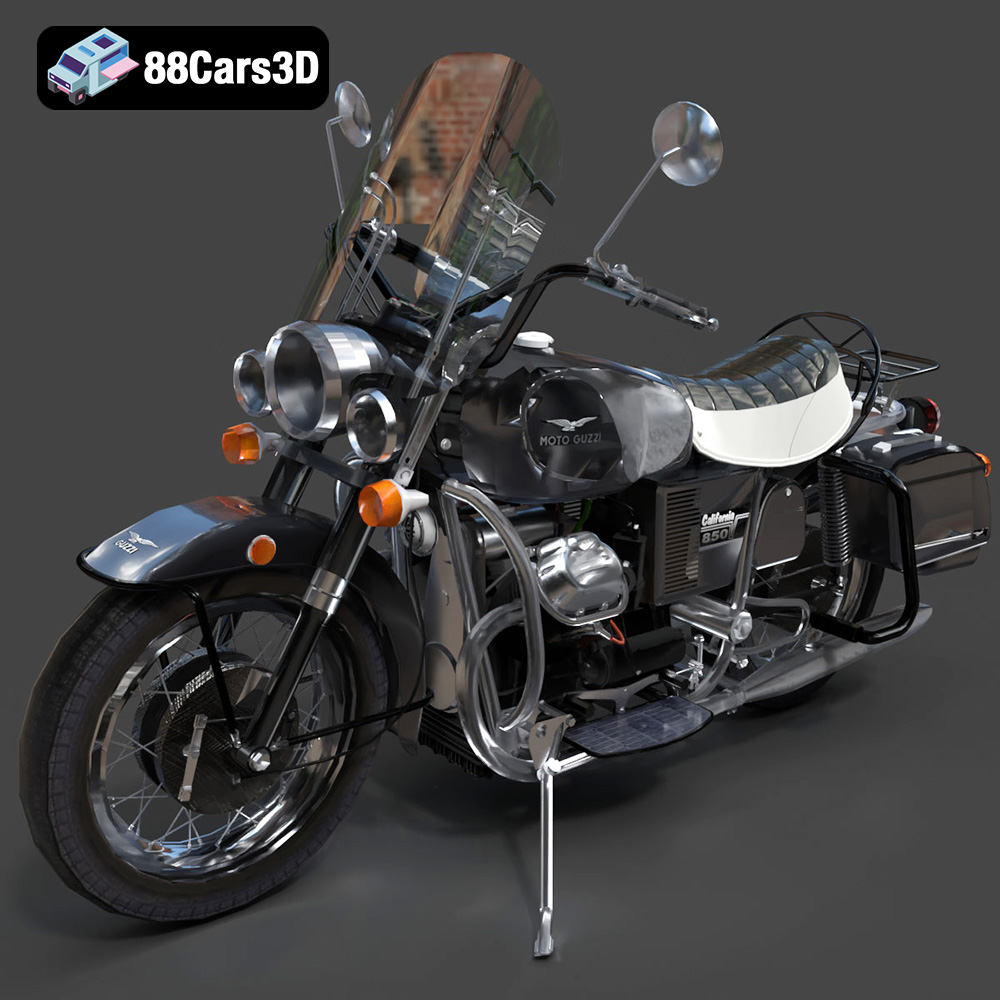
Download the Moto Guzzi Classic Motorcycle 2024 3D Model featuring clean geometry, realistic detailing, and a fully modeled interior. Includes .blend, .fbx, .obj, .glb, .stl, .ply, .unreal, and .max formats for rendering, simulation, and game development.
Price: $10

Texture: Yes
Material: Yes
Download the Mercedes S-Class 2024 3D Model featuring clean geometry, realistic detailing, and a fully modeled interior. Includes .blend, .fbx, .obj, .glb, .stl, .ply, .unreal, and .max formats for rendering, simulation, and game development.
Price: $10

Texture: Yes
Material: Yes
Download the Chevrolet Camaro 1970 3D Model featuring clean geometry, realistic detailing, and a fully modeled interior. Includes .blend, .fbx, .obj, .glb, .stl, .ply, .unreal, and .max formats for rendering, simulation, and game development.
Price: $10

Texture: Yes
Material: Yes
Download the Mercedes-AMG GT 2015 3D Model featuring clean geometry, realistic detailing, and a fully modeled interior. Includes .blend, .fbx, .obj, .glb, .stl, .ply, .unreal, and .max formats for rendering, simulation, and game development.
Price: $88.99

Texture: Yes
Material: Yes
Download the Suzuki GSX-R 1000 3D Model featuring clean geometry, realistic detailing, and a fully modeled interior. Includes .blend, .fbx, .obj, .glb, .stl, .ply, .unreal, and .max formats for rendering, simulation, and game development.
Price: $10

Texture: Yes
Material: Yes
Download the Porsche Cayman S 2024 3D Model featuring clean geometry, realistic detailing, and a fully modeled interior. Includes .blend, .fbx, .obj, .glb, .stl, .ply, .unreal, and .max formats for rendering, simulation, and game development.
Price: $10

Texture: Yes
Material: Yes
Download the Holden Commodore Sportwagon 2017 3D Model featuring clean geometry, realistic detailing, and a fully modeled interior. Includes .blend, .fbx, .obj, .glb, .stl, .ply, .unreal, and .max formats for rendering, simulation, and game development.
Price: $10

Texture: Yes
Material: Yes
Download the Mitsubishi Colt 3 Door 2008 3D Model featuring clean geometry, realistic detailing, and a fully modeled interior. Includes .blend, .fbx, .obj, .glb, .stl, .ply, .unreal, and .max formats for rendering, simulation, and game development.
Price: $10

Texture: Yes
Material: Yes
Download the Mercedes-Benz S650 Pullman 3D Model featuring clean geometry, realistic detailing, and a fully modeled interior. Includes .blend, .fbx, .obj, .glb, .stl, .ply, .unreal, and .max formats for rendering, simulation, and game development.
Price: $95.99

Texture: Yes
Material: Yes
Download the Mercedes G-Class SUV 2024 3D Model featuring clean geometry, realistic detailing, and a fully modeled interior. Includes .blend, .fbx, .obj, .glb, .stl, .ply, .unreal, and .max formats for rendering, simulation, and game development.
Price: $10
Texture: Yes
Material: Yes
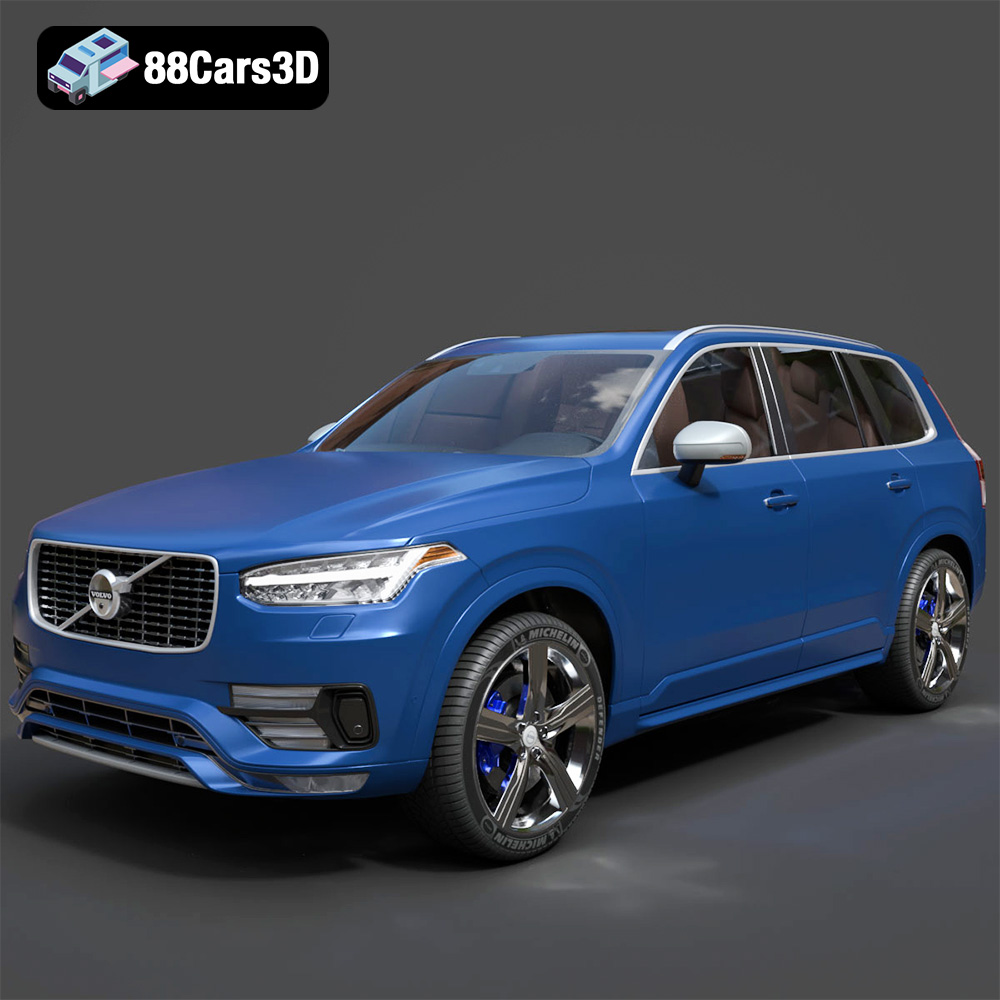
Download the Volvo XC90 R-Design 2015 3D Model featuring clean geometry, realistic detailing, and a fully modeled interior. Includes .blend, .fbx, .obj, .glb, .stl, .ply, .unreal, and .max formats for rendering, simulation, and game development.
Price: $10

**Meta Description:**
Texture: Yes
Material: Yes
Download the Toyota Crown Majesta 2009 3D Model with luxury detailing, clean topology, and a fully modeled interior. Available in .blend, .fbx, .obj, .glb, .stl, .ply, .unreal, and .max formats for rendering, simulation, and game development.
Price: $4.99

**Meta Description:**
Texture: Yes
Material: Yes
Download the Toyota AE86 Levin 1983 1987 3D Model featuring realistic exterior and interior detailing. Includes .blend, .fbx, .obj, .glb, .stl, .ply, .unreal, and .max formats for rendering, simulation, and game development.
Price: $9.99

Texture: Yes
Material: Yes
Download the Toyota Mark 2 2001 3D Model featuring clean geometry, realistic detailing, and a fully modeled interior. Includes .blend, .fbx, .obj, .glb, .stl, .ply, .unreal, and .max formats for rendering, simulation, and game development.
Price: $4.99

Texture: Yes
Material: Yes
Download the Toyota Celica 2000 3D Model featuring clean geometry, realistic detailing, and a fully modeled interior. Includes .blend, .fbx, .obj, .glb, .stl, .ply, .unreal, and .max formats for rendering, simulation, and game development.
Price: $4.99

Download the Toyota Camry US 2012 3D Model featuring clean geometry, realistic detailing, and a fully modeled interior. Includes .blend, .fbx, .obj, .glb, .stl, .ply, .unreal, and .max formats for rendering, simulation, and game development.
Price: $4.99

Texture: Yes
Material: Yes
Download the Toyota GT 86 2013 3D Model featuring clean geometry, realistic detailing, and a fully modeled interior. Includes .blend, .fbx, .obj, .glb, .stl, .ply, .unreal, and .max formats for rendering, simulation, and game development.
Price: $4.99

Texture: Yes
Material: Yes
Download the Toyota Mark X 2010 3D Model featuring clean geometry, realistic detailing, and a fully modeled interior. Includes .blend, .fbx, .obj, .glb, .stl, .ply, .unreal, and .max formats for rendering, simulation, and game development.
Price: $4.99

Texture: Yes
Material: Yes
Download the Toyota Allion 2008 3D Model featuring clean geometry, realistic detailing, and a fully modeled interior. Includes .blend, .fbx, .obj, .glb, .stl, .ply, .unreal, and .max formats for rendering, simulation, and game development.
Price: $4.99

Texture: Yes
Material: Yes
Download the Toyota Avensis 2005 3D Model featuring clean geometry, realistic detailing, and a fully modeled interior. Includes .blend, .fbx, .obj, .glb, .stl, .ply, .unreal, and .max formats for rendering, simulation, and game development.
Price: $4.99

Texture: Yes
Material: Yes
Download the Toyota Camry Solara 2006 3D Model featuring clean geometry, realistic detailing, and a fully modeled interior. Includes .blend, .fbx, .obj, .glb, .stl, .ply, .unreal, and .max formats for rendering, simulation, and game development.
Price: $4.99

Texture: Yes
Material: Yes
Download the Skoda Superb 2009 3D Model featuring clean geometry, realistic detailing, and a fully modeled interior. Includes .blend, .fbx, .obj, .glb, .stl, .ply, .unreal, and .max formats for rendering, simulation, and game development.
Price: $4.99

Texture: Yes
Material: Yes
Download the Skoda Superb 2006 3D Model featuring clean geometry, realistic detailing, and a fully modeled interior. Includes .blend, .fbx, .obj, .glb, .stl, .ply, .unreal, and .max formats for rendering, simulation, and game development.
Price: $4.99

Texture: Yes
Material: Yes
Download the Ford Mustang Shelby Super Snake Concept 2018 3D Model featuring clean geometry, realistic detailing, and a fully modeled interior. Includes .blend, .fbx, .obj, .glb, .stl, .ply, .unreal, and .max formats for rendering, simulation, and game development.
Price: $4.99

Texture: Yes
Material: Yes
Download the Porsche Cayenne Turbo 2018 3D Model featuring clean geometry, realistic detailing, and a fully modeled interior. Includes .blend, .fbx, .obj, .glb, .stl, .ply, .unreal, and .max formats for rendering, simulation, and game development.
Price: $4.99

Texture: Yes
Material: Yes
Download the Chevrolet Lacetti Sedan 2004 3D Model featuring clean geometry, realistic detailing, and a fully modeled interior. Includes .blend, .fbx, .obj, .glb, .stl, .ply, .unreal, and .max formats for rendering, simulation, and game development.
Price: $4.99

Texture: Yes
Material: Yes
Download the Skoda Rapid 2013 3D Model featuring clean geometry, realistic detailing, and a fully modeled interior. Includes .blend, .fbx, .obj, .glb, .stl, .ply, .unreal, and .max formats for rendering, simulation, and game development.
Price: $4.99

Texture: Yes
Material: Yes
Download the Skoda Octavia A5-007 3D Model featuring clean geometry, realistic detailing, and a fully modeled interior. Includes .blend, .fbx, .obj, .glb, .stl, .ply, .unreal, and .max formats for rendering, simulation, and game development.
Price: $4.99

Texture: Yes
Material: Yes
Download the Skoda Fabia 2023 3D Model featuring clean geometry, realistic detailing, and a fully modeled interior. Includes .blend, .fbx, .obj, .glb, .stl, .ply, .unreal, and .max formats for rendering, simulation, and game development.
Price: $4.99

Texture: Yes
Material: Yes
Download the Skoda Fabia 2007 3D Model featuring clean geometry, realistic detailing, and a fully modeled interior. Includes .blend, .fbx, .obj, .glb, .stl, .ply, .unreal, and .max formats for rendering, simulation, and game development.
Price: $4.99

Texture: Yes
Material: Yes
Download the Honda VFR 1200 F 2015 3D Model featuring clean geometry, realistic detailing, and a fully modeled interior. Includes .blend, .fbx, .obj, .glb, .stl, .ply, .unreal, and .max formats for rendering, simulation, and game development.
Price: $4.99

Texture: Yes
Material: Yes
Download the Subaru BRZ 2025 3D Model featuring clean geometry, realistic detailing, and a fully modeled interior. Includes .blend, .fbx, .obj, .glb, .stl, .ply, .unreal, and .max formats for rendering, simulation, and game development.
Price: $4.99

Texture: Yes
Material: Yes
Download the SsangYong Rodius 2007 3D Model featuring clean geometry, realistic detailing, and a fully modeled interior. Includes .blend, .fbx, .obj, .glb, .stl, .ply, .unreal, and .max formats for rendering, simulation, and game development.
Price: $4.99

Texture: Yes
Material: Yes
Download the Subaru Impreza 1992 3D Model featuring clean geometry, realistic detailing, and a fully modeled interior. Includes .blend, .fbx, .obj, .glb, .stl, .ply, .unreal, and .max formats for rendering, simulation, and game development.
Price: $4.99

Texture: Yes
Material: Yes
Download the Subaru Impreza 2005 3D Model featuring clean geometry, realistic detailing, and a fully modeled interior. Includes .blend, .fbx, .obj, .glb, .stl, .ply, .unreal, and .max formats for rendering, simulation, and game development.
Price: $4.99

Texture: Yes
Material: Yes
Download the Spyker C8-007 2004 3D Model featuring clean geometry, realistic detailing, and a fully modeled interior. Includes .blend, .fbx, .obj, .glb, .stl, .ply, .unreal, and .max formats for rendering, simulation, and game development.
Price: $4.99

Texture: Yes
Material: Yes
Download the Smart Roadster 2003 3D Model featuring clean geometry, realistic detailing, and a fully modeled interior. Includes .blend, .fbx, .obj, .glb, .stl, .ply, .unreal, and .max formats for rendering, simulation, and game development.
Price: $4.99

Texture: Yes
Material: Yes
Download the Skoda Roomster 2007 3D Model featuring clean geometry, realistic detailing, and a fully modeled interior. Includes .blend, .fbx, .obj, .glb, .stl, .ply, .unreal, and .max formats for rendering, simulation, and game development.
Price: $4.99

Texture: Yes
Material: Yes
Download the Subaru Impreza Sport Wagon 3D Model featuring clean geometry, realistic detailing, and a fully modeled interior. Includes .blend, .fbx, .obj, .glb, .stl, .ply, .unreal, and .max formats for rendering, simulation, and game development.
Price: $4.99

Texture: Yes
Material: Yes
Download the Skoda Octavia A7 2017 3D Model featuring clean geometry, realistic detailing, and a fully modeled interior. Includes .blend, .fbx, .obj, .glb, .stl, .ply, .unreal, and .max formats for rendering, simulation, and game development.
Price: $4.99

Texture: Yes
Material: Yes
Download the Suzuki SX4-002 3D Model featuring clean geometry, realistic detailing, and a fully modeled interior. Includes .blend, .fbx, .obj, .glb, .stl, .ply, .unreal, and .max formats for rendering, simulation, and game development.
Price: $4.99

Texture: Yes
Material: Yes
Download the Tesla Model S 2024 3D Model featuring clean geometry, realistic detailing, and a fully modeled interior. Includes .blend, .fbx, .obj, .glb, .stl, .ply, .unreal, and .max formats for rendering, simulation, and game development.
Price: $4.99

Texture: Yes
Material: Yes
Download the Subaru Impreza WRX STi-002 3D Model featuring clean geometry, realistic detailing, and a fully modeled interior. Includes .blend, .fbx, .obj, .glb, .stl, .ply, .unreal, and .max formats for rendering, simulation, and game development.
Price: $4.99

Texture: Yes
Material: Yes
Download the Subaru Impreza WRX STi Sedan 3D Model featuring clean geometry, realistic detailing, and a fully modeled interior. Includes .blend, .fbx, .obj, .glb, .stl, .ply, .unreal, and .max formats for rendering, simulation, and game development.
Price: $4.99

Texture: Yes
Material: Yes
Download the Subaru Legacy 2009 3D Model featuring clean geometry, realistic detailing, and a fully modeled interior. Includes .blend, .fbx, .obj, .glb, .stl, .ply, .unreal, and .max formats for rendering, simulation, and game development.
Price: $4.99

Texture: Yes
Material: Yes
Download the Suzuki Swift 2024 3D Model featuring clean geometry, realistic detailing, and a fully modeled interior. Includes .blend, .fbx, .obj, .glb, .stl, .ply, .unreal, and .max formats for rendering, simulation, and game development.
Price: $4.99

Texture: Yes
Material: Yes
Download the Suzuki Liana Sedan 2004 3D Model featuring clean geometry, realistic detailing, and a fully modeled interior. Includes .blend, .fbx, .obj, .glb, .stl, .ply, .unreal, and .max formats for rendering, simulation, and game development.
Price: $4.99

Texture: Yes
Material: Yes
Download the Subaru Outback 2024 3D Model featuring clean geometry, realistic detailing, and a fully modeled interior. Includes .blend, .fbx, .obj, .glb, .stl, .ply, .unreal, and .max formats for rendering, simulation, and game development.
Price: $4.99

Texture: Yes
Material: Yes
Download the Subaru Legacy 2003 3D Model featuring clean geometry, realistic detailing, and a fully modeled interior. Includes .blend, .fbx, .obj, .glb, .stl, .ply, .unreal, and .max formats for rendering, simulation, and game development.
Price: $4.99

Texture: Yes
Material: Yes
Download the Subaru Legacy Touring Wagon 3D Model featuring clean geometry, realistic detailing, and a fully modeled interior. Includes .blend, .fbx, .obj, .glb, .stl, .ply, .unreal, and .max formats for rendering, simulation, and game development.
Price: $4.99

Texture: Yes
Material: Yes
Download the Toyota Mark II (X100) 3D Model featuring clean geometry, realistic detailing, and a fully modeled interior. Includes .blend, .fbx, .obj, .glb, .stl, .ply, .unreal, and .max formats for rendering, simulation, and game development.
Price: $4.99

Texture: Yes
Material: Yes
Download the Toyota Corona 1985 3D Model featuring clean geometry, realistic detailing, and a fully modeled interior. Includes .blend, .fbx, .obj, .glb, .stl, .ply, .unreal, and .max formats for rendering, simulation, and game development.
Price: $4.99

Texture: Yes
Material: Yes
Download the Toyota Mark II X81 1990 3D Model featuring clean geometry, realistic detailing, and a fully modeled interior. Includes .blend, .fbx, .obj, .glb, .stl, .ply, .unreal, and .max formats for rendering, simulation, and game development.
Price: $4.99

Texture: Yes
Material: Yes
Download the Toyota iQ EV 2012 3D Model featuring clean geometry, realistic detailing, and a fully modeled interior. Includes .blend, .fbx, .obj, .glb, .stl, .ply, .unreal, and .max formats for rendering, simulation, and game development.
Price: $4.99

Texture: Yes
Material: Yes
Download the Toyota Aygo 2013 3D Model featuring clean geometry, realistic detailing, and a fully modeled interior. Includes .blend, .fbx, .obj, .glb, .stl, .ply, .unreal, and .max formats for rendering, simulation, and game development.
Price: $4.99

Texture: Yes
Material: Yes
Download the Toyota Crown S180 2005 3D Model featuring clean geometry, realistic detailing, and a fully modeled interior. Includes .blend, .fbx, .obj, .glb, .stl, .ply, .unreal, and .max formats for rendering, simulation, and game development.
Price: $4.99

Texture: Yes
Material: Yes
Download the Toyota Celica 2004 3D Model featuring clean geometry, realistic detailing, and a fully modeled interior. Includes .blend, .fbx, .obj, .glb, .stl, .ply, .unreal, and .max formats for rendering, simulation, and game development.
Price: $4.99

Texture: Yes
Material: Yes
Download the Toyota Corolla AE100 1992 3D Model featuring clean geometry, realistic detailing, and a fully modeled interior. Includes .blend, .fbx, .obj, .glb, .stl, .ply, .unreal, and .max formats for rendering, simulation, and game development.
Price: $4.99

Texture: Yes
Material: Yes
Download the Toyota Mark II X110 2000 3D Model featuring clean geometry, realistic detailing, and a fully modeled interior. Includes .blend, .fbx, .obj, .glb, .stl, .ply, .unreal, and .max formats for rendering, simulation, and game development.
Price: $4.99

Texture: Yes
Material: Yes
Download the Toyota Corolla 2020 3D Model featuring clean geometry, realistic detailing, and a fully modeled interior. Includes .blend, .fbx, .obj, .glb, .stl, .ply, .unreal, and .max formats for rendering, simulation, and game development.
Price: $4.99

Texture: Yes
Material: Yes
Download the Toyota Yaris 2020 3D Model featuring clean geometry, realistic detailing, and a fully modeled interior. Includes .blend, .fbx, .obj, .glb, .stl, .ply, .unreal, and .max formats for rendering, simulation, and game development.
Price: $4.99

Texture: Yes
Material: Yes
Download the Volkswagen Beetle 2012 3D Model featuring clean geometry, realistic detailing, and a fully modeled interior. Includes .blend, .fbx, .obj, .glb, .stl, .ply, .unreal, and .max formats for rendering, simulation, and game development.
Price: $4.99

Texture: Yes
Material: Yes
Download the Toyota Matrix 2005 3D Model featuring clean geometry, realistic detailing, and a fully modeled interior. Includes .blend, .fbx, .obj, .glb, .stl, .ply, .unreal, and .max formats for rendering, simulation, and game development.
Price: $4.99

Texture: Yes
Material: Yes
Download the Toyota Yaris Sedan 3D Model featuring clean geometry, realistic detailing, and a fully modeled interior. Includes .blend, .fbx, .obj, .glb, .stl, .ply, .unreal, and .max formats for rendering, simulation, and game development.
Price: $4.99

Texture: Yes
Material: Yes
Download the Volkswagen Golf R-004 2024 3D Model featuring clean geometry, realistic detailing, and a fully modeled interior. Includes .blend, .fbx, .obj, .glb, .stl, .ply, .unreal, and .max formats for rendering, simulation, and game development.
Price: $4.99

Texture: Yes
Material: Yes
Download the Volkswagen Golf 5 Door 2010 3D Model featuring clean geometry, realistic detailing, and a fully modeled interior. Includes .blend, .fbx, .obj, .glb, .stl, .ply, .unreal, and .max formats for rendering, simulation, and game development.
Price: $4.99

Texture: Yes
Material: Yes
Download the Toyota Premio 2010 3D Model featuring clean geometry, realistic detailing, and a fully modeled interior. Includes .blend, .fbx, .obj, .glb, .stl, .ply, .unreal, and .max formats for rendering, simulation, and game development.
Price: $4.99

Texture: Yes
Material: Yes
Download the Toyota Opa 2000 3D Model featuring clean geometry, realistic detailing, and a fully modeled interior. Includes .blend, .fbx, .obj, .glb, .stl, .ply, .unreal, and .max formats for rendering, simulation, and game development.
Price: $4.99

Texture: Yes
Material: Yes
Download the Volkswagen Polo 5 Door 2010 3D Model featuring clean geometry, realistic detailing, and a fully modeled interior. Includes .blend, .fbx, .obj, .glb, .stl, .ply, .unreal, and .max formats for rendering, simulation, and game development.
Price: $4.99

Texture: Yes
Material: Yes
Download the Toyota Prius 2024 3D Model featuring clean geometry, realistic detailing, and a fully modeled interior. Includes .blend, .fbx, .obj, .glb, .stl, .ply, .unreal, and .max formats for rendering, simulation, and game development.
Price: $4.99

Texture: Yes
Material: Yes
Download the Toyota Yaris 1999 3D Model featuring clean geometry, realistic detailing, and a fully modeled interior. Includes .blend, .fbx, .obj, .glb, .stl, .ply, .unreal, and .max formats for rendering, simulation, and game development.
Price: $4.99

Texture: Yes
Material: Yes
Download the Toyota Supra 2020 3D Model featuring clean geometry, realistic detailing, and a fully modeled interior. Includes .blend, .fbx, .obj, .glb, .stl, .ply, .unreal, and .max formats for rendering, simulation, and game development.
Price: $4.99

Texture: Yes
Material: Yes
Download the Volkswagen New Beetle 2000 3D Model featuring clean geometry, realistic detailing, and a fully modeled interior. Includes .blend, .fbx, .obj, .glb, .stl, .ply, .unreal, and .max formats for rendering, simulation, and game development.
Price: $14.99

Texture: Yes
Material: Yes
Download the Volkswagen Jetta 2005 3D Model featuring clean geometry, realistic detailing, and a fully modeled interior. Includes .blend, .fbx, .obj, .glb, .stl, .ply, .unreal, and .max formats for rendering, simulation, and game development.
Price: $4.99

Texture: Yes
Material: Yes
Download the Volkswagen Golf 3-Door 3D Model featuring clean geometry, realistic detailing, and a fully modeled interior. Includes .blend, .fbx, .obj, .glb, .stl, .ply, .unreal, and .max formats for rendering, simulation, and game development.
Price: $14.99

Texture: Yes
Material: Yes
Download the Volvo V70 2005 3D Model featuring clean geometry, realistic detailing, and a fully modeled interior. Includes .blend, .fbx, .obj, .glb, .stl, .ply, .unreal, and .max formats for rendering, simulation, and game development.
Price: $14.99

Texture: Yes
Material: Yes
Download the Volkswagen Bora 2004 3D Model featuring clean geometry, realistic detailing, and a fully modeled interior. Includes .blend, .fbx, .obj, .glb, .stl, .ply, .unreal, and .max formats for rendering, simulation, and game development.
Price: $14.99

Texture: Yes
Material: Yes
Download the Volkswagen Lupo 3D Model featuring clean geometry, realistic detailing, and a fully modeled interior. Includes .blend, .fbx, .obj, .glb, .stl, .ply, .unreal, and .max formats for rendering, simulation, and game development.
Price: $5.99

Texture: Yes
Material: Yes
Download the Volkswagen Passat B5 2000 3D Model featuring clean geometry, realistic detailing, and a fully modeled interior. Includes .blend, .fbx, .obj, .glb, .stl, .ply, .unreal, and .max formats for rendering, simulation, and game development.
Price: $5.99

Texture: Yes
Material: Yes
Download the Volkswagen Passat CC 3D Model featuring clean geometry, realistic detailing, and a fully modeled interior. Includes .blend, .fbx, .obj, .glb, .stl, .ply, .unreal, and .max formats for rendering, simulation, and game development.
Price: $5.99

Texture: Yes
Material: Yes
Download the Volkswagen Golf V 2006 3D Model featuring clean geometry, realistic detailing, and a fully modeled interior. Includes .blend, .fbx, .obj, .glb, .stl, .ply, .unreal, and .max formats for rendering, simulation, and game development.
Price: $5.99

Texture: Yes
Material: Yes
Download the Volvo S60 R-Design 3D Model featuring clean geometry, realistic detailing, and a fully modeled interior. Includes .blend, .fbx, .obj, .glb, .stl, .ply, .unreal, and .max formats for rendering, simulation, and game development.
Price: $5.99

Texture: Yes
Material: Yes
Download the Volkswagen Passat 2025 3D Model featuring clean geometry, realistic detailing, and a fully modeled interior. Includes .blend, .fbx, .obj, .glb, .stl, .ply, .unreal, and .max formats for rendering, simulation, and game development.
Price: $5.99

Texture: Yes
Material: Yes
Download the Volkswagen Passat Variant B6 2005 3D Model featuring clean geometry, realistic detailing, and a fully modeled interior. Includes .blend, .fbx, .obj, .glb, .stl, .ply, .unreal, and .max formats for rendering, simulation, and game development.
Price: $5.99

Texture: Yes
Material: Yes
Download the Volkswagen Phaeton W12 2004 3D Model featuring clean geometry, realistic detailing, and a fully modeled interior. Includes .blend, .fbx, .obj, .glb, .stl, .ply, .unreal, and .max formats for rendering, simulation, and game development.
Price: $5.99

Texture: Yes
Material: Yes
Download the Volkswagen Scirocco 2015 3D Model featuring clean geometry, realistic detailing, and a fully modeled interior. Includes .blend, .fbx, .obj, .glb, .stl, .ply, .unreal, and .max formats for rendering, simulation, and game development.
Price: $5.99

Texture: Yes
Material: Yes
Download the Volvo S60 2024 3D Model featuring clean geometry, realistic detailing, and a fully modeled interior. Includes .blend, .fbx, .obj, .glb, .stl, .ply, .unreal, and .max formats for rendering, simulation, and game development.
Price: $5.99

Texture: Yes
Material: Yes
Download the Volkswagen Polo 3D Model featuring clean geometry, realistic detailing, and a fully modeled interior. Includes .blend, .fbx, .obj, .glb, .stl, .ply, .unreal, and .max formats for rendering, simulation, and game development.
Price: $5.99

Texture: Yes
Material: Yes
Download the Volkswagen Golf 5-Doors 3D Model featuring clean geometry, realistic detailing, and a fully modeled interior. Includes .blend, .fbx, .obj, .glb, .stl, .ply, .unreal, and .max formats for rendering, simulation, and game development.
Price: $5.99

Texture: Yes
Material: Yes
Download the Volvo C70 T5 2000 3D Model featuring clean geometry, realistic detailing, and a fully modeled interior. Includes .blend, .fbx, .obj, .glb, .stl, .ply, .unreal, and .max formats for rendering, simulation, and game development.
Price: $5.99

Texture: Yes
Material: Yes
Download the Volvo S40 Sedan 2004 3D Model featuring clean geometry, realistic detailing, and a fully modeled interior. Includes .blend, .fbx, .obj, .glb, .stl, .ply, .unreal, and .max formats for rendering, simulation, and game development.
Price: $5.99

Texture: Yes
Material: Yes
Download the Volvo C30 BEV 2012 3D Model featuring clean geometry, realistic detailing, and a fully modeled interior. Includes .blend, .fbx, .obj, .glb, .stl, .ply, .unreal, and .max formats for rendering, simulation, and game development.
Price: $5.99

Texture: Yes
Material: Yes
Download the Volvo C70 1998 3D Model featuring clean geometry, realistic detailing, and a fully modeled interior. Includes .blend, .fbx, .obj, .glb, .stl, .ply, .unreal, and .max formats for rendering, simulation, and game development.
Price: $5.99

Texture: Yes
Material: Yes
Download the Mazda B-Series 3D Model featuring clean geometry, realistic detailing, and a fully modeled interior. Includes .blend, .fbx, .obj, .glb, .stl, .ply, .unreal, and .max formats for rendering, simulation, and game development.
Price: $5.99

Texture: Yes
Material: Yes
Download the Mercsedes Benz Z3-006 3D Model featuring clean geometry, realistic detailing, and a fully modeled interior. Includes .blend, .fbx, .obj, .glb, .stl, .ply, .unreal, and .max formats for rendering, simulation, and game development.
Price: $5.99

Texture: Yes
Material: Yes
Download the Mazda RX-7 3D Model featuring clean geometry, realistic detailing, and a fully modeled interior. Includes .blend, .fbx, .obj, .glb, .stl, .ply, .unreal, and .max formats for rendering, simulation, and game development.
Price: $5.99

Texture: Yes
Material: Yes
Download the Volvo VCC-003 3D Model featuring clean geometry, realistic detailing, and a fully modeled interior. Includes .blend, .fbx, .obj, .glb, .stl, .ply, .unreal, and .max formats for rendering, simulation, and game development.
Price: $5.99

Texture: Yes
Material: Yes
Download the Mercedes-Benz SLR McLaren 2005 3D Model featuring clean geometry, realistic detailing, and a fully modeled interior. Includes .blend, .fbx, .obj, .glb, .stl, .ply, .unreal, and .max formats for rendering, simulation, and game development.
Price: $5.99

Texture: Yes
Material: Yes
Download the GAZ 3110 Pickup 3D Model featuring clean geometry, realistic detailing, and a fully modeled interior. Includes .blend, .fbx, .obj, .glb, .stl, .ply, .unreal, and .max formats for rendering, simulation, and game development.
Price: $5.99

Texture: Yes
Material: Yes
Download the Mazda 626 GF 1997 3D Model featuring clean geometry, realistic detailing, and a fully modeled interior. Includes .blend, .fbx, .obj, .glb, .stl, .ply, .unreal, and .max formats for rendering, simulation, and game development.
Price: $5.99

