⚡ FLASH SALE: Get 60% OFF All Premium 3D & STL Models! ⚡

The world of automotive visualization has been revolutionized by real-time rendering. Gone are the days of waiting hours, or even days, for a single frame to render. With Unreal Engine 5, automotive brands, filmmakers, and game developers can now create stunningly photorealistic, interactive experiences that run in real-time. This leap in technology allows for everything from dynamic online car configurators and immersive VR showrooms to virtual production for commercials and feature films. However, harnessing this power requires a deep understanding of the engine’s features and a meticulous workflow to transform a high-quality 3D car model into a breathtaking final product. This guide is your roadmap to that process. We will explore the complete pipeline, from initial project setup and asset optimization to crafting complex materials, mastering dynamic lighting with Lumen, building interactivity with Blueprints, and ensuring peak performance for any application. By the end, you’ll have the technical knowledge to take a premium 3D car model and turn it into a fully realized, interactive digital masterpiece.
Before you import your first asset, a correctly configured Unreal Engine project is paramount for achieving high-fidelity results in automotive visualization. The initial settings dictate rendering capabilities, performance overhead, and available tools. Starting with a solid foundation prevents technical headaches and ensures you can leverage the full power of Unreal Engine 5 from the outset. Furthermore, the quality and preparation of your 3D model are just as critical as the engine’s settings. A clean, well-structured model will import smoothly and be far easier to work with when creating materials and animations.
When creating a new project, it’s best to start with the “Games” or “Film/Video & Live Events” template, as they provide a good baseline. Once the project is created, several key settings need to be enabled:
The quality of your source model is the ceiling for your final visual quality. When sourcing game assets from marketplaces such as 88cars3d.com, you often get a head start with clean topology and proper UVs. However, it’s always good practice to check a few things before exporting:
Once your project is set up and your model is prepared, the next step is to import it into the engine. The import process is more than just clicking a button; the settings you choose here will define how the engine handles your geometry, materials, and textures. A thoughtful import strategy saves countless hours of cleanup and optimization later in the development cycle. Whether you’re using the standard FBX importer or the more advanced Datasmith pipeline, understanding the options available is key to a seamless workflow.
The FBX importer is the most common method for getting assets into Unreal. When you drag and drop an FBX file into the Content Browser, an import options dialog appears. For a complex 3D car model, consider these settings:
For professional visualization projects, Datasmith offers a superior workflow. It is designed to transfer entire scenes from applications like 3ds Max, Revit, or SketchUp with higher fidelity. It better preserves material assignments, object hierarchies, and metadata. To use it, you install an exporter plugin in your DCC tool of choice, export a `.udatasmith` file, and then import that file into Unreal. The key advantage is its non-destructive re-import process. If you need to change the model in your 3D application, you can simply re-export and Datasmith will intelligently update only the changed assets in your Unreal scene, preserving any overrides or adjustments you’ve made in the engine.
The visual realism of your vehicle hinges on the quality of its materials. Unreal Engine’s Material Editor is an incredibly powerful node-based system for creating physically-based rendering (PBR) materials that accurately simulate how light interacts with real-world surfaces. A convincing car requires several distinct, complex materials, from the deep, multi-layered car paint to the subtle imperfections on the tire rubber. Getting these details right is what separates a good render from a great one.
The core of any PBR material is a set of texture maps that control its properties. These typically include:
In the Material Editor, you connect these texture maps to the corresponding input pins on the main material node. This visual, node-based approach allows for immense creativity and control.
Standard PBR materials are not sufficient for high-quality car paint. You need to use the Clear Coat shading model. In the Material Details panel, change the “Shading Model” from “Default Lit” to “Clear Coat.” This adds two new inputs:
To create a “flake” effect found in metallic paints, you can add a subtle noise texture to the Normal input of the base material layer (not the clear coat layer). This will catch the light and simulate the metallic flecks beneath the glossy finish.
Beyond the paint, other materials require specific techniques:
Lighting is the element that breathes life into a scene. It defines mood, highlights form, and creates the final layer of photorealism. Unreal Engine 5’s Lumen system provides fully dynamic global illumination and reflections, making it possible to achieve cinematic-quality lighting in real-time without the lengthy process of baking lightmaps. This is ideal for automotive visualization, where you want to see immediate feedback as you move lights or even change the time of day.
A classic studio setup is perfect for showcasing a vehicle. The key is to use a combination of image-based lighting and local lights.
The true power of Lumen is its dynamic nature. You can create an outdoor scene with a “Directional Light” (representing the sun) and a “Sky Atmosphere.” By simply rotating the Directional Light, the entire scene’s lighting, shadows, and reflections will update in real-time, allowing you to showcase the car at sunrise, noon, or sunset instantly. Lumen’s reflections are also screen-space by default but can be enhanced by enabling Hardware Ray Tracing for higher quality. This dynamic capability is invaluable for creating interactive experiences where the user can change environments or time of day on the fly.
Static renders are impressive, but the true potential of real-time rendering is unlocked through interactivity. Unreal Engine’s Blueprint visual scripting system allows artists and designers to create complex interactive logic without writing a single line of code. For automotive visualization, this can range from a simple material switcher to a fully-featured car configurator where users can change paints, wheels, and interior trims, or even trigger animations like opening doors and turning on headlights.
A material changer is a great entry point into Blueprints. The process involves creating a Blueprint Actor that can dynamically change the material on the car’s body.
For cinematic presentations, Sequencer is Unreal’s professional, non-linear editing tool. You can use it to animate cameras, objects, and material properties over time. For example, you can create a Level Sequence, add your car Blueprint to it, and then add a “Transform” track to animate its position, creating a dynamic shot of the car driving. You can also add a camera and animate its movement to create sweeping, cinematic pans and reveals. By combining Sequencer with Blueprints, you can create powerful interactive cinematics. A UI button could trigger a specific Sequencer animation, giving the user control over the presentation.
Whether you are building a game, a VR experience, or a high-end configurator, performance is key. Even with the power of modern hardware and engines, optimization is a crucial step to ensure a smooth, high-frame-rate experience. This is especially true for applications that need to run on a wide range of devices, from high-end PCs to mobile AR platforms. Thankfully, Unreal Engine provides a suite of powerful tools to manage and optimize performance.
As mentioned earlier, Nanite is the primary tool for handling high-detail geometry. High-quality assets from sources like 88cars3d.com can have millions of polygons, which would traditionally cripple a real-time application. With Nanite enabled, Unreal Engine intelligently streams and renders only the geometric detail you can perceive. This effectively removes the concept of a polygon budget for static meshes. You no longer need to spend days creating multiple Level of Detail (LOD) meshes by hand. For any non-deforming part of the car (body, wheels, interior), Nanite is the go-to solution for achieving maximum detail with minimal performance cost.
For assets that cannot use Nanite (like Skeletal Meshes or objects with certain material setups), traditional LODs are still important. Unreal Engine can automatically generate LODs for your meshes, simplifying the process. You can define how aggressively the geometry is reduced at different distances from the camera. Furthermore, texture optimization is critical. High-resolution textures consume significant VRAM. Always ensure your textures have “mipmaps” generated. Mipmaps are pre-calculated, lower-resolution versions of a texture that are used when an object is far from the camera. Also, leverage Unreal’s Texture Streaming system to load and unload textures from memory as needed, preventing VRAM overloads.
To find performance bottlenecks, you need to profile your application. Unreal Engine has built-in profiling tools:
For anyone serious about mastering these techniques, the official Unreal Engine documentation is an indispensable resource. You can find in-depth guides and tutorials on all the features mentioned here and more at the Unreal Engine Learning portal.
We’ve traveled the entire professional pipeline for automotive visualization in Unreal Engine 5—from the meticulous project setup and strategic model import to the artistry of PBR material creation and the dynamic power of Lumen lighting. We explored how Blueprint can transform a static scene into an interactive configurator and how tools like Nanite and robust optimization techniques ensure your creation runs flawlessly. The journey from a raw 3D model to a fully interactive, photorealistic experience is complex, but by following this structured workflow, it becomes a manageable and incredibly rewarding process. The key takeaway is that success is built on a foundation of quality assets and a deep understanding of the engine’s tools. Starting with a game-ready, meticulously crafted asset provides a massive advantage, allowing you to focus your energy on the creative aspects of lighting, material refinement, and interactive design. Now it’s your turn to take these techniques, apply them to your own projects, and push the boundaries of what’s possible in the exciting world of real-time rendering.

Texture: Yes
Material: Yes
Download the Mercedes S-Class 2024 3D Model featuring clean geometry, realistic detailing, and a fully modeled interior. Includes .blend, .fbx, .obj, .glb, .stl, .ply, .unreal, and .max formats for rendering, simulation, and game development.
Price: $10

Texture: Yes
Material: Yes
Download the Chevrolet Camaro 1970 3D Model featuring clean geometry, realistic detailing, and a fully modeled interior. Includes .blend, .fbx, .obj, .glb, .stl, .ply, .unreal, and .max formats for rendering, simulation, and game development.
Price: $10

Texture: Yes
Material: Yes
Download the Mercedes-AMG GT 2015 3D Model featuring clean geometry, realistic detailing, and a fully modeled interior. Includes .blend, .fbx, .obj, .glb, .stl, .ply, .unreal, and .max formats for rendering, simulation, and game development.
Price: $88.99

Texture: Yes
Material: Yes
Download the Suzuki GSX-R 1000 3D Model featuring clean geometry, realistic detailing, and a fully modeled interior. Includes .blend, .fbx, .obj, .glb, .stl, .ply, .unreal, and .max formats for rendering, simulation, and game development.
Price: $10

Texture: Yes
Material: Yes
Download the Porsche Cayman S 2024 3D Model featuring clean geometry, realistic detailing, and a fully modeled interior. Includes .blend, .fbx, .obj, .glb, .stl, .ply, .unreal, and .max formats for rendering, simulation, and game development.
Price: $10
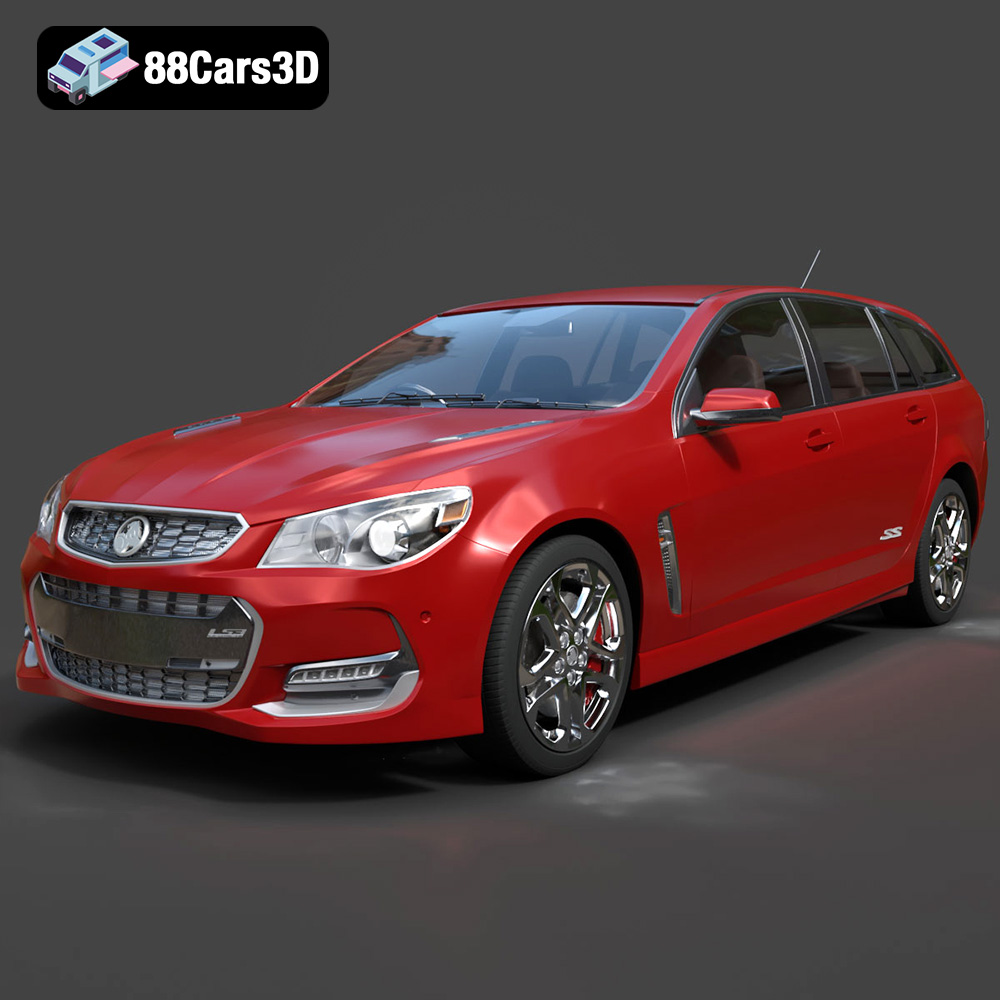
Texture: Yes
Material: Yes
Download the Holden Commodore Sportwagon 2017 3D Model featuring clean geometry, realistic detailing, and a fully modeled interior. Includes .blend, .fbx, .obj, .glb, .stl, .ply, .unreal, and .max formats for rendering, simulation, and game development.
Price: $10
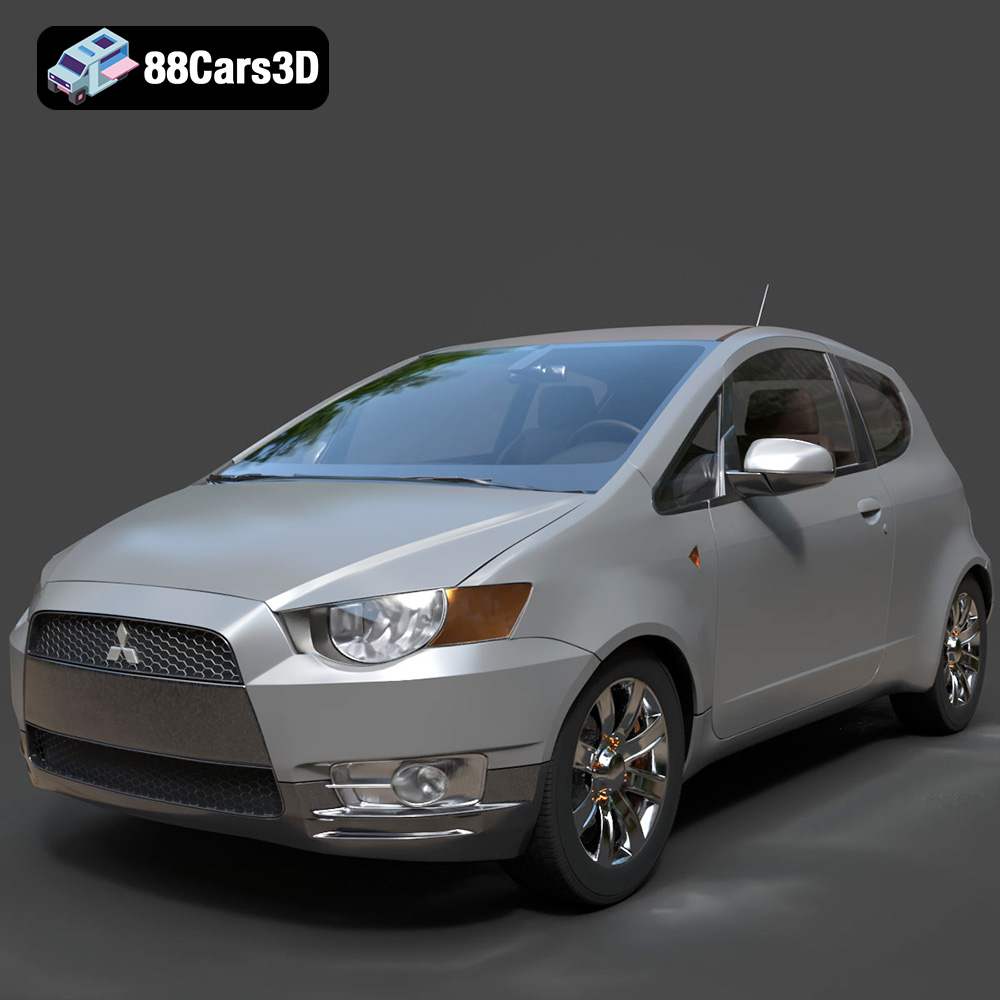
Texture: Yes
Material: Yes
Download the Mitsubishi Colt 3 Door 2008 3D Model featuring clean geometry, realistic detailing, and a fully modeled interior. Includes .blend, .fbx, .obj, .glb, .stl, .ply, .unreal, and .max formats for rendering, simulation, and game development.
Price: $10
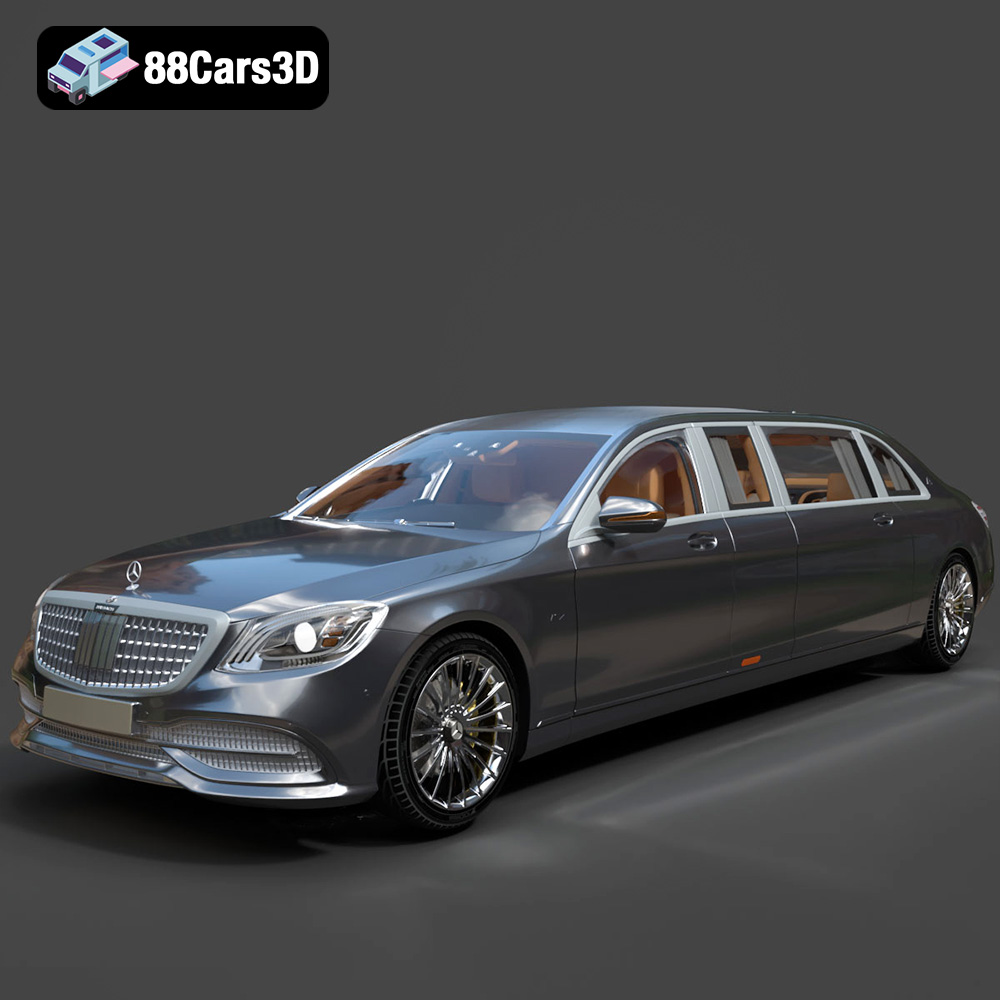
Texture: Yes
Material: Yes
Download the Mercedes-Benz S650 Pullman 3D Model featuring clean geometry, realistic detailing, and a fully modeled interior. Includes .blend, .fbx, .obj, .glb, .stl, .ply, .unreal, and .max formats for rendering, simulation, and game development.
Price: $95.99
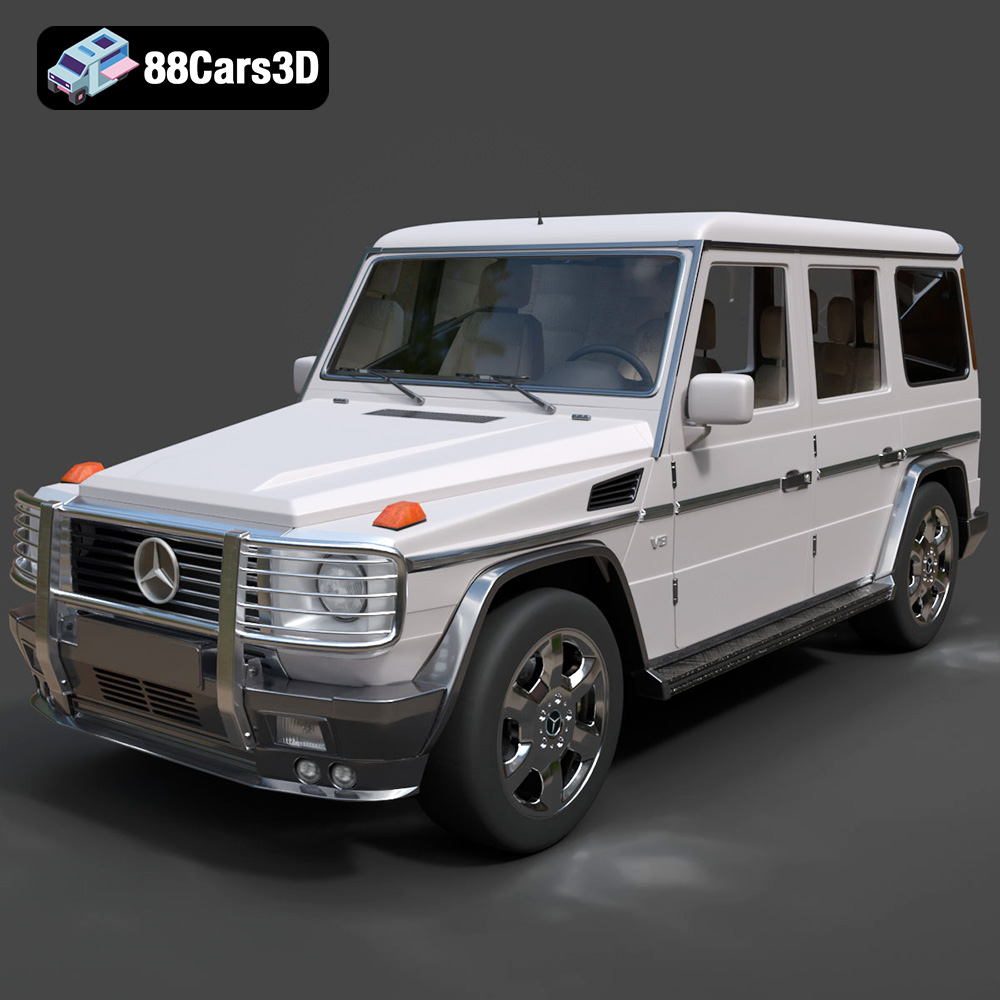
Texture: Yes
Material: Yes
Download the Mercedes G-Class SUV 2024 3D Model featuring clean geometry, realistic detailing, and a fully modeled interior. Includes .blend, .fbx, .obj, .glb, .stl, .ply, .unreal, and .max formats for rendering, simulation, and game development.
Price: $10
Texture: Yes
Material: Yes
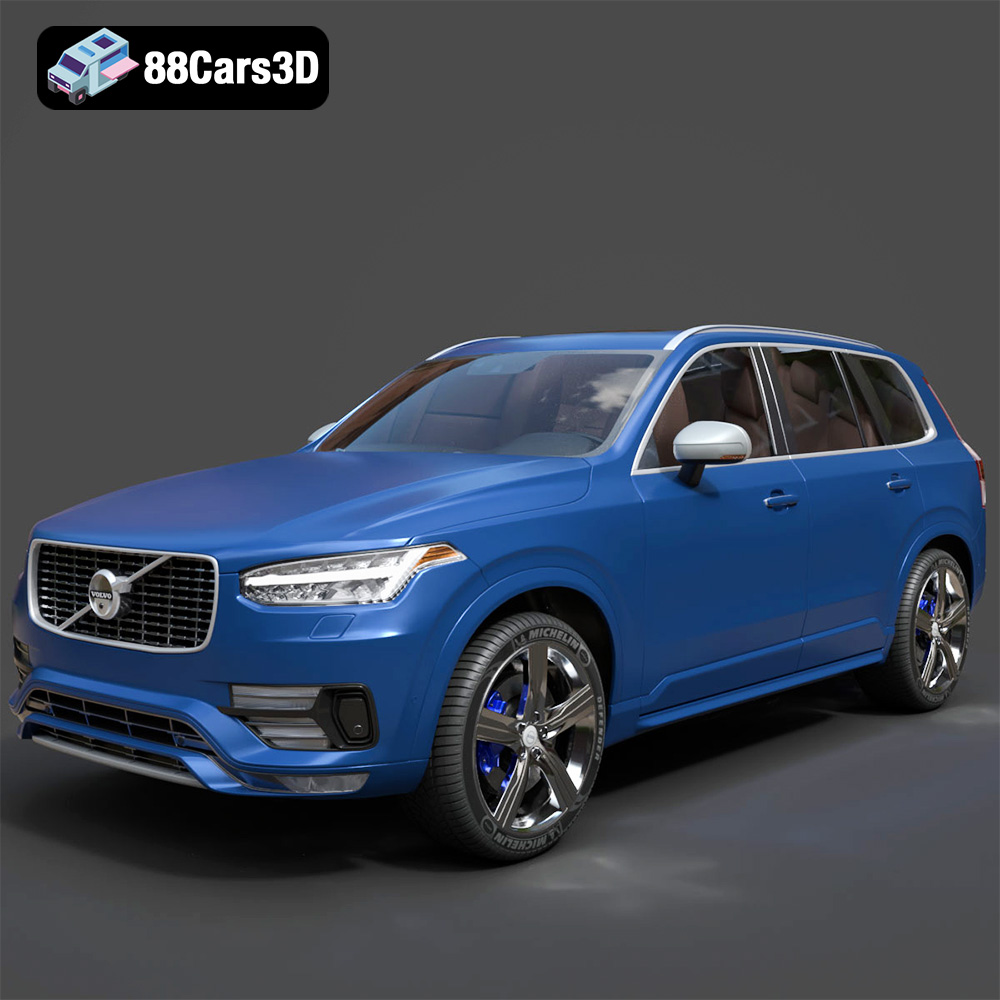
Download the Volvo XC90 R-Design 2015 3D Model featuring clean geometry, realistic detailing, and a fully modeled interior. Includes .blend, .fbx, .obj, .glb, .stl, .ply, .unreal, and .max formats for rendering, simulation, and game development.
Price: $10

