⚡ FLASH SALE: Get 60% OFF All Premium 3D & STL Models! ⚡

The world of automotive visualization has undergone a seismic shift. Gone are the days of waiting hours, or even days, for a single photorealistic render. Real-time engines, led by the powerhouse that is Unreal Engine 5, have democratized the ability to create stunning, interactive, and cinematic automotive experiences. Imagine building a virtual showroom where customers can change a car’s paint color with a click, open its doors to inspect the interior, and see realistic light reflections dance across its bodywork—all in real-time. This is no longer science fiction; it’s the new industry standard.
This comprehensive guide is your entry point into this exciting field. We will walk you through the entire process, from setting up your very first Unreal Engine project to importing and optimizing a high-quality 3D car model, crafting realistic materials, lighting a scene with the revolutionary Lumen system, and even adding basic interactivity using Blueprint visual scripting. Whether you’re a 3D artist, a game developer, an automotive designer, or simply a passionate enthusiast, this tutorial will provide the foundational knowledge you need to start creating breathtaking automotive visualization projects in Unreal Engine. Let’s start the engine and begin our journey.
Before you can bring a stunning vehicle into your scene, you first need to build the “garage”—your Unreal Engine project. A proper initial setup is critical as it configures the engine’s rendering features, enables necessary plugins, and establishes a foundation for high-fidelity, real-time graphics. Getting this right from the start saves significant time and prevents headaches down the road. It ensures that advanced features like hardware-accelerated ray tracing and dynamic global illumination are available and performing optimally for your automotive showcase.
When you first launch Unreal Engine and click “New Project,” you’re presented with several templates. For automotive visualization, the choice is clear:
In the “Project Settings” dialogue, give your project a name and choose a location. Most importantly, ensure your settings are configured for maximum quality. Set the Quality Preset to “Maximum” and, if your hardware supports it, set the Target Platform to “Desktop” and enable “Starter Content” if you want some basic assets to experiment with, though it’s not necessary for our car scene.
Once your project is created, a few tweaks to the project settings (Edit > Project Settings) are crucial for high-end visualization:
Finally, open the “Plugins” window (Edit > Plugins) and ensure essential importers are enabled. The “FBX Importer” is on by default, but you might also want to enable the “USD Importer” if you work with Universal Scene Description files, a growing standard in the 3D industry.
With your project configured, it’s time to bring in your main asset: the 3D car model. The quality of your final render is directly tied to the quality of your source model. This is where sourcing assets from a specialized marketplace like 88cars3d.com becomes invaluable. Their models are built with clean topology, proper UV mapping, and separated material IDs, which are essential for a smooth workflow in Unreal Engine. A poorly optimized model with messy geometry can cause rendering artifacts, material assignment issues, and performance problems.
FBX is the most common file format for importing assets into Unreal Engine. The process is straightforward, but the import settings dialogue box holds critical options that determine how your model behaves in the engine.
After clicking “Import,” you’ll see several assets appear in your Content Browser: the Static Meshes, the Materials, and the Textures.
Unreal Engine’s Nanite is a revolutionary virtualized geometry system that allows you to render film-quality, high-polygon assets in real-time without the traditional performance costs or the need for manual Level of Detail (LOD) creation. For automotive visualization, this is a game-changer, as you can use incredibly detailed models without worrying about polygon counts.
Enabling Nanite is simple:
You’ll see a small “Nanite” banner on the asset thumbnails. Now, when you drag your car into the scene, Unreal Engine will intelligently stream and render only the geometric detail that is visible on screen, down to the pixel level. This means you can get extreme close-ups of headlights, emblems, and body panels with no visible polygon faceting—a level of fidelity previously impossible in real-time rendering.
A great model is nothing without great materials. Unreal Engine’s physically-based rendering (PBR) workflow allows you to create materials that accurately simulate how light interacts with real-world surfaces. This involves using a set of textures to control different properties like color, reflectivity, and surface texture. When you import a model, Unreal creates basic materials, but to achieve true photorealism, you need to refine them in the Material Editor.
The standard PBR workflow in Unreal Engine relies on a few key texture maps:
Car paint is one of the most complex materials to replicate. It has a base layer of paint, a metallic flake layer, and a glossy top coat. Thankfully, Unreal Engine has a dedicated Shading Model for this.
By creating Material Instances from this master material, you can easily change the Base Color or other parameters to create different paint options for your car without duplicating the entire material graph, which is essential for building interactive configurators.
Lighting is what breathes life into a scene. It creates mood, defines form, and produces the beautiful reflections that make automotive renders so captivating. Unreal Engine 5’s Lumen system provides dynamic global illumination and reflections, meaning that light bounces around the scene realistically in real-time, even from emissive surfaces or with moving objects. This eliminates the slow process of “baking” lightmaps and allows for instant feedback as you design your lighting.
A simple and effective way to light a car is to simulate a photography studio environment. This typically involves a sky, a main light source, and something to create reflections.
The Post Process Volume is like a set of camera and color grading controls for your entire scene. It allows you to adjust exposure, bloom, color temperature, and lens flares to achieve a specific cinematic look.
Experimenting with these lighting and post-processing settings is key to transforming a standard scene into a visually stunning and realistic automotive showcase.
Static renders are impressive, but the true power of real-time rendering lies in interactivity. Unreal Engine’s Blueprint visual scripting system empowers artists and designers to create complex interactive logic without writing a single line of code. For an automotive configurator, this could mean changing paint colors, swapping wheels, or, as we’ll demonstrate, opening a car door when the player gets close.
We’ll use the Level Blueprint to create a simple interaction. The goal is to make the driver’s door rotate open when the player’s camera enters a specific area and close when it leaves.
Instead of instantly snapping the door open, we’ll use a Timeline node to animate it smoothly over a short period.
Now, when you play the level and move your camera into the trigger box, the car door will smoothly swing open. Moving out will reverse the animation. This simple example is the gateway to building fully-featured automotive configurators.
Beyond interactive experiences, Unreal Engine is a world-class cinematic tool. Its built-in non-linear animation and editing tool, Sequencer, allows you to create professional-quality animated shots and films. For automotive visualization, this is perfect for creating dynamic product showcases, commercials, or beautiful detail shots of your vehicle.
Creating a simple cinematic, like a turntable animation of the car, is an excellent way to get familiar with Sequencer.
Once you’ve animated your camera, rendering it out as a video file is straightforward.
You have successfully navigated the core workflow of bringing a 3D car model into Unreal Engine 5 and creating a dynamic, visually rich scene. We’ve covered the critical first steps: configuring a project for high-fidelity rendering, importing and optimizing a complex asset using Nanite, crafting realistic PBR materials like clear coat paint, lighting the scene with the powerful Lumen system, and adding a layer of interactivity with Blueprint. You’ve even created your first cinematic shot using Sequencer. This is the foundational skill set upon which all advanced automotive visualization, game development, and virtual production projects are built.
The journey doesn’t end here. The next steps are to explore more complex material functions, build out a full user interface for a car configurator, experiment with vehicle physics, or dive into the world of virtual reality. The power of Unreal Engine is its depth. The key is to start with a high-quality foundation, which is why using professionally crafted assets from marketplaces such as 88cars3d.com is so important—it allows you to focus on the creative aspects of lighting, interaction, and storytelling. Take what you’ve learned today, find a car model that inspires you, and start building your own stunning real-time automotive experiences.
Texture: Yes
Material: Yes
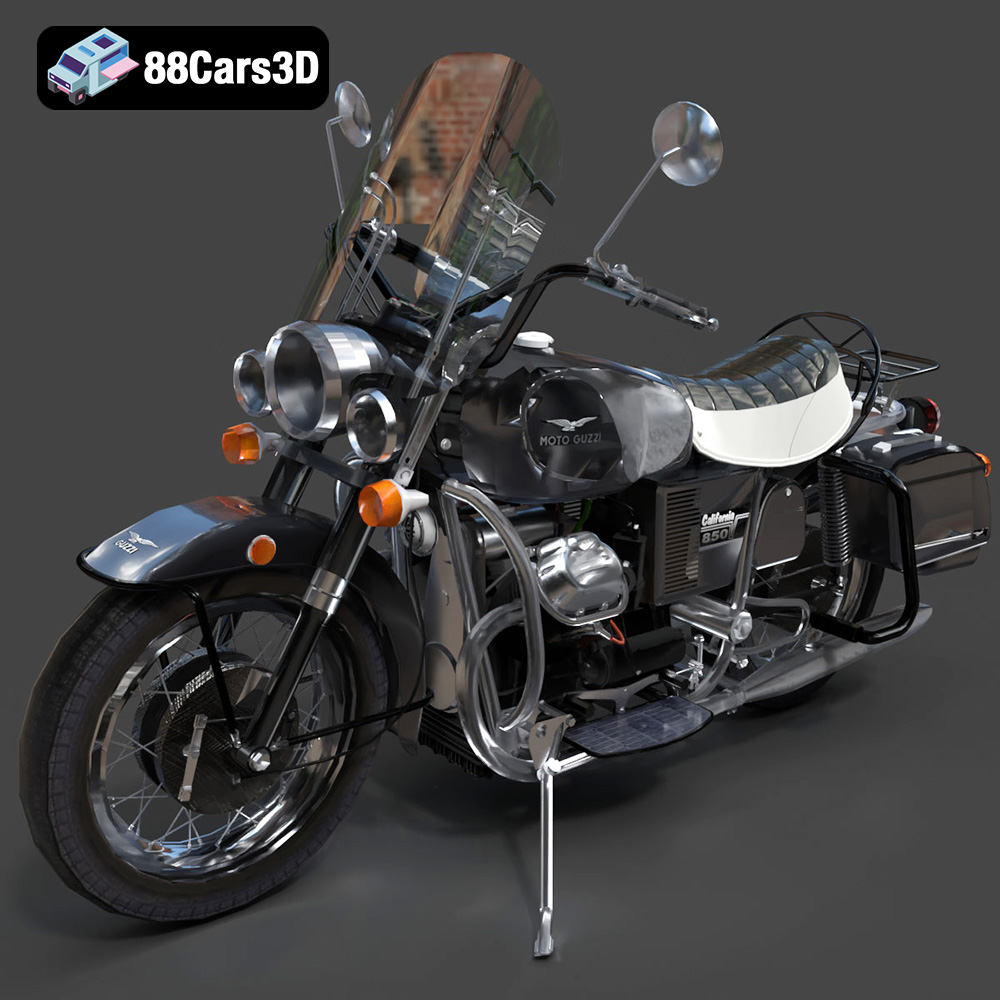
Download the Moto Guzzi Classic Motorcycle 2024 3D Model featuring clean geometry, realistic detailing, and a fully modeled interior. Includes .blend, .fbx, .obj, .glb, .stl, .ply, .unreal, and .max formats for rendering, simulation, and game development.
Price: $10

Texture: Yes
Material: Yes
Download the Mercedes S-Class 2024 3D Model featuring clean geometry, realistic detailing, and a fully modeled interior. Includes .blend, .fbx, .obj, .glb, .stl, .ply, .unreal, and .max formats for rendering, simulation, and game development.
Price: $10
Texture: Yes
Material: Yes
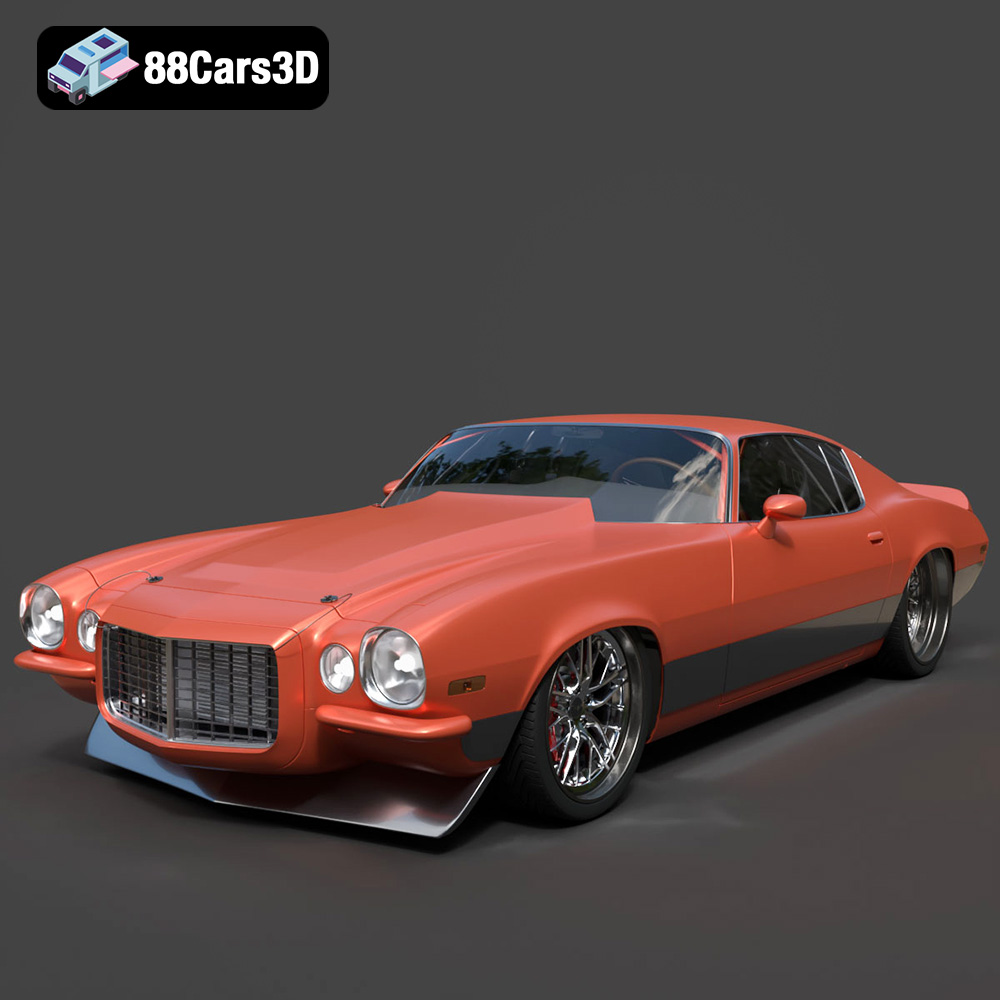
Download the Chevrolet Camaro 1970 3D Model featuring clean geometry, realistic detailing, and a fully modeled interior. Includes .blend, .fbx, .obj, .glb, .stl, .ply, .unreal, and .max formats for rendering, simulation, and game development.
Price: $10
Texture: Yes
Material: Yes
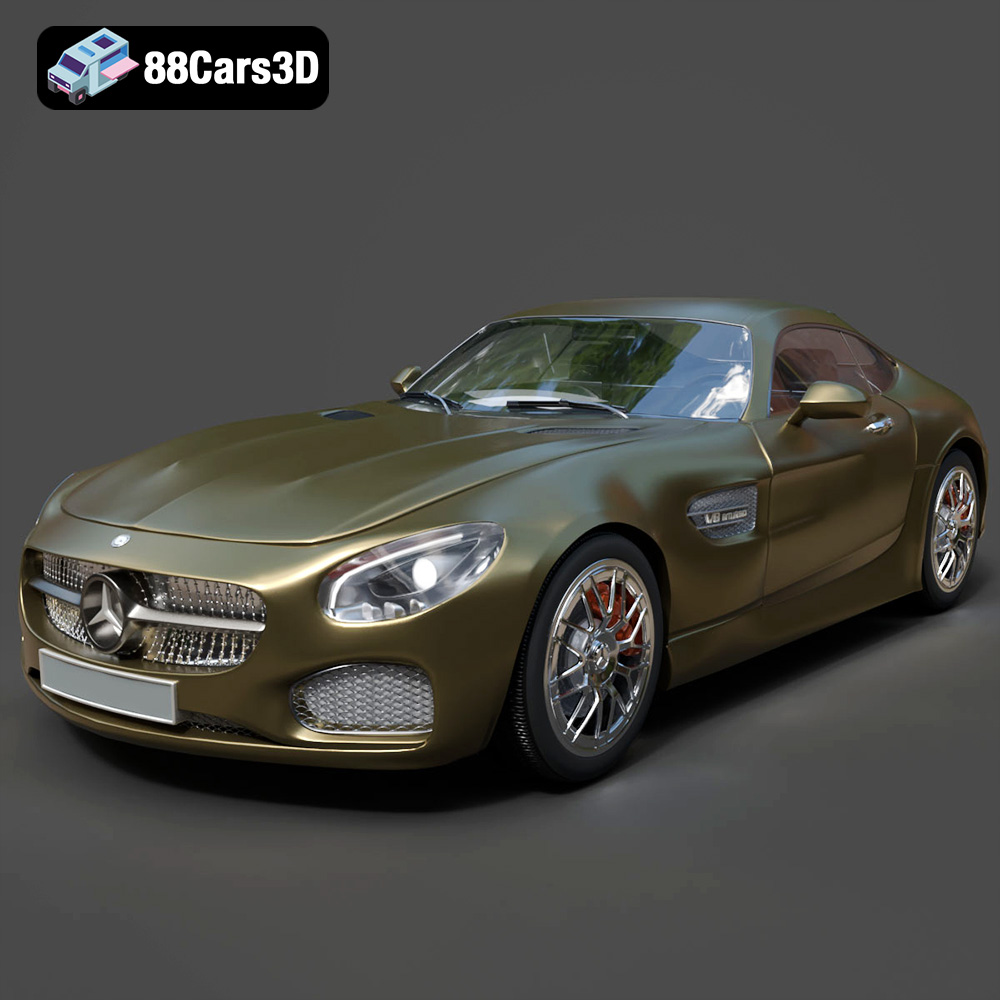
Download the Mercedes-AMG GT 2015 3D Model featuring clean geometry, realistic detailing, and a fully modeled interior. Includes .blend, .fbx, .obj, .glb, .stl, .ply, .unreal, and .max formats for rendering, simulation, and game development.
Price: $88.99
Texture: Yes
Material: Yes
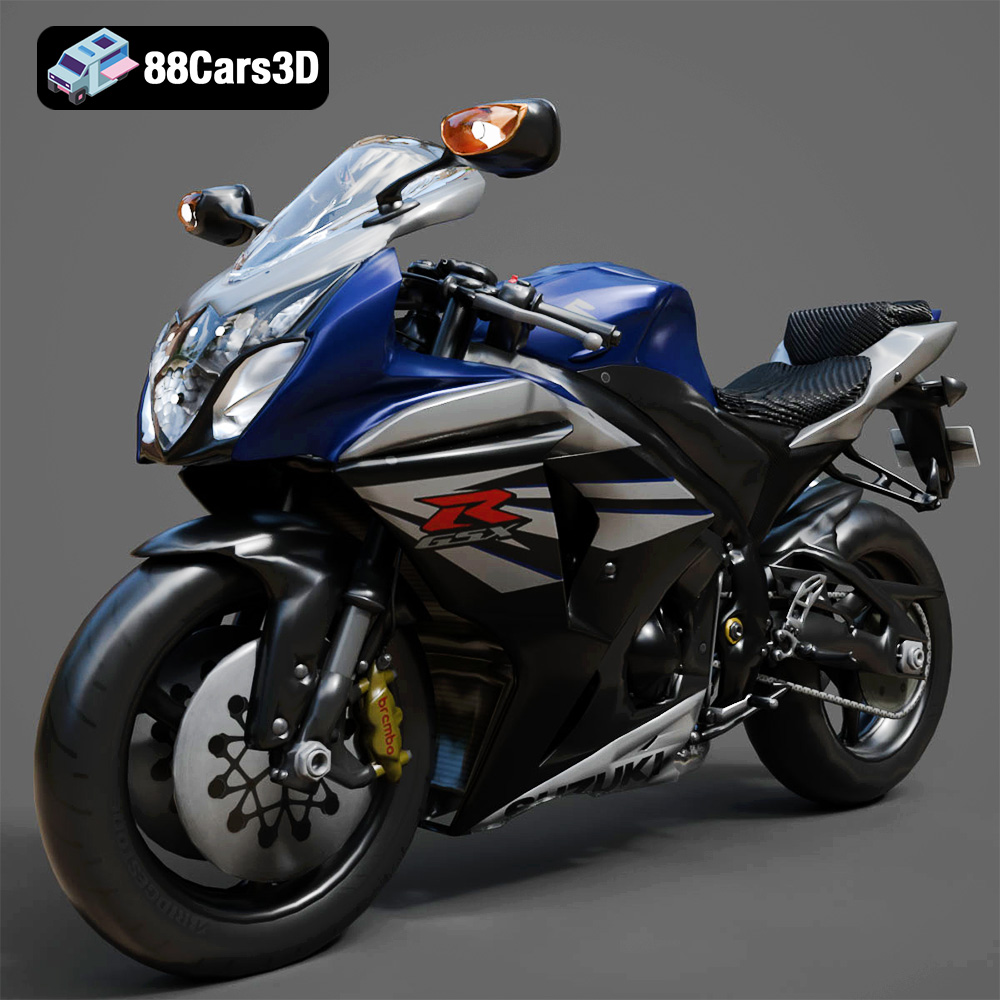
Download the Suzuki GSX-R 1000 3D Model featuring clean geometry, realistic detailing, and a fully modeled interior. Includes .blend, .fbx, .obj, .glb, .stl, .ply, .unreal, and .max formats for rendering, simulation, and game development.
Price: $10
Texture: Yes
Material: Yes
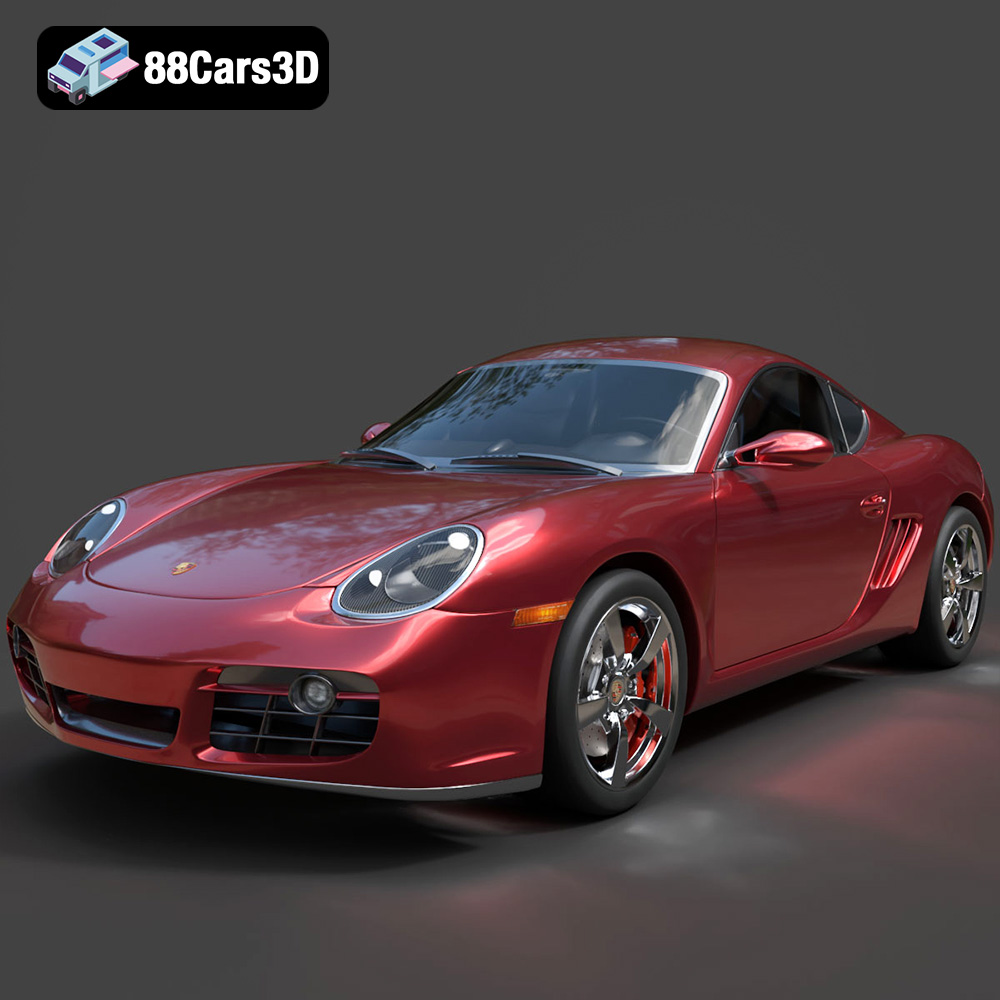
Download the Porsche Cayman S 2024 3D Model featuring clean geometry, realistic detailing, and a fully modeled interior. Includes .blend, .fbx, .obj, .glb, .stl, .ply, .unreal, and .max formats for rendering, simulation, and game development.
Price: $10
Texture: Yes
Material: Yes
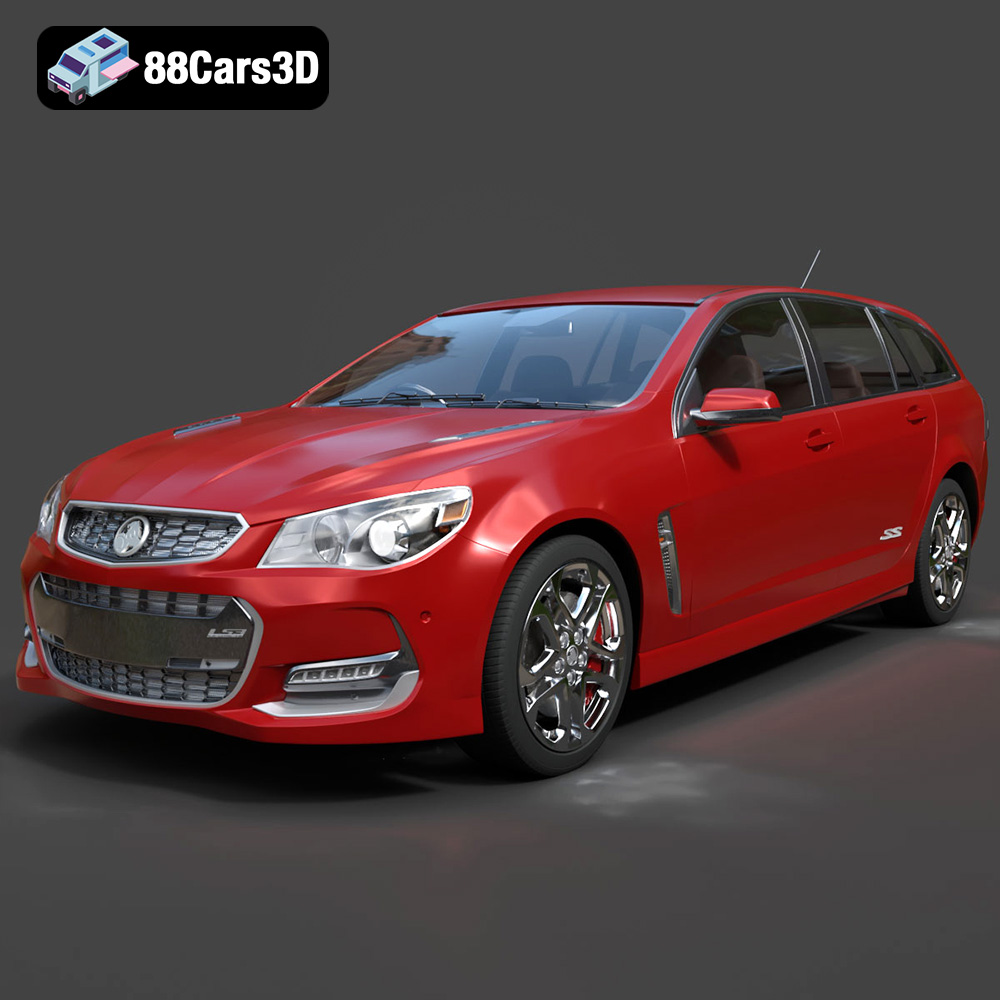
Download the Holden Commodore Sportwagon 2017 3D Model featuring clean geometry, realistic detailing, and a fully modeled interior. Includes .blend, .fbx, .obj, .glb, .stl, .ply, .unreal, and .max formats for rendering, simulation, and game development.
Price: $10
Texture: Yes
Material: Yes
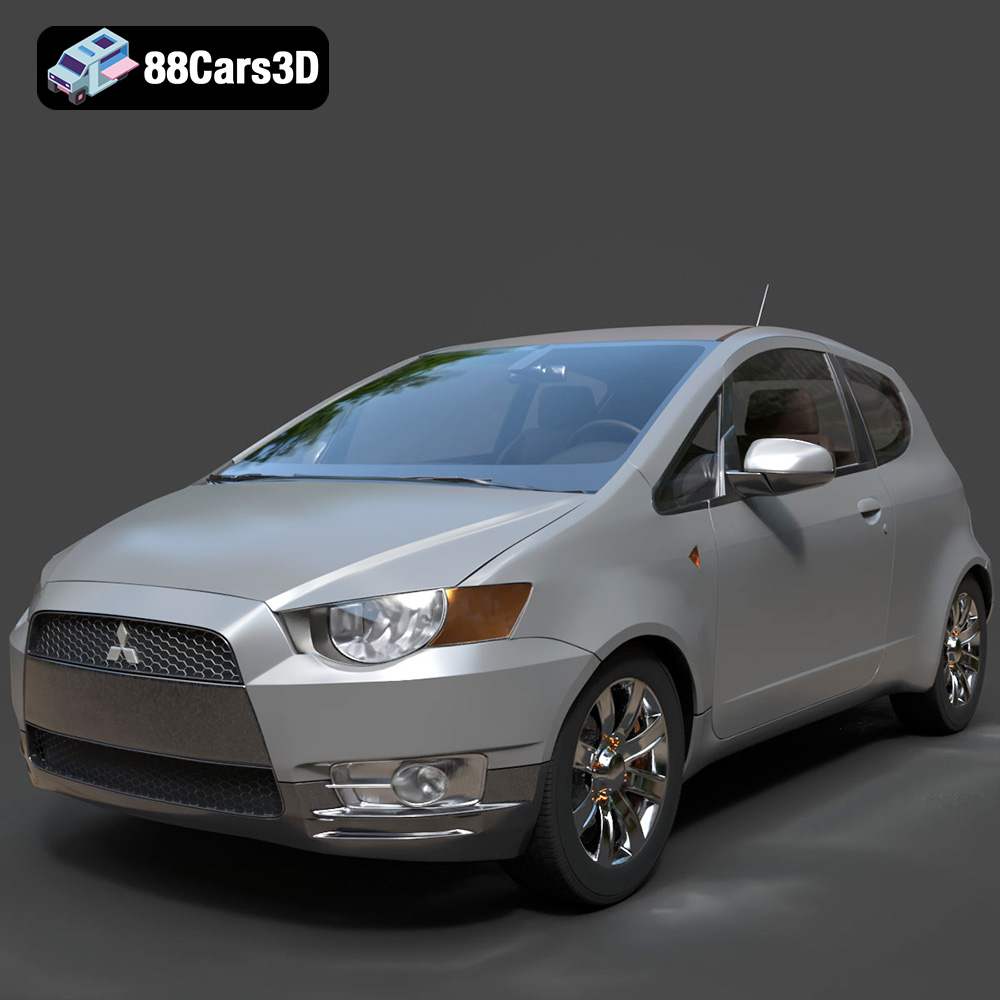
Download the Mitsubishi Colt 3 Door 2008 3D Model featuring clean geometry, realistic detailing, and a fully modeled interior. Includes .blend, .fbx, .obj, .glb, .stl, .ply, .unreal, and .max formats for rendering, simulation, and game development.
Price: $10
Texture: Yes
Material: Yes
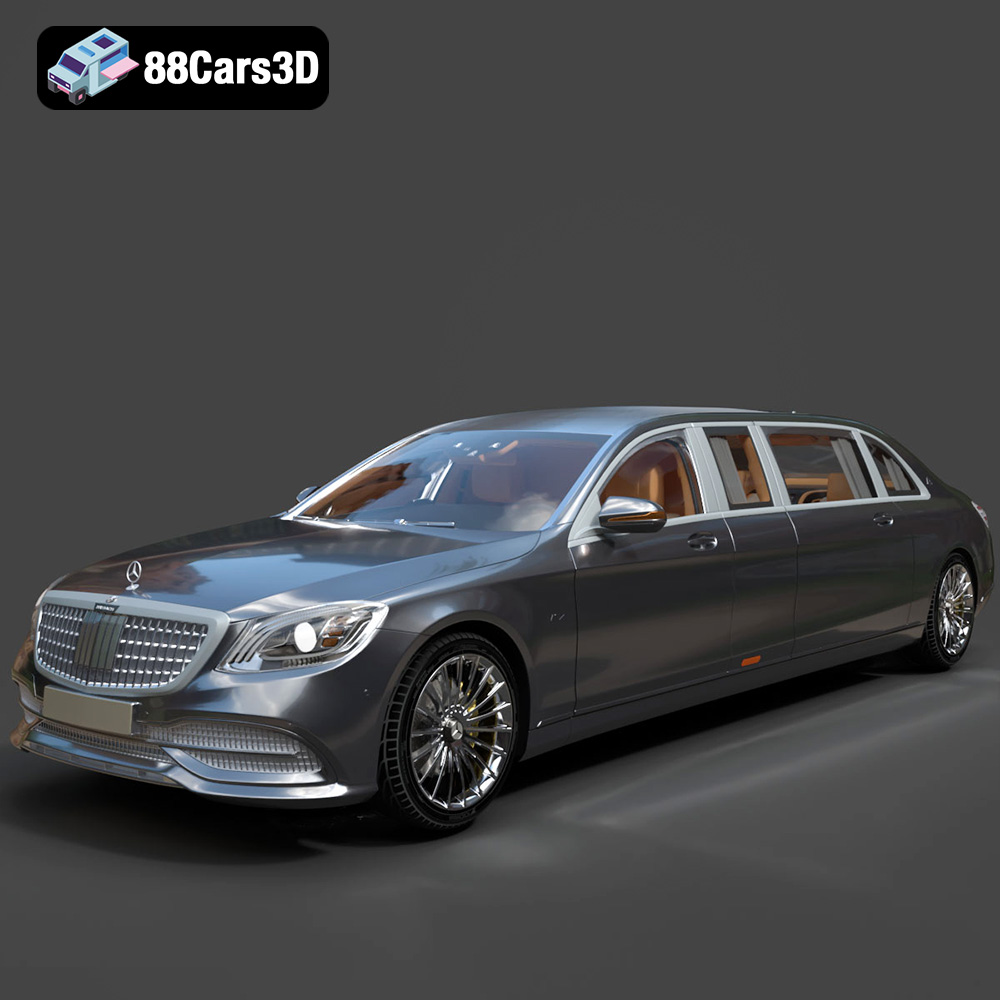
Download the Mercedes-Benz S650 Pullman 3D Model featuring clean geometry, realistic detailing, and a fully modeled interior. Includes .blend, .fbx, .obj, .glb, .stl, .ply, .unreal, and .max formats for rendering, simulation, and game development.
Price: $95.99
Texture: Yes
Material: Yes
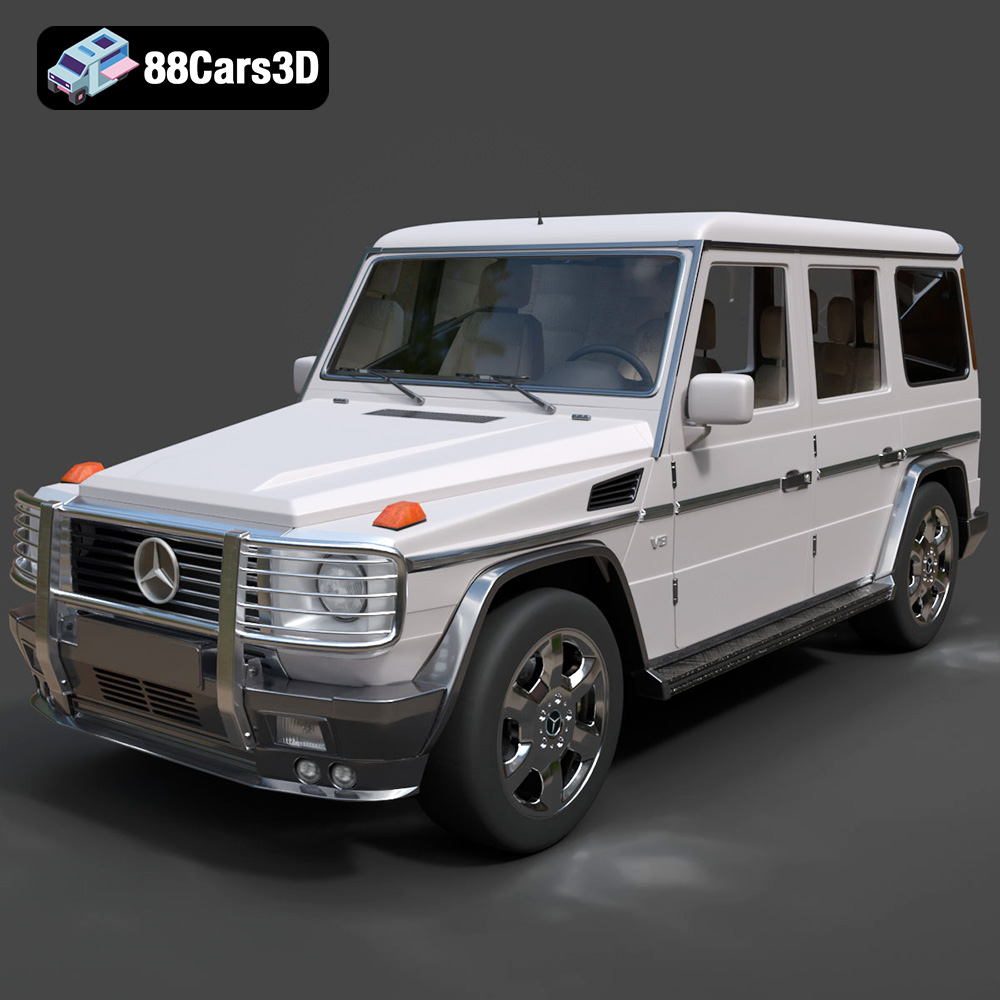
Download the Mercedes G-Class SUV 2024 3D Model featuring clean geometry, realistic detailing, and a fully modeled interior. Includes .blend, .fbx, .obj, .glb, .stl, .ply, .unreal, and .max formats for rendering, simulation, and game development.
Price: $10

