⚡ FLASH SALE: Get 60% OFF All Premium 3D & STL Models! ⚡

“`html
So, you’ve found the perfect 3D printable car model, maybe even from a marketplace like 88cars3d.com, and you’re eager to see it materialize on your 3D printer. But before you hit that print button, a crucial step lies ahead: preparing your 3D model. This preparation process, encompassing file format understanding, mesh repair, slicing, and printer setting adjustments, is the key to achieving high-quality, successful prints. This guide will walk you through each step, providing the knowledge and techniques necessary to transform a digital design into a tangible masterpiece. Whether you’re using FDM or resin printing, mastering these skills is essential for any 3D printing enthusiast. We’ll cover everything from understanding STL files to optimizing support structures, ensuring your journey from digital file to physical object is smooth and rewarding.
The STL (stereolithography) file format is the workhorse of 3D printing. It represents the surface geometry of a 3D object using a collection of triangles. While simple, this format has limitations, making understanding its nuances critical for successful printing. The density and arrangement of these triangles directly impact the print quality, and any imperfections in the mesh can lead to printing errors.
STL files describe the surface of a 3D object using facets, each defined by three vertices (points in 3D space) and a normal vector (indicating the facet’s outward direction). The more facets, the finer the detail captured, but also the larger the file size. A balance needs to be struck between detail and manageability. Common issues arise when the file contains gaps, overlaps, or self-intersections in the mesh. Platforms like 88cars3d.com often ensure their models are watertight and manifold, minimizing these issues.
A “manifold” mesh is a closed surface where every edge is shared by exactly two triangles. Non-manifold geometry, where edges are shared by more or fewer than two triangles, can cause slicing software to misinterpret the model, leading to printing errors. “Watertight” means the mesh has no holes or gaps. Slicing software needs a closed volume to correctly calculate infill and support structures. Before printing, it’s imperative to verify and repair any mesh defects. Software like Meshmixer, Netfabb, and Blender offer tools for identifying and automatically fixing these issues.
Slicing is the process of converting a 3D model into a series of 2D layers that your 3D printer can understand. This conversion is performed by slicing software, which allows you to adjust numerous parameters that profoundly affect the final print quality, strength, and print time. Understanding these parameters and how they interact is crucial for optimizing your prints.
Layer height determines the thickness of each printed layer. A smaller layer height (e.g., 0.1mm) results in smoother surfaces and finer details, but also significantly increases print time. A larger layer height (e.g., 0.3mm) prints faster but produces more visible layer lines. Finding the optimal balance depends on the model’s complexity and your desired level of detail. For printable car models from 88cars3d.com, a layer height between 0.1mm and 0.2mm is generally recommended for a good balance of detail and print speed. Resin printing typically allows for even smaller layer heights, down to 0.025mm, achieving exceptional detail.
Infill refers to the internal structure of the printed object. Infill density, expressed as a percentage, determines how much of the object’s interior is filled with material. A higher infill density (e.g., 50%) results in a stronger and heavier object but also increases print time and material usage. A lower infill density (e.g., 15%) prints faster and uses less material but may compromise the object’s structural integrity. The infill pattern also affects the strength and print time. Common patterns include grid, honeycomb, and gyroid. Gyroid infill provides excellent strength-to-weight ratio. For car models, an infill density of 20-30% with a gyroid or honeycomb pattern usually provides adequate strength without excessive material use. For functional parts or areas requiring high strength (like axles), consider increasing the infill density to 50% or higher.
Support structures are temporary structures that provide support for overhanging parts of a 3D model during printing. Without supports, these overhangs would collapse under gravity. Generating effective support structures and removing them cleanly without damaging the model is a critical skill in 3D printing.
There are various types of support structures, including tree supports, linear supports, and grid supports. Tree supports are branching structures that are often easier to remove and leave fewer marks on the model. Linear supports are simple vertical columns that are effective for supporting flat overhangs. Grid supports provide a dense network of support but can be more difficult to remove. The best type of support depends on the model’s geometry and the printer’s capabilities. For intricate car models with complex curves and overhangs, tree supports are often the preferred choice.
Proper support placement is crucial for minimizing material usage and ensuring easy removal. Avoid placing supports on visible surfaces whenever possible. Use support blockers to prevent supports from being generated in areas where they are not needed. When removing supports, use specialized tools like pliers, cutters, and knives. Be careful not to apply too much force, as this can damage the model. In some cases, dissolving the supports in a solvent (for example, using HIPS supports with a soluble support material dissolved in limonene) is an effective method. For delicate models, consider using breakaway supports, which are designed to detach easily from the model. For FDM prints, gently heating the supports with a heat gun can soften the plastic and make them easier to remove. For resin prints, curing the model after support removal can improve its strength and surface finish.
The choice of printing material significantly impacts the final product’s properties, including its strength, flexibility, heat resistance, and appearance. Matching the material to the intended application is crucial for achieving the desired results. Additionally, selecting the correct printer settings for the chosen material is essential for successful printing.
PLA (polylactic acid) is a biodegradable thermoplastic known for its ease of printing and low warping. It’s a great choice for beginners and general-purpose printing. PETG (polyethylene terephthalate glycol-modified) is stronger and more heat-resistant than PLA, making it suitable for functional parts. ABS (acrylonitrile butadiene styrene) is a durable and heat-resistant plastic commonly used in automotive and industrial applications. However, it requires a heated bed and an enclosure to prevent warping. For printable car models, PLA is a good starting point for aesthetic models, while PETG is recommended for parts that need to withstand some stress or heat. ABS is a suitable option for experienced users who need high strength and heat resistance. Example settings for PLA: nozzle temperature 200-220°C, bed temperature 60°C, print speed 50-60mm/s. For PETG: nozzle temperature 230-250°C, bed temperature 70-80°C, print speed 40-50mm/s. For ABS: nozzle temperature 230-250°C, bed temperature 100-110°C, print speed 40-50mm/s (with an enclosure).
Resin printing offers exceptional detail and smooth surfaces, making it ideal for highly detailed models and miniatures. However, resin prints are generally more brittle than FDM prints and require post-processing, including washing and curing. There are various types of resins available, each with its own properties, such as standard resin, tough resin, and flexible resin. When printing car models with resin, consider using a tough resin for parts that need to withstand some stress. Typical resin printing settings include layer heights of 0.025-0.05mm, exposure times of 6-12 seconds (depending on the resin and printer), and lift speeds of 60-80mm/min. Remember to always wear appropriate personal protective equipment (PPE) when handling resin.
Even with careful preparation, 3D printing can sometimes present challenges. Understanding common printing problems and their solutions is essential for achieving consistent and reliable results. Let’s review some common issues.
Warping occurs when the printed object pulls away from the build plate during printing. This is often caused by uneven cooling and thermal contraction. To prevent warping, ensure the build plate is clean and level. Use a bed adhesion aid, such as glue stick, hairspray, or painter’s tape. For ABS, an enclosure is essential to maintain a consistent temperature. Increasing the bed temperature and using a raft or brim can also improve bed adhesion. On resin printers, ensure the build plate is properly leveled and that the initial layer exposure time is sufficient to bond the first layer to the build plate.
Stringing occurs when the nozzle oozes plastic while moving between different parts of the model, leaving thin strands of plastic. Blobs are small accumulations of plastic that can appear on the surface of the print. Stringing can be minimized by increasing retraction distance and speed, lowering the nozzle temperature, and enabling travel moves. Blobs can be reduced by optimizing the coasting and wiping settings in the slicer. Ensure your filament is dry, as moisture can contribute to stringing and blobs. Consider adjusting the z-seam alignment to minimize its visibility.
Post-processing refers to the steps taken after printing to improve the appearance, strength, or functionality of the finished object. This can include removing support structures, sanding, painting, and assembly.
Sanding is used to smooth out layer lines and other surface imperfections. Start with a coarse grit sandpaper (e.g., 220 grit) and gradually work your way up to finer grits (e.g., 400, 600, 800 grit). Wet sanding can help to reduce dust and improve the surface finish. For resin prints, sanding can be challenging due to the material’s brittleness. Use light pressure and avoid overheating the surface. After sanding, consider applying a filler primer to fill in any remaining imperfections. This can be followed by multiple coats of paint for a smooth and professional finish. For printable car models from 88cars3d.com, careful sanding and painting can transform a 3D printed part into a realistic replica.
Many 3D models, especially complex ones like car models, are designed to be printed in multiple parts and then assembled. Use glue or fasteners to join the parts together. For painting, use acrylic paints or enamel paints specifically designed for plastics. Apply multiple thin coats of paint to avoid drips and runs. Use masking tape to create clean lines and sharp edges. Consider using an airbrush for a more even and professional finish. Clear coating can protect the paint and add a glossy or matte finish. Remember that some materials, such as polypropylene, are notoriously difficult to paint. Research your material before painting to ensure adhesion and durability. Consider techniques like vapor smoothing for specific materials to achieve a smooth, glossy finish.
Preparing 3D models for printing can seem daunting at first, but by understanding the underlying principles and following these step-by-step instructions, you can achieve consistently high-quality results. From choosing the right STL file to optimizing slicing parameters and mastering post-processing techniques, each step contributes to the final outcome. Remember to experiment with different settings and materials to find what works best for your printer and your specific application. Platforms like 88cars3d.com provide a great starting point with their collection of print-ready STL files, allowing you to focus on perfecting your printing skills. So, take the plunge, experiment, and enjoy the process of bringing your digital designs to life. The world of 3D printing awaits!
“`
Texture: Yes
Material: Yes
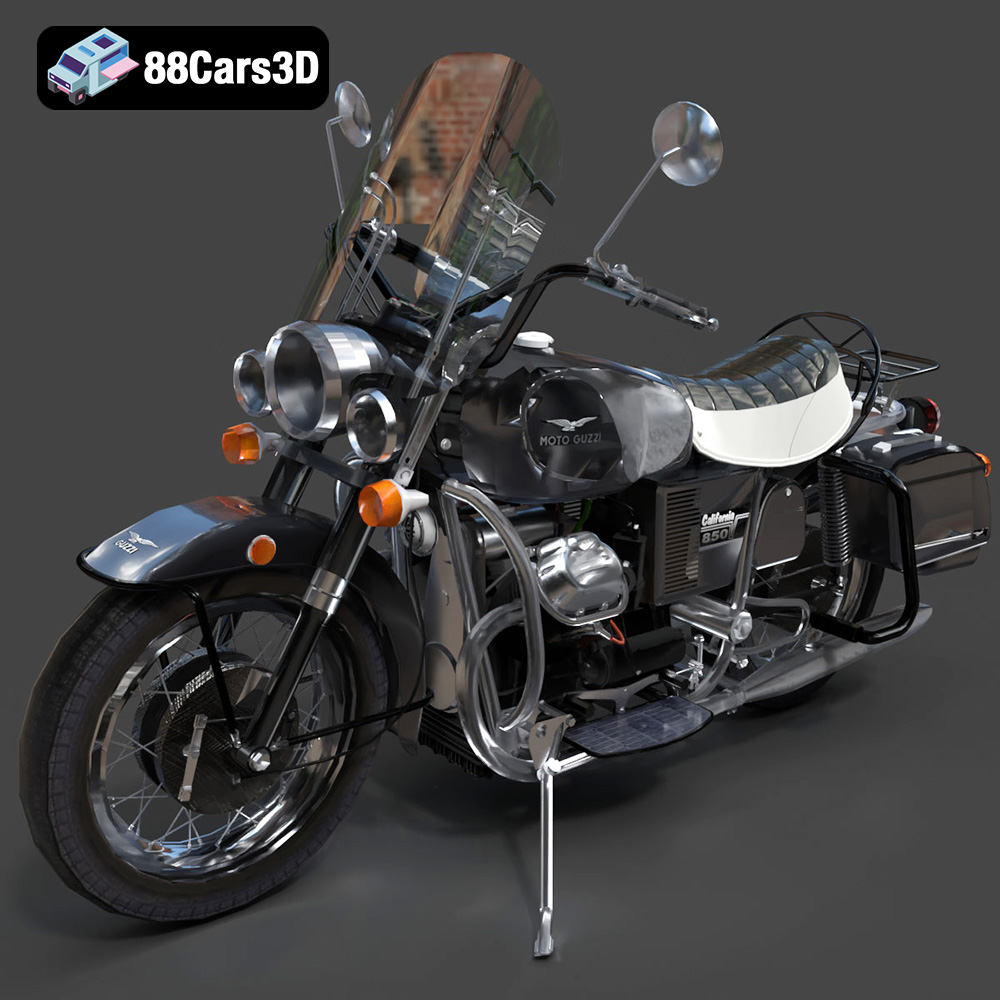
Download the Moto Guzzi Classic Motorcycle 2024 3D Model featuring clean geometry, realistic detailing, and a fully modeled interior. Includes .blend, .fbx, .obj, .glb, .stl, .ply, .unreal, and .max formats for rendering, simulation, and game development.
Price: $10

Texture: Yes
Material: Yes
Download the Mercedes S-Class 2024 3D Model featuring clean geometry, realistic detailing, and a fully modeled interior. Includes .blend, .fbx, .obj, .glb, .stl, .ply, .unreal, and .max formats for rendering, simulation, and game development.
Price: $10

Texture: Yes
Material: Yes
Download the Chevrolet Camaro 1970 3D Model featuring clean geometry, realistic detailing, and a fully modeled interior. Includes .blend, .fbx, .obj, .glb, .stl, .ply, .unreal, and .max formats for rendering, simulation, and game development.
Price: $10

Texture: Yes
Material: Yes
Download the Mercedes-AMG GT 2015 3D Model featuring clean geometry, realistic detailing, and a fully modeled interior. Includes .blend, .fbx, .obj, .glb, .stl, .ply, .unreal, and .max formats for rendering, simulation, and game development.
Price: $88.99

Texture: Yes
Material: Yes
Download the Suzuki GSX-R 1000 3D Model featuring clean geometry, realistic detailing, and a fully modeled interior. Includes .blend, .fbx, .obj, .glb, .stl, .ply, .unreal, and .max formats for rendering, simulation, and game development.
Price: $10

Texture: Yes
Material: Yes
Download the Porsche Cayman S 2024 3D Model featuring clean geometry, realistic detailing, and a fully modeled interior. Includes .blend, .fbx, .obj, .glb, .stl, .ply, .unreal, and .max formats for rendering, simulation, and game development.
Price: $10

Texture: Yes
Material: Yes
Download the Holden Commodore Sportwagon 2017 3D Model featuring clean geometry, realistic detailing, and a fully modeled interior. Includes .blend, .fbx, .obj, .glb, .stl, .ply, .unreal, and .max formats for rendering, simulation, and game development.
Price: $10

Texture: Yes
Material: Yes
Download the Mitsubishi Colt 3 Door 2008 3D Model featuring clean geometry, realistic detailing, and a fully modeled interior. Includes .blend, .fbx, .obj, .glb, .stl, .ply, .unreal, and .max formats for rendering, simulation, and game development.
Price: $10

Texture: Yes
Material: Yes
Download the Mercedes-Benz S650 Pullman 3D Model featuring clean geometry, realistic detailing, and a fully modeled interior. Includes .blend, .fbx, .obj, .glb, .stl, .ply, .unreal, and .max formats for rendering, simulation, and game development.
Price: $95.99
Texture: Yes
Material: Yes
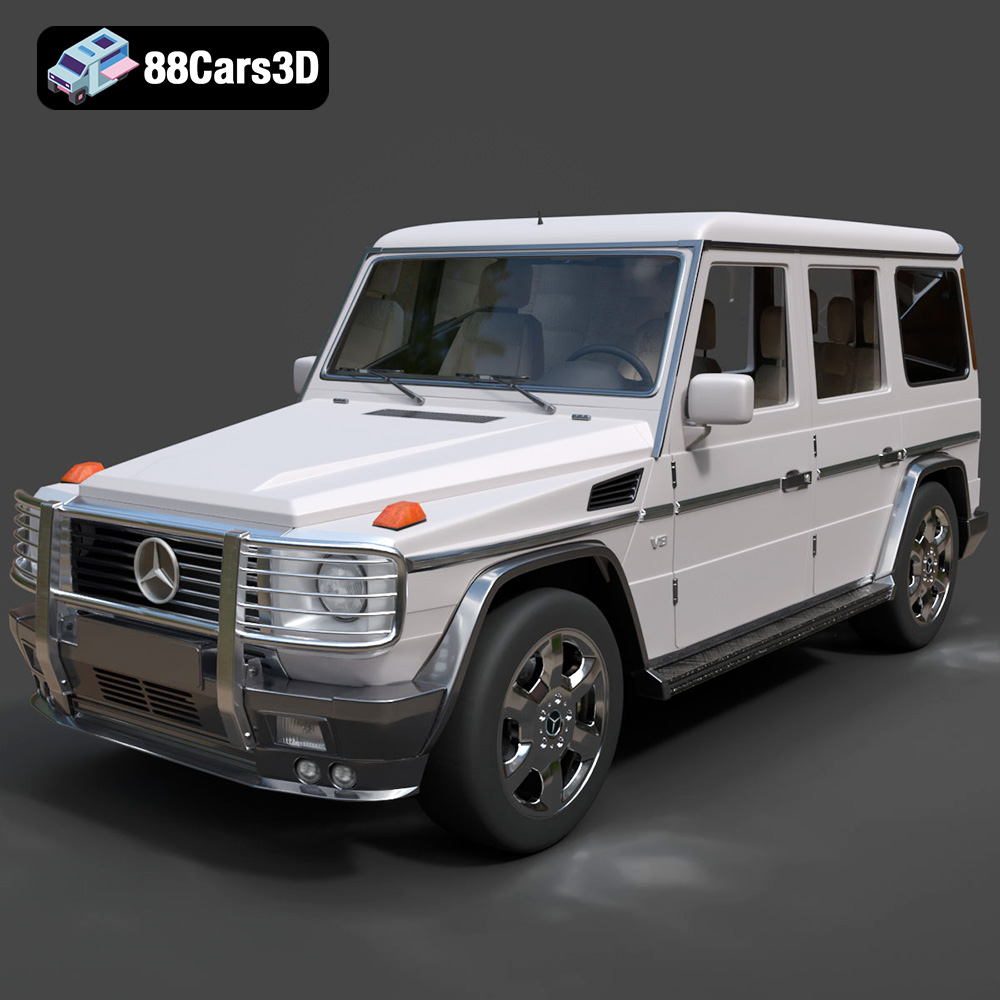
Download the Mercedes G-Class SUV 2024 3D Model featuring clean geometry, realistic detailing, and a fully modeled interior. Includes .blend, .fbx, .obj, .glb, .stl, .ply, .unreal, and .max formats for rendering, simulation, and game development.
Price: $10

