⚡ FLASH SALE: Get 60% OFF All Premium 3D & STL Models! ⚡

“`html
3D printing has revolutionized manufacturing and hobbyist projects alike, allowing us to create intricate designs from digital models. However, the journey from a virtual design to a tangible object isn’t always smooth. A critical step often overlooked is the slicing process. Slicing converts a 3D model in STL format into a set of instructions (G-code) that a 3D printer can understand. Incorrect slicing can lead to a range of problems, from weak parts and poor surface finish to complete print failures. This comprehensive guide will delve into the intricacies of slicing STL files, providing you with the knowledge and techniques to achieve consistently high-quality 3D prints, especially when working with detailed models like the printable car models available on platforms like 88cars3d.com. We’ll cover everything from understanding STL files and choosing the right slicer settings to optimizing supports and troubleshooting common issues. Get ready to elevate your 3D printing game and unlock the full potential of your printer!
Before diving into slicing, it’s crucial to understand the STL (Stereolithography) file format. STL files represent 3D models as a collection of interconnected triangles, forming a mesh. The density and arrangement of these triangles directly impact the accuracy and detail of the printed object. A poorly designed or corrupted STL file can lead to slicing errors and print defects. Understanding mesh topology and its implications on printing is fundamental for achieving high-quality results.
The number of triangles in an STL file determines its resolution. Higher triangle counts result in smoother surfaces and more accurate representation of curves, but also increase file size and processing time. When downloading models from marketplaces such as 88cars3d.com, you’ll often find options for different resolutions. For automotive models with intricate details, a higher resolution STL is generally preferred. However, consider the capabilities of your 3D printer and the trade-off between detail and print time. Too high a resolution might not be noticeable on a less precise printer.
A “manifold” mesh is a closed, watertight surface. Non-manifold meshes contain errors such as holes, self-intersections, or disconnected edges. These errors can confuse the slicer and lead to unexpected results. Before slicing, it’s essential to check for and repair any mesh errors. Software like Meshmixer, Netfabb, and even some slicers (like PrusaSlicer) offer automatic repair tools. These tools can identify and fix common mesh issues, ensuring a successful slicing process.
The slicer is the software that interprets the STL file and generates the G-code instructions for your 3D printer. Several popular slicers are available, each with its own strengths and weaknesses. Cura, PrusaSlicer, Simplify3D, and IdeaMaker are among the most widely used. Selecting the right slicer for your needs is crucial. Each slicer offers a multitude of settings that control various aspects of the printing process. Understanding these settings is key to optimizing print quality and minimizing errors.
Cura is a popular open-source slicer known for its ease of use and extensive plugin ecosystem. It’s a great choice for beginners and offers a wide range of customizable settings. PrusaSlicer, developed by Prusa Research, is another excellent option, renowned for its advanced features, precise control, and excellent print profiles. PrusaSlicer also excels in support generation and offers superior control over print speeds. Both slicers are free and offer excellent results, but PrusaSlicer often provides more granular control for experienced users.
Three of the most important slicer settings are layer height, infill, and temperature. Layer height determines the thickness of each printed layer. Lower layer heights result in smoother surfaces but increase print time. Typical layer heights range from 0.1mm to 0.3mm. Infill refers to the internal structure of the print. Higher infill percentages increase strength but also increase material usage and print time. Common infill patterns include grid, honeycomb, and gyroid. The optimal infill percentage depends on the intended use of the printed object. Temperature settings control the temperature of the nozzle and bed. These settings depend on the material being used. PLA typically prints at 200-220°C, while ABS requires higher temperatures of 230-250°C.
Print orientation significantly affects the strength, surface finish, and support requirements of a 3D print. Choosing the optimal orientation can minimize the need for supports, reduce print time, and improve overall print quality. Support structures are temporary structures that support overhanging features during printing. Generating and removing supports effectively is a critical aspect of the slicing process. Poorly placed or insufficient supports can lead to print failures and surface defects.
The ideal print orientation minimizes the area requiring support. Consider the geometry of the model and identify surfaces that can be printed directly on the build plate. Orienting the model in a way that reduces overhangs will minimize the amount of support material needed. For car models, consider printing the body upside down to minimize supports on the visible surfaces. Experiment with different orientations to find the optimal balance between support requirements and surface quality. For example, tilting a car body at a 45-degree angle might reduce support volume but could also increase the surface area requiring post-processing.
Different slicers offer various support generation options. Linear supports are the most common type, providing a solid structure beneath overhanging features. Tree supports, on the other hand, branch out from the build plate, minimizing contact with the model and making them easier to remove. Tree supports are particularly useful for complex geometries and delicate features. Experiment with different support settings, such as support density, overhang angle, and support interface, to optimize support generation and removal. Decreasing support density and increasing the support interface thickness can aid removal without sacrificing stability. Consider using a support interface layer, which creates a denser, easily removable layer between the support structure and the printed part.
The ideal print settings vary depending on the material being used. PLA (Polylactic Acid), PETG (Polyethylene Terephthalate Glycol), ABS (Acrylonitrile Butadiene Styrene), and resin each have unique properties and require different printing parameters. Understanding these material properties and adjusting the slicer settings accordingly is crucial for achieving successful prints. For example, ABS requires higher temperatures and an enclosed build chamber to prevent warping, while PLA is more forgiving and easier to print with.
PLA is a biodegradable and easy-to-print material, ideal for beginners. It typically requires a nozzle temperature of 200-220°C and a bed temperature of 60°C. PETG is stronger and more heat-resistant than PLA, making it suitable for functional parts. It typically requires a nozzle temperature of 230-250°C and a bed temperature of 70-80°C. ABS is a strong and durable material but requires higher temperatures and an enclosed build chamber to prevent warping. It typically requires a nozzle temperature of 230-250°C and a bed temperature of 90-110°C. Bed adhesion is especially critical with ABS. Consider using a brim or raft to improve adhesion and prevent warping.
Resin printing uses liquid resin that is cured by UV light. The key settings for resin printing are layer exposure time and bottom layer exposure time. Layer exposure time determines how long each layer is exposed to UV light. Bottom layer exposure time is longer to ensure good adhesion to the build plate. Support generation is also critical for resin printing, as resin parts are often more fragile than FDM parts. Use a slicer specifically designed for resin printing, such as Chitubox or Lychee Slicer, to generate appropriate supports. Optimize support placement and density to minimize scarring on the printed part. Consider using different support tip sizes to balance support strength and ease of removal. When printing automotive models with intricate details, such as those available on 88cars3d.com, precise exposure settings and well-placed supports are paramount.
Even with careful planning and optimized settings, printing issues can still arise. Common problems include warping, stringing, elephant’s foot, and layer adhesion issues. Understanding the causes of these problems and knowing how to troubleshoot them is essential for successful 3D printing. This often requires a combination of adjusting slicer settings, calibrating the printer, and maintaining the hardware.
Warping occurs when the corners of a print lift off the build plate, often due to uneven cooling or poor bed adhesion. Solutions include increasing bed temperature, using a brim or raft, and ensuring proper bed leveling. Stringing is caused by filament oozing from the nozzle during travel moves. Solutions include adjusting retraction settings, lowering nozzle temperature, and increasing travel speed. Elephant’s foot is when the bottom layers of a print are wider than the rest of the print, often due to excessive bed temperature or first layer thickness. Solutions include lowering bed temperature and reducing first layer thickness. For example, if you are experiencing warping with ABS, try increasing the bed temperature by 5-10°C and enclosing the printer in a makeshift enclosure to maintain a consistent temperature.
Layer adhesion issues occur when layers fail to bond properly, resulting in weak or delaminated prints. This can be caused by insufficient nozzle temperature, poor bed adhesion, or inadequate cooling. Solutions include increasing nozzle temperature, ensuring proper bed leveling and adhesion, and adjusting cooling fan settings. If you’re printing a tall, thin model and experiencing layer adhesion issues, try reducing the cooling fan speed to allow each layer to cool more slowly and bond more effectively. Also, ensure your filament is dry, as moisture can significantly impact layer adhesion. Consider using filament drying boxes to maintain optimal filament conditions.
Even with the best slicing and printing settings, some post-processing is often necessary to achieve a professional-looking finish. Post-processing techniques include support removal, sanding, filling, priming, and painting. The specific techniques used will depend on the material and the desired finish. For detailed models, like the printable car models from 88cars3d.com, careful post-processing can significantly enhance the final result.
The first step in post-processing is usually support removal. Use appropriate tools, such as pliers, knives, or specialized support removal tools, to carefully remove the supports without damaging the printed part. After support removal, sanding is often necessary to smooth out any rough edges or surface imperfections. Start with coarse sandpaper and gradually move to finer grits. For PLA, wet sanding can help reduce friction and prevent clogging. Pay close attention to detail, especially in intricate areas. A rotary tool with various attachments can be invaluable for reaching difficult-to-access areas.
Once the surface is smooth, painting can add the finishing touches. Start with a primer to create a uniform surface for the paint to adhere to. Apply multiple thin coats of paint, allowing each coat to dry completely before applying the next. Use high-quality paints designed for plastics to ensure good adhesion and durability. Consider using an airbrush for a smoother and more professional finish. For a glossy finish, apply a clear coat after the paint has dried. Polishing compounds can further enhance the shine. When painting models like cars, consider using automotive-grade paints for a realistic and durable finish.
Mastering the art of slicing STL files is essential for achieving high-quality 3D prints. By understanding the intricacies of STL files, choosing the right slicer settings, optimizing print orientation and supports, fine-tuning settings for specific materials, troubleshooting common issues, and employing effective post-processing techniques, you can significantly improve the quality and consistency of your 3D prints. Remember to experiment with different settings and techniques to find what works best for your printer, material, and model. With practice and patience, you’ll be able to create stunning 3D prints that meet your expectations. The key takeaway is to iterate, learn from your mistakes, and continuously refine your slicing and printing workflow. So, grab your favorite STL model, like one of the fantastic printable car models from 88cars3d.com, and start experimenting! Happy printing!
“`
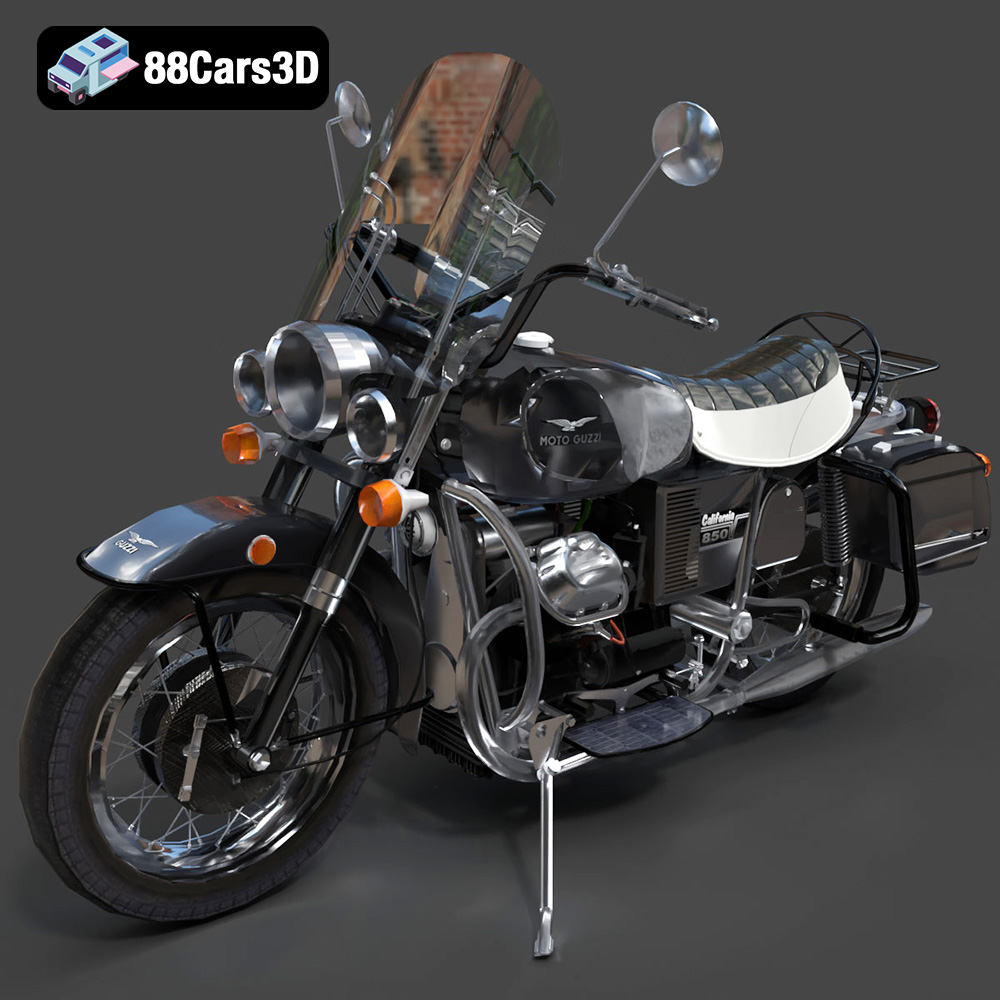
Texture: Yes
Material: Yes
Download the Moto Guzzi Classic Motorcycle 2024 3D Model featuring clean geometry, realistic detailing, and a fully modeled interior. Includes .blend, .fbx, .obj, .glb, .stl, .ply, .unreal, and .max formats for rendering, simulation, and game development.
Price: $10

Texture: Yes
Material: Yes
Download the Mercedes S-Class 2024 3D Model featuring clean geometry, realistic detailing, and a fully modeled interior. Includes .blend, .fbx, .obj, .glb, .stl, .ply, .unreal, and .max formats for rendering, simulation, and game development.
Price: $10

Texture: Yes
Material: Yes
Download the Chevrolet Camaro 1970 3D Model featuring clean geometry, realistic detailing, and a fully modeled interior. Includes .blend, .fbx, .obj, .glb, .stl, .ply, .unreal, and .max formats for rendering, simulation, and game development.
Price: $10

Texture: Yes
Material: Yes
Download the Mercedes-AMG GT 2015 3D Model featuring clean geometry, realistic detailing, and a fully modeled interior. Includes .blend, .fbx, .obj, .glb, .stl, .ply, .unreal, and .max formats for rendering, simulation, and game development.
Price: $88.99

Texture: Yes
Material: Yes
Download the Suzuki GSX-R 1000 3D Model featuring clean geometry, realistic detailing, and a fully modeled interior. Includes .blend, .fbx, .obj, .glb, .stl, .ply, .unreal, and .max formats for rendering, simulation, and game development.
Price: $10

Texture: Yes
Material: Yes
Download the Porsche Cayman S 2024 3D Model featuring clean geometry, realistic detailing, and a fully modeled interior. Includes .blend, .fbx, .obj, .glb, .stl, .ply, .unreal, and .max formats for rendering, simulation, and game development.
Price: $10

Texture: Yes
Material: Yes
Download the Holden Commodore Sportwagon 2017 3D Model featuring clean geometry, realistic detailing, and a fully modeled interior. Includes .blend, .fbx, .obj, .glb, .stl, .ply, .unreal, and .max formats for rendering, simulation, and game development.
Price: $10

Texture: Yes
Material: Yes
Download the Mitsubishi Colt 3 Door 2008 3D Model featuring clean geometry, realistic detailing, and a fully modeled interior. Includes .blend, .fbx, .obj, .glb, .stl, .ply, .unreal, and .max formats for rendering, simulation, and game development.
Price: $10

Texture: Yes
Material: Yes
Download the Mercedes-Benz S650 Pullman 3D Model featuring clean geometry, realistic detailing, and a fully modeled interior. Includes .blend, .fbx, .obj, .glb, .stl, .ply, .unreal, and .max formats for rendering, simulation, and game development.
Price: $95.99
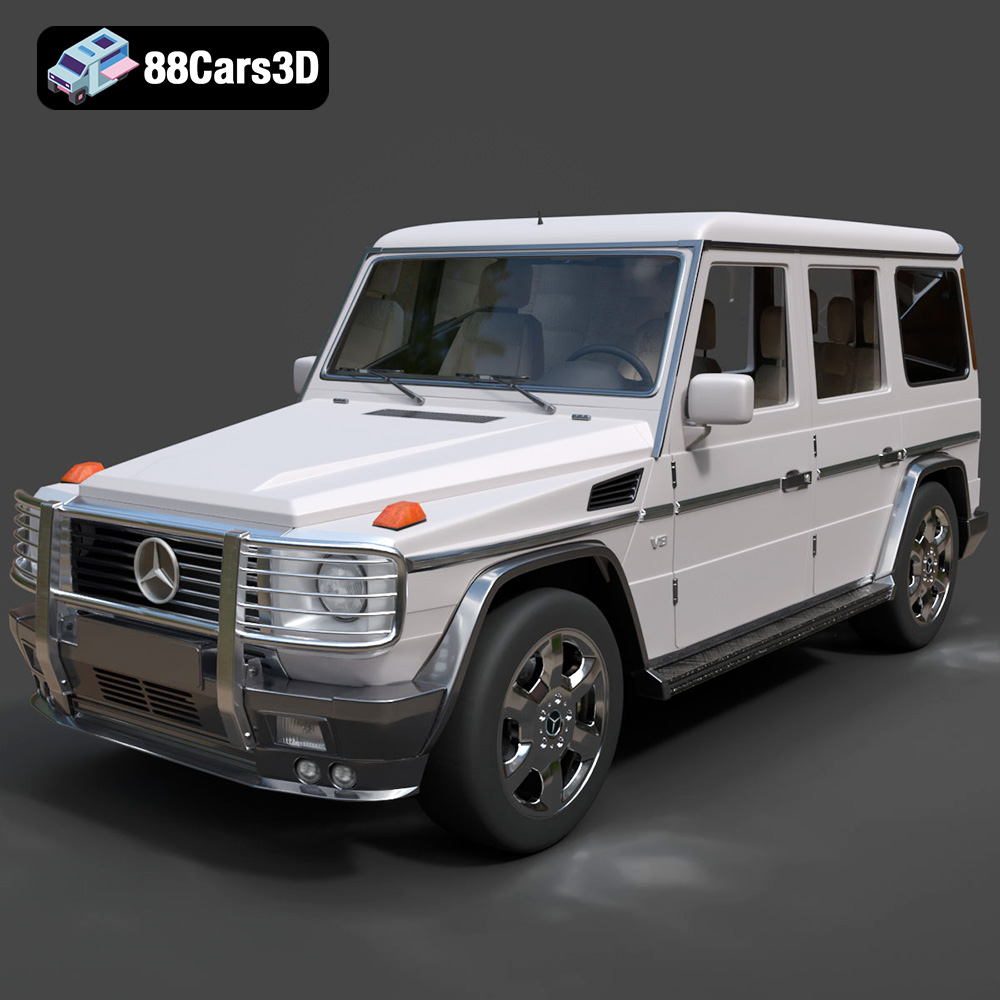
Texture: Yes
Material: Yes
Download the Mercedes G-Class SUV 2024 3D Model featuring clean geometry, realistic detailing, and a fully modeled interior. Includes .blend, .fbx, .obj, .glb, .stl, .ply, .unreal, and .max formats for rendering, simulation, and game development.
Price: $10

