⚡ FLASH SALE: Get 60% OFF All Premium 3D & STL Models! ⚡

“`html
The world of 3D printing offers incredible possibilities, particularly for automotive enthusiasts. From creating intricate scale models to prototyping custom parts, the technology empowers us to bring our automotive visions to life. However, achieving truly exceptional results with 3D printed car models requires a deep understanding of STL files, slicing parameters, printer settings, and post-processing techniques. This comprehensive guide will walk you through the entire process, providing the knowledge and skills necessary to produce stunning, high-quality 3D printed car models from STL files.
In this article, we will cover everything from understanding STL file structures and mesh topology to optimizing print settings for both FDM and resin printers. We’ll delve into slicing software, support generation, material selection, and common troubleshooting tips. By the end of this guide, you’ll have the expertise to confidently tackle complex car model prints and achieve professional-grade results. We’ll also touch upon resources like 88cars3d.com, a platform offering a wide selection of print-ready STL files specifically designed for creating detailed car models.
At the heart of every 3D print lies the STL (Stereolithography) file. This file format represents a 3D object as a collection of interconnected triangles, forming a mesh. The density and arrangement of these triangles directly impact the smoothness and accuracy of the final printed object. A deeper understanding of STL files is crucial for ensuring successful 3D prints, especially for intricate designs like car models.
The mesh topology refers to the structure and connectivity of the triangles within the STL file. A well-designed mesh has evenly distributed triangles, avoiding areas of excessive density or sparse coverage. High-resolution meshes, with a larger number of smaller triangles, capture finer details and curves more accurately. However, they also result in larger file sizes and increased processing time during slicing. Finding the right balance between resolution and file size is essential. Many platforms like 88cars3d.com ensure the models they offer have a good balance of resolution and optimized triangle count for effective 3D printing.
STL files can be stored in two formats: ASCII and Binary. ASCII STL files are human-readable text files, making them easier to inspect and edit manually. However, they are significantly larger than binary STL files, which store the data in a more compact, computer-readable format. For complex car models with numerous triangles, binary STL files are generally preferred due to their smaller size and faster processing speed. Most slicing software seamlessly handles both formats.
Key takeaway: Always inspect your STL files for mesh quality and consider the file format to optimize printing performance.
Slicing software is the crucial link between your STL file and your 3D printer. It takes the 3D model and converts it into a series of instructions (G-code) that the printer can understand. This process involves slicing the model into thin layers, defining print parameters such as layer height, infill density, and support structures. Popular slicing software options include Cura, PrusaSlicer, Simplify3D, and Chitubox (for resin printing). Each offers a unique set of features and customization options.
Achieving optimal results for 3D printed car models requires careful tuning of slicing parameters. Layer height is a critical setting, directly impacting the print resolution and surface finish. Lower layer heights (e.g., 0.1mm or 0.05mm) produce smoother surfaces but increase print time. Infill density controls the internal structure of the model, affecting its strength and weight. For car models, a moderate infill density (e.g., 15-25%) is usually sufficient. Print speed also affects quality; reducing speed, especially for intricate details, can greatly improve the outcome.
Support structures are essential for printing overhanging features and complex geometries. Slicing software automatically generates these supports, providing a temporary scaffolding that prevents the model from collapsing during printing. Different support types are available, including linear supports, tree supports, and support rafts. The choice of support type depends on the model’s geometry and the desired ease of removal. Experiment with different support settings to find the optimal balance between support strength and ease of removal. Breaking support structures carefully and using tools like hobby knives and sandpaper are important for a clean finish.
Key takeaway: Master your slicing software and experiment with different parameters to fine-tune your print settings for car models.
Two primary 3D printing technologies dominate the market: Fused Deposition Modeling (FDM) and Stereolithography (SLA/Resin). FDM printing involves melting and extruding a thermoplastic filament, layer by layer, to build the object. Resin printing, on the other hand, uses a liquid resin that is cured by UV light. Each technology has its strengths and weaknesses, making them suitable for different applications.
FDM printing is known for its affordability, ease of use, and wide range of available materials. Common materials include PLA, PETG, and ABS. PLA is a biodegradable plastic that is easy to print but may not be suitable for high-temperature environments. PETG offers improved strength and heat resistance compared to PLA. ABS is a durable and heat-resistant plastic often used for automotive parts, but it requires a heated bed and good ventilation to avoid warping. For car models, FDM printing is a good choice for larger parts and functional prototypes. A nozzle size of 0.4mm is standard, but smaller nozzles (e.g., 0.25mm) can be used for finer details. Bed adhesion is crucial in FDM; using a heated bed, applying adhesive solutions like glue stick or hairspray, or utilizing build plate materials such as PEI can significantly improve adhesion.
Resin printing excels in producing highly detailed and accurate parts. It is ideal for creating intricate car models with smooth surfaces and complex geometries. Resin printers use UV light to cure liquid resin, layer by layer. Different types of resins are available, including standard resins, tough resins, and flexible resins. Resin printing requires careful handling of the resin, as it can be harmful to the skin. Proper ventilation and personal protective equipment (PPE) are essential. After printing, the parts need to be washed in isopropyl alcohol (IPA) and cured under UV light to achieve their final strength and hardness. Supports are almost always necessary for resin printing, and their removal requires precision to avoid damaging the delicate parts. Platforms such as 88cars3d.com often cater to both FDM and Resin preferences, offering models suitable for both technologies.
Key takeaway: Consider the desired level of detail, material properties, and printing budget when choosing between FDM and resin printing for car models.
As discussed earlier, support structures are often indispensable for 3D printing car models, especially those with complex overhangs or intricate details. The generation, optimization, and removal of these supports are crucial steps that can significantly impact the final quality of your print.
Most slicing software offers automatic support generation, which analyzes the model’s geometry and automatically places supports where needed. While convenient, automatic support generation may not always be optimal, especially for complex car models. Manual support placement allows for greater control and customization, enabling you to strategically place supports to minimize their impact on the surface finish and reduce the amount of material used. Software like Meshmixer allows for adding manual supports with custom thicknesses and densities.
Optimizing support settings is essential for easy and clean removal. Increasing the air gap between the support and the model can reduce the adhesion strength, making the supports easier to break away. Adjusting the support density and thickness can also affect their removability. Experiment with different support settings to find the optimal balance between support strength and ease of removal. Using dissolvable support materials is another option, but requires a dual-extrusion printer. Careful support removal using tools like flush cutters, hobby knives, and sandpaper is critical to avoid damaging the model’s surface.
Key takeaway: Master both automatic and manual support generation techniques and optimize support settings for easy and clean removal.
Post-processing is an essential step in transforming a raw 3D print into a finished product. It involves techniques such as sanding, painting, and assembly, which enhance the surface finish, aesthetics, and functionality of the model. For car models, post-processing can bring a new level of realism and detail to your creations.
Sanding is used to remove layer lines and imperfections from the surface of the 3D print. Start with coarse grit sandpaper (e.g., 120 grit) to remove larger imperfections and gradually move to finer grits (e.g., 400, 600, 800 grit) to achieve a smooth surface. Wet sanding can help to reduce dust and improve the surface finish. For difficult-to-reach areas, consider using sanding sponges or small rotary tools. Applying a filler primer can help to fill in small imperfections and create a uniform surface for painting.
Painting is used to add color and detail to the 3D printed car model. Start by applying a primer to the surface to improve paint adhesion. Use multiple thin coats of paint instead of one thick coat to avoid runs and drips. Different types of paints are available, including acrylic paints, enamel paints, and lacquer paints. Choose a paint that is compatible with the material of your 3D print. Consider using masking tape to create clean lines and intricate designs. Applying a clear coat can protect the paint and add a glossy finish.
Key takeaway: Master post-processing techniques to transform your raw 3D prints into professional-looking car models.
Even with careful planning and execution, 3D printing can sometimes present challenges. Common issues include warping, bed adhesion problems, stringing, and layer shifting. Understanding these issues and how to troubleshoot them is crucial for achieving consistent and high-quality prints.
Warping occurs when the corners of the 3D print lift off the build plate. This is often caused by temperature differences between the printed layers and the surrounding environment. To prevent warping, ensure that the build plate is properly heated and leveled. Use a heated bed enclosure to maintain a consistent temperature. Apply adhesive solutions like glue stick or hairspray to the build plate to improve adhesion. Consider using a brim or raft to increase the surface area in contact with the build plate. For materials like ABS, a raft is highly recommended.
Stringing occurs when small strands of filament are left between different parts of the print. This is often caused by excessive retraction distance or high printing temperature. To reduce stringing, adjust the retraction settings in your slicing software. Lower the printing temperature slightly and increase the travel speed. Layer shifting occurs when the layers of the print are misaligned. This is often caused by loose belts or stepper motor issues. Check the belts for proper tension and ensure that the stepper motors are functioning correctly. Reduce the printing speed to minimize vibrations and improve stability.
Key takeaway: Learn to identify and troubleshoot common 3D printing issues to achieve consistent and high-quality prints.
3D printing offers an exciting and rewarding experience for automotive enthusiasts, allowing them to create detailed and customized car models. By understanding STL files, mastering slicing parameters, choosing the right printing technology, optimizing support structures, and implementing post-processing techniques, you can achieve professional-grade results. Remember to leverage online resources and communities for inspiration, tips, and troubleshooting advice.
Platforms like 88cars3d.com provide a valuable resource for finding high-quality, print-ready STL files, streamlining the process and allowing you to focus on the printing and post-processing aspects. Take the knowledge gained from this guide and start experimenting. The journey of 3D printing is one of continuous learning and improvement. So, embrace the challenges, celebrate the successes, and enjoy the process of bringing your automotive visions to life!
“`

Texture: Yes
Material: Yes
Download the Mercedes S-Class 2024 3D Model featuring clean geometry, realistic detailing, and a fully modeled interior. Includes .blend, .fbx, .obj, .glb, .stl, .ply, .unreal, and .max formats for rendering, simulation, and game development.
Price: $10
Texture: Yes
Material: Yes
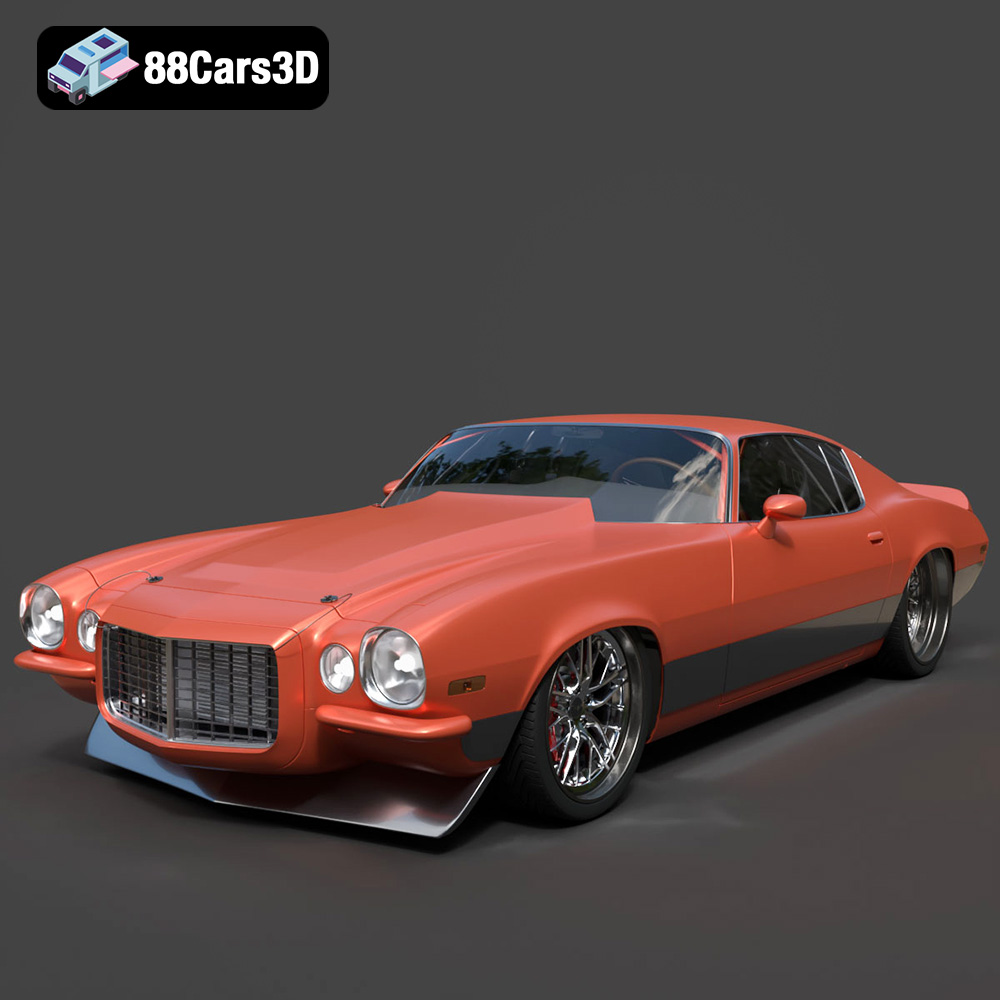
Download the Chevrolet Camaro 1970 3D Model featuring clean geometry, realistic detailing, and a fully modeled interior. Includes .blend, .fbx, .obj, .glb, .stl, .ply, .unreal, and .max formats for rendering, simulation, and game development.
Price: $10
Texture: Yes
Material: Yes
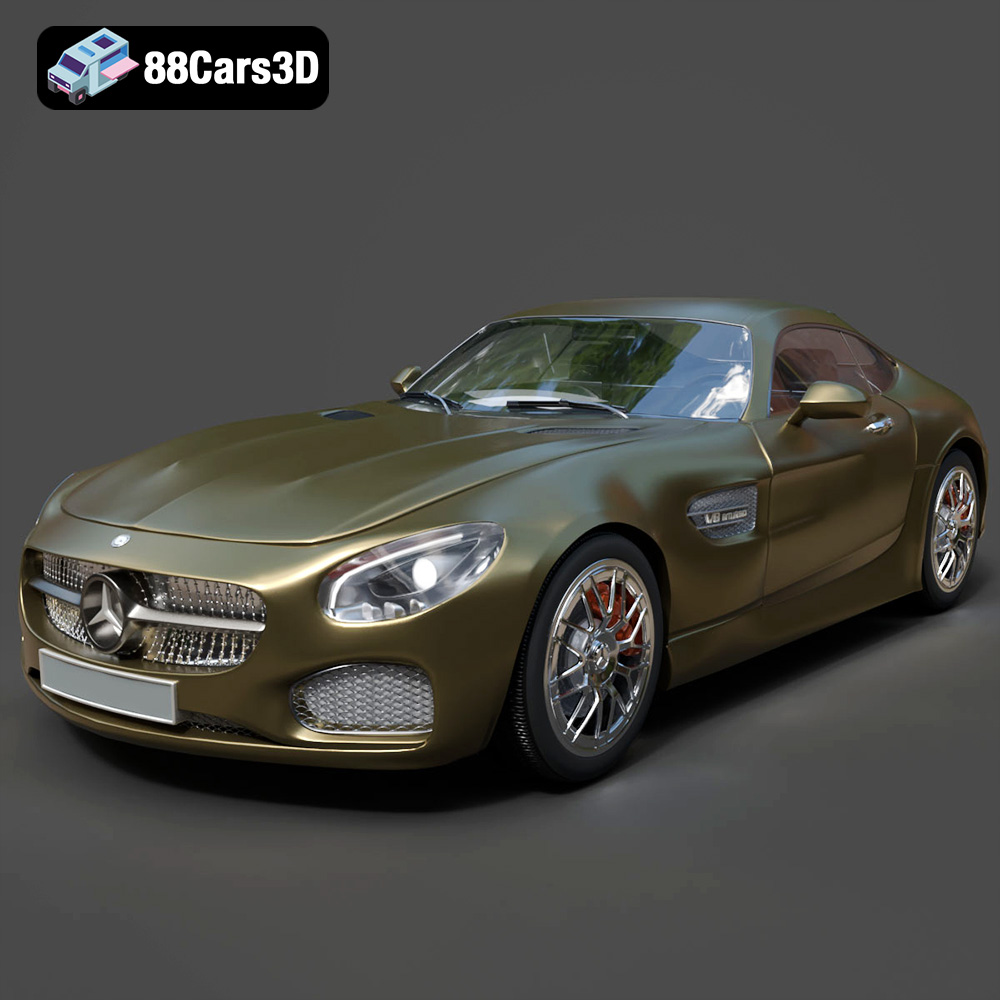
Download the Mercedes-AMG GT 2015 3D Model featuring clean geometry, realistic detailing, and a fully modeled interior. Includes .blend, .fbx, .obj, .glb, .stl, .ply, .unreal, and .max formats for rendering, simulation, and game development.
Price: $88.99
Texture: Yes
Material: Yes
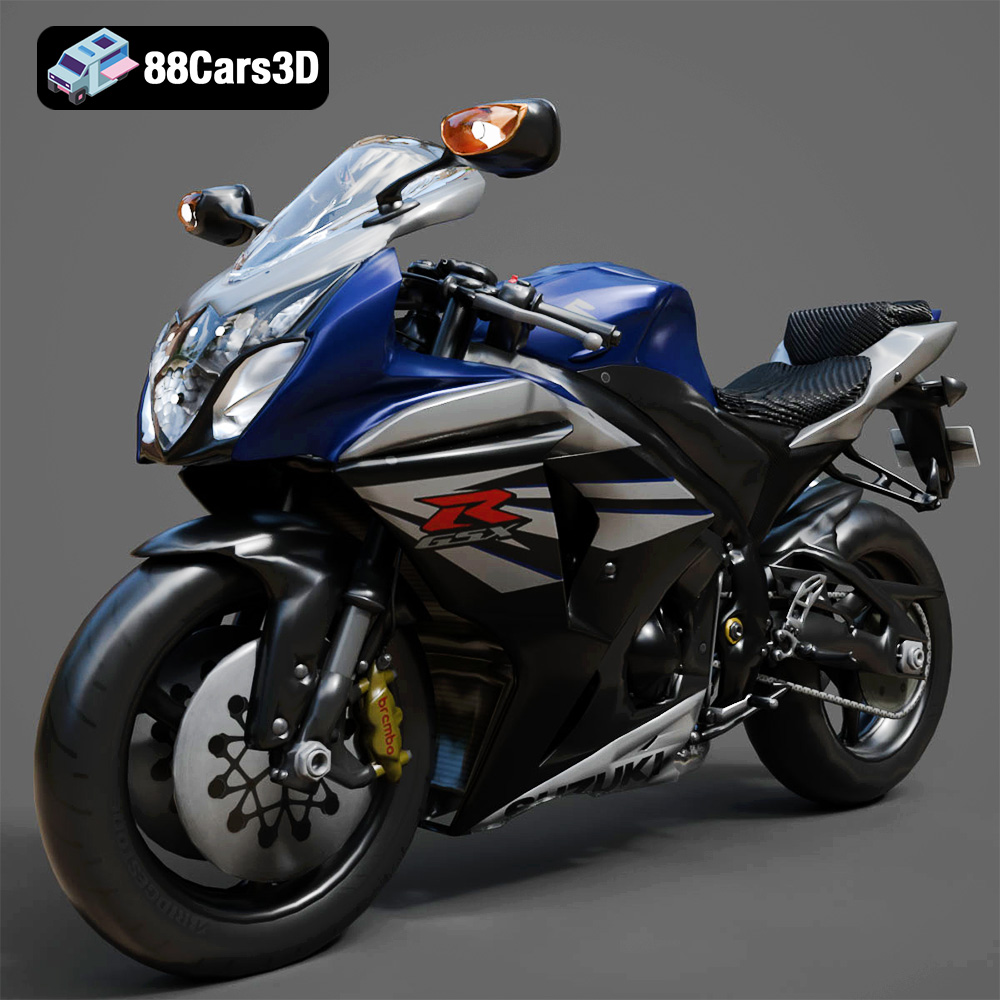
Download the Suzuki GSX-R 1000 3D Model featuring clean geometry, realistic detailing, and a fully modeled interior. Includes .blend, .fbx, .obj, .glb, .stl, .ply, .unreal, and .max formats for rendering, simulation, and game development.
Price: $10
Texture: Yes
Material: Yes
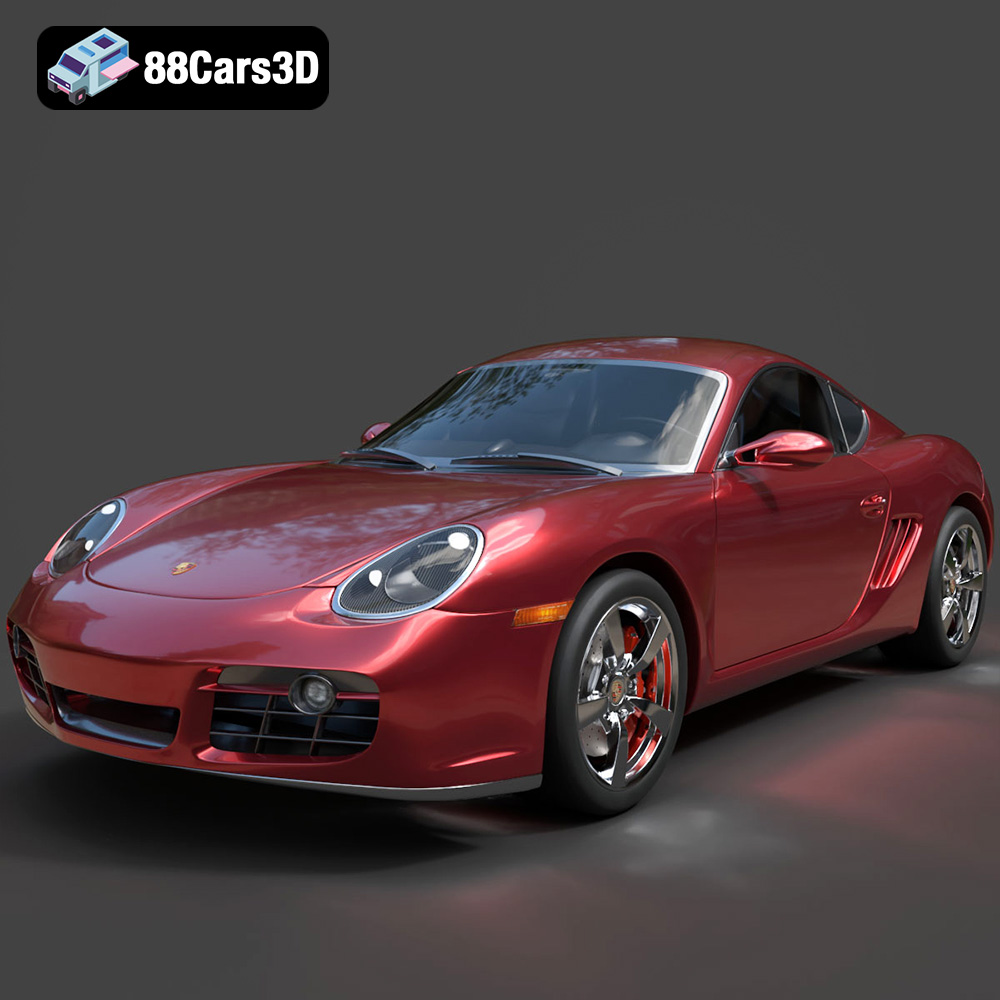
Download the Porsche Cayman S 2024 3D Model featuring clean geometry, realistic detailing, and a fully modeled interior. Includes .blend, .fbx, .obj, .glb, .stl, .ply, .unreal, and .max formats for rendering, simulation, and game development.
Price: $10

Texture: Yes
Material: Yes
Download the Holden Commodore Sportwagon 2017 3D Model featuring clean geometry, realistic detailing, and a fully modeled interior. Includes .blend, .fbx, .obj, .glb, .stl, .ply, .unreal, and .max formats for rendering, simulation, and game development.
Price: $10
Texture: Yes
Material: Yes
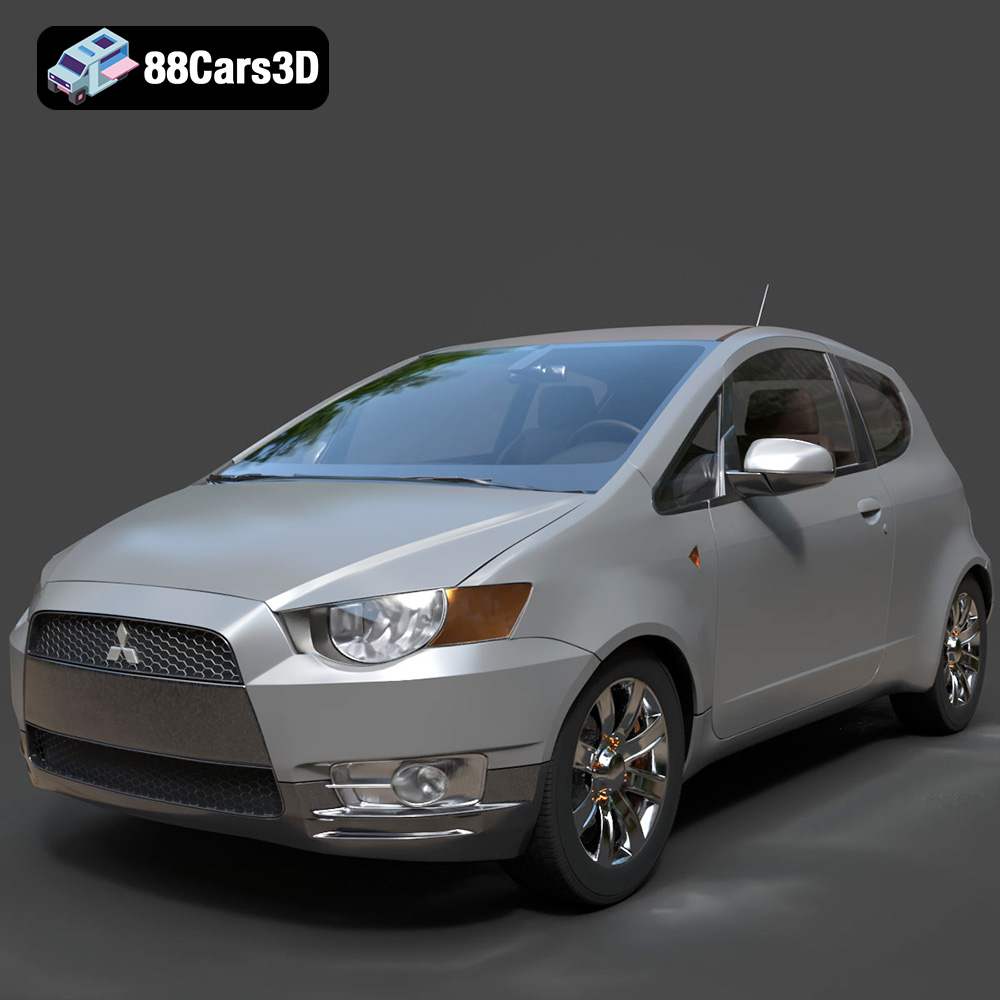
Download the Mitsubishi Colt 3 Door 2008 3D Model featuring clean geometry, realistic detailing, and a fully modeled interior. Includes .blend, .fbx, .obj, .glb, .stl, .ply, .unreal, and .max formats for rendering, simulation, and game development.
Price: $10
Texture: Yes
Material: Yes
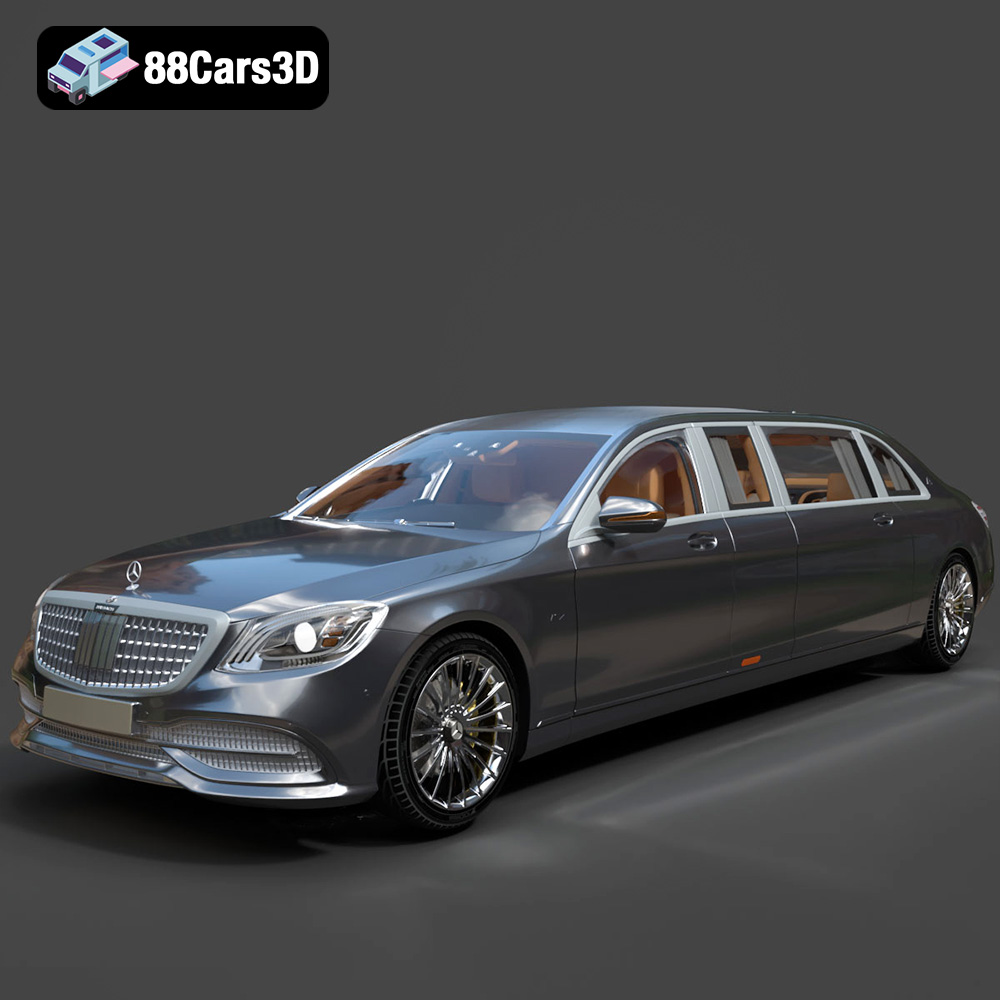
Download the Mercedes-Benz S650 Pullman 3D Model featuring clean geometry, realistic detailing, and a fully modeled interior. Includes .blend, .fbx, .obj, .glb, .stl, .ply, .unreal, and .max formats for rendering, simulation, and game development.
Price: $95.99
Texture: Yes
Material: Yes
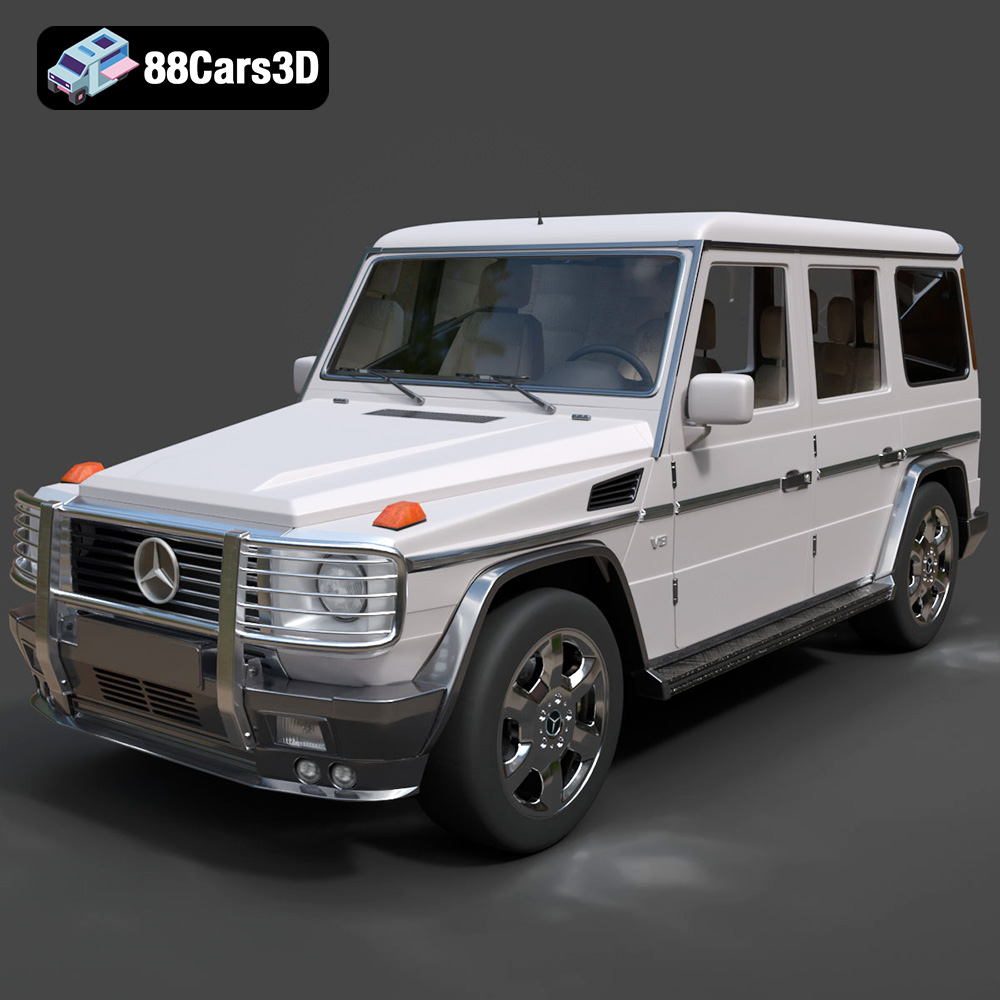
Download the Mercedes G-Class SUV 2024 3D Model featuring clean geometry, realistic detailing, and a fully modeled interior. Includes .blend, .fbx, .obj, .glb, .stl, .ply, .unreal, and .max formats for rendering, simulation, and game development.
Price: $10

Texture: Yes
Material: Yes
Download the Volvo XC90 R-Design 2015 3D Model featuring clean geometry, realistic detailing, and a fully modeled interior. Includes .blend, .fbx, .obj, .glb, .stl, .ply, .unreal, and .max formats for rendering, simulation, and game development.
Price: $10

