⚡ FLASH SALE: Get 60% OFF All Premium 3D & STL Models! ⚡

“`html
3D printing has revolutionized the world of model making, offering enthusiasts and professionals alike the ability to create intricate and detailed objects from digital designs. The automotive world, with its iconic designs and passionate following, is a prime beneficiary of this technology. Whether you’re a seasoned 3D printing expert or just starting, understanding the nuances of preparing and printing car models from STL files is crucial. This comprehensive guide will walk you through every step of the process, from understanding STL file structure to optimizing your 3D printer settings, ensuring you achieve stunning results. We’ll delve into slicing techniques, support structure strategies, material selection, and post-processing methods. By the end of this guide, you’ll have the knowledge and skills to bring your favorite car models to life with impressive detail and accuracy.
The STL (Stereolithography) file format is the backbone of 3D printing. It represents the surface geometry of a 3D object using a collection of triangles. A well-structured STL file is essential for a successful print, and understanding its intricacies can significantly improve your results. The file essentially contains a list of triangles, each defined by three vertices and a normal vector. The normal vector indicates the direction the triangle is facing, which is crucial for determining the inside and outside of the object.
STL files come in two flavors: ASCII and binary. ASCII files are human-readable but larger in size, while binary files are more compact and faster to process. Regardless of the format, each triangle in an STL file is defined by the coordinates of its three vertices (x, y, z) and the components of its normal vector (i, j, k). The accuracy of the 3D printed model directly depends on the number of triangles used to represent the object; more triangles result in a smoother, more detailed surface, but also a larger file size.
A critical concept in STL files is manifold geometry. A manifold mesh is one where every edge of every triangle is shared by exactly two triangles. In simpler terms, the model should be fully enclosed and watertight. Non-manifold geometry, such as holes, self-intersections, or disconnected components, can cause serious problems during slicing and printing. Before printing any model, it’s crucial to inspect the STL file for these errors and repair them using software like Meshmixer or Netfabb. 3D modeling platforms like Blender can be useful in editing the mesh before exporting into the STL format.
Platforms like 88cars3d.com ensure that all models are thoroughly checked and repaired before being offered for sale, guaranteeing a smooth printing experience.
Slicing is the process of converting the 3D model in STL format into a set of instructions (G-code) that the 3D printer can understand. The slicer software divides the model into thin horizontal layers and calculates the toolpaths for the print head. The choice of slicing parameters significantly impacts the print quality, strength, and print time of your car model. Understanding these parameters and how they interact is crucial for achieving optimal results.
Layer height is one of the most important slicing parameters. It determines the thickness of each layer and directly affects the resolution and smoothness of the printed object. Lower layer heights (e.g., 0.1mm) result in finer details and smoother surfaces but increase print time. Higher layer heights (e.g., 0.3mm) print faster but sacrifice detail and can lead to visible layer lines. For car models, especially those with intricate curves and details, a layer height of 0.1mm to 0.2mm is generally recommended. This provides a good balance between print quality and speed.
Infill refers to the internal structure of the 3D printed object. It determines the strength and weight of the model. Infill density is the percentage of the interior filled with material, ranging from 0% (hollow) to 100% (solid). For car models, an infill density of 15% to 25% is usually sufficient for structural integrity without adding excessive weight. The infill pattern also affects the strength and print time. Common infill patterns include rectilinear, grid, honeycomb, and gyroid. Gyroid infill offers excellent strength-to-weight ratio and is often preferred for functional parts. For purely aesthetic models, a lighter infill pattern like “fast honeycomb” may be sufficient to save time and material.
Support structures are temporary scaffolding used to support overhanging features during 3D printing. They are essential for printing complex geometries, such as the curved body panels and intricate details of car models. However, generating and removing supports can be a challenging aspect of 3D printing. Incorrect support settings can lead to print failures, while poorly removed supports can damage the surface of the model.
Most slicer software offers automatic support generation, which analyzes the model and generates supports based on predefined criteria. While convenient, automatic supports are not always optimal. They may generate unnecessary supports in some areas or fail to provide adequate support in others. Manual support generation allows you to fine-tune the support placement, ensuring that critical overhangs are properly supported while minimizing material usage and removal effort. Software like Meshmixer allows for detailed manual support placement. Consider using tree supports, which use less material than linear supports and are often easier to remove.
The process of removing supports can be tricky. The goal is to remove the supports cleanly without damaging the surface of the model. Several techniques can be used, depending on the material and the type of support structure. For PLA, supports can often be snapped off by hand or with pliers. For more brittle materials like ABS or resin, it’s best to use sharp tools like hobby knives or flush cutters to carefully cut away the supports. Using a heat gun can soften the support material and make it easier to remove. Water-soluble support materials, such as PVA (for FDM) or specific resins, are excellent options as they dissolve in water, leaving a clean surface behind.
Print orientation refers to the way the model is positioned on the print bed. It significantly impacts the print quality, strength, and support requirements. Bed adhesion refers to how well the first layer of the print adheres to the print bed. Poor bed adhesion can lead to warping or detachment, resulting in a failed print.
The best print orientation depends on the geometry of the car model and the desired outcome. Generally, it’s best to orient the model to minimize the need for supports and to orient critical surfaces parallel to the print bed. For example, printing the car body with the roof facing down can minimize the supports needed for the roof and create a smoother surface finish. However, this may require more supports for the rest of the body. Experimenting with different orientations and analyzing the support requirements in the slicer software is essential. For resin printing, orient the model at an angle (e.g., 45 degrees) to reduce the cross-sectional area and minimize the peeling forces during printing.
For FDM printing, good bed adhesion is crucial. Several factors contribute to bed adhesion, including bed temperature, nozzle distance, and bed surface. A heated bed is essential for most materials, such as PLA and ABS. The optimal bed temperature depends on the material; PLA typically prints well at 60°C, while ABS requires a higher temperature of 100-110°C. The nozzle should be close enough to the bed to slightly squish the first layer, creating a good bond. Using adhesion aids such as glue stick, hairspray, or blue painter’s tape can further improve bed adhesion. For resin printing, ensure the build plate is properly leveled and that the first layer exposure time is sufficient to cure the resin and bond it to the build plate. Increasing the number of bottom layers and the exposure time for those layers can significantly improve adhesion.
When downloading models from marketplaces such as 88cars3d.com, consider the intended printing orientation and adjust as needed for your specific printer setup.
The choice of material is a critical factor in 3D printing car models. Each material has unique properties that affect the print quality, strength, durability, and aesthetic appearance of the final product. The most common materials for 3D printing car models are PLA, PETG, ABS, and various types of resins.
PLA is a biodegradable thermoplastic derived from renewable resources. It’s easy to print, requires low printing temperatures, and produces minimal warping. PLA is a good choice for aesthetic models that don’t require high strength or heat resistance. It’s available in a wide range of colors and finishes, making it ideal for creating visually appealing car models. However, PLA is brittle and prone to cracking under stress, and it’s not suitable for outdoor use as it can degrade in sunlight and moisture.
PETG is a glycol-modified version of PET, the plastic used in water bottles. It offers a good balance of strength, flexibility, and ease of printing. PETG is more durable and heat-resistant than PLA, making it a better choice for functional car models or parts that may be exposed to higher temperatures. It also has good chemical resistance. PETG is slightly more challenging to print than PLA, requiring higher printing temperatures and careful bed adhesion.
ABS is a strong, durable, and heat-resistant thermoplastic commonly used in automotive parts and consumer electronics. It’s a good choice for car models that require high strength and impact resistance. However, ABS is more challenging to print than PLA or PETG, as it requires high printing temperatures, a heated bed, and good ventilation to avoid warping and delamination. ABS also emits fumes during printing, which can be harmful to inhale.
Resin 3D printing, using technologies like SLA, DLP, or LCD, offers unparalleled detail and surface finish. Resins come in various formulations, each with specific properties. Standard resins are suitable for aesthetic models, while engineering resins offer higher strength, heat resistance, or flexibility. Resin printing requires careful post-processing, including washing and curing the printed parts. It also involves handling chemicals, so proper safety precautions are essential.
Post-processing is the set of techniques used to refine and enhance the appearance and functionality of 3D printed parts after they have been removed from the printer. For car models, post-processing can significantly improve the surface finish, add color and detail, and assemble multiple parts into a complete model.
Sanding is used to smooth out layer lines and imperfections on the surface of the 3D printed part. Start with coarse sandpaper (e.g., 220 grit) to remove larger imperfections, and gradually move to finer grits (e.g., 400, 600, 800 grit) to achieve a smooth finish. Wet sanding can help to reduce dust and improve the smoothness of the surface. For resin prints, sanding is often less necessary due to the smoother surface finish, but it can still be used to remove support marks or other imperfections.
Painting is used to add color, detail, and realism to the car model. Before painting, it’s essential to prime the surface to ensure good adhesion and a uniform finish. Use acrylic or enamel paints designed for models. Apply thin coats of paint to avoid runs and drips. Masking tape can be used to create clean lines and patterns. After painting, apply a clear coat to protect the paint and add a glossy or matte finish.
Many car models consist of multiple parts that need to be assembled. Use super glue or epoxy to bond the parts together. Ensure that the parts are properly aligned before the glue sets. Add finishing touches such as decals, badges, and other details to enhance the realism of the model. Platforms like 88cars3d.com offer models that are designed for easy assembly, with clear instructions and precise fitment.
Mastering the art of 3D printing car models requires a blend of technical knowledge, practical skills, and artistic flair. From understanding STL file structure and slicing parameters to optimizing print orientation and mastering post-processing techniques, each step plays a crucial role in achieving stunning results. By following the guidelines and tips outlined in this comprehensive guide, you’ll be well-equipped to tackle even the most challenging car model projects. Remember to experiment with different settings and materials to find what works best for your printer and your desired outcome. With practice and patience, you can create impressive and detailed car models that showcase your passion for both 3D printing and automotive design. So, fire up your 3D printer, grab your favorite STL file, and embark on your next exciting 3D printing adventure! Happy printing!
“`

Texture: Yes
Material: Yes
Download the Mercedes S-Class 2024 3D Model featuring clean geometry, realistic detailing, and a fully modeled interior. Includes .blend, .fbx, .obj, .glb, .stl, .ply, .unreal, and .max formats for rendering, simulation, and game development.
Price: $10
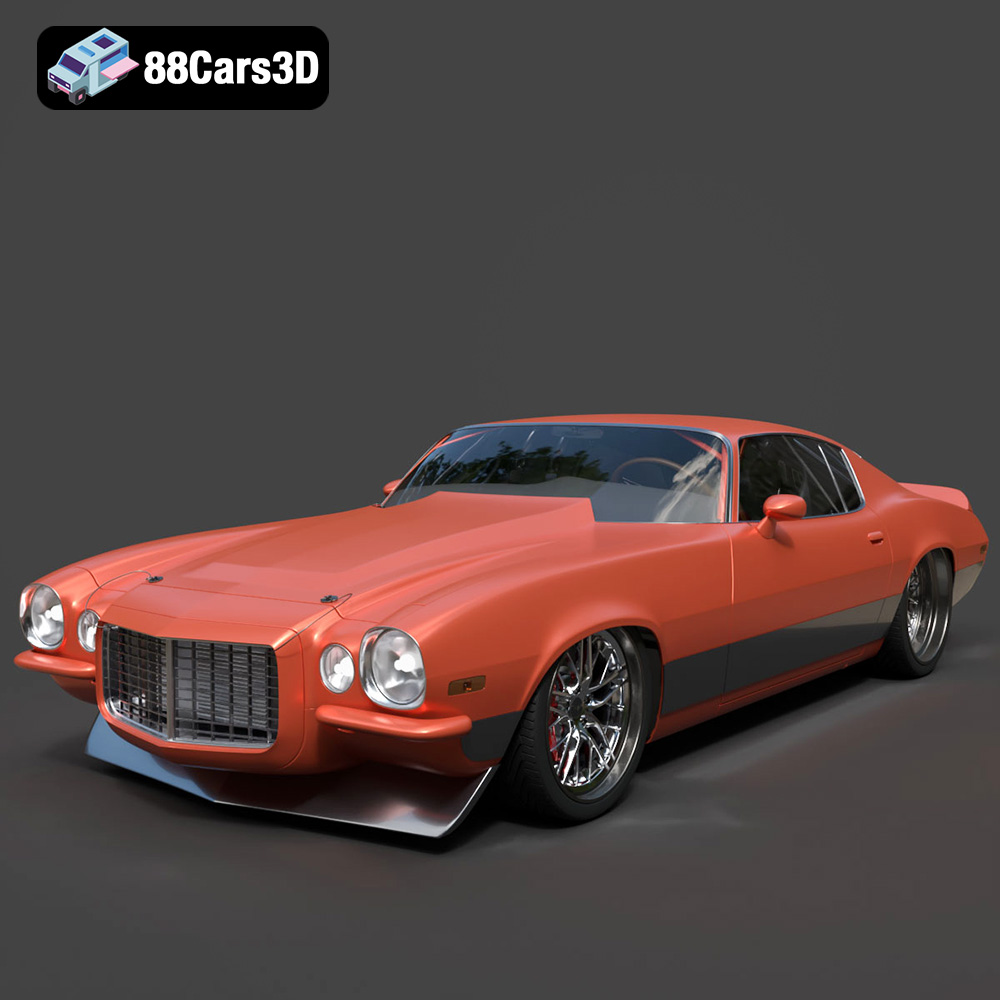
Texture: Yes
Material: Yes
Download the Chevrolet Camaro 1970 3D Model featuring clean geometry, realistic detailing, and a fully modeled interior. Includes .blend, .fbx, .obj, .glb, .stl, .ply, .unreal, and .max formats for rendering, simulation, and game development.
Price: $10

Texture: Yes
Material: Yes
Download the Mercedes-AMG GT 2015 3D Model featuring clean geometry, realistic detailing, and a fully modeled interior. Includes .blend, .fbx, .obj, .glb, .stl, .ply, .unreal, and .max formats for rendering, simulation, and game development.
Price: $88.99
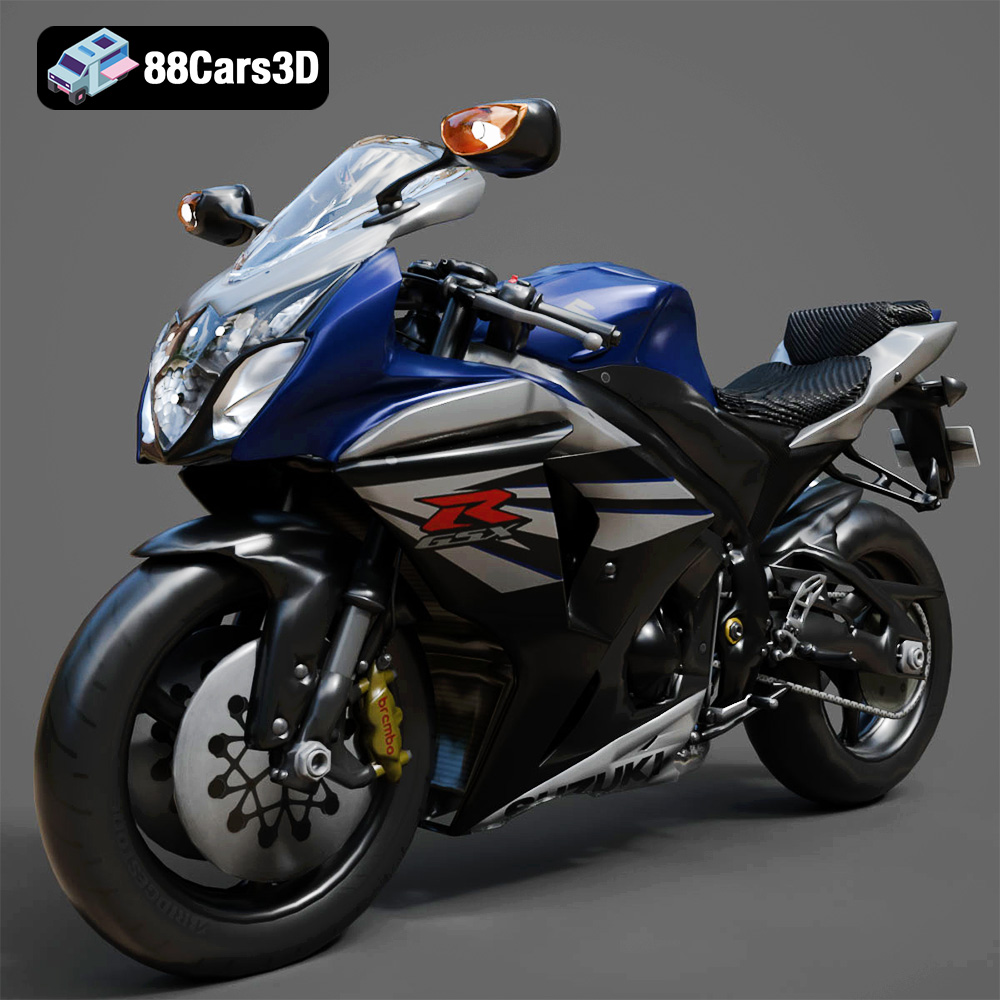
Texture: Yes
Material: Yes
Download the Suzuki GSX-R 1000 3D Model featuring clean geometry, realistic detailing, and a fully modeled interior. Includes .blend, .fbx, .obj, .glb, .stl, .ply, .unreal, and .max formats for rendering, simulation, and game development.
Price: $10
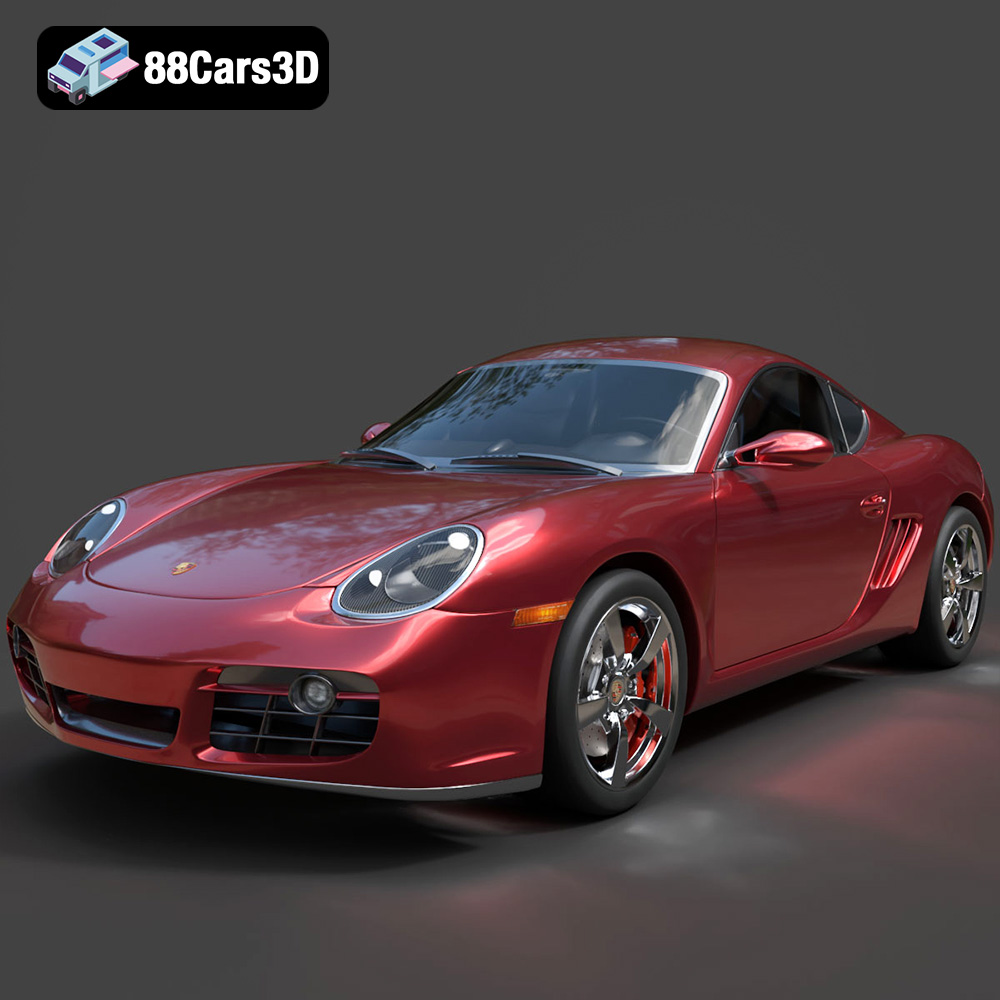
Texture: Yes
Material: Yes
Download the Porsche Cayman S 2024 3D Model featuring clean geometry, realistic detailing, and a fully modeled interior. Includes .blend, .fbx, .obj, .glb, .stl, .ply, .unreal, and .max formats for rendering, simulation, and game development.
Price: $10

Texture: Yes
Material: Yes
Download the Holden Commodore Sportwagon 2017 3D Model featuring clean geometry, realistic detailing, and a fully modeled interior. Includes .blend, .fbx, .obj, .glb, .stl, .ply, .unreal, and .max formats for rendering, simulation, and game development.
Price: $10
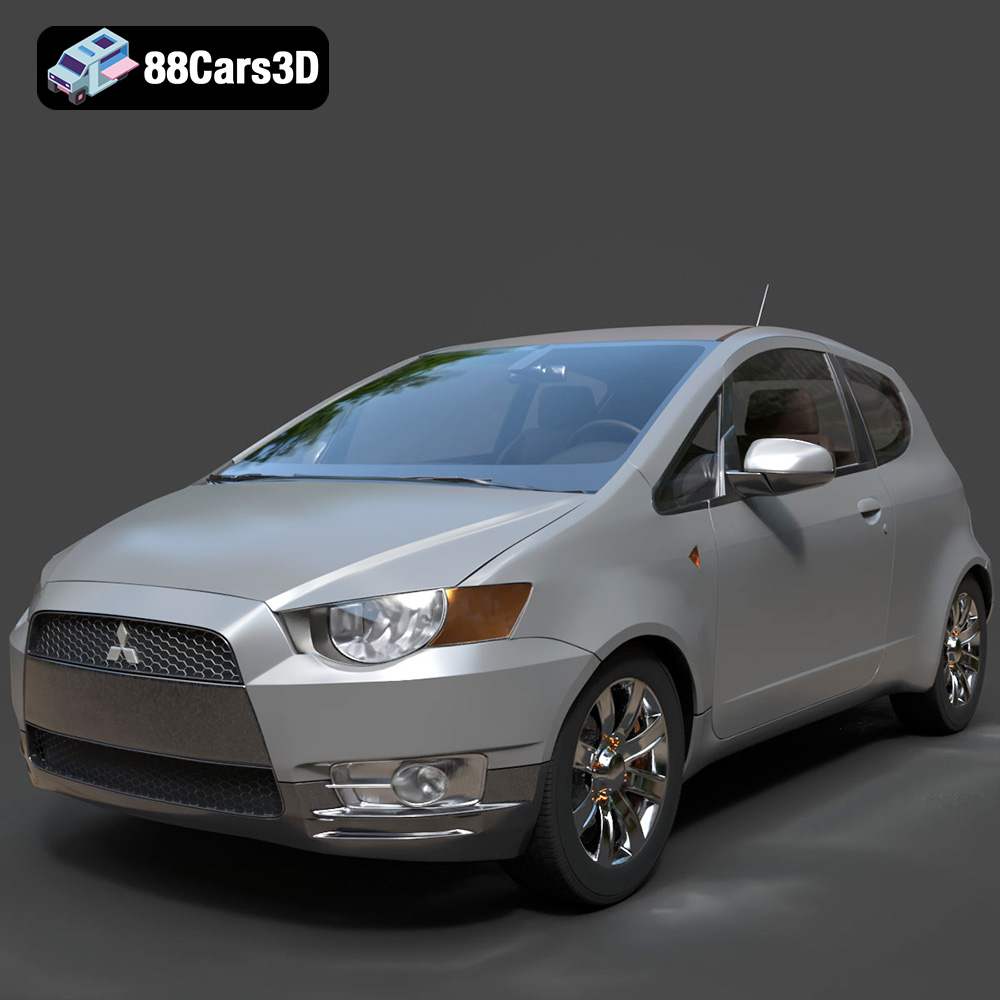
Texture: Yes
Material: Yes
Download the Mitsubishi Colt 3 Door 2008 3D Model featuring clean geometry, realistic detailing, and a fully modeled interior. Includes .blend, .fbx, .obj, .glb, .stl, .ply, .unreal, and .max formats for rendering, simulation, and game development.
Price: $10
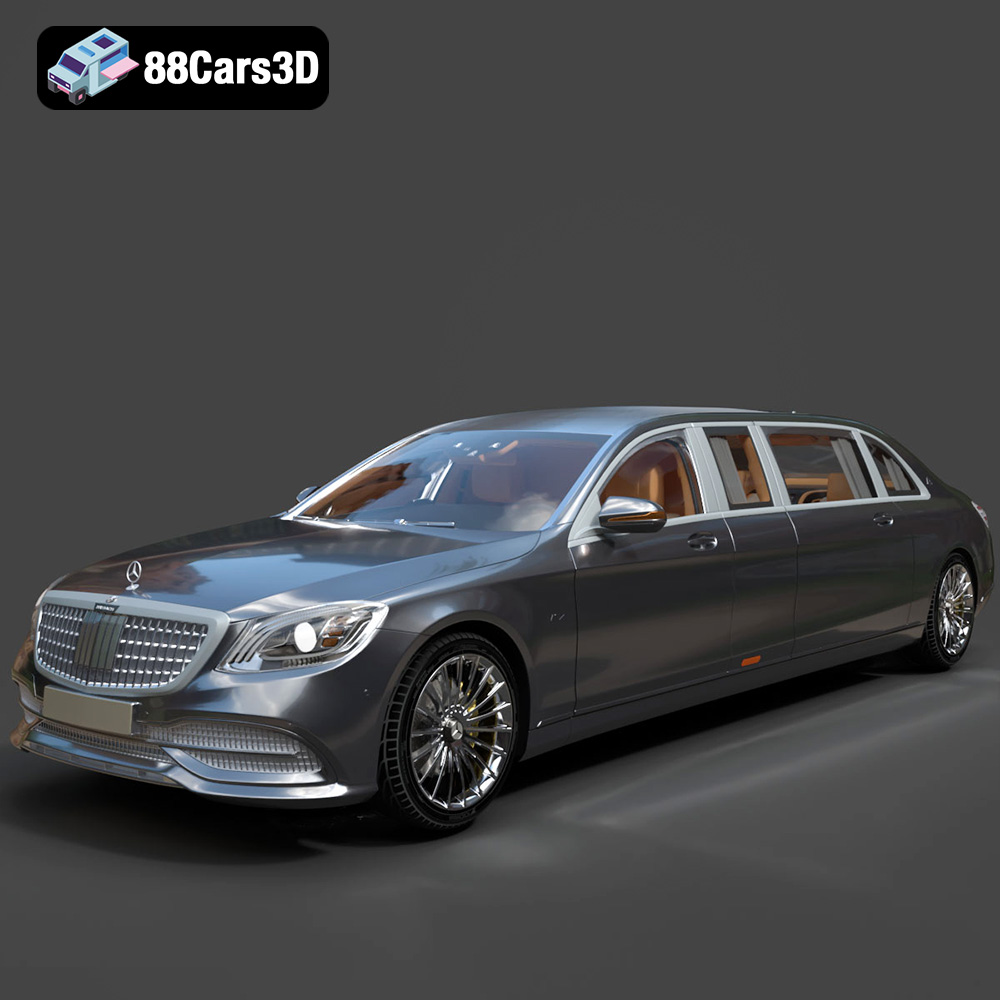
Texture: Yes
Material: Yes
Download the Mercedes-Benz S650 Pullman 3D Model featuring clean geometry, realistic detailing, and a fully modeled interior. Includes .blend, .fbx, .obj, .glb, .stl, .ply, .unreal, and .max formats for rendering, simulation, and game development.
Price: $95.99
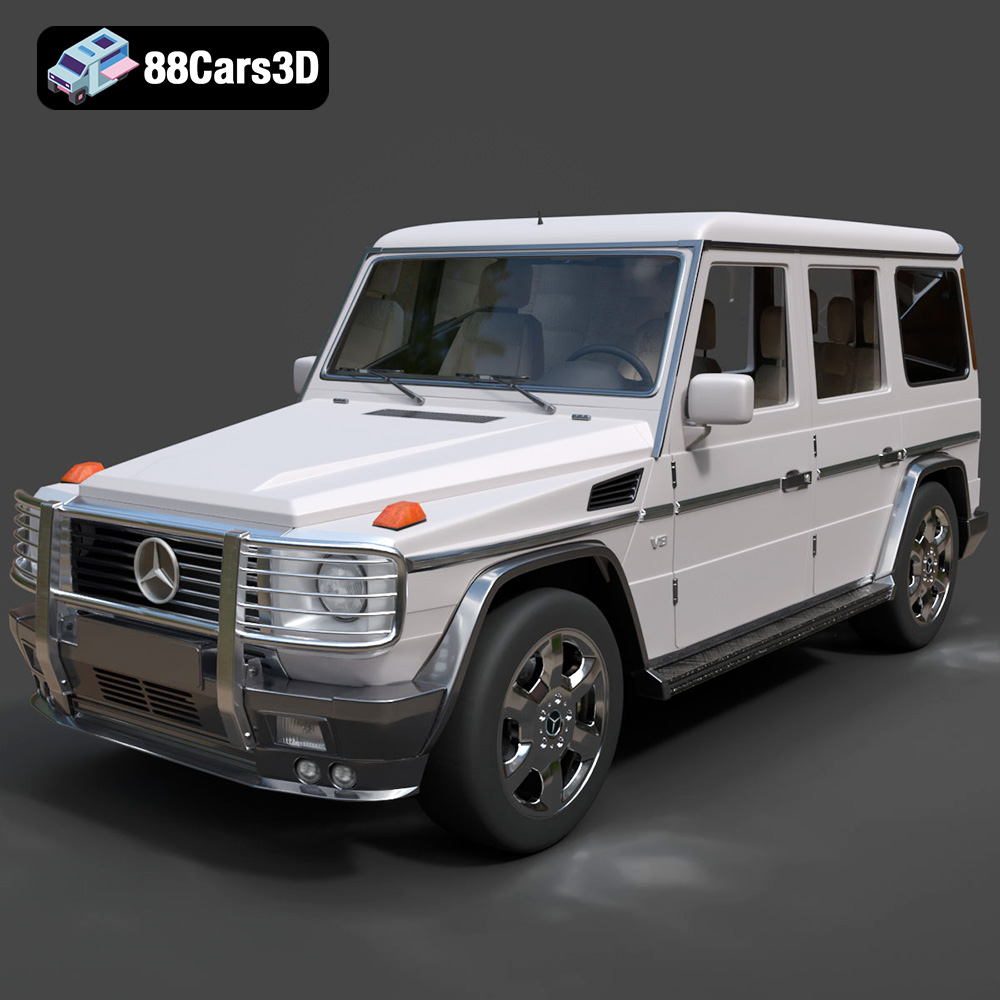
Texture: Yes
Material: Yes
Download the Mercedes G-Class SUV 2024 3D Model featuring clean geometry, realistic detailing, and a fully modeled interior. Includes .blend, .fbx, .obj, .glb, .stl, .ply, .unreal, and .max formats for rendering, simulation, and game development.
Price: $10

Texture: Yes
Material: Yes
Download the Volvo XC90 R-Design 2015 3D Model featuring clean geometry, realistic detailing, and a fully modeled interior. Includes .blend, .fbx, .obj, .glb, .stl, .ply, .unreal, and .max formats for rendering, simulation, and game development.
Price: $10

