⚡ FLASH SALE: Get 60% OFF All Premium 3D & STL Models! ⚡

“`html
The world of 3D printing has opened up incredible opportunities for automotive enthusiasts, hobbyists, and model makers. From creating detailed replicas to prototyping custom parts, the possibilities are virtually limitless. But to achieve stunning results, a deep understanding of the 3D printing process, particularly concerning STL files and slicing techniques, is crucial. This comprehensive guide will walk you through everything you need to know, from understanding STL file structure to optimizing your 3D printer settings for flawless car model prints. Whether you’re a seasoned pro or just starting your 3D printing journey, this guide will equip you with the knowledge and skills to bring your automotive visions to life. You’ll learn how to prepare your files, choose the right materials, and troubleshoot common printing issues, ensuring a smooth and successful printing experience.
In this guide, we will cover:
The STL (Stereolithography) file format is the workhorse of 3D printing. It represents the surface geometry of a 3D object as a collection of triangles. While seemingly simple, a deep understanding of STL file structure is essential for achieving high-quality prints, especially when dealing with complex geometries like those found in printable car models. A poorly constructed STL file can lead to printing artifacts, weak spots, and overall subpar results. Platforms like 88cars3d.com offer print-ready STL files specifically designed for 3D printing, but understanding the underlying principles remains crucial for success.
The mesh topology refers to the arrangement and connectivity of the triangles in the STL file. A higher resolution mesh, meaning more triangles, will represent curved surfaces more accurately, leading to smoother prints. However, a higher resolution also increases file size and processing time. Striking the right balance is key. A good rule of thumb is to ensure that the triangles are small enough to accurately capture the details of the model, but not so small that they become computationally expensive. When downloading models from marketplaces such as 88cars3d.com, ensure that the models have optimized meshes for 3D printing, meaning a balance between detail and manageable file size.
A “manifold” mesh is a closed, watertight surface. This is a fundamental requirement for 3D printing. Non-manifold meshes, containing holes, self-intersections, or disconnected components, will confuse the slicer software and result in printing errors. Fortunately, several software tools can automatically repair non-manifold meshes. Popular options include MeshLab, Netfabb Basic (available online), and the mesh repair tools integrated into many slicer programs like Cura and PrusaSlicer. These tools analyze the mesh and attempt to automatically close gaps, remove overlapping triangles, and ensure a watertight model. Before slicing any STL file, it’s always a good practice to run it through a mesh repair tool to catch and fix any potential issues.
Slicing is the process of converting a 3D model into a series of 2D layers that the 3D printer can understand and execute. The slicing software, such as Cura, PrusaSlicer, or Simplify3D, takes the STL file as input and generates G-code, the language spoken by 3D printers. The slicing parameters you choose have a direct impact on print quality, strength, and printing time. Mastering these parameters is essential for achieving optimal results with your 3D printed car models.
Layer height is the thickness of each individual layer of the print. Smaller layer heights result in smoother surfaces and finer details, but they also increase printing time. A typical layer height range for FDM printing is 0.1mm to 0.3mm. For highly detailed car models, you might consider using a layer height of 0.1mm or even smaller. However, for larger, less detailed parts, a layer height of 0.2mm or 0.3mm might be sufficient. Resin printers generally offer much smaller layer heights, often down to 0.025mm, allowing for incredibly detailed prints. The tradeoff is, of course, increased printing time.
Infill is the internal structure of the 3D print. It provides strength and rigidity while reducing material usage. Infill density is the percentage of the print volume that is filled with infill material. A higher infill density results in a stronger, heavier print, while a lower density results in a weaker, lighter print. A common infill density for car models is 15% to 25%, depending on the size and intended use of the model. The infill pattern also affects the strength and weight of the print. Common infill patterns include rectilinear, grid, honeycomb, and gyroid. Gyroid infill offers a good balance of strength and weight, and is often preferred for functional parts. For aesthetic car models that primarily serve as display pieces, a lower infill density and a pattern like rectilinear might be sufficient.
Support structures are temporary scaffolding that is printed alongside the model to support overhanging features and prevent them from collapsing during printing. These structures are particularly important when printing complex geometries, such as those found in many printable car models. Generating and removing support structures effectively is a crucial skill for any 3D printing enthusiast.
Slicing software offers a variety of support generation options, including automatic and manual placement. Automatic support generation is convenient, but it often results in unnecessary supports that can be difficult to remove and leave behind blemishes on the finished print. Manual support placement allows for more control, enabling you to strategically place supports only where they are needed. This can result in cleaner prints and reduced material usage. When printing car models, pay close attention to areas like spoilers, mirrors, and wheel arches, as these are often prone to requiring supports. Some slicers offer specialized support types like tree supports, which use less material and are easier to remove.
The removal of support structures can be a delicate process. Using the right tools and techniques is essential to avoid damaging the model. Start by carefully breaking away the bulk of the support material with pliers or cutters. Then, use a sharp knife or scraper to remove any remaining remnants. For particularly stubborn supports, you can try using a heat gun or soldering iron to soften the plastic and make it easier to remove. For soluble support materials (used in dual-extrusion FDM printers), simply dissolve the supports in water or a specialized solvent. Always exercise caution when using sharp tools and heat sources, and wear appropriate safety gear.
The choice of material significantly impacts the properties of the finished 3D printed car model. Different materials offer varying levels of strength, flexibility, heat resistance, and aesthetic appeal. Understanding the characteristics of common 3D printing materials is crucial for selecting the right one for your specific application.
For FDM (Fused Deposition Modeling) printing, the most common materials are PLA (Polylactic Acid), PETG (Polyethylene Terephthalate Glycol), and ABS (Acrylonitrile Butadiene Styrene). PLA is a biodegradable thermoplastic known for its ease of use and low printing temperature. It is a good choice for aesthetic models and prototypes. PETG is a more durable and heat-resistant alternative to PLA. It offers good strength and flexibility, making it suitable for functional parts. ABS is a strong, heat-resistant plastic that is commonly used in automotive applications. However, it can be more challenging to print than PLA or PETG, as it is prone to warping and requires a heated bed.
For resin printing (SLA/DLP), a variety of resins are available, each with its own unique properties. Standard resin is a good all-around choice for detailed models. Tough resin offers increased strength and impact resistance, making it suitable for functional parts. Flexible resin offers elasticity and resilience, allowing for the creation of parts that can bend and deform without breaking. When selecting a resin for your car model, consider the intended use and the level of detail required. For highly detailed models, standard resin is often the best choice. For parts that will be subjected to stress or impact, tough resin is recommended.
3D printing can be a rewarding experience, but it is not without its challenges. Common printing failures include warping, poor bed adhesion, stringing, and layer separation. Understanding the causes of these failures and how to address them is essential for achieving consistent and reliable results.
Warping occurs when the corners or edges of the print lift off the build plate. This is often caused by uneven cooling and thermal contraction. To prevent warping, ensure that your build plate is properly leveled and heated. Apply an adhesive, such as hairspray or glue stick, to the build plate to improve adhesion. Enclosing the printer can also help to maintain a more consistent temperature and reduce warping. For materials like ABS, an enclosure is often essential.
Stringing occurs when small strands of filament are left behind as the print head moves between different parts of the model. This is often caused by excessive retraction distance or printing temperature. To reduce stringing, try reducing the retraction distance, lowering the printing temperature, and increasing the travel speed. Layer separation occurs when the layers of the print fail to adhere properly to each other. This can be caused by insufficient printing temperature, poor bed adhesion, or inadequate cooling. To prevent layer separation, ensure that your printing temperature is within the recommended range for the material you are using. Improve bed adhesion by leveling the build plate and applying an adhesive. Reduce cooling fan speed to allow the layers to bond together more effectively.
Once the 3D print is complete, post-processing can be used to enhance the appearance and functionality of the model. Common post-processing techniques include sanding, painting, and assembly.
Sanding is used to smooth out the surface of the print and remove any imperfections. Start with a coarse grit sandpaper (e.g., 220 grit) and gradually work your way up to finer grits (e.g., 400 grit, 600 grit, 800 grit). Wet sanding can help to reduce dust and improve the finish. Painting can be used to add color and protect the surface of the print. Start with a primer to improve adhesion and provide a uniform base coat. Apply several thin coats of paint, allowing each coat to dry completely before applying the next. A clear coat can be used to protect the paint and add a glossy finish.
Many car models consist of multiple parts that need to be assembled after printing. Use adhesive, such as super glue or epoxy, to join the parts together. Pay close attention to alignment and ensure that the parts are securely bonded. Detailing can be used to add realistic features to the model, such as decals, trim, and windows. Use fine-tipped brushes and detail paints to add these features. Consider using aftermarket parts, such as photo-etched details or pre-painted components, to further enhance the realism of the model.
Mastering 3D printing for car models requires a combination of technical knowledge, practical skills, and attention to detail. By understanding the principles of STL file structure, slicing parameters, support generation, material selection, troubleshooting, and post-processing, you can achieve stunning results and bring your automotive visions to life. Remember to experiment with different settings and techniques to find what works best for your specific printer and materials. Explore platforms like 88cars3d.com for high-quality STL files and inspiration. With practice and persistence, you’ll be creating impressive 3D printed car models in no time.
Key takeaways:
Next steps:
“`

Texture: Yes
Material: Yes
Download the Mercedes S-Class 2024 3D Model featuring clean geometry, realistic detailing, and a fully modeled interior. Includes .blend, .fbx, .obj, .glb, .stl, .ply, .unreal, and .max formats for rendering, simulation, and game development.
Price: $10
Texture: Yes
Material: Yes
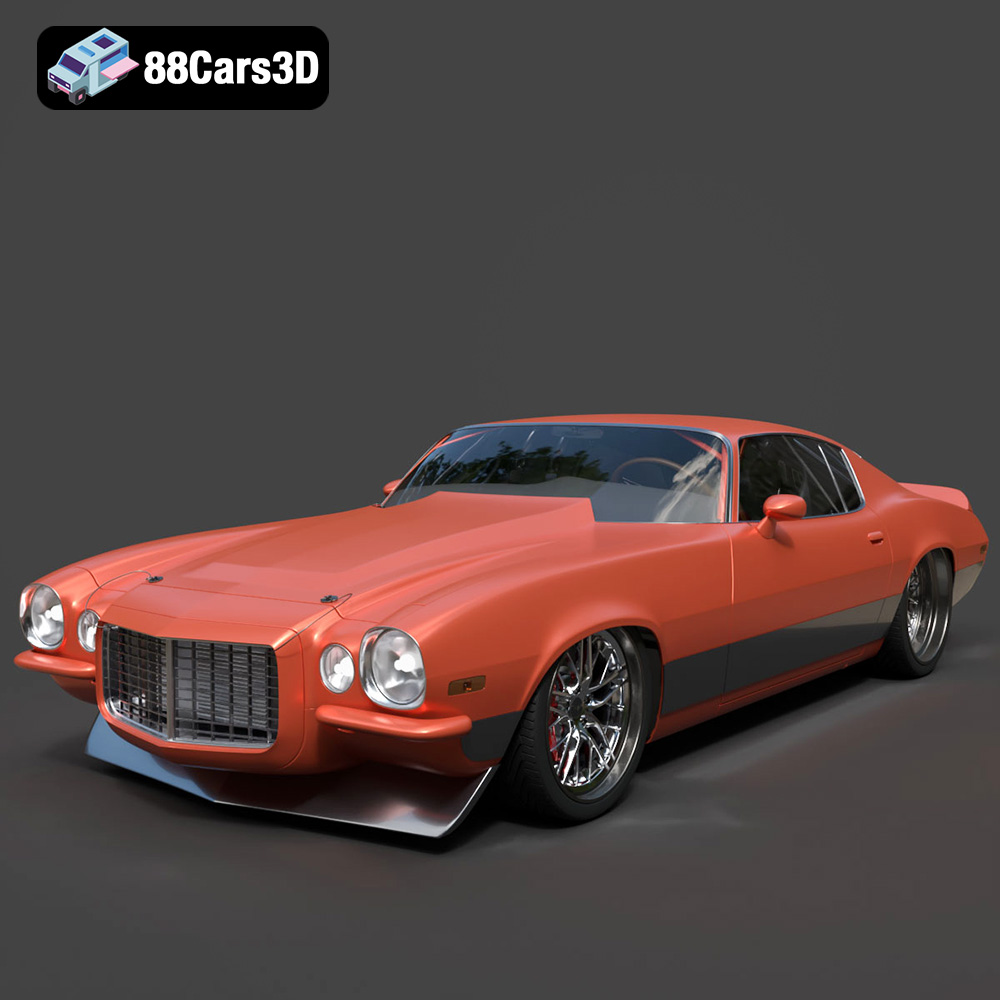
Download the Chevrolet Camaro 1970 3D Model featuring clean geometry, realistic detailing, and a fully modeled interior. Includes .blend, .fbx, .obj, .glb, .stl, .ply, .unreal, and .max formats for rendering, simulation, and game development.
Price: $10

Texture: Yes
Material: Yes
Download the Mercedes-AMG GT 2015 3D Model featuring clean geometry, realistic detailing, and a fully modeled interior. Includes .blend, .fbx, .obj, .glb, .stl, .ply, .unreal, and .max formats for rendering, simulation, and game development.
Price: $88.99
Texture: Yes
Material: Yes
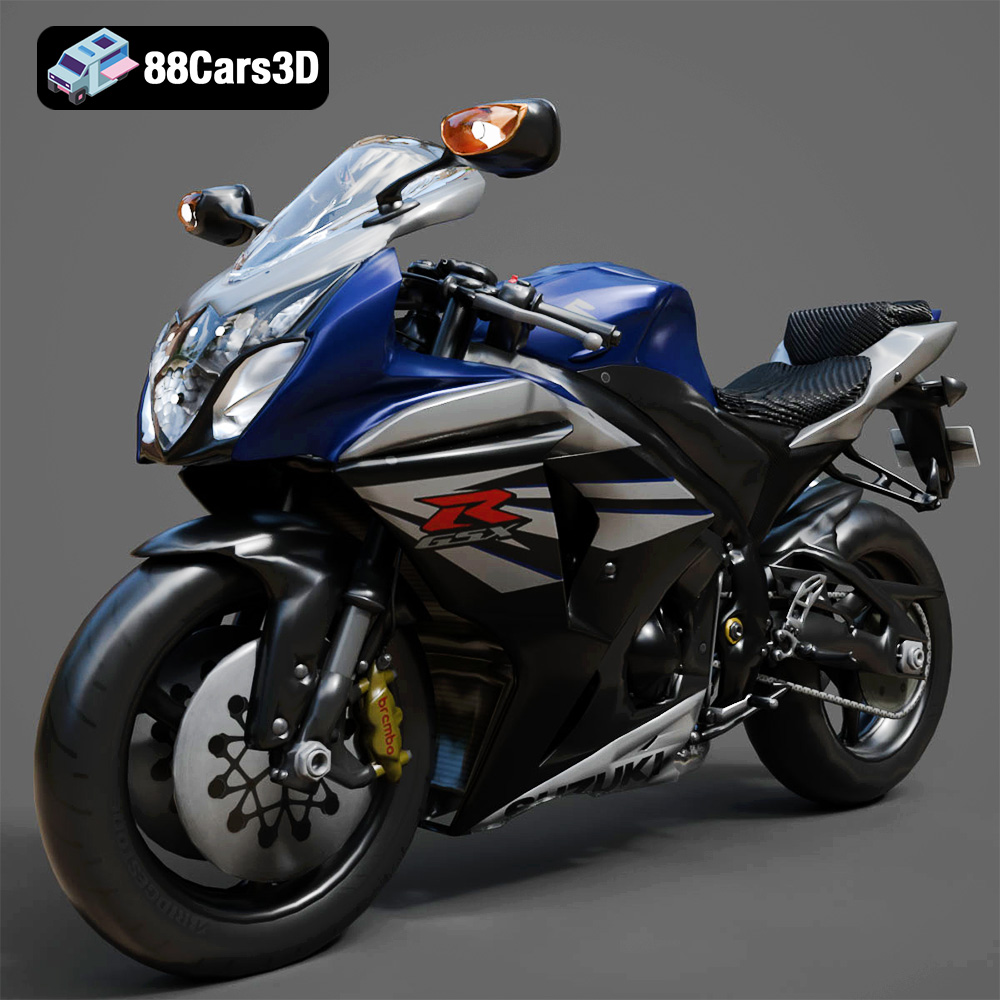
Download the Suzuki GSX-R 1000 3D Model featuring clean geometry, realistic detailing, and a fully modeled interior. Includes .blend, .fbx, .obj, .glb, .stl, .ply, .unreal, and .max formats for rendering, simulation, and game development.
Price: $10
Texture: Yes
Material: Yes
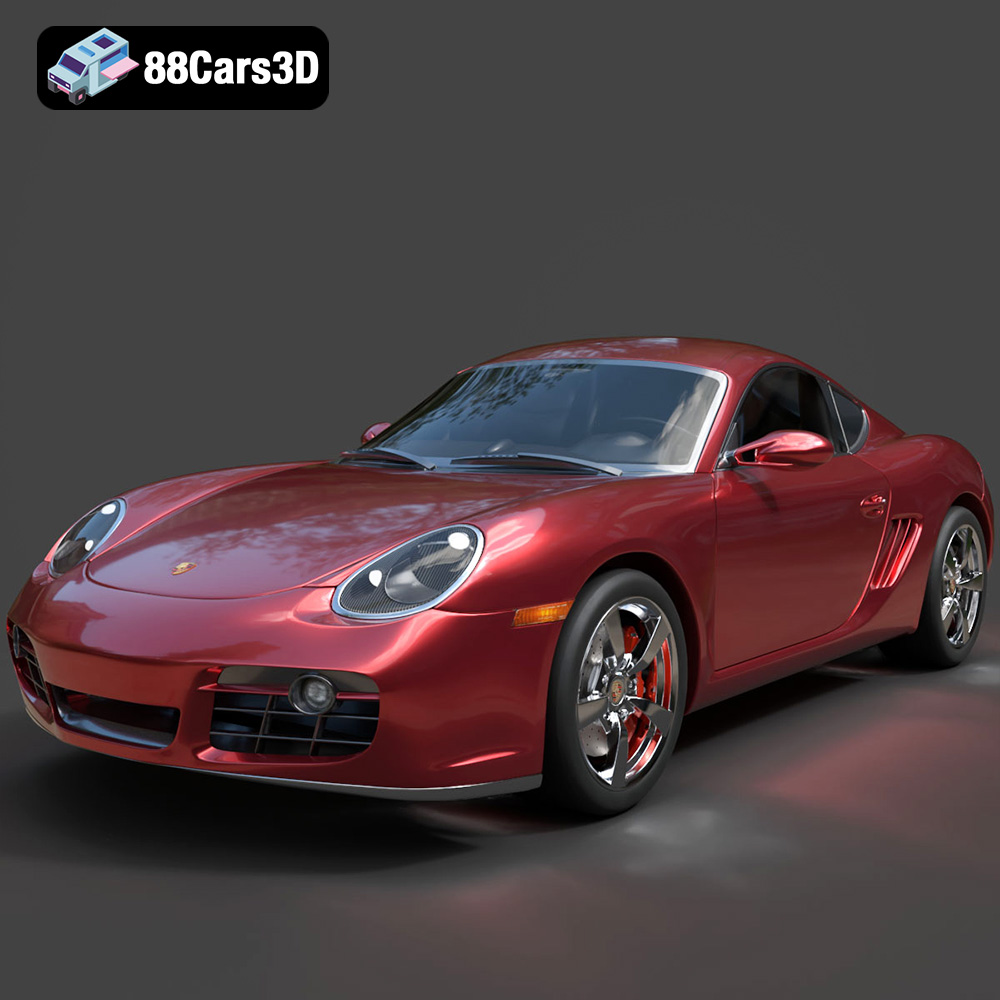
Download the Porsche Cayman S 2024 3D Model featuring clean geometry, realistic detailing, and a fully modeled interior. Includes .blend, .fbx, .obj, .glb, .stl, .ply, .unreal, and .max formats for rendering, simulation, and game development.
Price: $10

Texture: Yes
Material: Yes
Download the Holden Commodore Sportwagon 2017 3D Model featuring clean geometry, realistic detailing, and a fully modeled interior. Includes .blend, .fbx, .obj, .glb, .stl, .ply, .unreal, and .max formats for rendering, simulation, and game development.
Price: $10
Texture: Yes
Material: Yes
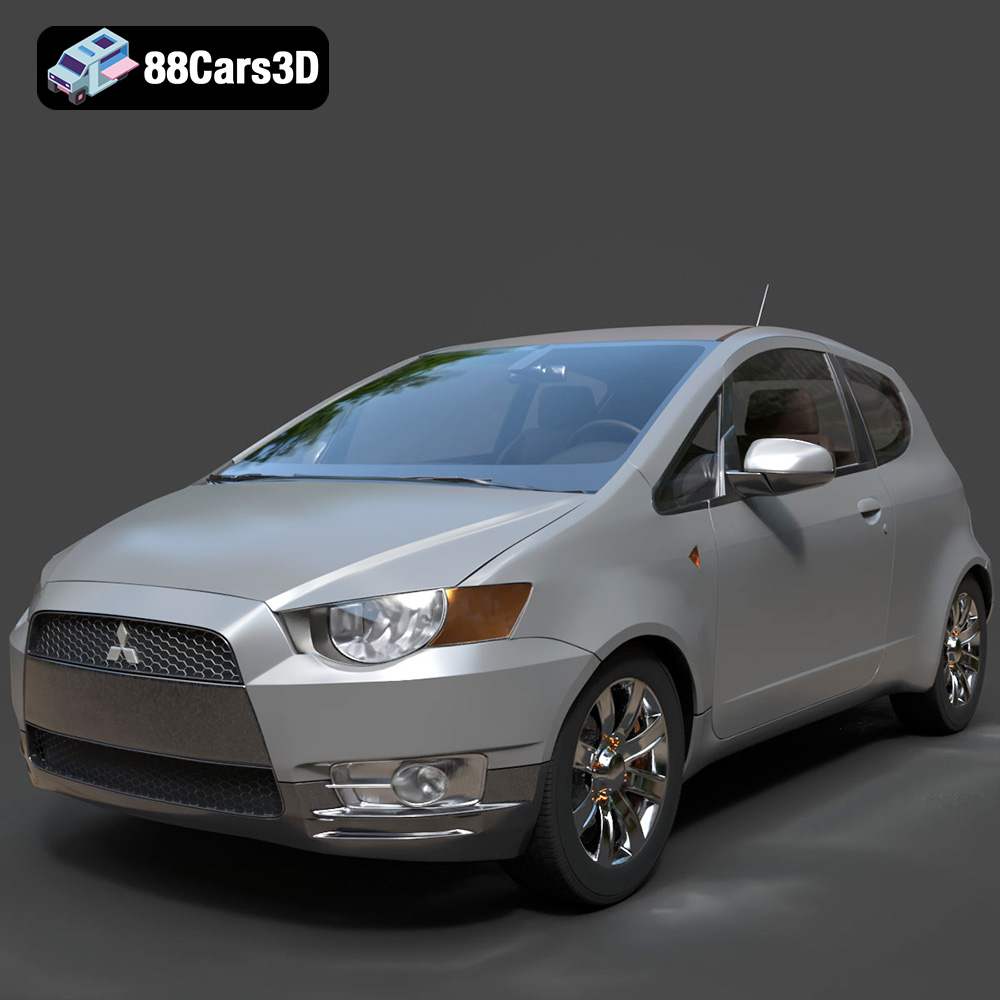
Download the Mitsubishi Colt 3 Door 2008 3D Model featuring clean geometry, realistic detailing, and a fully modeled interior. Includes .blend, .fbx, .obj, .glb, .stl, .ply, .unreal, and .max formats for rendering, simulation, and game development.
Price: $10
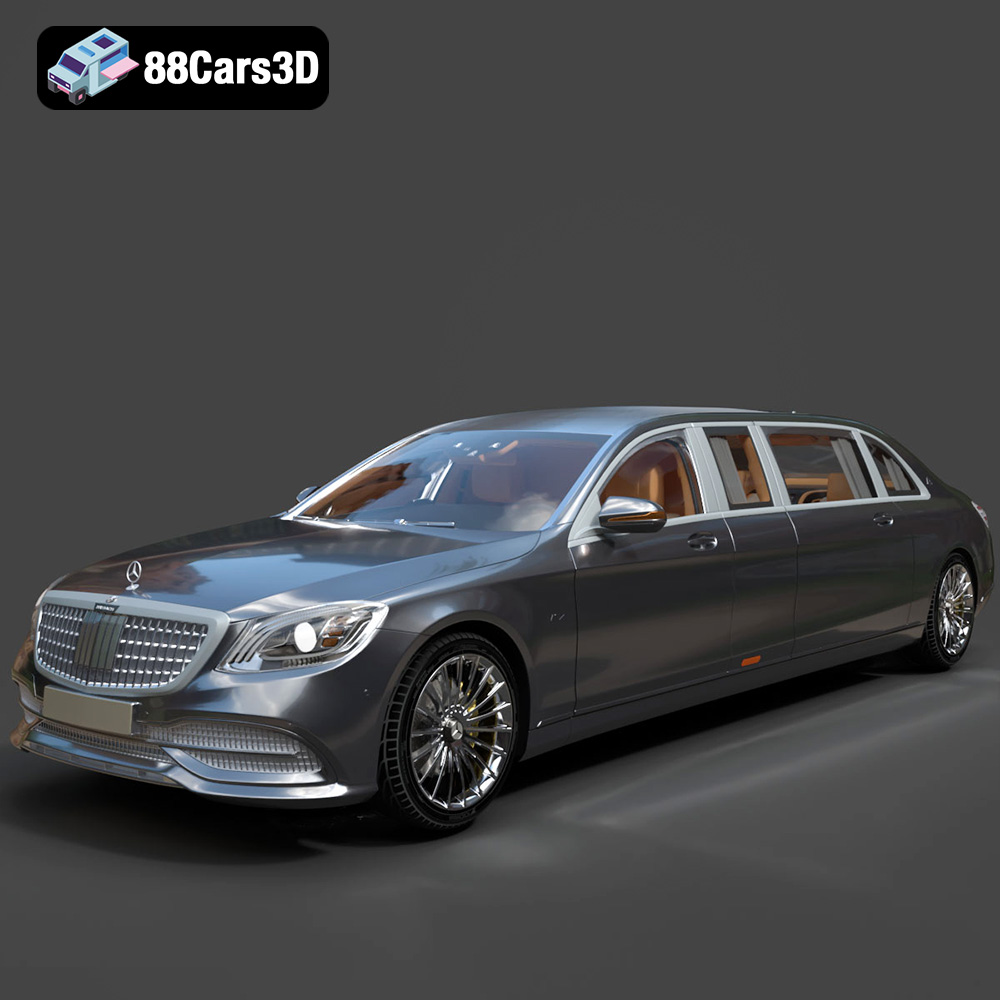
Texture: Yes
Material: Yes
Download the Mercedes-Benz S650 Pullman 3D Model featuring clean geometry, realistic detailing, and a fully modeled interior. Includes .blend, .fbx, .obj, .glb, .stl, .ply, .unreal, and .max formats for rendering, simulation, and game development.
Price: $95.99
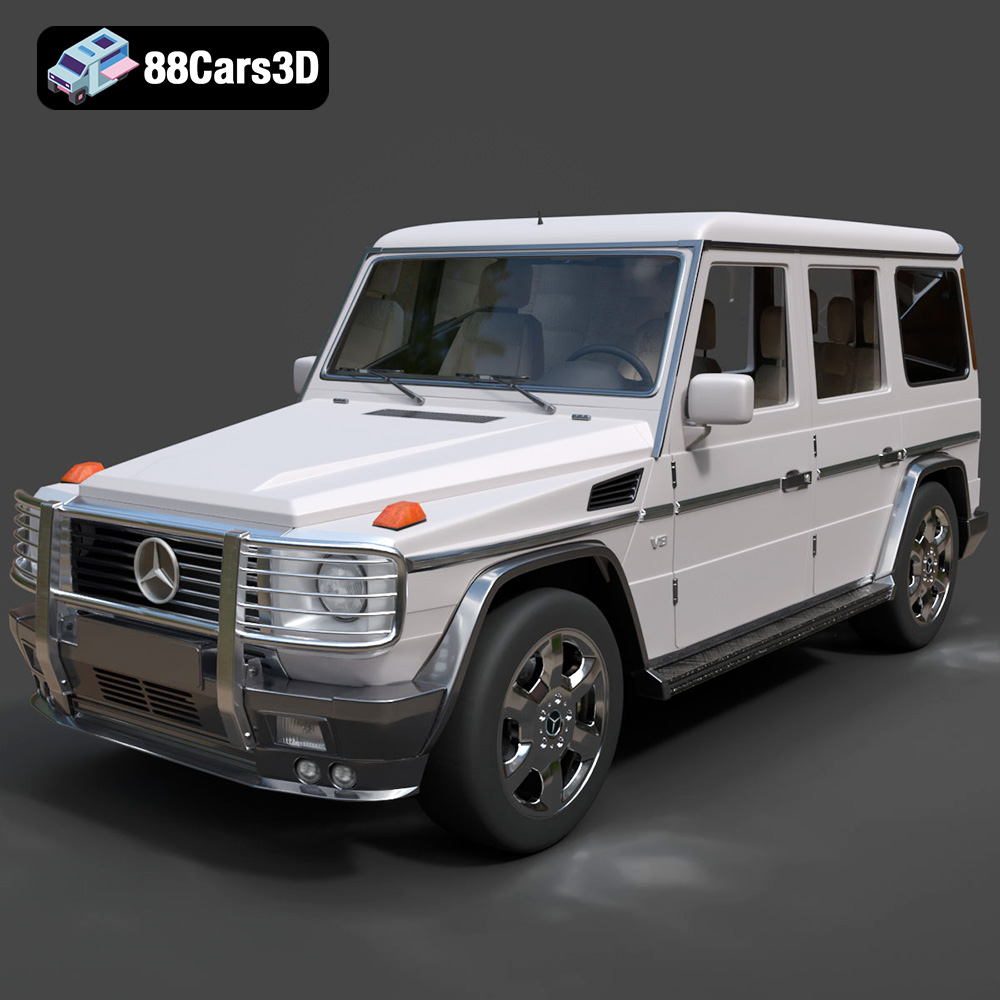
Texture: Yes
Material: Yes
Download the Mercedes G-Class SUV 2024 3D Model featuring clean geometry, realistic detailing, and a fully modeled interior. Includes .blend, .fbx, .obj, .glb, .stl, .ply, .unreal, and .max formats for rendering, simulation, and game development.
Price: $10

Texture: Yes
Material: Yes
Download the Volvo XC90 R-Design 2015 3D Model featuring clean geometry, realistic detailing, and a fully modeled interior. Includes .blend, .fbx, .obj, .glb, .stl, .ply, .unreal, and .max formats for rendering, simulation, and game development.
Price: $10

