⚡ FLASH SALE: Get 60% OFF All Premium 3D & STL Models! ⚡

“`html
3D printing has revolutionized the world of model making, particularly for automotive enthusiasts. The ability to bring your dream car to life, scaled down and meticulously detailed, is now within reach thanks to advancements in 3D printer technology and readily available STL files. However, achieving professional-looking results requires a deep understanding of the entire 3D printing workflow, from preparing your STL file to perfecting your post-processing techniques. This comprehensive guide will walk you through each stage, providing the technical knowledge and practical tips you need to create stunning 3D printed car models.
Whether you’re a seasoned 3D printing expert or just starting out, this article will cover everything from understanding STL file structures and optimizing slicing parameters to choosing the right materials and mastering post-processing techniques. We’ll delve into FDM and resin printing specifics, explore various support structures, and provide troubleshooting tips to overcome common printing challenges. By the end of this guide, you’ll have the skills and knowledge necessary to transform digital designs into tangible works of art, ready to display with pride.
The STL (Stereolithography) file format is the cornerstone of 3D printing. It represents the surface geometry of a 3D object using a collection of triangles. A deep understanding of its structure is crucial for optimizing print quality. When downloading models from marketplaces such as 88cars3d.com, you’ll want to ensure the STL files are well-prepared for printing.
STL files describe surfaces as a mesh of interconnected triangles. The density of this mesh directly impacts the smoothness and detail of your printed model. A higher triangle count results in a smoother surface but also increases file size and processing time. Conversely, a low triangle count can lead to visible facets and a less refined appearance. Many CAD programs allow you to adjust the mesh density when exporting to STL format. Aim for a balance between detail and file size – a good starting point is to experiment with different settings and visually inspect the resulting STL file in a mesh viewer.
A manifold mesh is essential for successful 3D printing. A non-manifold mesh has inconsistencies, such as holes, overlapping faces, or edges shared by more than two triangles. These errors can confuse slicing software and lead to print failures. Software like Netfabb, Meshmixer, and Blender offer powerful tools for repairing non-manifold meshes. These programs can automatically identify and fix common errors, ensuring your STL file is watertight and ready for printing. Before slicing, always inspect your STL file for any potential issues and use mesh repair tools to correct them.
Pay close attention to the units used in the STL file. Some files may be designed in millimeters, while others use inches. Mismatched units can result in your printed model being significantly larger or smaller than intended. Most slicing software allows you to scale the model before printing, but it’s always best to verify the units and scale the model appropriately in your CAD software before exporting to STL format. For instance, if you intend to print a model car at 1:24 scale and the original model is in meters, you’ll need to scale it down accordingly before generating the STL file.
Slicing is the process of converting your 3D model into a series of thin layers that the 3D printer can understand. The slicing software generates G-code, a set of instructions that control the printer’s movements, temperature, and material extrusion. Choosing the right slicing parameters is critical for achieving optimal print quality, especially for complex car models.
Layer height directly affects the resolution and print time. Lower layer heights (e.g., 0.05mm – 0.1mm) produce smoother surfaces and finer details, but they also increase print time significantly. Higher layer heights (e.g., 0.2mm – 0.3mm) are faster but result in more visible layer lines. For car models, a layer height of 0.1mm to 0.15mm is a good starting point, balancing detail and speed. You can further optimize this by using adaptive layer height settings in your slicing software, which automatically adjusts the layer height based on the curvature of the model.
Infill refers to the internal structure of your 3D print. It provides strength and support while reducing material usage. Infill density, expressed as a percentage, determines how much of the model’s interior is filled. For car models, a density of 15-25% is generally sufficient for structural integrity. The infill pattern also plays a role. Common patterns include rectilinear, grid, and gyroid. Gyroid infill is particularly strong and lightweight, making it a good choice for complex geometries. Experiment with different patterns and densities to find the best balance for your specific model.
Print speed and temperature are crucial for material adhesion and preventing warping or stringing. Different materials require different settings. PLA typically prints well at around 200-220°C with a bed temperature of 60°C, while ABS requires higher temperatures (230-250°C nozzle, 80-110°C bed) and an enclosure to prevent warping. Print speed also affects quality. Slower speeds (e.g., 40-60mm/s) generally produce better results, especially for intricate details. Consult your filament manufacturer’s recommendations for optimal settings. Fine-tune these parameters based on your specific printer and filament.
Support structures are temporary structures that support overhanging features of your 3D model during printing. Without supports, these features would collapse under their own weight. Generating and removing supports effectively is crucial for printing complex car models with intricate details.
There are several types of support structures, each with its own advantages and disadvantages. Tree supports are lightweight and use minimal material, making them ideal for delicate features. Linear supports provide more robust support but can be more difficult to remove. Hybrid supports combine different types to optimize support and material usage. The choice of support type depends on the geometry of your model and the material you’re using. Consider the overhang angle and the size of the unsupported area when selecting the appropriate support structure.
Proper support placement is crucial for minimizing print defects and ensuring easy removal. Avoid placing supports on visible surfaces whenever possible. Instead, focus on supporting internal features and areas that will be hidden. Support density also plays a role. Higher density provides more robust support but can be more difficult to remove. Lower density is easier to remove but may not provide sufficient support for complex overhangs. Experiment with different support densities to find the optimal balance. Utilize the manual support placement tools available in your slicing software to fine-tune the support structure.
Removing support structures can be a delicate process. Use specialized tools like pliers, cutters, and scrapers to carefully detach the supports from your model. For soluble support materials like PVA (for PLA) or HIPS (for ABS), simply dissolve the supports in water or limonene, respectively. For non-soluble supports, take your time and avoid applying excessive force, which could damage the model. Consider using a heat gun to soften the supports before removal, making them easier to detach. After removing the supports, use sandpaper or a hobby knife to clean up any remaining residue.
The choice of material significantly impacts the appearance, strength, and durability of your 3D printed car model. Different materials have different properties, making them suitable for different applications.
PLA is a biodegradable thermoplastic that is easy to print and produces good surface quality. It’s a great choice for beginners and for models that don’t require high strength or heat resistance. PLA is available in a wide range of colors and finishes, making it ideal for creating visually appealing car models. However, PLA is not suitable for parts that will be exposed to high temperatures or significant stress.
PETG is a more durable and heat-resistant alternative to PLA. It’s also more flexible, making it less prone to cracking. PETG is a good choice for car models that require more strength and durability, such as wheels or axles. It’s also relatively easy to print, although it may require slightly higher temperatures than PLA.
ABS is a strong and heat-resistant thermoplastic commonly used in automotive parts. It’s a good choice for car models that need to withstand high temperatures or stress. However, ABS is more difficult to print than PLA and PETG, requiring a heated bed and an enclosed printer to prevent warping. It also emits fumes during printing, so proper ventilation is essential.
Resin printing (SLA/DLP) offers exceptional detail and surface finish, making it ideal for printing highly detailed car models. Resin printers use liquid photopolymer resin that is cured by UV light. Resin models are typically more brittle than FDM models, but they offer unmatched resolution. Resin printing requires careful handling of the resin and proper post-processing, including washing and curing.
Post-processing is the final stage in the 3D printing workflow. It involves a series of techniques used to improve the appearance, strength, and functionality of your 3D printed car model.
Sanding is used to remove layer lines and imperfections from the surface of your model. Start with coarse-grit sandpaper (e.g., 120-grit) and gradually move to finer grits (e.g., 400-grit, 600-grit) to achieve a smooth finish. Wet sanding can help reduce dust and improve the smoothness of the surface. For complex geometries, use sanding sponges or flexible sanding pads to reach difficult areas. Chemical smoothing, using solvents like acetone (for ABS), can also be used to reduce layer lines, but it requires careful handling and ventilation.
Priming provides a uniform surface for painting and helps the paint adhere better to the model. Use a spray primer specifically designed for plastics. Apply several thin coats of primer, allowing each coat to dry completely before applying the next. After priming, sand the surface lightly with fine-grit sandpaper to remove any imperfections. Choose paints that are compatible with the material of your model. Acrylic paints are a good choice for most plastics. Apply several thin coats of paint, allowing each coat to dry completely before applying the next. Consider using an airbrush for a smoother and more professional finish.
Many car models consist of multiple parts that need to be assembled. Use adhesive or glue to join the parts together. Ensure the parts are properly aligned before the adhesive sets. Detailing can add realism and visual appeal to your model. Use fine-tipped markers, paint pens, or decals to add details such as emblems, lights, and trim. Consider using weathering techniques to simulate wear and tear, adding to the realism of your model.
Platforms like 88cars3d.com offer print-ready STL files specifically designed to aid in the post processing stage, often detailing the best points to separate the model for easier sanding and painting. This will allow you to make each part perfect before final assembly!
Even with careful planning and execution, you may encounter problems during the 3D printing process. Understanding common issues and their solutions can save you time and frustration.
Warping occurs when the corners of your model lift off the print bed. This is often caused by poor bed adhesion or temperature fluctuations. Ensure your print bed is level and clean. Use a bed adhesive like hairspray, glue stick, or painter’s tape to improve adhesion. For materials like ABS, use a heated bed and an enclosed printer to prevent warping. Adjust the bed temperature and print speed as needed.
Stringing occurs when the printer extrudes filament while moving between different parts of the model, leaving thin strands of plastic. Blobs are small clumps of plastic that accumulate on the surface of the model. These issues are often caused by incorrect temperature settings or retraction settings. Lower the printing temperature and increase the retraction distance and speed. Ensure the filament is dry and free of moisture.
Layer shifting occurs when the printer suddenly shifts its position during printing, resulting in misaligned layers. This is often caused by loose belts, stepper motor issues, or a faulty SD card. Check and tighten the belts on your printer. Ensure the stepper motors are properly connected and functioning correctly. Try using a different SD card or transferring the G-code file directly to the printer via USB.
Mastering the art of 3D printing car models requires a blend of technical knowledge and practical experience. By understanding the STL file format, optimizing slicing parameters, choosing the right materials, mastering support structures, and perfecting post-processing techniques, you can transform digital designs into stunning, tangible works of art.
Remember to experiment with different settings and materials to find what works best for your printer and your specific car models. Pay close attention to detail throughout the entire process, from file preparation to final assembly. With practice and patience, you’ll be able to create show-stopping 3D printed car models that will impress even the most discerning automotive enthusiasts. Start exploring the vast selection of printable car models available online and embark on your 3D printing journey today. Visit sites like 88cars3d.com to get started and find the perfect STL file for your next project!
Your next steps include:
Happy printing!
“`

Texture: Yes
Material: Yes
Download the Mercedes S-Class 2024 3D Model featuring clean geometry, realistic detailing, and a fully modeled interior. Includes .blend, .fbx, .obj, .glb, .stl, .ply, .unreal, and .max formats for rendering, simulation, and game development.
Price: $10

Texture: Yes
Material: Yes
Download the Chevrolet Camaro 1970 3D Model featuring clean geometry, realistic detailing, and a fully modeled interior. Includes .blend, .fbx, .obj, .glb, .stl, .ply, .unreal, and .max formats for rendering, simulation, and game development.
Price: $10

Texture: Yes
Material: Yes
Download the Mercedes-AMG GT 2015 3D Model featuring clean geometry, realistic detailing, and a fully modeled interior. Includes .blend, .fbx, .obj, .glb, .stl, .ply, .unreal, and .max formats for rendering, simulation, and game development.
Price: $88.99

Texture: Yes
Material: Yes
Download the Suzuki GSX-R 1000 3D Model featuring clean geometry, realistic detailing, and a fully modeled interior. Includes .blend, .fbx, .obj, .glb, .stl, .ply, .unreal, and .max formats for rendering, simulation, and game development.
Price: $10

Texture: Yes
Material: Yes
Download the Porsche Cayman S 2024 3D Model featuring clean geometry, realistic detailing, and a fully modeled interior. Includes .blend, .fbx, .obj, .glb, .stl, .ply, .unreal, and .max formats for rendering, simulation, and game development.
Price: $10

Texture: Yes
Material: Yes
Download the Holden Commodore Sportwagon 2017 3D Model featuring clean geometry, realistic detailing, and a fully modeled interior. Includes .blend, .fbx, .obj, .glb, .stl, .ply, .unreal, and .max formats for rendering, simulation, and game development.
Price: $10
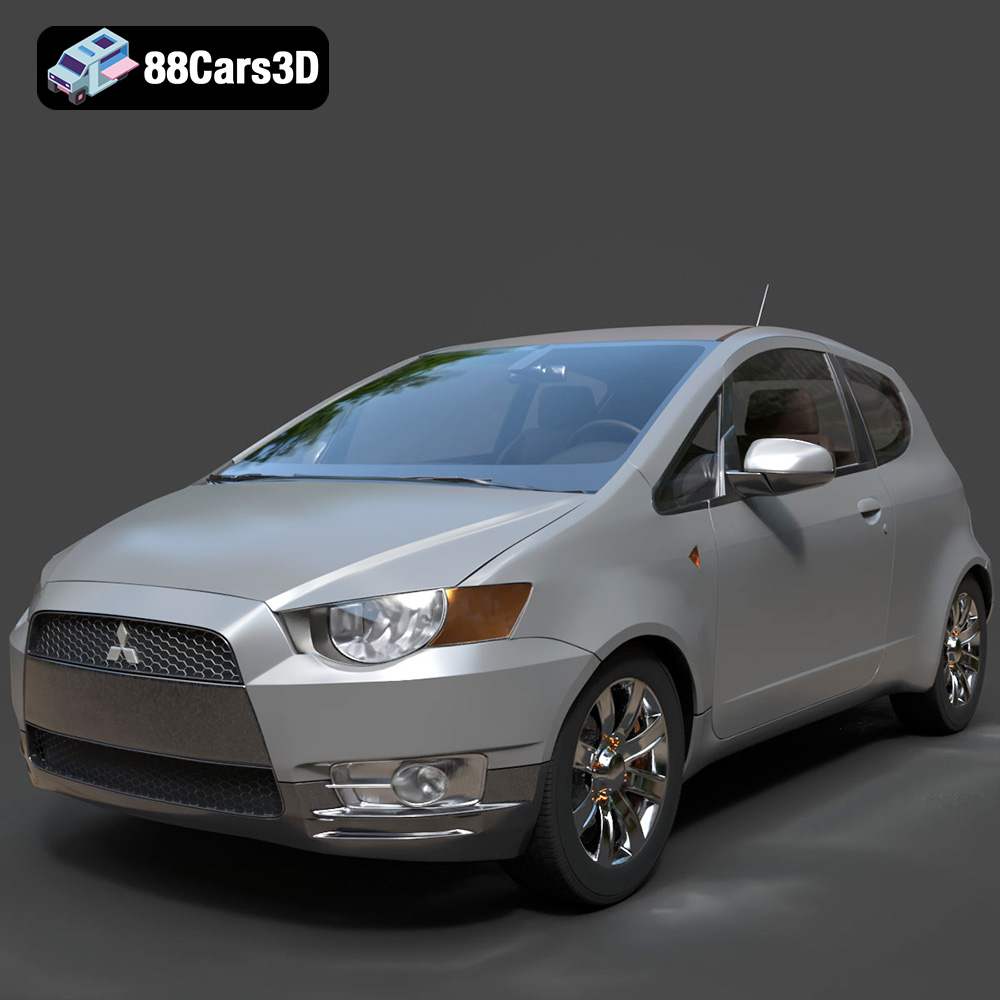
Texture: Yes
Material: Yes
Download the Mitsubishi Colt 3 Door 2008 3D Model featuring clean geometry, realistic detailing, and a fully modeled interior. Includes .blend, .fbx, .obj, .glb, .stl, .ply, .unreal, and .max formats for rendering, simulation, and game development.
Price: $10
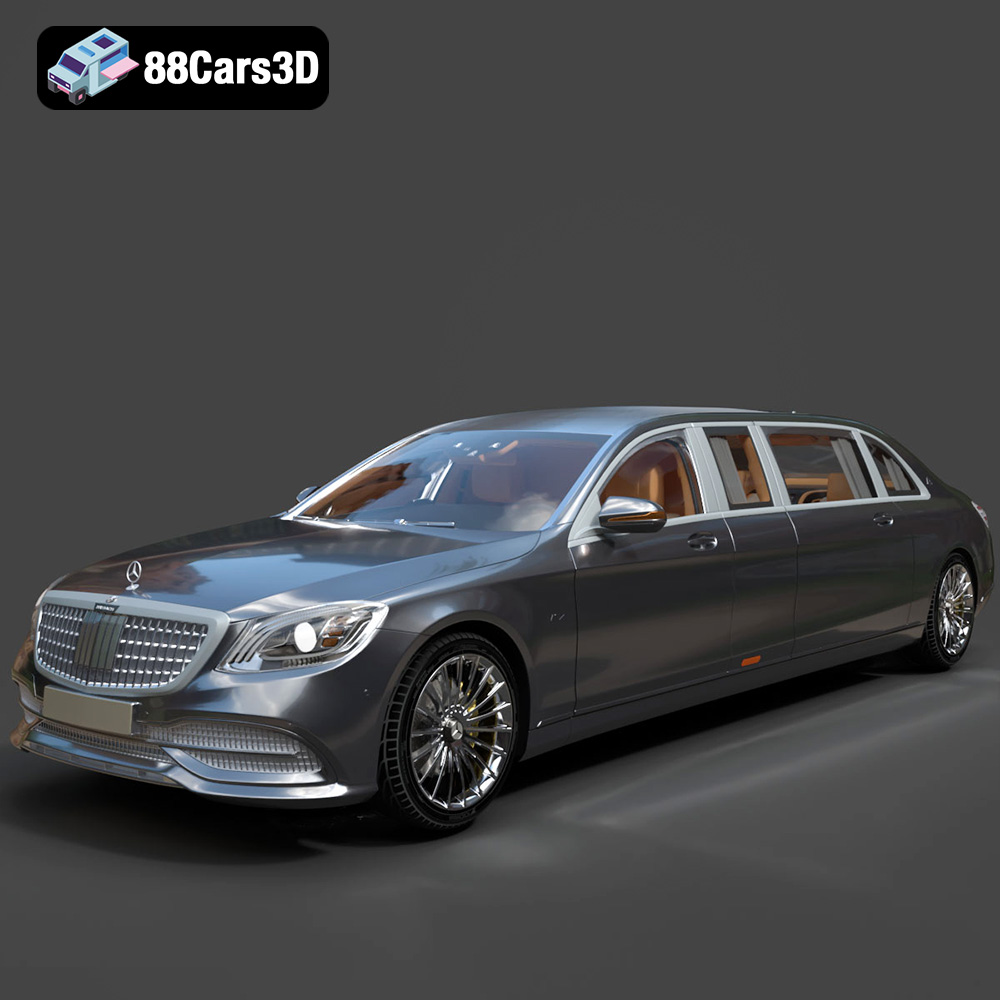
Texture: Yes
Material: Yes
Download the Mercedes-Benz S650 Pullman 3D Model featuring clean geometry, realistic detailing, and a fully modeled interior. Includes .blend, .fbx, .obj, .glb, .stl, .ply, .unreal, and .max formats for rendering, simulation, and game development.
Price: $95.99
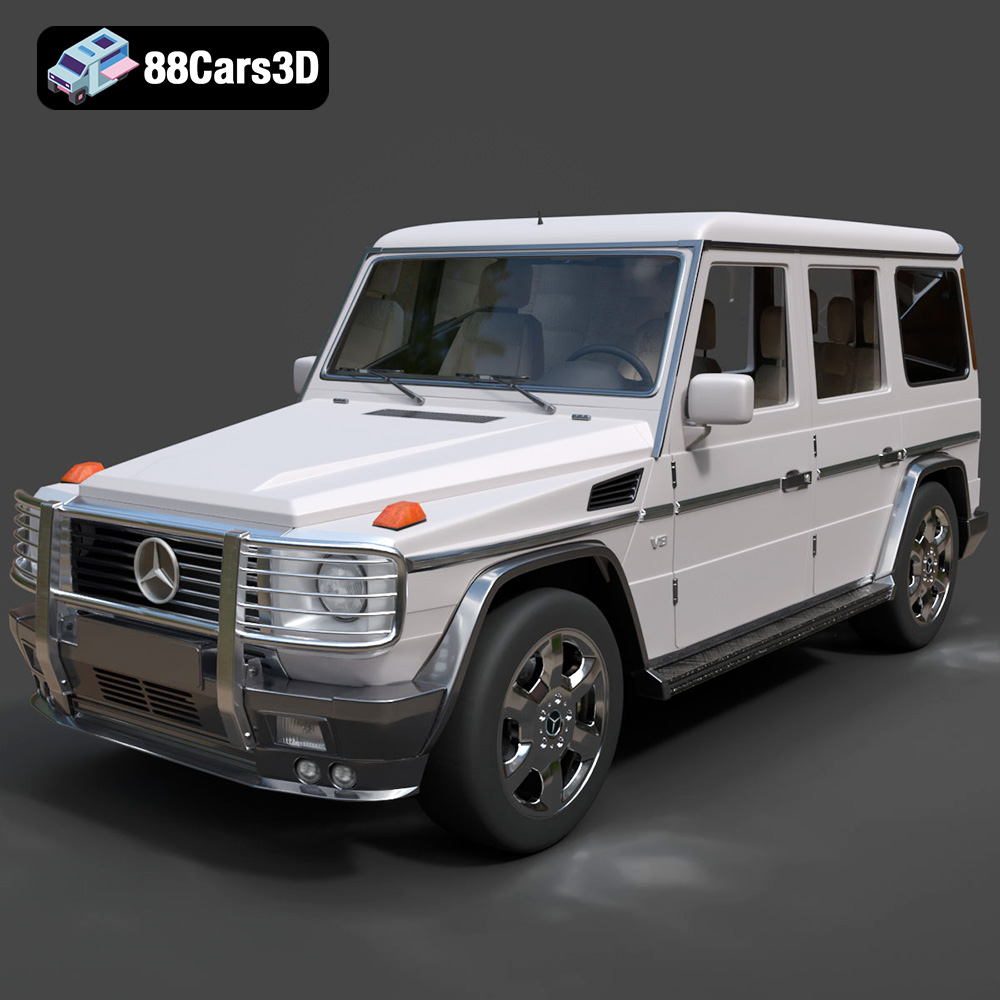
Texture: Yes
Material: Yes
Download the Mercedes G-Class SUV 2024 3D Model featuring clean geometry, realistic detailing, and a fully modeled interior. Includes .blend, .fbx, .obj, .glb, .stl, .ply, .unreal, and .max formats for rendering, simulation, and game development.
Price: $10

Texture: Yes
Material: Yes
Download the Volvo XC90 R-Design 2015 3D Model featuring clean geometry, realistic detailing, and a fully modeled interior. Includes .blend, .fbx, .obj, .glb, .stl, .ply, .unreal, and .max formats for rendering, simulation, and game development.
Price: $10

