⚡ FLASH SALE: Get 60% OFF All Premium 3D & STL Models! ⚡

“`html
The world of 3D printing has revolutionized model making, especially in the automotive sector. Whether you’re a hobbyist eager to recreate your dream car, an engineer prototyping a new design, or an educator demonstrating manufacturing principles, 3D printing offers unparalleled flexibility and precision. This guide delves into the intricacies of 3D printing automotive models, covering everything from STL file preparation and slicing techniques to printer settings, material selection, and post-processing. We’ll explore best practices for both FDM and resin printing, ensuring you achieve stunning results. By the end of this article, you’ll be equipped with the knowledge to tackle complex automotive projects with confidence, transforming digital designs into tangible masterpieces. Platforms like 88cars3d.com offer print-ready STL files specifically designed for this purpose, streamlining the process and ensuring optimal print quality.
The STL (Stereolithography) file format is the cornerstone of 3D printing, representing the surface geometry of a 3D object as a collection of triangles. A well-structured STL file is crucial for successful 3D printing, directly impacting the final model’s accuracy and surface finish. Understanding the nuances of STL files allows for optimization before even starting the slicing process.
Mesh topology refers to the arrangement and connectivity of triangles in the STL file. A higher triangle count results in a smoother surface but increases file size and processing time. Conversely, a low triangle count can lead to faceted surfaces. For automotive models, striking a balance is key. Curved surfaces, like those found on fenders and roofs, require a higher density mesh than flat surfaces to avoid a pixelated look. Aim for a mesh resolution that captures the intricate details of the car without overwhelming your 3D printer’s processing capabilities. Many CAD programs offer export settings to control the mesh density, allowing you to fine-tune the STL file for specific areas of the model.
A manifold mesh is a requirement for 3D printing. This means the mesh must be closed, without any holes, intersecting faces, or flipped normals. Non-manifold geometry will confuse the slicer, leading to printing errors or incomplete models. Fortunately, several software tools are available to repair STL files. Meshmixer is a free and powerful option for detecting and fixing common mesh issues. Netfabb is another industry-standard software offering advanced repair capabilities. These tools can automatically close gaps, remove overlapping triangles, and correct normal orientations. Before importing any STL file into your slicer, always run it through a mesh repair program to ensure its integrity. When downloading models from marketplaces such as 88cars3d.com, you often receive files that have already undergone this repair process, saving you valuable time and effort.
Slicing is the process of converting a 3D model into a series of layers that the 3D printer can understand. The slicer software takes the STL file and generates G-code, a numerical control language that dictates the printer’s movements, temperature settings, and material extrusion. The choice of slicer and its parameters significantly impacts the quality, strength, and printing time of the final car model.
Layer height is a critical parameter in slicing. A lower layer height (e.g., 0.1mm) produces smoother surfaces and finer details but significantly increases printing time. Conversely, a higher layer height (e.g., 0.3mm) reduces print time but sacrifices surface quality. For automotive models, especially those intended for display, a layer height of 0.1mm to 0.2mm is generally recommended to capture intricate details like panel lines and trim. For larger models or prototypes where speed is a priority, a layer height of 0.2mm to 0.25mm can be used. Experimentation is key to finding the optimal balance between print quality and efficiency.
Infill refers to the internal structure of the 3D printed model. It provides strength and stability while minimizing material usage. Different infill patterns offer varying levels of strength and print time. Common infill patterns include rectilinear, grid, triangular, and gyroid. For automotive models, a gyroid infill pattern is often preferred due to its isotropic strength and consistent support in all directions. Infill density, expressed as a percentage, determines the amount of material used inside the model. A higher infill density (e.g., 50%) results in a stronger but heavier and slower-to-print model. For most car models, an infill density of 15% to 25% provides sufficient strength while keeping print time reasonable. For load-bearing parts, like chassis components, increase the infill density to 40% or higher. Consider using adaptive infill, where the density varies based on the structural requirements of different areas of the model.
Fused Deposition Modeling (FDM) is a widely used 3D printing technology that builds objects layer by layer by extruding melted thermoplastic filament. FDM is cost-effective and suitable for printing larger car models. However, achieving high detail and smooth surfaces requires careful optimization of printer settings and material selection.
PLA (Polylactic Acid) is a biodegradable thermoplastic known for its ease of use and low printing temperature. It’s a good choice for beginners and for printing models that don’t require high heat resistance. PETG (Polyethylene Terephthalate Glycol-modified) offers improved strength and heat resistance compared to PLA, making it suitable for functional parts or models that might be exposed to higher temperatures. ABS (Acrylonitrile Butadiene Styrene) is a strong and durable thermoplastic with excellent heat resistance, often used in the automotive industry. However, ABS is more challenging to print than PLA and PETG, requiring a heated bed and enclosure to prevent warping. For automotive models, PETG is often the best compromise between ease of printing and performance. If you need high heat resistance, consider ABS, but be prepared to fine-tune your printer settings.
Proper printer calibration is essential for successful FDM printing. This includes leveling the bed, calibrating the extruder, and setting the correct Z-offset. An uneven bed can lead to poor bed adhesion, causing the print to warp or detach during printing. Ensure the bed is clean and free of debris. Using a bed adhesive, such as glue stick or hairspray, can significantly improve bed adhesion, especially for larger car models. A raft or brim can also be added in the slicer to increase the surface area in contact with the bed. A well-calibrated printer, coupled with proper bed adhesion techniques, is crucial for achieving accurate and reliable prints.
Resin printing, also known as Stereolithography (SLA) or Digital Light Processing (DLP), uses a light source to cure liquid resin layer by layer. Resin printing excels at producing highly detailed and accurate models, making it ideal for intricate automotive designs with fine features and smooth surfaces. However, resin printing typically has a smaller build volume compared to FDM, and the materials are generally more expensive.
Various resin types are available, each with its own properties and applications. Standard resin is suitable for general-purpose printing and offers good detail. Tough resin provides increased strength and impact resistance, ideal for functional parts. Flexible resin allows for printing parts with some elasticity. Choosing the right resin depends on the intended use of the car model. Exposure settings, including layer exposure time and bottom layer exposure time, are critical for successful resin printing. Insufficient exposure leads to weak or incomplete layers, while overexposure can cause dimensional inaccuracies. Consult the resin manufacturer’s recommendations for starting exposure settings and fine-tune them based on your specific printer and model. Dialing in the correct exposure settings is key to achieving high-quality resin prints.
Support structures are essential for resin printing, especially for overhanging features and complex geometries. Supports provide a base for the layers to build upon and prevent the model from collapsing during printing. Automatic support generation in slicer software like Chitubox or Lychee Slicer can be a good starting point, but manual adjustments are often necessary to optimize support placement and minimize scarring on the model’s surface. Use thin, easily removable supports for areas where surface finish is critical. After printing, carefully remove the supports using flush cutters or a hobby knife. Post-curing the model under UV light is essential to fully harden the resin and improve its strength. Wash the model with isopropyl alcohol before post-curing to remove any uncured resin. Proper support generation and careful removal are crucial for achieving a clean and detailed resin print.
Post-processing enhances the appearance and functionality of 3D printed car models. Even with optimized printer settings and slicing techniques, some post-processing is typically required to achieve a professional finish. This includes sanding to remove layer lines, painting to add color and detail, and assembling multiple parts into a complete model.
Sanding is essential for smoothing out layer lines and imperfections on 3D printed models. Start with a coarse grit sandpaper (e.g., 220 grit) to remove larger imperfections and gradually move to finer grits (e.g., 400, 600, 800 grit) to achieve a smooth surface. Wet sanding, using water to lubricate the sandpaper, can help prevent clogging and produce a smoother finish. For complex shapes and hard-to-reach areas, use sanding sponges or flexible sanding pads. Take your time and be patient during the sanding process, as it significantly impacts the final appearance of the model. Consider using a primer after sanding to fill in any remaining imperfections and provide a smooth surface for painting.
Painting brings the 3D printed car model to life. Use high-quality model paints designed for plastic or resin. Acrylic paints are a good choice for beginners due to their ease of use and water-based cleanup. Enamel paints offer greater durability and a glossier finish but require more care in application and cleanup. Apply multiple thin coats of paint rather than one thick coat to avoid drips and runs. Use masking tape to create clean lines and protect areas that you don’t want to paint. Detailing techniques, such as dry brushing and washes, can add depth and realism to the model. Consider using an airbrush for a smooth and even paint finish, especially for larger surfaces. Experiment with different painting techniques to achieve the desired look and feel for your car model.
Despite careful preparation and optimized settings, 3D printing can sometimes present challenges. Understanding common printing issues and their solutions is crucial for a successful printing experience. Let’s look at a few common issues and how to resolve them.
Warping occurs when the corners or edges of the print lift off the build plate during printing. This is often caused by uneven cooling or insufficient bed adhesion. Ensure the bed is level and clean. Use a bed adhesive, such as glue stick or hairspray, to improve bed adhesion. Increase the bed temperature for materials like ABS that are prone to warping. Enclosing the printer can help maintain a consistent temperature and prevent drafts. Adding a brim or raft to the print can also increase the surface area in contact with the bed and reduce warping. In extreme cases, consider using a heated bed or a different printing material.
Stringing occurs when thin strands of filament are left behind between printed parts. This is often caused by excessive retraction distance or temperature. Reduce the printing temperature and increase the retraction distance in the slicer settings. Ensure the nozzle is clean and free of debris. Blobs are small clumps of material that accumulate on the surface of the print. This can be caused by inconsistent extrusion or excessive flow rate. Calibrate the extruder and reduce the flow rate in the slicer settings. Check the nozzle for clogs or damage. Fine-tuning these settings can help eliminate stringing and blobs, resulting in a cleaner and more accurate print.
3D printing automotive models is a rewarding but complex process. Mastering the techniques outlined in this guide – from understanding STL files and slicing parameters to optimizing printer settings and post-processing methods – will enable you to create stunning and accurate replicas. Remember that consistent practice, experimentation, and careful attention to detail are key to achieving professional-quality results. Don’t be afraid to try different materials, settings, and techniques to find what works best for your specific printer and model. Explore resources like 88cars3d.com for high-quality STL files and inspiration. With dedication and the right knowledge, you can transform your passion for cars into tangible creations through the power of 3D printing. Start by experimenting with simple models, gradually increasing the complexity as your skills improve. Happy printing!
“`

Texture: Yes
Material: Yes
Download the Mercedes S-Class 2024 3D Model featuring clean geometry, realistic detailing, and a fully modeled interior. Includes .blend, .fbx, .obj, .glb, .stl, .ply, .unreal, and .max formats for rendering, simulation, and game development.
Price: $10

Texture: Yes
Material: Yes
Download the Chevrolet Camaro 1970 3D Model featuring clean geometry, realistic detailing, and a fully modeled interior. Includes .blend, .fbx, .obj, .glb, .stl, .ply, .unreal, and .max formats for rendering, simulation, and game development.
Price: $10

Texture: Yes
Material: Yes
Download the Mercedes-AMG GT 2015 3D Model featuring clean geometry, realistic detailing, and a fully modeled interior. Includes .blend, .fbx, .obj, .glb, .stl, .ply, .unreal, and .max formats for rendering, simulation, and game development.
Price: $88.99

Texture: Yes
Material: Yes
Download the Suzuki GSX-R 1000 3D Model featuring clean geometry, realistic detailing, and a fully modeled interior. Includes .blend, .fbx, .obj, .glb, .stl, .ply, .unreal, and .max formats for rendering, simulation, and game development.
Price: $10

Texture: Yes
Material: Yes
Download the Porsche Cayman S 2024 3D Model featuring clean geometry, realistic detailing, and a fully modeled interior. Includes .blend, .fbx, .obj, .glb, .stl, .ply, .unreal, and .max formats for rendering, simulation, and game development.
Price: $10

Texture: Yes
Material: Yes
Download the Holden Commodore Sportwagon 2017 3D Model featuring clean geometry, realistic detailing, and a fully modeled interior. Includes .blend, .fbx, .obj, .glb, .stl, .ply, .unreal, and .max formats for rendering, simulation, and game development.
Price: $10

Texture: Yes
Material: Yes
Download the Mitsubishi Colt 3 Door 2008 3D Model featuring clean geometry, realistic detailing, and a fully modeled interior. Includes .blend, .fbx, .obj, .glb, .stl, .ply, .unreal, and .max formats for rendering, simulation, and game development.
Price: $10

Texture: Yes
Material: Yes
Download the Mercedes-Benz S650 Pullman 3D Model featuring clean geometry, realistic detailing, and a fully modeled interior. Includes .blend, .fbx, .obj, .glb, .stl, .ply, .unreal, and .max formats for rendering, simulation, and game development.
Price: $95.99
Texture: Yes
Material: Yes
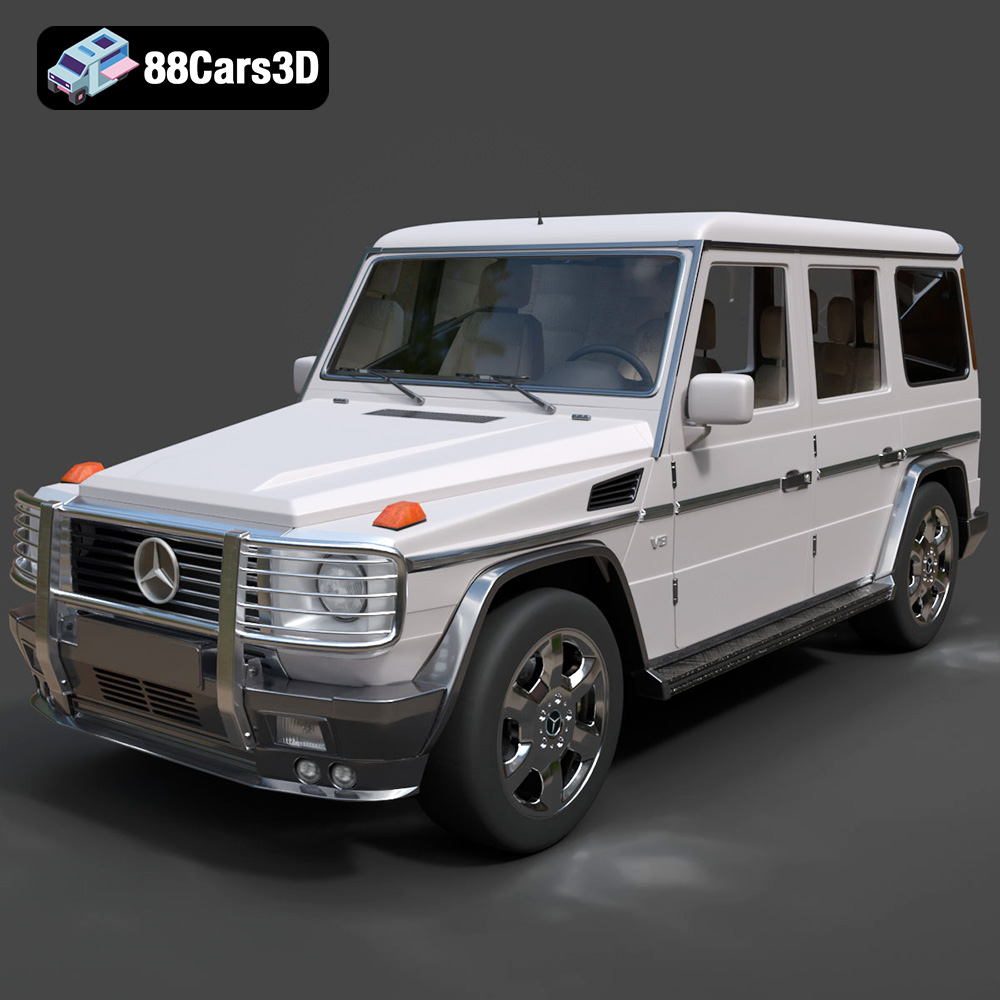
Download the Mercedes G-Class SUV 2024 3D Model featuring clean geometry, realistic detailing, and a fully modeled interior. Includes .blend, .fbx, .obj, .glb, .stl, .ply, .unreal, and .max formats for rendering, simulation, and game development.
Price: $10

Texture: Yes
Material: Yes
Download the Volvo XC90 R-Design 2015 3D Model featuring clean geometry, realistic detailing, and a fully modeled interior. Includes .blend, .fbx, .obj, .glb, .stl, .ply, .unreal, and .max formats for rendering, simulation, and game development.
Price: $10

