⚡ FLASH SALE: Get 60% OFF All Premium 3D & STL Models! ⚡

“`html
The world of 3D printing has revolutionized model making, especially for automotive enthusiasts. Imagine holding a perfectly scaled replica of your dream car, printed right in your own home. This dream is now a reality, thanks to advancements in 3D printing technology and the availability of high-quality STL files. This comprehensive guide will delve into the intricate process of 3D printing automotive models, covering everything from STL file preparation and slicing techniques to printer settings, material selection, and post-processing. Whether you’re a seasoned 3D printing veteran or just starting your journey, this guide will provide the knowledge and skills needed to create breathtaking 3D printed car models.
We’ll explore the nuances of STL files, how to optimize them for printing, and how to choose the right slicing parameters for the best possible results. We’ll also discuss the pros and cons of different printing technologies like FDM and resin, and provide detailed guidance on support generation, print orientation, and post-processing techniques. By the end of this guide, you’ll be well-equipped to transform digital car models into tangible works of art.
At the heart of 3D printing lies the STL (Stereolithography) file format. This file type is the industry standard for representing 3D models as a collection of interconnected triangles, forming a mesh. The quality of this mesh directly impacts the final print, so understanding its intricacies is crucial.
The resolution of an STL file refers to the number of triangles used to represent the model’s surface. A higher resolution means more triangles and a smoother surface, but also a larger file size and potentially longer slicing and printing times. A lower resolution results in a coarser surface with visible facets. Finding the right balance is key. For automotive models, where smooth curves and intricate details are important, a medium to high resolution is generally recommended. When downloading models from marketplaces such as 88cars3d.com, pay attention to the stated polygon count. A model with hundreds of thousands of polygons will generally print with smoother curves than one with tens of thousands.
A manifold mesh is a closed, watertight surface where every edge of every triangle is shared by exactly two triangles. Non-manifold meshes contain errors such as holes, self-intersections, or disconnected components, which can cause slicing and printing failures. Before printing, it’s essential to inspect your STL file for errors using mesh repair software like Meshmixer or Netfabb. These tools can automatically identify and fix common mesh problems, ensuring a successful print. Repairing an STL file can involve closing holes, removing duplicate faces, and unifying normals. Many slicers also have basic repair functions, but dedicated mesh repair software offers more advanced capabilities.
Slicing is the process of converting a 3D model into a series of thin layers that the 3D printer can understand and reproduce. The slicing software (like Cura or PrusaSlicer) takes the STL file and generates G-code, which contains the instructions for the printer’s movements, extrusion rates, and temperature settings. The slicing parameters you choose significantly impact the print’s quality, strength, and speed.
Layer height is the thickness of each individual layer of the print. Smaller layer heights (e.g., 0.1mm or 0.05mm) result in smoother surfaces and finer details, but they also increase print time significantly. Larger layer heights (e.g., 0.2mm or 0.3mm) print faster but produce more visible layer lines. For automotive models, a layer height between 0.1mm and 0.15mm is a good starting point for achieving a balance between quality and speed. Experiment with different layer heights to find the sweet spot for your specific model and printer. Reducing layer height by half will double the print time, but may also significantly improve the smoothness of curved surfaces.
Infill refers to the internal structure of the print. Infill density determines how solid the inside of the print is, while infill pattern determines the shape of the internal structure. Higher infill densities increase the print’s strength and weight but also consume more material and increase print time. Common infill patterns include grid, lines, triangles, and gyroid. For automotive models, where aesthetics are often more important than strength, a lower infill density (e.g., 15-20%) is usually sufficient. The gyroid infill pattern offers a good balance of strength and material usage and is generally a good choice for complex shapes. For load-bearing parts (if any), consider increasing infill density and choosing a stronger infill pattern.
Support structures are temporary scaffolding that supports overhanging parts of the model during printing. Without supports, these parts would simply droop or collapse. Generating and removing supports is a critical part of the 3D printing process, especially for complex automotive models with intricate shapes and overhangs.
Slicing software typically offers automatic support generation, which analyzes the model and automatically places supports where needed. However, automatic supports are not always optimal and can sometimes generate excessive or poorly placed supports. Manual support placement allows for more control and can result in more efficient and easier-to-remove supports. Consider using a combination of automatic and manual support generation to optimize your support structures. In Cura, for example, you can use the “Support Blocker” tool to prevent supports from being generated in specific areas, and the “Custom Support” plugin to add supports manually where needed.
Removing supports can be a delicate process, as you want to avoid damaging the model’s surface. Various tools can be used for support removal, including pliers, flush cutters, and scalpels. Start by gently breaking away the bulk of the support structure, then use finer tools to remove any remaining support material. For delicate areas, consider using a heat gun to soften the support material, making it easier to remove. Water-soluble support materials, such as PVA, can be used in dual-extrusion printers to simplify support removal. These materials dissolve in water, leaving a clean and support-free surface. Be patient and take your time during support removal to avoid damaging your 3D printed car model.
The choice of material significantly affects the final print’s appearance, strength, and durability. For 3D printing automotive models, the most common materials are PLA, PETG, ABS, and various types of resin. Each material has its own advantages and disadvantages, making it suitable for different applications.
PLA (Polylactic Acid) is a biodegradable thermoplastic that is easy to print and produces good surface finish. It’s a good choice for aesthetic models that don’t require high strength or heat resistance. PETG (Polyethylene Terephthalate Glycol) is a more durable and heat-resistant alternative to PLA. It’s also relatively easy to print and offers good layer adhesion. ABS (Acrylonitrile Butadiene Styrene) is a strong and heat-resistant plastic that is commonly used in automotive parts. However, it’s more difficult to print than PLA and PETG, as it requires higher temperatures and is prone to warping. For beginners, PLA is a good starting point. For models that require more durability or heat resistance, PETG is a better choice. ABS is best left to experienced printers who have mastered temperature control and enclosure usage.
Resin printing, using technologies like SLA (Stereolithography) and DLP (Digital Light Processing), offers significantly higher resolution and detail than FDM printing. Resin printers use liquid resin that is cured by UV light. This results in smoother surfaces and finer details, making resin printing ideal for intricate automotive models. However, resin prints are generally more brittle than FDM prints, and the resin itself can be toxic and requires careful handling. There are various types of resins available, including standard resins, tough resins, and flexible resins. For automotive models, standard or tough resins are generally used. Remember to properly ventilate your printing area and wear gloves when handling resin. Post-curing resin prints under UV light is essential to fully harden the material and achieve optimal strength.
Print orientation and bed adhesion are crucial factors that influence the success of a 3D print. The orientation of the model on the print bed affects the amount of support needed, the surface finish, and the print’s strength. Proper bed adhesion ensures that the first layer of the print sticks firmly to the print bed, preventing warping or detachment.
The optimal print orientation depends on the model’s geometry and the desired outcome. For automotive models, orienting the model to minimize the need for supports on visible surfaces is generally preferred. This can be achieved by orienting the model so that the flattest surface is in contact with the print bed. However, this may result in weaker layer adhesion in certain areas. Consider the trade-offs between aesthetics and strength when choosing the print orientation. Experiment with different orientations to find the best compromise for your specific model. Tilting the model can often reduce the amount of support needed and improve surface finish.
Poor bed adhesion is a common cause of print failures. Several techniques can be used to improve bed adhesion, including using a heated bed, applying adhesive materials to the bed surface, and adjusting the first layer settings in the slicer. A heated bed helps to keep the plastic warm and prevents it from cooling and warping. Common adhesive materials include blue painter’s tape, glue stick, and specialized bed adhesion sprays. Increasing the first layer thickness and width, and reducing the first layer print speed, can also improve bed adhesion. For problematic materials like ABS, an enclosure to maintain a consistent ambient temperature is highly recommended. Ensuring a level print bed is also critical for good bed adhesion.
Post-processing is the final stage of the 3D printing process, where the printed part is refined and finished. This may involve sanding, painting, assembling multiple parts, and applying coatings. Post-processing can significantly enhance the appearance and durability of 3D printed automotive models.
Sanding is used to remove layer lines and smooth the surface of the print. Start with coarse sandpaper (e.g., 220 grit) and gradually move to finer grits (e.g., 400 grit, 600 grit, 800 grit) to achieve a smooth finish. Wet sanding can help to prevent the sandpaper from clogging and produce a smoother surface. For hard-to-reach areas, consider using small sanding sponges or detail sanders. After sanding, use a primer to fill any remaining imperfections and prepare the surface for painting. Remember to wear a dust mask when sanding to protect your lungs.
Painting can transform a 3D printed part into a professional-looking model. Use a high-quality primer to create a smooth and even base for the paint. Apply thin, even coats of paint, allowing each coat to dry completely before applying the next. For automotive models, consider using automotive-grade paints, which are designed to withstand the elements and provide a durable finish. Clear coating can be applied to protect the paint and add a glossy or matte finish. Consider adding details like decals, chrome accents, and realistic lighting to further enhance the model’s realism. Platforms like 88cars3d.com offer print-ready STL files, meaning you can focus on the fun post-processing aspects.
Even with careful planning and execution, 3D printing can sometimes present challenges. Understanding common printing problems and how to troubleshoot them is essential for achieving successful prints. Some frequent issues include warping, stringing, bed adhesion problems, and clogged nozzles.
Warping occurs when the corners of the print lift off the print bed, while layer delamination is when layers separate from each other. These issues are often caused by poor bed adhesion, insufficient cooling, or temperature fluctuations. To address warping, ensure that the print bed is properly leveled and heated, and use adhesive materials to improve bed adhesion. An enclosure can also help to maintain a consistent ambient temperature. For layer delamination, increase the printing temperature and reduce the cooling fan speed to improve layer adhesion. Ensure your part cooling fan isn’t directed at the bed, exacerbating warping.
Stringing occurs when thin strands of plastic are left between different parts of the print, while clogged nozzles occur when the nozzle becomes blocked by filament. Stringing is often caused by excessive retraction distance or temperature, while clogged nozzles can be caused by contaminated filament or incorrect printing temperatures. To reduce stringing, decrease the printing temperature and increase the retraction distance and speed. If you experience a clogged nozzle, try cold pulling the filament or using a cleaning filament to remove the blockage. If that doesn’t work, you may need to disassemble the hot end and manually clean the nozzle or replace it.
3D printing automotive models is a rewarding and challenging endeavor that combines technical knowledge with artistic skill. By understanding the intricacies of STL files, slicing parameters, support structures, material selection, and post-processing techniques, you can create stunning replicas of your favorite cars. Remember to experiment with different settings and materials to find what works best for your printer and your desired outcome. Don’t be afraid to learn from your mistakes and continuously refine your techniques. The 3D printing community is a vast and supportive resource, so don’t hesitate to seek help and share your experiences.
Start by downloading a high-quality STL file from a trusted source like 88cars3d.com. Experiment with different slicing parameters in your preferred slicing software, and try printing a simple model to test your settings. As you gain experience, gradually tackle more complex models and explore different materials and post-processing techniques. With patience, dedication, and a willingness to learn, you can unlock the full potential of 3D printing and create truly remarkable automotive masterpieces.
“`

Texture: Yes
Material: Yes
Download the Mercedes S-Class 2024 3D Model featuring clean geometry, realistic detailing, and a fully modeled interior. Includes .blend, .fbx, .obj, .glb, .stl, .ply, .unreal, and .max formats for rendering, simulation, and game development.
Price: $10
Texture: Yes
Material: Yes
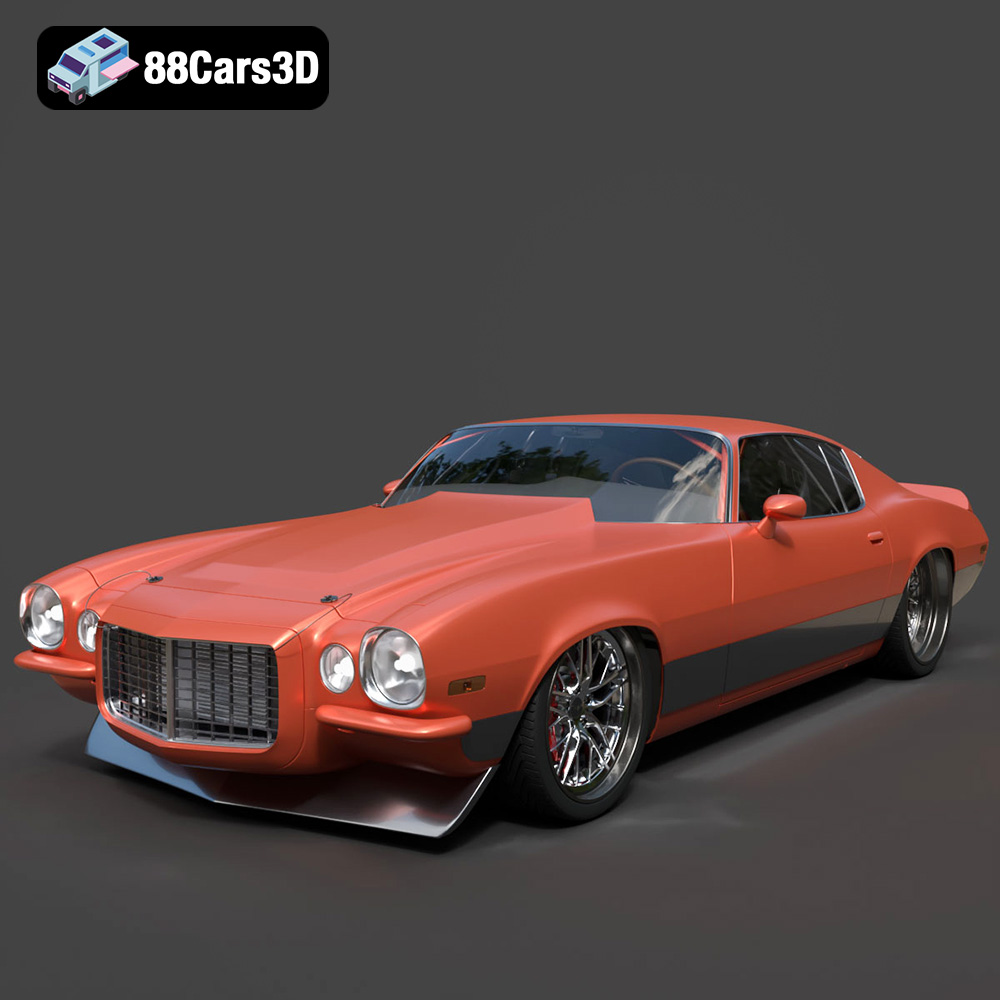
Download the Chevrolet Camaro 1970 3D Model featuring clean geometry, realistic detailing, and a fully modeled interior. Includes .blend, .fbx, .obj, .glb, .stl, .ply, .unreal, and .max formats for rendering, simulation, and game development.
Price: $10
Texture: Yes
Material: Yes
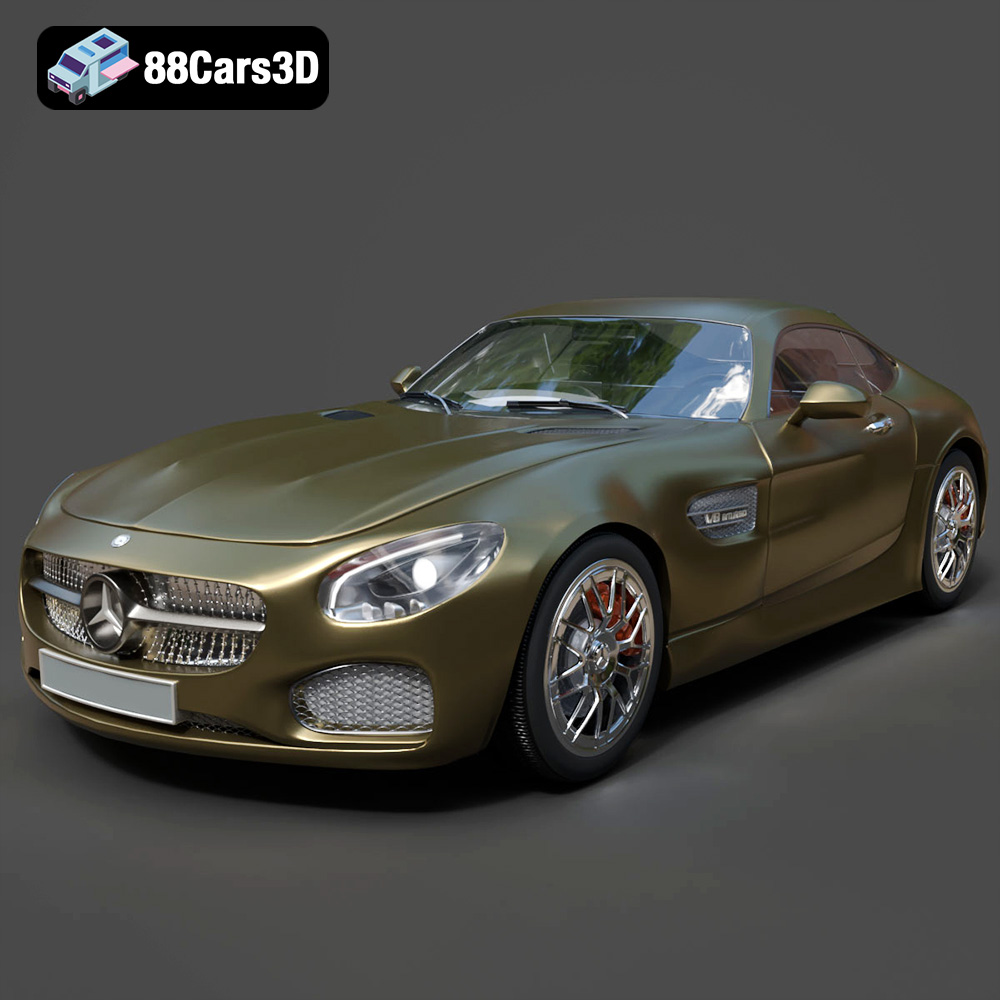
Download the Mercedes-AMG GT 2015 3D Model featuring clean geometry, realistic detailing, and a fully modeled interior. Includes .blend, .fbx, .obj, .glb, .stl, .ply, .unreal, and .max formats for rendering, simulation, and game development.
Price: $88.99
Texture: Yes
Material: Yes
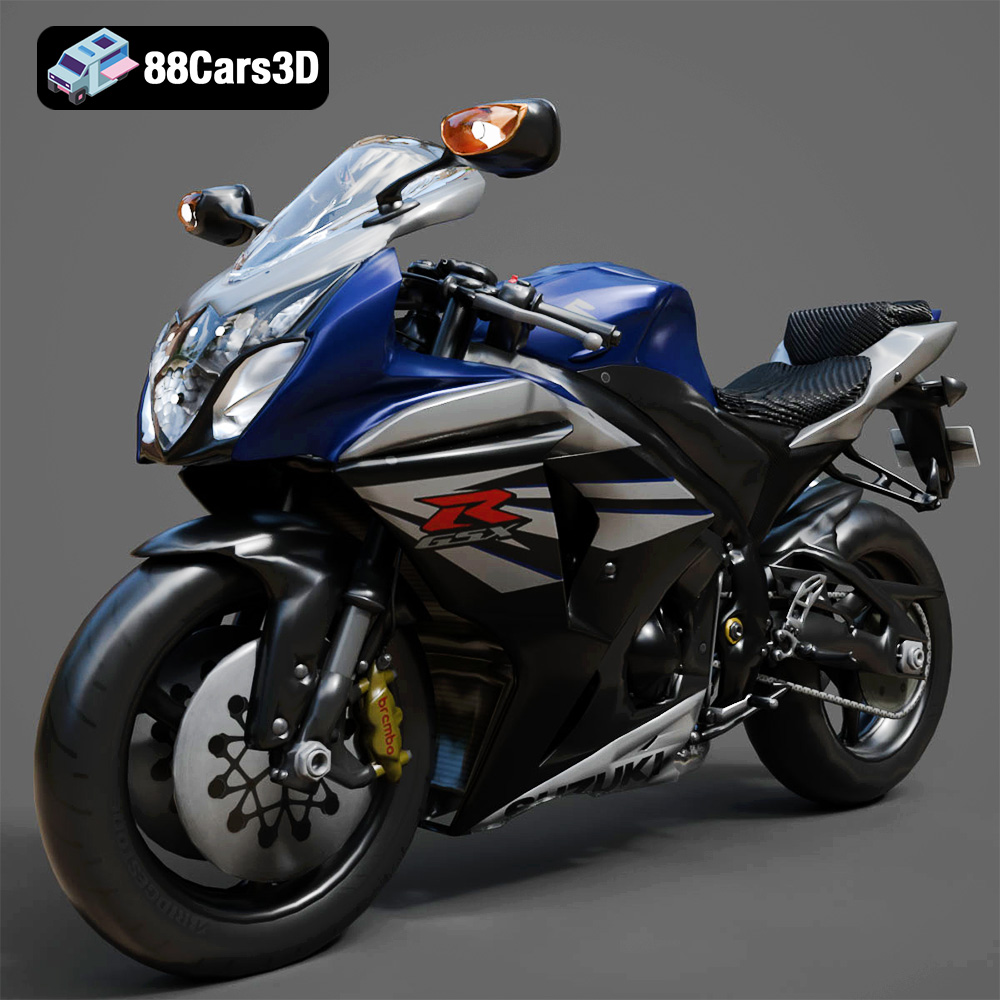
Download the Suzuki GSX-R 1000 3D Model featuring clean geometry, realistic detailing, and a fully modeled interior. Includes .blend, .fbx, .obj, .glb, .stl, .ply, .unreal, and .max formats for rendering, simulation, and game development.
Price: $10
Texture: Yes
Material: Yes
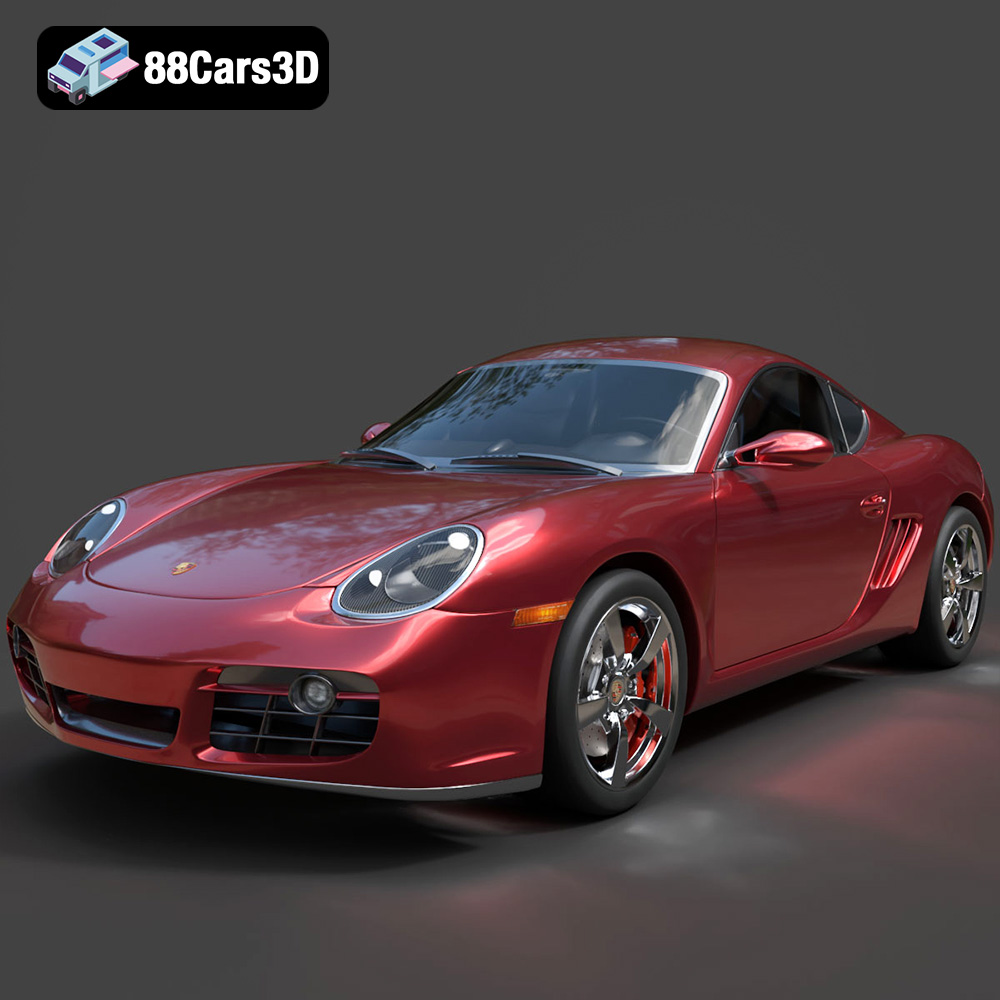
Download the Porsche Cayman S 2024 3D Model featuring clean geometry, realistic detailing, and a fully modeled interior. Includes .blend, .fbx, .obj, .glb, .stl, .ply, .unreal, and .max formats for rendering, simulation, and game development.
Price: $10

Texture: Yes
Material: Yes
Download the Holden Commodore Sportwagon 2017 3D Model featuring clean geometry, realistic detailing, and a fully modeled interior. Includes .blend, .fbx, .obj, .glb, .stl, .ply, .unreal, and .max formats for rendering, simulation, and game development.
Price: $10
Texture: Yes
Material: Yes
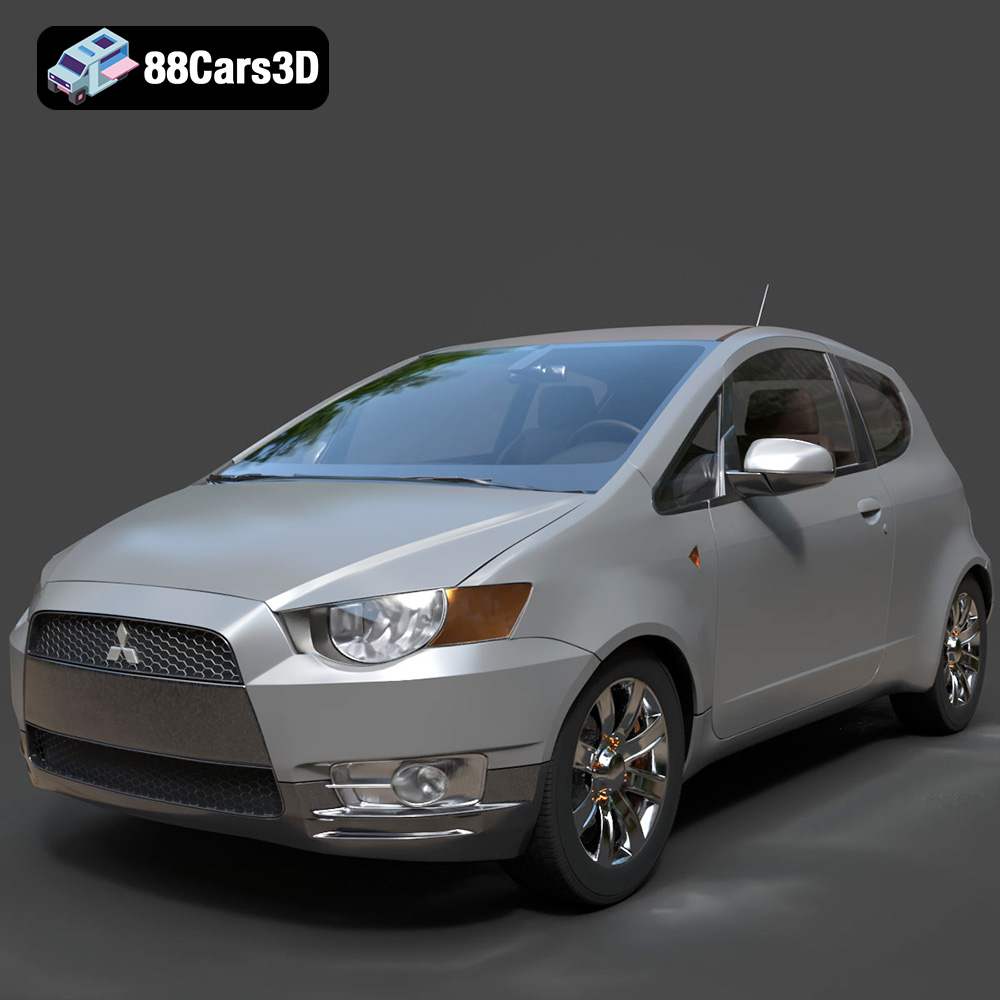
Download the Mitsubishi Colt 3 Door 2008 3D Model featuring clean geometry, realistic detailing, and a fully modeled interior. Includes .blend, .fbx, .obj, .glb, .stl, .ply, .unreal, and .max formats for rendering, simulation, and game development.
Price: $10
Texture: Yes
Material: Yes
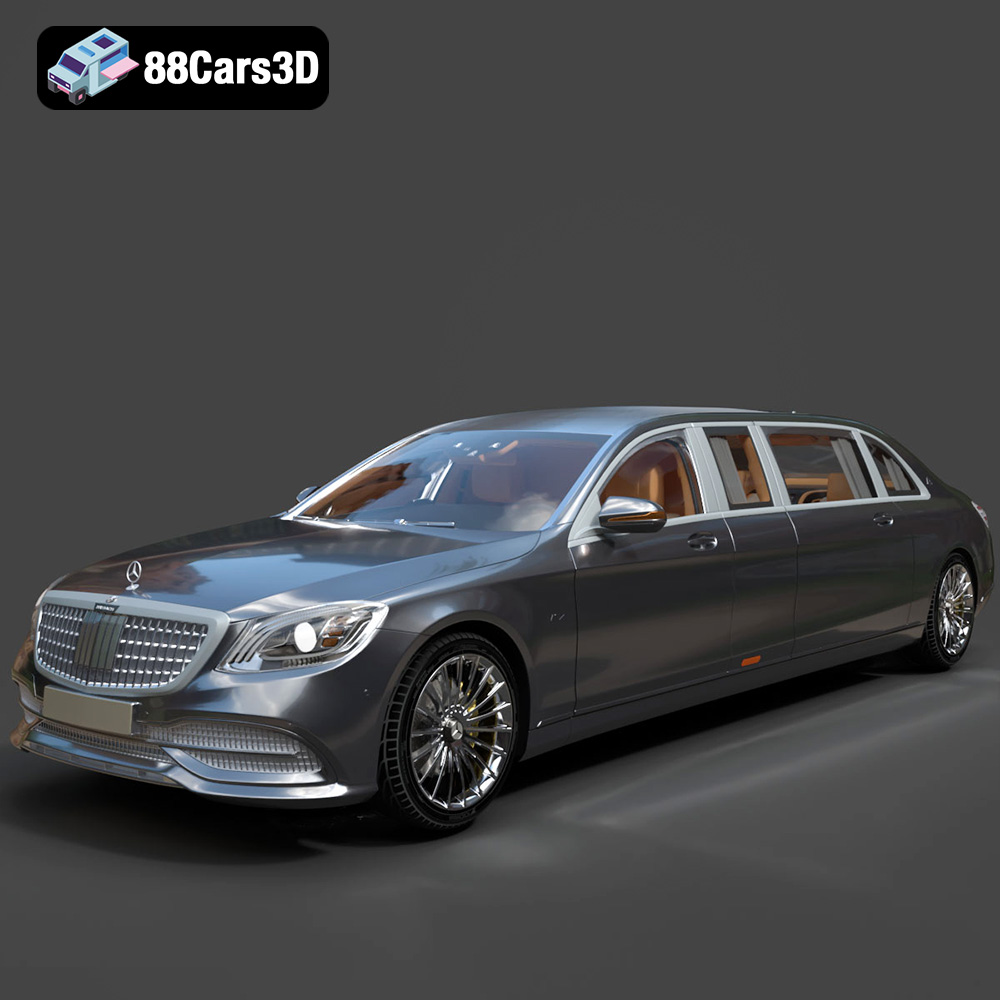
Download the Mercedes-Benz S650 Pullman 3D Model featuring clean geometry, realistic detailing, and a fully modeled interior. Includes .blend, .fbx, .obj, .glb, .stl, .ply, .unreal, and .max formats for rendering, simulation, and game development.
Price: $95.99
Texture: Yes
Material: Yes
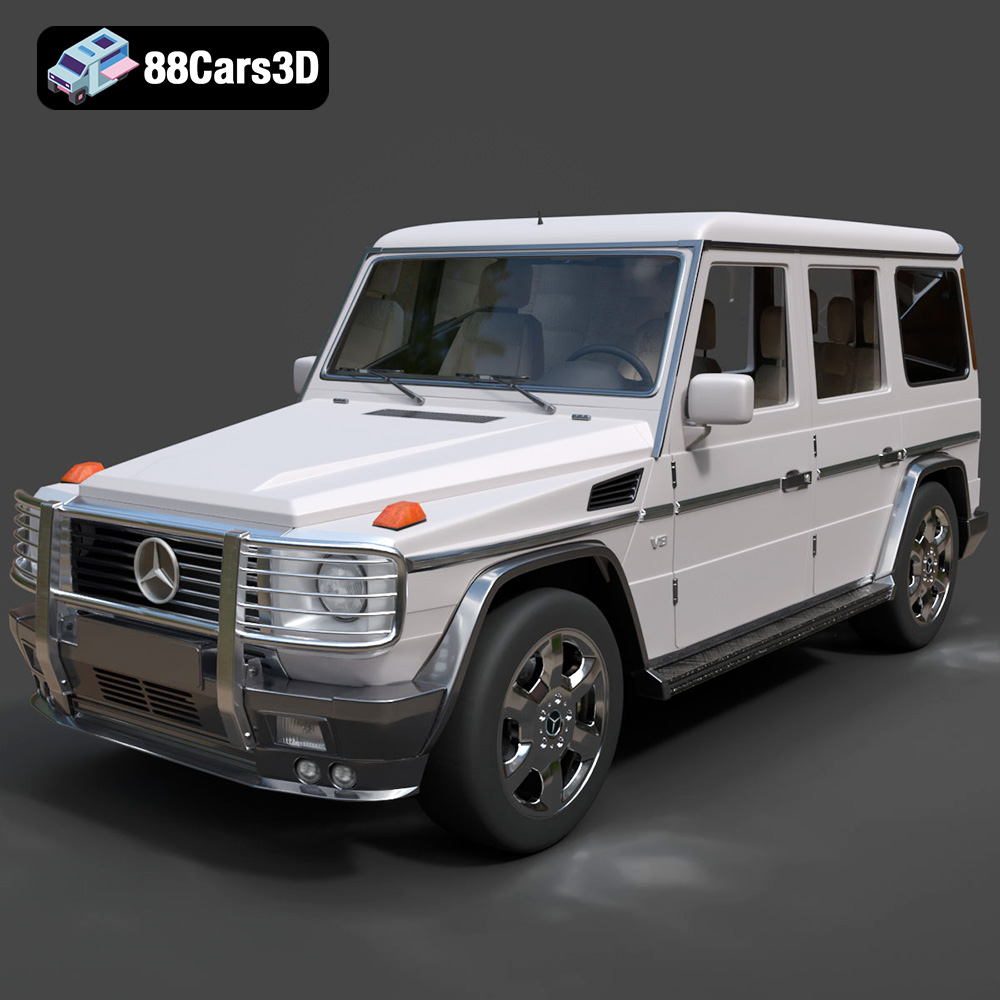
Download the Mercedes G-Class SUV 2024 3D Model featuring clean geometry, realistic detailing, and a fully modeled interior. Includes .blend, .fbx, .obj, .glb, .stl, .ply, .unreal, and .max formats for rendering, simulation, and game development.
Price: $10

Texture: Yes
Material: Yes
Download the Volvo XC90 R-Design 2015 3D Model featuring clean geometry, realistic detailing, and a fully modeled interior. Includes .blend, .fbx, .obj, .glb, .stl, .ply, .unreal, and .max formats for rendering, simulation, and game development.
Price: $10

