⚡ FLASH SALE: Get 60% OFF All Premium 3D & STL Models! ⚡

“`html
The allure of 3D printing car models is undeniable. From meticulously recreating classic vehicles to prototyping futuristic designs, the technology offers unparalleled opportunities for hobbyists, engineers, and automotive enthusiasts alike. However, achieving truly stunning results requires more than just pressing “print.” It demands a deep understanding of STL files, meticulous preparation, optimized 3D printer settings, and effective post-processing techniques. This guide will navigate you through every crucial step, providing the knowledge you need to transform digital designs into tangible, high-quality 3D printed car models. We’ll cover everything from understanding STL file structure and mesh topology to mastering slicing parameters and troubleshooting common printing issues, ensuring you can confidently bring your automotive visions to life.
The STL (Stereolithography) file format is the cornerstone of 3D printing. It represents the surface geometry of a 3D object using a collection of triangles. Understanding its structure is vital for ensuring successful prints. Think of it like building a car model from thousands of tiny, interconnected facets. The quality of these facets directly impacts the final appearance and structural integrity of your 3D printed car.
An STL file consists of a list of triangular faces, each defined by three vertices (coordinates in 3D space) and a normal vector (indicating the direction the face is pointing). The accuracy and density of these triangles determine the level of detail in the final print. Higher triangle counts lead to smoother surfaces but also larger file sizes and increased processing time. Poor mesh topology, such as non-manifold geometry (where edges are shared by more than two triangles), holes, or self-intersections, can cause significant printing problems. Common issues include slicing errors, unexpected gaps, and weak points in the printed model. Platforms like 88cars3d.com carefully curate their models to minimize these topological issues, providing a more streamlined printing experience.
Before sending an STL file to your 3D printer, it’s crucial to inspect it for errors. Software like MeshLab, Netfabb Basic, and Meshmixer offer tools for visualizing and repairing STL files. Look for non-manifold edges, inverted normals, and holes. Netfabb, for instance, offers automated repair functions that can often fix these common issues. Manually fixing complex errors in software like Blender might be necessary for more intricate models. A crucial step is to ensure the mesh is “watertight” – meaning it encloses a single, continuous volume. Think of it like ensuring your car model’s body panels are perfectly sealed; any gaps will lead to printing defects. This involves identifying and filling any holes in the mesh, which tools like Meshmixer can accomplish with relative ease. Repairing even seemingly minor imperfections can dramatically improve the quality and reliability of your 3D prints.
Slicing software is the bridge between your digital car model (STL file) and your 3D printer. It takes the STL file and converts it into a series of layers, generating G-code instructions that tell the printer how to move and deposit material. The slicer dictates everything from layer height and print speed to infill density and support structure placement. Mastering slicing software is essential for achieving optimal print quality and efficiency.
Several key parameters significantly impact the final result. Layer height determines the vertical resolution of the print; smaller layer heights produce smoother surfaces but increase print time. A common range for detailed car models is 0.1mm to 0.2mm. Infill density controls the amount of material inside the model; higher densities increase strength but also consume more filament and extend print time. For car models, 15-25% infill is typically sufficient for structural integrity. Print speed affects both print quality and time. Slower speeds generally result in better layer adhesion and detail, but can significantly increase print duration. A speed of 40-60mm/s is a good starting point. Temperature settings are crucial for proper material adhesion and prevent warping; follow the manufacturer’s recommendations for your specific filament. Carefully adjusting these parameters is critical to striking the right balance between detail, strength, and print time.
Several excellent slicing software options are available, each with its strengths and weaknesses. Cura is a popular free option known for its user-friendly interface and extensive plugin library. PrusaSlicer, also free, is renowned for its advanced features, such as variable layer height and adaptive infill, which can optimize print time and material usage. Simplify3D is a paid option offering granular control over printing parameters and advanced support generation capabilities. When choosing a slicer, consider your experience level, the complexity of your models, and your specific printing needs. Experimenting with different slicers and their settings is highly recommended to find the best fit for your workflow and printer.
Two primary 3D printing technologies dominate the market: Fused Deposition Modeling (FDM) and Resin printing (Stereolithography, SLA, or MSLA). FDM uses a heated nozzle to extrude thermoplastic filament, layer by layer. Resin printing uses a light source (laser or projector) to cure liquid resin, creating solid layers. The choice between these technologies depends on the desired level of detail, surface finish, and mechanical properties of the final car model.
FDM printing is generally more affordable and easier to set up than resin printing. It’s well-suited for larger car models or parts that require good structural strength. Common materials include PLA, PETG, and ABS. PLA is biodegradable and easy to print, but it’s not very heat-resistant. PETG offers a good balance of strength, flexibility, and heat resistance. ABS is known for its durability but can be more challenging to print due to its tendency to warp. FDM prints typically have visible layer lines, which may require post-processing (sanding and painting) to achieve a smooth surface finish. Furthermore, intricate details may be lost due to the limitations of nozzle size and layer resolution. FDM printers often utilize a build plate coated with PEI (Polyetherimide) or glass, ensuring good bed adhesion of the first layer. Successful FDM printing requires careful calibration and precise control over temperature settings.
Resin printing excels at producing highly detailed car models with smooth surface finishes. It’s ideal for smaller, intricate parts that require exceptional precision. Resin printers can achieve layer heights as low as 0.01mm, resulting in virtually invisible layer lines. However, resin prints tend to be more brittle than FDM prints and may require post-curing under UV light to achieve their final strength. Resin materials can also be more expensive and require careful handling due to their toxicity. The printing process can be messy, and proper ventilation is essential. Common resin types include standard resin, tough resin, and flexible resin, each offering different mechanical properties. After printing, resin models require washing in isopropyl alcohol (IPA) and post-curing under UV light to fully harden.
Support structures are temporary structures that are printed alongside your car model to support overhanging features and prevent them from collapsing during printing. They are essential for printing complex geometries that would otherwise be impossible to create. However, support structures can also leave marks on the surface of the model and require careful removal.
Two primary types of support structures exist: tree supports and linear supports. Tree supports are branching structures that provide support from a single point on the build plate, minimizing the amount of material used and reducing the contact area with the model. Linear supports are straight, vertical structures that provide more robust support but can be more difficult to remove and leave more noticeable marks. For complex car models with intricate overhangs, a combination of both types of supports may be necessary. Experimenting with different support settings is crucial to finding the optimal balance between support strength, material usage, and ease of removal.
Several settings can be adjusted to optimize support structures for easy removal and minimal surface damage. Increasing the support Z distance (the gap between the support and the model) makes the supports easier to remove but can also reduce the support strength. Decreasing the support density reduces the amount of material used but can also weaken the supports. Using a support interface layer creates a thin, easily removable layer between the support and the model, minimizing the risk of damage during removal. When downloading models from marketplaces such as 88cars3d.com, check if the files have pre-generated and optimized support structures that are easily removable. Sharp tools like X-acto knives, pliers, and side cutters are helpful for carefully removing supports. Consider using dissolvable support materials (like HIPS for ABS printing) for intricate models where manual removal is difficult.
Post-processing is the final step in the 3D printing process, involving various techniques to refine the surface finish, improve the appearance, and assemble multi-part models. It can transform a raw 3D print into a polished, professional-looking car model. This includes removing support structures, sanding, filling, priming, painting, and assembling different components.
Sanding is essential for smoothing out layer lines and removing support marks. Start with a coarse grit sandpaper (e.g., 220 grit) and gradually move to finer grits (e.g., 400, 600, 800 grit) to achieve a smooth surface. Wet sanding can help prevent clogging and produce a smoother finish. Filling can be used to fill in any remaining imperfections or gaps. Epoxy putty or specialized 3D printing fillers are good options. Apply the filler sparingly and sand it smooth after it dries. Priming creates a uniform surface for painting and helps the paint adhere better. Use a high-quality primer specifically designed for plastic. Apply several thin coats of primer, allowing each coat to dry completely before applying the next. Lightly sand the primer between coats to remove any imperfections.
Painting is where your car model truly comes to life. Use high-quality model paints, such as acrylics or enamels. Apply several thin coats of paint, allowing each coat to dry completely before applying the next. Use masking tape to create clean lines and separate different colors. For a glossy finish, apply a clear coat after the paint has dried. Decals can add realistic details to your car model. Apply decals carefully using water and a soft cloth. Seal the decals with a clear coat to protect them. Polishing can further enhance the shine and smoothness of the painted surface. Use a fine polishing compound and a soft cloth to polish the paint to a high gloss. Consider weathering techniques, such as dry brushing or washes, to add realism and character to your car model. Experiment with different techniques and materials to achieve your desired effect. When selecting paints, remember that some spray paints can react negatively with certain plastics. Always test in an inconspicuous area first.
Even with meticulous preparation and optimized settings, 3D printing can sometimes present challenges. Understanding common printing problems and their solutions is crucial for achieving successful results.
Warping occurs when the corners of the print lift off the build plate due to uneven cooling. To prevent warping, ensure your build plate is clean and level. Use a heated bed and set the temperature appropriately for your material. Apply a bed adhesion aid, such as glue stick or hairspray. Enclosing the printer can also help maintain a consistent temperature and prevent warping. Bed adhesion issues can be caused by an unlevel bed, insufficient bed temperature, or poor bed adhesion. Level the bed carefully using a leveling tool or auto-leveling feature. Increase the bed temperature and experiment with different bed adhesion aids. Layer delamination occurs when the layers of the print do not adhere properly. This can be caused by insufficient nozzle temperature, poor layer adhesion, or drafts in the printing environment. Increase the nozzle temperature and ensure proper cooling. Enclosing the printer can also help prevent layer delamination.
Stringing occurs when the nozzle oozes filament while traveling between different parts of the print. To prevent stringing, increase the retraction distance and speed. Decrease the nozzle temperature and experiment with different travel speeds. Blobs and zits are small imperfections that appear on the surface of the print. These can be caused by inconsistent extrusion, retraction issues, or vibrations in the printer. Calibrate your extruder and adjust the retraction settings. Ensure your printer is stable and free from vibrations. Check the filament for moisture and dry it if necessary. A dry box can also help prevent moisture absorption. Regularly inspect and maintain your 3D printer to ensure optimal performance. This includes cleaning the nozzle, lubricating moving parts, and tightening belts.
Creating high-quality 3D printed car models is an art and a science. By understanding STL files, mastering slicing software, choosing the right printing technology, optimizing support structures, and implementing effective post-processing techniques, you can transform your digital designs into tangible masterpieces. Remember that experimentation and continuous learning are key to improving your skills and achieving exceptional results. Resources like online forums, tutorials, and communities dedicated to 3D printing are invaluable sources of information and support. Whether you’re a hobbyist, engineer, or automotive enthusiast, the possibilities of 3D printing are virtually limitless. Embrace the challenge, explore the technology, and unlock your creative potential.
“`

Texture: Yes
Material: Yes
Download the Mercedes S-Class 2024 3D Model featuring clean geometry, realistic detailing, and a fully modeled interior. Includes .blend, .fbx, .obj, .glb, .stl, .ply, .unreal, and .max formats for rendering, simulation, and game development.
Price: $10

Texture: Yes
Material: Yes
Download the Chevrolet Camaro 1970 3D Model featuring clean geometry, realistic detailing, and a fully modeled interior. Includes .blend, .fbx, .obj, .glb, .stl, .ply, .unreal, and .max formats for rendering, simulation, and game development.
Price: $10

Texture: Yes
Material: Yes
Download the Mercedes-AMG GT 2015 3D Model featuring clean geometry, realistic detailing, and a fully modeled interior. Includes .blend, .fbx, .obj, .glb, .stl, .ply, .unreal, and .max formats for rendering, simulation, and game development.
Price: $88.99
Texture: Yes
Material: Yes
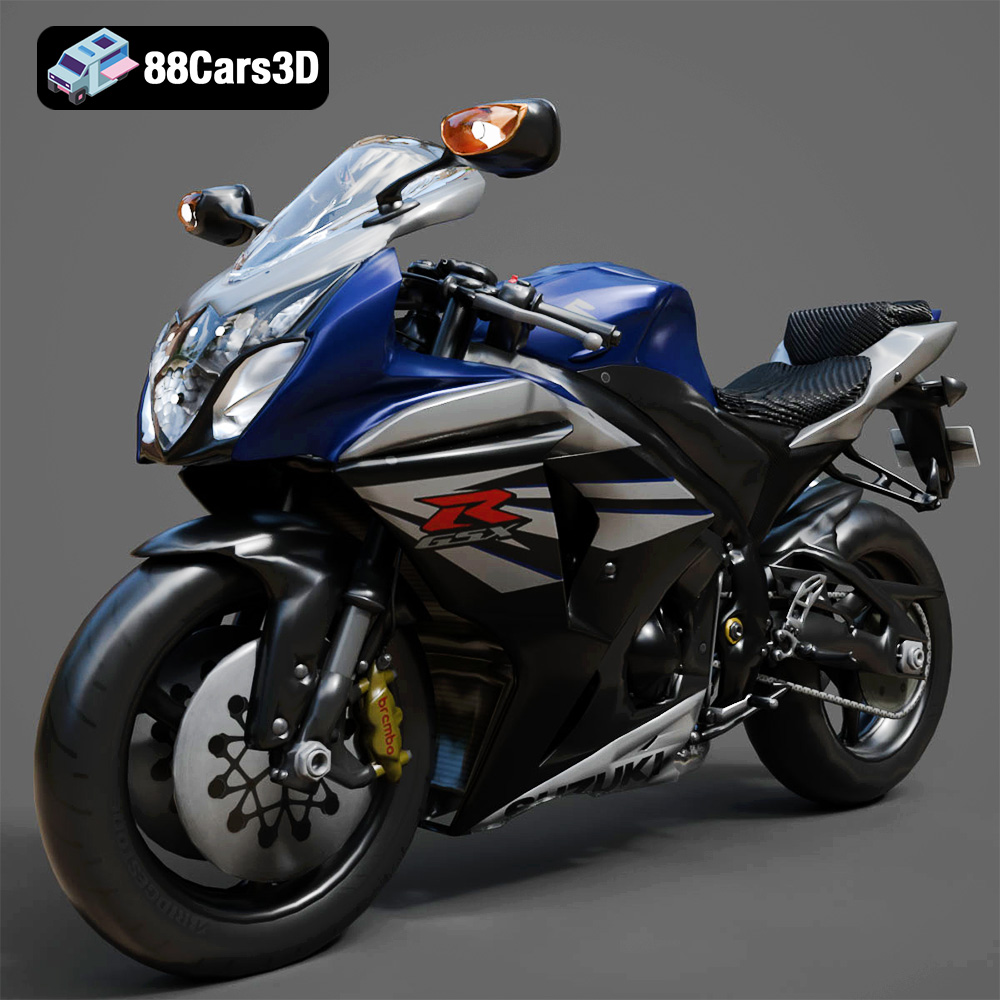
Download the Suzuki GSX-R 1000 3D Model featuring clean geometry, realistic detailing, and a fully modeled interior. Includes .blend, .fbx, .obj, .glb, .stl, .ply, .unreal, and .max formats for rendering, simulation, and game development.
Price: $10
Texture: Yes
Material: Yes
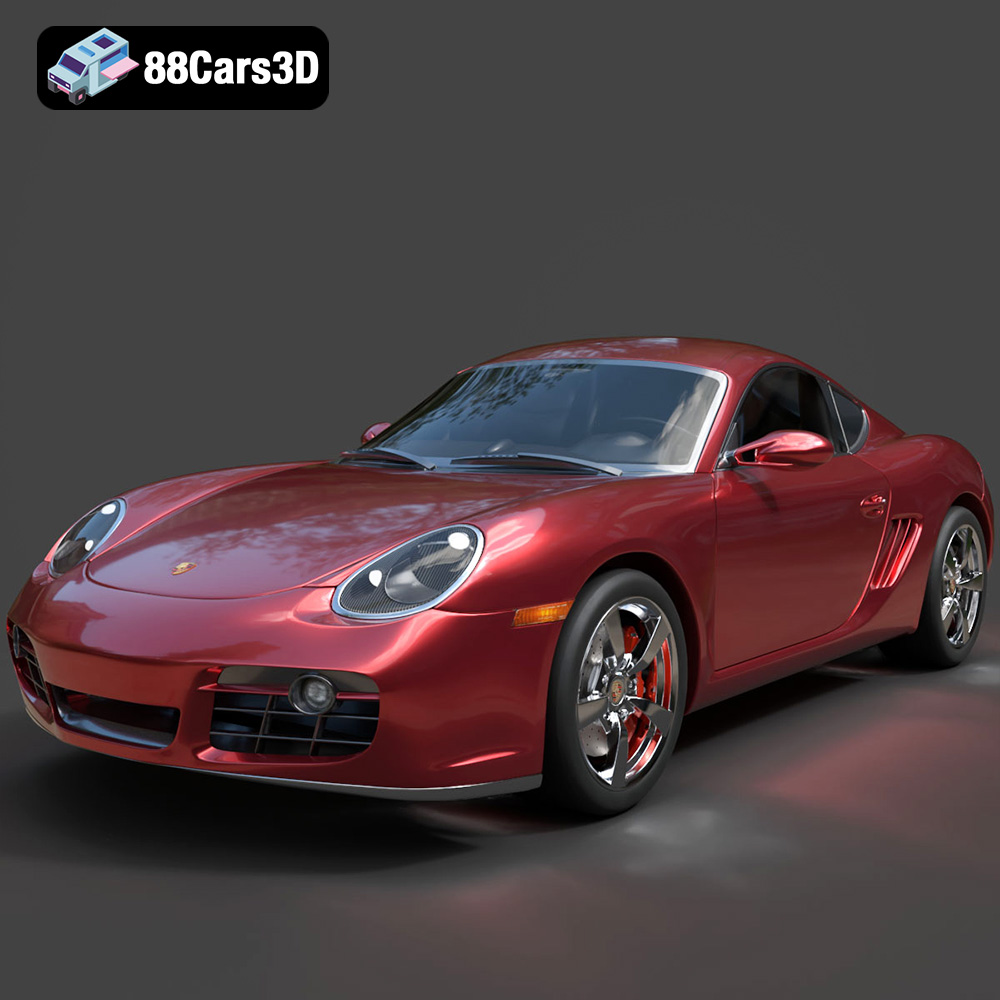
Download the Porsche Cayman S 2024 3D Model featuring clean geometry, realistic detailing, and a fully modeled interior. Includes .blend, .fbx, .obj, .glb, .stl, .ply, .unreal, and .max formats for rendering, simulation, and game development.
Price: $10

Texture: Yes
Material: Yes
Download the Holden Commodore Sportwagon 2017 3D Model featuring clean geometry, realistic detailing, and a fully modeled interior. Includes .blend, .fbx, .obj, .glb, .stl, .ply, .unreal, and .max formats for rendering, simulation, and game development.
Price: $10
Texture: Yes
Material: Yes
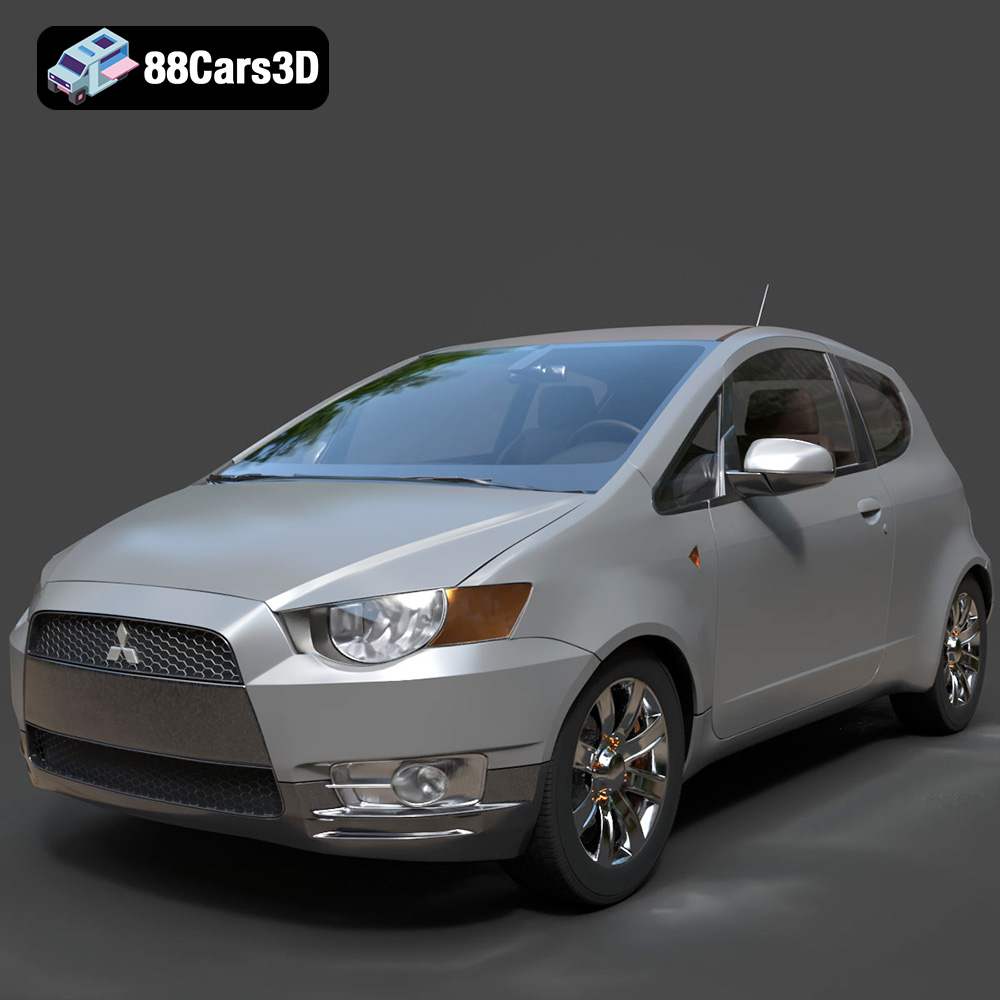
Download the Mitsubishi Colt 3 Door 2008 3D Model featuring clean geometry, realistic detailing, and a fully modeled interior. Includes .blend, .fbx, .obj, .glb, .stl, .ply, .unreal, and .max formats for rendering, simulation, and game development.
Price: $10
Texture: Yes
Material: Yes
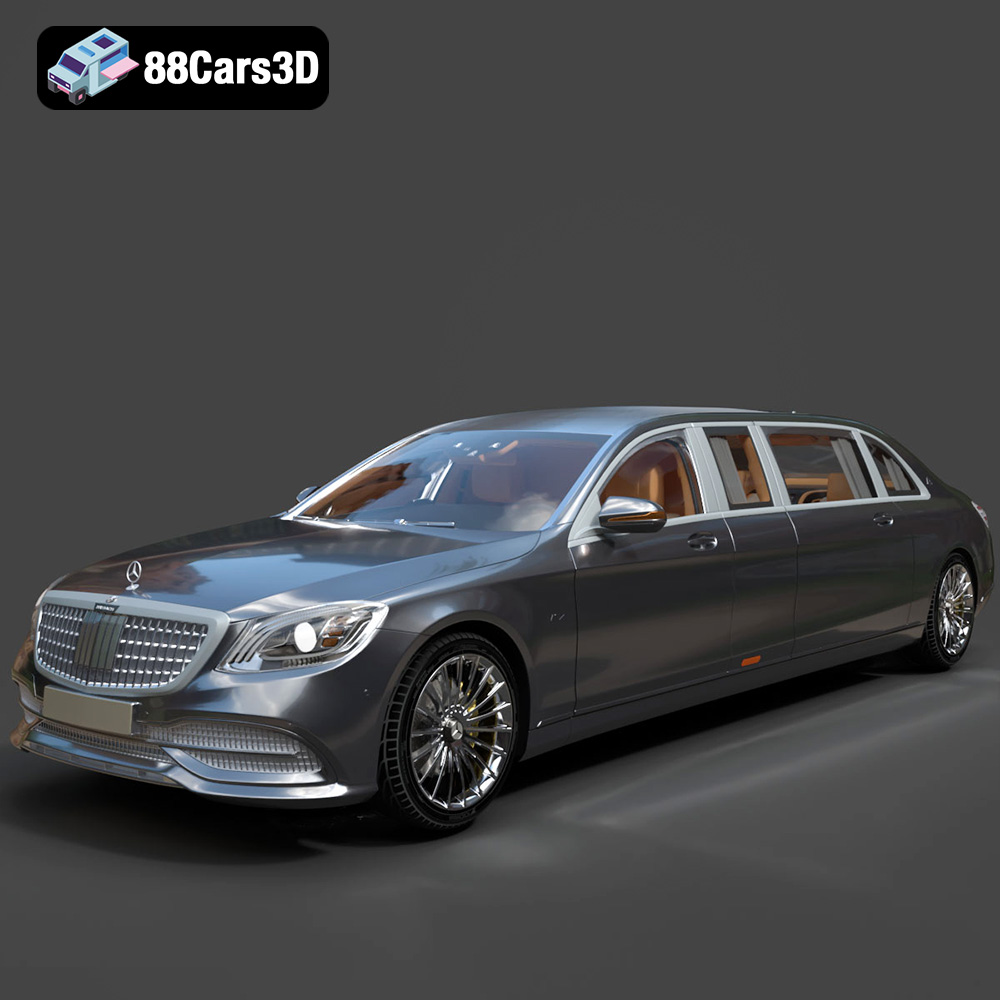
Download the Mercedes-Benz S650 Pullman 3D Model featuring clean geometry, realistic detailing, and a fully modeled interior. Includes .blend, .fbx, .obj, .glb, .stl, .ply, .unreal, and .max formats for rendering, simulation, and game development.
Price: $95.99
Texture: Yes
Material: Yes
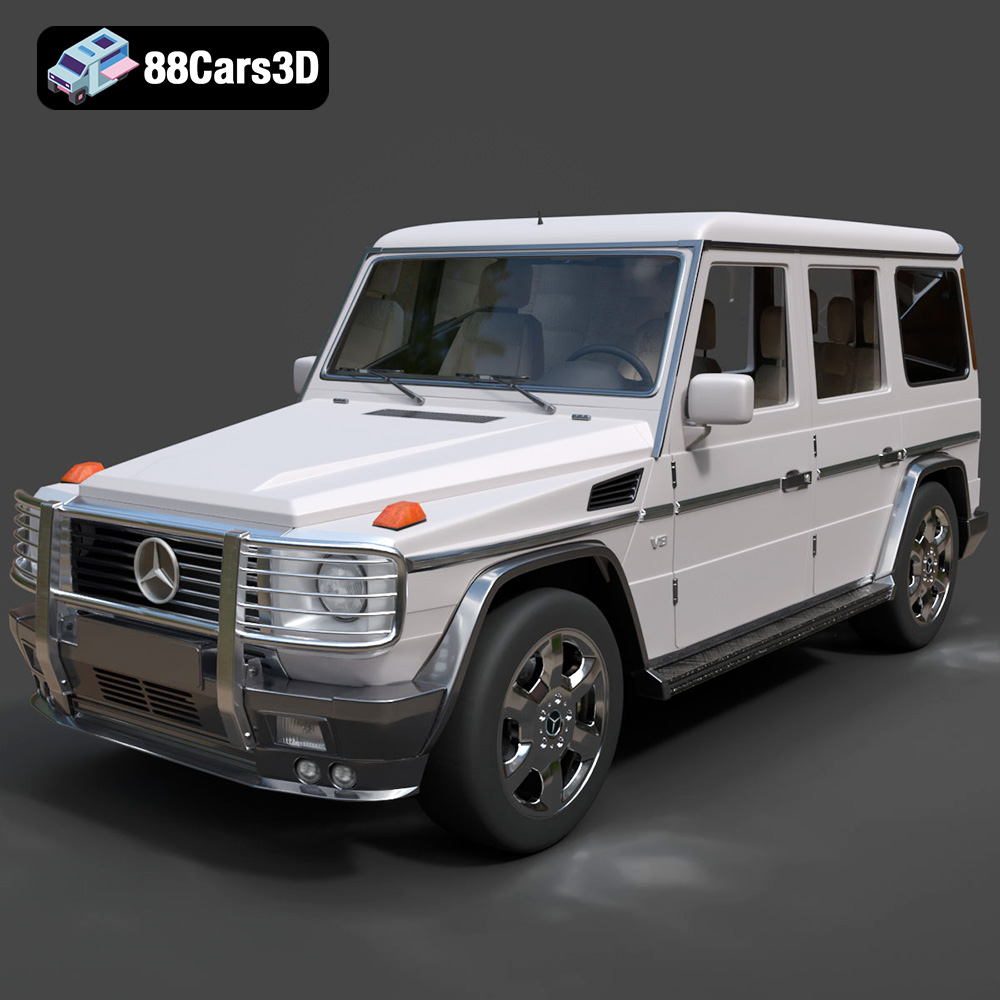
Download the Mercedes G-Class SUV 2024 3D Model featuring clean geometry, realistic detailing, and a fully modeled interior. Includes .blend, .fbx, .obj, .glb, .stl, .ply, .unreal, and .max formats for rendering, simulation, and game development.
Price: $10

Texture: Yes
Material: Yes
Download the Volvo XC90 R-Design 2015 3D Model featuring clean geometry, realistic detailing, and a fully modeled interior. Includes .blend, .fbx, .obj, .glb, .stl, .ply, .unreal, and .max formats for rendering, simulation, and game development.
Price: $10

