⚡ FLASH SALE: Get 60% OFF All Premium 3D & STL Models! ⚡

“`html
The allure of miniature, meticulously crafted car models is undeniable. Thanks to 3D printing, this passion is now more accessible than ever. However, transforming a digital design into a tangible, high-quality car model requires a deep understanding of the 3D printing process, from the intricacies of STL files to the nuances of printer settings and post-processing techniques. This comprehensive guide will equip you with the knowledge and skills necessary to achieve exceptional results, whether you’re a seasoned 3D printing enthusiast or just beginning your journey. We’ll delve into essential aspects like preparing STL files, optimizing slicing parameters, mastering support structures, and exploring material options, ensuring that your 3D printed car models capture the essence of automotive excellence.
This guide will cover:
The STL (Stereolithography) file format is the bedrock of 3D printing. It represents the surface geometry of a 3D object using a collection of triangles. A well-constructed STL file is crucial for successful 3D printing, especially when dealing with the complex curves and intricate details of car models. A flawed STL can lead to print artifacts, structural weaknesses, and ultimately, a disappointing final product.
The density of triangles in an STL file directly affects the resolution and file size. A higher triangle count results in a smoother surface representation but also increases the file size, potentially slowing down slicing and printing. Finding the right balance between detail and file size is key. For car models, areas like the body panels and wheels require a higher triangle density than simpler, less visually prominent parts. You can often adjust the mesh density during the export process from your CAD software (e.g., Blender, SolidWorks) or use mesh reduction tools to optimize existing STL files.
A “manifold” mesh is a closed, watertight surface, essential for 3D printing. Non-manifold meshes contain gaps, holes, or overlapping faces, which can confuse the slicer and lead to printing errors. Before printing, it’s crucial to inspect and repair STL files using software like Meshmixer or Netfabb. These tools can automatically identify and fix common errors such as flipped normals, degenerate triangles, and boundary edges. Many platforms like 88cars3d.com ensure that the STL files they offer are pre-validated and corrected for manifold errors, saving you time and effort.
Tip: Use a mesh analysis tool to check for errors before slicing. Meshmixer’s “Analysis” tool is a great option.
Slicing is the process of converting a 3D model into a series of thin layers that the 3D printer can understand and build upon. The slicer software (e.g., Cura, PrusaSlicer) dictates how the model is printed, controlling parameters like layer height, print speed, temperature, and infill density. Optimizing these parameters is critical for achieving the desired level of detail, strength, and surface finish in your 3D printed car models.
Layer height significantly impacts print quality and print time. Lower layer heights (e.g., 0.1mm or 0.05mm) result in smoother surfaces and finer details but increase print time. Higher layer heights (e.g., 0.2mm or 0.3mm) offer faster printing but at the expense of surface quality. For car models, consider using a lower layer height for the visible exterior surfaces and a higher layer height for internal structures. Print speed should be adjusted in conjunction with layer height and material. Experiment with different combinations to find the optimal balance between speed and quality. A good starting point is 40-60 mm/s for PLA and 30-50 mm/s for ABS.
Infill is the internal structure of the 3D printed object. Infill density determines the strength and weight of the model. For car models, a higher infill density (e.g., 20-30%) is recommended for structural components like the chassis and wheel hubs, while a lower density (e.g., 10-15%) can be used for less critical areas like the roof or body panels. Different infill patterns (e.g., grid, honeycomb, gyroid) offer varying levels of strength and material usage. Gyroid infill provides excellent strength-to-weight ratio and is a good option for car model components that need to withstand stress. Platforms like 88cars3d.com often provide recommendations for infill settings for their printable car models to ensure optimal strength and aesthetics.
Tip: Use adaptive layer height in Cura or variable layer height in PrusaSlicer to automatically adjust layer height based on the geometry. This allows you to prioritize fine details where needed while speeding up printing in other areas.
Support structures are temporary structures that provide support for overhanging features during 3D printing. Without supports, these features would collapse under their own weight. Generating and removing support structures effectively is crucial for achieving clean, detailed prints, especially for complex car model geometries with intricate curves and protruding elements like spoilers, mirrors, and wheel arches.
Most slicer software offers automatic support generation, which analyzes the model and automatically places supports where needed. While convenient, automatic supports can sometimes be overly aggressive or placed in undesirable locations. Manual support generation provides more control, allowing you to strategically place supports only where necessary, minimizing material usage and simplifying post-processing. In Cura, you can use the “Support Blocker” tool to prevent supports from being generated in specific areas. In PrusaSlicer, you can use the “Paint-on Supports” feature to precisely define where supports should be placed.
The choice of support material and interface settings significantly affects the ease of support removal and the surface quality of the supported areas. Soluble support materials, such as PVA for PLA or HIPS for ABS, can be dissolved in water or limonene, eliminating the need for manual removal and resulting in a cleaner surface finish. When using the same material for both the model and supports, optimizing the support interface settings is crucial. Increasing the support interface density and decreasing the air gap between the support and the model can improve support adhesion but also make removal more challenging. Experiment with different settings to find the optimal balance.
Tip: Use a raft or brim to improve bed adhesion, especially when printing large or complex car models.
The choice of material significantly impacts the properties of your 3D printed car model, including its strength, durability, flexibility, and aesthetic appearance. Common 3D printing materials include PLA, PETG, ABS, and various resin types, each with its own advantages and disadvantages. Selecting the right material depends on the intended application of the car model, whether it’s for display, functional prototyping, or even remote control car conversion.
PLA (Polylactic Acid) is a biodegradable thermoplastic known for its ease of printing, low odor, and wide availability. It’s a good choice for display models and decorative parts. PETG (Polyethylene Terephthalate Glycol-modified) offers improved strength, flexibility, and temperature resistance compared to PLA, making it suitable for functional prototypes and parts that may be exposed to heat. ABS (Acrylonitrile Butadiene Styrene) is a strong, durable, and heat-resistant thermoplastic commonly used in automotive applications. However, it’s more challenging to print than PLA or PETG due to its higher printing temperature and tendency to warp.
Resin printing, using technologies like SLA (Stereolithography) or DLP (Digital Light Processing), offers exceptional detail and smooth surface finishes, making it ideal for creating highly detailed car models. Resin printers use liquid photopolymer resins that are cured by UV light. Different resin types are available, including standard resins, tough resins, and flexible resins, each with its own properties. Resin printing requires careful post-processing, including washing and curing, to remove uncured resin and fully harden the printed part. While resin printing offers superior detail, it’s generally more expensive and requires more specialized equipment than FDM printing. Also, remember to always handle resin in a well-ventilated area and wear appropriate safety gear.
Tip: Consider using a dual-extrusion printer to print car models with multiple colors or materials in a single print. This can save time and effort compared to printing separate parts and assembling them later.
Post-processing is the series of steps taken after printing to refine the surface finish, remove imperfections, and assemble the final car model. Common post-processing techniques include support removal, sanding, filling, priming, painting, and clear coating. Effective post-processing is essential for achieving a professional-looking, high-quality car model that accurately reflects the intended design.
Sanding is used to smooth the surface of the 3D printed part and remove layer lines. Start with a coarse grit sandpaper (e.g., 220 grit) and gradually move to finer grits (e.g., 400 grit, 600 grit, 800 grit) to achieve a smooth surface. Filling is used to fill in small gaps, imperfections, or support removal marks. Automotive body filler or spot putty are good options. Apply the filler in thin layers and sand it smooth after it dries. Priming provides a uniform surface for painting and helps the paint adhere better. Use a high-quality primer designed for plastics and apply it in thin, even coats.
Painting is used to add color and detail to the car model. Use acrylic paints designed for model making or automotive paints for a more durable finish. Apply the paint in thin, even coats using an airbrush or spray can. Masking tape can be used to create clean lines and separate different colors. Clear coating protects the paint and adds a glossy finish. Use a high-quality clear coat designed for automotive applications and apply it in thin, even coats. Allow the clear coat to dry completely before handling the model. Remember to always work in a well-ventilated area when painting and clear coating.
Tip: Consider using polishing compounds to achieve an even higher level of gloss on your painted car model.
Even with careful planning and optimized settings, 3D printing can sometimes present challenges. Common issues include warping, bed adhesion problems, layer separation, stringing, and elephant’s foot. Understanding the causes of these issues and knowing how to troubleshoot them is crucial for achieving consistent, high-quality prints. Many of these problems can be avoided by starting with well-designed and prepared STL files; when downloading models from marketplaces such as 88cars3d.com, you can be confident that they are optimized for 3D printing.
Warping occurs when the corners of the 3D printed part lift off the build plate due to uneven cooling and thermal contraction. To prevent warping, ensure that the build plate is clean and level, use a heated bed, apply an adhesive like glue stick or hairspray, and enclose the printer to maintain a consistent temperature. Increasing the bed temperature and using a brim or raft can also improve bed adhesion. For materials like ABS that are particularly prone to warping, consider using an enclosure specifically designed for 3D printing.
Layer separation occurs when the layers of the 3D printed part do not adhere properly to each other, resulting in weak or brittle prints. To prevent layer separation, increase the printing temperature, decrease the print speed, increase the extrusion multiplier, and ensure that the filament is dry. Stringing occurs when small strands of filament are left between different parts of the 3D printed object. To prevent stringing, decrease the printing temperature, increase retraction distance and speed, and enable coasting or wiping in the slicer settings.
Tip: Regularly clean and maintain your 3D printer to ensure optimal performance. This includes cleaning the nozzle, lubricating moving parts, and calibrating the printer.
3D printing car models is a rewarding yet technically demanding endeavor. By understanding the intricacies of STL files, mastering slicing parameters, effectively utilizing support structures, carefully selecting materials, and employing proper post-processing techniques, you can create stunning, high-quality car models that capture the essence of automotive design. This guide has provided you with the foundational knowledge and practical tips to navigate the 3D printing process with confidence.
Your next steps should be:
The world of 3D printing is constantly evolving, so stay curious, keep learning, and never stop pushing the boundaries of what’s possible. With dedication and practice, you’ll be crafting exquisite 3D printed car models in no time. Platforms like 88cars3d.com offer a vast library of printable car models to fuel your passion and inspire your next project. Happy printing!
“`

Texture: Yes
Material: Yes
Download the Mercedes S-Class 2024 3D Model featuring clean geometry, realistic detailing, and a fully modeled interior. Includes .blend, .fbx, .obj, .glb, .stl, .ply, .unreal, and .max formats for rendering, simulation, and game development.
Price: $10
Texture: Yes
Material: Yes
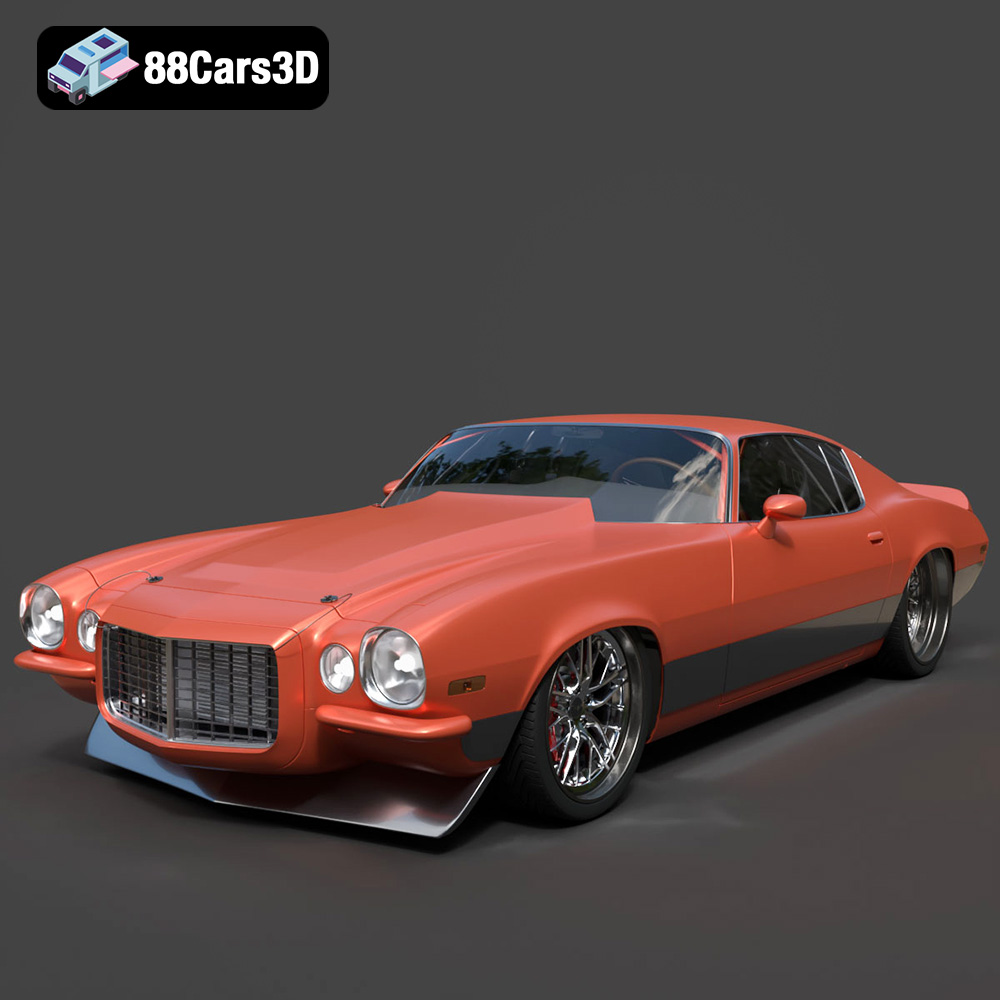
Download the Chevrolet Camaro 1970 3D Model featuring clean geometry, realistic detailing, and a fully modeled interior. Includes .blend, .fbx, .obj, .glb, .stl, .ply, .unreal, and .max formats for rendering, simulation, and game development.
Price: $10
Texture: Yes
Material: Yes
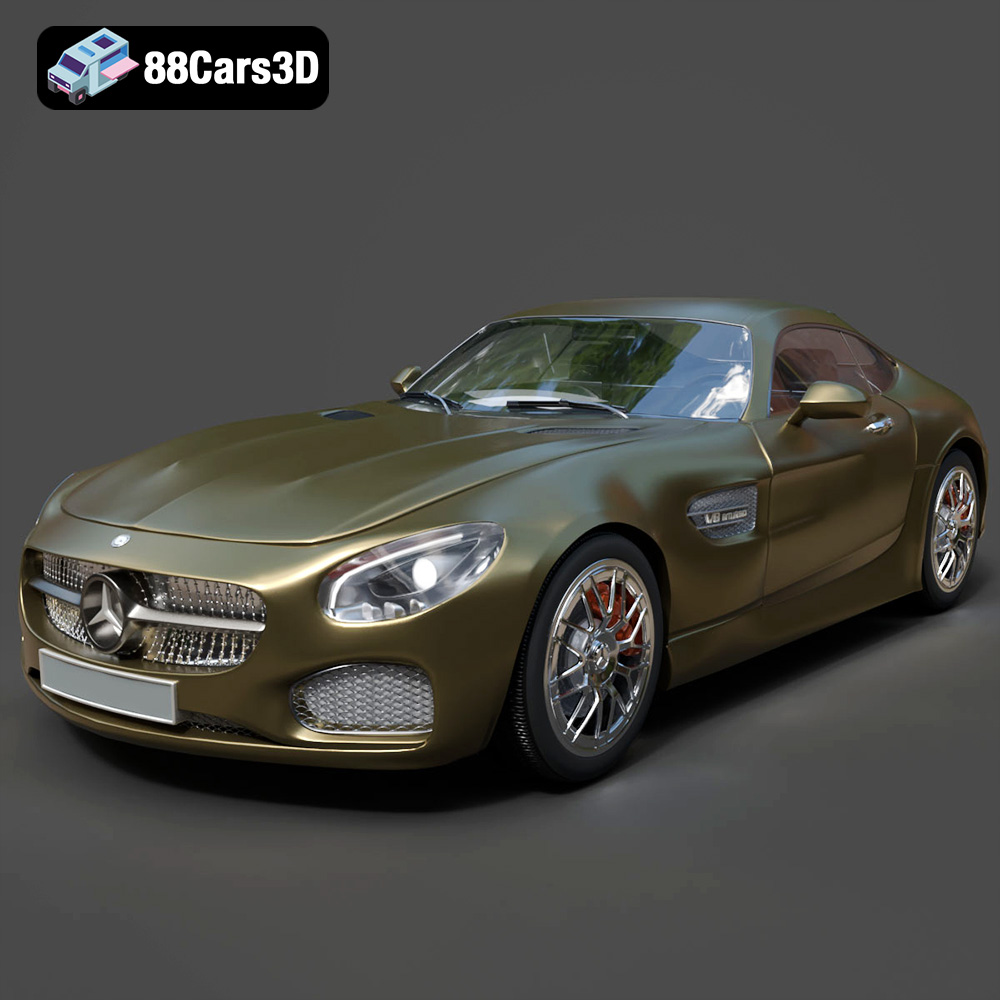
Download the Mercedes-AMG GT 2015 3D Model featuring clean geometry, realistic detailing, and a fully modeled interior. Includes .blend, .fbx, .obj, .glb, .stl, .ply, .unreal, and .max formats for rendering, simulation, and game development.
Price: $88.99
Texture: Yes
Material: Yes
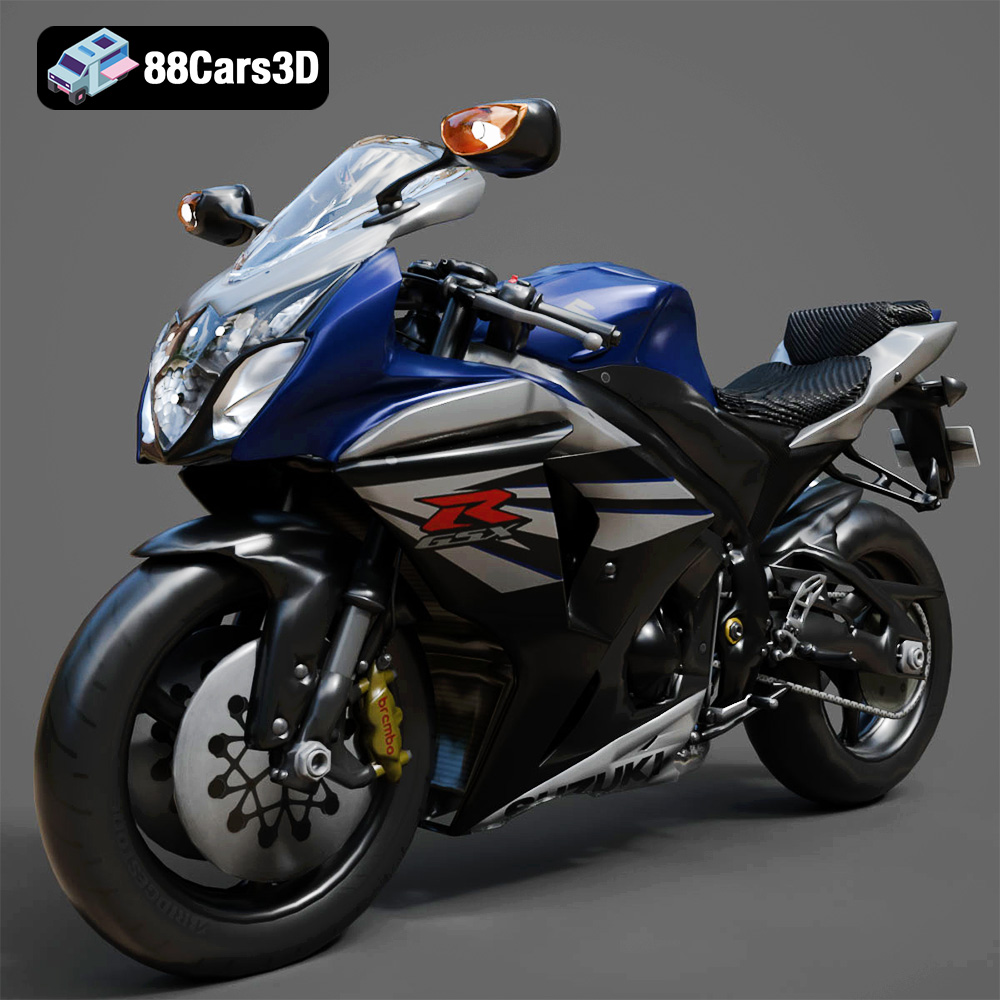
Download the Suzuki GSX-R 1000 3D Model featuring clean geometry, realistic detailing, and a fully modeled interior. Includes .blend, .fbx, .obj, .glb, .stl, .ply, .unreal, and .max formats for rendering, simulation, and game development.
Price: $10
Texture: Yes
Material: Yes
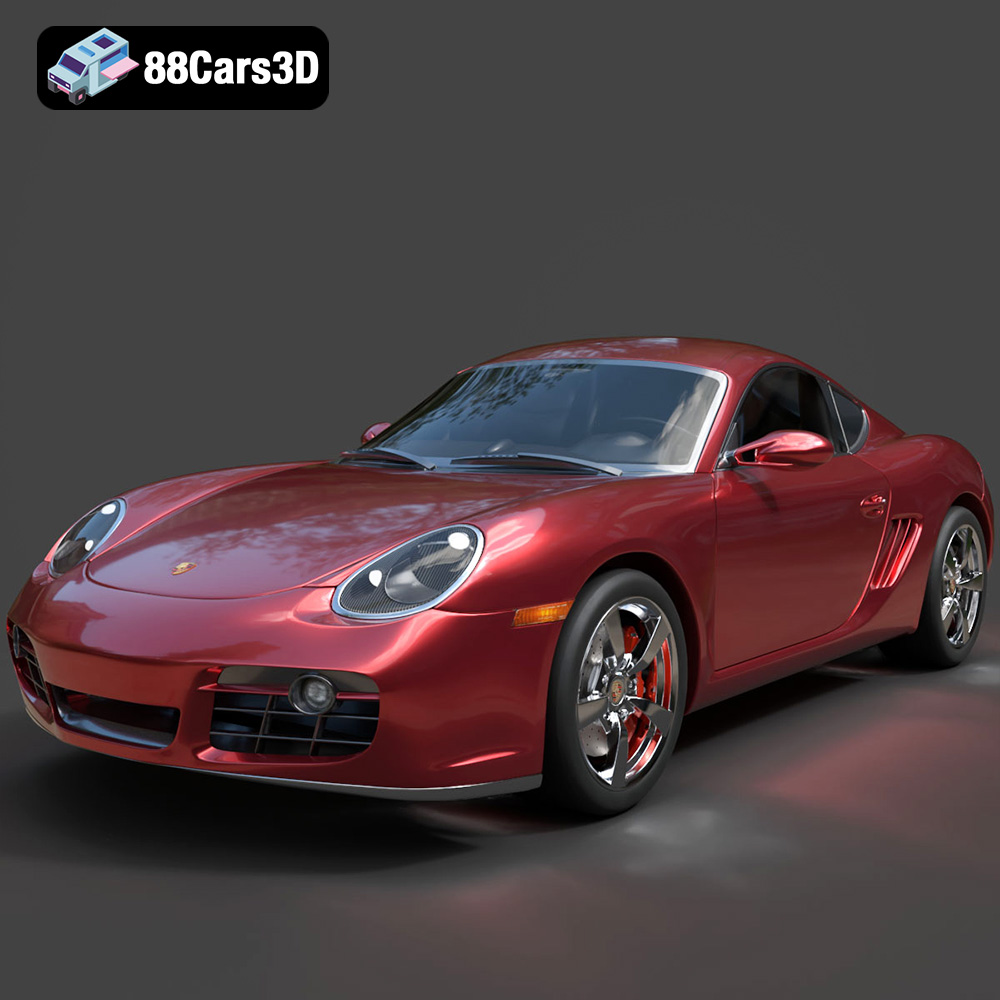
Download the Porsche Cayman S 2024 3D Model featuring clean geometry, realistic detailing, and a fully modeled interior. Includes .blend, .fbx, .obj, .glb, .stl, .ply, .unreal, and .max formats for rendering, simulation, and game development.
Price: $10

Texture: Yes
Material: Yes
Download the Holden Commodore Sportwagon 2017 3D Model featuring clean geometry, realistic detailing, and a fully modeled interior. Includes .blend, .fbx, .obj, .glb, .stl, .ply, .unreal, and .max formats for rendering, simulation, and game development.
Price: $10
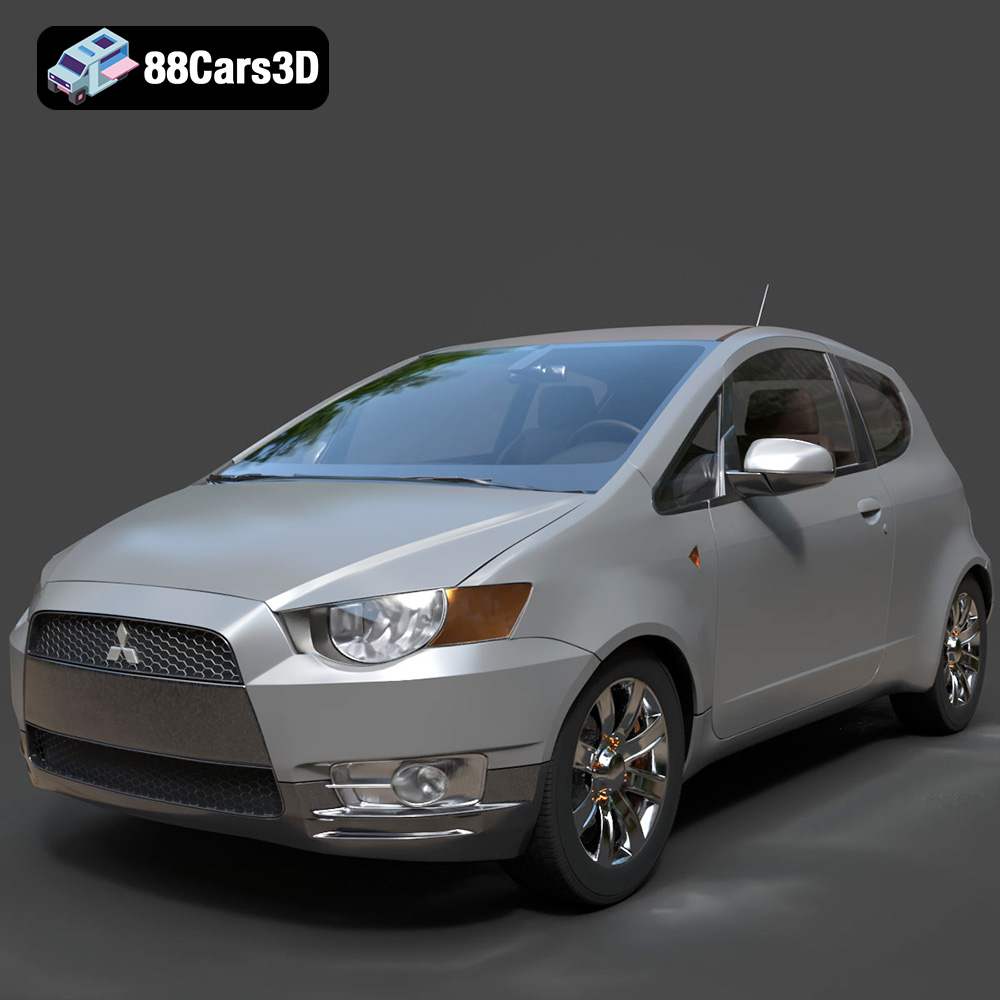
Texture: Yes
Material: Yes
Download the Mitsubishi Colt 3 Door 2008 3D Model featuring clean geometry, realistic detailing, and a fully modeled interior. Includes .blend, .fbx, .obj, .glb, .stl, .ply, .unreal, and .max formats for rendering, simulation, and game development.
Price: $10
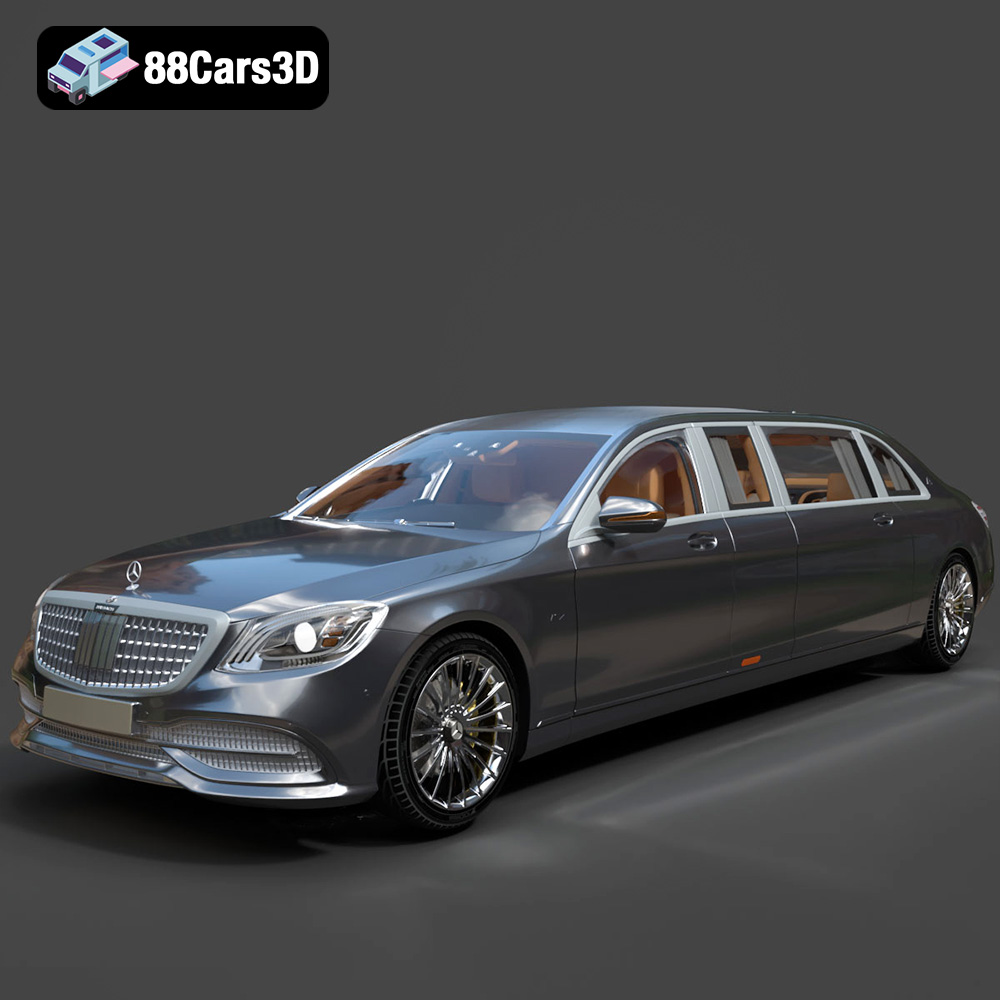
Texture: Yes
Material: Yes
Download the Mercedes-Benz S650 Pullman 3D Model featuring clean geometry, realistic detailing, and a fully modeled interior. Includes .blend, .fbx, .obj, .glb, .stl, .ply, .unreal, and .max formats for rendering, simulation, and game development.
Price: $95.99
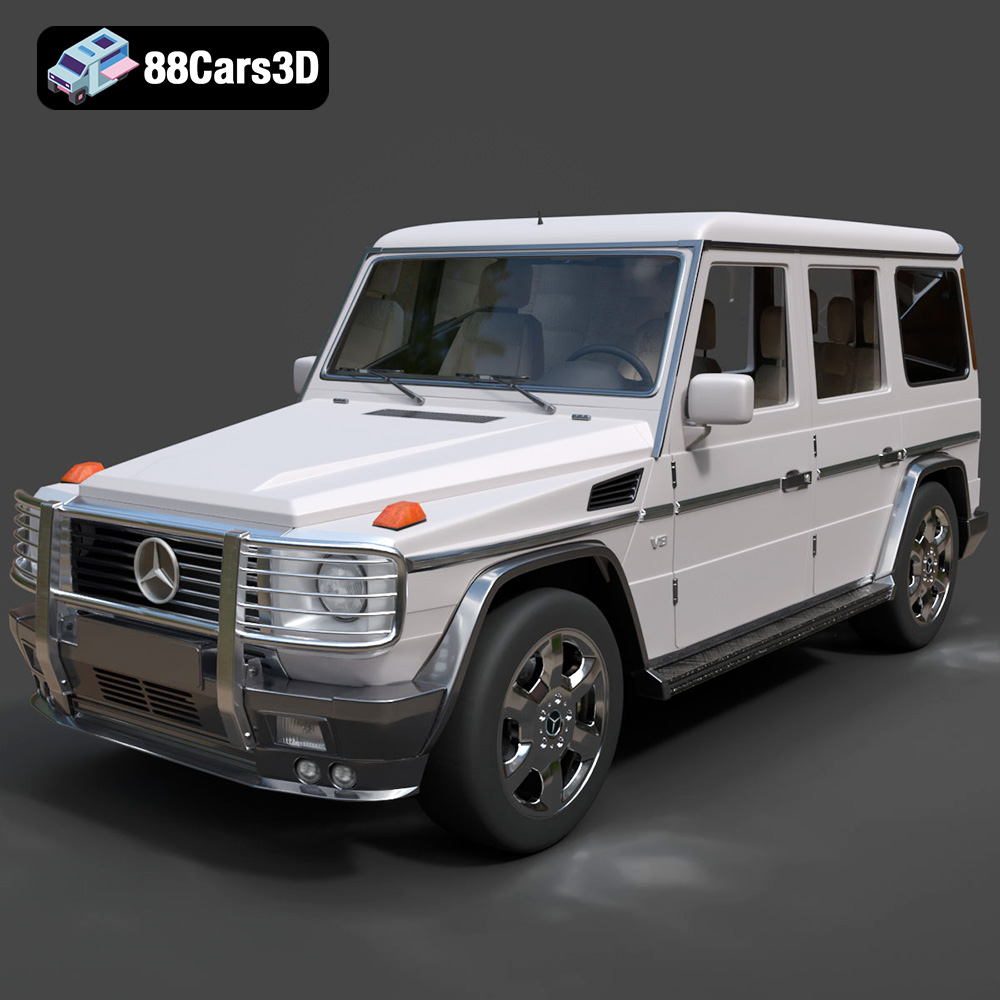
Texture: Yes
Material: Yes
Download the Mercedes G-Class SUV 2024 3D Model featuring clean geometry, realistic detailing, and a fully modeled interior. Includes .blend, .fbx, .obj, .glb, .stl, .ply, .unreal, and .max formats for rendering, simulation, and game development.
Price: $10

Texture: Yes
Material: Yes
Download the Volvo XC90 R-Design 2015 3D Model featuring clean geometry, realistic detailing, and a fully modeled interior. Includes .blend, .fbx, .obj, .glb, .stl, .ply, .unreal, and .max formats for rendering, simulation, and game development.
Price: $10

