⚡ FLASH SALE: Get 60% OFF All Premium 3D & STL Models! ⚡

“`html
The world of 3D printing has revolutionized the way we approach prototyping, manufacturing, and even hobbies. For automotive enthusiasts and model collectors, this technology unlocks the door to creating incredibly detailed and personalized car models. However, achieving professional-quality results requires more than just pressing “print.” It demands a deep understanding of the 3D printing process, from file preparation and printer settings to post-processing techniques. This comprehensive guide will walk you through every step, transforming your digital STL files into tangible works of art, suitable for display or educational purposes. Whether you’re a seasoned 3D printing veteran or a complete beginner, you’ll find valuable insights and actionable tips to elevate your car model printing game. We’ll explore file formats, slicing strategies, support structures, material selection, and advanced techniques, ensuring your prints are not only accurate but also visually stunning. So, buckle up and get ready to dive deep into the fascinating world of 3D printed car models!
The STL (Stereolithography) file format is the cornerstone of 3D printing. It represents the surface geometry of a 3D object using a mesh of triangles. Understanding the structure of an STL file is crucial for ensuring successful and high-quality prints. Essentially, each triangle in the mesh is defined by three vertices (points in 3D space) and a normal vector that indicates the triangle’s orientation. A well-formed STL file should be watertight, meaning there are no gaps or holes in the mesh, and the triangles should be consistently oriented (all normals pointing outwards or inwards). When downloading models from marketplaces such as 88cars3d.com, you can expect high-quality STL files specifically designed for 3D printing, reducing the chances of errors. However, it’s still beneficial to understand potential issues and how to address them.
The resolution of an STL file determines the level of detail captured in the 3D model. A higher resolution means more triangles, resulting in a smoother surface but also a larger file size and potentially longer processing times. Conversely, a lower resolution can lead to a faceted or blocky appearance. Finding the right balance is key. When preparing an STL file for a car model, pay close attention to areas with curves and intricate details, such as the body panels, lights, and grilles. Insufficient resolution in these areas can significantly detract from the overall aesthetic. Many CAD software packages allow you to control the tessellation (the process of converting a smooth surface into a mesh of triangles) and export STL files with varying levels of resolution. For car models, a good starting point is a deviation tolerance of 0.01mm to 0.05mm. This parameter controls the maximum distance between the original surface and the tessellated mesh.
Before sending an STL file to the printer, it’s essential to inspect it for errors. Common issues include non-manifold edges (edges shared by more than two triangles), holes in the mesh, and inverted normals. These errors can cause problems during slicing and printing, leading to incomplete or distorted models. Software like Meshmixer, Netfabb, and even some slicers offer tools for repairing STL files. Meshmixer, for instance, provides a “Make Solid” function that automatically closes holes and fixes non-manifold edges. Netfabb offers more advanced repair capabilities, including mesh smoothing and optimization. When using these tools, be mindful of the settings. Aggressive repair algorithms can sometimes alter the geometry of the model, so it’s always best to start with conservative settings and gradually increase them as needed. A simple check for manifold edges can be performed by visually inspecting the model in a 3D viewer, looking for unexpected gaps or lines.
Slicing is the process of converting a 3D model into a set of instructions that the 3D printer can understand. The slicer software divides the model into thin layers and generates a toolpath for the printer’s nozzle or laser. The parameters you choose in the slicer software have a significant impact on the print quality, strength, and speed. For car models, precision and surface finish are often paramount, so careful attention must be paid to layer height, print speed, and support settings. Popular slicers include Cura, PrusaSlicer, Simplify3D, and ideaMaker, each offering a wide range of customizable parameters. Experimentation is key to finding the optimal settings for your specific printer, material, and model complexity.
Layer height is arguably the most crucial slicing parameter. It determines the thickness of each layer printed. A smaller layer height results in a smoother surface finish and greater detail resolution, but it also increases the print time significantly. Conversely, a larger layer height reduces print time but can lead to a more stepped or faceted appearance. For car models, a layer height between 0.1mm and 0.2mm is generally recommended for FDM (Fused Deposition Modeling) printing. For resin printing (SLA/DLP/LCD), layer heights can be significantly smaller, often in the range of 0.025mm to 0.05mm, resulting in incredibly detailed prints. Consider the trade-off between print time and quality when selecting a layer height. Areas with fine details, such as the grille or badges, may benefit from a smaller layer height, while less critical areas can be printed with a slightly larger layer height to save time.
Print speed affects both the print quality and the overall print time. Printing too fast can lead to poor layer adhesion, warping, and dimensional inaccuracies. Printing too slow can result in stringing and excessive heat buildup. The optimal print speed depends on the material, printer, and model geometry. For PLA, a typical print speed range is 40-60mm/s. For PETG, a slower speed of 30-50mm/s is often recommended. Temperature control is also crucial. The printing temperature should be high enough to ensure good layer adhesion but not so high that the material becomes too fluid and loses its shape. Refer to the material manufacturer’s recommendations for optimal temperature settings. Fine-tuning the temperature can help reduce warping and improve surface finish. In addition to the nozzle temperature, bed temperature is also important for ensuring good adhesion to the build plate. A heated bed is often required for materials like ABS and PETG to prevent warping.
Support structures are temporary structures that are printed to support overhanging features and prevent them from collapsing during printing. Car models often have complex geometries with significant overhangs, such as spoilers, side mirrors, and wheel arches, making support structures essential. The design and placement of support structures can significantly impact the print quality and the ease of post-processing. Poorly designed supports can be difficult to remove and can leave unsightly marks on the finished model. Therefore, it is important to carefully consider the support settings in your slicer software. Platforms like 88cars3d.com offer print-ready STL files that often include pre-optimized support structures, saving you time and effort.
Slicer software typically offers a variety of support types, including tree supports, linear supports, and grid supports. Tree supports are generally preferred for car models because they use less material and are easier to remove. They branch out from the build plate like a tree, providing support where it’s needed without excessively covering the model’s surface. Linear supports are a simple and robust option, but they can be more difficult to remove. Grid supports are best suited for large, flat overhangs. Support density determines the amount of material used for the supports. A higher density provides more support but also makes the supports more difficult to remove. A lower density reduces material usage but may not provide sufficient support for large overhangs. Experiment with different support densities to find the optimal balance for your model. For complex car models, a support density of 15-25% is a good starting point.
The placement of support structures is crucial for ensuring that overhangs are adequately supported and that the supports are easy to remove. Avoid placing supports on visible surfaces whenever possible. Instead, try to orient the model so that overhangs are supported from below. Some slicers offer automatic support placement, but it’s often necessary to manually adjust the support placement to optimize it for your model. Interface layers are thin layers that are printed between the support structures and the model. These layers make it easier to remove the supports without damaging the model’s surface. Interface layers are particularly useful for delicate features and areas where the supports are closely attached to the model. Experiment with different interface layer thicknesses to find the optimal setting for your material and printer. A typical interface layer thickness is 0.2mm.
The choice of material plays a critical role in the final appearance, strength, and durability of your 3D printed car model. Different materials offer unique properties, making them suitable for different applications. For FDM printing, the most common materials are PLA, PETG, and ABS. For resin printing, a wide range of resins are available, each with its own set of properties. Understanding the characteristics of each material is essential for selecting the right one for your project.
PLA (Polylactic Acid) is a biodegradable thermoplastic derived from renewable resources. It’s easy to print, has low warping, and produces excellent surface finish, making it a popular choice for beginners. However, PLA is not very heat resistant and can become brittle over time. PETG (Polyethylene Terephthalate Glycol-modified) is a more durable and heat-resistant alternative to PLA. It’s also more flexible and less prone to cracking. PETG is a good all-around material for car models that require some strength and durability. ABS (Acrylonitrile Butadiene Styrene) is a strong and heat-resistant thermoplastic that is commonly used in automotive applications. However, ABS is more difficult to print than PLA and PETG, as it is prone to warping and requires a heated bed and enclosure. ABS is a good choice for car models that will be exposed to high temperatures or require high strength.
Resin printing offers significantly higher resolution and detail than FDM printing. SLA (Stereolithography), DLP (Digital Light Processing), and LCD (Liquid Crystal Display) are the three main types of resin printing. Each technology uses a different method to cure liquid resin using light. SLA uses a laser to selectively cure the resin, DLP uses a projector to cure an entire layer at once, and LCD uses an LCD screen to mask the light and cure the resin. Resin materials offer a wide range of properties, including high detail, flexibility, and impact resistance. Some resins are specifically designed for automotive applications and offer excellent heat resistance and durability. When selecting a resin, consider the desired properties of the finished model and the specific requirements of your printer. Always wear gloves and eye protection when handling resin, as it can be irritating to the skin and eyes.
Post-processing is the final step in the 3D printing process. It involves removing support structures, sanding, painting, and assembling the printed parts. Post-processing can significantly enhance the appearance and functionality of your 3D printed car model. Careful attention to detail during post-processing can transform a raw print into a professional-quality masterpiece.
The first step in post-processing is to remove the support structures. Use a sharp knife or pliers to carefully remove the supports, being careful not to damage the model’s surface. For FDM prints, you may need to use a heat gun to soften the supports before removing them. For resin prints, the supports are often easier to remove, but it’s still important to be careful. After removing the supports, sand the model’s surface to remove any imperfections and smooth out the layer lines. Start with a coarse grit sandpaper (e.g., 220 grit) and gradually work your way up to a finer grit sandpaper (e.g., 400 grit, 600 grit, and even 800 grit). Wet sanding can help to prevent clogging and produce a smoother finish. Pay particular attention to areas where the supports were attached to the model.
Painting is an essential step for achieving a realistic and professional-looking finish. Start by priming the model with a thin layer of primer. This will help the paint adhere to the surface and create a uniform base coat. Use automotive-grade paints for the best results. Apply multiple thin coats of paint, allowing each coat to dry completely before applying the next. For complex paint schemes, use masking tape to create sharp lines and prevent overspray. After painting, apply a clear coat to protect the paint and add a glossy finish. Finally, assemble the printed parts using glue or screws. Ensure that all parts fit together properly and that the model is structurally sound. For added realism, consider adding details such as decals, badges, and lights.
Even with careful planning and execution, 3D printing can sometimes be challenging. Common issues include warping, poor layer adhesion, stringing, and elephant’s foot. Understanding the causes of these issues and how to fix them is essential for achieving successful prints. This section will provide troubleshooting tips for some of the most common 3D printing problems.
Warping occurs when the corners of the print lift up from the build plate. This is often caused by uneven cooling or poor bed adhesion. To prevent warping, ensure that your build plate is clean and level. Use a bed adhesion agent such as glue stick, hairspray, or blue tape to improve adhesion. Increase the bed temperature and reduce the cooling fan speed. For materials like ABS, an enclosure is essential to maintain a stable temperature and prevent warping. “Elephant’s foot” is a related issue where the first few layers of the print are wider than the rest of the model. This is often caused by the bed being too close to the nozzle. Adjust the Z-offset to increase the distance between the nozzle and the bed.
Poor layer adhesion occurs when the layers of the print do not bond together properly. This can be caused by printing at too low a temperature, printing too fast, or using the wrong material settings. Increase the printing temperature, reduce the print speed, and ensure that your material settings are correct. Stringing occurs when the nozzle oozes material while traveling between different parts of the print. This can be caused by printing at too high a temperature, retraction settings being incorrect, or the nozzle being dirty. Reduce the printing temperature, increase the retraction distance and speed, and clean the nozzle regularly. Make sure the “coasting” feature in your slicer is enabled; this will stop extrusion before a travel move, reducing pressure in the nozzle.
Mastering 3D printing for car models requires a blend of technical knowledge, careful planning, and a willingness to experiment. From understanding STL file structures and optimizing slicing parameters to selecting the right materials and mastering post-processing techniques, each step plays a crucial role in achieving professional-quality results. Remember to inspect and repair your STL files before printing, carefully choose your slicing parameters based on your printer and material, and pay attention to the placement and design of support structures. Don’t be afraid to experiment with different materials and post-processing techniques to find what works best for you. And most importantly, learn from your mistakes and keep practicing! By following the tips and techniques outlined in this guide, you’ll be well on your way to creating stunning 3D printed car models that you can be proud to display. Remember to explore resources like 88cars3d.com for inspiration and high-quality, print-ready models to fuel your passion for automotive 3D printing. So, fire up your printer, and let your creativity take the wheel!
“`

Texture: Yes
Material: Yes
Download the Mercedes S-Class 2024 3D Model featuring clean geometry, realistic detailing, and a fully modeled interior. Includes .blend, .fbx, .obj, .glb, .stl, .ply, .unreal, and .max formats for rendering, simulation, and game development.
Price: $10
Texture: Yes
Material: Yes
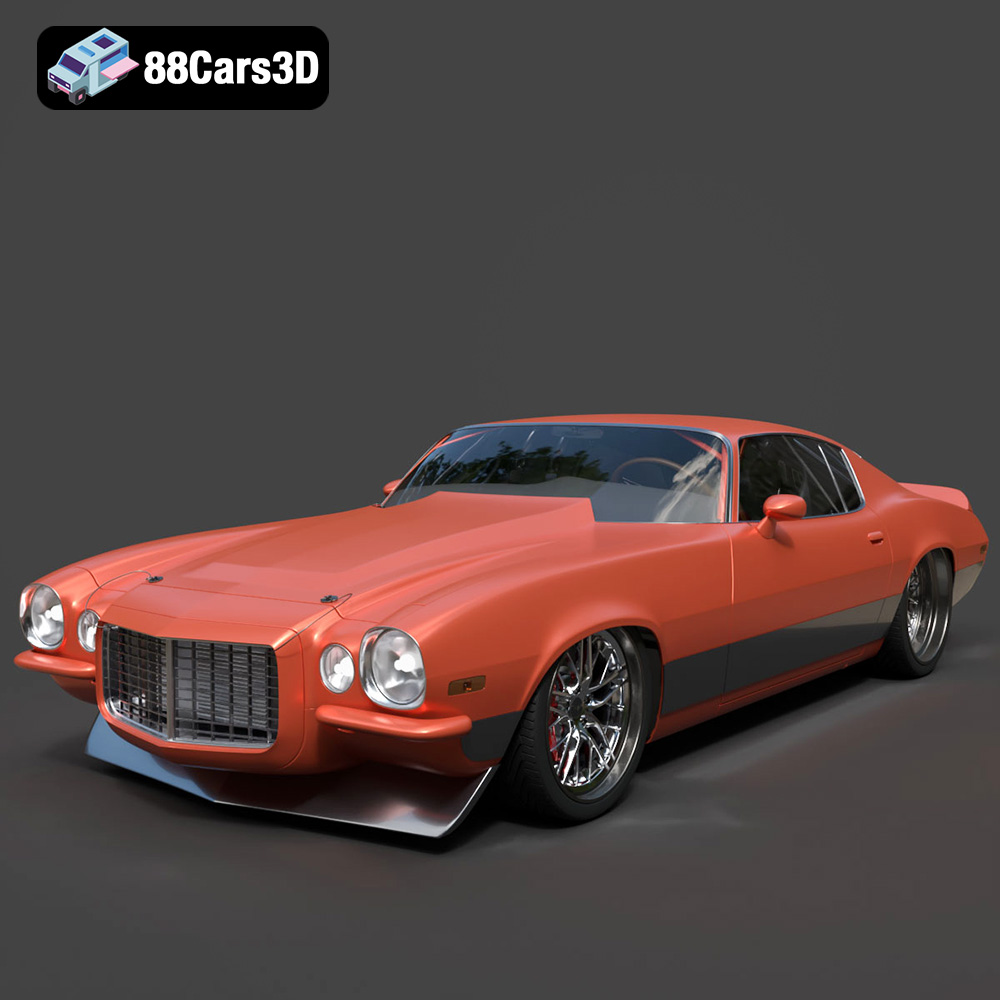
Download the Chevrolet Camaro 1970 3D Model featuring clean geometry, realistic detailing, and a fully modeled interior. Includes .blend, .fbx, .obj, .glb, .stl, .ply, .unreal, and .max formats for rendering, simulation, and game development.
Price: $10
Texture: Yes
Material: Yes
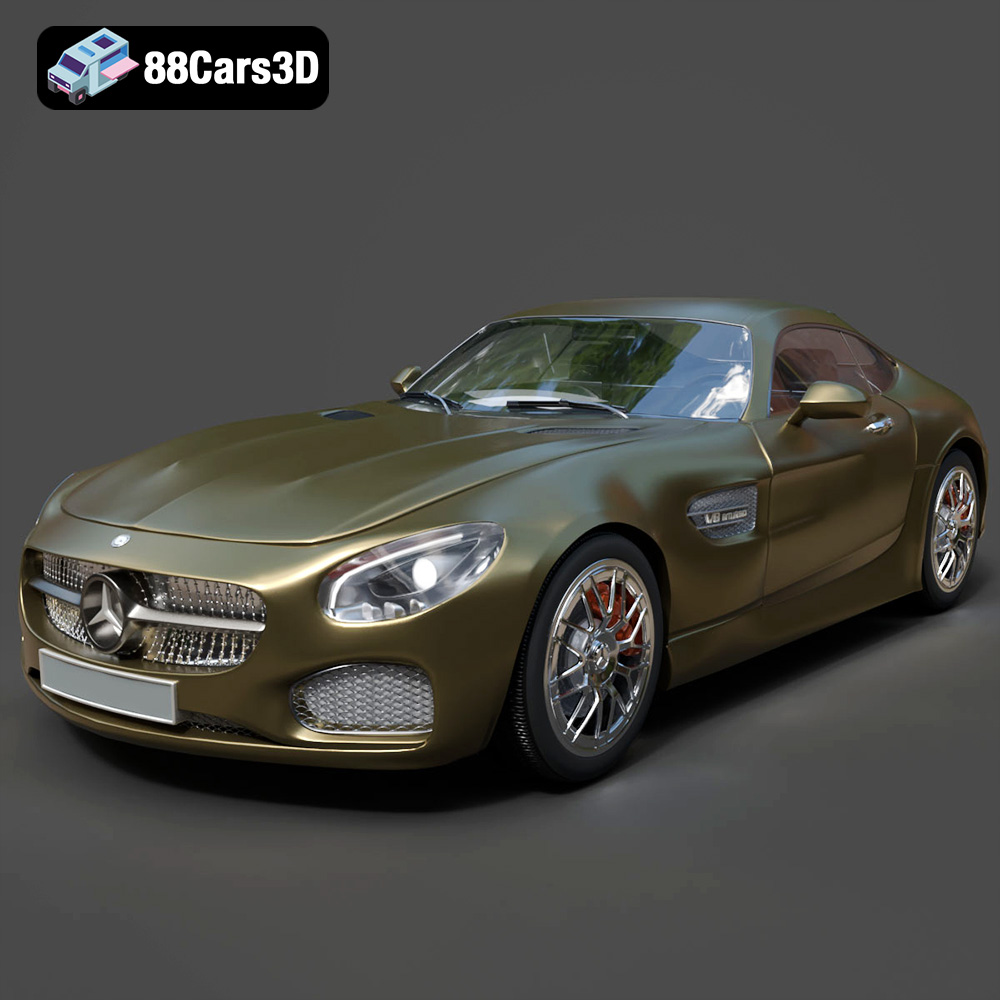
Download the Mercedes-AMG GT 2015 3D Model featuring clean geometry, realistic detailing, and a fully modeled interior. Includes .blend, .fbx, .obj, .glb, .stl, .ply, .unreal, and .max formats for rendering, simulation, and game development.
Price: $88.99
Texture: Yes
Material: Yes
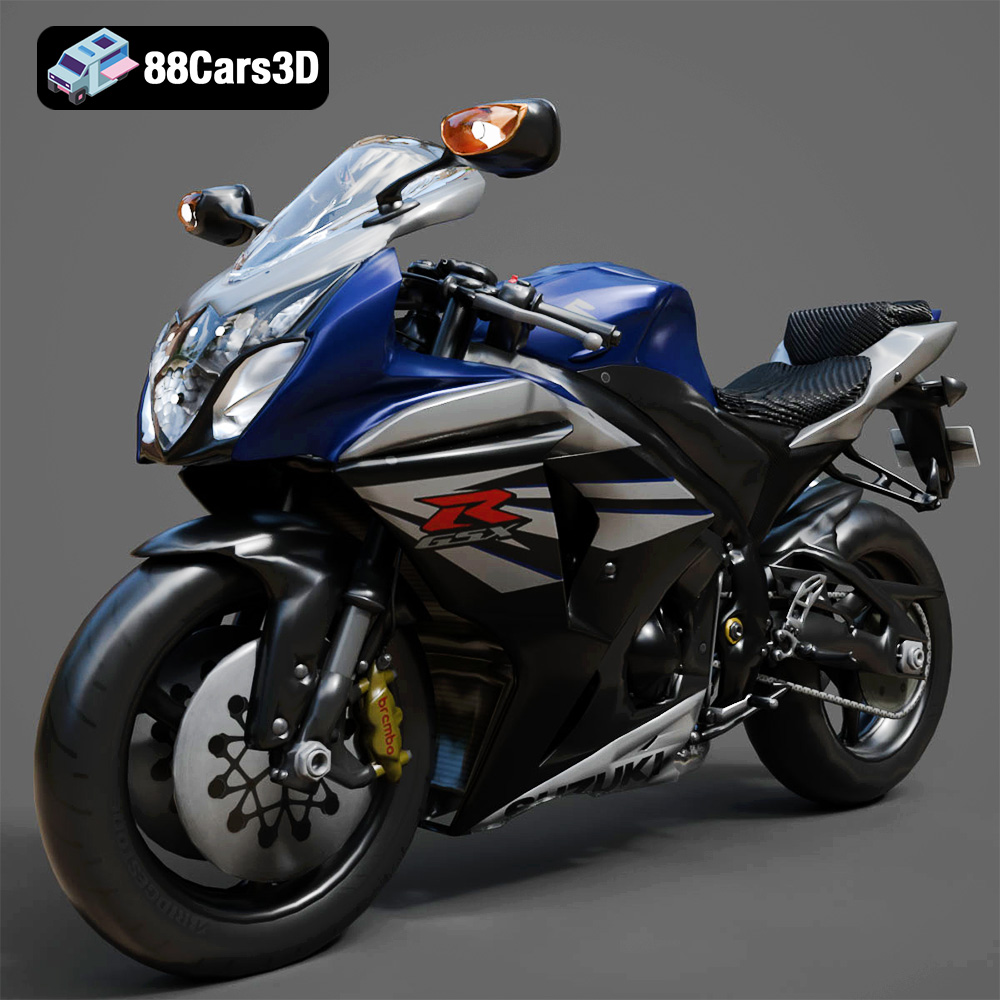
Download the Suzuki GSX-R 1000 3D Model featuring clean geometry, realistic detailing, and a fully modeled interior. Includes .blend, .fbx, .obj, .glb, .stl, .ply, .unreal, and .max formats for rendering, simulation, and game development.
Price: $10
Texture: Yes
Material: Yes
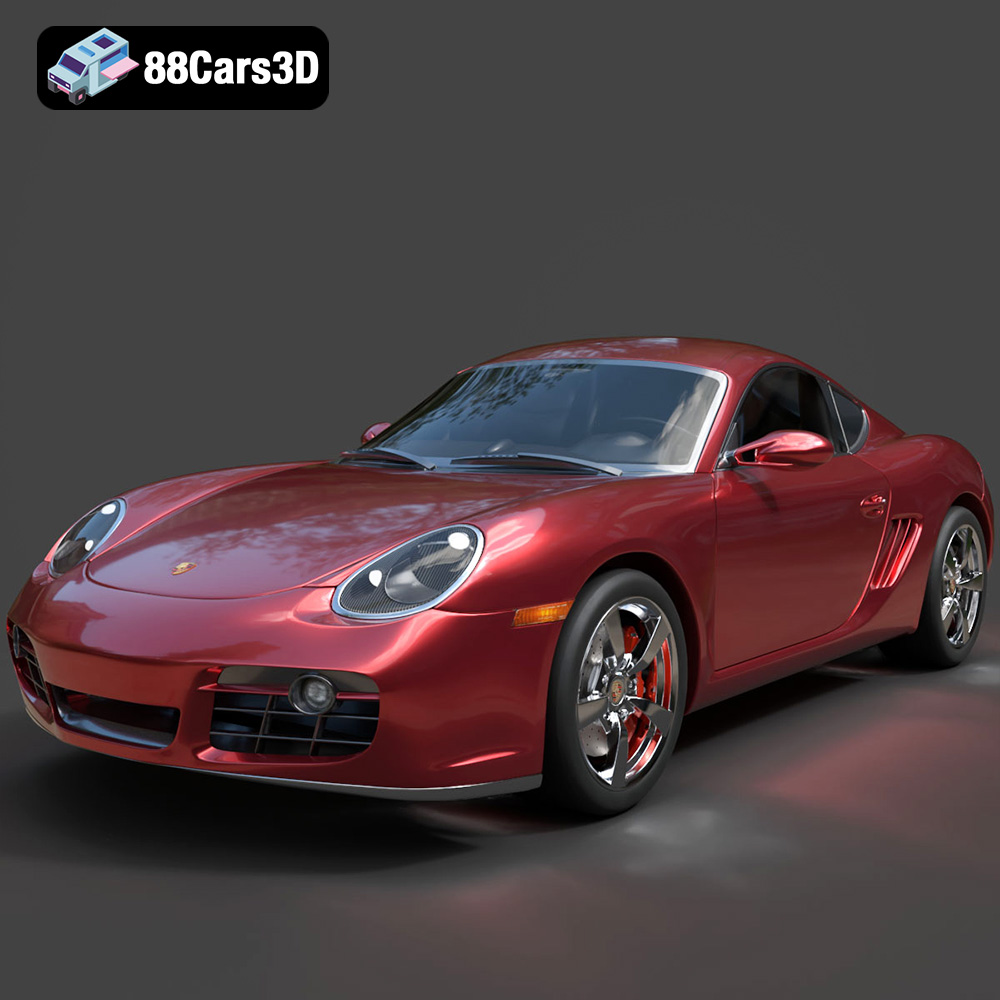
Download the Porsche Cayman S 2024 3D Model featuring clean geometry, realistic detailing, and a fully modeled interior. Includes .blend, .fbx, .obj, .glb, .stl, .ply, .unreal, and .max formats for rendering, simulation, and game development.
Price: $10

Texture: Yes
Material: Yes
Download the Holden Commodore Sportwagon 2017 3D Model featuring clean geometry, realistic detailing, and a fully modeled interior. Includes .blend, .fbx, .obj, .glb, .stl, .ply, .unreal, and .max formats for rendering, simulation, and game development.
Price: $10
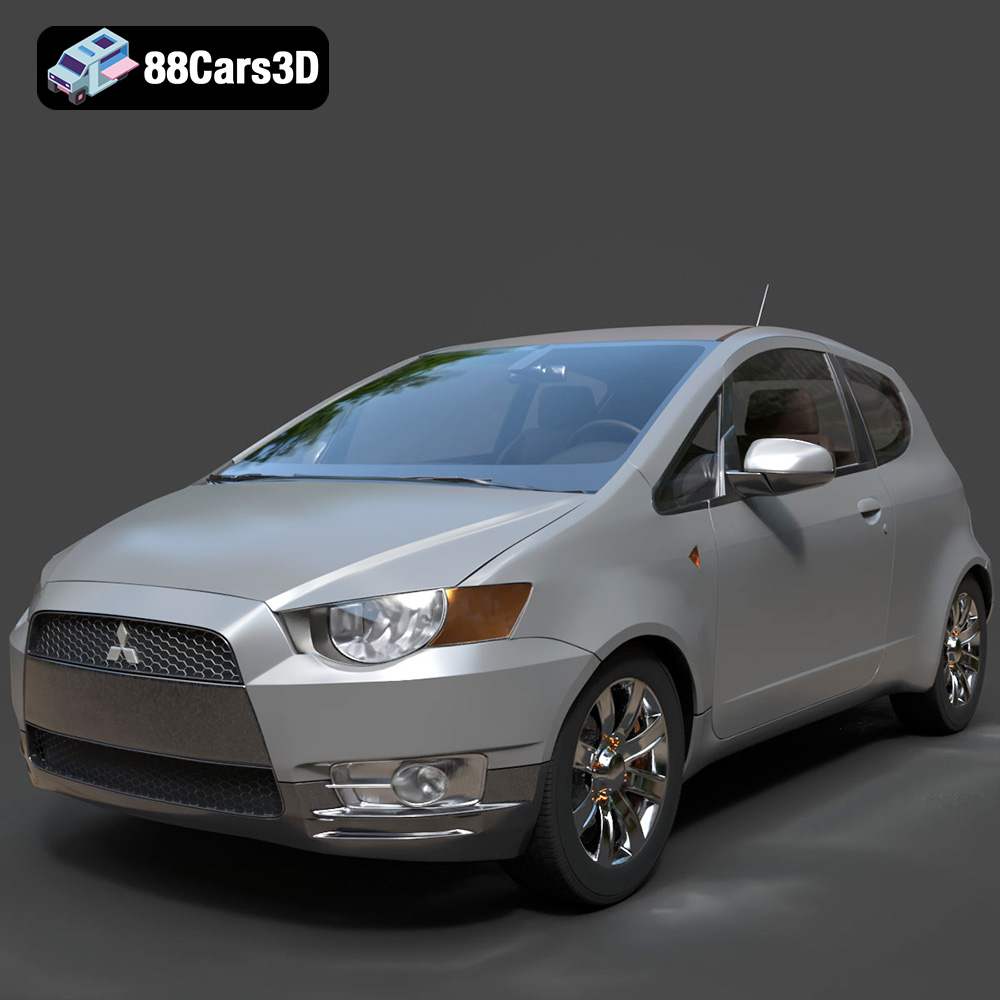
Texture: Yes
Material: Yes
Download the Mitsubishi Colt 3 Door 2008 3D Model featuring clean geometry, realistic detailing, and a fully modeled interior. Includes .blend, .fbx, .obj, .glb, .stl, .ply, .unreal, and .max formats for rendering, simulation, and game development.
Price: $10
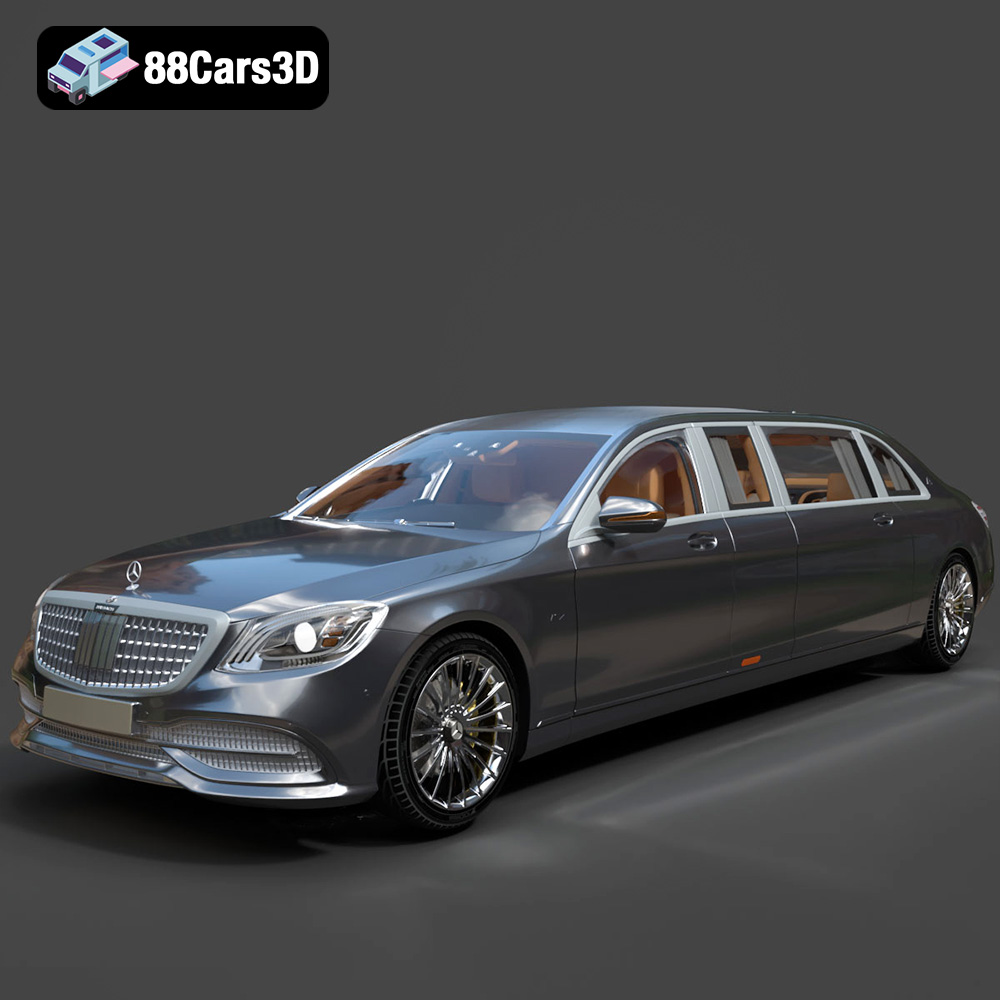
Texture: Yes
Material: Yes
Download the Mercedes-Benz S650 Pullman 3D Model featuring clean geometry, realistic detailing, and a fully modeled interior. Includes .blend, .fbx, .obj, .glb, .stl, .ply, .unreal, and .max formats for rendering, simulation, and game development.
Price: $95.99
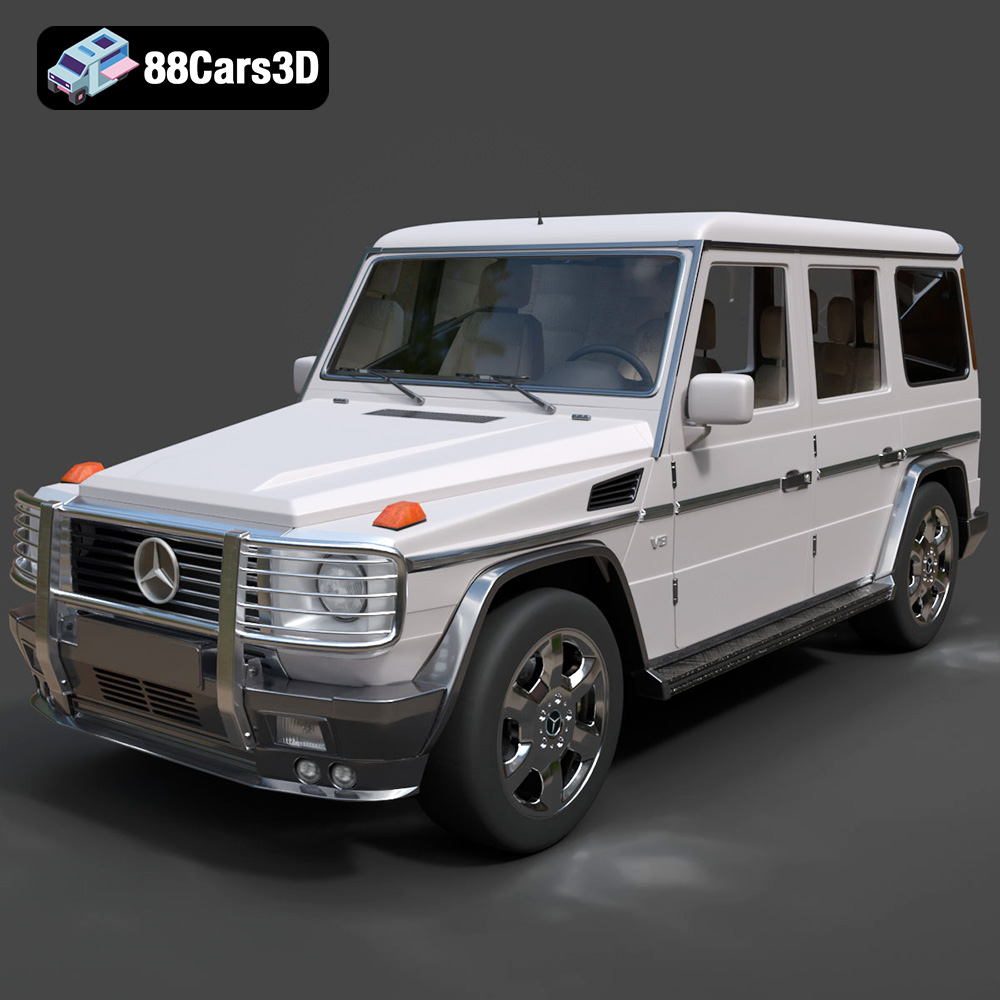
Texture: Yes
Material: Yes
Download the Mercedes G-Class SUV 2024 3D Model featuring clean geometry, realistic detailing, and a fully modeled interior. Includes .blend, .fbx, .obj, .glb, .stl, .ply, .unreal, and .max formats for rendering, simulation, and game development.
Price: $10

Texture: Yes
Material: Yes
Download the Volvo XC90 R-Design 2015 3D Model featuring clean geometry, realistic detailing, and a fully modeled interior. Includes .blend, .fbx, .obj, .glb, .stl, .ply, .unreal, and .max formats for rendering, simulation, and game development.
Price: $10

