⚡ FLASH SALE: Get 60% OFF All Premium 3D & STL Models! ⚡

“`html
The world of automotive visualization has been revolutionized. Gone are the days of waiting hours, or even days, for a single photorealistic render. Real-time rendering engines, led by the powerhouse that is Unreal Engine, have shifted the paradigm, offering unparalleled speed, interactivity, and visual fidelity. For automotive brands, design studios, and marketing agencies, this technology unlocks the ability to create stunning cinematic sequences, interactive car configurators, and immersive VR experiences with unprecedented efficiency. But harnessing this power requires a blend of artistic skill and technical knowledge. The journey from a static 3D model to a fully interactive, photorealistic digital twin in Unreal Engine is intricate, involving careful asset preparation, sophisticated material creation, and dynamic lighting setups.
This comprehensive guide will walk you through the entire professional workflow. We will deconstruct the process step-by-step, starting with optimal project setup and asset preparation. You’ll learn the best practices for importing and optimizing high-poly 3D car models, leveraging groundbreaking features like Nanite. We’ll dive deep into the Material Editor to craft complex PBR materials, from multi-layered car paint to realistic glass and leather. We’ll illuminate your creations with Lumen for breathtaking global illumination and reflections. Finally, we’ll touch on adding interactivity with Blueprints and ensuring your application runs smoothly through robust optimization techniques. By the end of this article, you’ll have the foundational knowledge to transform high-quality automotive assets into breathtaking real-time rendering experiences.
A successful automotive visualization project begins long before you import your first model. A solid foundation built on the correct project settings, essential plugins, and meticulously prepared assets will save you countless hours of troubleshooting down the line. This initial phase is about configuring your Unreal Engine environment specifically for the demands of high-fidelity, real-time rendering.
When creating a new project, Unreal Engine offers several templates. While starting with a ‘Blank’ project gives you a clean slate, the ‘Automotive, Film & TV, and Live Events’ category provides a pre-configured environment that is an excellent starting point. The Automotive Configurator template, for example, comes with several key settings already enabled, such as Ray Tracing (or Lumen), and includes useful example content like a studio lighting setup and sample Blueprint logic. Starting with this template ensures that critical rendering features are active from the get-go. Regardless of your choice, you should immediately visit your Project Settings (Edit > Project Settings) and ensure your rendering defaults are set for quality. Check that ‘Dynamic Global Illumination Method’ is set to Lumen and ‘Reflection Method’ is also set to Lumen to leverage Unreal Engine 5’s most powerful lighting features.
Unreal Engine’s functionality can be vastly extended through plugins. For automotive workflows, a few are indispensable. The Datasmith Importer is chief among them. It provides a robust pipeline for importing complex scenes and assets from 3D applications like 3ds Max, Cinema 4D, or CAD software, preserving object hierarchies, materials, and metadata. Another powerful tool, especially for creating configurators, is the Variant Manager. This plugin allows you to create and manage different variations of your scene—such as paint color, wheel options, or interior trims—and switch between them at runtime. Activating these plugins (Edit > Plugins) before you begin importing assets is a crucial step for a professional workflow.
The quality of your final visualization is directly tied to the quality of your source asset. Sourcing pre-optimized, game-ready assets from marketplaces such as 88cars3d.com can significantly accelerate this process, as these models often feature clean topology, proper UV mapping, and logical material assignments. Before importing, ensure your model is prepared:
With your project configured and your model prepared, it’s time to bring your automotive asset into the engine. This stage is more than just a simple file import; it’s about making strategic decisions on how the geometry will be handled by the engine to maximize both visual quality and performance. The introduction of Nanite virtualized geometry in Unreal Engine 5 has fundamentally changed the game for high-poly assets like detailed 3D car models.
While you can use the standard FBX importer, the Datasmith pipeline offers a more controlled and feature-rich process for complex assemblies. When you import a file using Datasmith, it creates a Datasmith Scene asset in your Content Browser. This acts as a master blueprint for all the meshes and materials from your source file. A key advantage is the ability to re-import the scene non-destructively. If you make a change to your model in your 3D software (e.g., adjust a part or fix a UV map), you can simply re-import the Datasmith file, and Unreal Engine will intelligently update only the changed components without losing any work you’ve done in the engine.
Traditionally, developers had to create multiple Levels of Detail (LODs) for complex models to ensure smooth performance. Nanite virtualized geometry technology largely automates this. Nanite intelligently renders only the geometric detail you can perceive, allowing you to use film-quality, high-polygon models directly in real-time without significant performance drops. When importing your 3D car model, ensure the “Build Nanite” checkbox is enabled. You can import models with millions of polygons, and Nanite will handle the real-time optimization. For a typical high-quality car model of 1-5 million polygons, Nanite allows it to be rendered in real-time with incredible detail, eliminating the tedious process of manual mesh optimization and LOD creation for the main body.
Once imported, organization is key. Create a clear folder structure in your Content Browser (e.g., /CarName/Meshes, /CarName/Materials, /CarName/Textures). Drag your imported asset into your level. It’s best practice to create a master Blueprint for the car. Create a new Blueprint Actor, add a Scene Component as the root, and then add your car’s Static Mesh components under it, recreating the hierarchy. This encapsulates the car into a single, manageable actor, which is essential for adding interactive features later on. For more detailed guidance on specific engine features and workflows, the official Unreal Engine documentation at https://dev.epicgames.com/community/unreal-engine/learning is an invaluable resource for developers at all skill levels.
A perfect 3D model is nothing without believable materials. Unreal Engine’s node-based Material Editor is an incredibly powerful tool for creating physically-based rendering (PBR) materials that react realistically to light. For automotive visualization, creating a convincing, multi-layered car paint material is often the ultimate test of an artist’s skill. This involves more than just plugging in textures; it requires a deep understanding of how light interacts with different surfaces.
A realistic car paint shader is not a single layer; it’s a combination of a base coat, metallic flakes, and a clear protective coat. In the Material Editor, this is achieved using the Clear Coat shading model.
This layered approach is what gives automotive paint its characteristic depth and sparkle under light.
Beyond the paint, other materials complete the vehicle’s realism.
Lighting is what breathes life into a 3D scene. It dictates mood, defines form, and creates realism. Unreal Engine 5’s Lumen is a fully dynamic global illumination and reflections system that produces stunningly realistic results in real-time, making it perfect for automotive visualization. It simulates how light bounces from one surface to another, creating soft, natural shadows and accurate reflections that are crucial for showcasing a vehicle’s complex curves and materials.
Previously, achieving realistic global illumination required ‘baking’ the lighting into lightmaps—a time-consuming process that produced static results. Any change to the lighting or objects required a complete rebake. Lumen eliminates this entirely. It is a fully dynamic system, meaning you can move lights, change their color and intensity, or even move the car itself, and the global illumination and reflections will update instantly. This provides incredible creative freedom and dramatically speeds up the iteration process for artists and designers.
A classic way to showcase a vehicle is in a virtual photo studio. This can be easily created in Unreal Engine.
The true power of real-time rendering comes alive with interactivity. Unreal Engine’s Blueprint visual scripting system empowers artists and designers to create complex interactive experiences without writing a single line of code. For automotive visualization, this opens the door to creating dynamic product configurators, interactive demos, and engaging virtual showrooms where users can explore a vehicle in detail.
One of the most common applications is a paint color configurator. This is surprisingly straightforward to set up using Blueprints.
With this simple setup, clicking a UI button will now instantly change the car’s paint color in real-time.
This same principle can be extended to countless other features. You can create Blueprints to:
– Switch Wheels: Set up multiple wheel Static Mesh components in your car Blueprint and use Blueprint logic to toggle their visibility, allowing the user to cycle through different rim styles.
While modern hardware and engine features like Nanite and Lumen are incredibly powerful, optimization remains a critical discipline, especially when targeting a wide range of devices from high-end PCs to VR headsets or mobile platforms. A smooth, high-frame-rate experience is essential for user engagement. The goal of optimization is to maintain the highest possible visual quality while ensuring the application consistently hits its target frame rate (e.g., 60 FPS or 90 FPS for VR).
While Nanite is fantastic for the main, high-poly car body, it may be overkill or not yet fully supported for all use cases, such as certain translucent materials or objects that require complex vertex animations. For these non-Nanite meshes (like wheels, interior components, or transparent headlight covers), traditional Levels of Detail (LODs) are still essential. Unreal Engine has robust tools to automatically generate LODs for Static Meshes. By creating simpler versions of a mesh that are swapped in at a distance, you can significantly reduce the number of polygons the GPU needs to render for objects far from the camera, freeing up resources.
High-resolution textures are vital for detail but consume significant video memory (VRAM). Unreal’s texture streaming system intelligently loads and unloads different quality levels of textures (called mipmaps) based on the object’s distance from the camera. Ensure your textures are correctly configured to use this system. Using texture resolutions appropriate for the object’s size and visibility is key. A tiny bolt doesn’t need a 4K texture map. Efficiently managing texture memory is one of the most effective ways to improve performance and prevent stuttering in your game assets or visualization projects.
You can’t optimize what you can’t measure. Unreal Engine provides powerful built-in profiling tools to diagnose performance bottlenecks.
Regularly profiling your scene is a professional habit that allows you to make informed, data-driven optimization decisions.
We’ve journeyed through the complete professional workflow for bringing a 3D car model to life in Unreal Engine. We started with the critical groundwork of project setup, moved to the transformative import process using Nanite, crafted realistic PBR materials in the Material Editor, and illuminated our scene with the dynamic power of Lumen. We then unlocked the potential for interactivity with Blueprint and underscored the importance of performance optimization to ensure a flawless end-user experience. The fusion of high-quality assets with the sophisticated tools within Unreal Engine provides a playground for creativity limited only by your imagination.
The skills you’ve explored here are the foundation for creating everything from high-end marketing cinematics to interactive web-based configurators and immersive VR test drives. The key takeaway is that a successful project is a holistic endeavor, where each stage builds upon the last. A well-prepared model makes for a clean import; a well-designed material reacts beautifully to dynamic light; and an optimized scene delivers a smooth, engaging interactive experience. Now is the time to start your own project. Begin by sourcing high-quality, engine-ready 3D car models from platforms like 88cars3d.com, and apply these techniques to build your own stunning real-time automotive visualizations.
“`

Texture: Yes
Material: Yes
Download the Mercedes S-Class 2024 3D Model featuring clean geometry, realistic detailing, and a fully modeled interior. Includes .blend, .fbx, .obj, .glb, .stl, .ply, .unreal, and .max formats for rendering, simulation, and game development.
Price: $10
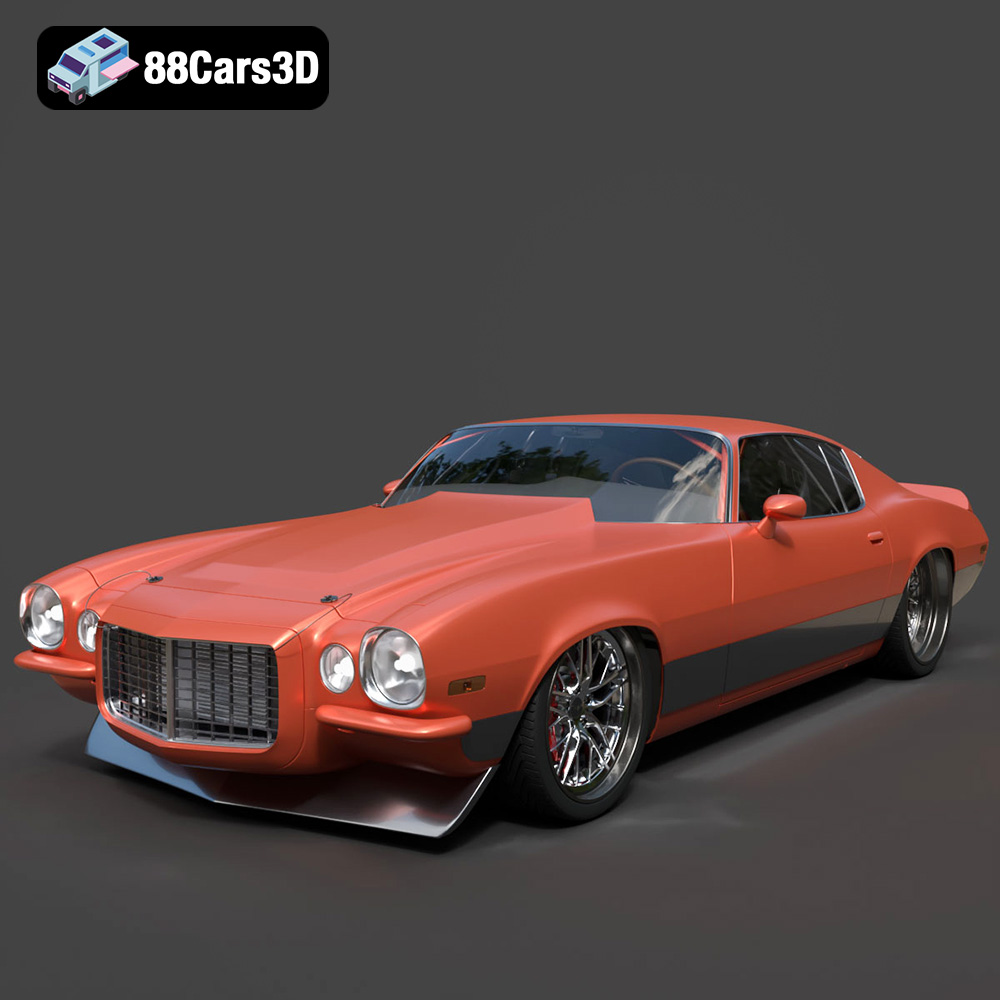
Texture: Yes
Material: Yes
Download the Chevrolet Camaro 1970 3D Model featuring clean geometry, realistic detailing, and a fully modeled interior. Includes .blend, .fbx, .obj, .glb, .stl, .ply, .unreal, and .max formats for rendering, simulation, and game development.
Price: $10
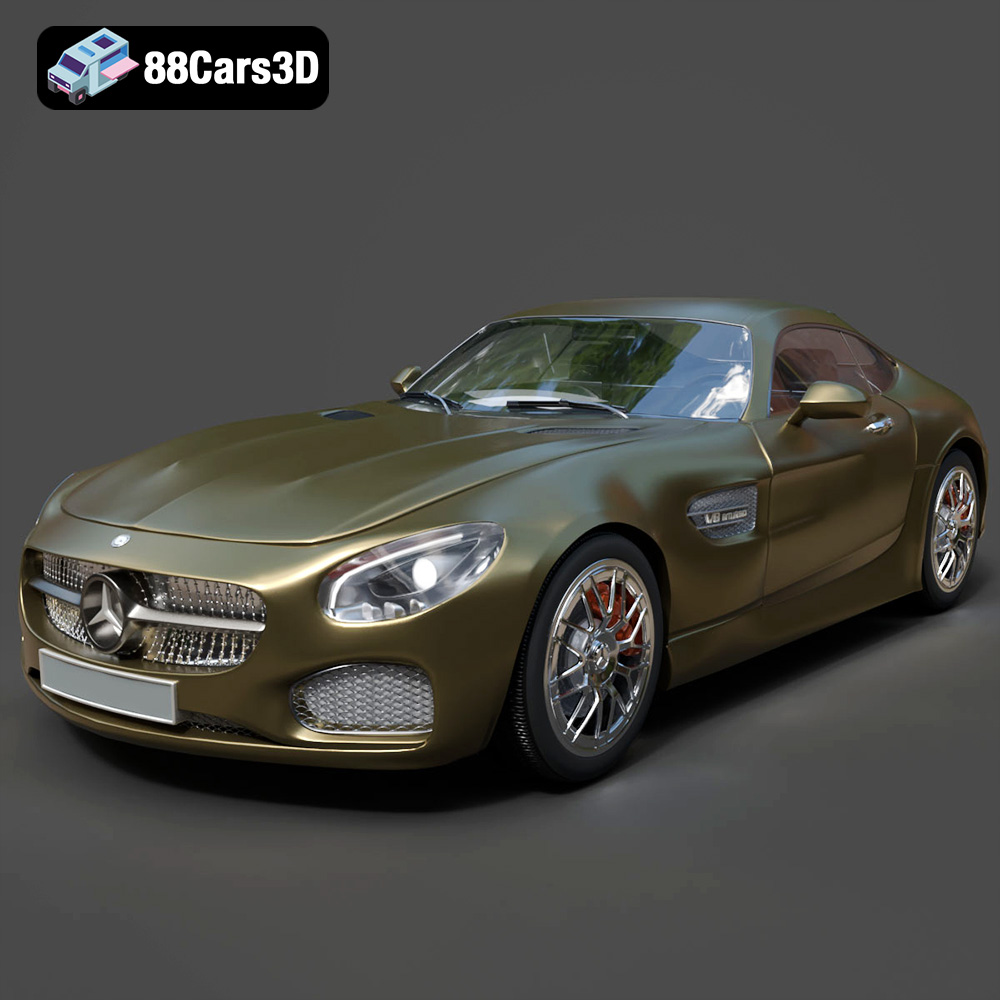
Texture: Yes
Material: Yes
Download the Mercedes-AMG GT 2015 3D Model featuring clean geometry, realistic detailing, and a fully modeled interior. Includes .blend, .fbx, .obj, .glb, .stl, .ply, .unreal, and .max formats for rendering, simulation, and game development.
Price: $88.99
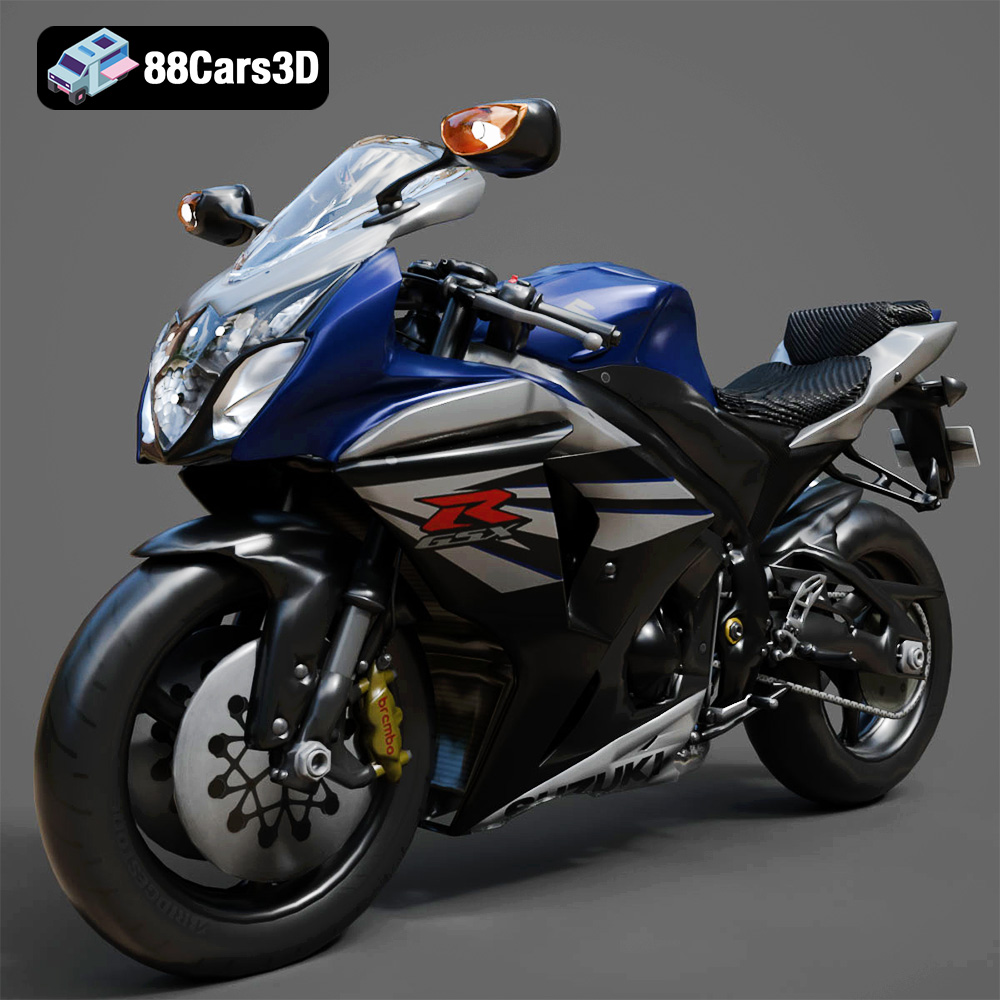
Texture: Yes
Material: Yes
Download the Suzuki GSX-R 1000 3D Model featuring clean geometry, realistic detailing, and a fully modeled interior. Includes .blend, .fbx, .obj, .glb, .stl, .ply, .unreal, and .max formats for rendering, simulation, and game development.
Price: $10
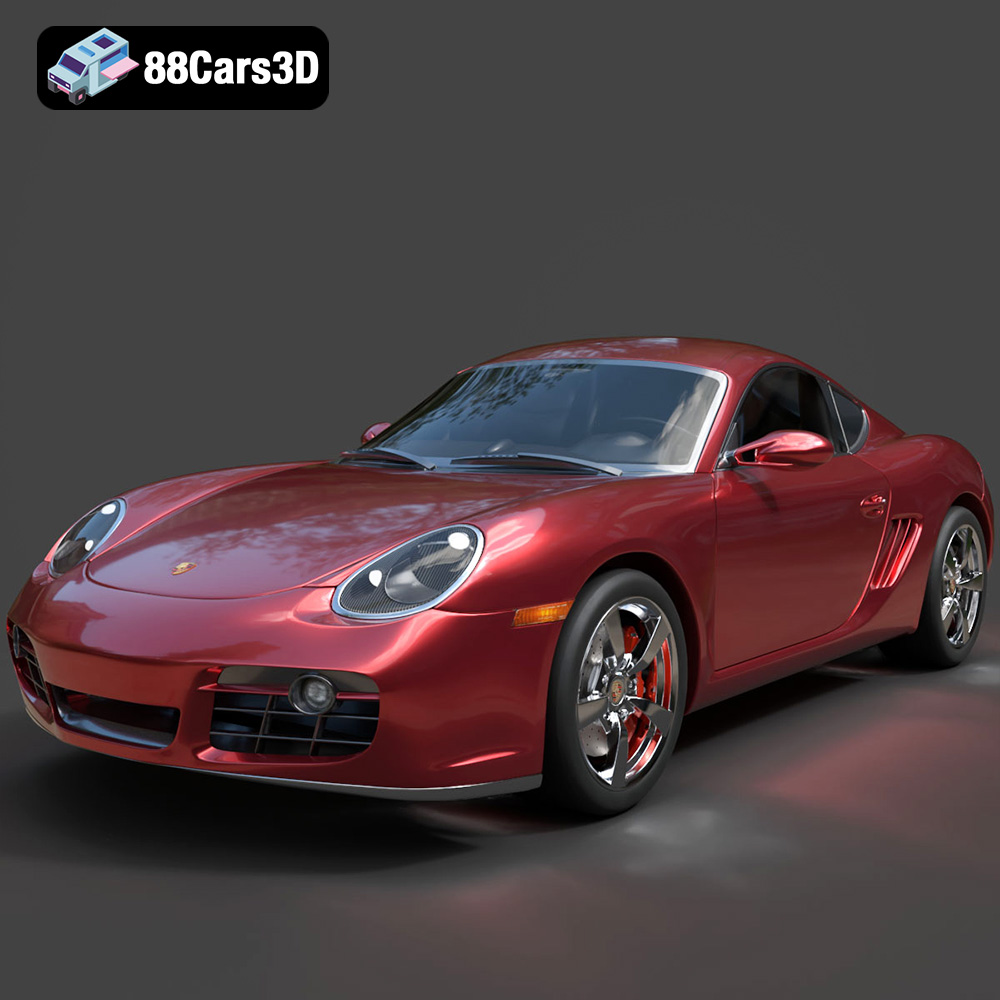
Texture: Yes
Material: Yes
Download the Porsche Cayman S 2024 3D Model featuring clean geometry, realistic detailing, and a fully modeled interior. Includes .blend, .fbx, .obj, .glb, .stl, .ply, .unreal, and .max formats for rendering, simulation, and game development.
Price: $10
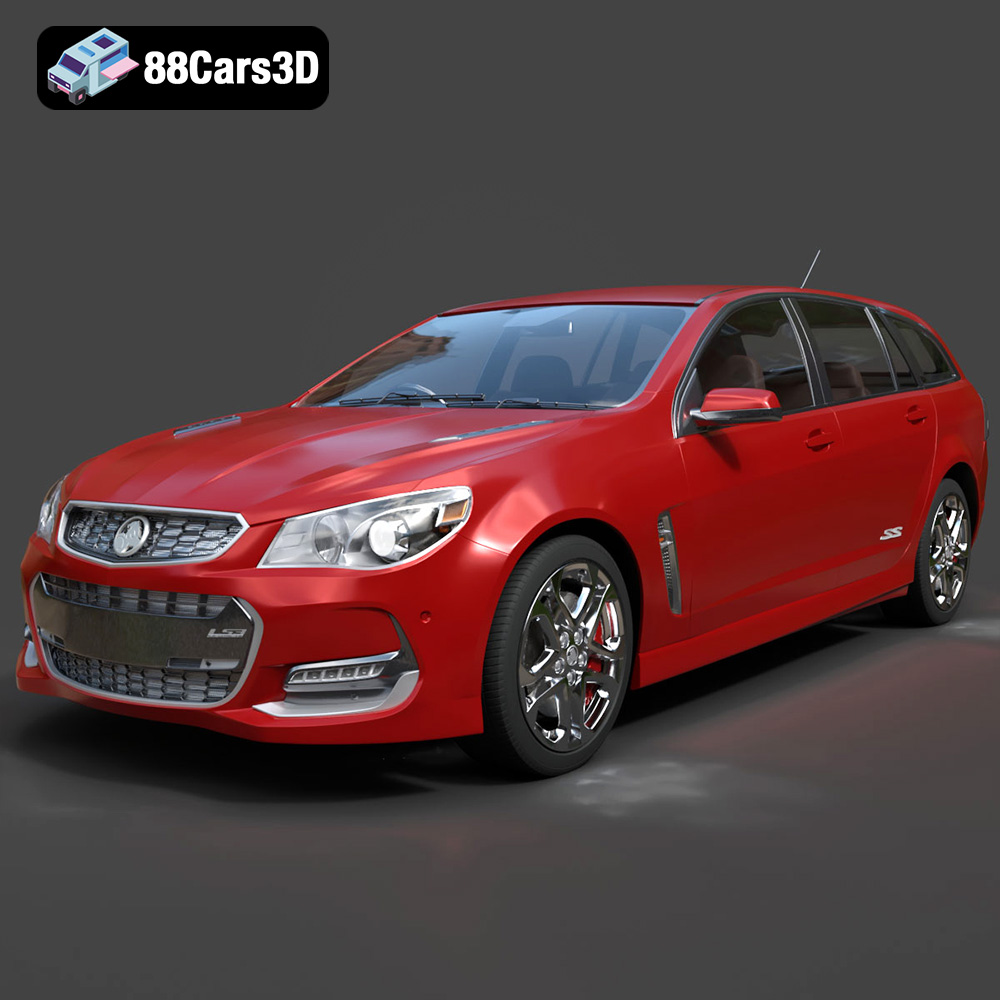
Texture: Yes
Material: Yes
Download the Holden Commodore Sportwagon 2017 3D Model featuring clean geometry, realistic detailing, and a fully modeled interior. Includes .blend, .fbx, .obj, .glb, .stl, .ply, .unreal, and .max formats for rendering, simulation, and game development.
Price: $10
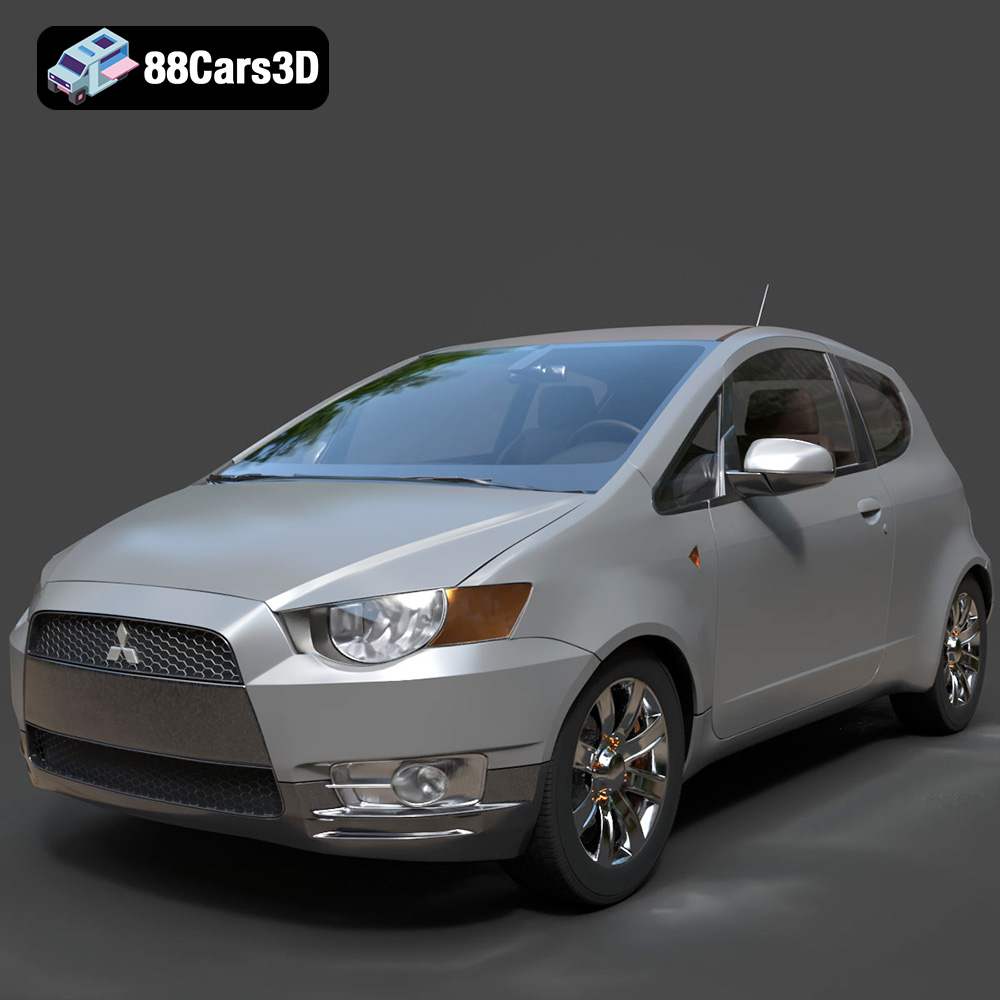
Texture: Yes
Material: Yes
Download the Mitsubishi Colt 3 Door 2008 3D Model featuring clean geometry, realistic detailing, and a fully modeled interior. Includes .blend, .fbx, .obj, .glb, .stl, .ply, .unreal, and .max formats for rendering, simulation, and game development.
Price: $10
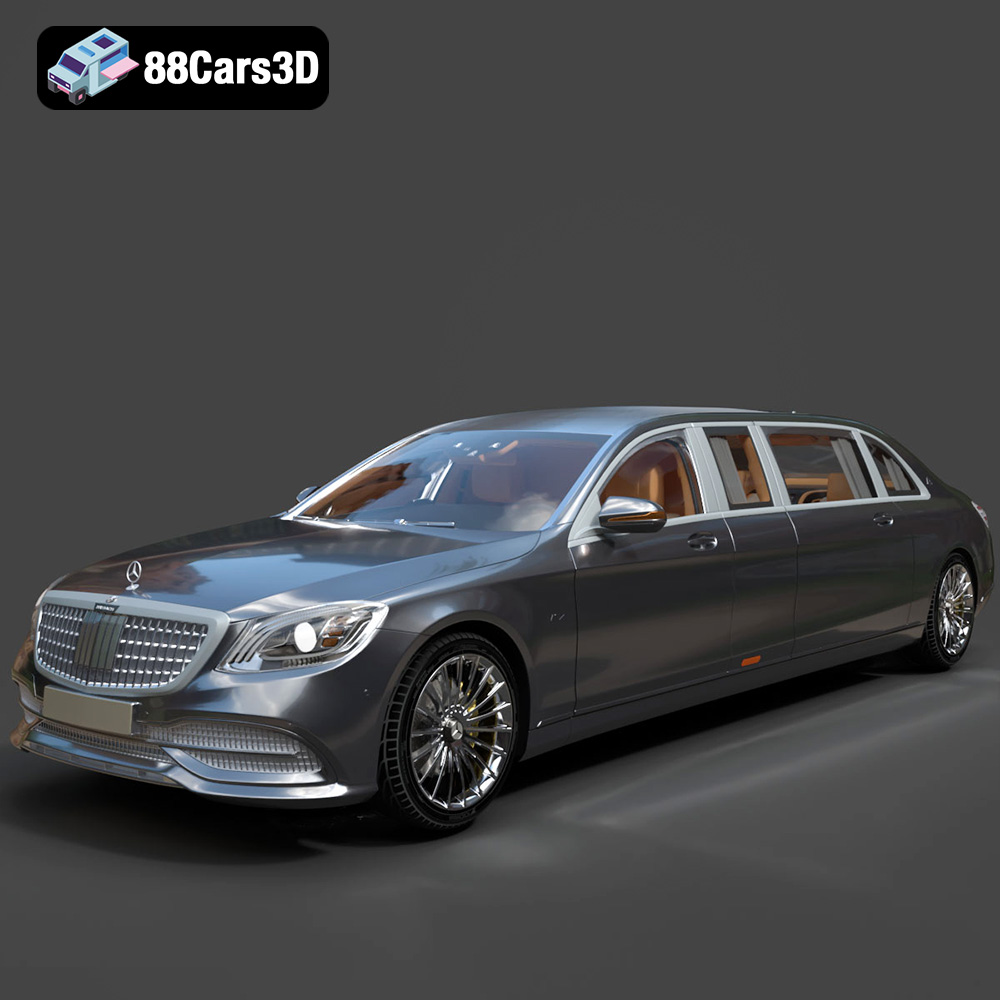
Texture: Yes
Material: Yes
Download the Mercedes-Benz S650 Pullman 3D Model featuring clean geometry, realistic detailing, and a fully modeled interior. Includes .blend, .fbx, .obj, .glb, .stl, .ply, .unreal, and .max formats for rendering, simulation, and game development.
Price: $95.99
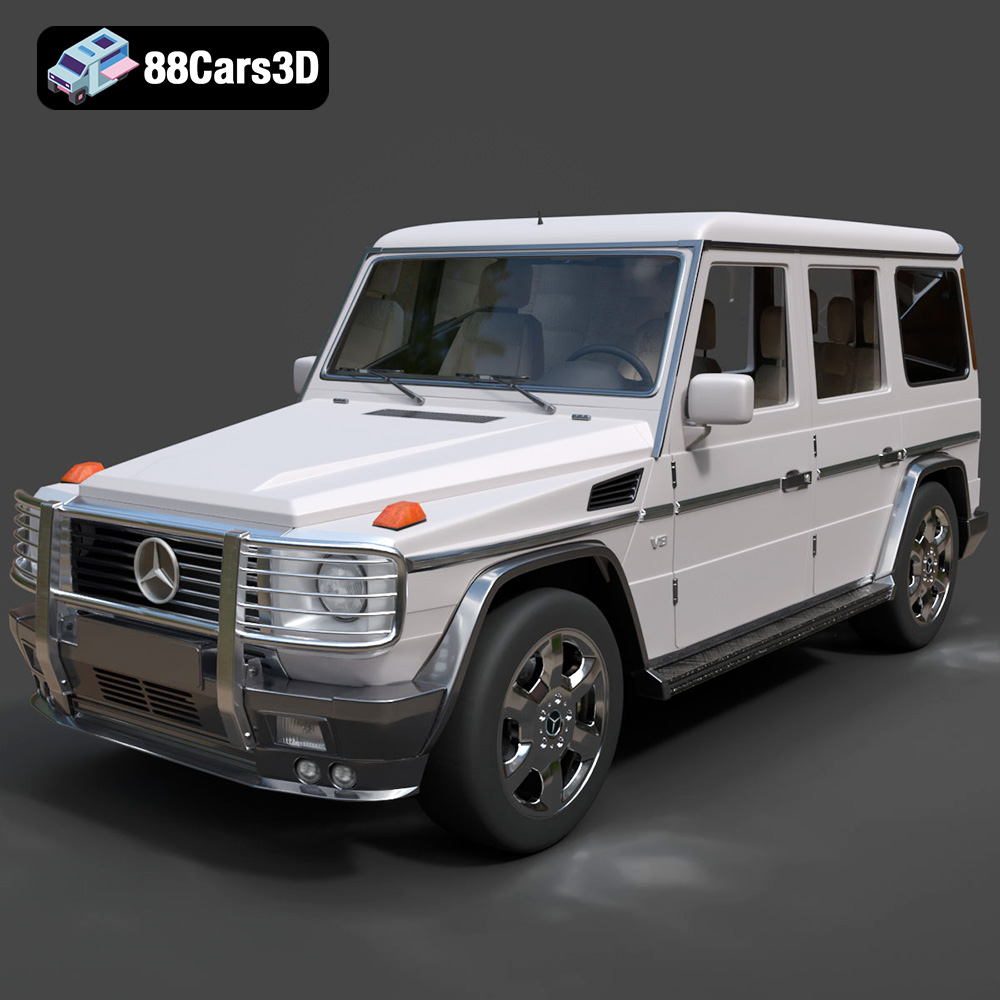
Texture: Yes
Material: Yes
Download the Mercedes G-Class SUV 2024 3D Model featuring clean geometry, realistic detailing, and a fully modeled interior. Includes .blend, .fbx, .obj, .glb, .stl, .ply, .unreal, and .max formats for rendering, simulation, and game development.
Price: $10
Texture: Yes
Material: Yes
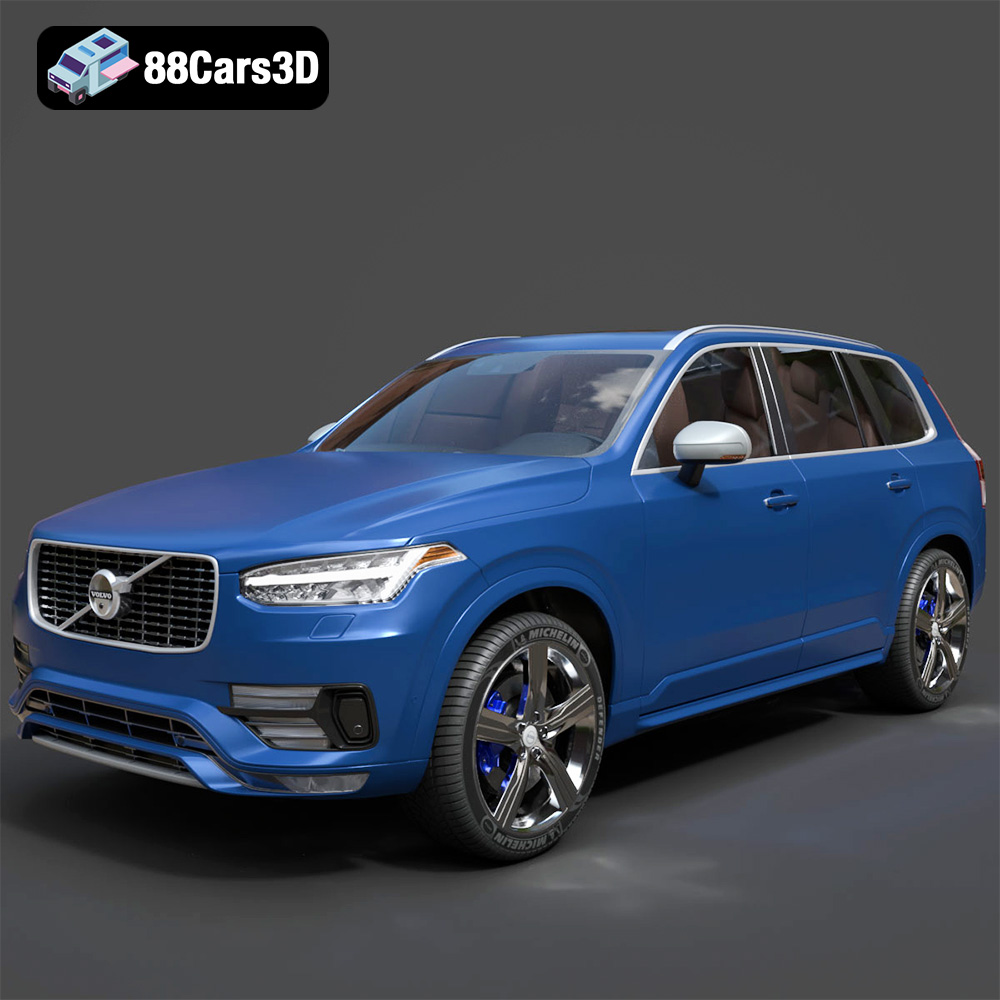
Download the Volvo XC90 R-Design 2015 3D Model featuring clean geometry, realistic detailing, and a fully modeled interior. Includes .blend, .fbx, .obj, .glb, .stl, .ply, .unreal, and .max formats for rendering, simulation, and game development.
Price: $10

