⚡ FLASH SALE: Get 60% OFF All Premium 3D & STL Models! ⚡

The world of automotive visualization has been completely transformed by real-time rendering. Gone are the days of waiting hours, or even days, for a single frame to render. With Unreal Engine 5, artists and developers can now create stunning, photorealistic, and fully interactive automotive experiences that run in real-time. From dynamic car configurators and immersive virtual showrooms to high-octane cinematic sequences for advertising, the possibilities are boundless. However, achieving this level of quality requires a blend of artistic skill and deep technical knowledge. The journey from a static 3D model to a breathtaking real-time presentation is paved with specific workflows, powerful engine features, and critical optimization strategies.
This comprehensive guide will walk you through the essential techniques for bringing high-fidelity 3D car models to life in Unreal Engine. We will cover everything from initial project setup and asset preparation to harnessing the power of Nanite for unprecedented detail, crafting complex PBR materials, lighting your scene with Lumen, adding interactivity with Blueprints, and producing cinematic shots with Sequencer. Whether you are an experienced 3D artist, a game developer, or a visualization specialist, this article will provide you with the professional insights and actionable steps needed to elevate your automotive rendering projects to the next level.
A successful project begins with a solid foundation. Properly configuring your Unreal Engine project and preparing your 3D assets are critical first steps that will save you countless hours of troubleshooting later. This initial stage ensures that the engine is optimized for high-fidelity visualization and that your models import cleanly and are ready for the powerful features ahead.
When you create a new project in Unreal Engine, you’re presented with several templates. While a blank template offers maximum flexibility, specialized templates can provide a significant head start. For automotive visualization, consider these options:
For most high-end visualization work, starting with a Blank or Virtual Production template and customizing it is the most common professional workflow.
After selecting a template, you must configure a few key project settings to unlock Unreal Engine’s full visual potential. Navigate to Edit > Project Settings and ensure the following are set:
Restart the editor after making these changes. Your project is now primed for high-fidelity, real-time rendering.
The quality of your final render is directly tied to the quality of your source model. Using professionally crafted 3D car models, like those available from marketplaces such as 88cars3d.com, ensures you start with clean topology, proper UVs, and logical material assignments. When importing (typically as FBX or USD), pay close attention to the import dialog options. Ensure Generate Missing Collisions is disabled for visualization purposes and that Combine Meshes is turned off to preserve the individual components of the car for material assignment and animation. After import, double-check the model’s scale and orientation in the viewport and ensure all material slots have been assigned correctly.
One of the most significant advancements in Unreal Engine 5 is Nanite, the virtualized micropolygon geometry system. For automotive visualization, where detail is paramount, Nanite is a complete game-changer, effectively eliminating the constraints of polygon counts and the tedious process of creating Levels of Detail (LODs).
Traditionally, 3D artists had to carefully manage a model’s polygon count to ensure it could run smoothly in real-time. This involved creating multiple lower-polygon versions (LODs) of a model, which the engine would swap between based on the camera’s distance. Nanite renders this workflow obsolete. It intelligently processes and streams only the geometric detail that can be perceived on screen, allowing you to import and render models with millions, or even billions, of polygons in real-time. For automotive models sourced from CAD data or high-end modeling, this means you can preserve every curve, seam, and bolt without compromising performance.
Enabling Nanite on a static mesh is incredibly straightforward:
The mesh will be reprocessed, and you can confirm it’s working by using the Nanite Visualization view mode (Lit > Nanite Visualization > Triangles). You’ll see the mesh rendered as clusters of triangles that change density as you move the camera closer or further away. It’s a powerful way to see the system at work.
While Nanite removes polygon count as the primary performance bottleneck, it’s not a magic bullet. Performance in a Nanite-heavy scene is now primarily bound by other factors. Keep these points in mind:
A high-poly model is only as good as the materials applied to it. In automotive visualization, surfaces like metallic car paint, glass, chrome, and rubber demand a sophisticated approach to material creation. Unreal Engine’s node-based Material Editor provides all the tools needed to simulate these complex surfaces with stunning realism.
Modern car paint is a multi-layered material, and replicating it requires thinking in layers. The three primary components are:
Unreal’s Material Editor can simulate this perfectly using the Clear Coat shading model.
To create a convincing car paint material, follow this professional workflow:
By creating Material Instances from this master material, you can easily create an entire library of paint colors just by changing the parameters, without recompiling shaders.
Other common automotive materials are simpler to create:
Lumen is Unreal Engine 5’s fully dynamic global illumination and reflections system. It allows for beautiful, realistic lighting that reacts instantly to any changes in the scene, which is perfect for interactive experiences like car configurators where colors and environments might change on the fly.
Global Illumination (GI) is the simulation of indirect lighting—how light bounces off one surface and illuminates another. Lumen calculates this in real-time, creating soft, natural ambient light and realistic color bleeding. Lumen Reflections provide accurate reflections on glossy surfaces, even for off-screen objects, which is a massive improvement over older techniques like Screen Space Reflections. For a detailed technical breakdown, the official Unreal Engine documentation at https://dev.epicgames.com/community/unreal-engine/learning is an invaluable resource.
A classic studio lighting setup is perfect for showcasing an automotive model. Here’s how to create one:
To get the best results from Lumen, you’ll need to adjust settings in a Post Process Volume that encompasses your scene. Key settings under the Global Illumination and Reflections tabs include:
Static renders are impressive, but real-time visualization truly shines with interactivity. Unreal Engine’s Blueprint visual scripting system allows artists and designers to create complex interactive logic without writing a single line of code. For automotive projects, this is perfect for building car configurators, opening doors, or triggering lighting changes.
A common feature in any car configurator is the ability to change the paint color. This is remarkably easy to set up with Blueprints:
Animating car parts requires that your 3D model is properly structured with correctly placed pivots for each component (doors, hood, trunk). High-quality game assets from sources like 88cars3d.com are typically prepared with this in mind.
In your car’s Blueprint, you can use a Timeline node to drive these animations smoothly. When an event is triggered (e.g., pressing the ‘D’ key), the Timeline plays, outputting a value that changes from 0 to 1 over a set duration. You can use this value in a Lerp (Rotator) node to smoothly interpolate the door’s rotation from its closed state (A) to its open state (B). The Set Relative Rotation node then applies this new rotation to the door component each frame, creating a clean, fluid animation.
Beyond interactive experiences, Unreal Engine is a powerhouse for creating cinematic content. The Sequencer editor is a non-linear, track-based editing tool that gives you precise control over every element in your scene over time, from camera movement and actor animation to material parameters and lighting changes.
To get started, click the clapperboard icon in the main toolbar and select Add Level Sequence. This creates a new Sequence asset and opens the Sequencer editor. You can add actors from your scene to Sequencer by dragging them in from the World Outliner or by using the + Track button. Once an actor is in Sequencer, you can add keyframes to its properties. For example, to animate the car moving, add a keyframe to its Transform track at frame 0, move the timeline forward, move the car in the viewport, and add another keyframe.
For cinematic work, always use the Cine Camera Actor instead of the default camera. It provides properties that mimic real-world cameras, giving you deep artistic control:
Creating smooth, professional camera movements is key to compelling cinematics. While keyframing the camera directly is possible, using Camera Rigs provides more control and flexibility. Add a Camera Rig Rail or Camera Rig Crane to your scene. Attach your Cine Camera Actor to the rig. Now, instead of animating the camera, you can animate the position of the rig along its rail or the movement of the crane arm. This results in far smoother and more predictable motion, perfect for elegant sweeping shots that showcase the car’s design lines.
We’ve journeyed through the core pillars of creating state-of-the-art automotive visualizations in Unreal Engine 5. By establishing a solid project foundation, you set the stage for success. Leveraging Nanite frees you from polygonal constraints, allowing for unparalleled model fidelity. The Material Editor empowers you to craft lifelike PBR materials that react realistically under Lumen‘s dynamic, real-time lighting. From there, Blueprint scripting unlocks a world of interactivity for configurators and virtual showrooms, while Sequencer provides the cinematic tools to tell a compelling story. Each of these components works in concert to produce results that were once the exclusive domain of offline rendering.
The key takeaway is that the foundation of any great visualization project is a high-quality, production-ready asset. Starting with a meticulously crafted 3D car model from a specialized marketplace like 88cars3d.com saves you invaluable time on preparation and cleanup, allowing you to focus your energy on the creative and technical aspects of lighting, shading, and interaction. Now it’s your turn. Take these techniques, find an inspiring model, and start creating the next generation of real-time automotive experiences.

Texture: Yes
Material: Yes
Download the Mercedes S-Class 2024 3D Model featuring clean geometry, realistic detailing, and a fully modeled interior. Includes .blend, .fbx, .obj, .glb, .stl, .ply, .unreal, and .max formats for rendering, simulation, and game development.
Price: $10

Texture: Yes
Material: Yes
Download the Chevrolet Camaro 1970 3D Model featuring clean geometry, realistic detailing, and a fully modeled interior. Includes .blend, .fbx, .obj, .glb, .stl, .ply, .unreal, and .max formats for rendering, simulation, and game development.
Price: $10

Texture: Yes
Material: Yes
Download the Mercedes-AMG GT 2015 3D Model featuring clean geometry, realistic detailing, and a fully modeled interior. Includes .blend, .fbx, .obj, .glb, .stl, .ply, .unreal, and .max formats for rendering, simulation, and game development.
Price: $88.99

Texture: Yes
Material: Yes
Download the Suzuki GSX-R 1000 3D Model featuring clean geometry, realistic detailing, and a fully modeled interior. Includes .blend, .fbx, .obj, .glb, .stl, .ply, .unreal, and .max formats for rendering, simulation, and game development.
Price: $10

Texture: Yes
Material: Yes
Download the Porsche Cayman S 2024 3D Model featuring clean geometry, realistic detailing, and a fully modeled interior. Includes .blend, .fbx, .obj, .glb, .stl, .ply, .unreal, and .max formats for rendering, simulation, and game development.
Price: $10

Texture: Yes
Material: Yes
Download the Holden Commodore Sportwagon 2017 3D Model featuring clean geometry, realistic detailing, and a fully modeled interior. Includes .blend, .fbx, .obj, .glb, .stl, .ply, .unreal, and .max formats for rendering, simulation, and game development.
Price: $10

Texture: Yes
Material: Yes
Download the Mitsubishi Colt 3 Door 2008 3D Model featuring clean geometry, realistic detailing, and a fully modeled interior. Includes .blend, .fbx, .obj, .glb, .stl, .ply, .unreal, and .max formats for rendering, simulation, and game development.
Price: $10

Texture: Yes
Material: Yes
Download the Mercedes-Benz S650 Pullman 3D Model featuring clean geometry, realistic detailing, and a fully modeled interior. Includes .blend, .fbx, .obj, .glb, .stl, .ply, .unreal, and .max formats for rendering, simulation, and game development.
Price: $95.99
Texture: Yes
Material: Yes
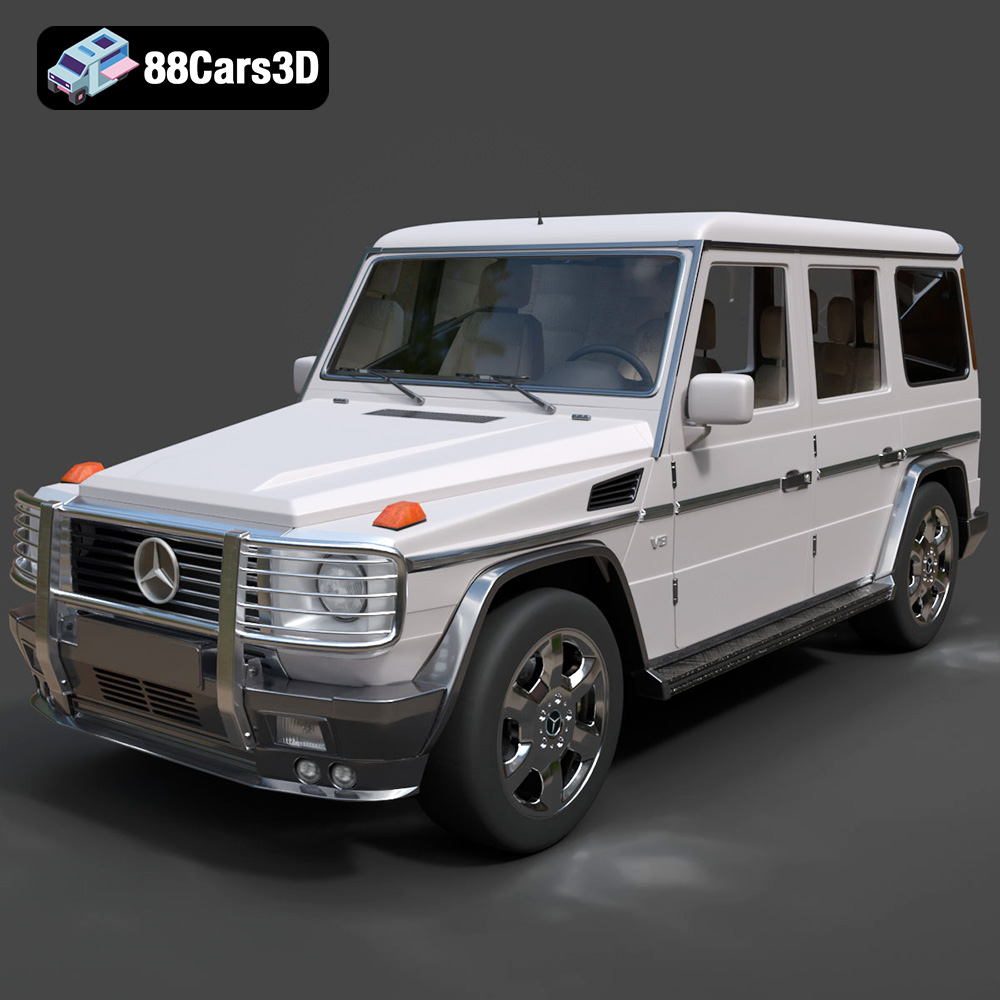
Download the Mercedes G-Class SUV 2024 3D Model featuring clean geometry, realistic detailing, and a fully modeled interior. Includes .blend, .fbx, .obj, .glb, .stl, .ply, .unreal, and .max formats for rendering, simulation, and game development.
Price: $10
Texture: Yes
Material: Yes
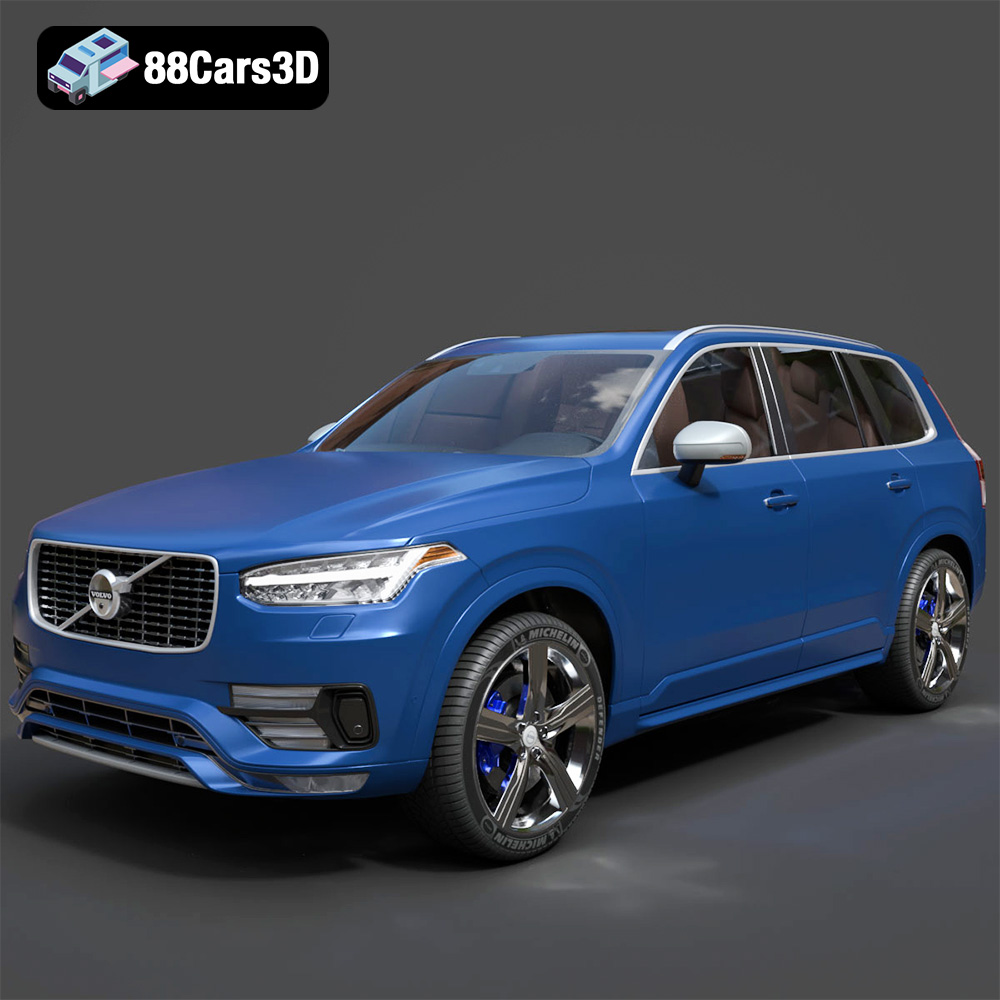
Download the Volvo XC90 R-Design 2015 3D Model featuring clean geometry, realistic detailing, and a fully modeled interior. Includes .blend, .fbx, .obj, .glb, .stl, .ply, .unreal, and .max formats for rendering, simulation, and game development.
Price: $10

