⚡ FLASH SALE: Get 60% OFF All Premium 3D & STL Models! ⚡

The world of automotive visualization has been revolutionized. Gone are the days of waiting hours, or even days, for a single photorealistic render. Real-time rendering engines, led by Unreal Engine, have fundamentally changed the game, empowering artists, designers, and developers to create stunning, interactive, and cinematic experiences at the speed of thought. The ability to showcase a vehicle in perfect lighting, change its color on the fly, and explore every curve and detail in real-time is no longer a far-off dream but a daily reality for professionals. However, harnessing this power requires a deep understanding of the engine’s tools and a proper workflow.
This comprehensive guide will walk you through the entire process of creating a high-end automotive visualization in Unreal Engine 5. We will start from the ground up, covering essential project setup and model preparation. We’ll then dive deep into the technical artistry of crafting photorealistic PBR materials, illuminating your scene with the dynamic power of Lumen, and bringing it to life with Blueprint interactivity and Sequencer cinematics. Finally, we’ll explore critical optimization strategies using Nanite and other tools to ensure your project runs smoothly. Whether you’re an experienced 3D artist or a developer new to auto-viz, this article will equip you with the knowledge to transform a high-quality 3D car model into a breathtaking real-time showcase.
A successful project begins with a solid foundation. Before you even import your first 3D car model, configuring your Unreal Engine project correctly is paramount. These initial steps ensure that the engine’s most powerful features are enabled and that your assets will behave as expected, saving you countless hours of troubleshooting down the line. Proper preparation of your 3D model is equally crucial for a smooth and efficient workflow.
When creating a new project in Unreal Engine, you’re presented with several templates. For automotive visualization, the best choice is typically the Film/Video & Live Events > Blank template. This provides a clean slate tailored for high-fidelity rendering. It enables key plugins and sets appropriate project defaults for cinematic quality. Alternatively, the Games > Blank template is also a solid choice, offering a more general-purpose starting point. While the Vehicle template might seem tempting, it includes pre-configured physics and input systems that you may not need for a purely visual showcase and can add unnecessary complexity.
Once your project is created, several settings must be enabled to unlock Unreal Engine 5’s full visual potential. Navigate to Edit > Project Settings and make the following adjustments:
These settings form the core of a modern, high-fidelity real-time rendering pipeline in Unreal Engine.
The quality of your final render is directly tied to the quality of your source model. Before importing, run through this checklist. Marketplaces like 88cars3d.com often provide models that are already well-prepared for real-time engines, but it’s always good practice to verify.
With your project configured and your model prepped, it’s time to bring your automotive asset into the Unreal Engine environment. The import process is a critical step where you decide how the engine will interpret and handle your geometry and materials. Unreal offers several robust pipelines, with FBX being the traditional standard and USD emerging as a powerful, flexible alternative.
The FBX file format is the industry-standard method for transferring 3D assets between applications. When you drag and drop an FBX file into the Unreal Content Drawer, an import options dialog appears. For a high-poly 3D car model, pay close attention to these settings:
Universal Scene Description (USD) is a framework for interchanging 3D data, gaining significant traction in VFX and real-time workflows. Importing a scene via USD can offer a more non-destructive workflow. Instead of a one-time import, you can treat the USD file as a live link. Changes made in your DCC application can be seamlessly updated in Unreal. This is particularly useful for collaborative projects or when frequent design iterations are expected. The USD Stage Editor in Unreal allows you to manage complex scenes, override materials, and adjust transforms without re-importing the entire asset.
After the import process completes, it’s crucial to verify that everything has come through correctly. Open the imported Static Meshes in the Asset Editor (by double-clicking them in the Content Drawer) and check the following:
A great model is only half the battle; photorealistic materials are what truly sell the realism of an automotive visualization. Unreal Engine’s node-based Material Editor is an incredibly powerful tool for creating complex, physically accurate surfaces. From the deep, multi-layered shimmer of car paint to the subtle imperfections on a tire, mastering materials is key.
Physically Based Rendering (PBR) is a methodology that seeks to simulate how light interacts with materials in the real world. Instead of faking visual properties, you define a material’s physical attributes. The core inputs you’ll work with are:
Using high-quality textures for these inputs is essential for achieving believable results.
Car paint is one of the most complex materials to replicate. It’s a multi-layered surface with a base coat, metallic flakes, and a glossy clear coat on top. In the Unreal Material Editor, you can build this with the following steps:
By using Material Instances based on this master material, you can easily create dozens of color variations by simply changing parameter values.
Beyond the paint, other materials complete the look:
Lighting is the element that breathes life into your scene, creating mood, defining form, and producing the beautiful reflections that make a car look stunning. Unreal Engine 5’s Lumen system provides a fully dynamic global illumination and reflection solution, allowing for real-time iteration and producing results that rival offline path tracers.
Lumen completely changes the lighting workflow. Instead of baking lightmaps, which is a slow and static process, Lumen calculates light bounces in real-time. This means if you move a light or an object, the entire scene’s lighting, including soft indirect shadows and color bleeding, updates instantly. Lumen’s reflections are also superior to older methods, as they can reflect objects that are off-screen and show detailed indirect lighting within the reflections themselves, a crucial feature for shiny, curved surfaces like those on a car.
A typical automotive visualization scene, whether in a studio or outdoors, uses a combination of these actors:
The final 20% of a scene’s look comes from post-processing. Add a Post Process Volume to your level and ensure its Infinite Extent (Unbound) property is checked to make its effects global. Inside the volume’s details, you can control:
A major advantage of real-time rendering is the ability to create dynamic and interactive experiences. Instead of a static image, you can create a fully interactive car configurator, a cinematic animation, or even a drivable simulation. Unreal Engine provides powerful, user-friendly tools like Blueprint and Sequencer to achieve this without writing a single line of code.
Blueprint is Unreal Engine’s visual scripting system. It allows you to create complex logic using a node-based interface. A classic use case in automotive visualization is building a simple UI for a car configurator.
Here’s a basic workflow to change a car’s paint color:
By expanding on this simple logic, you can build full configurators that swap wheel styles, change interior materials, and toggle lights.
Sequencer is Unreal Engine’s cinematic editing tool, allowing you to create complex, multi-shot animations. It functions like a non-linear video editor but operates in real-time within the 3D world.
To create a simple panning shot of your car:
You can keyframe almost any property, including camera focus, aperture, focal length, and the car’s position, to create compelling and professional marketing cinematics.
For an extra layer of engagement, you can make the car drivable using Unreal’s Chaos Vehicle system. This is a more advanced topic requiring a Skeletal Mesh with a proper bone hierarchy for the wheels and body. You would create a Vehicle Blueprint, configure wheel and suspension physics in a Data Asset, and set up engine and transmission properties. While complex, it allows for the creation of fully interactive driving simulators or game experiences. The Unreal Engine official documentation, available at https://dev.epicgames.com/community/unreal-engine/learning, offers extensive guides on setting up Chaos Vehicles for those looking to explore this feature further.
While modern hardware and engine features like Lumen and Nanite are incredibly powerful, performance optimization is still a critical skill. Ensuring your automotive visualization runs at a smooth, high frame rate (ideally 60 FPS or higher) is essential for a good user experience, especially in VR or on less powerful machines. A stuttering presentation can completely undermine the quality of your assets and lighting.
We enabled Nanite during import, but it’s important to understand why it’s so revolutionary for automotive visualization. Car models are notoriously heavy, often containing millions of polygons to capture every subtle curve and detail. Traditionally, this required artists to spend days creating multiple lower-poly versions of the model called Levels of Detail (LODs). Nanite, Unreal’s virtualized micropolygon geometry system, effectively automates this. It intelligently streams and renders only the detail you can perceive, meaning you can use film-quality, high-polygon 3D car models, like those found on 88cars3d.com, directly in the engine without worrying about polygon counts impacting performance. This is a massive leap in workflow efficiency and visual fidelity.
While Nanite is a silver bullet for opaque static meshes, it has limitations. It does not currently support:
For these cases, the traditional LOD workflow is still necessary. You would need to create simplified versions of your glass meshes or any rigged vehicle parts and set them up as a LOD group. However, since the vast majority of a car’s geometry (body, wheels, interior) is opaque and static, Nanite handles the heaviest lifting.
You can’t optimize what you can’t measure. Unreal Engine includes powerful built-in profiling tools to diagnose performance issues.
If you identify a bottleneck, you can take targeted action, such as reducing Lumen’s quality settings, simplifying a complex material, or optimizing the number of dynamic lights in your scene.
We’ve traveled the full length of the modern automotive visualization pipeline within Unreal Engine 5. From establishing a robust project foundation and meticulously preparing your assets, to the artistic and technical challenges of material authoring and dynamic lighting, the path to photorealism is a blend of precision and creativity. We’ve seen how tools like Blueprint and Sequencer can elevate a static model into an interactive configurator or a breathtaking cinematic, while Nanite and Lumen handle the heavy lifting of rendering millions of polygons with stunning, real-time lighting.
The barrier to entry for creating world-class automotive visualization has never been lower, but the ceiling for quality has never been higher. The key is to combine high-quality assets with a deep understanding of the engine’s capabilities. By starting with a pristine 3D car model and applying the workflows covered here—PBR material creation, dynamic lighting with Lumen, and performance-aware design—you are well-equipped to produce professional, high-fidelity real-time experiences. The next step is to take these principles and apply them to your own project. Experiment, explore, and push the boundaries of what real-time rendering can achieve.

Texture: Yes
Material: Yes
Download the Mercedes S-Class 2024 3D Model featuring clean geometry, realistic detailing, and a fully modeled interior. Includes .blend, .fbx, .obj, .glb, .stl, .ply, .unreal, and .max formats for rendering, simulation, and game development.
Price: $10
Texture: Yes
Material: Yes
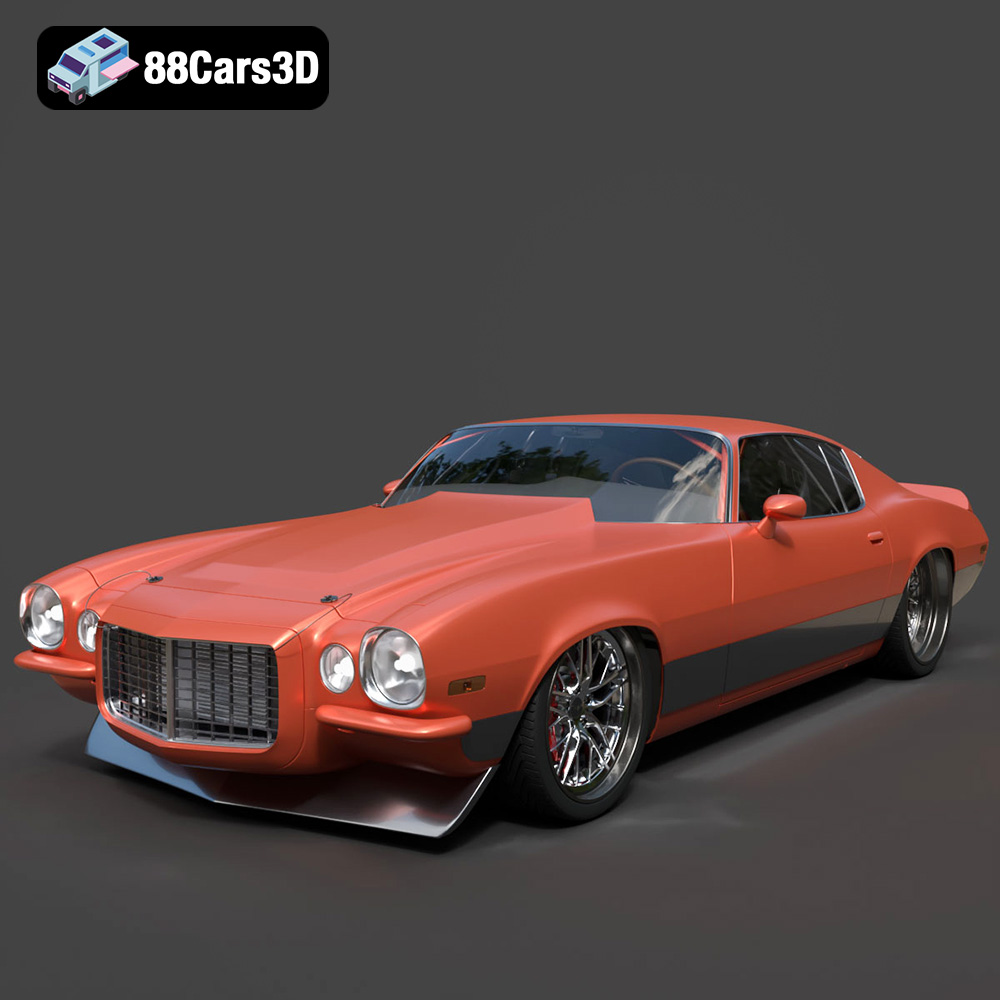
Download the Chevrolet Camaro 1970 3D Model featuring clean geometry, realistic detailing, and a fully modeled interior. Includes .blend, .fbx, .obj, .glb, .stl, .ply, .unreal, and .max formats for rendering, simulation, and game development.
Price: $10
Texture: Yes
Material: Yes
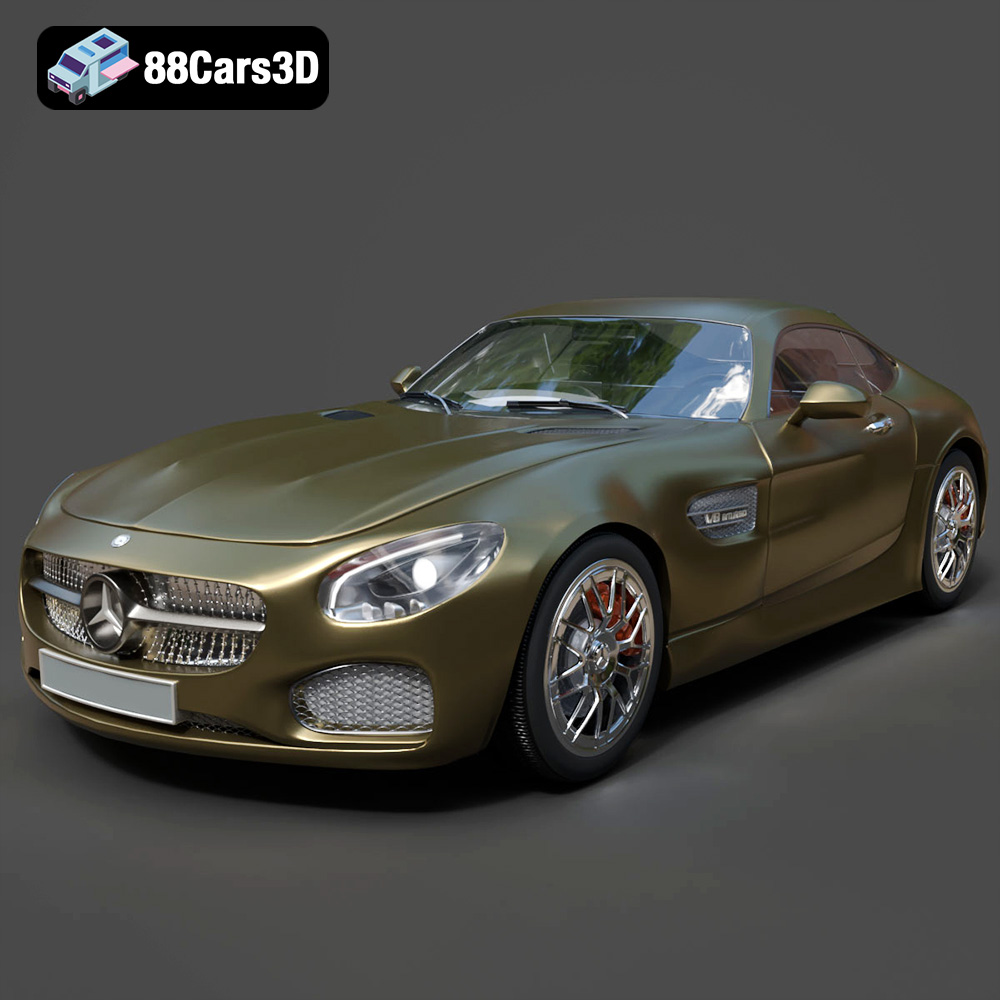
Download the Mercedes-AMG GT 2015 3D Model featuring clean geometry, realistic detailing, and a fully modeled interior. Includes .blend, .fbx, .obj, .glb, .stl, .ply, .unreal, and .max formats for rendering, simulation, and game development.
Price: $88.99
Texture: Yes
Material: Yes
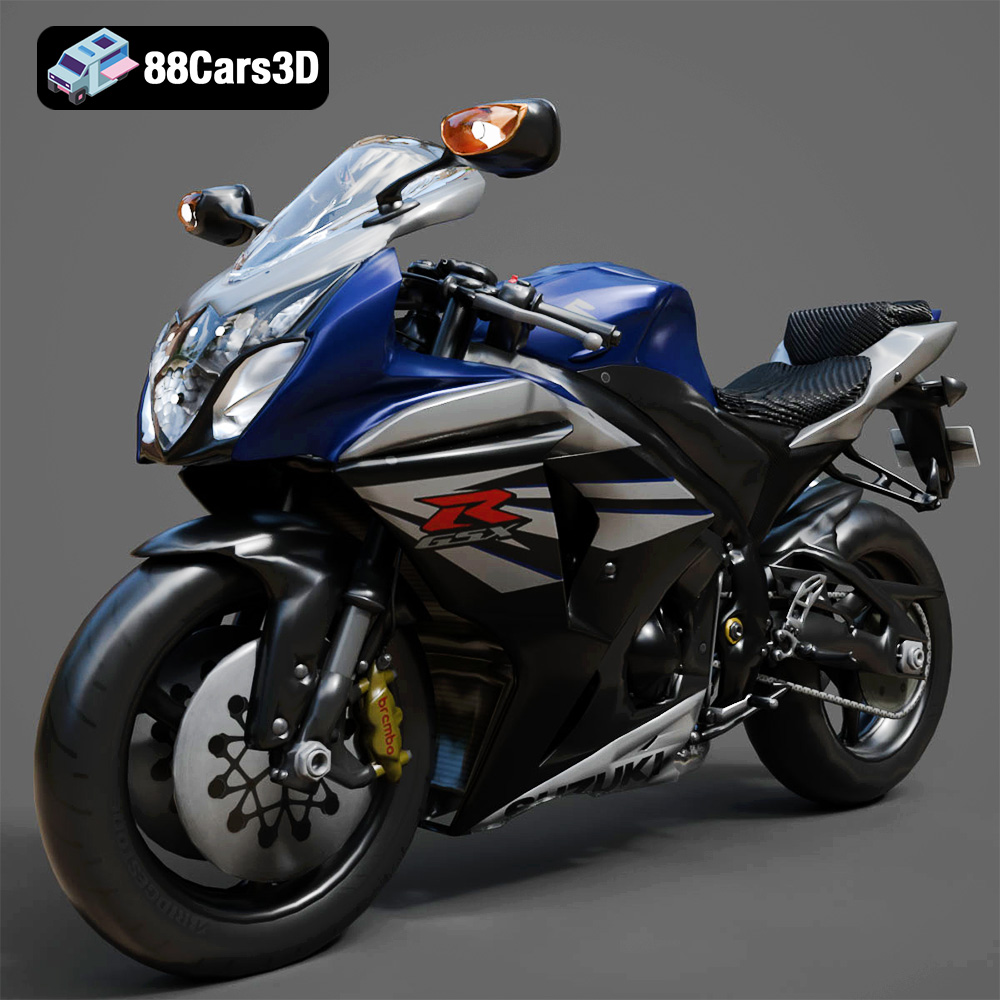
Download the Suzuki GSX-R 1000 3D Model featuring clean geometry, realistic detailing, and a fully modeled interior. Includes .blend, .fbx, .obj, .glb, .stl, .ply, .unreal, and .max formats for rendering, simulation, and game development.
Price: $10
Texture: Yes
Material: Yes
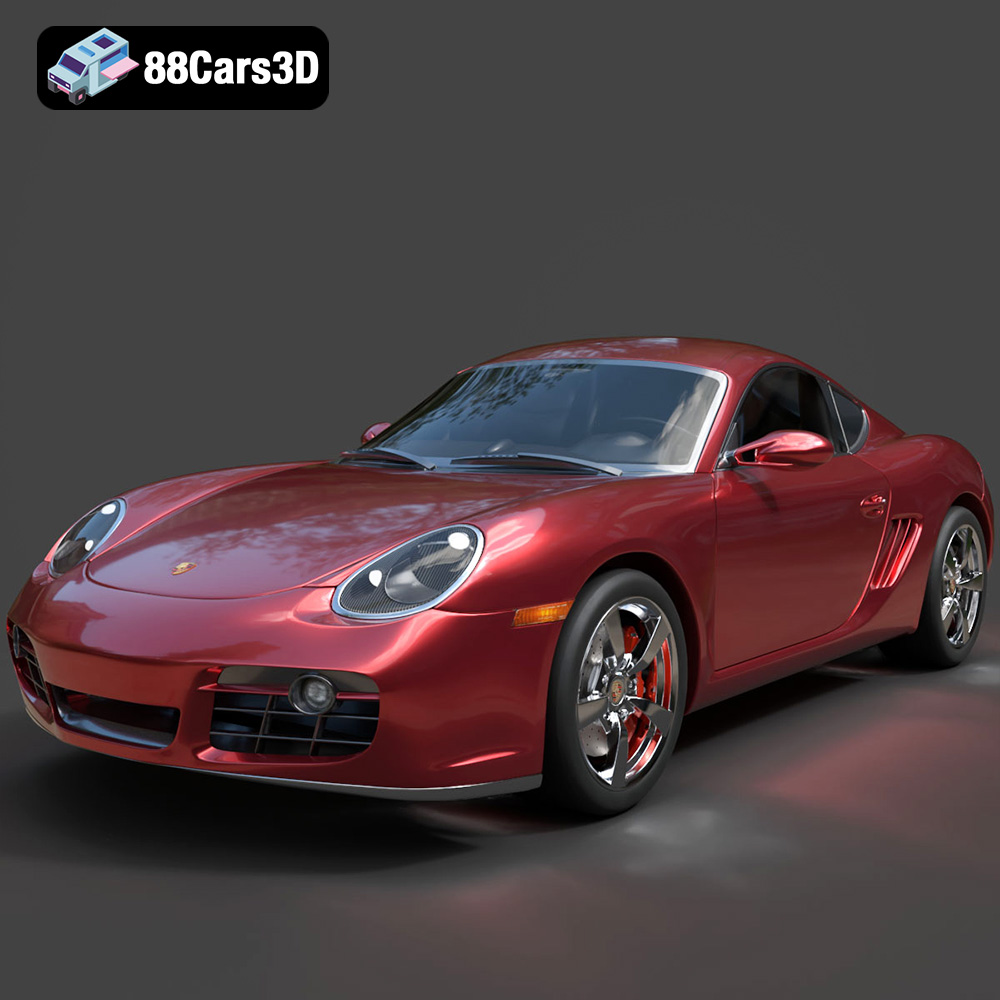
Download the Porsche Cayman S 2024 3D Model featuring clean geometry, realistic detailing, and a fully modeled interior. Includes .blend, .fbx, .obj, .glb, .stl, .ply, .unreal, and .max formats for rendering, simulation, and game development.
Price: $10
Texture: Yes
Material: Yes
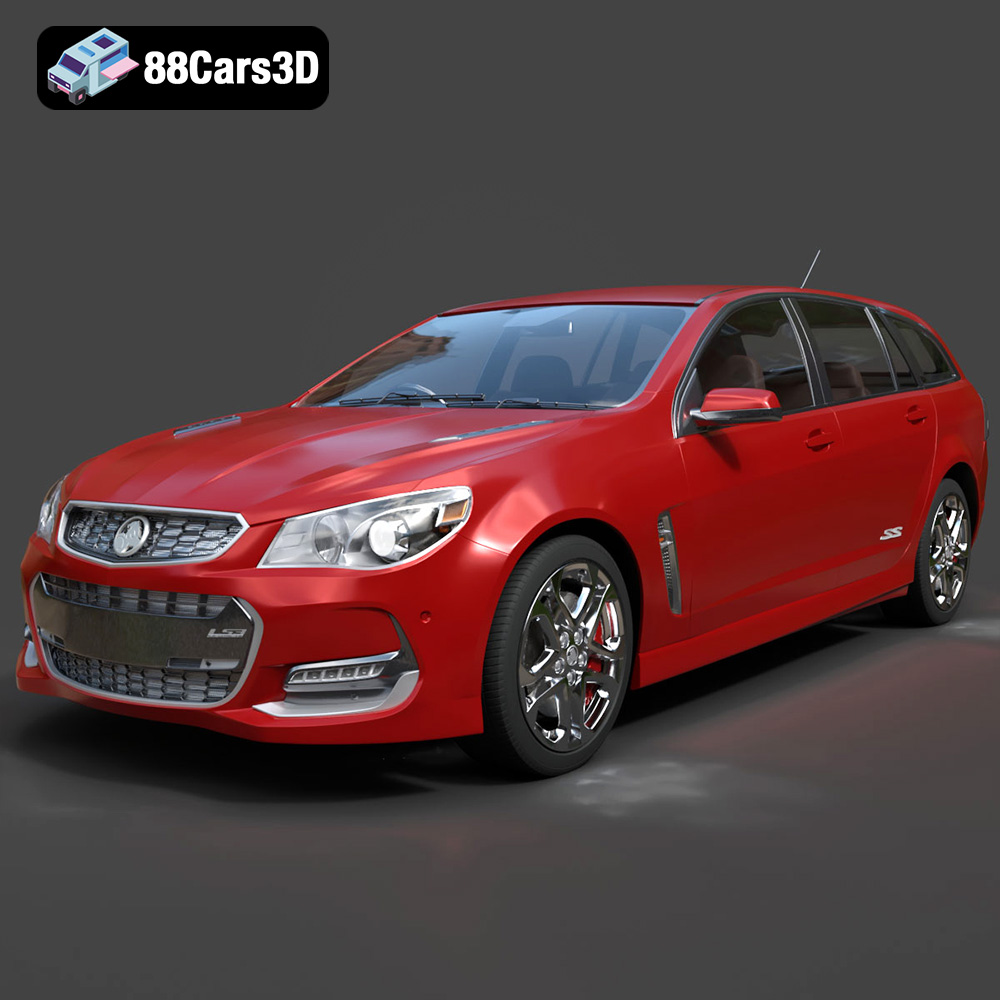
Download the Holden Commodore Sportwagon 2017 3D Model featuring clean geometry, realistic detailing, and a fully modeled interior. Includes .blend, .fbx, .obj, .glb, .stl, .ply, .unreal, and .max formats for rendering, simulation, and game development.
Price: $10
Texture: Yes
Material: Yes
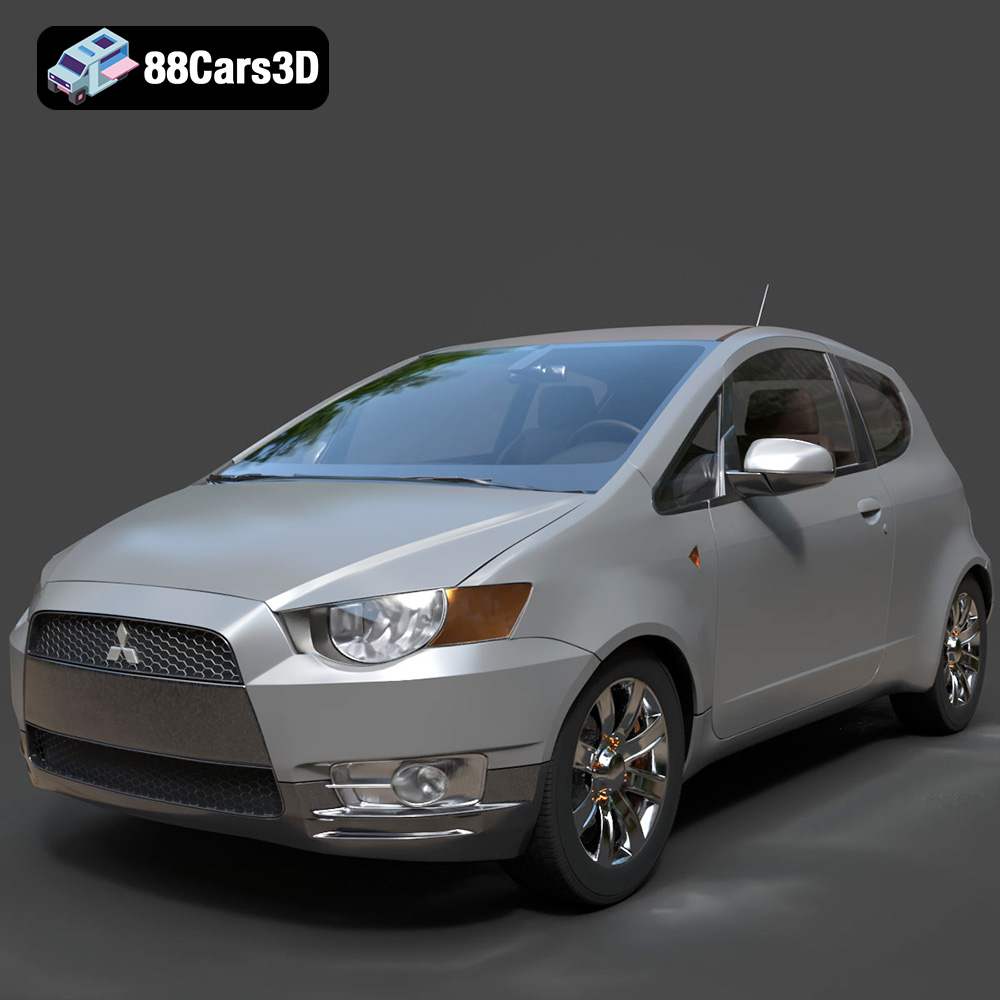
Download the Mitsubishi Colt 3 Door 2008 3D Model featuring clean geometry, realistic detailing, and a fully modeled interior. Includes .blend, .fbx, .obj, .glb, .stl, .ply, .unreal, and .max formats for rendering, simulation, and game development.
Price: $10
Texture: Yes
Material: Yes
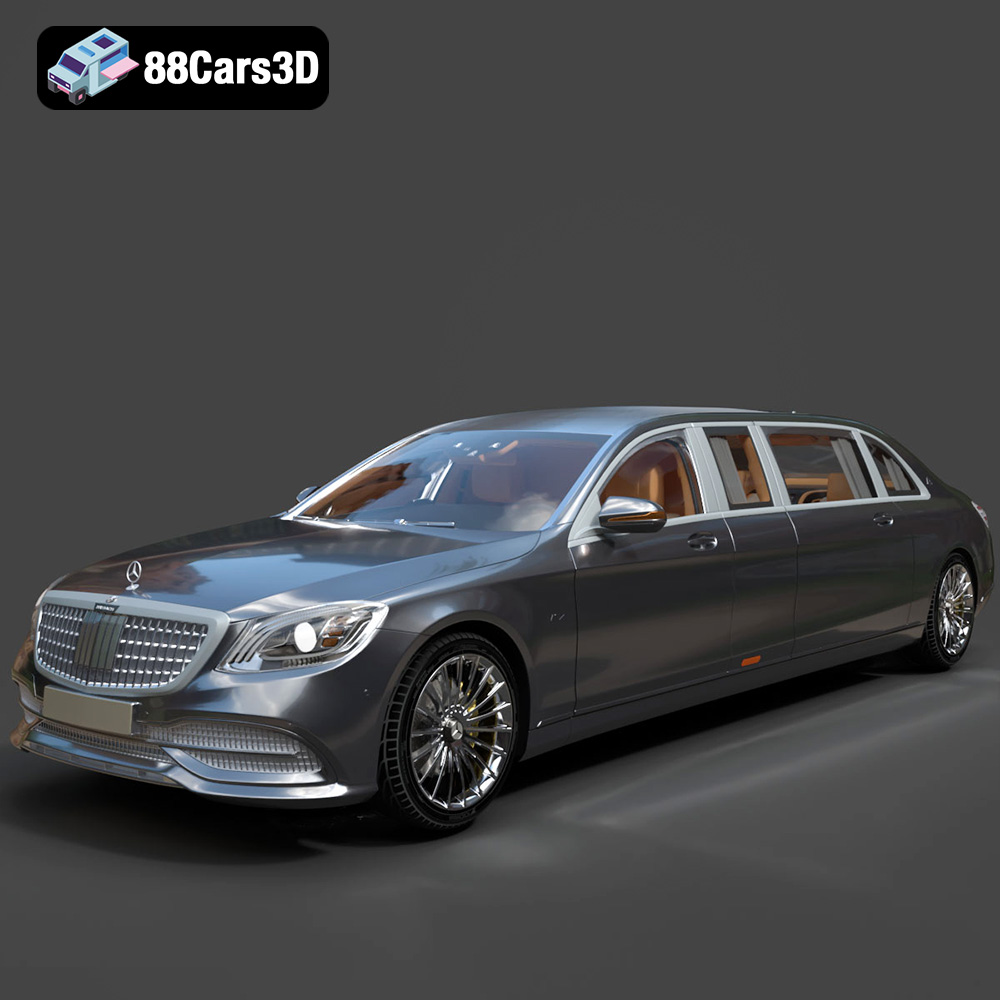
Download the Mercedes-Benz S650 Pullman 3D Model featuring clean geometry, realistic detailing, and a fully modeled interior. Includes .blend, .fbx, .obj, .glb, .stl, .ply, .unreal, and .max formats for rendering, simulation, and game development.
Price: $95.99
Texture: Yes
Material: Yes
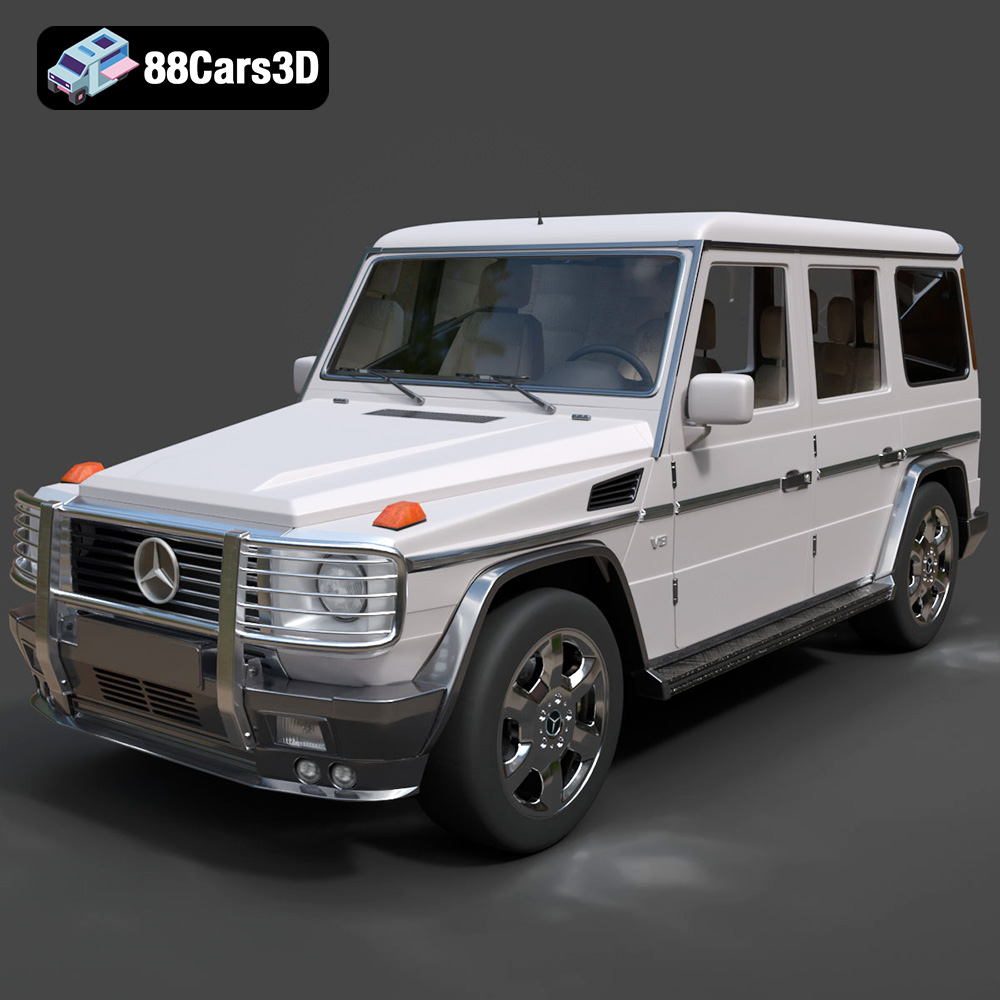
Download the Mercedes G-Class SUV 2024 3D Model featuring clean geometry, realistic detailing, and a fully modeled interior. Includes .blend, .fbx, .obj, .glb, .stl, .ply, .unreal, and .max formats for rendering, simulation, and game development.
Price: $10
Texture: Yes
Material: Yes
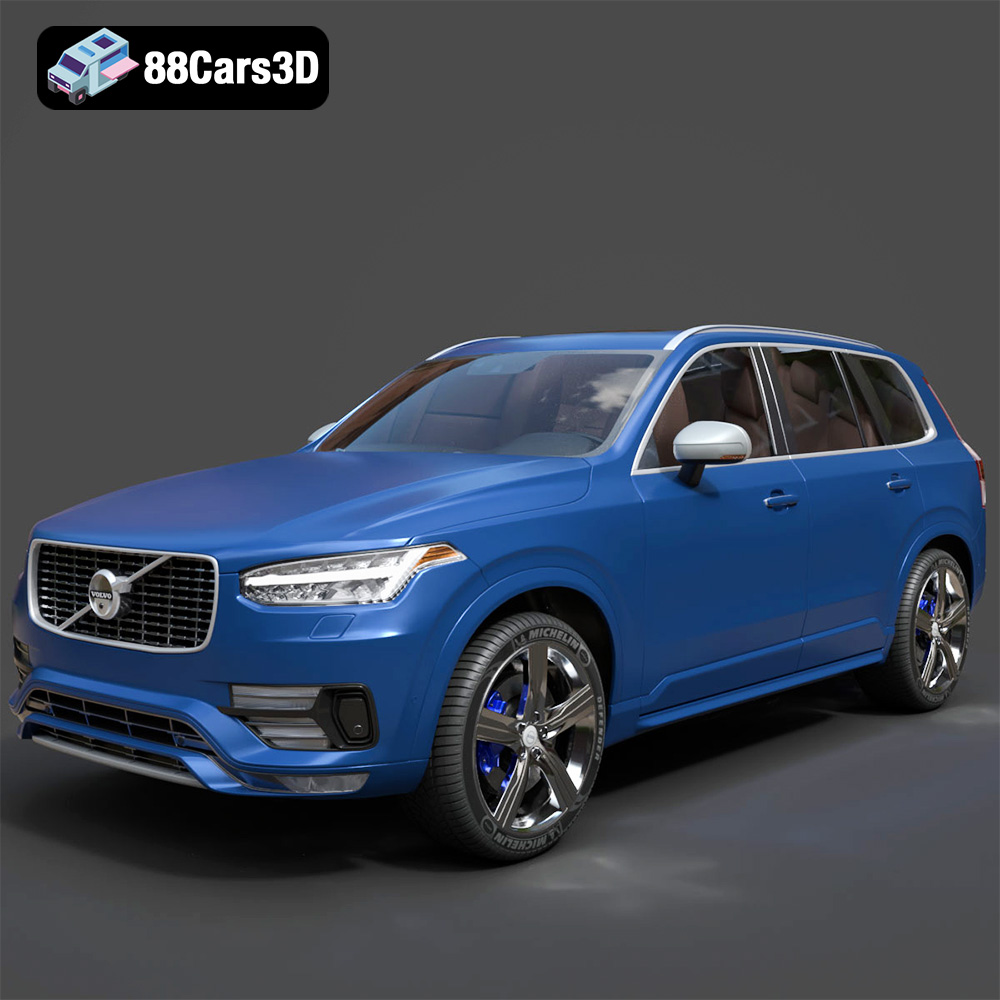
Download the Volvo XC90 R-Design 2015 3D Model featuring clean geometry, realistic detailing, and a fully modeled interior. Includes .blend, .fbx, .obj, .glb, .stl, .ply, .unreal, and .max formats for rendering, simulation, and game development.
Price: $10

