⚡ FLASH SALE: Get 60% OFF All Premium 3D & STL Models! ⚡

The world of automotive visualization has been revolutionized by real-time rendering. Gone are the days of waiting hours, or even days, for a single photorealistic image to emerge from an offline renderer. Today, Unreal Engine empowers creators to build stunning, interactive, and dynamic automotive experiences that run in real time. From high-fidelity marketing cinematics and interactive online configurators to immersive VR design reviews, the possibilities are limitless. However, achieving true photorealism hinges on two critical components: a powerful rendering engine and exceptionally high-quality assets. Without a meticulously crafted 3D car model, even the most advanced lighting and material setup will fall short.
This comprehensive guide will walk you through the entire professional workflow of bringing a high-poly 3D car model into Unreal Engine and creating a visually stunning final product. We will cover everything from initial project setup and optimal import strategies to crafting complex PBR materials, mastering real-time lighting with Lumen, adding interactivity with Blueprints, and ensuring peak performance. Whether you are an automotive designer, a 3D artist, or a game developer, this article will equip you with the technical knowledge to elevate your automotive visualization projects to the next level, transforming pristine 3D car models into breathtaking, interactive digital replicas.
A successful project starts with a solid foundation. Properly configuring your Unreal Engine project from the outset saves significant time and prevents technical hurdles down the line. It ensures the engine is primed for the high-fidelity rendering that automotive visualization demands. Equally important is the preparation of your source asset, as a clean, well-organized model is the cornerstone of a smooth production pipeline.
When creating a new project, Unreal Engine offers several templates. For automotive visualization, the best choices are typically:
Regardless of the template, select the “Film/Video & Live Events” or “Games” category and ensure your project is set to “Desktop” quality with “Maximum” quality presets and “Ray Tracing” enabled (if your hardware supports it) for the best visual fidelity.
Once your project is created, a few key settings in the Project Settings (Edit > Project Settings) are crucial for real-time rendering quality:
For a complete and detailed breakdown of all available rendering settings, the official Unreal Engine documentation at https://dev.epicgames.com/community/unreal-engine/learning serves as the definitive guide and an invaluable resource for any developer.
The quality of your source model is paramount. When sourcing game assets or visualization models from marketplaces such as 88cars3d.com, you can typically expect clean topology, proper UV mapping, and logical material assignments. Before importing, it’s still best practice to open the model in a 3D application like Blender or 3ds Max to verify a few things. Ensure the model’s scale is set to centimeters (Unreal’s default unit), that all transformations are frozen (reset scale and rotation), and that objects are named logically (e.g., `SM_Chassis`, `SM_Wheel_FL`, `SM_BrakeCaliper_RR`). A well-organized hierarchy will make working with the model inside Unreal Engine significantly easier, especially when setting up Blueprints or animations.
With the project configured and the model prepared, the next step is the import process. Unreal Engine provides a robust and flexible import pipeline, but understanding the options is key to achieving the best balance of visual quality and performance. The choice of file format and the specific import settings you select will have a lasting impact on your project.
The two most common formats for bringing complex assets into Unreal Engine are FBX and USD (Universal Scene Description).
For this guide, we’ll focus on the traditional FBX workflow, which remains the most common for individual artists and small teams.
When you drag your FBX file into the Content Drawer, the FBX Import Options dialog appears. Here are the critical settings for a high-poly car model:
Fine-tuning these settings ensures that your asset is optimized for Unreal Engine’s modern rendering architecture right from the start.
After the import is complete, take a moment to organize. Create a dedicated folder for your car model and subfolders for Meshes, Materials, and Textures. Open the imported static meshes in the Static Mesh Editor. Check that the material slots are assigned correctly and inspect the model under different lighting conditions. If you enabled Nanite, you can verify it’s working by viewing the Nanite Visualization modes (e.g., Triangles, Clusters) in the main viewport. A clean, organized folder structure is a professional habit that pays dividends in complex projects.
A great model is nothing without great materials. Unreal Engine’s node-based Material Editor is an incredibly powerful tool for creating physically-based rendering (PBR) materials that mimic real-world surfaces. For a car, this means accurately recreating complex surfaces like metallic car paint, multi-layered glass, and textured rubber.
The PBR materials workflow relies on a set of texture maps to define a surface’s properties:
High-quality assets will come with these textures, which you can plug directly into the corresponding inputs of the Main Material Node.
Standard car paint is one of the most challenging materials to get right. It’s a multi-layered surface with a base coat, metallic flakes, and a glossy clear coat on top. Unreal Engine’s Material Editor has a dedicated shading model for this.
Beyond the paint, other materials are crucial for realism:
Lighting is what breathes life and realism into a scene. Unreal Engine’s Lumen system provides dynamic global illumination and reflections, simulating how light bounces off surfaces in the real world. This eliminates the need for pre-calculating lighting (baking) and allows for fully dynamic environments.
Lumen works by tracing rays against a simplified representation of the scene, allowing it to calculate indirect lighting and reflections in real time. It can operate in two modes: Software Ray Tracing (which runs on a wide range of hardware) and Hardware Ray Tracing (which leverages dedicated ray tracing cores on modern GPUs for higher quality). For automotive visualization, where reflections on the car body are critical, enabling Hardware Ray Tracing and setting “Use Hardware Ray Tracing when available” in the Project Settings often yields the best results. Lumen is responsible for soft shadows in occluded areas, color bleeding from nearby surfaces, and reflections that accurately show off-screen objects.
You can create two primary lighting scenarios for automotive rendering:
The final touches to lighting and color are applied using a Post Process Volume. By adding one to your scene and setting its “Infinite Extent (Unbound)” property, you can globally control parameters like Exposure, Contrast, Bloom, Chromatic Aberration, and Color Grading. Subtle adjustments here can make a significant difference, pushing your render from good to photorealistic. Experiment with the Filmic Tone Mapper settings and add a slight amount of Bloom to simulate the glow of bright highlights on the car’s chrome trim.
Real-time rendering’s true power lies in its ability to create interactive experiences. Instead of a static image, you can build a fully functional automotive configurator, create cinematic animations, or even simulate vehicle physics. Unreal Engine’s tools like Blueprint, Sequencer, and Chaos Physics make this possible.
Blueprint is Unreal Engine’s visual scripting system that allows you to create complex logic without writing a single line of code. For an automotive configurator, you can use Blueprints to:
A simple configurator can be built by placing your car model in a Blueprint Actor class. This encapsulates all the meshes and logic into a single, self-contained object that is easy to manage.
For creating high-quality videos and marketing cinematics, Sequencer is Unreal’s non-linear animation and editing tool. It operates like a professional video editing suite, allowing you to:
Once your sequence is complete, you can render it out to a high-resolution video file or image sequence using the Movie Render Queue for pristine, anti-aliased output.
Even with powerful hardware and modern engine features, performance optimization is a crucial skill. Ensuring your application runs at a smooth, consistent framerate is essential for any interactive experience, from a desktop configurator to a VR design review.
For automotive visualization, Nanite is a game-changer. Traditionally, a 3D car model for real-time use would need to be around 100,000-300,000 polygons, requiring extensive manual optimization and the creation of multiple Levels of Detail (LODs). With Nanite, you can import and render models with millions, or even tens of millions, of polygons with minimal performance impact. Nanite intelligently streams and renders only the detail you can perceive, effectively eliminating the polygon budget as a primary concern for static geometry. This means you can use film-quality assets directly in your real-time application, preserving every curve and detail of the original design.
While Nanite handles the main body, some components might not be suitable for it, such as transparent objects (glass) or objects that need to deform (using the World Position Offset material feature). For these non-Nanite meshes, traditional optimization techniques are still important. This includes:
When you encounter performance issues, guesswork is not the answer. Unreal Engine provides powerful profiling tools to help you identify bottlenecks. Use the console commands `stat unit` to see whether your CPU (Game thread, Draw thread) or GPU is the limiting factor. For a deeper analysis, the GPU Visualizer (`ProfileGPU`) breaks down the rendering cost of every element in the scene, helping you identify which materials or post-process effects are the most expensive. This data-driven approach is the key to effective optimization.
You now have a complete, professional roadmap for taking a high-quality 3D car model and transforming it into a stunning, interactive visualization within Unreal Engine. We’ve journeyed from the critical first steps of project setup and asset import, through the artistic process of crafting photorealistic PBR materials and illuminating scenes with the power of Lumen. We’ve unlocked the potential for interactivity with Blueprint and cinematic storytelling with Sequencer. Finally, we’ve covered the crucial discipline of optimization, understanding how to leverage modern features like Nanite while still respecting the principles of real-time performance.
The quality of your final output is directly tied to the quality of your starting assets. Using meticulously crafted, engine-ready 3D car models from specialized providers saves countless hours of cleanup and preparation, allowing you to focus on the creative aspects of lighting, rendering, and interaction. As you embark on your next automotive visualization project, apply these technical workflows and principles. Experiment, explore the powerful features of Unreal Engine, and continue to push the boundaries of what’s possible in real-time rendering.

Texture: Yes
Material: Yes
Download the Mercedes S-Class 2024 3D Model featuring clean geometry, realistic detailing, and a fully modeled interior. Includes .blend, .fbx, .obj, .glb, .stl, .ply, .unreal, and .max formats for rendering, simulation, and game development.
Price: $10

Texture: Yes
Material: Yes
Download the Chevrolet Camaro 1970 3D Model featuring clean geometry, realistic detailing, and a fully modeled interior. Includes .blend, .fbx, .obj, .glb, .stl, .ply, .unreal, and .max formats for rendering, simulation, and game development.
Price: $10

Texture: Yes
Material: Yes
Download the Mercedes-AMG GT 2015 3D Model featuring clean geometry, realistic detailing, and a fully modeled interior. Includes .blend, .fbx, .obj, .glb, .stl, .ply, .unreal, and .max formats for rendering, simulation, and game development.
Price: $88.99

Texture: Yes
Material: Yes
Download the Suzuki GSX-R 1000 3D Model featuring clean geometry, realistic detailing, and a fully modeled interior. Includes .blend, .fbx, .obj, .glb, .stl, .ply, .unreal, and .max formats for rendering, simulation, and game development.
Price: $10

Texture: Yes
Material: Yes
Download the Porsche Cayman S 2024 3D Model featuring clean geometry, realistic detailing, and a fully modeled interior. Includes .blend, .fbx, .obj, .glb, .stl, .ply, .unreal, and .max formats for rendering, simulation, and game development.
Price: $10

Texture: Yes
Material: Yes
Download the Holden Commodore Sportwagon 2017 3D Model featuring clean geometry, realistic detailing, and a fully modeled interior. Includes .blend, .fbx, .obj, .glb, .stl, .ply, .unreal, and .max formats for rendering, simulation, and game development.
Price: $10
Texture: Yes
Material: Yes
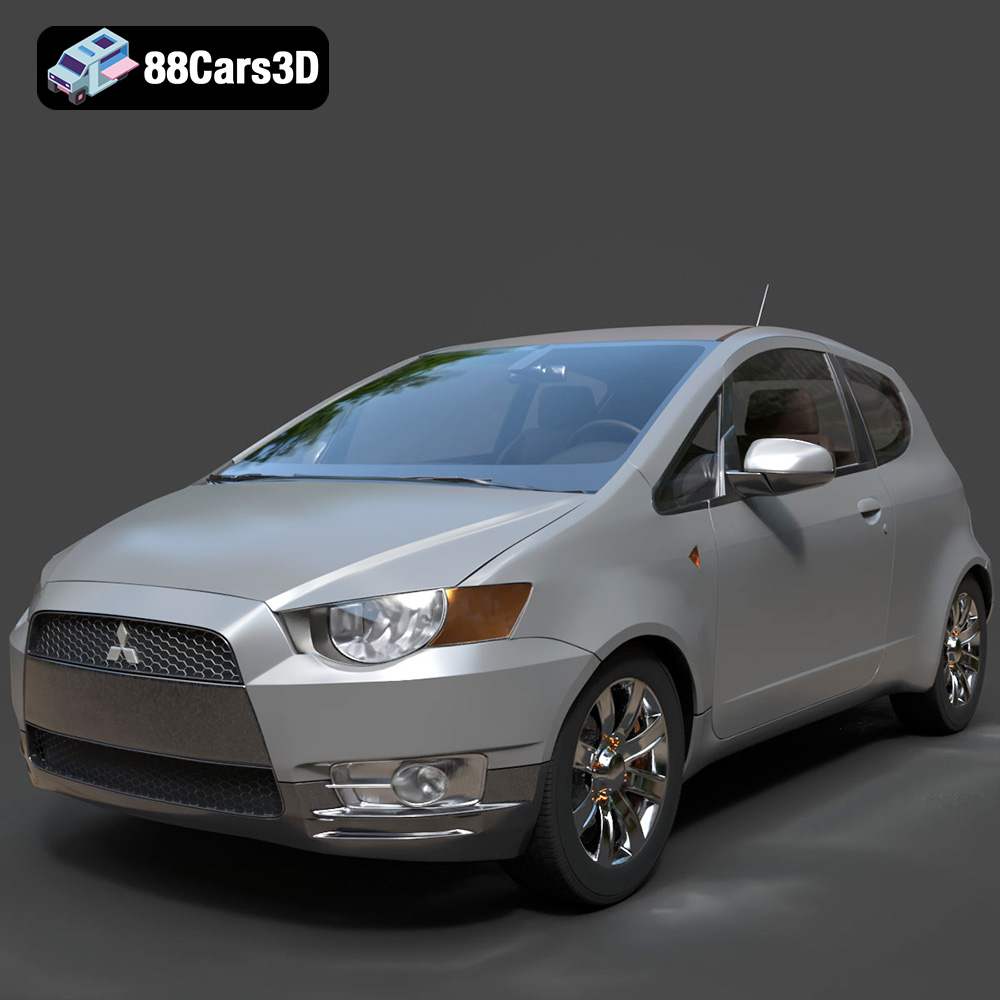
Download the Mitsubishi Colt 3 Door 2008 3D Model featuring clean geometry, realistic detailing, and a fully modeled interior. Includes .blend, .fbx, .obj, .glb, .stl, .ply, .unreal, and .max formats for rendering, simulation, and game development.
Price: $10
Texture: Yes
Material: Yes
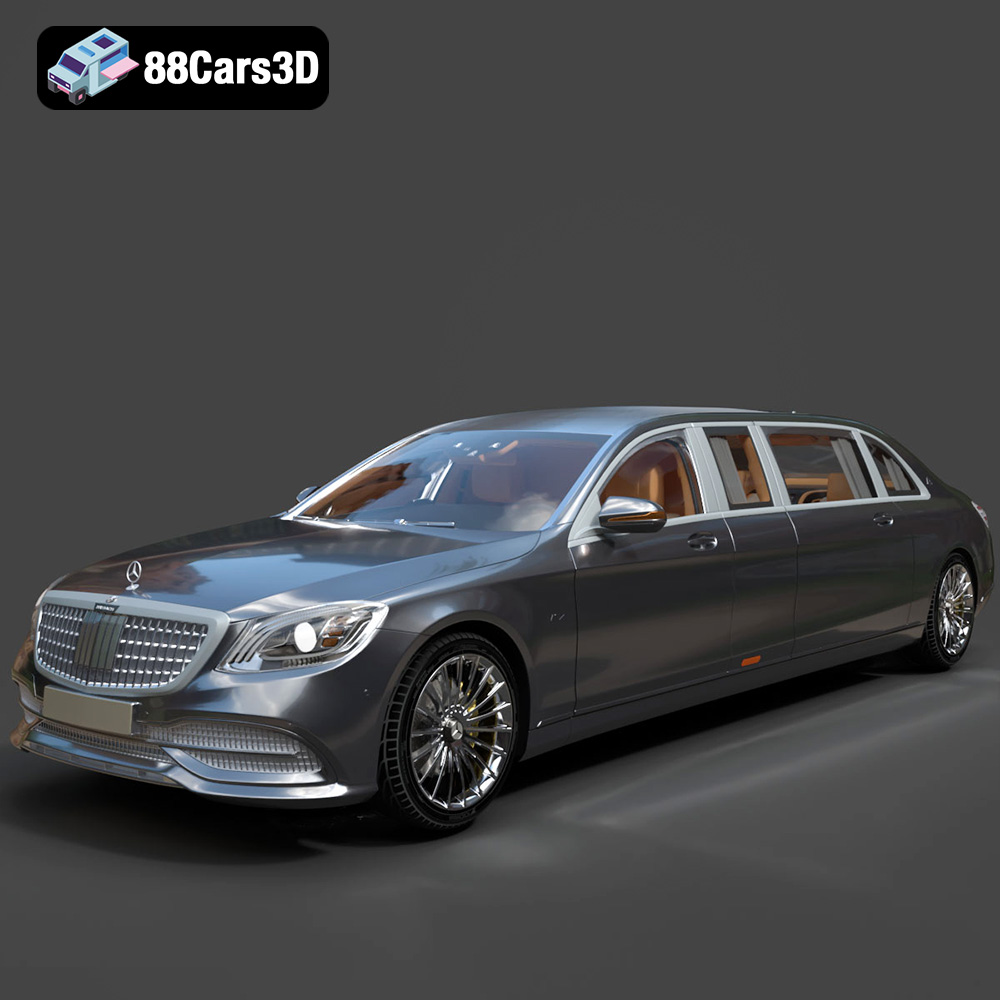
Download the Mercedes-Benz S650 Pullman 3D Model featuring clean geometry, realistic detailing, and a fully modeled interior. Includes .blend, .fbx, .obj, .glb, .stl, .ply, .unreal, and .max formats for rendering, simulation, and game development.
Price: $95.99
Texture: Yes
Material: Yes
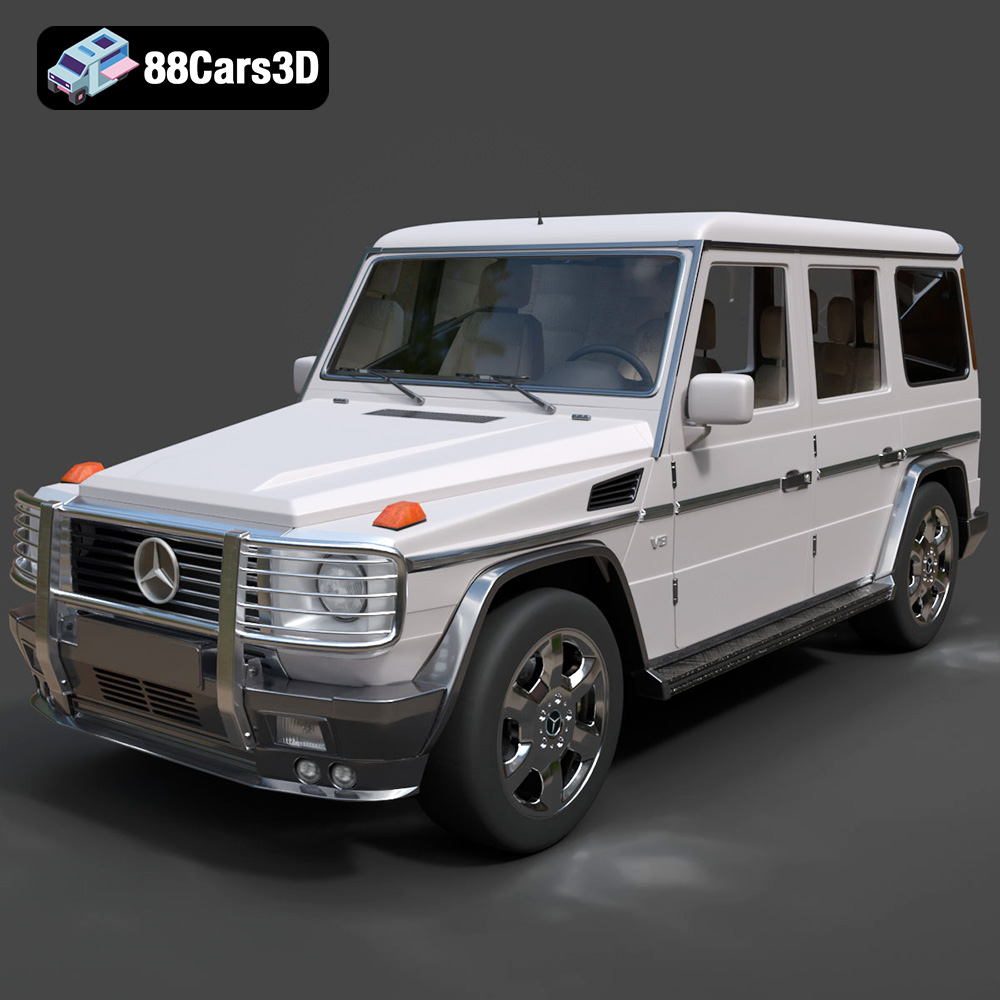
Download the Mercedes G-Class SUV 2024 3D Model featuring clean geometry, realistic detailing, and a fully modeled interior. Includes .blend, .fbx, .obj, .glb, .stl, .ply, .unreal, and .max formats for rendering, simulation, and game development.
Price: $10
Texture: Yes
Material: Yes
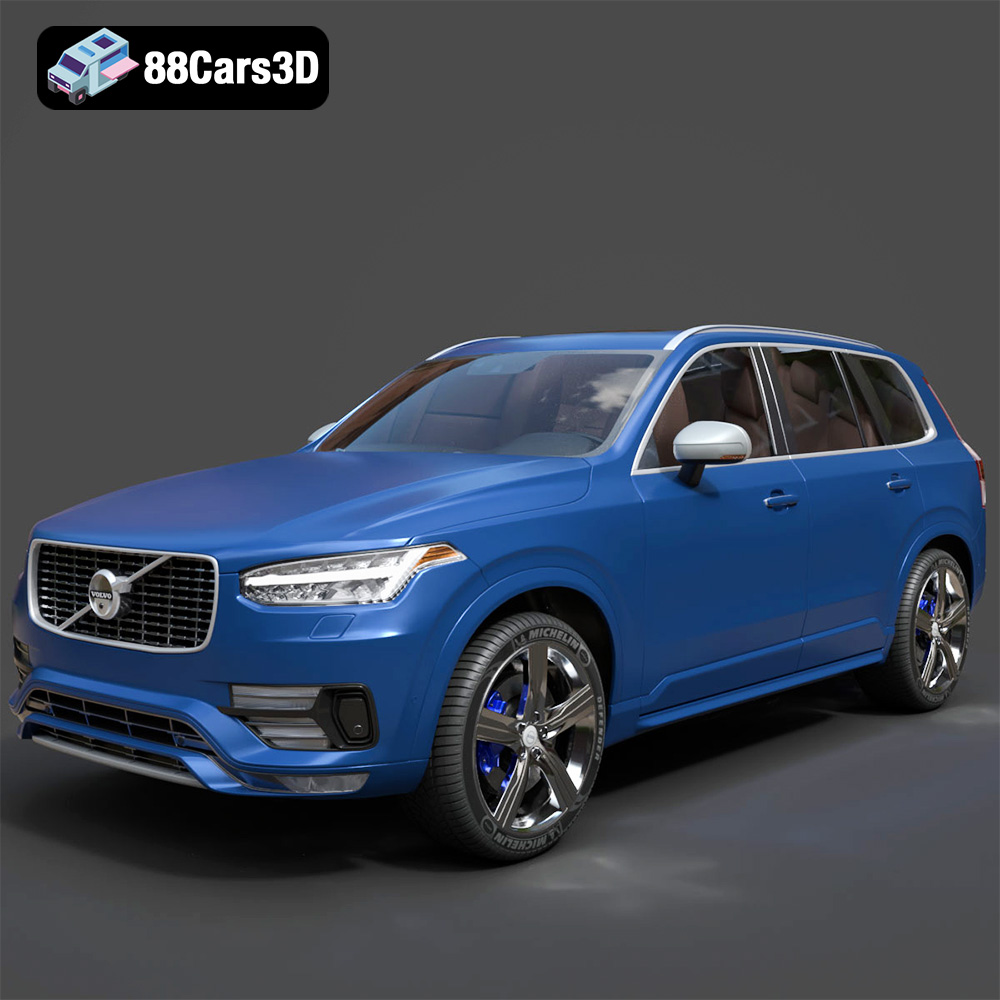
Download the Volvo XC90 R-Design 2015 3D Model featuring clean geometry, realistic detailing, and a fully modeled interior. Includes .blend, .fbx, .obj, .glb, .stl, .ply, .unreal, and .max formats for rendering, simulation, and game development.
Price: $10

