⚡ FLASH SALE: Get 60% OFF All Premium 3D & STL Models! ⚡

The pursuit of photorealism in real-time environments has long been the holy grail for 3D artists and game developers, especially when it comes to rendering intricate subjects like automobiles. The sleek curves, reflective surfaces, and complex mechanical details of a vehicle demand an incredible level of fidelity. However, integrating a high-fidelity car model, often originating from CAD or high-end DCC applications, into a real-time engine without compromising performance used to be a monumental challenge.
Traditionally, developers faced a stark choice: either sacrifice visual quality for performance or dedicate countless hours to manual optimization. With the advent of Unreal Engine 5 (UE5), this paradigm has shifted dramatically. UE5 introduces revolutionary technologies that not only handle immense geometric detail with unprecedented ease but also deliver breathtaking visual fidelity in real-time. This guide will walk you through mastering high-poly automotive assets in UE5, merging stunning photorealism with robust performance.
Whether you’re developing the next-generation racing game, creating interactive configurators, or producing virtual reality experiences, understanding the `Unreal Engine 5 automotive` pipeline is essential. Leveraging features like Nanite, Lumen, and DataSmith, artists can now bring their most detailed vehicle models to life without the traditional bottlenecks. For those looking for a head start with meticulously crafted, high-quality models, 88cars3d.com offers an extensive library of premium assets ready for your UE5 projects.
Automotive design files are inherently complex. They originate from sophisticated CAD software, optimized for precision engineering and manufacturing, not for real-time rendering. These models often consist of millions, if not billions, of polygons after tessellation from NURBS surfaces, representing every intricate bolt, seam, and interior component with absolute accuracy. Importing such models directly into traditional game engines would cripple `real-time car rendering performance`, leading to unplayable frame rates and excessive memory consumption.
The core of the challenge lies in the sheer volume of data. Each polygon contributes to the engine’s draw call budget, and too many draw calls drastically reduce frame rates. Furthermore, managing the memory footprint for high-resolution textures and complex materials adds another layer of difficulty. Historically, artists would spend weeks or months on manual retopology, creating multiple Levels of Detail (LODs) for vehicles, and painstakingly baking normal maps to simulate fine details—a labor-intensive process that often introduced compromises in visual fidelity.
The demand for truly `photorealistic vehicle assets` is higher than ever. From automotive configurators that allow customers to explore every detail of a car in 3D, to virtual production environments requiring cinema-quality visuals, the expectation for realism is non-negotiable. This push for fidelity, coupled with the need for interactive performance, created a significant gap that traditional game development workflows struggled to bridge. Unreal Engine 5 directly addresses this gap, providing a powerful toolkit to manage these complex assets efficiently and beautifully.
Even with Unreal Engine 5’s advanced capabilities, diligent pre-engine preparation remains a crucial step in any efficient `automotive game asset pipeline`. A well-prepared model will not only import more smoothly but also perform better and be easier to manage within UE5, leading to superior results. This stage focuses on cleaning up, structuring, and initially optimizing your high-poly car model before it even touches the engine.
While Nanite in UE5 can handle enormous polygon counts, having a reasonably optimized mesh from the start still contributes to a cleaner workflow and potentially better performance for non-Nanite components. The goal here is intelligent mesh reduction—removing unnecessary geometry without compromising the perceived detail of your `high-poly car model optimization` efforts. For some hero assets, especially those with complex deformation or detailed interiors that might not benefit from Nanite due to transparency or animation, manual retopology can be invaluable. This involves rebuilding the mesh with a cleaner, more efficient polygon flow, often targeting specific areas like wheel wells, door jambs, and intricate mechanical parts. Decimation tools can be used for less critical components, but always scrutinize the results for undesirable artifacts.
Consider the purpose of your asset. If it’s for a static configurator, you might retain more detail everywhere. For a fast-paced game, aggressive optimization on hidden or less-viewed parts is key. Ensure all geometry is watertight and free from inverted normals or overlapping faces. Cleaning up CAD imports, which often contain complex internal geometry that will never be seen, is paramount. This initial pass at refining the geometry lays a strong foundation for the subsequent steps within Unreal Engine.
Efficient UV mapping is foundational for high-quality texturing. Your `photorealistic vehicle assets` depend on well-laid-out UVs to accurately display high-resolution textures and avoid stretching or distortion. Consider creating multiple UV sets for different components: one for the main bodywork, another for interior elements, and separate sets for wheels, glass, and intricate mechanical parts. This allows for greater texture density where it matters most, like the car paint, while optimizing for other areas.
Equally important is a logical material ID breakdown. Grouping components by their intended material (e.g., all chrome parts, all rubber parts, all interior fabric) simplifies material assignment and iteration in UE5. This organizational strategy helps in creating efficient material instances later, reducing the number of unique materials the engine needs to process. A clear separation of materials, such as body paint, clear coat, glass, tires, and interior plastics, is vital for achieving the complex layering and reflectivity required for realistic vehicles.
A well-organized scene with clear naming conventions is not just good practice; it’s essential for a smooth `DataSmith workflow automotive` pipeline and collaborative projects. Consistent naming helps identify components quickly, especially when dealing with hundreds or thousands of individual mesh parts in a complex car model. Use prefixes (e.g., `SM_` for static mesh, `SK_` for skeletal mesh) and descriptive names (e.g., `SM_Car_Body_Main`, `SM_Wheel_Front_Left`).
Maintain a clean hierarchy in your DCC application. Group related components into empty nulls or folders. For instance, group all parts of a wheel together, or all interior trim pieces. This hierarchy is typically preserved when importing via DataSmith, making it easier to navigate and manipulate your asset within Unreal Engine. A structured approach reduces the potential for errors and significantly speeds up the integration process, allowing you to focus on the creative aspects rather than wrestling with disorganized data.
Unreal Engine 5 truly shines when it comes to rendering `photorealistic vehicle assets`. Its suite of cutting-edge technologies directly addresses the historic challenges of handling immense detail and complex lighting in real-time. By harnessing Nanite, Lumen, and Virtual Shadow Maps, developers can achieve an unprecedented level of visual fidelity for their `Unreal Engine 5 automotive` projects without sacrificing performance.
Nanite is arguably the most revolutionary feature in UE5 for managing `high-poly car model optimization`. It’s a virtualized geometry system that allows artists to import cinematic-quality assets directly into the engine, consisting of millions or even billions of polygons, without noticeable performance degradation. For automotive models, this is a game-changer. Nanite intelligently streams and processes only the necessary detail in real-time, based on the camera’s view, allowing you to maintain all the intricate details from your CAD or DCC software, such as panel gaps, badges, and complex interior components.
The `Nanite workflow for cars` essentially eliminates the need for manual LOD creation for static meshes. You can import a truly high-fidelity model, enable Nanite, and the engine handles the optimization automatically. This means stunning close-up shots will display every subtle curve and edge, while distant views will be rendered with an optimized representation, all seamlessly handled by the engine. This capability is critical for achieving true `photorealistic vehicle assets`, as no detail needs to be faked or simplified due to performance concerns. However, it’s important to note that Nanite currently has some limitations, such as not supporting animated meshes that deform (like soft body physics) or meshes with transparent materials, so selective application might be necessary for certain vehicle components.
Beyond geometry, realistic lighting is paramount for `photorealistic vehicle assets`. Lumen, Unreal Engine 5’s fully dynamic global illumination and reflections system, fundamentally transforms how light interacts with your car models. It calculates diffuse inter-reflection with infinite bounces and specular reflections from glossy surfaces in real-time, reacting instantly to changes in light sources or scene geometry. This is crucial for automotive rendering, where subtle light bounces and accurate reflections across metallic and glass surfaces are what truly sell the realism of car paint.
With Lumen, car models appear naturally grounded in their environment, reflecting the surrounding scene with stunning accuracy. This dynamic lighting system removes the need for pre-baked lightmaps, significantly speeding up iteration times and allowing for highly dynamic scenes, such as time-of-day changes or moving light sources. For `real-time car rendering performance`, Lumen is highly optimized, making it possible to achieve cinematic-quality lighting without crippling frame rates. It accurately simulates how light illuminates complex interiors and reflects off different materials, creating depth and believability that static lighting solutions cannot match.
Completing the trifecta of UE5’s visual power tools are Virtual Shadow Maps (VSMs). VSMs provide incredibly detailed, high-resolution shadows that are essential for grounding `photorealistic vehicle assets` within a scene. Traditional shadow maps often suffer from resolution limitations, leading to aliasing or blurring, especially with complex geometry. VSMs overcome this by providing highly detailed shadows at any distance, maintaining sharpness and accuracy even on the most intricate parts of a car, such as grilles, tires, and interior details.
The combination of Nanite’s geometric detail, Lumen’s global illumination, and VSMs’ precise shadows ensures that every aspect of your `Unreal Engine 5 automotive` model is rendered with unparalleled fidelity. This holistic approach to rendering makes it possible to achieve visuals that were once exclusive to offline renderers, now in real-time, paving the way for truly immersive and believable automotive experiences.
Building an efficient `automotive game asset pipeline` requires a methodical approach, ensuring that your high-fidelity models transition smoothly into Unreal Engine 5 and perform optimally. This section covers the crucial steps from initial import to fine-tuning materials and setting up intelligent Levels of Detail (LODs), even in the era of Nanite.
The `DataSmith workflow automotive` is an indispensable tool for bringing complex `high-poly car model optimization` projects into Unreal Engine 5. DataSmith acts as a bridge, allowing direct import of various CAD and DCC formats such as STEP, IGES, FBX, and glTF. Crucially, it preserves the scene hierarchy, material assignments, and often even UV information from your source application. This means less time spent re-organizing and re-assigning materials within UE5.
To ensure a smooth import, always prepare your scene in your DCC software: clean up geometry, use clear naming conventions, and establish a logical grouping of parts. When importing via DataSmith, you’ll have options to control how geometry is tessellated, whether materials are auto-generated, and if lights/cameras are included. For automotive assets, pay close attention to tessellation settings to balance detail and manageable polygon count before Nanite takes over. DataSmith’s robustness minimizes conversion errors and ensures that the structure of your original model is maintained, forming the backbone of your `Unreal Engine 5 automotive` project.
Achieving `photorealistic vehicle assets` heavily relies on sophisticated materials, particularly for car paint and glass. Unreal Engine 5’s material system, combined with Lumen, allows for incredibly realistic shaders. For car paint, you’ll want a master material that simulates multiple layers: a base metallic/albedo layer, a clear coat with accurate reflections and refractions, and potentially metallic flakes or subsurface scattering for specific colors. Leverage parameters like clear coat roughness, flake density, color, and tint.
Glass materials require similar attention, with accurate refraction, reflection properties, tinting, and potentially a dirt or dust layer for added realism. Building these complex shaders as master materials and then creating numerous Material Instances is a best practice. Material Instances allow artists to quickly create variations (e.g., different car colors, varying levels of glass tint) without recompiling shaders, which significantly improves iteration speed and `real-time car rendering performance`. This modular approach simplifies managing a large library of materials for different car models or configurations.
While Nanite handles the geometry streaming for your primary `high-poly car model optimization`, `LODs for vehicles` are still a critical consideration for other asset types and overall scene performance. Nanite is excellent for static, opaque meshes, but certain components—such as animated parts (e.g., suspension, wipers), transparent elements (e.g., windows, headlights), or small, simple props (e.g., badges, interior buttons) that might not benefit from Nanite’s overhead—will still require traditional LODs.
For these non-Nanite components, manually creating or utilizing Unreal Engine’s built-in LOD generation for mesh reduction is essential. You might have a detailed interior that is only visible when the car is extremely close, and a much simpler interior mesh for distant views. Similarly, small objects like nuts and bolts can be simplified or even removed at certain distances. The goal is to optimize performance where Nanite cannot, ensuring that your `automotive game asset pipeline` remains efficient across all parts of the vehicle, from the hero bodywork to the smallest details. Proper LOD setup contributes significantly to maintaining a smooth frame rate across various viewing distances and hardware configurations.
Beyond asset import and material setup, ongoing optimization is vital for achieving desired `real-time car rendering performance`. Utilize Unreal Engine’s profiling tools (e.g., Stat GPU, Stat RHI, Stat UNIT) to identify bottlenecks. Optimize post-processing effects—while bloom, ambient occlusion, and color grading enhance realism, overuse can impact performance. Ensure efficient texture streaming by correctly setting texture groups and mip maps.
For interactive experiences, such as virtual configurators or driving simulations, consider the complexity of any Blueprint scripting for vehicle dynamics, user interface, or environmental interactions. Streamline these scripts to avoid unnecessary calculations. Implement culling distances for small, less important objects that disappear when far from the camera. Finally, always test your `Unreal Engine 5 automotive` project on target hardware to ensure it meets performance benchmarks. When seeking highly optimized starting points, remember that 88cars3d.com provides models specifically designed for peak performance and visual quality in UE5.
As you master the core pipeline for `Unreal Engine 5 automotive` assets, there are advanced techniques and future considerations that can push your projects even further. The landscape of real-time rendering is constantly evolving, and staying ahead means exploring the bleeding edge of what’s possible with high-fidelity vehicle assets.
For virtual production workflows, integrating your `photorealistic vehicle assets` with in-camera VFX and real-time compositing opens up immense creative possibilities. Unreal Engine’s nDisplay allows for cinematic-quality visuals to be rendered across multiple LED walls, creating immersive backdrops for filming. Understanding how your car models interact with live-action elements and camera tracking is a specialized skill that can unlock new production methods for film and advertising.
Another area of exploration is the strategic use of hardware-accelerated Ray Tracing in conjunction with Lumen. While Lumen provides excellent real-time global illumination, Ray Tracing can offer even more precise reflections, refractions, and shadows for very specific, high-end applications or for areas where absolute ground truth is required. Knowing when and where to enable Ray Tracing features can further elevate the visual fidelity of your `high-poly car model optimization` efforts, albeit with a higher performance cost.
Developing robust interactive elements for automotive configurators often involves sophisticated Blueprint scripting. This can range from dynamic material changes to opening doors, rotating wheels, or even a full driving simulation. Learning to optimize these Blueprints for performance, especially when dealing with multiple vehicle variants or complex physics, is crucial. Data compression techniques for texture assets and meshes can also reduce build sizes and load times, making your `automotive game asset pipeline` even more efficient for distribution.
The journey from a high-polygon automotive CAD model to a fully interactive, `photorealistic vehicle asset` in Unreal Engine 5 is no longer fraught with insurmountable performance hurdles. Thanks to groundbreaking technologies like Nanite, Lumen, and the robust `DataSmith workflow automotive`, artists and developers can now bridge the gap between cinematic fidelity and real-time performance with unprecedented ease.
By meticulously preparing your `high-poly car model optimization` in your DCC, leveraging UE5’s powerful rendering features, and implementing an intelligent `automotive game asset pipeline`, you can achieve stunning visuals that push the boundaries of realism. Mastering these techniques ensures that your `Unreal Engine 5 automotive` projects not only look incredible but also deliver smooth `real-time car rendering performance` across various platforms.
Embrace the future of real-time automotive visualization. Experiment with these powerful tools, push the limits of detail, and create truly immersive experiences. For a head start on your next project, explore the premium, pre-optimized vehicle models available at 88cars3d.com, designed to seamlessly integrate into your Unreal Engine 5 workflow. Your next masterpiece awaits.
Texture: Yes
Material: Yes
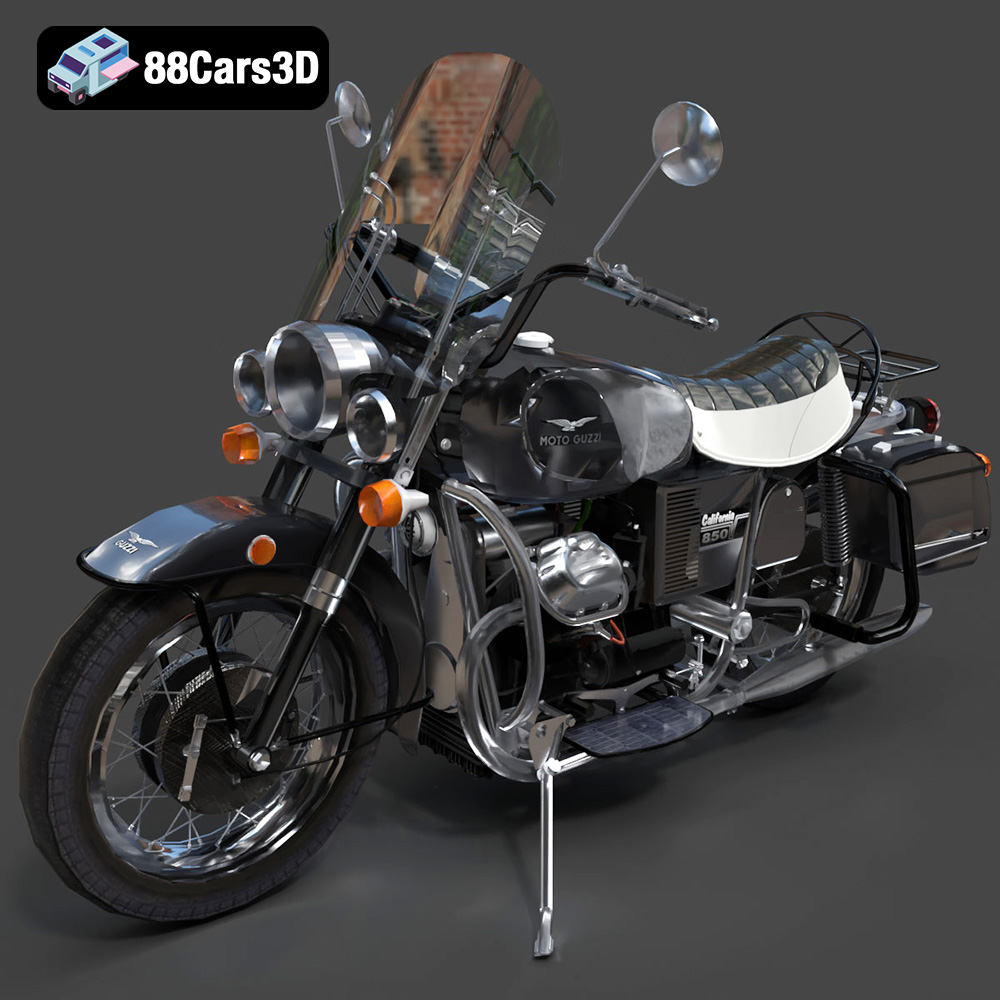
Download the Moto Guzzi Classic Motorcycle 2024 3D Model featuring clean geometry, realistic detailing, and a fully modeled interior. Includes .blend, .fbx, .obj, .glb, .stl, .ply, .unreal, and .max formats for rendering, simulation, and game development.
Price: $10

Texture: Yes
Material: Yes
Download the Mercedes S-Class 2024 3D Model featuring clean geometry, realistic detailing, and a fully modeled interior. Includes .blend, .fbx, .obj, .glb, .stl, .ply, .unreal, and .max formats for rendering, simulation, and game development.
Price: $10

Texture: Yes
Material: Yes
Download the Chevrolet Camaro 1970 3D Model featuring clean geometry, realistic detailing, and a fully modeled interior. Includes .blend, .fbx, .obj, .glb, .stl, .ply, .unreal, and .max formats for rendering, simulation, and game development.
Price: $10

Texture: Yes
Material: Yes
Download the Mercedes-AMG GT 2015 3D Model featuring clean geometry, realistic detailing, and a fully modeled interior. Includes .blend, .fbx, .obj, .glb, .stl, .ply, .unreal, and .max formats for rendering, simulation, and game development.
Price: $88.99

Texture: Yes
Material: Yes
Download the Suzuki GSX-R 1000 3D Model featuring clean geometry, realistic detailing, and a fully modeled interior. Includes .blend, .fbx, .obj, .glb, .stl, .ply, .unreal, and .max formats for rendering, simulation, and game development.
Price: $10

Texture: Yes
Material: Yes
Download the Porsche Cayman S 2024 3D Model featuring clean geometry, realistic detailing, and a fully modeled interior. Includes .blend, .fbx, .obj, .glb, .stl, .ply, .unreal, and .max formats for rendering, simulation, and game development.
Price: $10

Texture: Yes
Material: Yes
Download the Holden Commodore Sportwagon 2017 3D Model featuring clean geometry, realistic detailing, and a fully modeled interior. Includes .blend, .fbx, .obj, .glb, .stl, .ply, .unreal, and .max formats for rendering, simulation, and game development.
Price: $10
Texture: Yes
Material: Yes
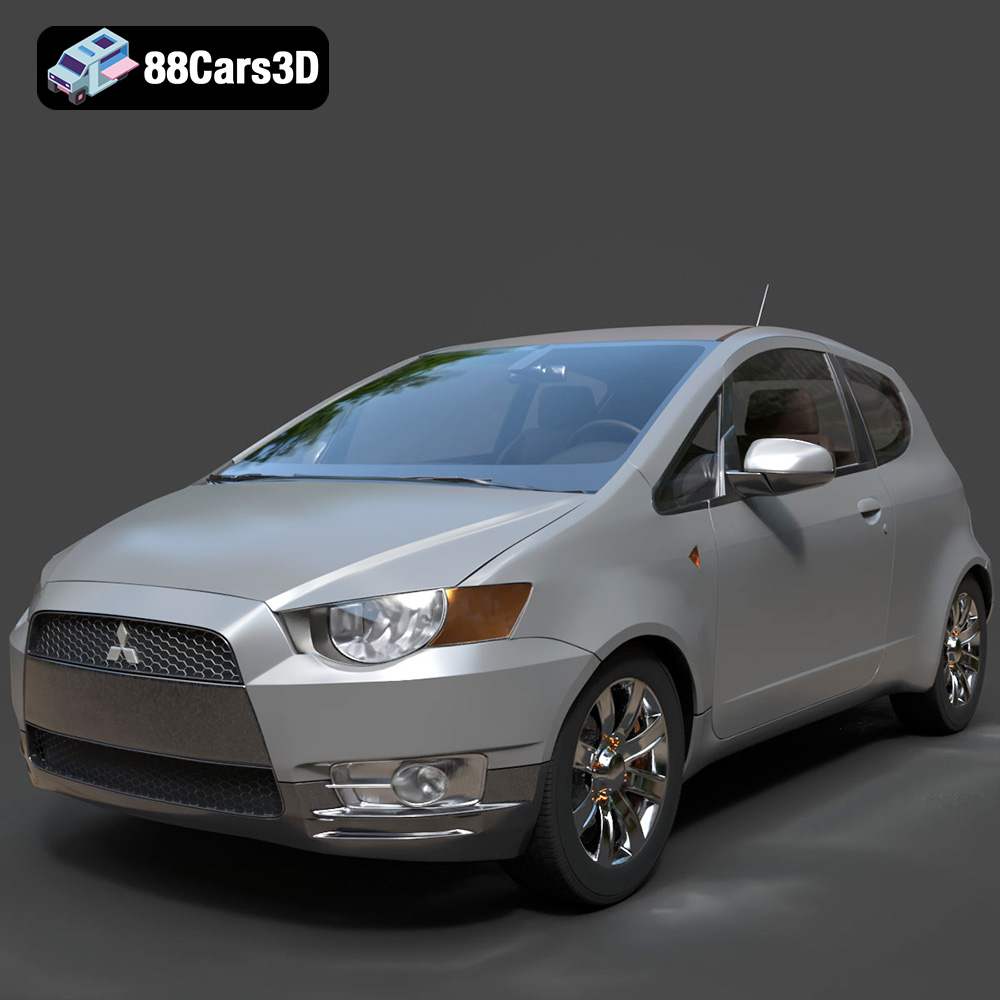
Download the Mitsubishi Colt 3 Door 2008 3D Model featuring clean geometry, realistic detailing, and a fully modeled interior. Includes .blend, .fbx, .obj, .glb, .stl, .ply, .unreal, and .max formats for rendering, simulation, and game development.
Price: $10
Texture: Yes
Material: Yes
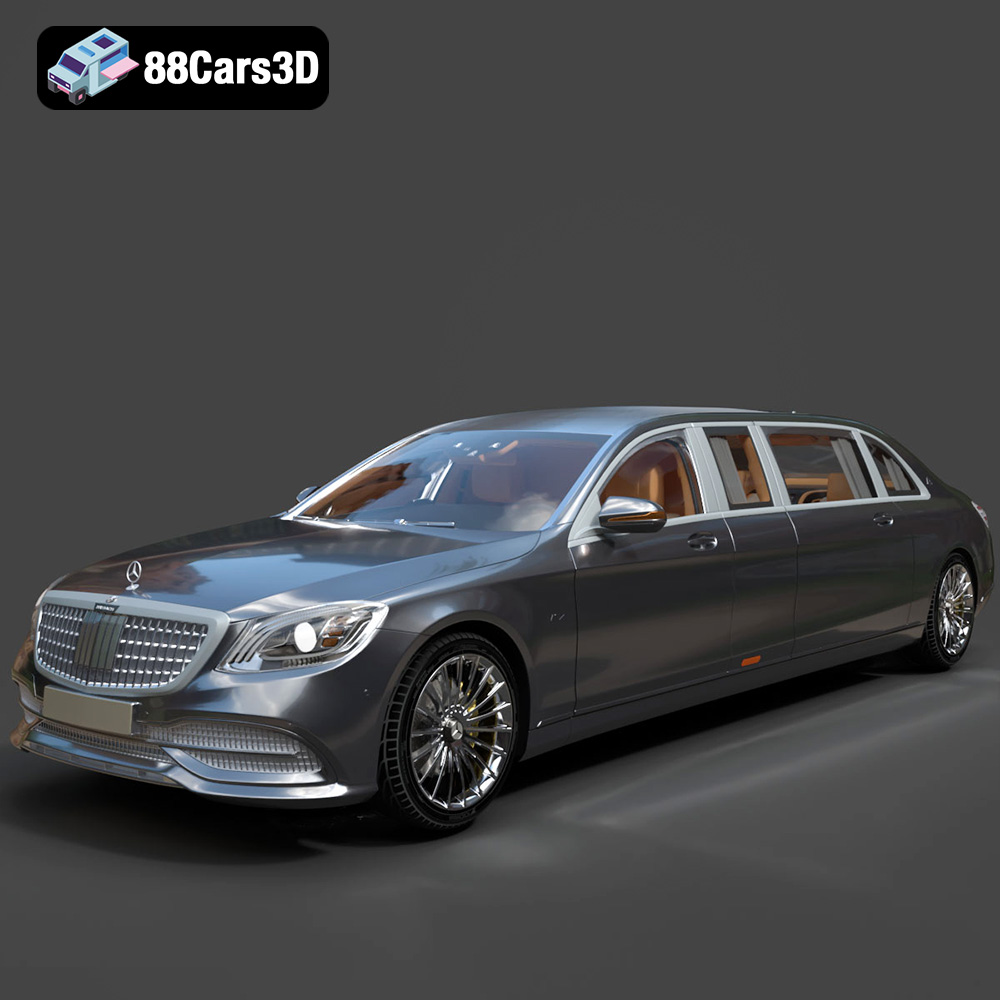
Download the Mercedes-Benz S650 Pullman 3D Model featuring clean geometry, realistic detailing, and a fully modeled interior. Includes .blend, .fbx, .obj, .glb, .stl, .ply, .unreal, and .max formats for rendering, simulation, and game development.
Price: $95.99
Texture: Yes
Material: Yes
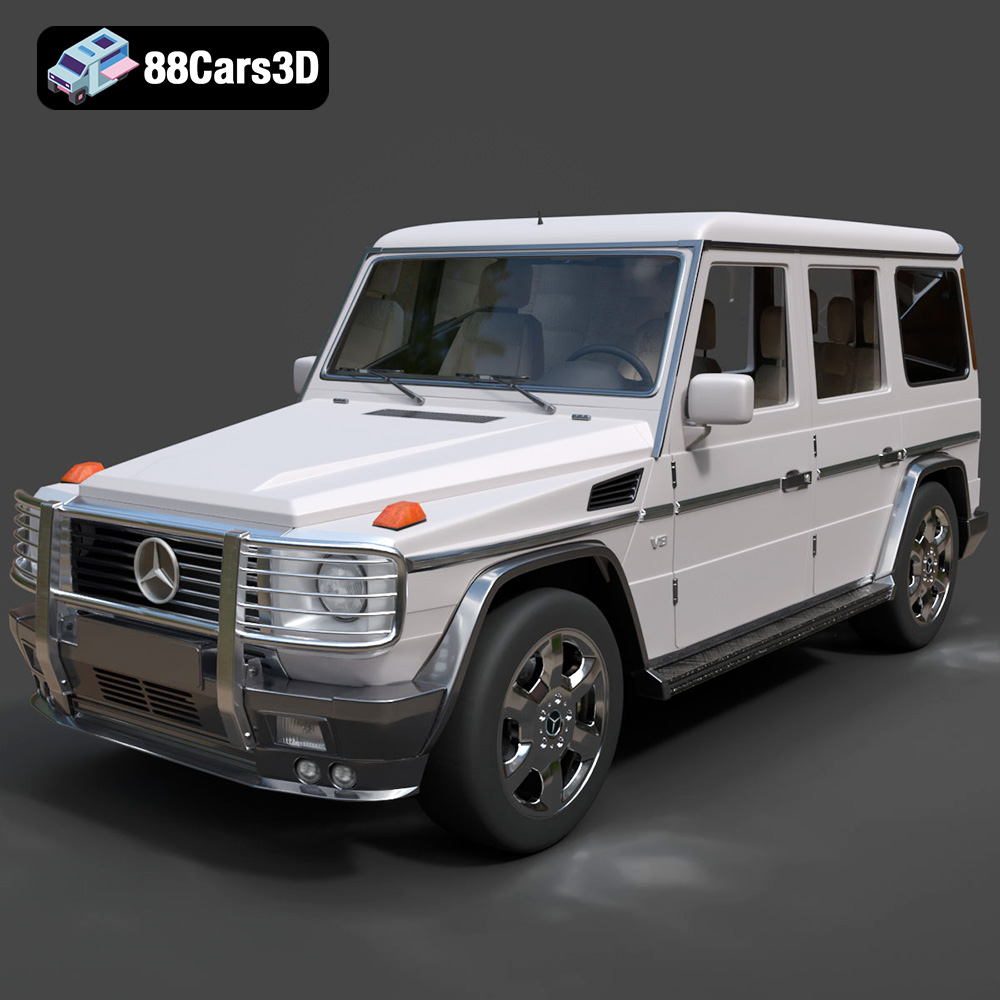
Download the Mercedes G-Class SUV 2024 3D Model featuring clean geometry, realistic detailing, and a fully modeled interior. Includes .blend, .fbx, .obj, .glb, .stl, .ply, .unreal, and .max formats for rendering, simulation, and game development.
Price: $10
Texture: Yes
Material: Yes
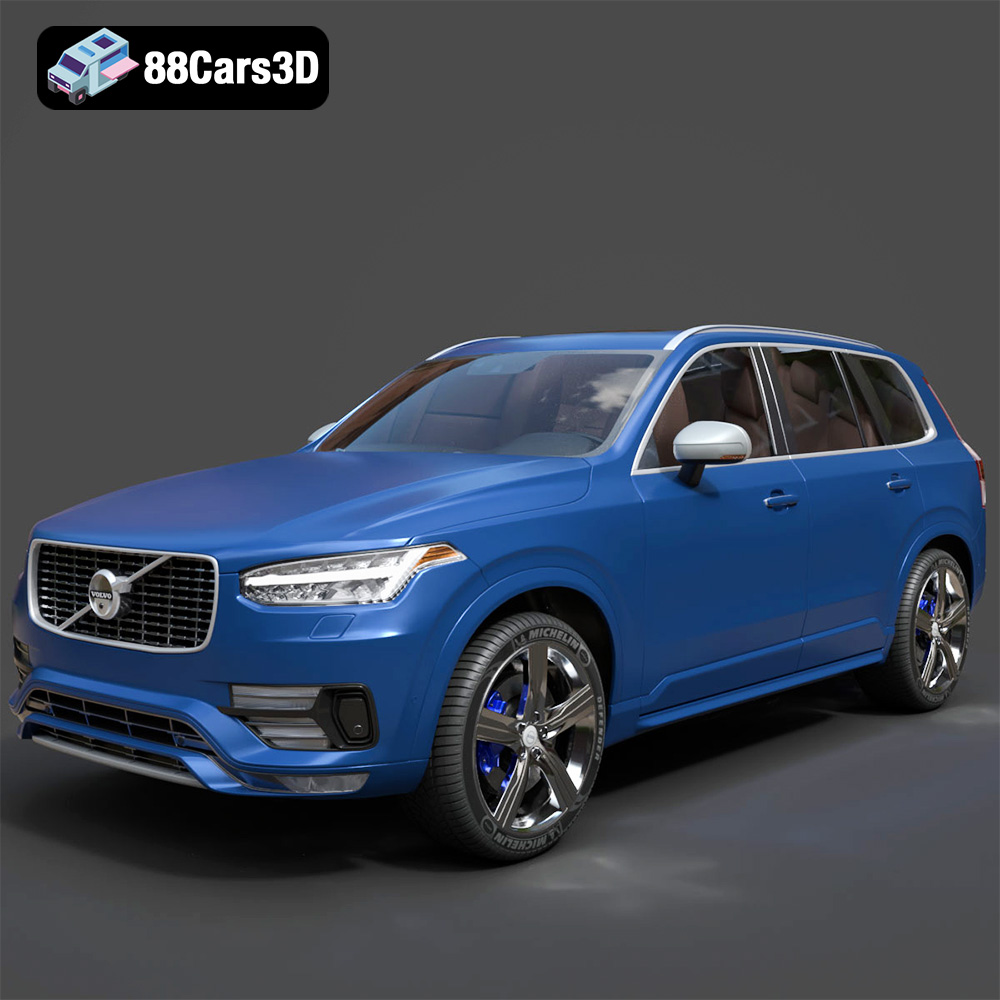
Download the Volvo XC90 R-Design 2015 3D Model featuring clean geometry, realistic detailing, and a fully modeled interior. Includes .blend, .fbx, .obj, .glb, .stl, .ply, .unreal, and .max formats for rendering, simulation, and game development.
Price: $10

**Meta Description:**
Texture: Yes
Material: Yes
Download the Toyota Crown Majesta 2009 3D Model with luxury detailing, clean topology, and a fully modeled interior. Available in .blend, .fbx, .obj, .glb, .stl, .ply, .unreal, and .max formats for rendering, simulation, and game development.
Price: $4.99

**Meta Description:**
Texture: Yes
Material: Yes
Download the Toyota AE86 Levin 1983 1987 3D Model featuring realistic exterior and interior detailing. Includes .blend, .fbx, .obj, .glb, .stl, .ply, .unreal, and .max formats for rendering, simulation, and game development.
Price: $9.99

Texture: Yes
Material: Yes
Download the Toyota Mark 2 2001 3D Model featuring clean geometry, realistic detailing, and a fully modeled interior. Includes .blend, .fbx, .obj, .glb, .stl, .ply, .unreal, and .max formats for rendering, simulation, and game development.
Price: $4.99

Texture: Yes
Material: Yes
Download the Toyota Celica 2000 3D Model featuring clean geometry, realistic detailing, and a fully modeled interior. Includes .blend, .fbx, .obj, .glb, .stl, .ply, .unreal, and .max formats for rendering, simulation, and game development.
Price: $4.99

Download the Toyota Camry US 2012 3D Model featuring clean geometry, realistic detailing, and a fully modeled interior. Includes .blend, .fbx, .obj, .glb, .stl, .ply, .unreal, and .max formats for rendering, simulation, and game development.
Price: $4.99

Texture: Yes
Material: Yes
Download the Toyota GT 86 2013 3D Model featuring clean geometry, realistic detailing, and a fully modeled interior. Includes .blend, .fbx, .obj, .glb, .stl, .ply, .unreal, and .max formats for rendering, simulation, and game development.
Price: $4.99

Texture: Yes
Material: Yes
Download the Toyota Mark X 2010 3D Model featuring clean geometry, realistic detailing, and a fully modeled interior. Includes .blend, .fbx, .obj, .glb, .stl, .ply, .unreal, and .max formats for rendering, simulation, and game development.
Price: $4.99

Texture: Yes
Material: Yes
Download the Toyota Allion 2008 3D Model featuring clean geometry, realistic detailing, and a fully modeled interior. Includes .blend, .fbx, .obj, .glb, .stl, .ply, .unreal, and .max formats for rendering, simulation, and game development.
Price: $4.99

Texture: Yes
Material: Yes
Download the Toyota Avensis 2005 3D Model featuring clean geometry, realistic detailing, and a fully modeled interior. Includes .blend, .fbx, .obj, .glb, .stl, .ply, .unreal, and .max formats for rendering, simulation, and game development.
Price: $4.99

Texture: Yes
Material: Yes
Download the Toyota Camry Solara 2006 3D Model featuring clean geometry, realistic detailing, and a fully modeled interior. Includes .blend, .fbx, .obj, .glb, .stl, .ply, .unreal, and .max formats for rendering, simulation, and game development.
Price: $4.99

Texture: Yes
Material: Yes
Download the Skoda Superb 2009 3D Model featuring clean geometry, realistic detailing, and a fully modeled interior. Includes .blend, .fbx, .obj, .glb, .stl, .ply, .unreal, and .max formats for rendering, simulation, and game development.
Price: $4.99

Texture: Yes
Material: Yes
Download the Skoda Superb 2006 3D Model featuring clean geometry, realistic detailing, and a fully modeled interior. Includes .blend, .fbx, .obj, .glb, .stl, .ply, .unreal, and .max formats for rendering, simulation, and game development.
Price: $4.99

Texture: Yes
Material: Yes
Download the Ford Mustang Shelby Super Snake Concept 2018 3D Model featuring clean geometry, realistic detailing, and a fully modeled interior. Includes .blend, .fbx, .obj, .glb, .stl, .ply, .unreal, and .max formats for rendering, simulation, and game development.
Price: $4.99

Texture: Yes
Material: Yes
Download the Porsche Cayenne Turbo 2018 3D Model featuring clean geometry, realistic detailing, and a fully modeled interior. Includes .blend, .fbx, .obj, .glb, .stl, .ply, .unreal, and .max formats for rendering, simulation, and game development.
Price: $4.99

Texture: Yes
Material: Yes
Download the Chevrolet Lacetti Sedan 2004 3D Model featuring clean geometry, realistic detailing, and a fully modeled interior. Includes .blend, .fbx, .obj, .glb, .stl, .ply, .unreal, and .max formats for rendering, simulation, and game development.
Price: $4.99

Texture: Yes
Material: Yes
Download the Skoda Rapid 2013 3D Model featuring clean geometry, realistic detailing, and a fully modeled interior. Includes .blend, .fbx, .obj, .glb, .stl, .ply, .unreal, and .max formats for rendering, simulation, and game development.
Price: $4.99

Texture: Yes
Material: Yes
Download the Skoda Octavia A5-007 3D Model featuring clean geometry, realistic detailing, and a fully modeled interior. Includes .blend, .fbx, .obj, .glb, .stl, .ply, .unreal, and .max formats for rendering, simulation, and game development.
Price: $4.99

Texture: Yes
Material: Yes
Download the Skoda Fabia 2023 3D Model featuring clean geometry, realistic detailing, and a fully modeled interior. Includes .blend, .fbx, .obj, .glb, .stl, .ply, .unreal, and .max formats for rendering, simulation, and game development.
Price: $4.99

Texture: Yes
Material: Yes
Download the Skoda Fabia 2007 3D Model featuring clean geometry, realistic detailing, and a fully modeled interior. Includes .blend, .fbx, .obj, .glb, .stl, .ply, .unreal, and .max formats for rendering, simulation, and game development.
Price: $4.99

Texture: Yes
Material: Yes
Download the Honda VFR 1200 F 2015 3D Model featuring clean geometry, realistic detailing, and a fully modeled interior. Includes .blend, .fbx, .obj, .glb, .stl, .ply, .unreal, and .max formats for rendering, simulation, and game development.
Price: $4.99

Texture: Yes
Material: Yes
Download the Subaru BRZ 2025 3D Model featuring clean geometry, realistic detailing, and a fully modeled interior. Includes .blend, .fbx, .obj, .glb, .stl, .ply, .unreal, and .max formats for rendering, simulation, and game development.
Price: $4.99

Texture: Yes
Material: Yes
Download the SsangYong Rodius 2007 3D Model featuring clean geometry, realistic detailing, and a fully modeled interior. Includes .blend, .fbx, .obj, .glb, .stl, .ply, .unreal, and .max formats for rendering, simulation, and game development.
Price: $4.99

Texture: Yes
Material: Yes
Download the Subaru Impreza 1992 3D Model featuring clean geometry, realistic detailing, and a fully modeled interior. Includes .blend, .fbx, .obj, .glb, .stl, .ply, .unreal, and .max formats for rendering, simulation, and game development.
Price: $4.99

Texture: Yes
Material: Yes
Download the Subaru Impreza 2005 3D Model featuring clean geometry, realistic detailing, and a fully modeled interior. Includes .blend, .fbx, .obj, .glb, .stl, .ply, .unreal, and .max formats for rendering, simulation, and game development.
Price: $4.99

Texture: Yes
Material: Yes
Download the Spyker C8-007 2004 3D Model featuring clean geometry, realistic detailing, and a fully modeled interior. Includes .blend, .fbx, .obj, .glb, .stl, .ply, .unreal, and .max formats for rendering, simulation, and game development.
Price: $4.99

Texture: Yes
Material: Yes
Download the Smart Roadster 2003 3D Model featuring clean geometry, realistic detailing, and a fully modeled interior. Includes .blend, .fbx, .obj, .glb, .stl, .ply, .unreal, and .max formats for rendering, simulation, and game development.
Price: $4.99

Texture: Yes
Material: Yes
Download the Skoda Roomster 2007 3D Model featuring clean geometry, realistic detailing, and a fully modeled interior. Includes .blend, .fbx, .obj, .glb, .stl, .ply, .unreal, and .max formats for rendering, simulation, and game development.
Price: $4.99

Texture: Yes
Material: Yes
Download the Subaru Impreza Sport Wagon 3D Model featuring clean geometry, realistic detailing, and a fully modeled interior. Includes .blend, .fbx, .obj, .glb, .stl, .ply, .unreal, and .max formats for rendering, simulation, and game development.
Price: $4.99

Texture: Yes
Material: Yes
Download the Skoda Octavia A7 2017 3D Model featuring clean geometry, realistic detailing, and a fully modeled interior. Includes .blend, .fbx, .obj, .glb, .stl, .ply, .unreal, and .max formats for rendering, simulation, and game development.
Price: $4.99

Texture: Yes
Material: Yes
Download the Suzuki SX4-002 3D Model featuring clean geometry, realistic detailing, and a fully modeled interior. Includes .blend, .fbx, .obj, .glb, .stl, .ply, .unreal, and .max formats for rendering, simulation, and game development.
Price: $4.99

Texture: Yes
Material: Yes
Download the Tesla Model S 2024 3D Model featuring clean geometry, realistic detailing, and a fully modeled interior. Includes .blend, .fbx, .obj, .glb, .stl, .ply, .unreal, and .max formats for rendering, simulation, and game development.
Price: $4.99

Texture: Yes
Material: Yes
Download the Subaru Impreza WRX STi-002 3D Model featuring clean geometry, realistic detailing, and a fully modeled interior. Includes .blend, .fbx, .obj, .glb, .stl, .ply, .unreal, and .max formats for rendering, simulation, and game development.
Price: $4.99

Texture: Yes
Material: Yes
Download the Subaru Impreza WRX STi Sedan 3D Model featuring clean geometry, realistic detailing, and a fully modeled interior. Includes .blend, .fbx, .obj, .glb, .stl, .ply, .unreal, and .max formats for rendering, simulation, and game development.
Price: $4.99

Texture: Yes
Material: Yes
Download the Subaru Legacy 2009 3D Model featuring clean geometry, realistic detailing, and a fully modeled interior. Includes .blend, .fbx, .obj, .glb, .stl, .ply, .unreal, and .max formats for rendering, simulation, and game development.
Price: $4.99

Texture: Yes
Material: Yes
Download the Suzuki Swift 2024 3D Model featuring clean geometry, realistic detailing, and a fully modeled interior. Includes .blend, .fbx, .obj, .glb, .stl, .ply, .unreal, and .max formats for rendering, simulation, and game development.
Price: $4.99

Texture: Yes
Material: Yes
Download the Suzuki Liana Sedan 2004 3D Model featuring clean geometry, realistic detailing, and a fully modeled interior. Includes .blend, .fbx, .obj, .glb, .stl, .ply, .unreal, and .max formats for rendering, simulation, and game development.
Price: $4.99

Texture: Yes
Material: Yes
Download the Subaru Outback 2024 3D Model featuring clean geometry, realistic detailing, and a fully modeled interior. Includes .blend, .fbx, .obj, .glb, .stl, .ply, .unreal, and .max formats for rendering, simulation, and game development.
Price: $4.99

Texture: Yes
Material: Yes
Download the Subaru Legacy 2003 3D Model featuring clean geometry, realistic detailing, and a fully modeled interior. Includes .blend, .fbx, .obj, .glb, .stl, .ply, .unreal, and .max formats for rendering, simulation, and game development.
Price: $4.99

Texture: Yes
Material: Yes
Download the Subaru Legacy Touring Wagon 3D Model featuring clean geometry, realistic detailing, and a fully modeled interior. Includes .blend, .fbx, .obj, .glb, .stl, .ply, .unreal, and .max formats for rendering, simulation, and game development.
Price: $4.99

Texture: Yes
Material: Yes
Download the Toyota Mark II (X100) 3D Model featuring clean geometry, realistic detailing, and a fully modeled interior. Includes .blend, .fbx, .obj, .glb, .stl, .ply, .unreal, and .max formats for rendering, simulation, and game development.
Price: $4.99

Texture: Yes
Material: Yes
Download the Toyota Corona 1985 3D Model featuring clean geometry, realistic detailing, and a fully modeled interior. Includes .blend, .fbx, .obj, .glb, .stl, .ply, .unreal, and .max formats for rendering, simulation, and game development.
Price: $4.99

Texture: Yes
Material: Yes
Download the Toyota Mark II X81 1990 3D Model featuring clean geometry, realistic detailing, and a fully modeled interior. Includes .blend, .fbx, .obj, .glb, .stl, .ply, .unreal, and .max formats for rendering, simulation, and game development.
Price: $4.99

Texture: Yes
Material: Yes
Download the Toyota iQ EV 2012 3D Model featuring clean geometry, realistic detailing, and a fully modeled interior. Includes .blend, .fbx, .obj, .glb, .stl, .ply, .unreal, and .max formats for rendering, simulation, and game development.
Price: $4.99

Texture: Yes
Material: Yes
Download the Toyota Aygo 2013 3D Model featuring clean geometry, realistic detailing, and a fully modeled interior. Includes .blend, .fbx, .obj, .glb, .stl, .ply, .unreal, and .max formats for rendering, simulation, and game development.
Price: $4.99

Texture: Yes
Material: Yes
Download the Toyota Crown S180 2005 3D Model featuring clean geometry, realistic detailing, and a fully modeled interior. Includes .blend, .fbx, .obj, .glb, .stl, .ply, .unreal, and .max formats for rendering, simulation, and game development.
Price: $4.99

Texture: Yes
Material: Yes
Download the Toyota Celica 2004 3D Model featuring clean geometry, realistic detailing, and a fully modeled interior. Includes .blend, .fbx, .obj, .glb, .stl, .ply, .unreal, and .max formats for rendering, simulation, and game development.
Price: $4.99

Texture: Yes
Material: Yes
Download the Toyota Corolla AE100 1992 3D Model featuring clean geometry, realistic detailing, and a fully modeled interior. Includes .blend, .fbx, .obj, .glb, .stl, .ply, .unreal, and .max formats for rendering, simulation, and game development.
Price: $4.99

Texture: Yes
Material: Yes
Download the Toyota Mark II X110 2000 3D Model featuring clean geometry, realistic detailing, and a fully modeled interior. Includes .blend, .fbx, .obj, .glb, .stl, .ply, .unreal, and .max formats for rendering, simulation, and game development.
Price: $4.99

Texture: Yes
Material: Yes
Download the Toyota Corolla 2020 3D Model featuring clean geometry, realistic detailing, and a fully modeled interior. Includes .blend, .fbx, .obj, .glb, .stl, .ply, .unreal, and .max formats for rendering, simulation, and game development.
Price: $4.99

Texture: Yes
Material: Yes
Download the Toyota Yaris 2020 3D Model featuring clean geometry, realistic detailing, and a fully modeled interior. Includes .blend, .fbx, .obj, .glb, .stl, .ply, .unreal, and .max formats for rendering, simulation, and game development.
Price: $4.99

Texture: Yes
Material: Yes
Download the Volkswagen Beetle 2012 3D Model featuring clean geometry, realistic detailing, and a fully modeled interior. Includes .blend, .fbx, .obj, .glb, .stl, .ply, .unreal, and .max formats for rendering, simulation, and game development.
Price: $4.99

Texture: Yes
Material: Yes
Download the Toyota Matrix 2005 3D Model featuring clean geometry, realistic detailing, and a fully modeled interior. Includes .blend, .fbx, .obj, .glb, .stl, .ply, .unreal, and .max formats for rendering, simulation, and game development.
Price: $4.99

Texture: Yes
Material: Yes
Download the Toyota Yaris Sedan 3D Model featuring clean geometry, realistic detailing, and a fully modeled interior. Includes .blend, .fbx, .obj, .glb, .stl, .ply, .unreal, and .max formats for rendering, simulation, and game development.
Price: $4.99

Texture: Yes
Material: Yes
Download the Volkswagen Golf R-004 2024 3D Model featuring clean geometry, realistic detailing, and a fully modeled interior. Includes .blend, .fbx, .obj, .glb, .stl, .ply, .unreal, and .max formats for rendering, simulation, and game development.
Price: $4.99

Texture: Yes
Material: Yes
Download the Volkswagen Golf 5 Door 2010 3D Model featuring clean geometry, realistic detailing, and a fully modeled interior. Includes .blend, .fbx, .obj, .glb, .stl, .ply, .unreal, and .max formats for rendering, simulation, and game development.
Price: $4.99

Texture: Yes
Material: Yes
Download the Toyota Premio 2010 3D Model featuring clean geometry, realistic detailing, and a fully modeled interior. Includes .blend, .fbx, .obj, .glb, .stl, .ply, .unreal, and .max formats for rendering, simulation, and game development.
Price: $4.99

Texture: Yes
Material: Yes
Download the Toyota Opa 2000 3D Model featuring clean geometry, realistic detailing, and a fully modeled interior. Includes .blend, .fbx, .obj, .glb, .stl, .ply, .unreal, and .max formats for rendering, simulation, and game development.
Price: $4.99

Texture: Yes
Material: Yes
Download the Volkswagen Polo 5 Door 2010 3D Model featuring clean geometry, realistic detailing, and a fully modeled interior. Includes .blend, .fbx, .obj, .glb, .stl, .ply, .unreal, and .max formats for rendering, simulation, and game development.
Price: $4.99

Texture: Yes
Material: Yes
Download the Toyota Prius 2024 3D Model featuring clean geometry, realistic detailing, and a fully modeled interior. Includes .blend, .fbx, .obj, .glb, .stl, .ply, .unreal, and .max formats for rendering, simulation, and game development.
Price: $4.99

Texture: Yes
Material: Yes
Download the Toyota Yaris 1999 3D Model featuring clean geometry, realistic detailing, and a fully modeled interior. Includes .blend, .fbx, .obj, .glb, .stl, .ply, .unreal, and .max formats for rendering, simulation, and game development.
Price: $4.99

Texture: Yes
Material: Yes
Download the Toyota Supra 2020 3D Model featuring clean geometry, realistic detailing, and a fully modeled interior. Includes .blend, .fbx, .obj, .glb, .stl, .ply, .unreal, and .max formats for rendering, simulation, and game development.
Price: $4.99

Texture: Yes
Material: Yes
Download the Volkswagen New Beetle 2000 3D Model featuring clean geometry, realistic detailing, and a fully modeled interior. Includes .blend, .fbx, .obj, .glb, .stl, .ply, .unreal, and .max formats for rendering, simulation, and game development.
Price: $14.99

Texture: Yes
Material: Yes
Download the Volkswagen Jetta 2005 3D Model featuring clean geometry, realistic detailing, and a fully modeled interior. Includes .blend, .fbx, .obj, .glb, .stl, .ply, .unreal, and .max formats for rendering, simulation, and game development.
Price: $4.99

Texture: Yes
Material: Yes
Download the Volkswagen Golf 3-Door 3D Model featuring clean geometry, realistic detailing, and a fully modeled interior. Includes .blend, .fbx, .obj, .glb, .stl, .ply, .unreal, and .max formats for rendering, simulation, and game development.
Price: $14.99

Texture: Yes
Material: Yes
Download the Volvo V70 2005 3D Model featuring clean geometry, realistic detailing, and a fully modeled interior. Includes .blend, .fbx, .obj, .glb, .stl, .ply, .unreal, and .max formats for rendering, simulation, and game development.
Price: $14.99

Texture: Yes
Material: Yes
Download the Volkswagen Bora 2004 3D Model featuring clean geometry, realistic detailing, and a fully modeled interior. Includes .blend, .fbx, .obj, .glb, .stl, .ply, .unreal, and .max formats for rendering, simulation, and game development.
Price: $14.99

Texture: Yes
Material: Yes
Download the Volkswagen Lupo 3D Model featuring clean geometry, realistic detailing, and a fully modeled interior. Includes .blend, .fbx, .obj, .glb, .stl, .ply, .unreal, and .max formats for rendering, simulation, and game development.
Price: $5.99

Texture: Yes
Material: Yes
Download the Volkswagen Passat B5 2000 3D Model featuring clean geometry, realistic detailing, and a fully modeled interior. Includes .blend, .fbx, .obj, .glb, .stl, .ply, .unreal, and .max formats for rendering, simulation, and game development.
Price: $5.99

Texture: Yes
Material: Yes
Download the Volkswagen Passat CC 3D Model featuring clean geometry, realistic detailing, and a fully modeled interior. Includes .blend, .fbx, .obj, .glb, .stl, .ply, .unreal, and .max formats for rendering, simulation, and game development.
Price: $5.99

Texture: Yes
Material: Yes
Download the Volkswagen Golf V 2006 3D Model featuring clean geometry, realistic detailing, and a fully modeled interior. Includes .blend, .fbx, .obj, .glb, .stl, .ply, .unreal, and .max formats for rendering, simulation, and game development.
Price: $5.99

Texture: Yes
Material: Yes
Download the Volvo S60 R-Design 3D Model featuring clean geometry, realistic detailing, and a fully modeled interior. Includes .blend, .fbx, .obj, .glb, .stl, .ply, .unreal, and .max formats for rendering, simulation, and game development.
Price: $5.99

Texture: Yes
Material: Yes
Download the Volkswagen Passat 2025 3D Model featuring clean geometry, realistic detailing, and a fully modeled interior. Includes .blend, .fbx, .obj, .glb, .stl, .ply, .unreal, and .max formats for rendering, simulation, and game development.
Price: $5.99

Texture: Yes
Material: Yes
Download the Volkswagen Passat Variant B6 2005 3D Model featuring clean geometry, realistic detailing, and a fully modeled interior. Includes .blend, .fbx, .obj, .glb, .stl, .ply, .unreal, and .max formats for rendering, simulation, and game development.
Price: $5.99

Texture: Yes
Material: Yes
Download the Volkswagen Phaeton W12 2004 3D Model featuring clean geometry, realistic detailing, and a fully modeled interior. Includes .blend, .fbx, .obj, .glb, .stl, .ply, .unreal, and .max formats for rendering, simulation, and game development.
Price: $5.99

Texture: Yes
Material: Yes
Download the Volkswagen Scirocco 2015 3D Model featuring clean geometry, realistic detailing, and a fully modeled interior. Includes .blend, .fbx, .obj, .glb, .stl, .ply, .unreal, and .max formats for rendering, simulation, and game development.
Price: $5.99

Texture: Yes
Material: Yes
Download the Volvo S60 2024 3D Model featuring clean geometry, realistic detailing, and a fully modeled interior. Includes .blend, .fbx, .obj, .glb, .stl, .ply, .unreal, and .max formats for rendering, simulation, and game development.
Price: $5.99

Texture: Yes
Material: Yes
Download the Volkswagen Polo 3D Model featuring clean geometry, realistic detailing, and a fully modeled interior. Includes .blend, .fbx, .obj, .glb, .stl, .ply, .unreal, and .max formats for rendering, simulation, and game development.
Price: $5.99

Texture: Yes
Material: Yes
Download the Volkswagen Golf 5-Doors 3D Model featuring clean geometry, realistic detailing, and a fully modeled interior. Includes .blend, .fbx, .obj, .glb, .stl, .ply, .unreal, and .max formats for rendering, simulation, and game development.
Price: $5.99

Texture: Yes
Material: Yes
Download the Volvo C70 T5 2000 3D Model featuring clean geometry, realistic detailing, and a fully modeled interior. Includes .blend, .fbx, .obj, .glb, .stl, .ply, .unreal, and .max formats for rendering, simulation, and game development.
Price: $5.99

Texture: Yes
Material: Yes
Download the Volvo S40 Sedan 2004 3D Model featuring clean geometry, realistic detailing, and a fully modeled interior. Includes .blend, .fbx, .obj, .glb, .stl, .ply, .unreal, and .max formats for rendering, simulation, and game development.
Price: $5.99

Texture: Yes
Material: Yes
Download the Volvo C30 BEV 2012 3D Model featuring clean geometry, realistic detailing, and a fully modeled interior. Includes .blend, .fbx, .obj, .glb, .stl, .ply, .unreal, and .max formats for rendering, simulation, and game development.
Price: $5.99

Texture: Yes
Material: Yes
Download the Volvo C70 1998 3D Model featuring clean geometry, realistic detailing, and a fully modeled interior. Includes .blend, .fbx, .obj, .glb, .stl, .ply, .unreal, and .max formats for rendering, simulation, and game development.
Price: $5.99

Texture: Yes
Material: Yes
Download the Mazda B-Series 3D Model featuring clean geometry, realistic detailing, and a fully modeled interior. Includes .blend, .fbx, .obj, .glb, .stl, .ply, .unreal, and .max formats for rendering, simulation, and game development.
Price: $5.99

Texture: Yes
Material: Yes
Download the Mercsedes Benz Z3-006 3D Model featuring clean geometry, realistic detailing, and a fully modeled interior. Includes .blend, .fbx, .obj, .glb, .stl, .ply, .unreal, and .max formats for rendering, simulation, and game development.
Price: $5.99

Texture: Yes
Material: Yes
Download the Mazda RX-7 3D Model featuring clean geometry, realistic detailing, and a fully modeled interior. Includes .blend, .fbx, .obj, .glb, .stl, .ply, .unreal, and .max formats for rendering, simulation, and game development.
Price: $5.99

Texture: Yes
Material: Yes
Download the Volvo VCC-003 3D Model featuring clean geometry, realistic detailing, and a fully modeled interior. Includes .blend, .fbx, .obj, .glb, .stl, .ply, .unreal, and .max formats for rendering, simulation, and game development.
Price: $5.99

Texture: Yes
Material: Yes
Download the Mercedes-Benz SLR McLaren 2005 3D Model featuring clean geometry, realistic detailing, and a fully modeled interior. Includes .blend, .fbx, .obj, .glb, .stl, .ply, .unreal, and .max formats for rendering, simulation, and game development.
Price: $5.99

Texture: Yes
Material: Yes
Download the GAZ 3110 Pickup 3D Model featuring clean geometry, realistic detailing, and a fully modeled interior. Includes .blend, .fbx, .obj, .glb, .stl, .ply, .unreal, and .max formats for rendering, simulation, and game development.
Price: $5.99

Texture: Yes
Material: Yes
Download the Mazda 626 GF 1997 3D Model featuring clean geometry, realistic detailing, and a fully modeled interior. Includes .blend, .fbx, .obj, .glb, .stl, .ply, .unreal, and .max formats for rendering, simulation, and game development.
Price: $5.99

