⚡ FLASH SALE: Get 60% OFF All Premium 3D & STL Models! ⚡

“`html
The world of 3D printing has opened up incredible possibilities for automotive enthusiasts, hobbyists, and engineers alike. Printing your own car models is no longer a futuristic dream; it’s a tangible reality. However, transforming a digital design into a stunning physical replica requires a deep understanding of the 3D printing process, from file preparation to post-processing. This comprehensive guide will equip you with the knowledge and skills needed to successfully 3D print high-quality car models, covering everything from STL file optimization to advanced slicing techniques. Whether you’re using FDM or resin printing, we’ll delve into the intricacies of each process, ensuring you achieve the best possible results. Platforms like 88cars3d.com offer print-ready STL files, making the journey even more accessible. Get ready to embark on an exciting journey into the world of 3D printed automotive artistry!
The STL (Stereolithography) file format is the cornerstone of 3D printing. It represents the surface geometry of a 3D object as a collection of triangles. Understanding the nuances of STL files and mesh topology is crucial for achieving successful prints, especially for complex car models.
An STL file essentially contains a list of triangles, each defined by three vertices and a normal vector. The normal vector indicates the direction the triangle is facing. For 3D printing, it’s essential that the STL file represents a closed, watertight surface. This means that every edge of every triangle must be shared by exactly two triangles, ensuring a solid object. Issues like holes, gaps, or self-intersections in the mesh can lead to printing errors. Properly designed STL files are the backbone of successful 3D prints. The binary STL format is generally preferred over the ASCII format due to its smaller file size and faster processing. Many 3D modeling software packages offer options to export in either binary or ASCII STL format.
The density and distribution of triangles in your STL file directly impact the print quality and file size. A higher density of triangles results in a smoother surface but also increases the file size and processing time. For car models, areas with complex curves, such as the fenders and hood, require a higher triangle density than flatter surfaces. It’s important to find a balance between detail and efficiency. Software like Blender, Meshmixer, and Netfabb can be used to optimize the mesh by reducing the number of triangles while preserving the essential details. Consider using adaptive meshing techniques that automatically increase triangle density in areas of high curvature and decrease it in flatter regions. This optimizes both the visual quality and print performance. The goal is to create a “manifold” mesh, meaning it is closed, orientable, and has no self-intersections. Manifold meshes are essential for successful slicing and printing.
Slicing is the process of converting a 3D model (STL file) into a series of layers that the 3D printer can understand. The slicer software dictates how the printer will build the object, layer by layer. Selecting the right slicing parameters is paramount for achieving high-quality car model prints.
Layer height is a critical parameter that determines the resolution of your print. A smaller layer height (e.g., 0.1mm) results in smoother surfaces and finer details, but it also increases print time significantly. A larger layer height (e.g., 0.3mm) will print faster but sacrifice some surface quality. For car models, a layer height of 0.15mm to 0.2mm is a good starting point, offering a balance between detail and speed. For highly detailed models, consider using adaptive layer height settings in slicers like PrusaSlicer. This feature automatically adjusts the layer height based on the curvature of the model, using smaller layers for curved areas and larger layers for flatter surfaces. This can significantly improve print quality without drastically increasing print time. It’s essential to experiment with different layer heights to find the optimal setting for your specific printer and model.
Infill refers to the internal structure of the 3D printed object. It provides support and strength while minimizing material usage. The infill pattern and density are crucial parameters to consider. Common infill patterns include grid, honeycomb, gyroid, and rectilinear. For car models, a rectilinear or gyroid infill pattern with a density of 15-25% is often sufficient for providing adequate strength. The choice of infill pattern can also affect the surface finish. For example, a rectilinear infill can sometimes create visible lines on the top surface, while a gyroid infill tends to be smoother. Experiment with different patterns to find the best compromise between strength, weight, and surface quality. In areas that require higher strength, such as the chassis or suspension components, consider increasing the infill density locally using modifier meshes in your slicer software. This allows you to optimize the strength-to-weight ratio of your print.
Support structures are temporary structures that are printed to support overhanging parts of the model during printing. Car models often have complex overhangs, such as the roof, spoilers, and side mirrors, requiring careful support generation and removal.
The type of support structures required depends on the 3D printing technology. FDM printing typically uses tree-like or linear supports made from the same material as the model. These supports are often attached to the model with small contact points, making them easier to remove. Resin printing, on the other hand, often uses more delicate, web-like supports. These supports are typically printed with a smaller layer height and thinner contact points to minimize damage to the model during removal. When downloading models from marketplaces such as 88cars3d.com, check if pre-supported files are available, as this can save significant time and effort. Consider the angle of overhangs when generating supports. Steeper overhangs require denser and stronger supports, while shallower overhangs may require minimal or no support.
Removing support structures can be a delicate process, especially for intricate car models. For FDM prints, use a pair of pliers or a sharp knife to carefully snap off the supports at the contact points. For resin prints, use flush cutters to carefully clip the supports as close to the model as possible. It’s important to work slowly and deliberately to avoid damaging the model. After removing the bulk of the supports, use sandpaper or a file to smooth out any remaining stubs or imperfections. Chemical dissolving solutions can also be used for specific support materials, offering a hands-free removal option. When designing your own models, consider incorporating built-in support structures that are easier to remove or less likely to damage the model. For instance, chamfering edges or adding fillets can reduce the need for external supports.
Choosing the right material and configuring your 3D printer settings correctly are crucial for achieving optimal results when printing car models. The ideal material and settings will depend on your desired outcome, the type of printer you’re using (FDM or resin), and the specific characteristics of the model.
For FDM printing, the most common materials are PLA, PETG, and ABS. PLA is a biodegradable thermoplastic that is easy to print and offers good dimensional accuracy. It’s a great choice for beginners and for models that don’t require high heat resistance. Typical PLA printing settings include a nozzle temperature of 200-220°C and a bed temperature of 60-70°C. PETG is a stronger and more durable material than PLA, with better heat resistance and impact resistance. It’s a good choice for car models that need to withstand some wear and tear. PETG printing settings typically include a nozzle temperature of 230-250°C and a bed temperature of 70-80°C. ABS is a more challenging material to print than PLA or PETG, but it offers excellent strength, heat resistance, and chemical resistance. It’s a good choice for car models that need to withstand high temperatures or exposure to chemicals. ABS printing settings typically include a nozzle temperature of 230-260°C and a bed temperature of 90-110°C. Enclosing the printer is highly recommended when printing ABS to prevent warping and cracking. Consider the intended use of the car model when selecting a material. For example, if the model will be displayed indoors and doesn’t need to withstand high temperatures, PLA is a good choice. If the model will be used outdoors or exposed to high temperatures, PETG or ABS may be more suitable.
Resin printing offers higher resolution and smoother surface finishes compared to FDM printing, making it ideal for highly detailed car models. There are various types of resins available, each with its own properties and characteristics. Standard resins are a good all-around choice for general-purpose printing. They offer good detail and strength, but they can be brittle. Tough resins are formulated to be more durable and impact-resistant than standard resins. They’re a good choice for car models that need to withstand some wear and tear. Flexible resins are formulated to be flexible and pliable. They’re a good choice for car models that require some degree of flexibility, such as tires or suspension components. When selecting a resin, consider the color and opacity. Clear resins can be used to create transparent parts, while opaque resins offer better color vibrancy. Resin printing settings typically include a layer height of 0.025-0.05mm, an exposure time of 6-12 seconds per layer, and a bottom layer exposure time of 40-60 seconds. It’s important to calibrate your resin printer to ensure proper adhesion and curing. Perform exposure tests to determine the optimal exposure time for your specific resin and printer. Also, remember that proper ventilation and safety precautions are essential when working with resin.
Post-processing is the final stage of the 3D printing process, involving techniques like sanding, painting, and assembly to enhance the appearance and functionality of your car model. Even with optimized printing parameters, post-processing can significantly elevate the final result.
Sanding is a crucial step in removing layer lines and imperfections from the surface of your 3D printed car model. Start with a coarse grit sandpaper (e.g., 220 grit) to remove the most prominent layer lines, then gradually move to finer grits (e.g., 400 grit, 600 grit, 800 grit) to achieve a smooth finish. Wet sanding can help to reduce dust and improve the surface finish. For hard-to-reach areas, use small sanding sticks or foam sanding pads. Applying a filler primer after sanding can help to fill in any remaining imperfections and create a uniform surface for painting. Consider using a rotary tool with various sanding attachments for faster and more efficient sanding, but be careful not to overheat the plastic. Proper sanding techniques will dramatically improve the quality and realism of your 3D printed car model.
Painting is the final touch that brings your 3D printed car model to life. Start by applying a primer coat to the entire model to ensure proper paint adhesion. Choose paints that are compatible with the material you used for printing. Acrylic paints are a good choice for PLA and ABS, while enamel paints are more durable and resistant to scratches. Use masking tape to create clean lines and sharp edges. Consider using an airbrush for a smoother and more professional finish. Apply multiple thin coats of paint rather than one thick coat to avoid runs and drips. After the paint has dried, apply a clear coat to protect the paint and add a glossy or matte finish. Detailing techniques, such as applying decals, weathering effects, and adding chrome accents, can further enhance the realism of your car model. Researching real-world car details and replicating them on your model will greatly improve its authenticity.
3D printing, like any manufacturing process, can be prone to errors. Understanding common failures and knowing how to troubleshoot them is essential for successfully printing complex car models. Addressing these issues proactively will save you time, materials, and frustration.
Warping occurs when the corners of the print lift off the build plate during printing. This is a common issue with ABS and other materials that shrink as they cool. To prevent warping, ensure that your build plate is level and clean. Apply a bed adhesion aid, such as glue stick, hairspray, or painter’s tape. Increase the bed temperature and use a brim or raft to increase the contact area between the print and the build plate. Enclosing the printer can also help to maintain a consistent temperature and prevent warping. Poor bed adhesion can also be caused by incorrect Z-offset settings. Ensure that the nozzle is properly calibrated and that the first layer is being properly squished onto the build plate. Experiment with different bed adhesion methods to find what works best for your specific printer and material.
Stringing, blobs, and zits are common imperfections that can appear on the surface of your 3D printed car model. Stringing occurs when the nozzle oozes plastic during travel moves. To prevent stringing, increase the retraction distance and speed, decrease the printing temperature, and enable travel avoidance settings in your slicer software. Blobs and zits are small bumps or imperfections that appear on the surface of the print. These can be caused by inconsistent extrusion, changes in printing speed, or issues with the Z-seam alignment. To prevent blobs and zits, calibrate your extruder, optimize your printing speed, and experiment with different Z-seam alignment settings. Ensure your filament is dry, as moisture can cause extrusion issues. Also, check for any obstructions in the nozzle or hot end that may be causing inconsistent extrusion.
Mastering the art of 3D printing car models requires a combination of technical knowledge, skillful execution, and a passion for detail. By understanding STL file structure, optimizing slicing parameters, generating effective support structures, selecting the right materials, and employing post-processing techniques, you can transform digital designs into stunning physical replicas. Remember that troubleshooting common printing failures is a crucial skill that will save you time and resources. Keep experimenting, refining your techniques, and seeking inspiration from the 3D printing community. The world of 3D printed car models is vast and exciting, and with the knowledge you’ve gained, you’re well-equipped to create truly exceptional pieces. So, fire up your 3D printer, grab your favorite STL file from a resource like 88cars3d.com, and start bringing your automotive dreams to life! Your journey into the world of 3D printed automotive artistry has only just begun.
“`

Texture: Yes
Material: Yes
Download the Mercedes S-Class 2024 3D Model featuring clean geometry, realistic detailing, and a fully modeled interior. Includes .blend, .fbx, .obj, .glb, .stl, .ply, .unreal, and .max formats for rendering, simulation, and game development.
Price: $10
Texture: Yes
Material: Yes
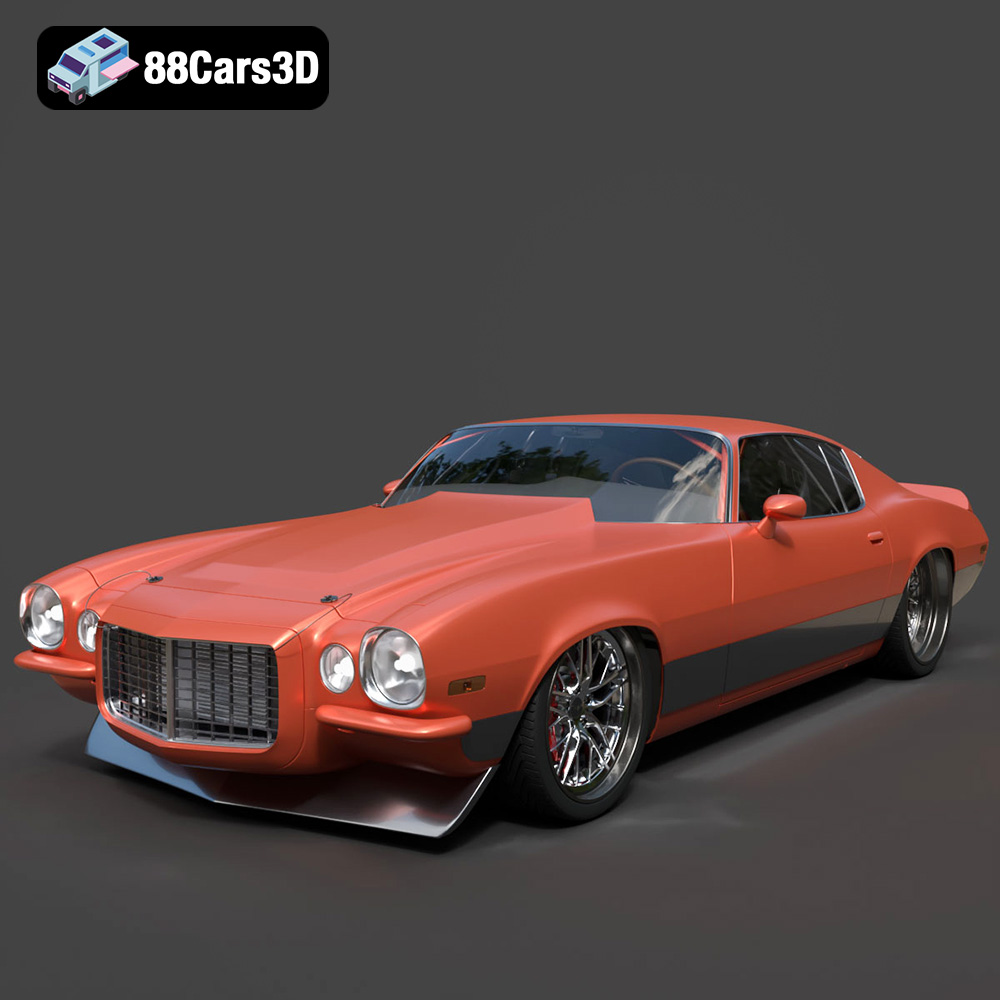
Download the Chevrolet Camaro 1970 3D Model featuring clean geometry, realistic detailing, and a fully modeled interior. Includes .blend, .fbx, .obj, .glb, .stl, .ply, .unreal, and .max formats for rendering, simulation, and game development.
Price: $10
Texture: Yes
Material: Yes
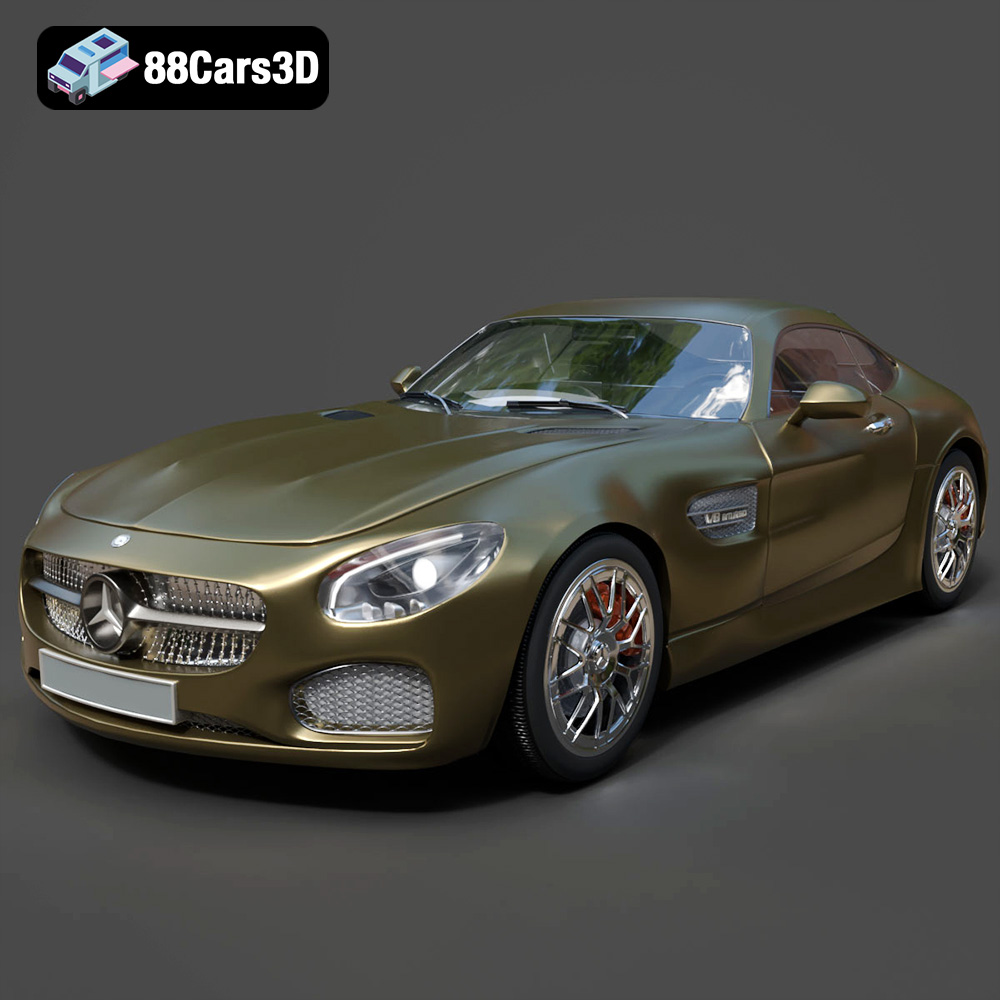
Download the Mercedes-AMG GT 2015 3D Model featuring clean geometry, realistic detailing, and a fully modeled interior. Includes .blend, .fbx, .obj, .glb, .stl, .ply, .unreal, and .max formats for rendering, simulation, and game development.
Price: $88.99
Texture: Yes
Material: Yes
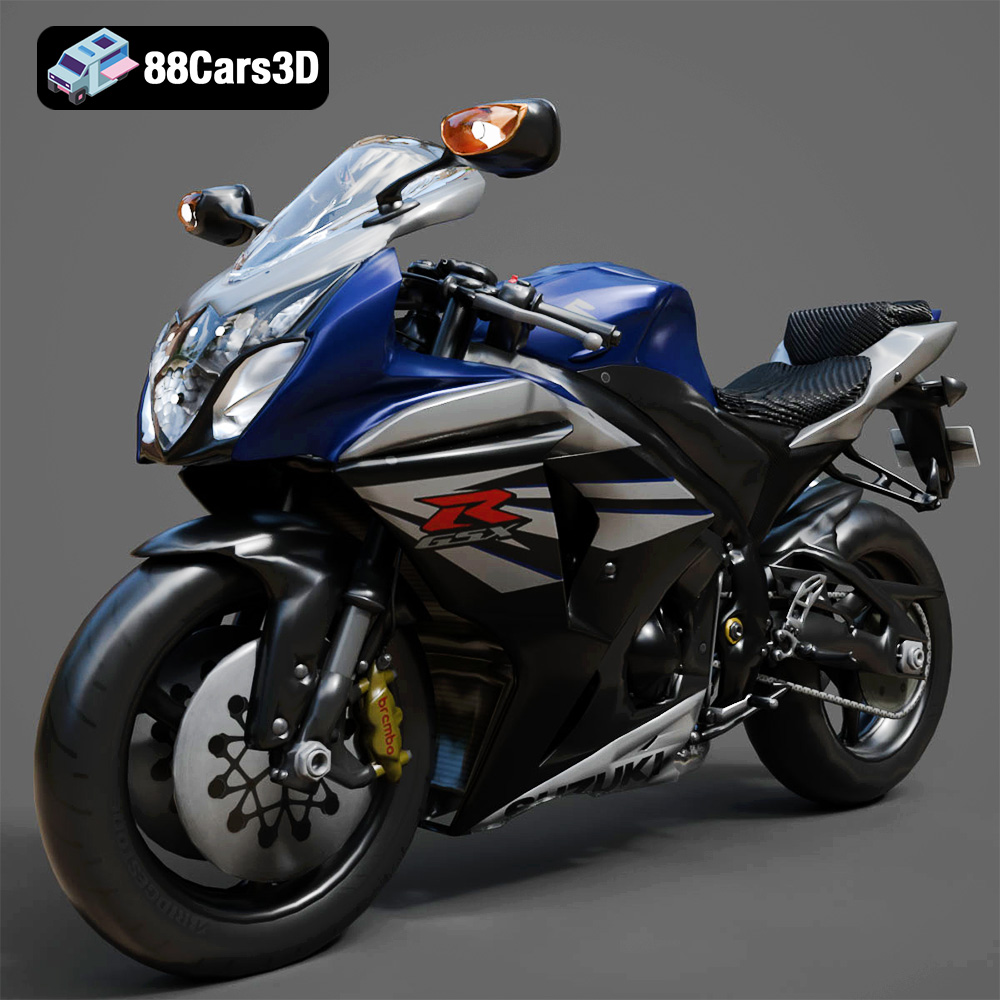
Download the Suzuki GSX-R 1000 3D Model featuring clean geometry, realistic detailing, and a fully modeled interior. Includes .blend, .fbx, .obj, .glb, .stl, .ply, .unreal, and .max formats for rendering, simulation, and game development.
Price: $10
Texture: Yes
Material: Yes
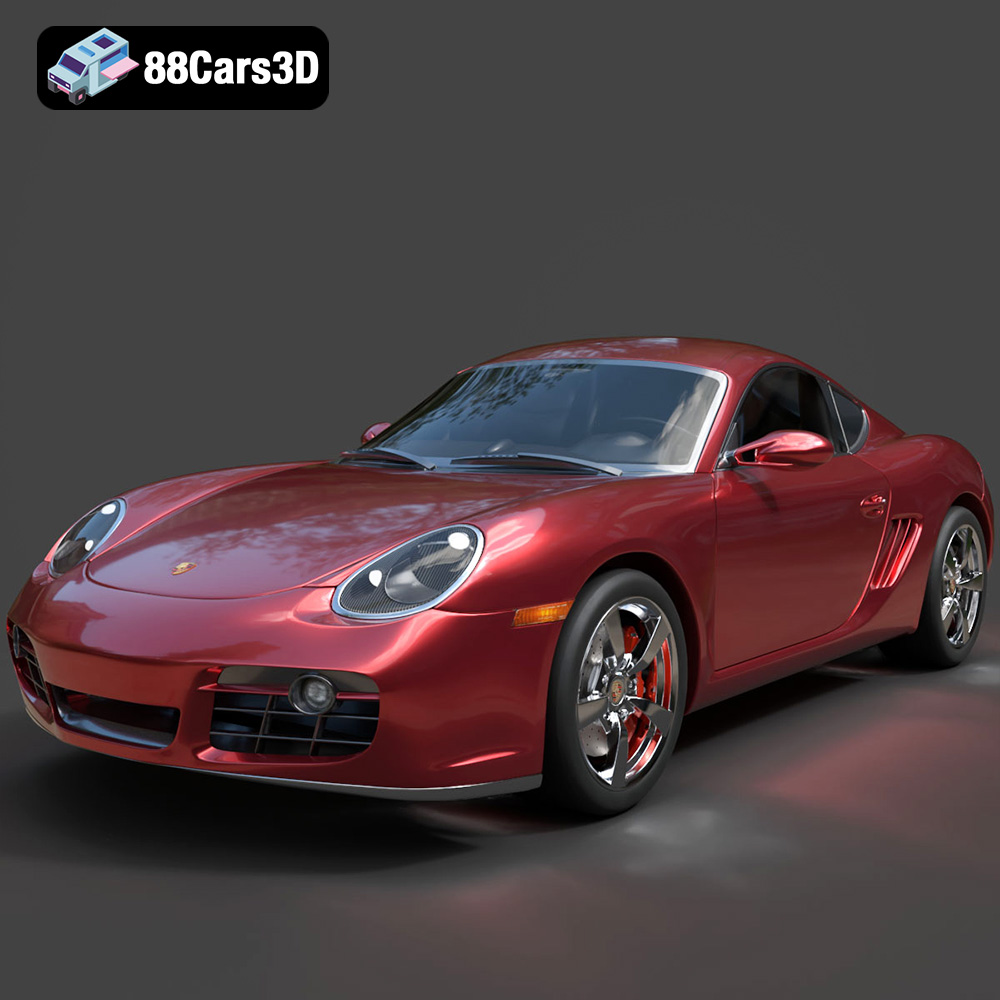
Download the Porsche Cayman S 2024 3D Model featuring clean geometry, realistic detailing, and a fully modeled interior. Includes .blend, .fbx, .obj, .glb, .stl, .ply, .unreal, and .max formats for rendering, simulation, and game development.
Price: $10

Texture: Yes
Material: Yes
Download the Holden Commodore Sportwagon 2017 3D Model featuring clean geometry, realistic detailing, and a fully modeled interior. Includes .blend, .fbx, .obj, .glb, .stl, .ply, .unreal, and .max formats for rendering, simulation, and game development.
Price: $10
Texture: Yes
Material: Yes
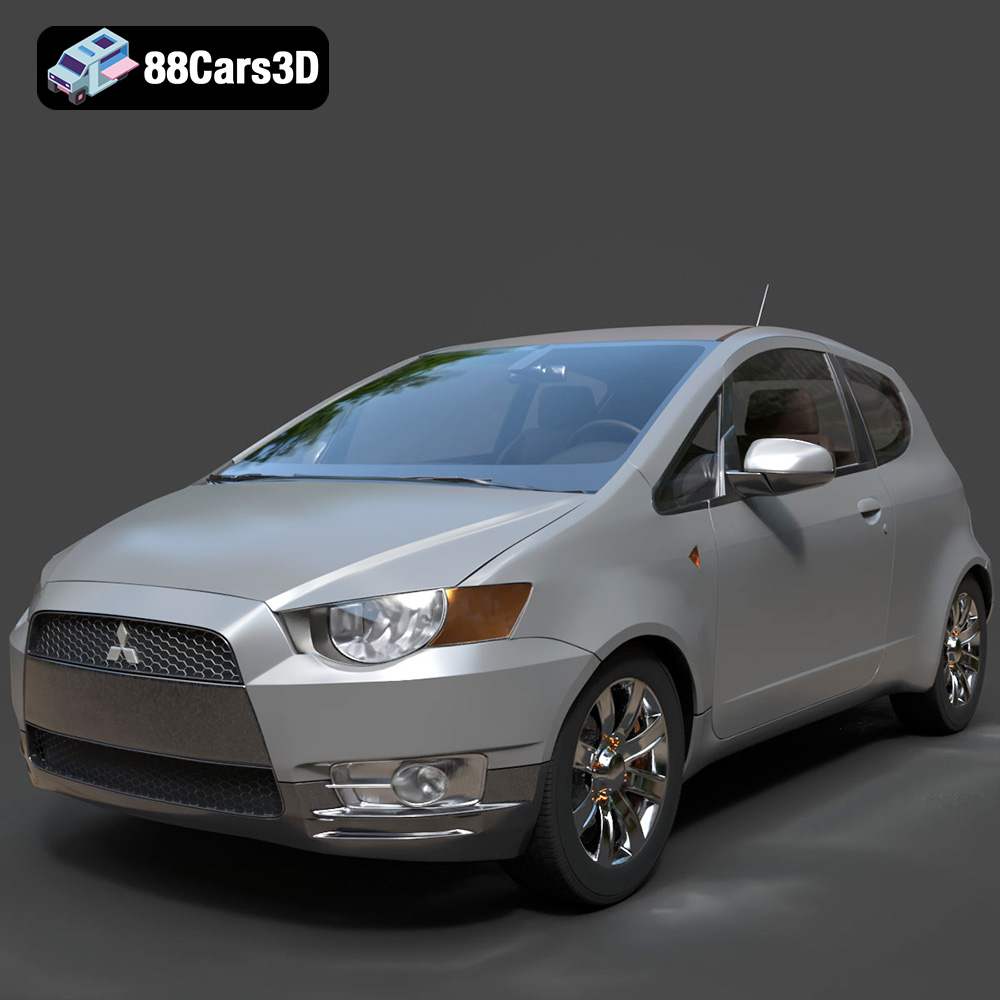
Download the Mitsubishi Colt 3 Door 2008 3D Model featuring clean geometry, realistic detailing, and a fully modeled interior. Includes .blend, .fbx, .obj, .glb, .stl, .ply, .unreal, and .max formats for rendering, simulation, and game development.
Price: $10
Texture: Yes
Material: Yes
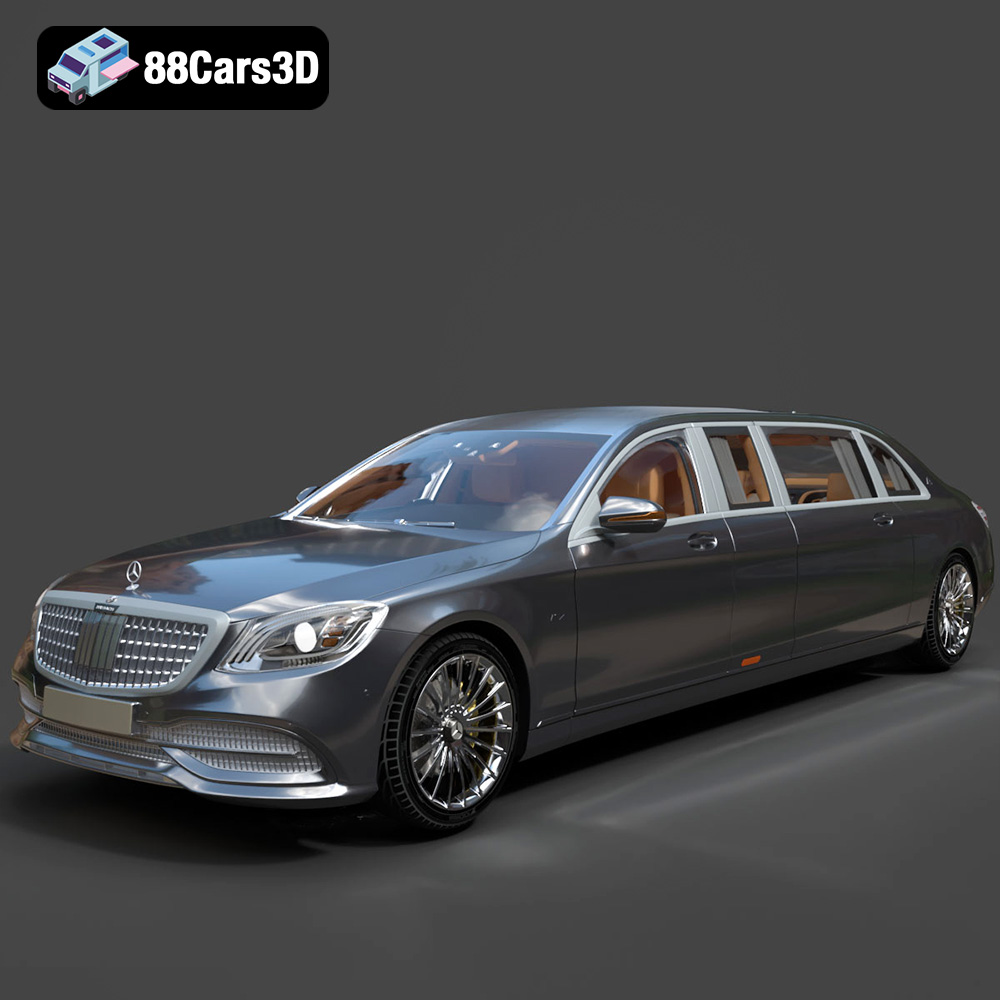
Download the Mercedes-Benz S650 Pullman 3D Model featuring clean geometry, realistic detailing, and a fully modeled interior. Includes .blend, .fbx, .obj, .glb, .stl, .ply, .unreal, and .max formats for rendering, simulation, and game development.
Price: $95.99
Texture: Yes
Material: Yes
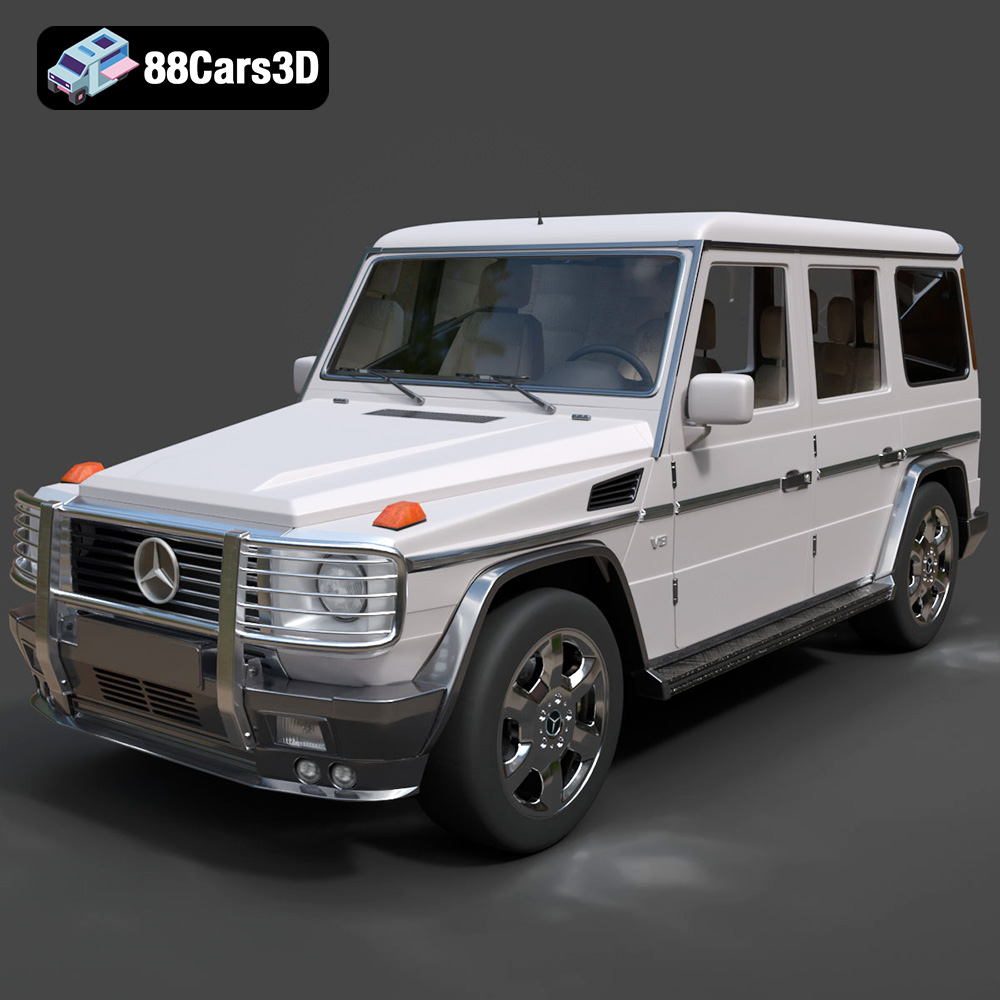
Download the Mercedes G-Class SUV 2024 3D Model featuring clean geometry, realistic detailing, and a fully modeled interior. Includes .blend, .fbx, .obj, .glb, .stl, .ply, .unreal, and .max formats for rendering, simulation, and game development.
Price: $10

Texture: Yes
Material: Yes
Download the Volvo XC90 R-Design 2015 3D Model featuring clean geometry, realistic detailing, and a fully modeled interior. Includes .blend, .fbx, .obj, .glb, .stl, .ply, .unreal, and .max formats for rendering, simulation, and game development.
Price: $10

