⚡ FLASH SALE: Get 60% OFF All Premium 3D & STL Models! ⚡

“`html
Creating convincing, dynamic water has long been one of the holy grails of real-time 3D graphics. Water is not just a simple transparent surface; it reflects, refracts, absorbs light, and interacts dynamically with its surroundings. For high-end applications like automotive visualization, a realistic water environment can elevate a scene from good to breathtaking, providing stunning reflections and dynamic backdrops for showcasing vehicle designs. Fortunately, Unreal Engine’s powerful Water System, introduced in UE4 and significantly enhanced in UE5, provides developers and artists with a comprehensive, production-ready toolset to achieve just that. This system moves beyond simple shaders, offering a holistic solution with spline-based rivers, dynamic wave simulation, interactive ripples, and seamless integration with landscapes.
In this comprehensive guide, we will dive deep into the Unreal Engine Water System. We’ll go beyond the basics to explore the technical nuances of creating everything from serene lakes to vast, wave-filled oceans. You will learn how to set up the system, customize water body properties, craft photorealistic PBR water materials, and implement dynamic interactions. We will also cover crucial lighting workflows with Lumen and performance optimization strategies to ensure your stunning water scenes run smoothly in real-time. Whether you are creating a cinematic car commercial on a coastal road or an interactive automotive configurator by a lakeside retreat, mastering this toolset is essential for achieving a new level of realism in your projects.
Before you can create sprawling oceans or meandering rivers, the first step is to enable and configure the Water System within your Unreal Engine project. It’s a powerful plugin that needs to be activated manually. Proper initial setup is crucial as the system relies heavily on other engine components, particularly the Landscape system, to function correctly. Understanding its core components from the outset will streamline your entire workflow.
The Water System is not enabled by default in a standard Unreal Engine project. It’s delivered as a built-in plugin that you must activate. The process is straightforward:
Once the editor restarts, the plugin will be active, and you will have access to all the necessary actors and components. It’s also a good idea to ensure your project has “Support global clip plane for Planar Reflections” enabled in the Project Settings (under Engine > Rendering), as this can improve the quality of water reflections.
The Unreal Engine Water System is fundamentally designed to work in conjunction with the Landscape actor. The water bodies automatically sculpt and conform to the underlying terrain, creating realistic shorelines and depth transitions. Therefore, you must have a Landscape in your level before adding any water actors.
If you don’t have one, you can easily create it by going to Select Mode > Landscape (Shift+2). From here, you can create a new landscape or import a heightmap. The Water System will automatically modify this landscape by carving out basins for lakes or channels for rivers. This non-destructive process is managed by the water actors themselves, allowing you to adjust the water’s position and see the landscape update in real-time.
After enabling the plugin, you’ll find new actors in the “Place Actors” panel. These are the building blocks of your aquatic environments:
These components work together under the parent Water Zone to create a cohesive and interactive water simulation.
With the system enabled, you can now begin adding water to your scene. The workflow is intuitive, allowing for rapid creation of different water types that blend together seamlessly. Whether you need a vast ocean for a coastal drive or a gentle river for a serene forest scene, the process starts by dragging the appropriate actor into your level.
To create a large body of water, simply drag a Water Body Ocean actor from the Place Actors panel into your scene. This actor will generate an infinitely tiling water surface with configurable waves. In its Details panel, you’ll find parameters to control the wave simulation, such as wave height, wavelength, and directionality. Experimenting with the “Wave Source” settings allows you to layer multiple Gerstner wave patterns for a more chaotic and natural ocean surface.
For a Water Body Lake, the process is similar. Drag the actor into your scene and position it over a depression in your landscape. The actor will automatically fill the basin up to its Z-axis location, creating a natural-looking shoreline. You can then use the Landscape’s sculpt tools to refine the shoreline, and the water will update in real-time to match the new terrain height.
The Water Body River actor is where the system truly shines for creating intricate environments. It is controlled by a spline, which is a series of points that define a path. After adding a river actor:
Each spline point has unique properties in the Details panel, allowing for granular control over the river’s characteristics. You can adjust the River Width, Depth, and Velocity at any point along the spline. This enables you to create rivers that start as narrow, fast-flowing streams and widen into slow, meandering rivers, all within a single actor.
A common scenario is a river flowing into a lake or ocean. The Water System handles this automatically. The Water Zone ensures that different water bodies blend correctly. When a river spline intersects with a lake or ocean, the system prioritizes the larger body of water, creating a smooth visual and physical transition. The river’s velocity will dissipate as it enters the still water of the lake, and the material properties will blend, resulting in a natural-looking estuary or delta without any extra setup.
The visual quality of your water is determined by its material. The Water System comes with a highly complex and powerful master material that allows for a vast range of visual styles. By creating a Material Instance and tweaking its parameters, you can simulate everything from crystal-clear tropical water to murky, sediment-filled rivers.
When you add a water body, it’s assigned a default water material. To customize it, locate the Water Material property on the actor and create a Material Instance. Opening this instance reveals a wealth of parameters. The most important ones for controlling the water’s appearance are:
To achieve a specific look, you’ll need to balance these parameters. For example:
Fine-tuning these settings is key to creating a believable water surface that fits the context of your scene.
The Water System also includes built-in support for advanced visual effects. Caustics are the patterns of light that form on surfaces beneath the water as light is focused and distorted by the waves. The water material has parameters to enable and control the intensity and appearance of these caustics, adding a significant layer of realism to shallow areas.
Furthermore, the Water Zone manages an underwater post-process volume. When the camera goes below the water surface, these effects automatically activate, tinting the view, adding fog, and simulating the distortion of being submerged. You can customize these post-process settings to match the water material, ensuring a cohesive experience above and below the surface.
Static water can look good, but dynamic water that reacts to the world is what truly sells the illusion. The Water System provides built-in tools for physics-based buoyancy and interactive ripples, allowing objects and characters to affect the water surface in a believable way.
To make an object float, you simply need to add the Buoyancy component to its Blueprint or actor. This component allows you to define a set of “pontoons”—test points that determine how the object sits in the water. You can configure the object’s mass, pontoon locations, and buoyancy strength to simulate anything from a floating log to a large ship. For an automotive visualization, you could even add buoyancy to a car’s chassis for a dramatic shot of a vehicle driving through a flooded road, with the physics realistically lifting the car as it enters deeper water.
Interaction is crucial for realism. The Water System can generate ripples and wakes from objects moving through it. This is typically enabled in the water body’s properties under “Fluid Simulation.” When an object with collision interacts with the water surface, it will generate a dynamic ripple effect that propagates outward. This is perfect for showing the wake of a moving vehicle or the splash from an object falling in. High-quality 3D car models, such as those sourced from professional marketplaces like 88cars3d.com, have accurate dimensions and physics assets, making them ideal for creating these convincing interactive shots in automotive cinematics.
While the Water System handles the surface deformation, for more detailed effects like splashes, spray, and foam, you’ll want to integrate it with Unreal Engine’s Niagara particle system. Using Blueprint or C++, you can detect when an object’s velocity changes rapidly upon entering the water and spawn a Niagara system at the point of impact. This combination of procedural water surface deformation and particle-based effects provides the highest level of detail for dynamic water interactions.
The appearance of water is almost entirely dependent on its environment and lighting. The way it reflects the sky, refracts light onto the seabed, and catches specular highlights is what makes it look real. Leveraging Unreal Engine 5’s advanced rendering features like Lumen is key to achieving photorealistic results.
Lumen, Unreal Engine’s real-time global illumination and reflection system, is transformative for water rendering. It allows the water surface to have high-quality, dynamic reflections of the entire scene, including off-screen elements. This is a massive improvement over older techniques like Screen Space Reflections (SSR), which could only reflect what was visible on screen. With Lumen, a car driving along a lakeside road will be accurately reflected in the water, even if parts of it are obscured. Lumen’s global illumination also contributes to more realistic underwater lighting and caustics, as bounced light from the environment is accurately calculated.
The water surface acts like a mirror for the sky. Therefore, the appearance of your sky is paramount. Using the Sky Atmosphere and Volumetric Clouds actors is essential. The color of the sky, the position of the sun, and the cloud coverage will all directly influence the color and brightness of your water’s reflections. A golden-hour sunset will cast warm orange and pink hues across the water, while a clear midday sky will produce crisp blue reflections. Ensuring your water material’s color and the sky’s appearance are in harmony is a critical artistic step.
For producing final cinematic content, such as an automotive commercial, the Movie Render Queue is the tool of choice. It offers superior quality over real-time screen capture. When rendering water, pay close attention to the Anti-Aliasing settings. Using a higher number of temporal samples can help smooth out the fine specular highlights on the water ripples, reducing noise and flicker. You may also need to use the “High Resolution” console variable (`r.HighResolutionScreenshots 1`) and adjust translucency rendering settings to ensure the water looks as clean and detailed as possible in your final frames.
While the Water System is incredibly powerful, its advanced features come at a performance cost. For real-time applications like interactive configurators or open-world games, careful optimization is required to maintain a smooth frame rate. Understanding the performance characteristics of each feature is key to balancing visual quality and speed.
The main performance costs associated with the Water System are:
The Unreal Engine documentation at https://dev.epicgames.com/community/unreal-engine/learning offers detailed performance guidelines and technical breakdowns that are invaluable for any developer working with these advanced systems.
The Water System has a built-in Level of Detail (LOD) system. The water mesh is more tessellated (has more vertices) closer to the camera and becomes simpler in the distance. This is crucial for performance in large open worlds. You can control the aggressiveness of this LOD in the Water Zone settings. For top-down games or scenes where the camera is always far away, you can force a lower LOD to save performance. Conversely, for close-up cinematic shots, you can increase the tessellation for maximum surface detail.
Not every feature is needed in every situation. In the Details panel for each water body, you can selectively disable expensive features. For example, if a lake is purely decorative in the background, you can turn off fluid simulation and caustics to save resources. In a fast-paced game, you might opt for cheaper SSR instead of Lumen reflections on the water. For an automotive configurator, you might enable all features for the high-end “photo mode” but use a simplified water material and disable interactions in the real-time configuration mode to ensure a fluid user experience.
The Unreal Engine Water System is a deep and versatile toolset that empowers creators to build some of the most realistic and dynamic real-time aquatic environments ever seen. We’ve journeyed through the entire workflow: from the initial project setup and enabling the plugin to sculpting diverse water bodies with splines and actors. We’ve delved into the intricacies of the PBR water material, learning how absorption and scattering properties are key to achieving photorealism. Furthermore, we’ve explored how to bring these scenes to life with buoyancy and interactive ripples, and how to capture their beauty using Lumen and the Movie Render Queue.
Mastering these techniques will fundamentally change the quality and immersion of your projects. For automotive visualization, it opens up a world of creative possibilities—from rugged off-road vehicles splashing through rivers to luxury cars elegantly posed beside a tranquil, reflective lake. By combining this powerful environmental tool with high-fidelity assets, like the meticulously crafted 3D car models found on marketplaces such as 88cars3d.com, you have all the ingredients needed for truly next-generation real-time rendering. The next step is to dive in yourself. Open your project, enable the Water plugin, and start experimenting. The stunning results will speak for themselves.
“`
Texture: Yes
Material: Yes
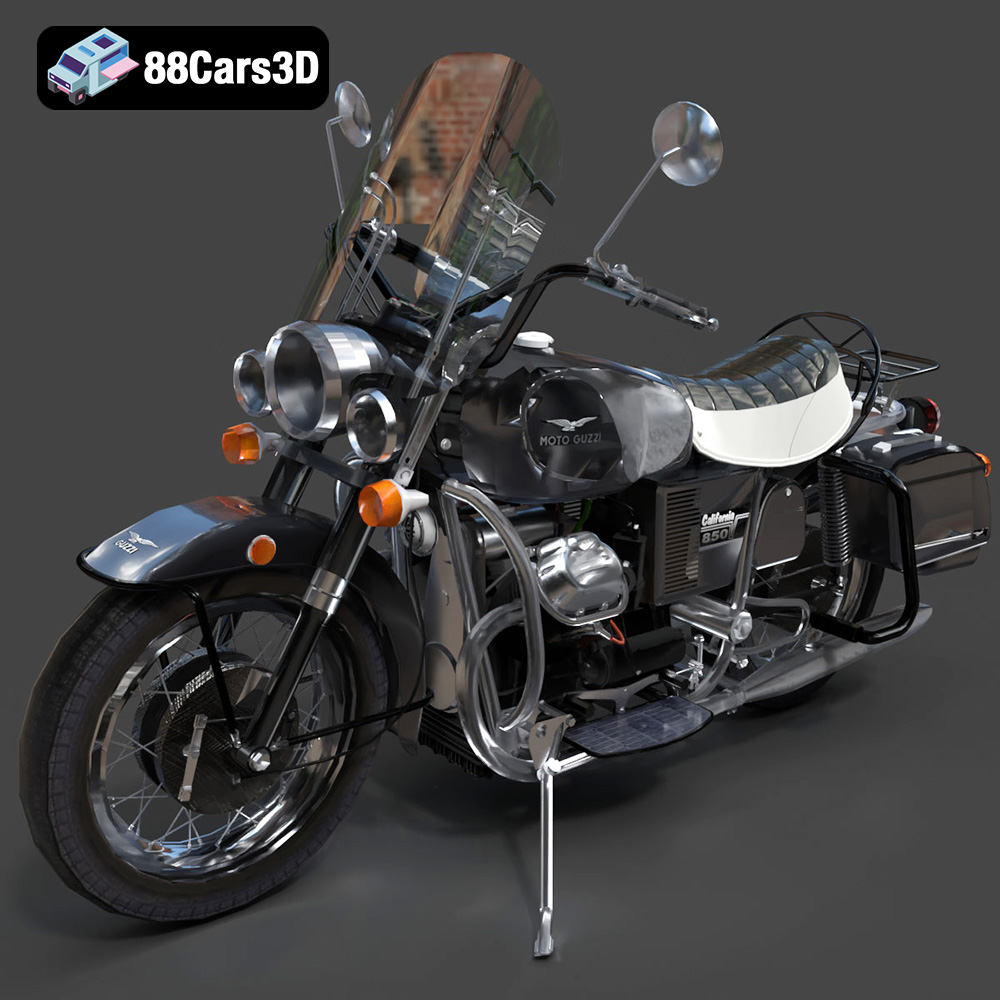
Download the Moto Guzzi Classic Motorcycle 2024 3D Model featuring clean geometry, realistic detailing, and a fully modeled interior. Includes .blend, .fbx, .obj, .glb, .stl, .ply, .unreal, and .max formats for rendering, simulation, and game development.
Price: $10

Texture: Yes
Material: Yes
Download the Mercedes S-Class 2024 3D Model featuring clean geometry, realistic detailing, and a fully modeled interior. Includes .blend, .fbx, .obj, .glb, .stl, .ply, .unreal, and .max formats for rendering, simulation, and game development.
Price: $10

Texture: Yes
Material: Yes
Download the Chevrolet Camaro 1970 3D Model featuring clean geometry, realistic detailing, and a fully modeled interior. Includes .blend, .fbx, .obj, .glb, .stl, .ply, .unreal, and .max formats for rendering, simulation, and game development.
Price: $10

Texture: Yes
Material: Yes
Download the Mercedes-AMG GT 2015 3D Model featuring clean geometry, realistic detailing, and a fully modeled interior. Includes .blend, .fbx, .obj, .glb, .stl, .ply, .unreal, and .max formats for rendering, simulation, and game development.
Price: $88.99

Texture: Yes
Material: Yes
Download the Suzuki GSX-R 1000 3D Model featuring clean geometry, realistic detailing, and a fully modeled interior. Includes .blend, .fbx, .obj, .glb, .stl, .ply, .unreal, and .max formats for rendering, simulation, and game development.
Price: $10

Texture: Yes
Material: Yes
Download the Porsche Cayman S 2024 3D Model featuring clean geometry, realistic detailing, and a fully modeled interior. Includes .blend, .fbx, .obj, .glb, .stl, .ply, .unreal, and .max formats for rendering, simulation, and game development.
Price: $10

Texture: Yes
Material: Yes
Download the Holden Commodore Sportwagon 2017 3D Model featuring clean geometry, realistic detailing, and a fully modeled interior. Includes .blend, .fbx, .obj, .glb, .stl, .ply, .unreal, and .max formats for rendering, simulation, and game development.
Price: $10
Texture: Yes
Material: Yes
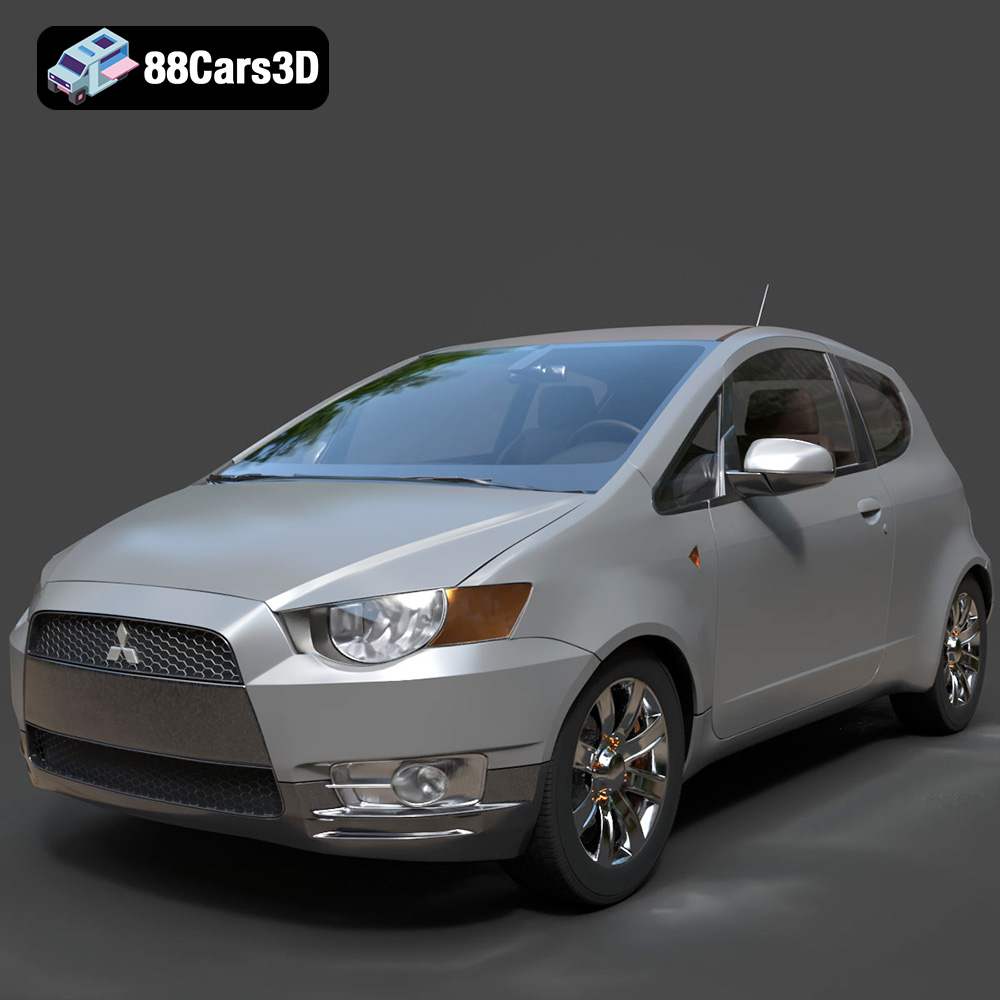
Download the Mitsubishi Colt 3 Door 2008 3D Model featuring clean geometry, realistic detailing, and a fully modeled interior. Includes .blend, .fbx, .obj, .glb, .stl, .ply, .unreal, and .max formats for rendering, simulation, and game development.
Price: $10
Texture: Yes
Material: Yes
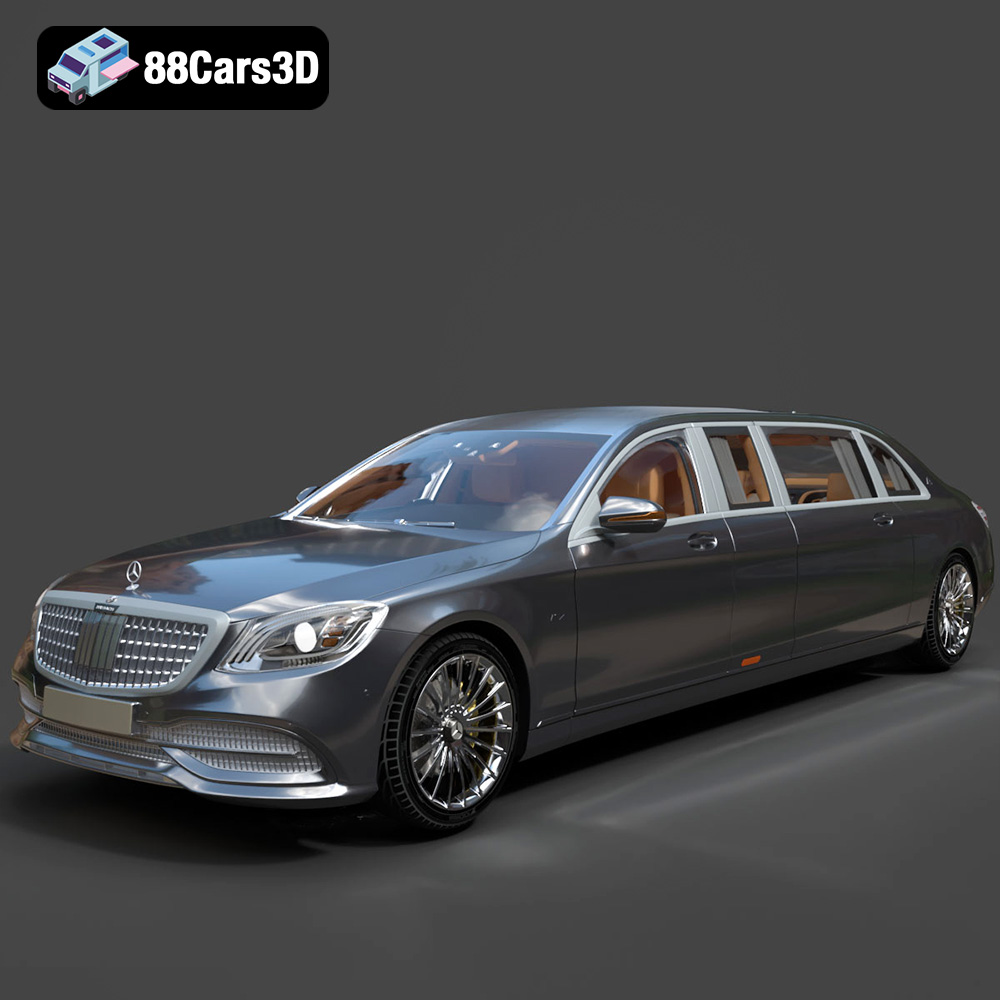
Download the Mercedes-Benz S650 Pullman 3D Model featuring clean geometry, realistic detailing, and a fully modeled interior. Includes .blend, .fbx, .obj, .glb, .stl, .ply, .unreal, and .max formats for rendering, simulation, and game development.
Price: $95.99
Texture: Yes
Material: Yes
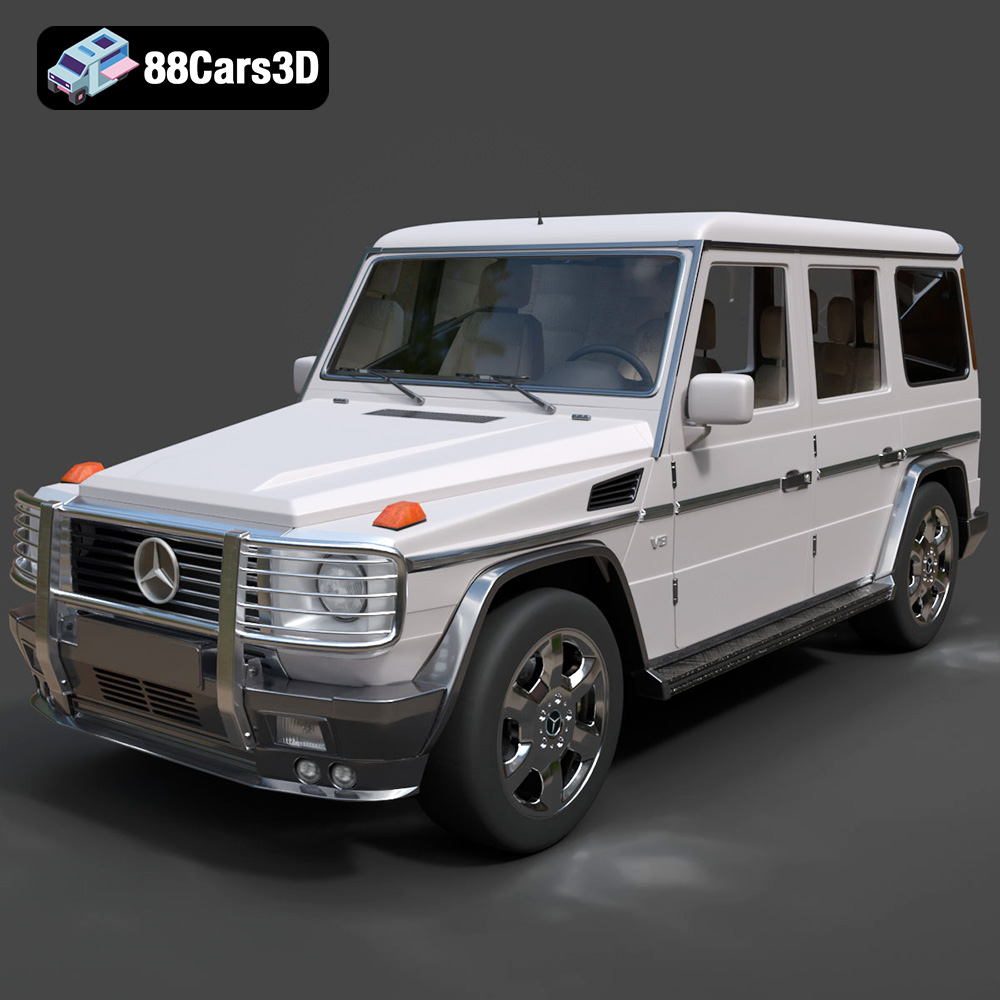
Download the Mercedes G-Class SUV 2024 3D Model featuring clean geometry, realistic detailing, and a fully modeled interior. Includes .blend, .fbx, .obj, .glb, .stl, .ply, .unreal, and .max formats for rendering, simulation, and game development.
Price: $10

