⚡ FLASH SALE: Get 60% OFF All Premium 3D & STL Models! ⚡

“`html
For automotive enthusiasts and 3D printing aficionados alike, the dream of bringing a digital car model to life is now a tangible reality. Platforms like 88cars3d.com offer a vast library of printable car models in STL format, ready to be transformed from digital designs into physical objects. However, the choice of 3D printing technology – specifically, resin (SLA/DLP) versus Fused Deposition Modeling (FDM) – significantly impacts the final result. This comprehensive guide delves into the technical nuances of both technologies, providing the knowledge needed to make an informed decision for printing car STL files.
We’ll explore everything from STL file requirements and slicing parameters to material properties and post-processing techniques. Whether you’re aiming for stunningly detailed display models or robust prototypes, understanding the strengths and weaknesses of resin and FDM printing is crucial for achieving optimal results. Let’s embark on this journey to unlock the full potential of 3D printed car models.
Fused Deposition Modeling (FDM) is a widely accessible 3D printing technology that extrudes thermoplastic filament layer by layer to build a three-dimensional object. For car models, FDM offers a balance of affordability, material options, and build volume, making it a popular choice for hobbyists and professionals alike. While it may not achieve the same level of intricate detail as resin printing, FDM is excellent for creating durable and functional car model components.
The nozzle size and layer height are critical parameters that directly influence the print quality and resolution of FDM-printed car models. A smaller nozzle size (e.g., 0.25mm or 0.4mm) allows for finer details and smoother surfaces, but it also increases print time and the risk of nozzle clogging. A layer height of 0.1mm to 0.2mm generally provides a good balance between print quality and speed. For highly detailed areas, reducing the layer height to 0.05mm can significantly improve the surface finish. However, avoid going too low, as it can lead to over-adhesion and difficulty in removing supports.
Example: When printing a complex car grille, using a 0.25mm nozzle and a 0.08mm layer height will capture the intricate details more effectively than a 0.4mm nozzle and a 0.2mm layer height. This comes at the cost of longer print times, potentially doubling or tripling the duration.
FDM offers a range of thermoplastic materials suitable for car models, each with unique properties. PLA (Polylactic Acid) is a biodegradable material known for its ease of printing and low warping, making it ideal for beginners and display models. ABS (Acrylonitrile Butadiene Styrene) is a stronger and more heat-resistant material, suitable for functional parts and prototypes. PETG (Polyethylene Terephthalate Glycol) combines the ease of printing of PLA with the strength and heat resistance of ABS, making it a versatile option for various car model components. Choosing the right material depends on the intended use of the model and the desired properties, such as impact resistance or temperature tolerance.
Tip: For car models intended for outdoor use or exposure to sunlight, PETG or ASA (Acrylonitrile Styrene Acrylate) are preferred due to their UV resistance, which prevents discoloration and degradation over time.
Resin 3D printing, encompassing technologies like Stereolithography (SLA) and Digital Light Processing (DLP), utilizes liquid photopolymer resins cured by UV light to create incredibly detailed and accurate prints. Resin printing excels in producing intricate car model components with smooth surfaces and fine features, making it the go-to choice for collectors, model enthusiasts, and anyone seeking the highest level of visual fidelity.
Resin printers boast exceptional resolution capabilities, allowing for layer heights as low as 0.01mm. This enables the creation of incredibly smooth surfaces and intricate details that are simply unattainable with FDM printing. The XY resolution, which refers to the smallest feature size that can be accurately reproduced in the horizontal plane, is another crucial factor. High-resolution resin printers can achieve XY resolutions of 25-50 microns, allowing for the reproduction of extremely fine details on car models, such as emblems, panel lines, and intricate trim.
Best Practice: While lower layer heights generally result in smoother surfaces, they also increase print time. A layer height of 0.03mm to 0.05mm is often a good compromise between print quality and speed for most car model applications. Experiment with different layer heights to find the optimal balance for your specific model and printer.
A diverse range of resins is available, each tailored for specific applications. Standard resins are suitable for general-purpose printing and display models. Tough resins offer increased impact resistance and durability, making them ideal for functional parts and prototypes. Flexible resins can be used to create tires or other flexible components. High-temperature resins are designed to withstand elevated temperatures, making them suitable for parts that may be exposed to heat. When selecting a resin, consider the desired properties of the final car model and the specific requirements of the application.
Example: If you’re printing a remote-controlled car model, using a tough resin for the chassis and suspension components will ensure they can withstand the stresses of operation.
Regardless of whether you choose resin or FDM printing, proper STL file preparation is essential for achieving successful results. This involves checking the model for errors, optimizing the mesh, and ensuring proper orientation for printing. A well-prepared STL file minimizes the risk of print failures and ensures the highest possible quality for your car model.
STL files often contain errors, such as non-manifold geometry, holes, and intersecting faces. These errors can cause problems during slicing and printing, leading to incomplete or distorted models. Mesh repair software, such as Meshmixer, Netfabb, or online services like MakePrintable, can automatically detect and fix these errors. Ensuring that your STL file is watertight and has manifold geometry is crucial for successful printing, especially with resin printers, where even small imperfections can lead to leaks and print failures.
Workflow: Import your STL file into Meshmixer. Use the “Analysis” tool to identify errors. Employ the “Make Solid” function to repair the mesh and create a watertight model. Export the repaired STL file for slicing.
The orientation of the car model on the build platform and the placement of support structures significantly impact print quality and the amount of post-processing required. For FDM printing, orient the model to minimize the need for supports on visible surfaces. For resin printing, angle the model to reduce the cross-sectional area of each layer, which minimizes stress on the build plate and reduces the risk of warping. Generate support structures to provide adequate support for overhangs and prevent collapses during printing. Carefully consider the placement of supports to minimize their impact on the surface finish and to facilitate easy removal.
Tip: Use slicer software features like “tree supports” or “organic supports” to minimize support material and improve print quality. Experiment with different support densities and thicknesses to find the optimal balance between support strength and ease of removal.
Slicing software transforms the STL file into a series of instructions that the 3D printer can understand. Proper slicing parameters are critical for optimizing print quality, strength, and speed. These settings vary depending on the chosen printing technology (FDM or resin), the material being used, and the specific characteristics of the car model.
Infill density determines the internal strength and weight of the car model. Higher infill densities result in stronger but heavier prints, while lower densities reduce weight and material consumption but compromise strength. An infill density of 15-25% is generally sufficient for display models, while 30-50% is recommended for functional parts. Print speed affects both print time and quality. Slower print speeds typically result in smoother surfaces and more accurate dimensions, while faster speeds reduce print time but can compromise quality. Optimize print temperature based on the material being used. PLA typically prints at 200-220°C, ABS at 230-250°C, and PETG at 230-250°C. Bed adhesion is crucial for preventing warping and ensuring that the model stays firmly attached to the build plate. Use bed adhesion methods like rafts, brims, or skirts to improve adhesion.
Example: Using a raft for a large, flat car chassis in ABS will help prevent warping by increasing the surface area in contact with the heated bed.
Exposure time determines how long each layer of resin is exposed to UV light. Longer exposure times result in stronger but potentially over-cured prints, while shorter exposure times can lead to under-cured and brittle prints. Optimize exposure time based on the resin being used and the printer’s specifications. Lift speed affects the speed at which the build plate rises between layers. Slower lift speeds reduce stress on the model and prevent warping, while faster speeds reduce print time but can increase the risk of print failures. Supports are essential for resin printing, as they provide the necessary support for overhangs and prevent parts from detaching from the build plate. Carefully generate and position supports to minimize their impact on the surface finish.
Tip: When using a new resin, perform a calibration print (e.g., an exposure test) to determine the optimal exposure time for your specific printer and resin combination. This will help prevent under-curing or over-curing issues.
Post-processing is an essential step in bringing your 3D printed car model to its full potential. This involves removing supports, cleaning the model, sanding surfaces, and applying finishes to achieve the desired aesthetic. Proper post-processing techniques can significantly enhance the appearance and durability of your car model.
Carefully remove support structures using tools like pliers, cutters, or a deburring tool. For FDM prints, gently snap off supports, taking care not to damage the model’s surface. For resin prints, use a sharp blade or a hobby knife to carefully cut away supports. Sanding is essential for smoothing out surface imperfections and removing layer lines. Start with coarse-grit sandpaper (e.g., 220 grit) and gradually move to finer grits (e.g., 400 grit, 600 grit, 800 grit) to achieve a smooth, polished surface. Wet sanding can further improve the surface finish and minimize dust. Fill any remaining gaps or imperfections with putty or filler and sand smooth.
Pro Tip: For resin prints, consider using a sonic cleaner with isopropyl alcohol (IPA) to remove any uncured resin from the surface before sanding. This will improve the adhesion of paint and other finishes.
Apply a primer to the car model to create a uniform surface for painting. Use spray paint or airbrush to apply multiple thin coats of paint, allowing each coat to dry completely before applying the next. Consider using automotive-grade paints for a durable and authentic finish. Apply clear coat to protect the paint and add a glossy or matte finish. Add details, such as decals, badges, and chrome trim, to enhance the realism of the car model. Assemble any separate components, such as wheels, tires, and windows, using glue or fasteners.
Example: When downloading models from marketplaces such as 88cars3d.com, you can use the high-resolution resin prints as a base for highly detailed paint jobs mimicking real-world car colors and finishes.
Despite careful preparation and optimized settings, 3D printing is not without its challenges. Understanding common printing issues and how to troubleshoot them is crucial for achieving consistent and successful results.
Warping occurs when the corners or edges of the car model lift off the build plate during printing. This is often caused by uneven cooling or poor bed adhesion. To prevent warping, ensure that the build plate is clean and level, use bed adhesion methods like rafts or brims, and control the ambient temperature around the printer. Bed adhesion issues can prevent the model from sticking to the build plate, resulting in print failures. Increase the bed temperature, use a bed adhesion agent (e.g., hairspray, glue stick), or adjust the first layer height to improve adhesion. Layer delamination occurs when layers of the car model separate during or after printing. This can be caused by insufficient layer adhesion, low printing temperature, or improper cooling. Increase the printing temperature, reduce the cooling fan speed, or increase the layer overlap to improve layer adhesion.
Actionable Step: If you’re experiencing warping with ABS, try using an enclosure to maintain a consistent temperature around the printer. This will help prevent uneven cooling and reduce the risk of warping.
Support failures can lead to collapses and incomplete prints. Ensure that the support structures are strong enough to support the overhangs, increase the support density, or use a different support pattern to improve support strength. Overhangs that are too steep or unsupported can result in sagging or drooping. Reduce the overhang angle by reorienting the model, generate additional support structures, or reduce the layer height to improve overhang quality.
Quick Fix: If a small overhang is sagging, try reducing the print speed for that specific layer to allow the material to cool and solidify before the next layer is deposited.
The choice between resin and FDM printing for car STL files depends on a variety of factors, including the desired level of detail, the intended use of the model, budget constraints, and your experience level. Resin printing excels in producing highly detailed and accurate models with smooth surfaces, making it ideal for display models, collectibles, and intricate components. FDM printing offers a balance of affordability, material options, and build volume, making it suitable for functional parts, prototypes, and larger car models. Ultimately, the best technology for your car model project depends on your specific needs and priorities.
By understanding the technical nuances of both resin and FDM printing, you can make an informed decision and unlock the full potential of 3D printed car models. Remember to properly prepare your STL files, optimize your slicing parameters, and apply appropriate post-processing techniques to achieve optimal results. Whether you’re a seasoned 3D printing enthusiast or a beginner, the world of 3D printed car models offers endless possibilities for creativity and innovation. Visit 88cars3d.com to explore a wide range of printable car models in STL format and embark on your 3D printing journey today!
“`
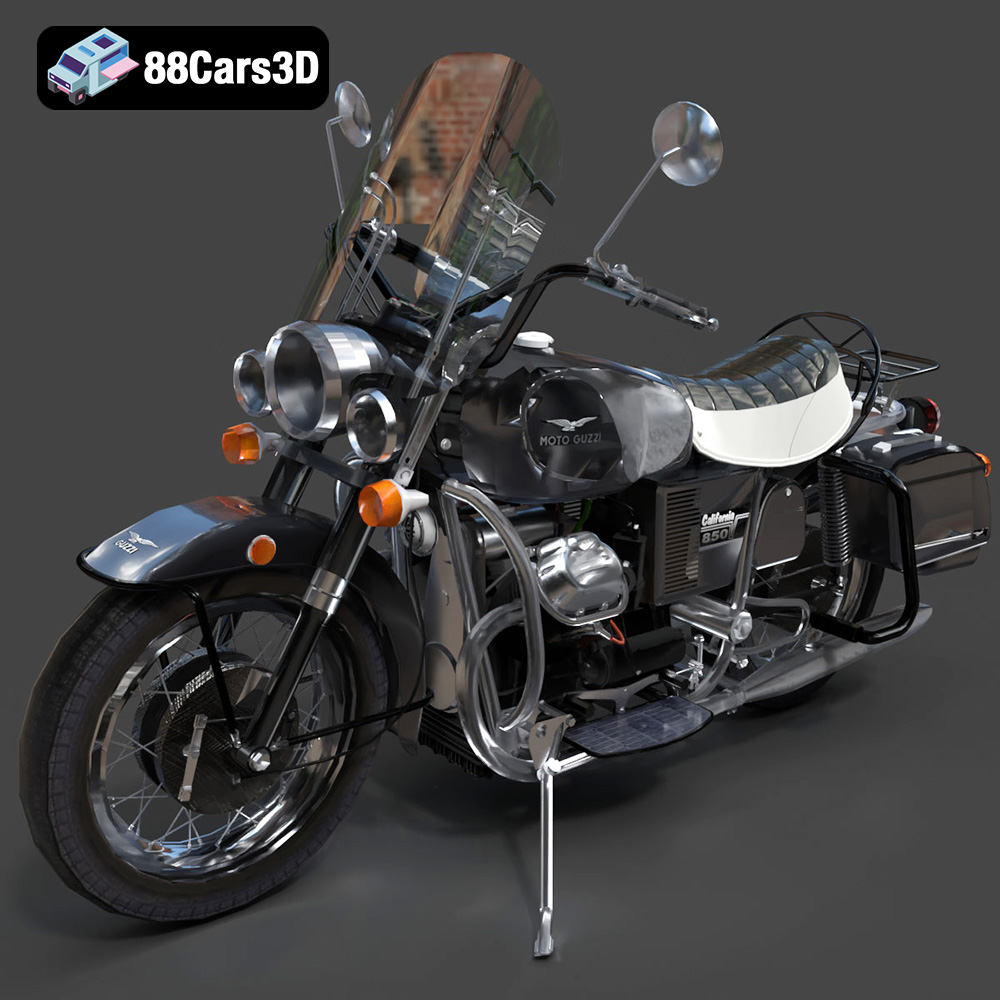
Texture: Yes
Material: Yes
Download the Moto Guzzi Classic Motorcycle 2024 3D Model featuring clean geometry, realistic detailing, and a fully modeled interior. Includes .blend, .fbx, .obj, .glb, .stl, .ply, .unreal, and .max formats for rendering, simulation, and game development.
Price: $10

Texture: Yes
Material: Yes
Download the Mercedes S-Class 2024 3D Model featuring clean geometry, realistic detailing, and a fully modeled interior. Includes .blend, .fbx, .obj, .glb, .stl, .ply, .unreal, and .max formats for rendering, simulation, and game development.
Price: $10

Texture: Yes
Material: Yes
Download the Chevrolet Camaro 1970 3D Model featuring clean geometry, realistic detailing, and a fully modeled interior. Includes .blend, .fbx, .obj, .glb, .stl, .ply, .unreal, and .max formats for rendering, simulation, and game development.
Price: $10

Texture: Yes
Material: Yes
Download the Mercedes-AMG GT 2015 3D Model featuring clean geometry, realistic detailing, and a fully modeled interior. Includes .blend, .fbx, .obj, .glb, .stl, .ply, .unreal, and .max formats for rendering, simulation, and game development.
Price: $88.99

Texture: Yes
Material: Yes
Download the Suzuki GSX-R 1000 3D Model featuring clean geometry, realistic detailing, and a fully modeled interior. Includes .blend, .fbx, .obj, .glb, .stl, .ply, .unreal, and .max formats for rendering, simulation, and game development.
Price: $10

Texture: Yes
Material: Yes
Download the Porsche Cayman S 2024 3D Model featuring clean geometry, realistic detailing, and a fully modeled interior. Includes .blend, .fbx, .obj, .glb, .stl, .ply, .unreal, and .max formats for rendering, simulation, and game development.
Price: $10

Texture: Yes
Material: Yes
Download the Holden Commodore Sportwagon 2017 3D Model featuring clean geometry, realistic detailing, and a fully modeled interior. Includes .blend, .fbx, .obj, .glb, .stl, .ply, .unreal, and .max formats for rendering, simulation, and game development.
Price: $10

Texture: Yes
Material: Yes
Download the Mitsubishi Colt 3 Door 2008 3D Model featuring clean geometry, realistic detailing, and a fully modeled interior. Includes .blend, .fbx, .obj, .glb, .stl, .ply, .unreal, and .max formats for rendering, simulation, and game development.
Price: $10

Texture: Yes
Material: Yes
Download the Mercedes-Benz S650 Pullman 3D Model featuring clean geometry, realistic detailing, and a fully modeled interior. Includes .blend, .fbx, .obj, .glb, .stl, .ply, .unreal, and .max formats for rendering, simulation, and game development.
Price: $95.99

Texture: Yes
Material: Yes
Download the Mercedes G-Class SUV 2024 3D Model featuring clean geometry, realistic detailing, and a fully modeled interior. Includes .blend, .fbx, .obj, .glb, .stl, .ply, .unreal, and .max formats for rendering, simulation, and game development.
Price: $10

