⚡ FLASH SALE: Get 60% OFF All Premium 3D & STL Models! ⚡

“`html
The journey from a digital 3D model to a tangible object is a fascinating one, and the crucial step in that journey is slicing. Slicing is the process of converting an STL file – the standard file format for 3D models, especially popular for printable car models available on platforms like 88cars3d.com – into a series of instructions that your 3D printer can understand. These instructions dictate every movement of the print head, every layer of material deposited, and ultimately, the final quality of your print. A poorly sliced model can result in failed prints, weak structures, and a final product that falls far short of your expectations. In this comprehensive guide, we’ll delve into the art and science of slicing STL files, covering everything from understanding the nuances of your slicer software to optimizing settings for specific materials and printer types. Whether you’re a beginner just starting out with 3D printing or a seasoned maker looking to refine your techniques, this guide will equip you with the knowledge you need to achieve consistently high-quality prints.
We will explore topics such as understanding STL file structure, choosing the right slicer software, optimizing print settings for FDM and resin printers, mastering support structures, troubleshooting common slicing problems, and advanced techniques for complex models. By the end of this article, you’ll be able to take any STL file, especially those gorgeous printable car models you find online, and transform them into stunningly detailed physical objects.
Before diving into slicing software, it’s essential to understand the underlying structure of STL files. STL (stereolithography) files represent 3D models as a collection of interconnected triangles, forming a mesh that approximates the surface of the object. The density and arrangement of these triangles directly impact the smoothness and accuracy of the printed part. A higher triangle count results in a more detailed model, but also a larger file size and potentially longer processing times.
The number of triangles used to represent a 3D model directly affects its visual fidelity. Lower triangle counts can lead to faceted surfaces, especially on curved areas. When preparing STL files, consider the level of detail required for your print. For detailed car models, especially those from 88cars3d.com, a higher triangle count is generally preferred to capture intricate features like grilles, lights, and body lines. However, be mindful of your printer’s processing power and memory limitations. A file with too many triangles can overwhelm your slicer and printer, leading to crashes or slow print times. As a starting point, aim for a triangle count that provides sufficient detail without creating excessively large files (typically under 100MB).
A crucial characteristic of a printable STL file is that it must be a “manifold” mesh. This means the mesh must be closed, without any holes or self-intersections. Non-manifold meshes can cause significant problems during slicing, leading to missing sections, incorrect support generation, and ultimately, failed prints. Fortunately, several software tools can help identify and repair non-manifold meshes. Meshmixer, Netfabb Basic, and online services like MakePrintable are excellent options. These tools can automatically detect and fix common errors such as holes, flipped normals, and intersecting faces. Before slicing any STL file, it’s always a good practice to run it through a mesh repair tool to ensure it’s manifold and ready for printing.
Selecting the right slicing software is a critical decision that significantly impacts your 3D printing experience. Several popular options are available, each with its own strengths and weaknesses. Consider your printer type (FDM or resin), experience level, and specific needs when making your choice. Free options like Cura and PrusaSlicer offer a wide range of features and are excellent for beginners. Simplify3D is a paid option known for its advanced features and precise control over print settings. Chitubox and Lychee Slicer are popular choices for resin printing due to their optimized support generation and vat management capabilities.
Cura is a free, open-source slicer developed by Ultimaker, renowned for its user-friendly interface and extensive feature set. It supports a wide range of FDM printers and offers a vast library of customizable settings. Cura’s strengths include its ease of use, comprehensive support for various materials, and active community providing plugins and resources. Key features include adaptive layer height, which adjusts layer thickness based on model geometry to optimize print time and quality; tree supports, which minimize material usage and simplify support removal; and ironing, which smooths out the top layer for a more polished finish. When slicing STL files of printable car models in Cura, you can easily rotate, scale, and position the model on the build plate. Experiment with different infill patterns and densities to balance strength and print time.
PrusaSlicer, developed by Prusa Research, is another free, open-source slicer known for its precision and advanced features. It offers a highly customizable interface and provides granular control over print settings. PrusaSlicer excels in areas like variable layer height, which allows for adjusting layer thickness dynamically throughout the print; advanced support generation, with options for manual support placement and fine-tuning; and sequential printing, where multiple objects are printed one at a time to minimize stringing and improve surface finish. For intricate car models, PrusaSlicer’s manual support placement and variable layer height features can be invaluable in achieving optimal print quality. The software’s detailed settings allow you to fine-tune parameters like extrusion width, temperature, and fan speed for specific materials and printer configurations.
FDM (Fused Deposition Modeling) printing involves extruding molten filament layer by layer to build a 3D object. Achieving high-quality prints with FDM requires careful consideration of various settings, including layer height, temperature, print speed, infill density, and retraction settings. These parameters influence the strength, appearance, and overall success of your prints. The optimal settings will vary depending on the material you’re using and the specific characteristics of your printer.
Layer height is a crucial parameter that determines the resolution and print time of your model. Thinner layers result in smoother surfaces and finer details but also increase print time. Thicker layers print faster but may sacrifice surface quality. A good starting point is to use a layer height that is 25-50% of your nozzle diameter. For a 0.4mm nozzle, a layer height of 0.1mm to 0.2mm is a common range. For printable car models where surface finish is important, consider using a thinner layer height on visible surfaces and a thicker layer height for internal structures. Adaptive layer height, available in slicers like Cura and PrusaSlicer, can automatically adjust layer height based on the model’s geometry, optimizing both print time and quality.
Infill refers to the internal structure of your 3D print, which provides strength and support. Infill density, expressed as a percentage, determines how much material is used to fill the interior of the model. Higher infill densities result in stronger prints but also increase print time and material usage. For decorative car models, a low infill density (10-20%) may be sufficient. For functional parts that need to withstand stress, a higher infill density (50-75%) is recommended. Infill patterns, such as grid, honeycomb, and gyroid, also affect the strength and weight of the print. Gyroid infill is known for its isotropic strength, meaning it’s equally strong in all directions. Experiment with different infill patterns to find the best balance between strength, weight, and print time for your specific application. For example, a honeycomb pattern provides a good compromise between strength and material usage.
Support structures are temporary scaffolding that provides support for overhanging features and bridges during 3D printing. Without supports, these features would collapse or deform due to gravity. Generating and removing support structures effectively is a critical skill for achieving successful prints, especially when dealing with complex geometries like those found in printable car models. The type, density, and placement of supports can significantly impact the print quality and ease of post-processing.
Several types of support structures are available, each with its own advantages and disadvantages. Linear supports are the most basic type, consisting of simple vertical columns. Tree supports are more advanced, branching out from the build plate to provide support with minimal material usage and easier removal. Snug supports are designed to conform closely to the model’s surface, providing optimal support for delicate features. Raft supports create a solid base layer to improve bed adhesion and provide a stable platform for printing. The choice of support type depends on the complexity of the model, the material being used, and the desired level of support. Tree supports are often preferred for car models with intricate overhangs and complex geometries, as they minimize material usage and leave fewer marks on the printed surface.
Proper support placement is crucial for ensuring that all overhanging features are adequately supported. Slicing software typically offers automatic support generation, but manual placement may be necessary for complex models or specific areas that require extra support. Consider factors like overhang angle, bridging distance, and the weight of the supported feature when placing supports. After printing, carefully remove the support structures using tools like pliers, cutters, or knives. Take care not to damage the model during support removal. Soaking the print in warm water can sometimes soften the support material, making it easier to remove. For soluble support materials like PVA, simply dissolve the supports in water.
Resin printing, also known as stereolithography (SLA) or digital light processing (DLP), uses a liquid resin that is cured layer by layer by a UV light source. Resin printing is known for its ability to produce highly detailed and accurate prints, making it ideal for intricate car models and other complex geometries. However, resin printing requires careful optimization of settings like layer height, exposure time, and support generation to achieve optimal results.
Exposure time is the amount of time each layer of resin is exposed to UV light. It’s a critical parameter that determines the hardness and adhesion of the cured resin. Insufficient exposure can lead to weak prints that are prone to delamination, while overexposure can result in overly brittle prints with reduced detail. The optimal exposure time depends on the type of resin, the layer height, and the intensity of the UV light source. Layer height in resin printing is typically much smaller than in FDM printing, often ranging from 0.025mm to 0.05mm. Thinner layers result in smoother surfaces and finer details, but also increase print time. When printing car models with resin, use a thin layer height and carefully calibrate the exposure time to achieve optimal detail and surface finish. Experiment with different exposure times and layer heights to find the best balance for your specific resin and printer.
Support structures are essential for resin printing, as they provide support for overhanging features and prevent warping during the curing process. Resin prints are often more fragile than FDM prints, so the placement and type of supports are particularly important. Use a slicing software like Chitubox or Lychee Slicer, which are specifically designed for resin printing and offer advanced support generation features. Place supports strategically to minimize material usage and ensure that all overhanging features are adequately supported. Angled supports are often preferred, as they distribute the stress more evenly and reduce the risk of damage during removal. After printing, carefully remove the support structures using tools like flush cutters or a hobby knife. Clean the print thoroughly with isopropyl alcohol to remove any residual resin. Curing the print under UV light after support removal will further harden the resin and improve its strength.
Even with careful slicing and optimized settings, 3D printing can sometimes present challenges. Common problems include warping, poor bed adhesion, stringing, and layer separation. Understanding the causes of these problems and knowing how to troubleshoot them is essential for achieving consistent and successful prints. Careful observation and systematic experimentation are key to identifying and resolving issues.
Warping occurs when the corners or edges of a print lift off the build plate during printing. This is often caused by uneven cooling, which creates stress within the material. Poor bed adhesion can also contribute to warping. To prevent warping, ensure that your build plate is clean and level. Use a heated bed to maintain a consistent temperature throughout the print. Apply an adhesive like glue stick or hairspray to improve bed adhesion. For larger prints, consider using a brim or raft to provide a larger contact area with the build plate. If warping persists, try adjusting the ambient temperature in the printing environment or using an enclosure to minimize temperature fluctuations.
Stringing occurs when molten filament oozes from the nozzle during travel moves, leaving thin strands of plastic between different parts of the print. This is often caused by incorrect retraction settings or excessive printing temperature. Layer separation, also known as delamination, occurs when layers fail to adhere properly to each other. This can be caused by insufficient printing temperature, poor bed adhesion, or insufficient cooling. To prevent stringing, adjust the retraction distance and speed in your slicing software. Reduce the printing temperature slightly to minimize oozing. To prevent layer separation, increase the printing temperature and ensure that your bed is properly leveled. Consider using a brim or raft to improve bed adhesion.
Once your 3D print is complete, post-processing techniques can be used to refine the surface finish, remove imperfections, and add color and detail. Common post-processing methods include sanding, filling, priming, and painting. The specific techniques you use will depend on the material you’ve printed with and the desired level of finish. For car models, post-processing can significantly enhance the realism and visual appeal.
Sanding is used to smooth out rough surfaces and remove layer lines from 3D prints. Start with coarse-grit sandpaper (180-220 grit) to remove significant imperfections, then gradually move to finer grits (400-600 grit, and eventually 800+ grit) to achieve a smooth finish. Wet sanding can help to minimize dust and produce an even smoother surface. Filling is used to fill in gaps, cracks, and other imperfections in the print. Epoxy putty or specialized 3D printing fillers can be used for this purpose. Apply the filler to the affected areas, allow it to dry, and then sand it smooth. Repeat the process as needed until the surface is uniform.
Priming provides a smooth, even surface for painting and helps to improve adhesion. Apply several thin coats of primer, allowing each coat to dry completely before applying the next. Sand the primed surface with fine-grit sandpaper to remove any imperfections. Painting adds color and detail to your 3D prints. Use acrylic paints or specialized model paints for best results. Apply several thin coats of paint, allowing each coat to dry completely before applying the next. Consider using masking tape to create clean lines and intricate patterns. After painting, apply a clear coat to protect the paint and add a glossy or matte finish. When downloading models from marketplaces such as 88cars3d.com, the quality of the STL can significantly reduce the amount of sanding required.
Mastering the art of slicing STL files is crucial for unlocking the full potential of your 3D printer. By understanding the intricacies of STL file structure, choosing the right slicing software, optimizing print settings for FDM and resin printing, mastering support structures, troubleshooting common problems, and applying effective post-processing techniques, you can consistently achieve high-quality prints. Remember to experiment with different settings and techniques to find what works best for your specific printer, materials, and models. Platforms like 88cars3d.com offer a fantastic range of printable car models to test your slicing skills and create stunning replicas. Keep learning, keep experimenting, and most importantly, keep printing!
Your next steps should involve:
“`
Texture: Yes
Material: Yes
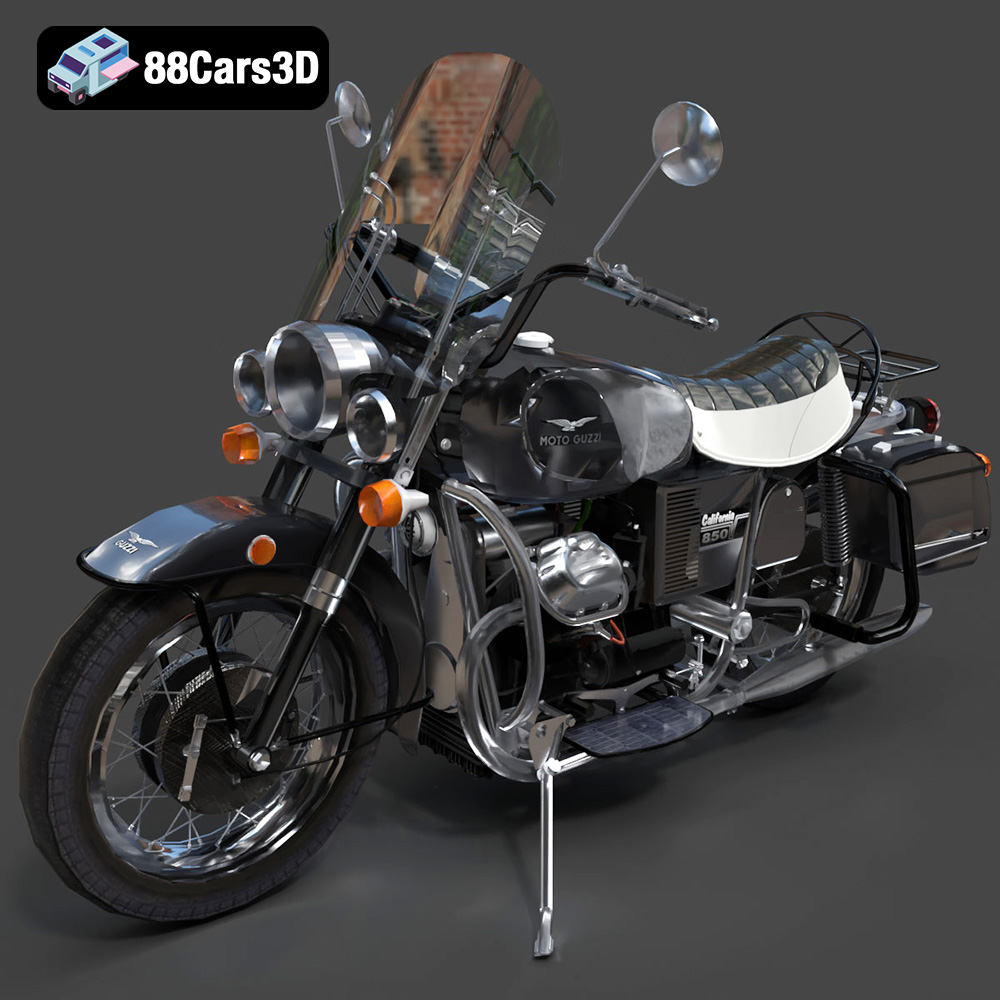
Download the Moto Guzzi Classic Motorcycle 2024 3D Model featuring clean geometry, realistic detailing, and a fully modeled interior. Includes .blend, .fbx, .obj, .glb, .stl, .ply, .unreal, and .max formats for rendering, simulation, and game development.
Price: $10

Texture: Yes
Material: Yes
Download the Mercedes S-Class 2024 3D Model featuring clean geometry, realistic detailing, and a fully modeled interior. Includes .blend, .fbx, .obj, .glb, .stl, .ply, .unreal, and .max formats for rendering, simulation, and game development.
Price: $10

Texture: Yes
Material: Yes
Download the Chevrolet Camaro 1970 3D Model featuring clean geometry, realistic detailing, and a fully modeled interior. Includes .blend, .fbx, .obj, .glb, .stl, .ply, .unreal, and .max formats for rendering, simulation, and game development.
Price: $10

Texture: Yes
Material: Yes
Download the Mercedes-AMG GT 2015 3D Model featuring clean geometry, realistic detailing, and a fully modeled interior. Includes .blend, .fbx, .obj, .glb, .stl, .ply, .unreal, and .max formats for rendering, simulation, and game development.
Price: $88.99

Texture: Yes
Material: Yes
Download the Suzuki GSX-R 1000 3D Model featuring clean geometry, realistic detailing, and a fully modeled interior. Includes .blend, .fbx, .obj, .glb, .stl, .ply, .unreal, and .max formats for rendering, simulation, and game development.
Price: $10

Texture: Yes
Material: Yes
Download the Porsche Cayman S 2024 3D Model featuring clean geometry, realistic detailing, and a fully modeled interior. Includes .blend, .fbx, .obj, .glb, .stl, .ply, .unreal, and .max formats for rendering, simulation, and game development.
Price: $10

Texture: Yes
Material: Yes
Download the Holden Commodore Sportwagon 2017 3D Model featuring clean geometry, realistic detailing, and a fully modeled interior. Includes .blend, .fbx, .obj, .glb, .stl, .ply, .unreal, and .max formats for rendering, simulation, and game development.
Price: $10

Texture: Yes
Material: Yes
Download the Mitsubishi Colt 3 Door 2008 3D Model featuring clean geometry, realistic detailing, and a fully modeled interior. Includes .blend, .fbx, .obj, .glb, .stl, .ply, .unreal, and .max formats for rendering, simulation, and game development.
Price: $10

Texture: Yes
Material: Yes
Download the Mercedes-Benz S650 Pullman 3D Model featuring clean geometry, realistic detailing, and a fully modeled interior. Includes .blend, .fbx, .obj, .glb, .stl, .ply, .unreal, and .max formats for rendering, simulation, and game development.
Price: $95.99
Texture: Yes
Material: Yes
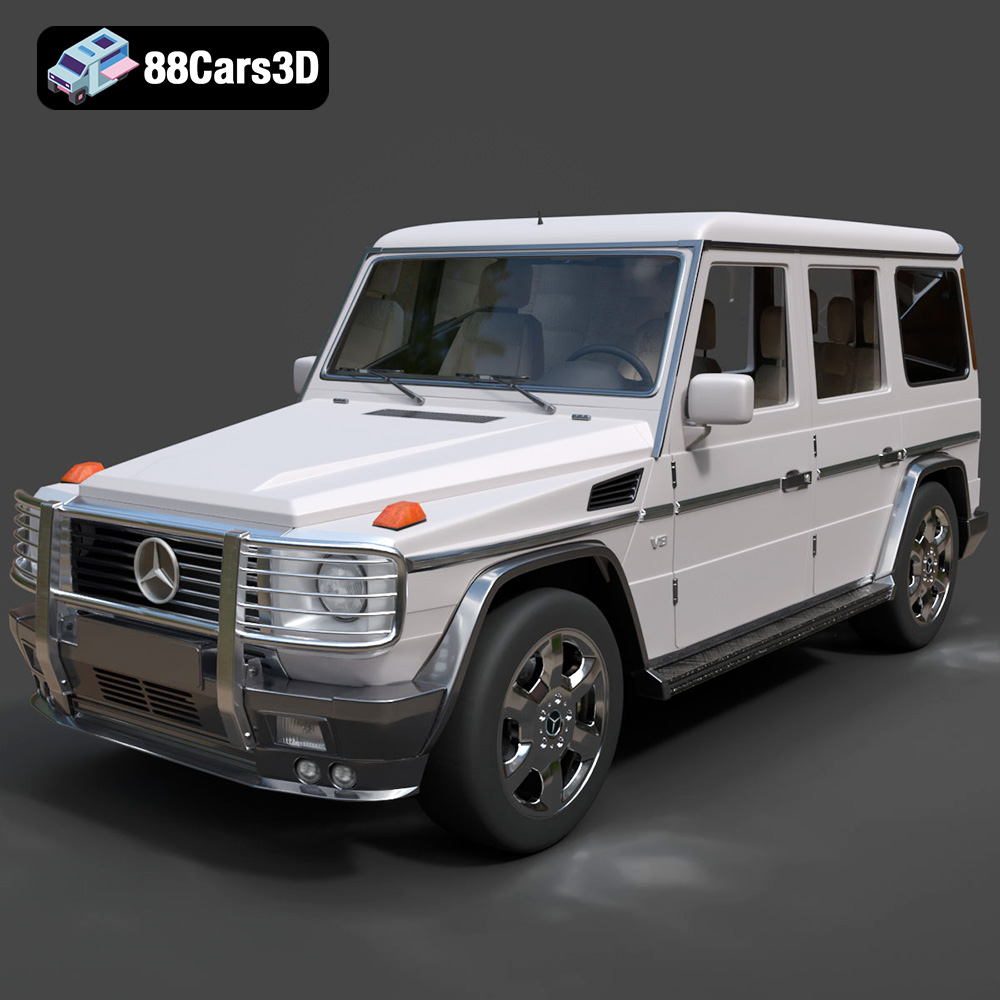
Download the Mercedes G-Class SUV 2024 3D Model featuring clean geometry, realistic detailing, and a fully modeled interior. Includes .blend, .fbx, .obj, .glb, .stl, .ply, .unreal, and .max formats for rendering, simulation, and game development.
Price: $10

