⚡ FLASH SALE: Get 60% OFF All Premium 3D & STL Models! ⚡

The sleek lines, intricate details, and flawless finishes of a high-performance automotive model are a testament to artistic skill and technical precision. In the world of 3D rendering and visualization, especially within Unreal Engine 5 (UE5), achieving photorealistic vehicles is often the ultimate goal. However, integrating these highly detailed assets into a real-time environment without significant performance hitches presents a formidable challenge for even seasoned 3D artists and game developers.
High-fidelity automotive models, by their very nature, possess an enormous amount of geometric data. This extensive detail, while visually stunning, can quickly bring a real-time application to its knees, leading to low frame rates, stuttering, and an overall poor user experience. The dream of showcasing a meticulously crafted car in an interactive virtual showroom or a high-octane racing game hinges not just on its visual quality, but equally on its ability to perform seamlessly. This guide aims to demystify the optimization process, providing a comprehensive toolkit for bringing your high-poly automotive models into UE5 with exceptional visual fidelity and robust real-time performance.
Automotive design often involves complex curves, precise engineering, and numerous individual components, all contributing to a model’s high poly count. From the intricate weave of carbon fiber interiors to the multi-layered clear coat of the exterior paint, every detail adds to the computational burden. In a traditional rendering pipeline, this level of detail is processed offline, taking hours or even days. In a game development pipeline, however, every frame must be rendered in milliseconds.
The primary performance bottleneck arises from the sheer volume of data the GPU has to process. A high poly count translates directly to more vertices, edges, and faces that need to be drawn. This dramatically increases the number of draw calls – instructions from the CPU to the GPU to render a specific batch of geometry. Each draw call carries overhead, and too many of them can overwhelm the CPU, preventing the GPU from being fully utilized. The result is often a bottleneck on the CPU side, leading to reduced frame rates and a sluggish experience, even on powerful hardware.
Furthermore, automotive models frequently feature multiple material IDs, complex shader networks, and high-resolution textures for every surface. While Unreal Engine 5 offers incredible visual capabilities, simply importing an unoptimized CAD model or a cinematic-quality mesh without proper preparation is a recipe for disaster. The engine will struggle to manage the geometric complexity, texture memory, and shader calculations necessary to maintain acceptable real-time performance. This is where strategic optimization becomes not just beneficial, but absolutely critical for successful integration.
Optimizing the geometric complexity of automotive models is the cornerstone of achieving excellent real-time performance in UE5. This involves leveraging Unreal Engine’s cutting-edge technologies and employing tried-and-true manual techniques.
Nanite is arguably one of Unreal Engine 5’s most revolutionary features, designed specifically to address the challenge of extremely high-fidelity assets. It’s a virtualized micropolygon geometry system that allows artists to import cinematic-quality source art with millions or even billions of polygons directly into UE5, often without manual poly count reduction.
Instead of processing entire meshes as traditional polygons, Nanite rasterizes individual triangles at a micropolygon level, intelligently streaming and processing only the detail that is visible to the camera. It automatically handles poly count reduction based on screen size, effectively culling unseen geometry and combining triangles into larger clusters for distant objects. This significantly reduces the data passed to the GPU, leading to fewer draw calls and remarkably stable frame rates, even with incredibly complex scenes.
For automotive models, Nanite is a godsend. It allows for the direct import of highly detailed CAD data or sculpted meshes, preserving all the subtle curves and intricate design elements without needing extensive manual retopology. This means artists can focus on aesthetic quality rather than spending countless hours optimizing geometry. The engine handles the scaling of detail dynamically, ensuring that the car looks immaculate up close and remains efficient when viewed from a distance.
While Nanite handles a significant portion of geometric optimization, there are scenarios where manual poly count reduction remains essential. This applies to non-Nanite meshes, components that might benefit from pre-optimization, or when targeting platforms that don’t fully leverage Nanite’s capabilities.
Most DCC software offers powerful decimation tools that can intelligently reduce the polygon count of a mesh while attempting to preserve its visual integrity. These tools analyze the curvature and detail of a mesh and remove polygons in flatter areas while retaining more polygons in areas of high detail. Remeshing can also be used to create a more uniform polygon distribution, which can be beneficial for baking textures or further manual retopology.
For critical parts of an automotive model, such as the main body panels or areas that will receive extreme close-ups, manual retopology might be necessary. This process involves creating a new, lower-polygon mesh that conforms to the shape of the high-poly model. While time-consuming, it offers unparalleled control over edge flow and polygon distribution, ensuring optimal deformation and clean shading, especially for components that might interact with physics or animations.
A significant amount of geometry in a high-poly automotive model might never be seen by the player or camera. Consider areas like the underside of the car (unless it’s a vehicle simulator with detailed undercarriage views), engine components that are perpetually hidden by the hood, or complex internal mechanisms. Aggressively removing or simplifying polygons in these hidden areas can yield substantial performance gains without any visual compromise. Even with Nanite, reducing unnecessary complexity at the source is a good practice.
For non-Nanite meshes, or for parts of your Nanite-enabled model that might have transparency or other specific rendering requirements, LODs (Level of Detail) are a crucial optimization strategy. LODs involve creating multiple versions of a single mesh, each with a progressively lower poly count, and then swapping them out based on the camera’s distance to the object.
The core idea behind LODs (Level of Detail) is that distant objects require less geometric detail to appear convincing. Why render millions of polygons for a car that’s a mile away when a few hundred will suffice? By switching to simpler meshes at greater distances, you dramatically reduce the workload on the GPU, thus improving real-time performance.
Typically, you’ll create several LODs for a given asset:
Unreal Engine 5 allows you to define screen size thresholds for each LOD. This tells the engine when to switch between different LODs. For example, you might set LOD0 to display when the object occupies 50% or more of the screen, LOD1 at 25%, and so on. Careful tuning of these thresholds is vital to prevent visible popping or jarring transitions between LODs.
It’s not just the geometry that needs optimization; materials and textures should also be considered. For lower LODs, you can often use simpler materials or lower-resolution textures. For instance, a very detailed tire tread texture might be replaced with a blurred or smaller version on LOD2, saving texture memory and reducing shader complexity when that detail is imperceptible anyway.
Beyond geometric optimization, efficient texture and material management are paramount for achieving stunning automotive visuals without sacrificing real-time performance. High-resolution textures, complex shaders, and numerous material variations can quickly become performance bottlenecks if not handled correctly.
UV unwrapping is the process of flattening a 3D mesh into a 2D space, allowing a 2D image (texture) to be mapped onto its surface. For automotive models, which feature many curved surfaces and distinct components, efficient UV layout is critical.
Clean UVs are foundational for several reasons. Non-overlapping UV islands are essential for texture baking (e.g., ambient occlusion, normal maps) to prevent artifacts. They also make it easier to paint textures without bleeding and allow for efficient texture packing. Overlapping UVs, while sometimes used intentionally for mirroring, can lead to issues with lightmaps and other baked data.
The goal of UV unwrapping should be to use as much of the 0-1 UV space as possible, proportional to the screen space the object will occupy. Larger, more prominent parts of the car (like the hood or doors) should receive more UV space, allowing for higher texture resolution. Smaller, less visible parts can be packed into tighter areas.
Automotive models are full of complex curves. Strategic seams are necessary to flatten these surfaces without excessive stretching. For symmetrical parts like doors, fenders, or side panels, you can unwrap one side and mirror its UVs to the other. This saves texture space by allowing both sides to share the same texture data, effectively doubling the apparent resolution for that texture size. However, be mindful of unique details that might break symmetry if this approach is taken.
Unreal Engine supports multiple UV channels. While UV0 is typically for diffuse and other surface textures, UV1 is often reserved for lightmaps. Ensure your lightmap UVs are clean, non-overlapping, and have adequate padding between islands to prevent light bleeding when static lighting is built. Additional UV sets can be used for things like unique decals or specific effects.
Texture baking is the process of transferring surface details from a high-polygon model onto a lower-polygon model’s texture maps. This is an incredibly powerful technique for retaining visual fidelity while drastically reducing the poly count and improving real-time performance.
Common types of baked textures include:
The process generally involves creating a low-poly version of a high-detail automotive part. You then use baking software (like Substance Painter, Marmoset Toolbag, or your DCC’s native baker) to project the details from the high-poly mesh onto the UVs of the low-poly mesh, generating the various texture maps. These maps are then applied to the low-poly mesh in UE5, giving the illusion of high detail without the high poly count.
Instead of having a separate texture set for every tiny part of the car, consider combining textures into larger atlases. An atlas is a single, large texture image that contains multiple smaller textures. This reduces the number of unique materials and texture lookups the GPU has to perform, thereby lowering draw calls and improving performance. For example, all interior buttons and switches could share a single atlas texture.
Automotive materials, especially car paint, often involve complex layered shaders (base coat, metallic flakes, clear coat). When baking, focus on baking the underlying surface details into normal maps. The reflective and metallic properties are typically controlled by separate texture maps (Metallic, Roughness) and material parameters rather than being baked directly into the albedo. This ensures that the dynamic lighting and reflections in UE5 interact correctly with your materials.
Once textures are baked, the next step is to set up materials in UE5 efficiently. Material complexity directly impacts shader compile times and real-time performance.
One of the most powerful optimization techniques in UE5 is using Material Instances. Instead of creating a unique, entirely new material for every slight variation (e.g., different car paint colors), create a master material with exposed parameters (color, roughness, metallic). Then, create Material Instances from this master material, allowing you to quickly change parameters without creating new shaders. This drastically reduces the number of draw calls, as the engine only needs to compile the base shader once.
For common operations or effects that are repeated across multiple materials (e.g., fresnel effects for car paint, dirt accumulation logic), encapsulate them into Material Functions. These functions can then be reused in various materials, promoting consistency, reducing node count in individual materials, and simplifying maintenance.
Every node in a material contributes to its complexity. While modern GPUs are powerful, excessively complex shaders can still impact performance, especially on lower-end hardware. Regularly check your material’s shader complexity using UE5’s built-in profilers (Alt+8 in the viewport, then “Shader Complexity” or “Shader Complexity (Nanite)”). Aim to simplify your node networks where possible, packing textures (e.g., putting roughness, metallic, and ambient occlusion into the R, G, and B channels of a single texture) to reduce texture lookups.
Bringing optimized automotive assets into Unreal Engine 5 requires a systematic approach, ensuring that all the preparation in your DCC software translates effectively into a high-performance scene. This smooth integration is vital for any professional game development pipeline.
Before exporting your meticulously optimized automotive model, a thorough cleanup in your DCC application (e.g., Maya, Blender, 3ds Max) is crucial.
The FBX format is the industry standard for transferring assets to Unreal Engine. When exporting:
Incorrectly calculated tangents or flipped normals are common causes of shading artifacts, especially when using normal maps. Verify your normals are consistent (pointing outwards) in your DCC software. Ensure that the export settings correctly handle tangent space generation or allow UE5 to generate them on import.
Once your FBX files are ready, the import process into UE5 is straightforward but requires attention to detail.
For drivable vehicles, you’ll need to set up a physics asset and a vehicle blueprint. This involves creating collision meshes (often simpler than the visual mesh), configuring suspension, wheel physics, and input controls. This stage is crucial for realistic vehicle behavior and interaction within your scene.
After importing the meshes, drag and drop your optimized textures into the Content Browser. Create master materials for different surface types (car paint, glass, rubber, plastic, metal) using the PBR (Physically Based Rendering) workflow. Then, create Material Instances from these master materials for specific color variations or detail changes. Assign these instances to the appropriate mesh components.
For example, if you’re looking for incredibly detailed car models ready for this exact workflow, remember that 88cars3d.com offers a range of high-quality assets designed for professional production, often with optimization in mind.
Optimization is an iterative process. After integrating your assets, it’s essential to profile your scene to identify bottlenecks and verify that your strategies have been effective.
Unreal Engine 5 provides a robust suite of profiling tools accessible via console commands:
r.Nanite.Stats 1: Displays Nanite-specific statistics, showing how many triangles are processed per frame, memory usage, and culling efficiency.Stat GPU: Provides detailed GPU performance metrics, helping identify if the GPU is the bottleneck (e.g., high base pass draw time, excessive post-processing).Stat Unit: Shows CPU and GPU frame times. If the “Game” thread time is significantly higher than “Draw” or “GPU” time, you likely have a CPU bottleneck (often due to too many draw calls or complex game logic).Stat Engine: Offers a general overview of engine performance, including memory usage and various component times.By analyzing the profiler data, you can pinpoint where your performance is suffering:
Optimization is rarely a one-shot process. Continually test your scene, identify the biggest performance hogs, implement targeted fixes, and then re-profile. This iterative approach ensures that you’re always addressing the most impactful issues and progressively improving your real-time performance. Utilizing assets from resources like 88cars3d.com can provide a solid foundation, as many of their models are designed with performance and quality in mind, making your optimization journey smoother.
Integrating high-poly automotive models into Unreal Engine 5 while maintaining stellar real-time performance is a nuanced art form that blends technical skill with artistic vision. It requires a deep understanding of geometry, textures, materials, and the capabilities of the engine itself. From harnessing the power of Nanite and carefully crafting LODs (Level of Detail) to mastering UV unwrapping, texture baking, and efficient material setup, every step in the game development pipeline contributes to the final result.
The goal is always to strike a delicate balance: delivering breathtaking visual fidelity without sacrificing interactivity. By diligently reducing poly count reduction, minimizing draw calls, and optimizing every aspect of your assets, you empower your projects to run smoothly, engage audiences, and truly shine. The techniques outlined in this guide provide a robust framework for tackling even the most detailed automotive assets, transforming potential performance roadblocks into opportunities for streamlined efficiency.
The journey from a detailed CAD model to a fully optimized, interactive automotive experience in UE5 is challenging but incredibly rewarding. Embrace these optimization strategies, continuously profile your work, and iterate to achieve perfection. If you’re looking to kickstart your projects with premium, high-quality automotive models that are built with optimization potential in mind, explore the extensive collection available at 88cars3d.com. Start building your next immersive automotive visualization or game today!

Texture: Yes
Material: Yes
Download the Mercedes S-Class 2024 3D Model featuring clean geometry, realistic detailing, and a fully modeled interior. Includes .blend, .fbx, .obj, .glb, .stl, .ply, .unreal, and .max formats for rendering, simulation, and game development.
Price: $10

Texture: Yes
Material: Yes
Download the Chevrolet Camaro 1970 3D Model featuring clean geometry, realistic detailing, and a fully modeled interior. Includes .blend, .fbx, .obj, .glb, .stl, .ply, .unreal, and .max formats for rendering, simulation, and game development.
Price: $10

Texture: Yes
Material: Yes
Download the Mercedes-AMG GT 2015 3D Model featuring clean geometry, realistic detailing, and a fully modeled interior. Includes .blend, .fbx, .obj, .glb, .stl, .ply, .unreal, and .max formats for rendering, simulation, and game development.
Price: $88.99

Texture: Yes
Material: Yes
Download the Suzuki GSX-R 1000 3D Model featuring clean geometry, realistic detailing, and a fully modeled interior. Includes .blend, .fbx, .obj, .glb, .stl, .ply, .unreal, and .max formats for rendering, simulation, and game development.
Price: $10

Texture: Yes
Material: Yes
Download the Porsche Cayman S 2024 3D Model featuring clean geometry, realistic detailing, and a fully modeled interior. Includes .blend, .fbx, .obj, .glb, .stl, .ply, .unreal, and .max formats for rendering, simulation, and game development.
Price: $10

Texture: Yes
Material: Yes
Download the Holden Commodore Sportwagon 2017 3D Model featuring clean geometry, realistic detailing, and a fully modeled interior. Includes .blend, .fbx, .obj, .glb, .stl, .ply, .unreal, and .max formats for rendering, simulation, and game development.
Price: $10
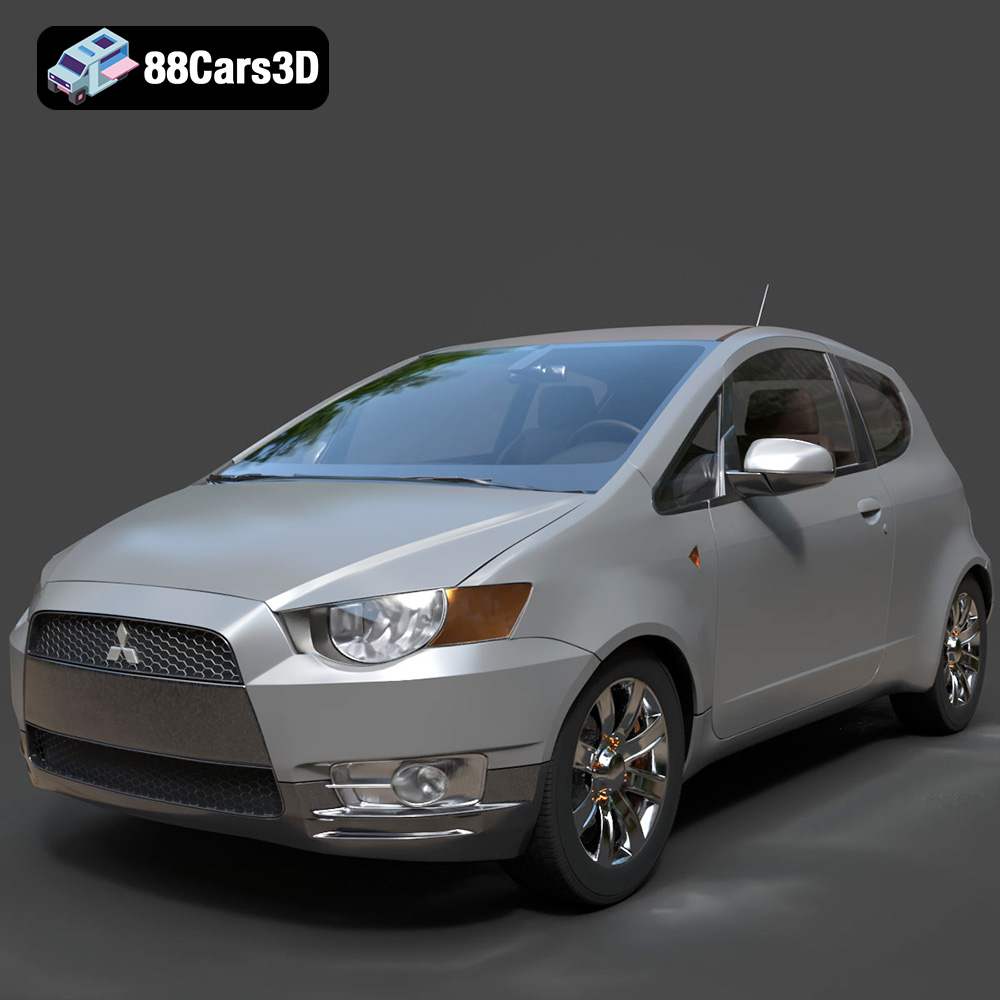
Texture: Yes
Material: Yes
Download the Mitsubishi Colt 3 Door 2008 3D Model featuring clean geometry, realistic detailing, and a fully modeled interior. Includes .blend, .fbx, .obj, .glb, .stl, .ply, .unreal, and .max formats for rendering, simulation, and game development.
Price: $10
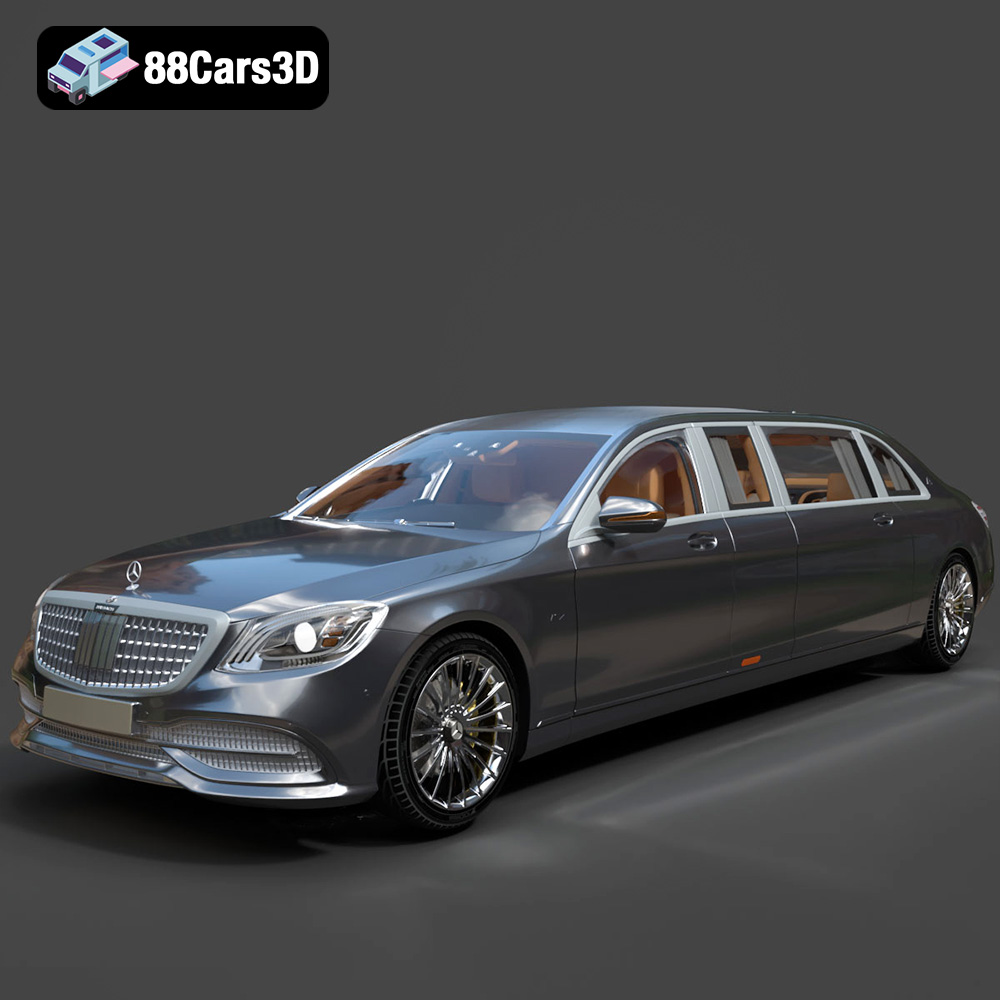
Texture: Yes
Material: Yes
Download the Mercedes-Benz S650 Pullman 3D Model featuring clean geometry, realistic detailing, and a fully modeled interior. Includes .blend, .fbx, .obj, .glb, .stl, .ply, .unreal, and .max formats for rendering, simulation, and game development.
Price: $95.99
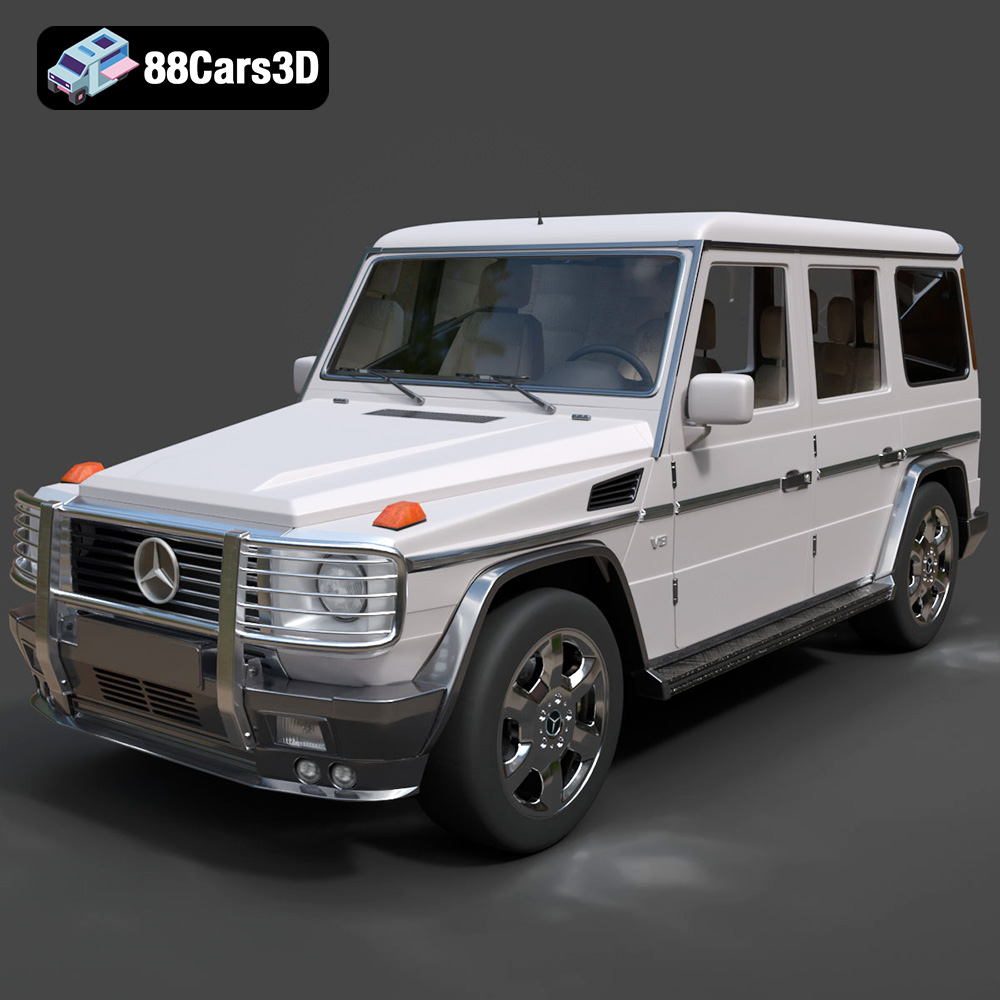
Texture: Yes
Material: Yes
Download the Mercedes G-Class SUV 2024 3D Model featuring clean geometry, realistic detailing, and a fully modeled interior. Includes .blend, .fbx, .obj, .glb, .stl, .ply, .unreal, and .max formats for rendering, simulation, and game development.
Price: $10
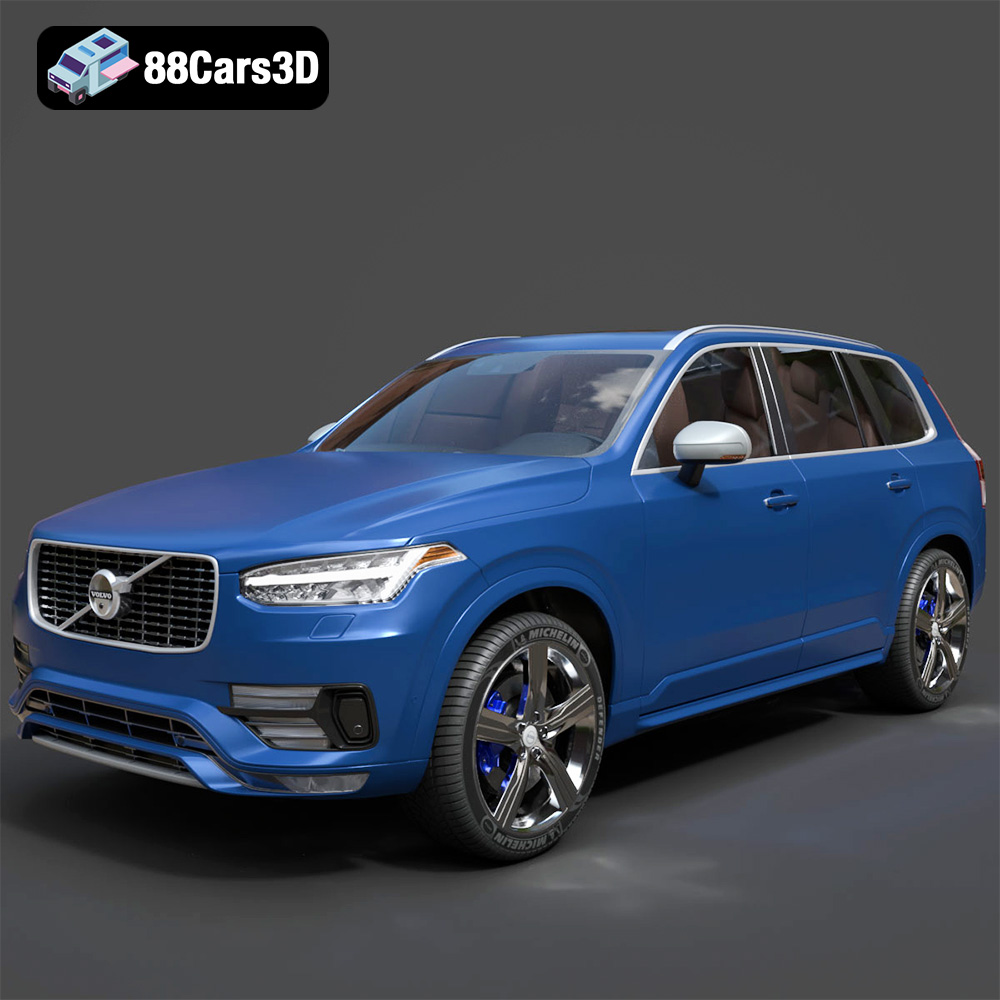
Texture: Yes
Material: Yes
Download the Volvo XC90 R-Design 2015 3D Model featuring clean geometry, realistic detailing, and a fully modeled interior. Includes .blend, .fbx, .obj, .glb, .stl, .ply, .unreal, and .max formats for rendering, simulation, and game development.
Price: $10

**Meta Description:**
Texture: Yes
Material: Yes
Download the Toyota Crown Majesta 2009 3D Model with luxury detailing, clean topology, and a fully modeled interior. Available in .blend, .fbx, .obj, .glb, .stl, .ply, .unreal, and .max formats for rendering, simulation, and game development.
Price: $4.99

**Meta Description:**
Texture: Yes
Material: Yes
Download the Toyota AE86 Levin 1983 1987 3D Model featuring realistic exterior and interior detailing. Includes .blend, .fbx, .obj, .glb, .stl, .ply, .unreal, and .max formats for rendering, simulation, and game development.
Price: $9.99

Texture: Yes
Material: Yes
Download the Toyota Mark 2 2001 3D Model featuring clean geometry, realistic detailing, and a fully modeled interior. Includes .blend, .fbx, .obj, .glb, .stl, .ply, .unreal, and .max formats for rendering, simulation, and game development.
Price: $4.99

Texture: Yes
Material: Yes
Download the Toyota Celica 2000 3D Model featuring clean geometry, realistic detailing, and a fully modeled interior. Includes .blend, .fbx, .obj, .glb, .stl, .ply, .unreal, and .max formats for rendering, simulation, and game development.
Price: $4.99

Download the Toyota Camry US 2012 3D Model featuring clean geometry, realistic detailing, and a fully modeled interior. Includes .blend, .fbx, .obj, .glb, .stl, .ply, .unreal, and .max formats for rendering, simulation, and game development.
Price: $4.99

Texture: Yes
Material: Yes
Download the Toyota GT 86 2013 3D Model featuring clean geometry, realistic detailing, and a fully modeled interior. Includes .blend, .fbx, .obj, .glb, .stl, .ply, .unreal, and .max formats for rendering, simulation, and game development.
Price: $4.99

Texture: Yes
Material: Yes
Download the Toyota Mark X 2010 3D Model featuring clean geometry, realistic detailing, and a fully modeled interior. Includes .blend, .fbx, .obj, .glb, .stl, .ply, .unreal, and .max formats for rendering, simulation, and game development.
Price: $4.99

Texture: Yes
Material: Yes
Download the Toyota Allion 2008 3D Model featuring clean geometry, realistic detailing, and a fully modeled interior. Includes .blend, .fbx, .obj, .glb, .stl, .ply, .unreal, and .max formats for rendering, simulation, and game development.
Price: $4.99

Texture: Yes
Material: Yes
Download the Toyota Avensis 2005 3D Model featuring clean geometry, realistic detailing, and a fully modeled interior. Includes .blend, .fbx, .obj, .glb, .stl, .ply, .unreal, and .max formats for rendering, simulation, and game development.
Price: $4.99

Texture: Yes
Material: Yes
Download the Toyota Camry Solara 2006 3D Model featuring clean geometry, realistic detailing, and a fully modeled interior. Includes .blend, .fbx, .obj, .glb, .stl, .ply, .unreal, and .max formats for rendering, simulation, and game development.
Price: $4.99

Texture: Yes
Material: Yes
Download the Skoda Superb 2009 3D Model featuring clean geometry, realistic detailing, and a fully modeled interior. Includes .blend, .fbx, .obj, .glb, .stl, .ply, .unreal, and .max formats for rendering, simulation, and game development.
Price: $4.99

Texture: Yes
Material: Yes
Download the Skoda Superb 2006 3D Model featuring clean geometry, realistic detailing, and a fully modeled interior. Includes .blend, .fbx, .obj, .glb, .stl, .ply, .unreal, and .max formats for rendering, simulation, and game development.
Price: $4.99

Texture: Yes
Material: Yes
Download the Ford Mustang Shelby Super Snake Concept 2018 3D Model featuring clean geometry, realistic detailing, and a fully modeled interior. Includes .blend, .fbx, .obj, .glb, .stl, .ply, .unreal, and .max formats for rendering, simulation, and game development.
Price: $4.99

Texture: Yes
Material: Yes
Download the Porsche Cayenne Turbo 2018 3D Model featuring clean geometry, realistic detailing, and a fully modeled interior. Includes .blend, .fbx, .obj, .glb, .stl, .ply, .unreal, and .max formats for rendering, simulation, and game development.
Price: $4.99

Texture: Yes
Material: Yes
Download the Chevrolet Lacetti Sedan 2004 3D Model featuring clean geometry, realistic detailing, and a fully modeled interior. Includes .blend, .fbx, .obj, .glb, .stl, .ply, .unreal, and .max formats for rendering, simulation, and game development.
Price: $4.99

Texture: Yes
Material: Yes
Download the Skoda Rapid 2013 3D Model featuring clean geometry, realistic detailing, and a fully modeled interior. Includes .blend, .fbx, .obj, .glb, .stl, .ply, .unreal, and .max formats for rendering, simulation, and game development.
Price: $4.99

Texture: Yes
Material: Yes
Download the Skoda Octavia A5-007 3D Model featuring clean geometry, realistic detailing, and a fully modeled interior. Includes .blend, .fbx, .obj, .glb, .stl, .ply, .unreal, and .max formats for rendering, simulation, and game development.
Price: $4.99

Texture: Yes
Material: Yes
Download the Skoda Fabia 2023 3D Model featuring clean geometry, realistic detailing, and a fully modeled interior. Includes .blend, .fbx, .obj, .glb, .stl, .ply, .unreal, and .max formats for rendering, simulation, and game development.
Price: $4.99

Texture: Yes
Material: Yes
Download the Skoda Fabia 2007 3D Model featuring clean geometry, realistic detailing, and a fully modeled interior. Includes .blend, .fbx, .obj, .glb, .stl, .ply, .unreal, and .max formats for rendering, simulation, and game development.
Price: $4.99

Texture: Yes
Material: Yes
Download the Honda VFR 1200 F 2015 3D Model featuring clean geometry, realistic detailing, and a fully modeled interior. Includes .blend, .fbx, .obj, .glb, .stl, .ply, .unreal, and .max formats for rendering, simulation, and game development.
Price: $4.99

Texture: Yes
Material: Yes
Download the Subaru BRZ 2025 3D Model featuring clean geometry, realistic detailing, and a fully modeled interior. Includes .blend, .fbx, .obj, .glb, .stl, .ply, .unreal, and .max formats for rendering, simulation, and game development.
Price: $4.99

Texture: Yes
Material: Yes
Download the SsangYong Rodius 2007 3D Model featuring clean geometry, realistic detailing, and a fully modeled interior. Includes .blend, .fbx, .obj, .glb, .stl, .ply, .unreal, and .max formats for rendering, simulation, and game development.
Price: $4.99

Texture: Yes
Material: Yes
Download the Subaru Impreza 1992 3D Model featuring clean geometry, realistic detailing, and a fully modeled interior. Includes .blend, .fbx, .obj, .glb, .stl, .ply, .unreal, and .max formats for rendering, simulation, and game development.
Price: $4.99

Texture: Yes
Material: Yes
Download the Subaru Impreza 2005 3D Model featuring clean geometry, realistic detailing, and a fully modeled interior. Includes .blend, .fbx, .obj, .glb, .stl, .ply, .unreal, and .max formats for rendering, simulation, and game development.
Price: $4.99

Texture: Yes
Material: Yes
Download the Spyker C8-007 2004 3D Model featuring clean geometry, realistic detailing, and a fully modeled interior. Includes .blend, .fbx, .obj, .glb, .stl, .ply, .unreal, and .max formats for rendering, simulation, and game development.
Price: $4.99

Texture: Yes
Material: Yes
Download the Smart Roadster 2003 3D Model featuring clean geometry, realistic detailing, and a fully modeled interior. Includes .blend, .fbx, .obj, .glb, .stl, .ply, .unreal, and .max formats for rendering, simulation, and game development.
Price: $4.99

Texture: Yes
Material: Yes
Download the Skoda Roomster 2007 3D Model featuring clean geometry, realistic detailing, and a fully modeled interior. Includes .blend, .fbx, .obj, .glb, .stl, .ply, .unreal, and .max formats for rendering, simulation, and game development.
Price: $4.99

Texture: Yes
Material: Yes
Download the Subaru Impreza Sport Wagon 3D Model featuring clean geometry, realistic detailing, and a fully modeled interior. Includes .blend, .fbx, .obj, .glb, .stl, .ply, .unreal, and .max formats for rendering, simulation, and game development.
Price: $4.99

Texture: Yes
Material: Yes
Download the Skoda Octavia A7 2017 3D Model featuring clean geometry, realistic detailing, and a fully modeled interior. Includes .blend, .fbx, .obj, .glb, .stl, .ply, .unreal, and .max formats for rendering, simulation, and game development.
Price: $4.99

Texture: Yes
Material: Yes
Download the Suzuki SX4-002 3D Model featuring clean geometry, realistic detailing, and a fully modeled interior. Includes .blend, .fbx, .obj, .glb, .stl, .ply, .unreal, and .max formats for rendering, simulation, and game development.
Price: $4.99

Texture: Yes
Material: Yes
Download the Tesla Model S 2024 3D Model featuring clean geometry, realistic detailing, and a fully modeled interior. Includes .blend, .fbx, .obj, .glb, .stl, .ply, .unreal, and .max formats for rendering, simulation, and game development.
Price: $4.99

Texture: Yes
Material: Yes
Download the Subaru Impreza WRX STi-002 3D Model featuring clean geometry, realistic detailing, and a fully modeled interior. Includes .blend, .fbx, .obj, .glb, .stl, .ply, .unreal, and .max formats for rendering, simulation, and game development.
Price: $4.99

Texture: Yes
Material: Yes
Download the Subaru Impreza WRX STi Sedan 3D Model featuring clean geometry, realistic detailing, and a fully modeled interior. Includes .blend, .fbx, .obj, .glb, .stl, .ply, .unreal, and .max formats for rendering, simulation, and game development.
Price: $4.99

Texture: Yes
Material: Yes
Download the Subaru Legacy 2009 3D Model featuring clean geometry, realistic detailing, and a fully modeled interior. Includes .blend, .fbx, .obj, .glb, .stl, .ply, .unreal, and .max formats for rendering, simulation, and game development.
Price: $4.99

Texture: Yes
Material: Yes
Download the Suzuki Swift 2024 3D Model featuring clean geometry, realistic detailing, and a fully modeled interior. Includes .blend, .fbx, .obj, .glb, .stl, .ply, .unreal, and .max formats for rendering, simulation, and game development.
Price: $4.99

Texture: Yes
Material: Yes
Download the Suzuki Liana Sedan 2004 3D Model featuring clean geometry, realistic detailing, and a fully modeled interior. Includes .blend, .fbx, .obj, .glb, .stl, .ply, .unreal, and .max formats for rendering, simulation, and game development.
Price: $4.99

Texture: Yes
Material: Yes
Download the Subaru Outback 2024 3D Model featuring clean geometry, realistic detailing, and a fully modeled interior. Includes .blend, .fbx, .obj, .glb, .stl, .ply, .unreal, and .max formats for rendering, simulation, and game development.
Price: $4.99

Texture: Yes
Material: Yes
Download the Subaru Legacy 2003 3D Model featuring clean geometry, realistic detailing, and a fully modeled interior. Includes .blend, .fbx, .obj, .glb, .stl, .ply, .unreal, and .max formats for rendering, simulation, and game development.
Price: $4.99

Texture: Yes
Material: Yes
Download the Subaru Legacy Touring Wagon 3D Model featuring clean geometry, realistic detailing, and a fully modeled interior. Includes .blend, .fbx, .obj, .glb, .stl, .ply, .unreal, and .max formats for rendering, simulation, and game development.
Price: $4.99

Texture: Yes
Material: Yes
Download the Toyota Mark II (X100) 3D Model featuring clean geometry, realistic detailing, and a fully modeled interior. Includes .blend, .fbx, .obj, .glb, .stl, .ply, .unreal, and .max formats for rendering, simulation, and game development.
Price: $4.99

Texture: Yes
Material: Yes
Download the Toyota Corona 1985 3D Model featuring clean geometry, realistic detailing, and a fully modeled interior. Includes .blend, .fbx, .obj, .glb, .stl, .ply, .unreal, and .max formats for rendering, simulation, and game development.
Price: $4.99

Texture: Yes
Material: Yes
Download the Toyota Mark II X81 1990 3D Model featuring clean geometry, realistic detailing, and a fully modeled interior. Includes .blend, .fbx, .obj, .glb, .stl, .ply, .unreal, and .max formats for rendering, simulation, and game development.
Price: $4.99

Texture: Yes
Material: Yes
Download the Toyota iQ EV 2012 3D Model featuring clean geometry, realistic detailing, and a fully modeled interior. Includes .blend, .fbx, .obj, .glb, .stl, .ply, .unreal, and .max formats for rendering, simulation, and game development.
Price: $4.99

Texture: Yes
Material: Yes
Download the Toyota Aygo 2013 3D Model featuring clean geometry, realistic detailing, and a fully modeled interior. Includes .blend, .fbx, .obj, .glb, .stl, .ply, .unreal, and .max formats for rendering, simulation, and game development.
Price: $4.99

Texture: Yes
Material: Yes
Download the Toyota Crown S180 2005 3D Model featuring clean geometry, realistic detailing, and a fully modeled interior. Includes .blend, .fbx, .obj, .glb, .stl, .ply, .unreal, and .max formats for rendering, simulation, and game development.
Price: $4.99

Texture: Yes
Material: Yes
Download the Toyota Celica 2004 3D Model featuring clean geometry, realistic detailing, and a fully modeled interior. Includes .blend, .fbx, .obj, .glb, .stl, .ply, .unreal, and .max formats for rendering, simulation, and game development.
Price: $4.99

Texture: Yes
Material: Yes
Download the Toyota Corolla AE100 1992 3D Model featuring clean geometry, realistic detailing, and a fully modeled interior. Includes .blend, .fbx, .obj, .glb, .stl, .ply, .unreal, and .max formats for rendering, simulation, and game development.
Price: $4.99

Texture: Yes
Material: Yes
Download the Toyota Mark II X110 2000 3D Model featuring clean geometry, realistic detailing, and a fully modeled interior. Includes .blend, .fbx, .obj, .glb, .stl, .ply, .unreal, and .max formats for rendering, simulation, and game development.
Price: $4.99

Texture: Yes
Material: Yes
Download the Toyota Corolla 2020 3D Model featuring clean geometry, realistic detailing, and a fully modeled interior. Includes .blend, .fbx, .obj, .glb, .stl, .ply, .unreal, and .max formats for rendering, simulation, and game development.
Price: $4.99

Texture: Yes
Material: Yes
Download the Toyota Yaris 2020 3D Model featuring clean geometry, realistic detailing, and a fully modeled interior. Includes .blend, .fbx, .obj, .glb, .stl, .ply, .unreal, and .max formats for rendering, simulation, and game development.
Price: $4.99

Texture: Yes
Material: Yes
Download the Volkswagen Beetle 2012 3D Model featuring clean geometry, realistic detailing, and a fully modeled interior. Includes .blend, .fbx, .obj, .glb, .stl, .ply, .unreal, and .max formats for rendering, simulation, and game development.
Price: $4.99

Texture: Yes
Material: Yes
Download the Toyota Matrix 2005 3D Model featuring clean geometry, realistic detailing, and a fully modeled interior. Includes .blend, .fbx, .obj, .glb, .stl, .ply, .unreal, and .max formats for rendering, simulation, and game development.
Price: $4.99

Texture: Yes
Material: Yes
Download the Toyota Yaris Sedan 3D Model featuring clean geometry, realistic detailing, and a fully modeled interior. Includes .blend, .fbx, .obj, .glb, .stl, .ply, .unreal, and .max formats for rendering, simulation, and game development.
Price: $4.99

Texture: Yes
Material: Yes
Download the Volkswagen Golf R-004 2024 3D Model featuring clean geometry, realistic detailing, and a fully modeled interior. Includes .blend, .fbx, .obj, .glb, .stl, .ply, .unreal, and .max formats for rendering, simulation, and game development.
Price: $4.99

Texture: Yes
Material: Yes
Download the Volkswagen Golf 5 Door 2010 3D Model featuring clean geometry, realistic detailing, and a fully modeled interior. Includes .blend, .fbx, .obj, .glb, .stl, .ply, .unreal, and .max formats for rendering, simulation, and game development.
Price: $4.99

Texture: Yes
Material: Yes
Download the Toyota Premio 2010 3D Model featuring clean geometry, realistic detailing, and a fully modeled interior. Includes .blend, .fbx, .obj, .glb, .stl, .ply, .unreal, and .max formats for rendering, simulation, and game development.
Price: $4.99

Texture: Yes
Material: Yes
Download the Toyota Opa 2000 3D Model featuring clean geometry, realistic detailing, and a fully modeled interior. Includes .blend, .fbx, .obj, .glb, .stl, .ply, .unreal, and .max formats for rendering, simulation, and game development.
Price: $4.99

Texture: Yes
Material: Yes
Download the Volkswagen Polo 5 Door 2010 3D Model featuring clean geometry, realistic detailing, and a fully modeled interior. Includes .blend, .fbx, .obj, .glb, .stl, .ply, .unreal, and .max formats for rendering, simulation, and game development.
Price: $4.99

Texture: Yes
Material: Yes
Download the Toyota Prius 2024 3D Model featuring clean geometry, realistic detailing, and a fully modeled interior. Includes .blend, .fbx, .obj, .glb, .stl, .ply, .unreal, and .max formats for rendering, simulation, and game development.
Price: $4.99

Texture: Yes
Material: Yes
Download the Toyota Yaris 1999 3D Model featuring clean geometry, realistic detailing, and a fully modeled interior. Includes .blend, .fbx, .obj, .glb, .stl, .ply, .unreal, and .max formats for rendering, simulation, and game development.
Price: $4.99

Texture: Yes
Material: Yes
Download the Toyota Supra 2020 3D Model featuring clean geometry, realistic detailing, and a fully modeled interior. Includes .blend, .fbx, .obj, .glb, .stl, .ply, .unreal, and .max formats for rendering, simulation, and game development.
Price: $4.99

Texture: Yes
Material: Yes
Download the Volkswagen New Beetle 2000 3D Model featuring clean geometry, realistic detailing, and a fully modeled interior. Includes .blend, .fbx, .obj, .glb, .stl, .ply, .unreal, and .max formats for rendering, simulation, and game development.
Price: $14.99

Texture: Yes
Material: Yes
Download the Volkswagen Jetta 2005 3D Model featuring clean geometry, realistic detailing, and a fully modeled interior. Includes .blend, .fbx, .obj, .glb, .stl, .ply, .unreal, and .max formats for rendering, simulation, and game development.
Price: $4.99

Texture: Yes
Material: Yes
Download the Volkswagen Golf 3-Door 3D Model featuring clean geometry, realistic detailing, and a fully modeled interior. Includes .blend, .fbx, .obj, .glb, .stl, .ply, .unreal, and .max formats for rendering, simulation, and game development.
Price: $14.99

Texture: Yes
Material: Yes
Download the Volvo V70 2005 3D Model featuring clean geometry, realistic detailing, and a fully modeled interior. Includes .blend, .fbx, .obj, .glb, .stl, .ply, .unreal, and .max formats for rendering, simulation, and game development.
Price: $14.99

Texture: Yes
Material: Yes
Download the Volkswagen Bora 2004 3D Model featuring clean geometry, realistic detailing, and a fully modeled interior. Includes .blend, .fbx, .obj, .glb, .stl, .ply, .unreal, and .max formats for rendering, simulation, and game development.
Price: $14.99

Texture: Yes
Material: Yes
Download the Volkswagen Lupo 3D Model featuring clean geometry, realistic detailing, and a fully modeled interior. Includes .blend, .fbx, .obj, .glb, .stl, .ply, .unreal, and .max formats for rendering, simulation, and game development.
Price: $5.99

Texture: Yes
Material: Yes
Download the Volkswagen Passat B5 2000 3D Model featuring clean geometry, realistic detailing, and a fully modeled interior. Includes .blend, .fbx, .obj, .glb, .stl, .ply, .unreal, and .max formats for rendering, simulation, and game development.
Price: $5.99

Texture: Yes
Material: Yes
Download the Volkswagen Passat CC 3D Model featuring clean geometry, realistic detailing, and a fully modeled interior. Includes .blend, .fbx, .obj, .glb, .stl, .ply, .unreal, and .max formats for rendering, simulation, and game development.
Price: $5.99

Texture: Yes
Material: Yes
Download the Volkswagen Golf V 2006 3D Model featuring clean geometry, realistic detailing, and a fully modeled interior. Includes .blend, .fbx, .obj, .glb, .stl, .ply, .unreal, and .max formats for rendering, simulation, and game development.
Price: $5.99

Texture: Yes
Material: Yes
Download the Volvo S60 R-Design 3D Model featuring clean geometry, realistic detailing, and a fully modeled interior. Includes .blend, .fbx, .obj, .glb, .stl, .ply, .unreal, and .max formats for rendering, simulation, and game development.
Price: $5.99

Texture: Yes
Material: Yes
Download the Volkswagen Passat 2025 3D Model featuring clean geometry, realistic detailing, and a fully modeled interior. Includes .blend, .fbx, .obj, .glb, .stl, .ply, .unreal, and .max formats for rendering, simulation, and game development.
Price: $5.99

Texture: Yes
Material: Yes
Download the Volkswagen Passat Variant B6 2005 3D Model featuring clean geometry, realistic detailing, and a fully modeled interior. Includes .blend, .fbx, .obj, .glb, .stl, .ply, .unreal, and .max formats for rendering, simulation, and game development.
Price: $5.99

Texture: Yes
Material: Yes
Download the Volkswagen Phaeton W12 2004 3D Model featuring clean geometry, realistic detailing, and a fully modeled interior. Includes .blend, .fbx, .obj, .glb, .stl, .ply, .unreal, and .max formats for rendering, simulation, and game development.
Price: $5.99

Texture: Yes
Material: Yes
Download the Volkswagen Scirocco 2015 3D Model featuring clean geometry, realistic detailing, and a fully modeled interior. Includes .blend, .fbx, .obj, .glb, .stl, .ply, .unreal, and .max formats for rendering, simulation, and game development.
Price: $5.99

Texture: Yes
Material: Yes
Download the Volvo S60 2024 3D Model featuring clean geometry, realistic detailing, and a fully modeled interior. Includes .blend, .fbx, .obj, .glb, .stl, .ply, .unreal, and .max formats for rendering, simulation, and game development.
Price: $5.99

Texture: Yes
Material: Yes
Download the Volkswagen Polo 3D Model featuring clean geometry, realistic detailing, and a fully modeled interior. Includes .blend, .fbx, .obj, .glb, .stl, .ply, .unreal, and .max formats for rendering, simulation, and game development.
Price: $5.99

Texture: Yes
Material: Yes
Download the Volkswagen Golf 5-Doors 3D Model featuring clean geometry, realistic detailing, and a fully modeled interior. Includes .blend, .fbx, .obj, .glb, .stl, .ply, .unreal, and .max formats for rendering, simulation, and game development.
Price: $5.99

Texture: Yes
Material: Yes
Download the Volvo C70 T5 2000 3D Model featuring clean geometry, realistic detailing, and a fully modeled interior. Includes .blend, .fbx, .obj, .glb, .stl, .ply, .unreal, and .max formats for rendering, simulation, and game development.
Price: $5.99

Texture: Yes
Material: Yes
Download the Volvo S40 Sedan 2004 3D Model featuring clean geometry, realistic detailing, and a fully modeled interior. Includes .blend, .fbx, .obj, .glb, .stl, .ply, .unreal, and .max formats for rendering, simulation, and game development.
Price: $5.99

Texture: Yes
Material: Yes
Download the Volvo C30 BEV 2012 3D Model featuring clean geometry, realistic detailing, and a fully modeled interior. Includes .blend, .fbx, .obj, .glb, .stl, .ply, .unreal, and .max formats for rendering, simulation, and game development.
Price: $5.99

Texture: Yes
Material: Yes
Download the Volvo C70 1998 3D Model featuring clean geometry, realistic detailing, and a fully modeled interior. Includes .blend, .fbx, .obj, .glb, .stl, .ply, .unreal, and .max formats for rendering, simulation, and game development.
Price: $5.99

Texture: Yes
Material: Yes
Download the Mazda B-Series 3D Model featuring clean geometry, realistic detailing, and a fully modeled interior. Includes .blend, .fbx, .obj, .glb, .stl, .ply, .unreal, and .max formats for rendering, simulation, and game development.
Price: $5.99

Texture: Yes
Material: Yes
Download the Mercsedes Benz Z3-006 3D Model featuring clean geometry, realistic detailing, and a fully modeled interior. Includes .blend, .fbx, .obj, .glb, .stl, .ply, .unreal, and .max formats for rendering, simulation, and game development.
Price: $5.99

Texture: Yes
Material: Yes
Download the Mazda RX-7 3D Model featuring clean geometry, realistic detailing, and a fully modeled interior. Includes .blend, .fbx, .obj, .glb, .stl, .ply, .unreal, and .max formats for rendering, simulation, and game development.
Price: $5.99

Texture: Yes
Material: Yes
Download the Volvo VCC-003 3D Model featuring clean geometry, realistic detailing, and a fully modeled interior. Includes .blend, .fbx, .obj, .glb, .stl, .ply, .unreal, and .max formats for rendering, simulation, and game development.
Price: $5.99

Texture: Yes
Material: Yes
Download the Mercedes-Benz SLR McLaren 2005 3D Model featuring clean geometry, realistic detailing, and a fully modeled interior. Includes .blend, .fbx, .obj, .glb, .stl, .ply, .unreal, and .max formats for rendering, simulation, and game development.
Price: $5.99

Texture: Yes
Material: Yes
Download the GAZ 3110 Pickup 3D Model featuring clean geometry, realistic detailing, and a fully modeled interior. Includes .blend, .fbx, .obj, .glb, .stl, .ply, .unreal, and .max formats for rendering, simulation, and game development.
Price: $5.99

Texture: Yes
Material: Yes
Download the Mazda 626 GF 1997 3D Model featuring clean geometry, realistic detailing, and a fully modeled interior. Includes .blend, .fbx, .obj, .glb, .stl, .ply, .unreal, and .max formats for rendering, simulation, and game development.
Price: $5.99

Texture: Yes
Material: Yes
Download the Volvo S80 2011 3D Model featuring clean geometry, realistic detailing, and a fully modeled interior. Includes .blend, .fbx, .obj, .glb, .stl, .ply, .unreal, and .max formats for rendering, simulation, and game development.
Price: $5.99

