⚡ FLASH SALE: Get 60% OFF All Premium 3D & STL Models! ⚡

The journey of automotive design and visualization has been revolutionized by advancements in 3D modeling. What once began as rudimentary, angular representations crafted from a handful of polygons has transformed into breathtakingly realistic digital twins, indistinguishable from their physical counterparts. This evolution isn’t merely a testament to hardware progress; it reflects a sophisticated interplay of artistic technique, mathematical precision, and innovative software development.
From the pixelated race tracks of early video games to the stunning photorealism of modern cinematic renders and virtual reality experiences, automotive 3D modeling has continuously pushed boundaries. This comprehensive guide will trace this incredible evolution, exploring the technical milestones, the artistic challenges overcome, and the diverse applications that have emerged along the way. Whether you’re a budding 3D artist, a game developer, or an automotive enthusiast, understanding this progression is key to appreciating the current state and future potential of digital vehicle creation.
In the nascent stages of 3D graphics, computational resources were scarce. Every polygon counted, and artists operated under severe constraints to render anything resembling a vehicle in real-time. This era gave birth to the “low poly” aesthetic, driven by necessity rather than artistic choice.
The primary hurdle for early 3D automotive models was hardware limitations. Graphics cards, if present, possessed minimal processing power and memory. Game consoles and PCs of the late 1980s and early 1990s could only push a limited number of polygons per frame, often in the hundreds or low thousands for an entire scene. This necessitated extreme optimization, leading to models with simplified geometry where curves were represented by sharp angles and details were implied rather than explicitly modeled.
Artists of this era relied on fundamental polygon modeling techniques. Vertices, edges, and faces were manually manipulated to sculpt basic shapes. Textures were typically low-resolution, often “baked” onto the model as simple color maps, and frequently tiled to save memory. Lighting was basic, usually per-vertex shading, offering little in the way of sophisticated reflections or shadows.
Practical Example: Early racing games like Sega’s Virtua Racing (1992) or Sony’s original Gran Turismo (1997) perfectly exemplify this low-poly approach. Vehicles were recognizable but lacked smooth curves and intricate details. A car might consist of only a few hundred polygons, with headlights and grilles often painted directly onto the texture rather than being modeled geometrically. These models laid the groundwork for all future advancements, proving that even with minimal resources, the essence of an automotive design could be captured.
As technology progressed, so did the ambition of 3D artists and developers. The PlayStation 2, Xbox, and early PC graphics cards ushered in an era where more complex geometry and enhanced visual fidelity became achievable, leading to the “mid-poly” phase.
Improved hardware meant artists could increase polygon counts significantly, allowing for smoother contours and the inclusion of more geometric details. Texture memory also expanded, enabling higher-resolution image maps and the introduction of advanced techniques to fake detail without overwhelming the polygon budget.
Two critical technologies emerged to address the need for smoother, more organic shapes:
This period also saw the widespread adoption of techniques that allowed artists to “fake” high-resolution detail on mid-poly models:
Practical Example: Games like Gran Turismo 3/4, Forza Motorsport (original Xbox), and Need for Speed: Underground showcased a significant leap. Car models now featured discernible body lines, smoother curves, and convincing material properties thanks to sophisticated texture sets. While not photorealistic, they were immensely more immersive and visually rich than their predecessors.
The advent of powerful GPUs, particularly during the Xbox 360/PlayStation 3 era and beyond, along with significant advancements in rendering technology, paved the way for truly high-fidelity automotive 3D models and their photorealistic visualization.
With processing power no longer the bottleneck it once was, artists began to incorporate actual geometric detail where previously normal maps would have sufficed. Door gaps, separate badges, intricate headlight components, and even interior stitching could now be modeled with dedicated geometry. Polygon counts for a single vehicle skyrocketed into the hundreds of thousands, and even millions, for non-real-time applications.
PBR became the gold standard for achieving consistent, predictable, and realistic material appearances across different lighting conditions. PBR shaders use physically accurate properties to describe how light interacts with a surface, relying on maps such as:
This scientific approach ensured that a car’s paint, tires, glass, and chrome would react realistically to light, regardless of the environment.
Beyond material fidelity, sophisticated lighting models became crucial. Techniques like Global Illumination (GI), which simulates how light bounces off surfaces, provided soft, naturalistic lighting. Modern renderers incorporate advanced algorithms such as:
Developing highly specialized shaders became paramount for specific automotive materials. Car paint, for instance, is a complex material featuring multiple layers (base coat, metallic flakes, clear coat) that interact with light in unique ways. Dedicated shaders were developed to accurately simulate these phenomena, alongside shaders for realistic glass, tire rubber with micro-detail, and various metals.
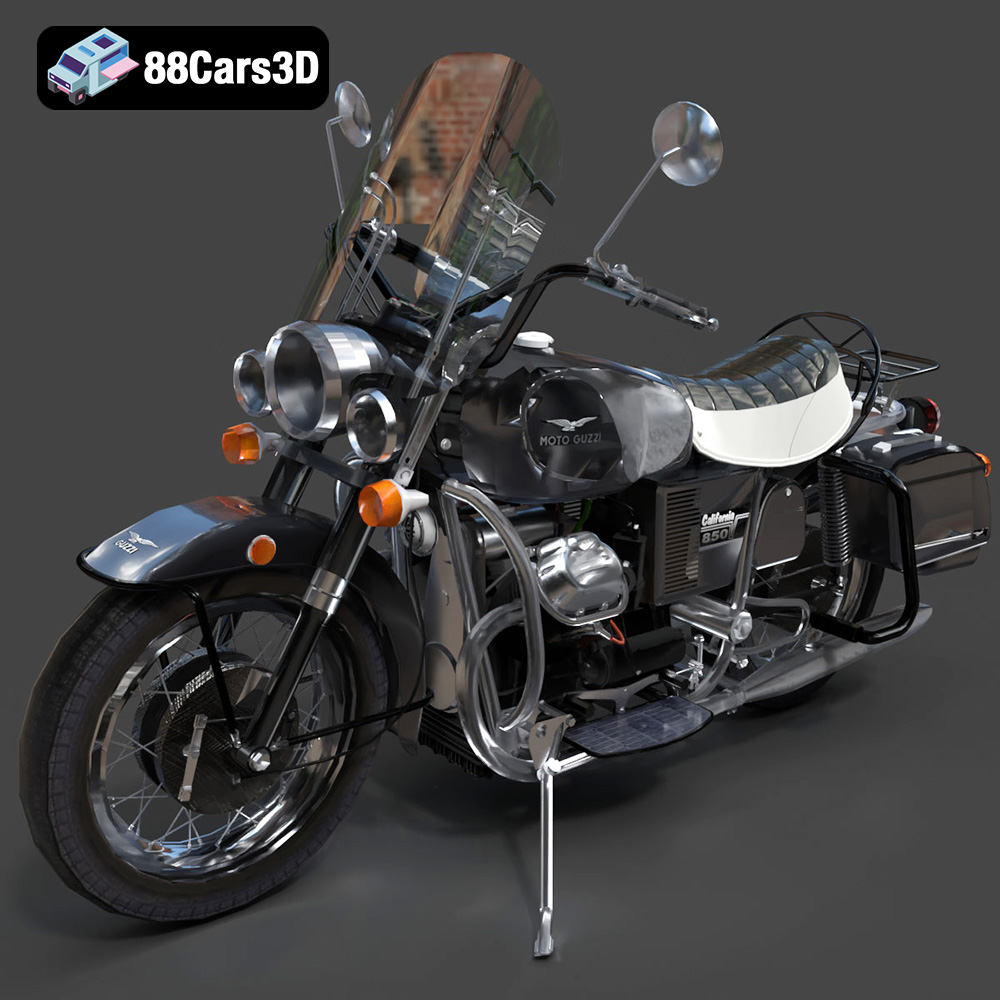
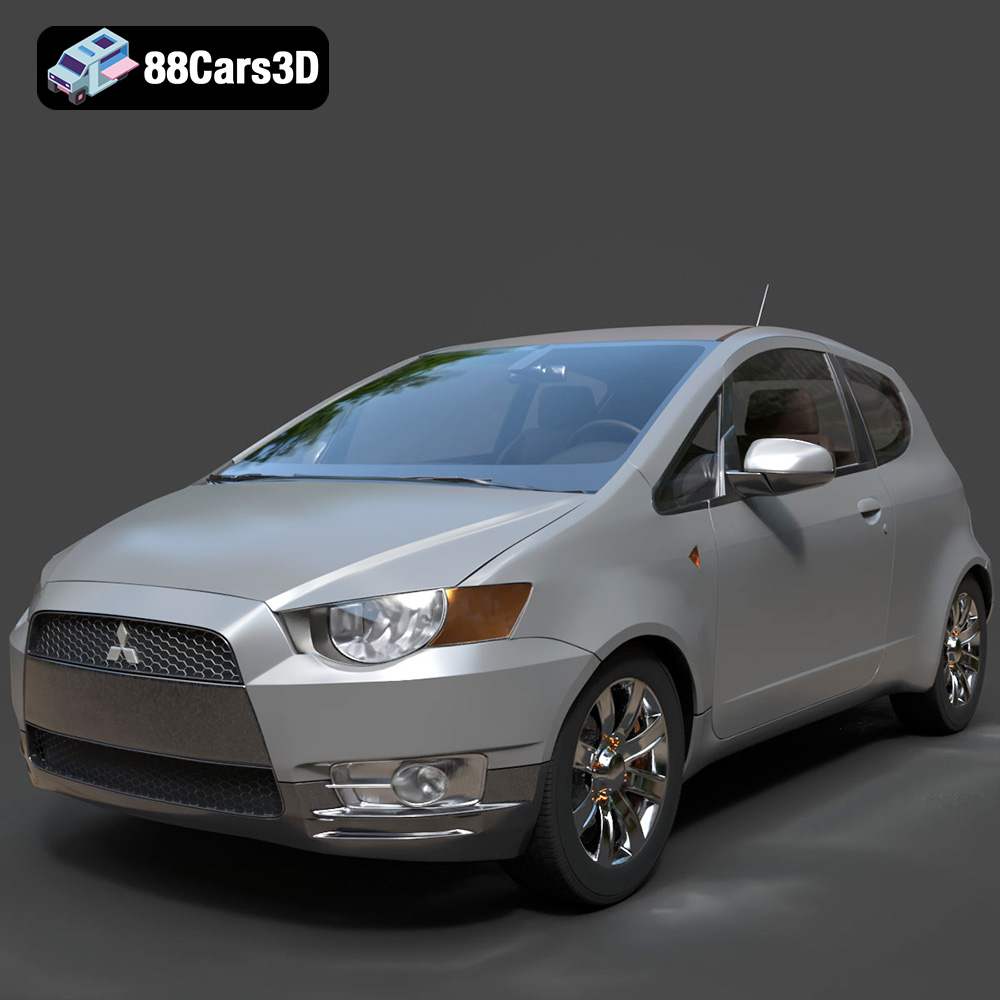
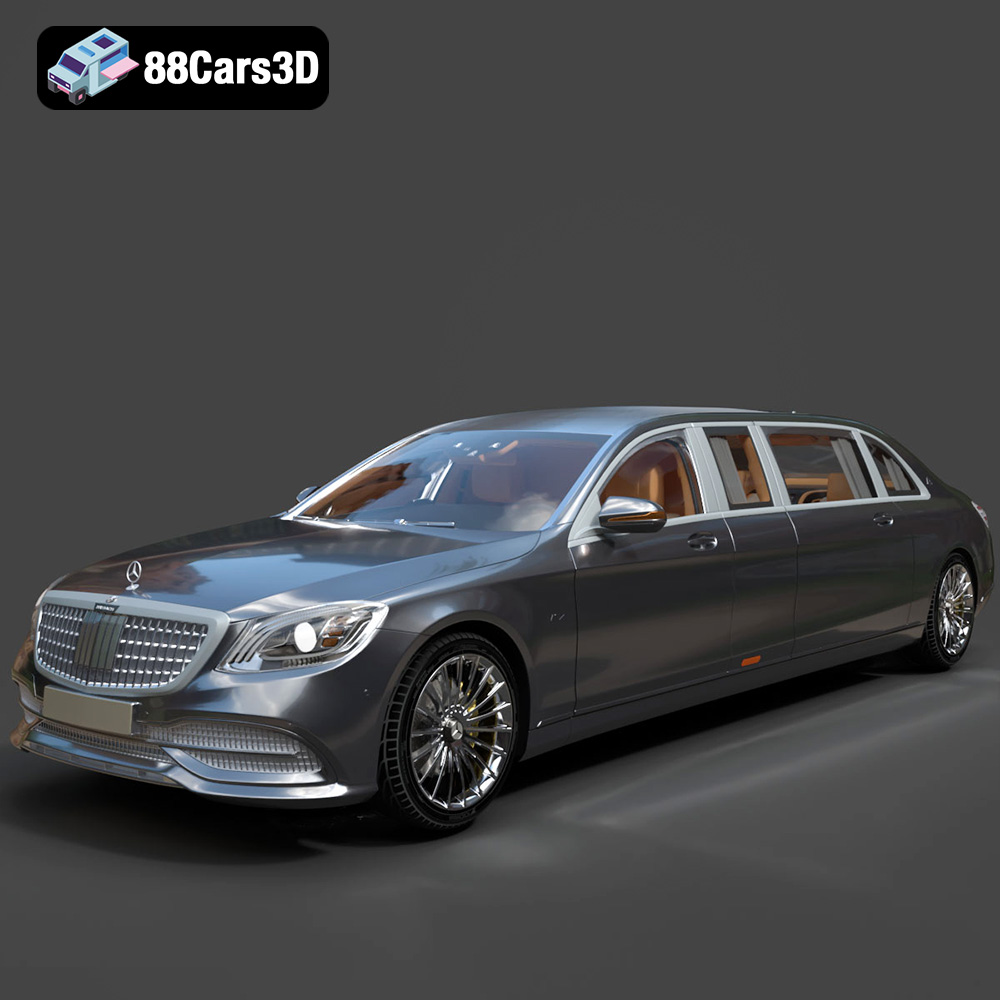
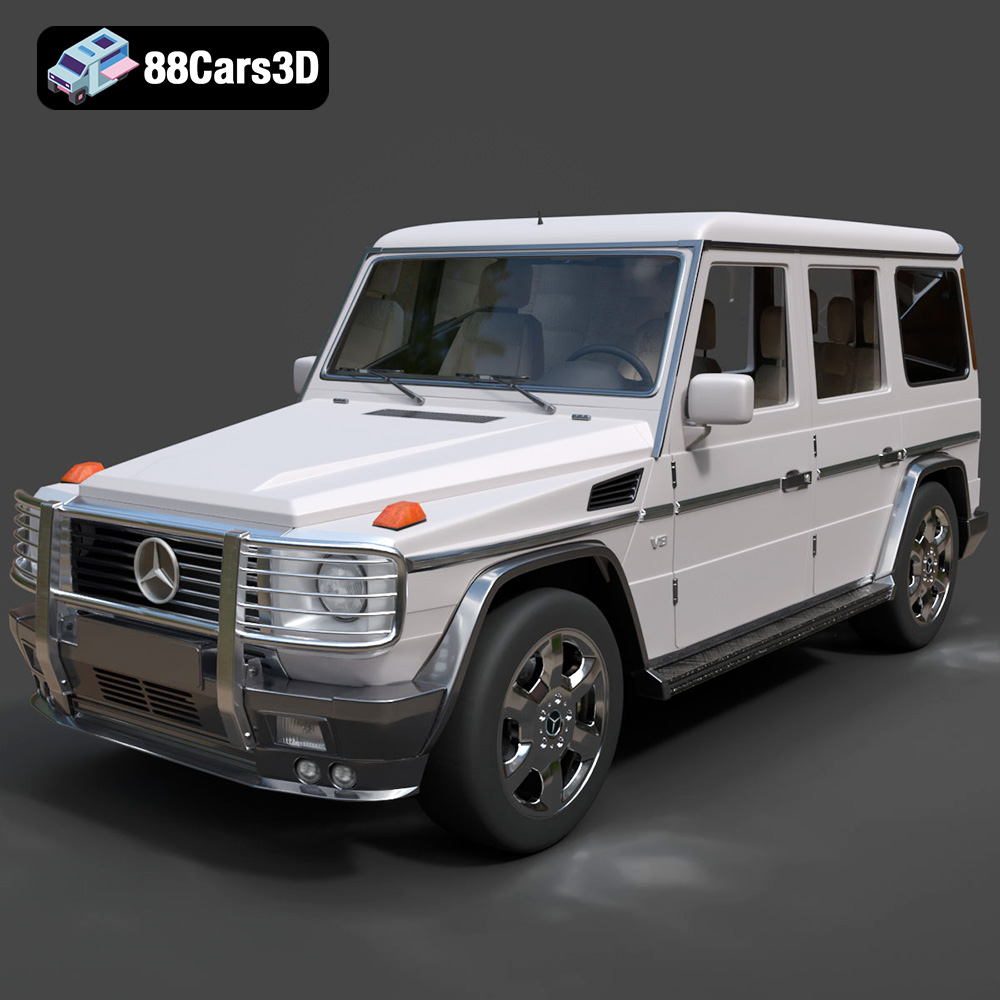
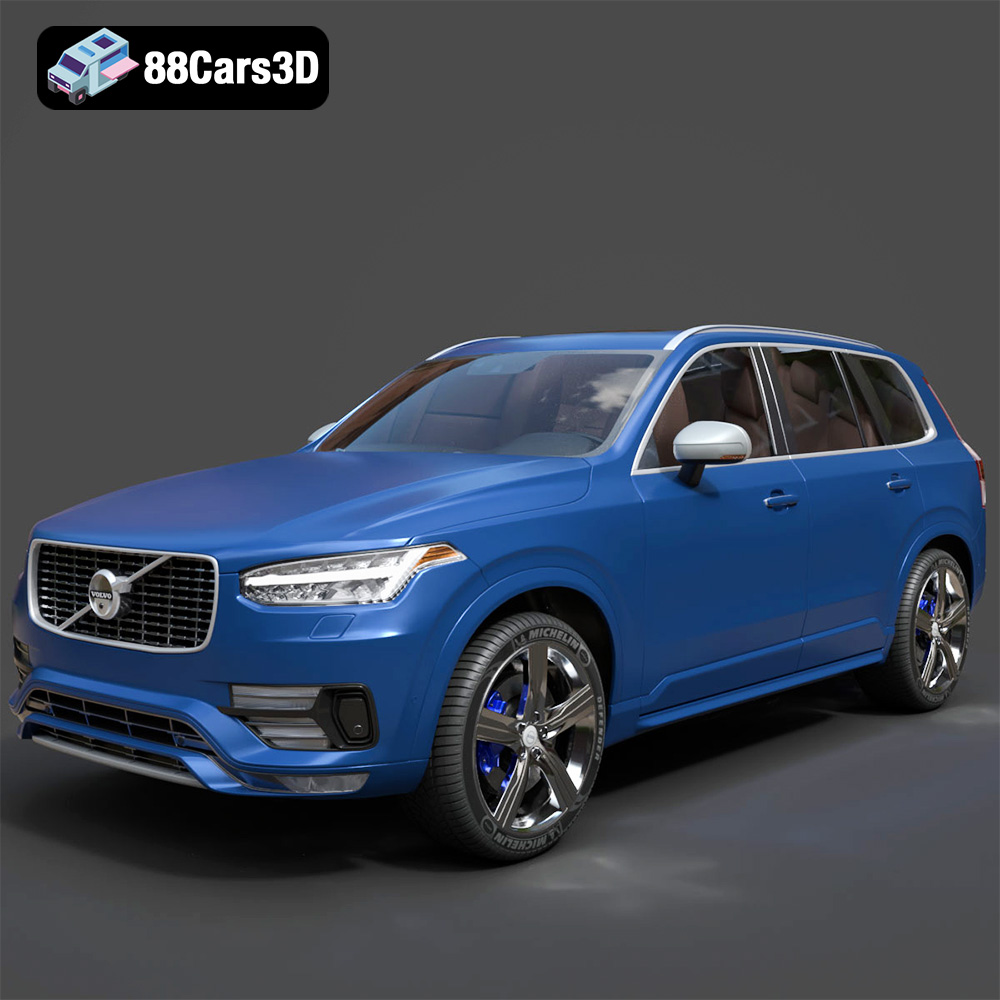
Practical Examples: Modern AAA racing titles like Forza Horizon 5, Assetto Corsa Competizione, and Cyberpunk 2077 showcase astonishingly realistic vehicles in real-time. For offline rendering, automotive configurators used by manufacturers, high-end CGI advertisements, and visual effects in films consistently leverage high-poly models and PBR for stunning results. These models are often used for product visualization and marketing materials.
The pursuit of realism continues unabated, leading to techniques that merge real-world data with digital artistry, pushing automotive 3D modeling into an era of unprecedented authenticity.
To achieve ultimate authenticity, artists are increasingly turning to real-world data capture.
These techniques are crucial for creating digital twins of existing vehicles for virtual production or archival purposes.
While manual modeling remains essential, procedural techniques are being leveraged to add layers of intricate detail efficiently. Software like Substance Designer allows artists to create complex, tileable materials (e.g., tire tread patterns, carbon fiber weaves, intricate stitching) parametrically. This not only speeds up workflow but also ensures consistency and easy iteration.
The ability to render ultra-realistic automotive assets in real-time has profound implications beyond traditional gaming. Virtual production studios use these models in LED volume stages, allowing filmmakers to interact with digital cars on set. AR/VR applications provide immersive experiences for car configurators, training simulations, and virtual showrooms, blurring the lines between the digital and physical.
The horizon of automotive 3D modeling includes AI-assisted tools that can generate or optimize models, textures, and even animations. The concept of “digital twins”—highly accurate, real-time virtual replicas of physical vehicles—is gaining traction, not just for visualization but for simulation, testing, and continuous design iteration throughout a car’s lifecycle.
Practical Examples: High-end virtual reality automotive experiences, CGI for feature films (where digital cars are indistinguishable from real ones), and advanced autonomous vehicle simulation platforms leverage these cutting-edge techniques to create truly immersive and functional digital vehicles.
Choosing the right approach for your automotive 3D modeling project depends heavily on your specific needs, resources, and target platform. Here’s a comparison to help guide your decision:
| Characteristic | Low Poly | Mid Poly | High Poly | Ultra-Realistic (Scanned/Procedural) |
|---|---|---|---|---|
| Target Use Cases | Mobile games, early web apps, stylistic projects, background assets | Console/PC games (older gen), product pre-viz, real-time configurators | Modern AAA games, automotive marketing renders, VFX, high-fidelity configurators | Cinematic VFX, digital twins, high-end AR/VR, virtual production, archival |
| Approx. Poly Count (per car) | < 5,000 | 5,000 – 50,000 | 50,000 – 500,000+ | 1,000,000+ (often millions) |
| Detail Level | Basic shape, implied details via texture | Smoother forms, normal map details, separate components (wheels) | Geometric details (headlights, grilles, gaps), PBR materials, advanced shaders | Hyper-accurate geometry, micro-surface details, physically accurate materials, environmental interaction |
| Resources Needed (Time/Cost) | Low | Medium | High | Very High |
| Typical Software/Techniques | Blender, Maya, 3ds Max (manual modeling) | Blender, Maya, 3ds Max (SubD modeling), Substance Painter (PBR) | Maya, 3ds Max, Blender, ZBrush (detail sculpting), Substance Painter/Designer, CAD software (NURBS) | Photogrammetry software, Laser scanners, Maya, 3ds Max, Houdini (procedural), V-Ray/Octane/Unreal Engine (advanced rendering) |
| Rendering Demands | Very low (can run on basic hardware) | Moderate (requires dedicated GPU) | High (demands powerful GPU, CPU for ray tracing) | Extreme (requires top-tier hardware, often render farms) |
Factors to Consider:
The evolution of automotive 3D modeling is a compelling narrative of innovation, driven by an unyielding desire for greater realism and immersion. From the blocky, polygon-sparse cars of early games to the intricate, physically accurate digital vehicles of today, each step forward has unlocked new possibilities for design, visualization, and interactive experiences. This journey highlights the continuous interplay between technological advancements and the creative ingenuity of 3D artists.
Understanding this rich history is not just about appreciating past achievements; it’s about equipping yourself with the knowledge to navigate the present and shape the future of digital automotive creation. Whether you are aiming for a stylized low-poly aesthetic or pushing the boundaries of photorealism, the diverse techniques and tools available today empower creators like never before.
Ready to dive into the exciting world of automotive 3D modeling? Explore advanced techniques, master industry-standard software like Blender, Maya, or 3ds Max, and learn how to create stunning car assets for games, visualizations, or virtual production. Discover our curated courses and resources to build your portfolio and bring your dream vehicles to life!