⚡ FLASH SALE: Get 60% OFF All Premium 3D & STL Models! ⚡

The allure of photorealism in real-time experiences is stronger than ever. From cutting-edge automotive configurators and immersive driving simulators to interactive showcases, the demand for visually stunning cars rendered in engines like Unreal Engine 5 continues to rise. However, achieving this level of fidelity with high-poly automotive models in a real-time environment presents a significant technical challenge. It’s a delicate balancing act: how do you preserve every exquisite detail of a high-fidelity car model while maintaining the smooth, interactive performance users expect?
This challenge is particularly acute with automotive assets. Cars feature sleek, reflective surfaces, intricate interior components, and often need to be interactive, requiring precise modeling and material work. Merely dropping a raw CAD model or a cinematic-grade asset into a game engine can bring performance to a crawl. This comprehensive guide will equip you with the advanced strategies and workflows necessary for mastering real-time photorealism, focusing on optimizing high-fidelity automotive models for peak performance within Unreal Engine 5. We’ll delve into the nuances of polygon reduction, intelligent LOD systems, material optimization, and effective CAD conversion to ensure your vehicles shine without sacrificing framerate.
Automotive design thrives on precision and visual appeal. Engineers and designers often work with incredibly dense CAD data or create cinematic-quality models with millions of polygons, designed for pre-rendered animations or still images where render time isn’t a real-time constraint. These models capture every curve, rivet, and intricate panel gap, resulting in breathtaking fidelity.
However, the transition to a real-time engine like Unreal Engine 5 introduces a fundamental conflict. Every polygon, every texture, and every instruction in a material shader contributes to the computational load on the GPU and CPU. A raw, unoptimized automotive model can easily exceed the capabilities of even high-end hardware, leading to low frame rates, stuttering, and a poor user experience. The dilemma lies in intelligently reducing this complexity without visually compromising the model’s essence. This requires a strategic approach to game asset optimization that touches every stage of the development pipeline.
The core challenge is not just about making the model “lighter,” but making it “smarter.” This means employing techniques that dynamically adapt the model’s complexity based on its relevance to the viewer, optimizing its materials for efficient rendering, and ensuring that the initial data conversion is as clean and performant as possible. For those looking for a head start with already optimized, high-fidelity models, resources like 88cars3d.com offer a range of production-ready assets designed with these considerations in mind.
The cornerstone of real-time optimization for complex automotive models lies in managing their geometric complexity. This involves a multi-pronged approach combining direct polygon reduction, dynamic geometry streaming, and intelligent level-of-detail systems. These techniques work in concert to ensure that your vehicle models remain visually stunning while delivering smooth performance.
Direct polygon reduction is often the first step when converting a high-fidelity source model into a real-time asset. This process involves reducing the number of vertices and faces that make up the 3D model, thereby lessening the load on the rendering engine. The key is to achieve significant reduction without noticeably degrading the visual quality, especially the silhouette and critical details of the car.
Manual retopology offers the highest control, allowing artists to meticulously reconstruct the mesh with an optimized polygon count and clean edge flow. This is ideal for crucial parts or for creating a base mesh. Automated decimation tools, found in software like Blender, Maya, or ZBrush, can quickly reduce polygon counts, but they require careful parameter tuning to avoid destroying sharp edges or smooth curves crucial to automotive aesthetics. Always prioritize preserving the car’s distinctive shape, reflections, and any areas that will be closely scrutinized.
Even with careful polygon reduction, a single model might still be too complex for a distant view or too simple for a close-up. This is where Level of Detail (LOD) systems become indispensable for effective game asset optimization. An LOD system swaps out a high-detail mesh for a progressively simpler one as the camera moves further away from the object. Unreal Engine 5 has robust built-in LOD functionality that makes this process manageable.
Typically, you’d create 3-5 LODs for a complex automotive model:
Creating LODs can be done through manual modeling, automated decimation, or using tools within UE5’s Static Mesh Editor. Careful threshold settings determine when each LOD switches, ensuring a seamless visual transition. Properly implemented LODs are critical for maintaining high frame rates in scenes with multiple vehicles or large open worlds.
Nanite Unreal Engine 5 is a game-changer for handling incredibly dense geometry, effectively redefining how we approach polygon counts. Nanite is UE5’s virtualized geometry system that intelligently streams and processes only the necessary detail of a mesh. This allows artists to import cinematic-quality assets with millions of polygons directly into the engine, and Nanite will render them efficiently in real time.
For automotive models, Nanite offers incredible advantages. It allows artists to maintain extreme levels of detail, especially for the primary car body and large components, without explicit polygon reduction on the primary mesh. Nanite handles the LOD generation internally and on-the-fly, rendering only the pixels needed. This vastly simplifies the initial asset pipeline by removing much of the manual work involved in creating multiple LODs for static mesh components.
However, it’s important to understand Nanite’s current limitations. It works best with opaque, static meshes. Translucent materials (like glass), masked materials, animated skeletal meshes (like opening doors that are part of a skeleton), and complex physics simulations often require traditional mesh processing. For such components, artists will still need to apply manual polygon reduction and traditional LODs. Therefore, a hybrid approach is often best: use Nanite for the main body and major static parts, and traditional optimized meshes for animated elements, glass, and highly interactive components.
Beyond geometry, the realism of an automotive model heavily relies on its materials and textures. Achieving photorealistic surfaces like car paint, glass, and chrome in real-time requires not just artistic skill but also meticulous optimization of the material and texture workflow. Efficient UVs, smart texture baking, and streamlined material graphs are paramount for Material optimization UE5.
Automotive paint is notoriously complex, often featuring multiple layers of clear coat, metallic flakes, and subtle iridescent shifts. Replicating this in Unreal Engine 5 demands a sophisticated yet optimized material setup. PBR (Physically Based Rendering) principles are your foundation. Focus on creating materials that accurately represent real-world physical properties.
For car paint, a layered material approach is often best. This involves a base layer for the paint color (albedo), a metallic layer for flake simulation, and a clear coat layer for gloss and reflections. Instead of overly complex master materials with dozens of switches, aim for modularity and instanceability. Create a few robust master materials (e.g., one for car paint, one for glass, one for interior plastics) and then create material instances to easily modify properties like color, metallic intensity, or roughness without recompiling shaders. This significantly aids Material optimization UE5 by reducing shader permutations and draw calls.
Be mindful of shader complexity. Unreal Engine 5’s shader complexity viewmode (Alt+8) is an invaluable tool for identifying expensive material instructions. Simple materials with fewer instructions render faster. Where possible, combine textures into fewer channels (e.g., packing roughness, metallic, and ambient occlusion into the R, G, and B channels of a single texture) to reduce texture lookups and memory footprint.
Clean and efficient UV unwrapping is crucial for maximizing texture quality and optimizing texture memory. For automotive models, ensure that major panels have ample UV space and minimal distortion. Overlapping UVs should be reserved for mirrored or repeating elements that use the exact same texture space, saving texture memory. Avoid excessively fragmented UV islands, as these can lead to inefficient texture caching.
Baked normal maps are a cornerstone of real-time photorealism and a primary technique in game asset optimization. They allow you to capture the fine surface detail from a high-polygon model (like panel lines, vents, or bolts) and project it onto a much lower-polygon model as a texture. This gives the illusion of high detail without the geometric cost. The workflow typically involves:
Beyond normal maps, consider baking other essential maps: ambient occlusion (AO) for subtle self-shadowing, curvature maps for edge wear effects, and ID masks for material layering. These textures, when applied to a clean, low-poly mesh, can make it look incredibly detailed at a fraction of the performance cost.
Texture resolution directly impacts memory usage and VRAM. While high-resolution textures (e.g., 4K or 8K) might seem appealing, they should be used judiciously for critical areas like the main body paint or decals. Smaller, less visible parts can often get away with 1K or 2K textures. Unreal Engine 5 automatically generates MIP maps, which are smaller versions of your textures, used for objects further away. This is a vital part of game asset optimization, preventing distant objects from sampling full-resolution textures unnecessarily.
Texture compression is also vital. UE5 supports various compression formats (e.g., DXT1, DXT5, BC7) that reduce texture file size and memory footprint. Choose the appropriate format for each texture type (e.g., DXT5 for normal maps, BC7 for diffuse/albedo with alpha). Consider using texture atlases to combine multiple smaller textures onto a single larger sheet. This reduces draw calls by allowing many objects to share one texture, improving rendering efficiency. With these texture optimizations, models from 88cars3d.com already come pre-optimized for various use cases, saving valuable development time.
The journey from a high-precision CAD model, typically generated in engineering software, to a real-time game asset is perhaps the most challenging and critical stage for automotive visualization. CAD data, often based on NURBS (Non-Uniform Rational B-Splines) surfaces, is not directly usable in polygon-based game engines. A specialized CAD conversion workflow is essential to transform this data into an optimized, production-ready asset.
Before any conversion takes place, the CAD data often requires significant cleanup. This preparatory step is crucial for a smooth and efficient conversion process. Engineers frequently design parts as separate entities, which might lead to overlapping geometry or small gaps when brought together. In the CAD environment, you should:
Exporting CAD data typically uses formats like STEP, IGES, or SolidWorks files. While FBX is ideal for game engines, direct CAD to FBX conversion often bypasses crucial optimization steps, leading to excessively dense meshes. Intermediate formats that allow for tessellation control are often preferred.
The core of the CAD conversion workflow involves tessellating the NURBS surfaces into polygonal meshes. This process requires specialized software, as native CAD applications often generate meshes that are too dense or poorly structured for real-time engines. Tools like Pixyz Studio, Datasmith Exporter for Unreal Engine (for direct CAD import), or even general 3D software with good import capabilities can perform this step.
During tessellation, control over polygon density is paramount. You want enough polygons to capture the smooth curves of the car without creating an unnecessarily heavy mesh. Many conversion tools allow you to set tessellation parameters based on chord deviation, surface curvature, or overall polygon count targets. After initial conversion, apply smart polygon reduction techniques to simplify the mesh further. This often involves automated decimation with careful settings to preserve critical edges and surfaces, as discussed earlier. The goal is to strike a balance between visual fidelity and performance, especially before diving into baking workflows. For instance, an entire vehicle from 88cars3d.com is already optimized through these methods, saving countless hours.
Once the geometric conversion and initial polygon reduction are complete, the model needs to be prepared for Unreal Engine 5. This involves structuring the asset for animation and interaction:
A well-structured and cleanly imported asset sets the stage for seamless material application, interactive setup, and further optimization within the engine.
Beyond the core strategies, several advanced techniques can further refine performance and ensure your automotive projects are future-proofed for evolving hardware and software. These methods target specific aspects of the rendering pipeline and resource management.
These are fundamental optimization techniques automatically handled by Unreal Engine 5, but understanding their role is beneficial. Frustum culling prevents objects outside the camera’s view frustum (what the camera can “see”) from being rendered. This significantly reduces the number of draw calls for objects not currently in view.
Occlusion culling takes this a step further by not rendering objects that are hidden by other opaque objects, even if they are within the camera’s frustum. For example, if a car is behind a large building, occlusion culling ensures the car is not rendered. For dense environments or complex automotive configurators, these culling methods contribute massively to reducing the GPU’s workload. Ensuring your meshes have proper bounding boxes and reasonable complexity helps these systems work most effectively.
For applications involving very large scenes, multiple car models, or extensive customization options, dynamically loading and streaming assets can be a powerful optimization. Instead of loading every possible car model or every customization part into memory at the start, you can load them only when needed (e.g., when a user selects a specific car model or configuration option). This reduces initial load times and overall memory footprint. Unreal Engine 5’s Level Streaming and Object Library features provide robust ways to manage and stream assets efficiently, crucial for applications that push the boundaries of real-time content.
Optimization is an iterative process. You can’t optimize what you can’t measure. Unreal Engine 5 provides powerful profiling and debugging tools to identify performance bottlenecks:
stat fps, stat unit, stat rhi, stat gpu, stat sceneRendering in the console to get real-time performance metrics for CPU, GPU, draw calls, and more.stat gpu, this tool provides a detailed breakdown of GPU time spent on various rendering passes, helping to pinpoint expensive materials, textures, or post-processing effects.Regularly profiling your project and acting on the data is the most reliable way to achieve and maintain optimal performance for your high-fidelity automotive models.
Beginning your project with meticulously crafted and pre-optimized assets can significantly reduce development time and budget. Sourcing high-fidelity automotive models that have already undergone expert polygon reduction, come with clean UVs, and are designed for real-time environments means you can jump straight into integration and customization rather than spending weeks on foundational optimization.
This is where specialized providers become invaluable. Websites like 88cars3d.com offer a curated selection of premium 3D car models specifically designed and optimized for performance in engines like Unreal Engine 5. These models often come with multiple LODs, production-ready materials, and clean topology, embodying the very best practices discussed in this guide. Investing in such assets ensures you start with a strong, performant foundation, allowing your team to focus on the unique aspects of your project, be it advanced interactivity, bespoke environments, or groundbreaking visual effects.
Mastering real-time photorealism for high-fidelity automotive models in Unreal Engine 5 is a multifaceted endeavor that demands a holistic understanding of geometry, materials, textures, and workflow. It’s not about making compromises, but about making intelligent choices that balance stunning visual quality with uncompromising performance.
By diligently applying techniques such as intelligent polygon reduction, implementing robust Level of Detail (LOD) systems, leveraging the power of Nanite Unreal Engine 5 where appropriate, and meticulously optimizing your Material optimization UE5 with clean UVs and baked normal maps, you can transform complex automotive designs into production-ready assets. Furthermore, a streamlined CAD conversion workflow is essential to bridge the gap between engineering data and real-time environments, ensuring a solid foundation for your project. Remember, continuous game asset optimization is an iterative process, guided by profiling and a commitment to detail.
The journey to photorealistic real-time automotive experiences is challenging but incredibly rewarding. By embracing these best practices, you can unlock the full potential of Unreal Engine 5, delivering unparalleled visual fidelity and interactive performance. Ready to accelerate your projects with top-tier assets? Explore the extensive collection of high-fidelity, optimized 3D car models available at 88cars3d.com to kickstart your next automotive visualization or game development endeavor today!

Texture: Yes
Material: Yes
Download the Mercedes S-Class 2024 3D Model featuring clean geometry, realistic detailing, and a fully modeled interior. Includes .blend, .fbx, .obj, .glb, .stl, .ply, .unreal, and .max formats for rendering, simulation, and game development.
Price: $10

Texture: Yes
Material: Yes
Download the Chevrolet Camaro 1970 3D Model featuring clean geometry, realistic detailing, and a fully modeled interior. Includes .blend, .fbx, .obj, .glb, .stl, .ply, .unreal, and .max formats for rendering, simulation, and game development.
Price: $10

Texture: Yes
Material: Yes
Download the Mercedes-AMG GT 2015 3D Model featuring clean geometry, realistic detailing, and a fully modeled interior. Includes .blend, .fbx, .obj, .glb, .stl, .ply, .unreal, and .max formats for rendering, simulation, and game development.
Price: $88.99

Texture: Yes
Material: Yes
Download the Suzuki GSX-R 1000 3D Model featuring clean geometry, realistic detailing, and a fully modeled interior. Includes .blend, .fbx, .obj, .glb, .stl, .ply, .unreal, and .max formats for rendering, simulation, and game development.
Price: $10

Texture: Yes
Material: Yes
Download the Porsche Cayman S 2024 3D Model featuring clean geometry, realistic detailing, and a fully modeled interior. Includes .blend, .fbx, .obj, .glb, .stl, .ply, .unreal, and .max formats for rendering, simulation, and game development.
Price: $10

Texture: Yes
Material: Yes
Download the Holden Commodore Sportwagon 2017 3D Model featuring clean geometry, realistic detailing, and a fully modeled interior. Includes .blend, .fbx, .obj, .glb, .stl, .ply, .unreal, and .max formats for rendering, simulation, and game development.
Price: $10

Texture: Yes
Material: Yes
Download the Mitsubishi Colt 3 Door 2008 3D Model featuring clean geometry, realistic detailing, and a fully modeled interior. Includes .blend, .fbx, .obj, .glb, .stl, .ply, .unreal, and .max formats for rendering, simulation, and game development.
Price: $10

Texture: Yes
Material: Yes
Download the Mercedes-Benz S650 Pullman 3D Model featuring clean geometry, realistic detailing, and a fully modeled interior. Includes .blend, .fbx, .obj, .glb, .stl, .ply, .unreal, and .max formats for rendering, simulation, and game development.
Price: $95.99

Texture: Yes
Material: Yes
Download the Mercedes G-Class SUV 2024 3D Model featuring clean geometry, realistic detailing, and a fully modeled interior. Includes .blend, .fbx, .obj, .glb, .stl, .ply, .unreal, and .max formats for rendering, simulation, and game development.
Price: $10
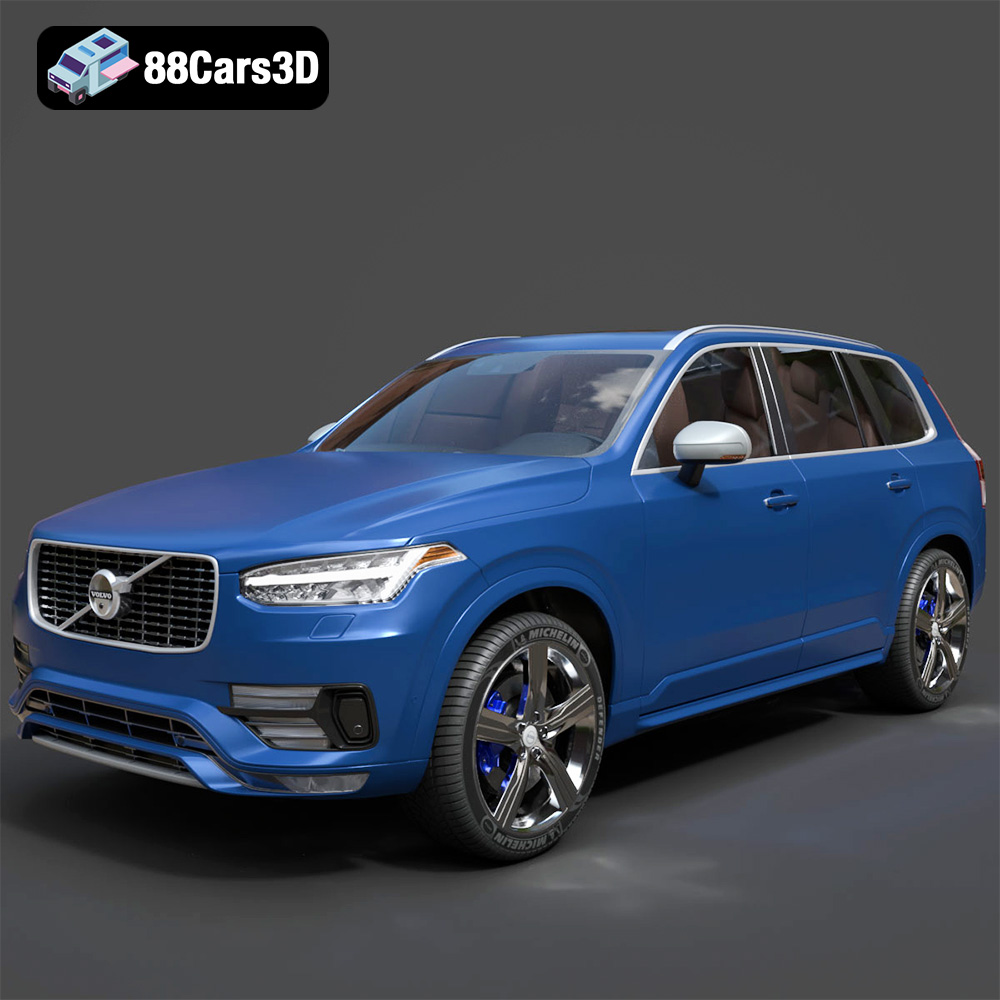
Texture: Yes
Material: Yes
Download the Volvo XC90 R-Design 2015 3D Model featuring clean geometry, realistic detailing, and a fully modeled interior. Includes .blend, .fbx, .obj, .glb, .stl, .ply, .unreal, and .max formats for rendering, simulation, and game development.
Price: $10

**Meta Description:**
Texture: Yes
Material: Yes
Download the Toyota Crown Majesta 2009 3D Model with luxury detailing, clean topology, and a fully modeled interior. Available in .blend, .fbx, .obj, .glb, .stl, .ply, .unreal, and .max formats for rendering, simulation, and game development.
Price: $4.99

**Meta Description:**
Texture: Yes
Material: Yes
Download the Toyota AE86 Levin 1983 1987 3D Model featuring realistic exterior and interior detailing. Includes .blend, .fbx, .obj, .glb, .stl, .ply, .unreal, and .max formats for rendering, simulation, and game development.
Price: $9.99

Texture: Yes
Material: Yes
Download the Toyota Mark 2 2001 3D Model featuring clean geometry, realistic detailing, and a fully modeled interior. Includes .blend, .fbx, .obj, .glb, .stl, .ply, .unreal, and .max formats for rendering, simulation, and game development.
Price: $4.99

Texture: Yes
Material: Yes
Download the Toyota Celica 2000 3D Model featuring clean geometry, realistic detailing, and a fully modeled interior. Includes .blend, .fbx, .obj, .glb, .stl, .ply, .unreal, and .max formats for rendering, simulation, and game development.
Price: $4.99

Download the Toyota Camry US 2012 3D Model featuring clean geometry, realistic detailing, and a fully modeled interior. Includes .blend, .fbx, .obj, .glb, .stl, .ply, .unreal, and .max formats for rendering, simulation, and game development.
Price: $4.99

Texture: Yes
Material: Yes
Download the Toyota GT 86 2013 3D Model featuring clean geometry, realistic detailing, and a fully modeled interior. Includes .blend, .fbx, .obj, .glb, .stl, .ply, .unreal, and .max formats for rendering, simulation, and game development.
Price: $4.99

Texture: Yes
Material: Yes
Download the Toyota Mark X 2010 3D Model featuring clean geometry, realistic detailing, and a fully modeled interior. Includes .blend, .fbx, .obj, .glb, .stl, .ply, .unreal, and .max formats for rendering, simulation, and game development.
Price: $4.99

Texture: Yes
Material: Yes
Download the Toyota Allion 2008 3D Model featuring clean geometry, realistic detailing, and a fully modeled interior. Includes .blend, .fbx, .obj, .glb, .stl, .ply, .unreal, and .max formats for rendering, simulation, and game development.
Price: $4.99

Texture: Yes
Material: Yes
Download the Toyota Avensis 2005 3D Model featuring clean geometry, realistic detailing, and a fully modeled interior. Includes .blend, .fbx, .obj, .glb, .stl, .ply, .unreal, and .max formats for rendering, simulation, and game development.
Price: $4.99

Texture: Yes
Material: Yes
Download the Toyota Camry Solara 2006 3D Model featuring clean geometry, realistic detailing, and a fully modeled interior. Includes .blend, .fbx, .obj, .glb, .stl, .ply, .unreal, and .max formats for rendering, simulation, and game development.
Price: $4.99

Texture: Yes
Material: Yes
Download the Skoda Superb 2009 3D Model featuring clean geometry, realistic detailing, and a fully modeled interior. Includes .blend, .fbx, .obj, .glb, .stl, .ply, .unreal, and .max formats for rendering, simulation, and game development.
Price: $4.99

Texture: Yes
Material: Yes
Download the Skoda Superb 2006 3D Model featuring clean geometry, realistic detailing, and a fully modeled interior. Includes .blend, .fbx, .obj, .glb, .stl, .ply, .unreal, and .max formats for rendering, simulation, and game development.
Price: $4.99

Texture: Yes
Material: Yes
Download the Ford Mustang Shelby Super Snake Concept 2018 3D Model featuring clean geometry, realistic detailing, and a fully modeled interior. Includes .blend, .fbx, .obj, .glb, .stl, .ply, .unreal, and .max formats for rendering, simulation, and game development.
Price: $4.99

Texture: Yes
Material: Yes
Download the Porsche Cayenne Turbo 2018 3D Model featuring clean geometry, realistic detailing, and a fully modeled interior. Includes .blend, .fbx, .obj, .glb, .stl, .ply, .unreal, and .max formats for rendering, simulation, and game development.
Price: $4.99

Texture: Yes
Material: Yes
Download the Chevrolet Lacetti Sedan 2004 3D Model featuring clean geometry, realistic detailing, and a fully modeled interior. Includes .blend, .fbx, .obj, .glb, .stl, .ply, .unreal, and .max formats for rendering, simulation, and game development.
Price: $4.99

Texture: Yes
Material: Yes
Download the Skoda Rapid 2013 3D Model featuring clean geometry, realistic detailing, and a fully modeled interior. Includes .blend, .fbx, .obj, .glb, .stl, .ply, .unreal, and .max formats for rendering, simulation, and game development.
Price: $4.99

Texture: Yes
Material: Yes
Download the Skoda Octavia A5-007 3D Model featuring clean geometry, realistic detailing, and a fully modeled interior. Includes .blend, .fbx, .obj, .glb, .stl, .ply, .unreal, and .max formats for rendering, simulation, and game development.
Price: $4.99

Texture: Yes
Material: Yes
Download the Skoda Fabia 2023 3D Model featuring clean geometry, realistic detailing, and a fully modeled interior. Includes .blend, .fbx, .obj, .glb, .stl, .ply, .unreal, and .max formats for rendering, simulation, and game development.
Price: $4.99

Texture: Yes
Material: Yes
Download the Skoda Fabia 2007 3D Model featuring clean geometry, realistic detailing, and a fully modeled interior. Includes .blend, .fbx, .obj, .glb, .stl, .ply, .unreal, and .max formats for rendering, simulation, and game development.
Price: $4.99

Texture: Yes
Material: Yes
Download the Honda VFR 1200 F 2015 3D Model featuring clean geometry, realistic detailing, and a fully modeled interior. Includes .blend, .fbx, .obj, .glb, .stl, .ply, .unreal, and .max formats for rendering, simulation, and game development.
Price: $4.99

Texture: Yes
Material: Yes
Download the Subaru BRZ 2025 3D Model featuring clean geometry, realistic detailing, and a fully modeled interior. Includes .blend, .fbx, .obj, .glb, .stl, .ply, .unreal, and .max formats for rendering, simulation, and game development.
Price: $4.99

Texture: Yes
Material: Yes
Download the SsangYong Rodius 2007 3D Model featuring clean geometry, realistic detailing, and a fully modeled interior. Includes .blend, .fbx, .obj, .glb, .stl, .ply, .unreal, and .max formats for rendering, simulation, and game development.
Price: $4.99

Texture: Yes
Material: Yes
Download the Subaru Impreza 1992 3D Model featuring clean geometry, realistic detailing, and a fully modeled interior. Includes .blend, .fbx, .obj, .glb, .stl, .ply, .unreal, and .max formats for rendering, simulation, and game development.
Price: $4.99

Texture: Yes
Material: Yes
Download the Subaru Impreza 2005 3D Model featuring clean geometry, realistic detailing, and a fully modeled interior. Includes .blend, .fbx, .obj, .glb, .stl, .ply, .unreal, and .max formats for rendering, simulation, and game development.
Price: $4.99

Texture: Yes
Material: Yes
Download the Spyker C8-007 2004 3D Model featuring clean geometry, realistic detailing, and a fully modeled interior. Includes .blend, .fbx, .obj, .glb, .stl, .ply, .unreal, and .max formats for rendering, simulation, and game development.
Price: $4.99

Texture: Yes
Material: Yes
Download the Smart Roadster 2003 3D Model featuring clean geometry, realistic detailing, and a fully modeled interior. Includes .blend, .fbx, .obj, .glb, .stl, .ply, .unreal, and .max formats for rendering, simulation, and game development.
Price: $4.99

Texture: Yes
Material: Yes
Download the Skoda Roomster 2007 3D Model featuring clean geometry, realistic detailing, and a fully modeled interior. Includes .blend, .fbx, .obj, .glb, .stl, .ply, .unreal, and .max formats for rendering, simulation, and game development.
Price: $4.99

Texture: Yes
Material: Yes
Download the Subaru Impreza Sport Wagon 3D Model featuring clean geometry, realistic detailing, and a fully modeled interior. Includes .blend, .fbx, .obj, .glb, .stl, .ply, .unreal, and .max formats for rendering, simulation, and game development.
Price: $4.99

Texture: Yes
Material: Yes
Download the Skoda Octavia A7 2017 3D Model featuring clean geometry, realistic detailing, and a fully modeled interior. Includes .blend, .fbx, .obj, .glb, .stl, .ply, .unreal, and .max formats for rendering, simulation, and game development.
Price: $4.99

Texture: Yes
Material: Yes
Download the Suzuki SX4-002 3D Model featuring clean geometry, realistic detailing, and a fully modeled interior. Includes .blend, .fbx, .obj, .glb, .stl, .ply, .unreal, and .max formats for rendering, simulation, and game development.
Price: $4.99

Texture: Yes
Material: Yes
Download the Tesla Model S 2024 3D Model featuring clean geometry, realistic detailing, and a fully modeled interior. Includes .blend, .fbx, .obj, .glb, .stl, .ply, .unreal, and .max formats for rendering, simulation, and game development.
Price: $4.99

Texture: Yes
Material: Yes
Download the Subaru Impreza WRX STi-002 3D Model featuring clean geometry, realistic detailing, and a fully modeled interior. Includes .blend, .fbx, .obj, .glb, .stl, .ply, .unreal, and .max formats for rendering, simulation, and game development.
Price: $4.99

Texture: Yes
Material: Yes
Download the Subaru Impreza WRX STi Sedan 3D Model featuring clean geometry, realistic detailing, and a fully modeled interior. Includes .blend, .fbx, .obj, .glb, .stl, .ply, .unreal, and .max formats for rendering, simulation, and game development.
Price: $4.99

Texture: Yes
Material: Yes
Download the Subaru Legacy 2009 3D Model featuring clean geometry, realistic detailing, and a fully modeled interior. Includes .blend, .fbx, .obj, .glb, .stl, .ply, .unreal, and .max formats for rendering, simulation, and game development.
Price: $4.99

Texture: Yes
Material: Yes
Download the Suzuki Swift 2024 3D Model featuring clean geometry, realistic detailing, and a fully modeled interior. Includes .blend, .fbx, .obj, .glb, .stl, .ply, .unreal, and .max formats for rendering, simulation, and game development.
Price: $4.99

Texture: Yes
Material: Yes
Download the Suzuki Liana Sedan 2004 3D Model featuring clean geometry, realistic detailing, and a fully modeled interior. Includes .blend, .fbx, .obj, .glb, .stl, .ply, .unreal, and .max formats for rendering, simulation, and game development.
Price: $4.99

Texture: Yes
Material: Yes
Download the Subaru Outback 2024 3D Model featuring clean geometry, realistic detailing, and a fully modeled interior. Includes .blend, .fbx, .obj, .glb, .stl, .ply, .unreal, and .max formats for rendering, simulation, and game development.
Price: $4.99

Texture: Yes
Material: Yes
Download the Subaru Legacy 2003 3D Model featuring clean geometry, realistic detailing, and a fully modeled interior. Includes .blend, .fbx, .obj, .glb, .stl, .ply, .unreal, and .max formats for rendering, simulation, and game development.
Price: $4.99

Texture: Yes
Material: Yes
Download the Subaru Legacy Touring Wagon 3D Model featuring clean geometry, realistic detailing, and a fully modeled interior. Includes .blend, .fbx, .obj, .glb, .stl, .ply, .unreal, and .max formats for rendering, simulation, and game development.
Price: $4.99

Texture: Yes
Material: Yes
Download the Toyota Mark II (X100) 3D Model featuring clean geometry, realistic detailing, and a fully modeled interior. Includes .blend, .fbx, .obj, .glb, .stl, .ply, .unreal, and .max formats for rendering, simulation, and game development.
Price: $4.99

Texture: Yes
Material: Yes
Download the Toyota Corona 1985 3D Model featuring clean geometry, realistic detailing, and a fully modeled interior. Includes .blend, .fbx, .obj, .glb, .stl, .ply, .unreal, and .max formats for rendering, simulation, and game development.
Price: $4.99

Texture: Yes
Material: Yes
Download the Toyota Mark II X81 1990 3D Model featuring clean geometry, realistic detailing, and a fully modeled interior. Includes .blend, .fbx, .obj, .glb, .stl, .ply, .unreal, and .max formats for rendering, simulation, and game development.
Price: $4.99

Texture: Yes
Material: Yes
Download the Toyota iQ EV 2012 3D Model featuring clean geometry, realistic detailing, and a fully modeled interior. Includes .blend, .fbx, .obj, .glb, .stl, .ply, .unreal, and .max formats for rendering, simulation, and game development.
Price: $4.99

Texture: Yes
Material: Yes
Download the Toyota Aygo 2013 3D Model featuring clean geometry, realistic detailing, and a fully modeled interior. Includes .blend, .fbx, .obj, .glb, .stl, .ply, .unreal, and .max formats for rendering, simulation, and game development.
Price: $4.99

Texture: Yes
Material: Yes
Download the Toyota Crown S180 2005 3D Model featuring clean geometry, realistic detailing, and a fully modeled interior. Includes .blend, .fbx, .obj, .glb, .stl, .ply, .unreal, and .max formats for rendering, simulation, and game development.
Price: $4.99

Texture: Yes
Material: Yes
Download the Toyota Celica 2004 3D Model featuring clean geometry, realistic detailing, and a fully modeled interior. Includes .blend, .fbx, .obj, .glb, .stl, .ply, .unreal, and .max formats for rendering, simulation, and game development.
Price: $4.99

Texture: Yes
Material: Yes
Download the Toyota Corolla AE100 1992 3D Model featuring clean geometry, realistic detailing, and a fully modeled interior. Includes .blend, .fbx, .obj, .glb, .stl, .ply, .unreal, and .max formats for rendering, simulation, and game development.
Price: $4.99

Texture: Yes
Material: Yes
Download the Toyota Mark II X110 2000 3D Model featuring clean geometry, realistic detailing, and a fully modeled interior. Includes .blend, .fbx, .obj, .glb, .stl, .ply, .unreal, and .max formats for rendering, simulation, and game development.
Price: $4.99

Texture: Yes
Material: Yes
Download the Toyota Corolla 2020 3D Model featuring clean geometry, realistic detailing, and a fully modeled interior. Includes .blend, .fbx, .obj, .glb, .stl, .ply, .unreal, and .max formats for rendering, simulation, and game development.
Price: $4.99

Texture: Yes
Material: Yes
Download the Toyota Yaris 2020 3D Model featuring clean geometry, realistic detailing, and a fully modeled interior. Includes .blend, .fbx, .obj, .glb, .stl, .ply, .unreal, and .max formats for rendering, simulation, and game development.
Price: $4.99

Texture: Yes
Material: Yes
Download the Volkswagen Beetle 2012 3D Model featuring clean geometry, realistic detailing, and a fully modeled interior. Includes .blend, .fbx, .obj, .glb, .stl, .ply, .unreal, and .max formats for rendering, simulation, and game development.
Price: $4.99

Texture: Yes
Material: Yes
Download the Toyota Matrix 2005 3D Model featuring clean geometry, realistic detailing, and a fully modeled interior. Includes .blend, .fbx, .obj, .glb, .stl, .ply, .unreal, and .max formats for rendering, simulation, and game development.
Price: $4.99

Texture: Yes
Material: Yes
Download the Toyota Yaris Sedan 3D Model featuring clean geometry, realistic detailing, and a fully modeled interior. Includes .blend, .fbx, .obj, .glb, .stl, .ply, .unreal, and .max formats for rendering, simulation, and game development.
Price: $4.99

Texture: Yes
Material: Yes
Download the Volkswagen Golf R-004 2024 3D Model featuring clean geometry, realistic detailing, and a fully modeled interior. Includes .blend, .fbx, .obj, .glb, .stl, .ply, .unreal, and .max formats for rendering, simulation, and game development.
Price: $4.99

Texture: Yes
Material: Yes
Download the Volkswagen Golf 5 Door 2010 3D Model featuring clean geometry, realistic detailing, and a fully modeled interior. Includes .blend, .fbx, .obj, .glb, .stl, .ply, .unreal, and .max formats for rendering, simulation, and game development.
Price: $4.99

Texture: Yes
Material: Yes
Download the Toyota Premio 2010 3D Model featuring clean geometry, realistic detailing, and a fully modeled interior. Includes .blend, .fbx, .obj, .glb, .stl, .ply, .unreal, and .max formats for rendering, simulation, and game development.
Price: $4.99

Texture: Yes
Material: Yes
Download the Toyota Opa 2000 3D Model featuring clean geometry, realistic detailing, and a fully modeled interior. Includes .blend, .fbx, .obj, .glb, .stl, .ply, .unreal, and .max formats for rendering, simulation, and game development.
Price: $4.99

Texture: Yes
Material: Yes
Download the Volkswagen Polo 5 Door 2010 3D Model featuring clean geometry, realistic detailing, and a fully modeled interior. Includes .blend, .fbx, .obj, .glb, .stl, .ply, .unreal, and .max formats for rendering, simulation, and game development.
Price: $4.99

Texture: Yes
Material: Yes
Download the Toyota Prius 2024 3D Model featuring clean geometry, realistic detailing, and a fully modeled interior. Includes .blend, .fbx, .obj, .glb, .stl, .ply, .unreal, and .max formats for rendering, simulation, and game development.
Price: $4.99

Texture: Yes
Material: Yes
Download the Toyota Yaris 1999 3D Model featuring clean geometry, realistic detailing, and a fully modeled interior. Includes .blend, .fbx, .obj, .glb, .stl, .ply, .unreal, and .max formats for rendering, simulation, and game development.
Price: $4.99

Texture: Yes
Material: Yes
Download the Toyota Supra 2020 3D Model featuring clean geometry, realistic detailing, and a fully modeled interior. Includes .blend, .fbx, .obj, .glb, .stl, .ply, .unreal, and .max formats for rendering, simulation, and game development.
Price: $4.99

Texture: Yes
Material: Yes
Download the Volkswagen New Beetle 2000 3D Model featuring clean geometry, realistic detailing, and a fully modeled interior. Includes .blend, .fbx, .obj, .glb, .stl, .ply, .unreal, and .max formats for rendering, simulation, and game development.
Price: $14.99

Texture: Yes
Material: Yes
Download the Volkswagen Jetta 2005 3D Model featuring clean geometry, realistic detailing, and a fully modeled interior. Includes .blend, .fbx, .obj, .glb, .stl, .ply, .unreal, and .max formats for rendering, simulation, and game development.
Price: $4.99

Texture: Yes
Material: Yes
Download the Volkswagen Golf 3-Door 3D Model featuring clean geometry, realistic detailing, and a fully modeled interior. Includes .blend, .fbx, .obj, .glb, .stl, .ply, .unreal, and .max formats for rendering, simulation, and game development.
Price: $14.99

Texture: Yes
Material: Yes
Download the Volvo V70 2005 3D Model featuring clean geometry, realistic detailing, and a fully modeled interior. Includes .blend, .fbx, .obj, .glb, .stl, .ply, .unreal, and .max formats for rendering, simulation, and game development.
Price: $14.99

Texture: Yes
Material: Yes
Download the Volkswagen Bora 2004 3D Model featuring clean geometry, realistic detailing, and a fully modeled interior. Includes .blend, .fbx, .obj, .glb, .stl, .ply, .unreal, and .max formats for rendering, simulation, and game development.
Price: $14.99

Texture: Yes
Material: Yes
Download the Volkswagen Lupo 3D Model featuring clean geometry, realistic detailing, and a fully modeled interior. Includes .blend, .fbx, .obj, .glb, .stl, .ply, .unreal, and .max formats for rendering, simulation, and game development.
Price: $5.99

Texture: Yes
Material: Yes
Download the Volkswagen Passat B5 2000 3D Model featuring clean geometry, realistic detailing, and a fully modeled interior. Includes .blend, .fbx, .obj, .glb, .stl, .ply, .unreal, and .max formats for rendering, simulation, and game development.
Price: $5.99

Texture: Yes
Material: Yes
Download the Volkswagen Passat CC 3D Model featuring clean geometry, realistic detailing, and a fully modeled interior. Includes .blend, .fbx, .obj, .glb, .stl, .ply, .unreal, and .max formats for rendering, simulation, and game development.
Price: $5.99

Texture: Yes
Material: Yes
Download the Volkswagen Golf V 2006 3D Model featuring clean geometry, realistic detailing, and a fully modeled interior. Includes .blend, .fbx, .obj, .glb, .stl, .ply, .unreal, and .max formats for rendering, simulation, and game development.
Price: $5.99

Texture: Yes
Material: Yes
Download the Volvo S60 R-Design 3D Model featuring clean geometry, realistic detailing, and a fully modeled interior. Includes .blend, .fbx, .obj, .glb, .stl, .ply, .unreal, and .max formats for rendering, simulation, and game development.
Price: $5.99

Texture: Yes
Material: Yes
Download the Volkswagen Passat 2025 3D Model featuring clean geometry, realistic detailing, and a fully modeled interior. Includes .blend, .fbx, .obj, .glb, .stl, .ply, .unreal, and .max formats for rendering, simulation, and game development.
Price: $5.99

Texture: Yes
Material: Yes
Download the Volkswagen Passat Variant B6 2005 3D Model featuring clean geometry, realistic detailing, and a fully modeled interior. Includes .blend, .fbx, .obj, .glb, .stl, .ply, .unreal, and .max formats for rendering, simulation, and game development.
Price: $5.99

Texture: Yes
Material: Yes
Download the Volkswagen Phaeton W12 2004 3D Model featuring clean geometry, realistic detailing, and a fully modeled interior. Includes .blend, .fbx, .obj, .glb, .stl, .ply, .unreal, and .max formats for rendering, simulation, and game development.
Price: $5.99

Texture: Yes
Material: Yes
Download the Volkswagen Scirocco 2015 3D Model featuring clean geometry, realistic detailing, and a fully modeled interior. Includes .blend, .fbx, .obj, .glb, .stl, .ply, .unreal, and .max formats for rendering, simulation, and game development.
Price: $5.99

Texture: Yes
Material: Yes
Download the Volvo S60 2024 3D Model featuring clean geometry, realistic detailing, and a fully modeled interior. Includes .blend, .fbx, .obj, .glb, .stl, .ply, .unreal, and .max formats for rendering, simulation, and game development.
Price: $5.99

Texture: Yes
Material: Yes
Download the Volkswagen Polo 3D Model featuring clean geometry, realistic detailing, and a fully modeled interior. Includes .blend, .fbx, .obj, .glb, .stl, .ply, .unreal, and .max formats for rendering, simulation, and game development.
Price: $5.99

Texture: Yes
Material: Yes
Download the Volkswagen Golf 5-Doors 3D Model featuring clean geometry, realistic detailing, and a fully modeled interior. Includes .blend, .fbx, .obj, .glb, .stl, .ply, .unreal, and .max formats for rendering, simulation, and game development.
Price: $5.99

Texture: Yes
Material: Yes
Download the Volvo C70 T5 2000 3D Model featuring clean geometry, realistic detailing, and a fully modeled interior. Includes .blend, .fbx, .obj, .glb, .stl, .ply, .unreal, and .max formats for rendering, simulation, and game development.
Price: $5.99

Texture: Yes
Material: Yes
Download the Volvo S40 Sedan 2004 3D Model featuring clean geometry, realistic detailing, and a fully modeled interior. Includes .blend, .fbx, .obj, .glb, .stl, .ply, .unreal, and .max formats for rendering, simulation, and game development.
Price: $5.99

Texture: Yes
Material: Yes
Download the Volvo C30 BEV 2012 3D Model featuring clean geometry, realistic detailing, and a fully modeled interior. Includes .blend, .fbx, .obj, .glb, .stl, .ply, .unreal, and .max formats for rendering, simulation, and game development.
Price: $5.99

Texture: Yes
Material: Yes
Download the Volvo C70 1998 3D Model featuring clean geometry, realistic detailing, and a fully modeled interior. Includes .blend, .fbx, .obj, .glb, .stl, .ply, .unreal, and .max formats for rendering, simulation, and game development.
Price: $5.99

Texture: Yes
Material: Yes
Download the Mazda B-Series 3D Model featuring clean geometry, realistic detailing, and a fully modeled interior. Includes .blend, .fbx, .obj, .glb, .stl, .ply, .unreal, and .max formats for rendering, simulation, and game development.
Price: $5.99

Texture: Yes
Material: Yes
Download the Mercsedes Benz Z3-006 3D Model featuring clean geometry, realistic detailing, and a fully modeled interior. Includes .blend, .fbx, .obj, .glb, .stl, .ply, .unreal, and .max formats for rendering, simulation, and game development.
Price: $5.99

Texture: Yes
Material: Yes
Download the Mazda RX-7 3D Model featuring clean geometry, realistic detailing, and a fully modeled interior. Includes .blend, .fbx, .obj, .glb, .stl, .ply, .unreal, and .max formats for rendering, simulation, and game development.
Price: $5.99

Texture: Yes
Material: Yes
Download the Volvo VCC-003 3D Model featuring clean geometry, realistic detailing, and a fully modeled interior. Includes .blend, .fbx, .obj, .glb, .stl, .ply, .unreal, and .max formats for rendering, simulation, and game development.
Price: $5.99

Texture: Yes
Material: Yes
Download the Mercedes-Benz SLR McLaren 2005 3D Model featuring clean geometry, realistic detailing, and a fully modeled interior. Includes .blend, .fbx, .obj, .glb, .stl, .ply, .unreal, and .max formats for rendering, simulation, and game development.
Price: $5.99

Texture: Yes
Material: Yes
Download the GAZ 3110 Pickup 3D Model featuring clean geometry, realistic detailing, and a fully modeled interior. Includes .blend, .fbx, .obj, .glb, .stl, .ply, .unreal, and .max formats for rendering, simulation, and game development.
Price: $5.99

Texture: Yes
Material: Yes
Download the Mazda 626 GF 1997 3D Model featuring clean geometry, realistic detailing, and a fully modeled interior. Includes .blend, .fbx, .obj, .glb, .stl, .ply, .unreal, and .max formats for rendering, simulation, and game development.
Price: $5.99

Texture: Yes
Material: Yes
Download the Volvo S80 2011 3D Model featuring clean geometry, realistic detailing, and a fully modeled interior. Includes .blend, .fbx, .obj, .glb, .stl, .ply, .unreal, and .max formats for rendering, simulation, and game development.
Price: $5.99

