⚡ FLASH SALE: Get 60% OFF All Premium 3D & STL Models! ⚡

The sleek lines, the polished gleam of metallic paint, the intricate details of a meticulously crafted interior – high-fidelity automotive models are a testament to artistic skill and technical precision. These digital masterpieces often grace cinematic renders, product configurators, and offline visualizations, where render times are less of a constraint than pure aesthetic impact. However, the landscape changes dramatically when these same models are destined for real-time environments like Unreal Engine 5.
Bringing a showroom-quality car model into a game engine, VR experience, or interactive configurator often reveals a harsh truth: unoptimized assets can cripple performance, leading to stuttering frame rates and a broken user experience. The challenge lies in retaining that breathtaking visual fidelity while adhering to the stringent performance budgets of real-time rendering. This isn’t just about ‘making it run’; it’s about making it run beautifully, seamlessly, and interactively.
This comprehensive guide dives deep into the art and science of automotive 3D model optimization for Unreal Engine 5. We’ll explore the essential techniques, from intelligent polygon reduction and efficient UV mapping to advanced material setups and leveraging UE5’s cutting-edge features like Nanite and Lumen. Our goal is to equip you with the knowledge to transform any high-poly automotive asset into a truly game-ready car asset that shines in a real-time environment, ensuring your digital vehicles drive beyond the showroom and into dynamic, interactive worlds.
The distinction between offline rendering and real-time rendering is fundamental to understanding optimization. Offline renderers can take minutes or even hours to generate a single frame, allowing for astronomical polygon counts, complex shader calculations, and exhaustive global illumination. Real-time engines, conversely, must generate 60 or even 120 frames per second, processing an immense amount of data in milliseconds.
High-fidelity automotive models, often derived from CAD data or sculpted with extreme detail, typically feature millions of polygons. While visually stunning in a static render, such poly counts are a massive performance bottleneck in a real-time engine. Each polygon contributes to the vertex count, requiring processing by the GPU. Similarly, an excessive number of materials, unique textures, and draw calls can quickly overwhelm the rendering pipeline, leading to significant frame drops and a frustrating user experience.
Therefore, a targeted approach to automotive 3D model optimization is not merely a suggestion; it’s a critical requirement. It’s about intelligently reducing the data footprint without compromising the visual integrity that makes automotive models so appealing. This involves a strategic balance of simplification and clever visual trickery to ensure photorealism at interactive frame rates.
The journey from a high-poly, CAD-derived automotive model to a real-time, game-ready car asset almost always begins with polygon reduction. Showroom models can easily exceed 5-10 million polygons for a single vehicle, which is orders of magnitude too high for interactive applications. The aim is to create a new, lower-polygon mesh that accurately represents the original’s silhouette and major details, while discarding unnecessary geometry.
Polygon reduction techniques vary, but for automotive assets, manual retopology is often the most effective method, especially for hero assets. This involves building a new mesh over the high-polygon source, giving the artist precise control over edge flow, polygon density, and UV layout. This level of control is crucial for maintaining the smooth, flowing curves and sharp creases that define automotive design.
When performing retopology, it’s vital to identify areas of differing importance. The main body panels, being large, smooth surfaces, can often be represented with surprisingly few polygons, provided the edge loops follow the curvature correctly. Areas of high curvature, sharp edges, and detailed components (like wheel spokes, grilles, or headlight internals) will naturally require a higher polygon density to maintain their shape and detail.
Consider the parts of a car separately. The exterior body typically requires excellent surface quality. The interior, depending on visibility, might tolerate more aggressive reduction. Wheels, being rotational and often visually complex, benefit from their own optimized approach, possibly even using separate LODs for individual components like brake calipers. Tools within DCC applications like Maya, Blender, or 3ds Max offer robust retopology capabilities, allowing artists to draw new topology directly onto the high-poly mesh.
For some parts, especially those with very organic or smoothly flowing shapes that might be animated or deformed, artists might consider a workflow starting with subdivision surfaces for the low-poly mesh. This allows for very clean topology that can then be subdivided at render time (or through in-engine tessellation, though less common for performance in games). However, for rigid-body automotive models, direct polygonal modeling with a focus on clean quads is generally preferred for predictability and performance.
Automated retopology tools like ZRemesher or QuadRemesher can provide a quick starting point, but they rarely produce production-ready automotive topology without significant manual cleanup. Their algorithms might not respect hard edges or specific edge flow requirements for deformations, which are critical for an appealing car model. Therefore, a hybrid approach – using automated tools for an initial pass and then refining manually – can often save time while still achieving high-quality results.
Once the geometry is optimized, the next critical step for visual fidelity is texturing. Modern real-time rendering relies heavily on Physically Based Rendering (PBR) workflows. PBR textures for cars are essential for achieving photorealistic materials that react correctly to varying lighting conditions, ensuring your car looks fantastic whether it’s under a bright sun or in a dimly lit garage.
A typical PBR workflow for automotive assets involves several key texture maps:
Beyond these, car paint often requires additional maps for clear coat and flake effects, which we’ll discuss under Unreal Engine 5 material setup.
The high-fidelity details lost during polygon reduction are recaptured through texture baking. Using software like Substance Painter, Marmoset Toolbag, or even dedicated baking tools within DCC apps, artists project details from the high-polygon model onto the UVs of the low-polygon model. This process generates normal maps, ambient occlusion maps, and sometimes curvature or ID maps, which are invaluable for texturing.
For PBR textures for cars, ensuring a clean bake is paramount. Artifacts, skewed normals, or jagged edges on a normal map will instantly degrade the quality of the model. Attention to explosion cages during baking (to prevent rays from hitting incorrect geometry) and proper anti-aliasing settings are crucial.
Effective UV unwrapping for game assets is a cornerstone of efficient texturing and memory management. UVs are the 2D coordinates that tell the engine how to apply a 2D texture onto a 3D surface. For automotive models, this process requires careful planning:
The quality of your UVs directly impacts the visual quality of your car. Even the best PBR textures for cars will look poor if applied to poorly unwrapped UVs. This is an area where meticulous work pays dividends, distinguishing truly professional game-ready car assets.
Once your automotive model is optimized and textured, the next step is to bring it to life within Unreal Engine 5. UE5 provides an incredibly powerful suite of tools and rendering features that can elevate game-ready car assets to cinematic levels of photorealism, provided they are properly integrated.
The materials are where much of the car’s visual personality truly shines. Unreal Engine 5 material setup is incredibly robust, allowing for complex layered shaders. For car paint, a master material is often created, incorporating several layers:
Beyond car paint, separate materials will be needed for glass (using refraction and careful opacity settings), tires (emphasizing roughness and subtle normal details), chrome, plastic, and interior fabrics. Utilizing material instances from master materials is essential for efficient iteration and reducing draw calls.
Levels of Detail (LODs) are a cornerstone of real-time optimization. The principle is simple: objects that are far away from the camera don’t need the same level of geometric detail as objects up close. UE5 allows you to create multiple versions of your mesh, each with a progressively lower polygon count. As the camera moves away from the car, the engine automatically switches to a lower LOD, significantly reducing the rendering burden.
Traditionally, artists manually create 3-5 LODs for hero assets. UE5 also offers powerful automatic LOD generation, which can be a great starting point, though manual refinement is often necessary for critical assets like cars. The key is to ensure smooth transitions between LODs, avoiding noticeable popping or sudden changes in appearance.
Nanite, Unreal Engine 5’s virtualized micro-polygon geometry system, fundamentally changes how high-poly assets are handled. For static meshes, Nanite allows you to import models with millions of polygons directly, and it intelligently streams and renders only the necessary detail at screen resolution. This drastically reduces the need for aggressive manual polygon reduction for distant objects and can be transformative for environment props or very detailed static elements of a car (like a complex engine bay if it’s not animated to deform).
However, Nanite has considerations for automotive assets. It works best with static, non-deforming meshes. Animated wheels or opening doors that involve mesh deformation are typically not ideal candidates for Nanite and would still rely on traditional optimized meshes and Levels of Detail (LODs). Transparent materials also don’t fully support Nanite, meaning glass panels might need separate non-Nanite geometry. Despite these nuances, Nanite can still simplify the pipeline for many parts of a complex automotive model, especially for highly detailed static interiors or chassis elements.
Lumen is Unreal Engine 5’s fully dynamic global illumination and reflections system. For automotive models, Lumen is a revelation, providing incredibly realistic bouncing light and stunning reflections without the need for pre-baked lightmaps (though lightmaps can still be used for static elements for performance). The way light interacts with car paint, bouncing off metallic surfaces and reflecting the environment, is vital for realism.
Optimizing for Lumen often involves ensuring your materials have accurate PBR values. For reflections, you might utilize planar reflections for highly accurate reflections on car body surfaces in specific scenarios, or screen space reflections where appropriate, blended with Lumen’s ray-traced reflections. Proper use of glossiness and metallic values in your PBR textures directly influences how effectively Lumen illuminates and reflects your vehicle.
A successful real-time automotive project hinges on a well-defined and efficient pipeline. From initial high-poly source to the final interactive asset in Unreal Engine 5, each step must be considered to create a truly game-ready car asset.
Before any significant modeling begins, establish clear performance budgets. How many polygons can the entire car have (including interior and wheels)? What’s the texture memory budget (e.g., 4K or 2K for exterior, 1K for interior)? How many unique materials are acceptable? Defining these parameters early guides the entire optimization process and influences decisions on details versus performance.
When exporting your optimized model from your Digital Content Creation (DCC) software (e.g., Blender, Maya, 3ds Max), the FBX format is the industry standard. Ensure your model is correctly scaled (Unreal Engine typically uses 1 unit = 1cm). Check that all transformations are frozen or reset, and that normals are unified and pointing outwards. Group your mesh logically (e.g., body, wheels, interior) for easier import and material assignment in UE5. If you are using pre-built models, like those from 88cars3d.com, much of this work might already be done for you, providing a significant head start.
Upon importing the FBX into UE5, review the import settings carefully. Ensure “Combine Meshes” is unchecked if you want separate components. Enable “Generate Missing Collision” for basic collision, though custom collision meshes are often preferred for vehicles. Crucially, verify that your UVs are imported correctly and that the engine recognizes your LODs if you created them manually. Apply your PBR textures to the respective material slots you’ve set up in your master material.
For a drivable vehicle, accurate collision is paramount. While UE5 can generate basic convex hull collisions, a custom simplified collision mesh (often called ‘UCX’ in DCC tools) provides better performance and more accurate physics. For wheels, simple sphere collisions are typically sufficient. Ensure the collision setup correctly represents the physical boundaries of the vehicle for realistic interaction with the environment.
Integrating the car into a vehicle blueprint in UE5 brings it to life. This involves setting up physics, tire properties, engine parameters, and inputs. For animated components like wheels, doors, or suspensions, ensure your rigging and pivot points are correctly set up in your DCC tool before export. The pivot point for each wheel should be at its center, for instance, allowing for correct rotation.
This streamlined process ensures that the transition from a high-fidelity source to a high-performing real-time asset is as smooth and efficient as possible, maintaining the visual integrity while delivering the interactive performance required for any robust real-time rendering pipeline. For those seeking a strong foundation, resources like 88cars3d.com offer a range of professional, often pre-optimized, models that can serve as excellent starting points or direct integrations into your projects.
Even after implementing the core optimization techniques, fine-tuning and advanced strategies can push your game-ready car assets further in performance and visual quality within Unreal Engine 5’s real-time rendering pipeline.
Unreal Engine 5 automatically performs occlusion culling, where objects hidden by others are not rendered. However, ensuring your models are designed with this in mind, with solid, enclosed geometry, can help the engine efficiently determine what’s visible. Distance fields, generated from your meshes, also contribute to advanced rendering features like ambient occlusion, allowing for more realistic soft shadows in real-time.
Complex materials, especially those with numerous instructions or translucent properties (like layered car paint or glass with many refraction calculations), can become a performance bottleneck. Use UE5’s Shader Complexity view mode to identify costly materials and simplify them where possible. Consolidate textures, minimize redundant calculations, and leverage material instances to share parameters and reduce shader permutations.
Unreal Engine 5 provides powerful profiling tools (like the Stat commands: Stat GPU, Stat RHI, Stat SceneRendering, Stat Unit) that are invaluable for identifying performance bottlenecks. If your car asset is causing frame rate drops, these tools can pinpoint whether it’s due to too many polygons, excessive draw calls, overdrawn pixels (due to complex transparency or overlapping geometry), or costly shaders. Analyzing these metrics is crucial for targeted optimization efforts.
Optimization is rarely a one-time task. It’s an iterative process that continues throughout development. As new features are added or performance targets change, you’ll likely revisit your automotive 3D model optimization strategies. Regularly profiling your scene and assets allows you to identify new bottlenecks and refine your approach, ensuring your real-time rendering pipeline remains efficient and performant.
By continually analyzing performance and intelligently applying these strategies, you can ensure that your high-fidelity automotive models not only look stunning but also run flawlessly, providing an immersive and fluid experience for your users.
The journey of transforming a high-fidelity automotive model from a showroom centerpiece to a real-time, interactive asset in Unreal Engine 5 is a challenging yet rewarding endeavor. It demands a balanced approach, where artistic vision meets technical pragmatism. By mastering polygon reduction techniques, perfecting UV unwrapping for game assets, and creating exquisite PBR textures for cars, you lay the groundwork for stunning visuals.
Further, leveraging Unreal Engine 5’s advanced capabilities, including smart Levels of Detail (LODs), intelligent Nanite integration, and sophisticated Unreal Engine 5 material setup, allows you to push the boundaries of photorealism. The result is a truly game-ready car asset that not only looks incredible but also performs flawlessly within a dynamic real-time rendering pipeline.
This intricate process is a testament to the evolving capabilities of real-time engines and the skill of 3D artists. Whether you’re a game developer, an automotive designer, or a visualization artist, understanding these optimization techniques is key to unlocking the full potential of your creations. If you’re looking for a head start with high-quality, pre-optimized automotive models, explore the extensive library at 88cars3d.com, where excellence in digital automotive assets is paramount.
Embrace the challenge, continually refine your pipeline, and drive your projects into a new era of interactive photorealism. The digital road ahead is full of possibilities, and with these techniques, your automotive models are poised to conquer it.

Texture: Yes
Material: Yes
Download the Mercedes S-Class 2024 3D Model featuring clean geometry, realistic detailing, and a fully modeled interior. Includes .blend, .fbx, .obj, .glb, .stl, .ply, .unreal, and .max formats for rendering, simulation, and game development.
Price: $10

Texture: Yes
Material: Yes
Download the Chevrolet Camaro 1970 3D Model featuring clean geometry, realistic detailing, and a fully modeled interior. Includes .blend, .fbx, .obj, .glb, .stl, .ply, .unreal, and .max formats for rendering, simulation, and game development.
Price: $10

Texture: Yes
Material: Yes
Download the Mercedes-AMG GT 2015 3D Model featuring clean geometry, realistic detailing, and a fully modeled interior. Includes .blend, .fbx, .obj, .glb, .stl, .ply, .unreal, and .max formats for rendering, simulation, and game development.
Price: $88.99

Texture: Yes
Material: Yes
Download the Suzuki GSX-R 1000 3D Model featuring clean geometry, realistic detailing, and a fully modeled interior. Includes .blend, .fbx, .obj, .glb, .stl, .ply, .unreal, and .max formats for rendering, simulation, and game development.
Price: $10

Texture: Yes
Material: Yes
Download the Porsche Cayman S 2024 3D Model featuring clean geometry, realistic detailing, and a fully modeled interior. Includes .blend, .fbx, .obj, .glb, .stl, .ply, .unreal, and .max formats for rendering, simulation, and game development.
Price: $10

Texture: Yes
Material: Yes
Download the Holden Commodore Sportwagon 2017 3D Model featuring clean geometry, realistic detailing, and a fully modeled interior. Includes .blend, .fbx, .obj, .glb, .stl, .ply, .unreal, and .max formats for rendering, simulation, and game development.
Price: $10
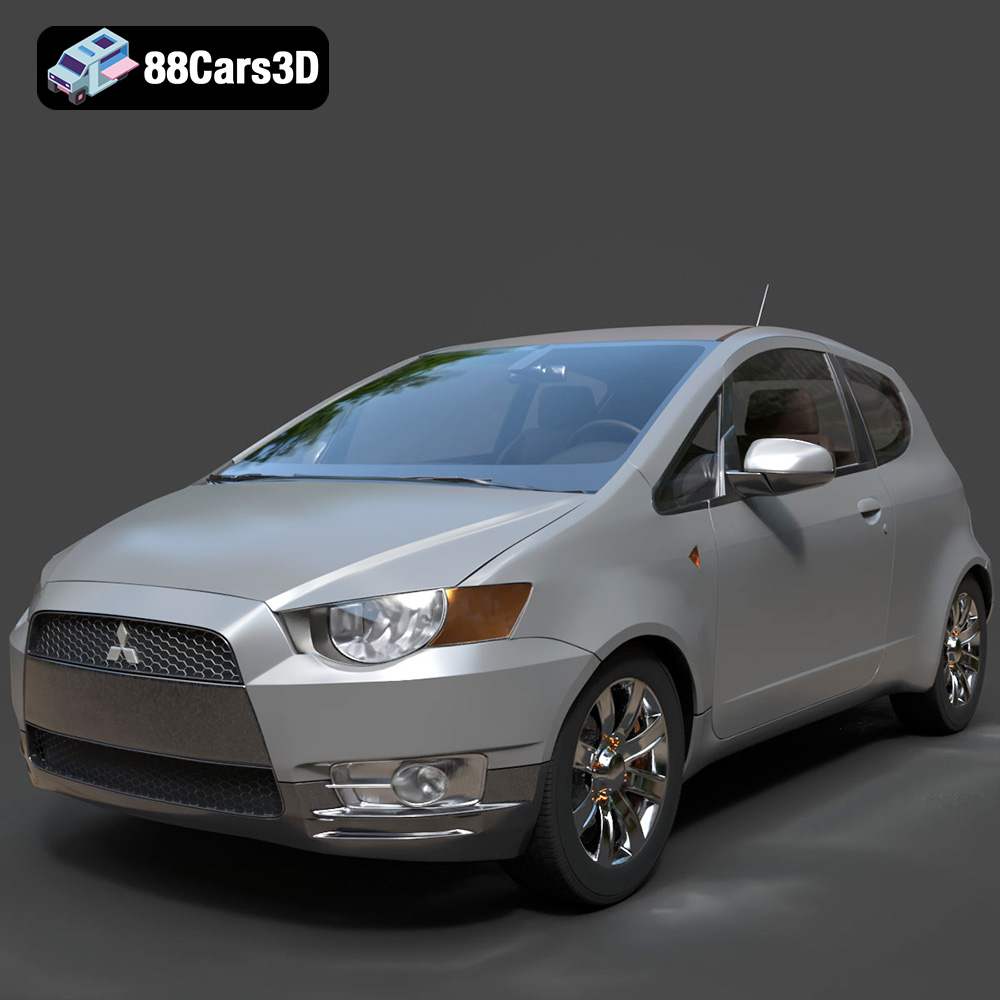
Texture: Yes
Material: Yes
Download the Mitsubishi Colt 3 Door 2008 3D Model featuring clean geometry, realistic detailing, and a fully modeled interior. Includes .blend, .fbx, .obj, .glb, .stl, .ply, .unreal, and .max formats for rendering, simulation, and game development.
Price: $10
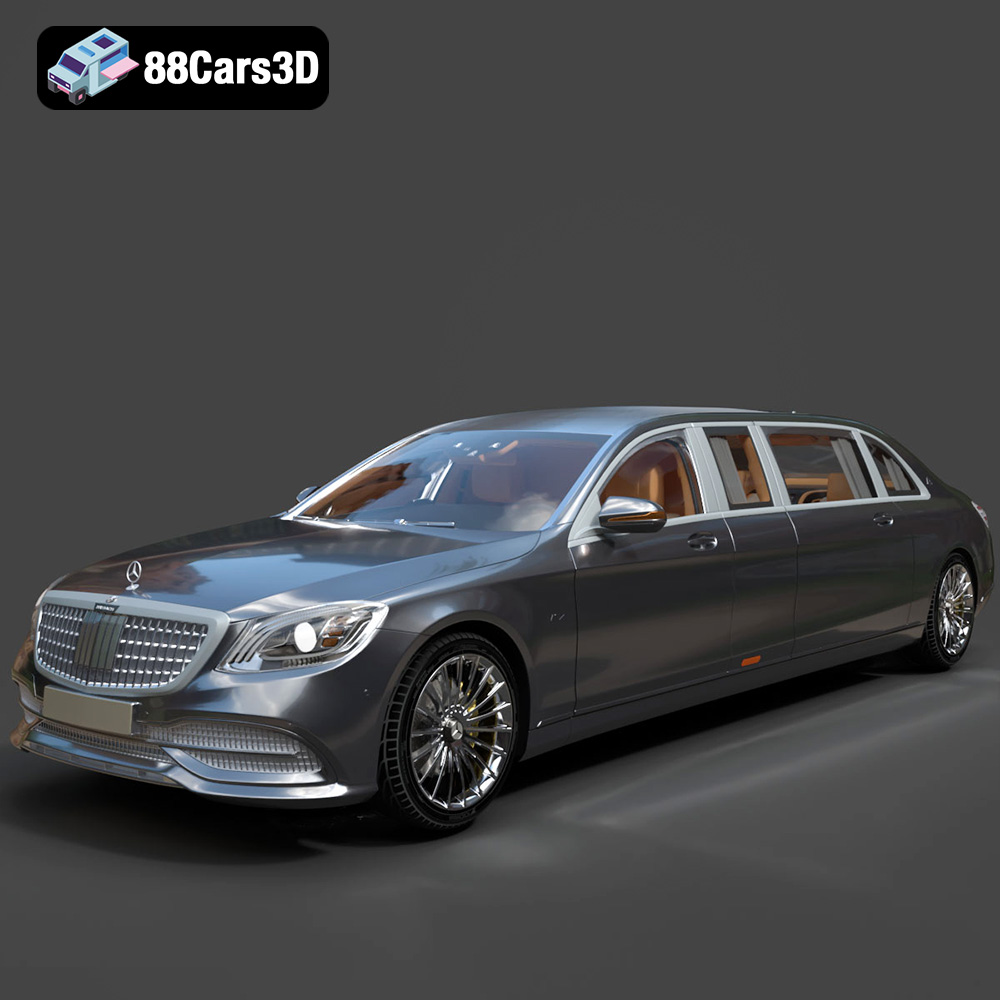
Texture: Yes
Material: Yes
Download the Mercedes-Benz S650 Pullman 3D Model featuring clean geometry, realistic detailing, and a fully modeled interior. Includes .blend, .fbx, .obj, .glb, .stl, .ply, .unreal, and .max formats for rendering, simulation, and game development.
Price: $95.99
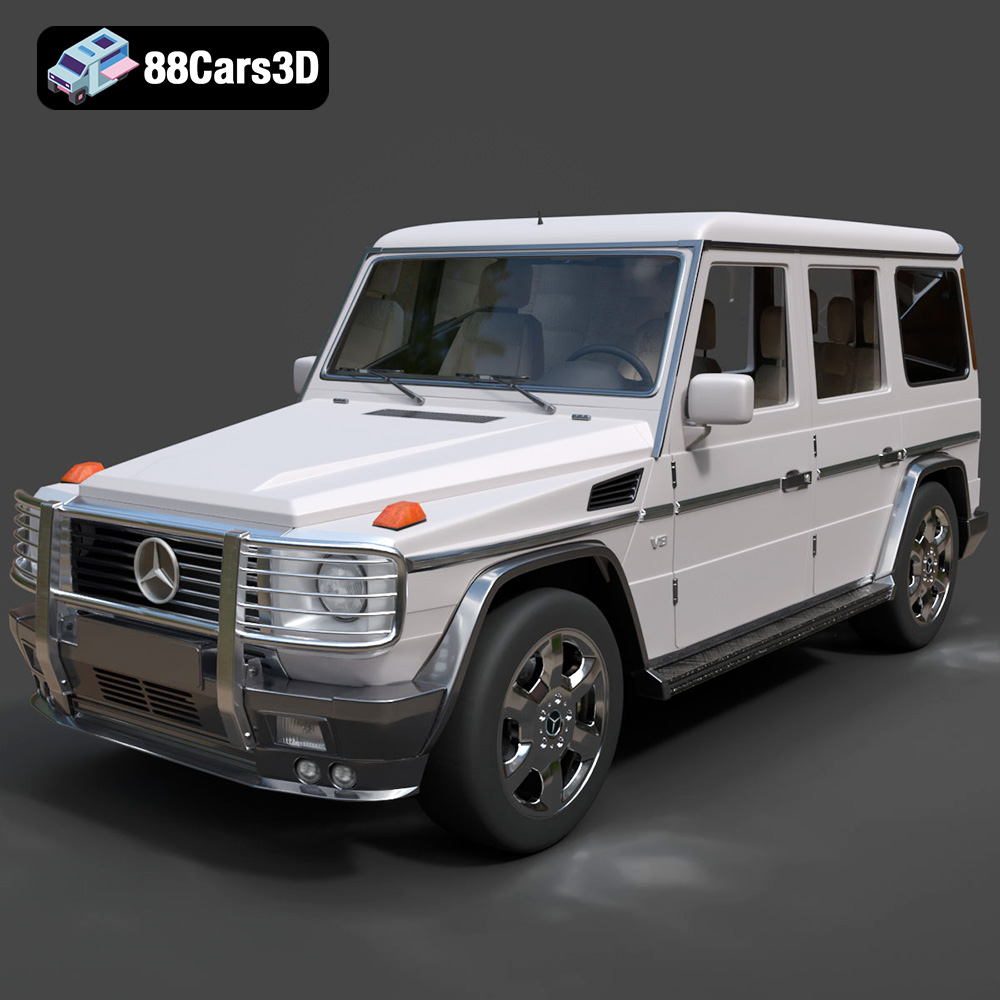
Texture: Yes
Material: Yes
Download the Mercedes G-Class SUV 2024 3D Model featuring clean geometry, realistic detailing, and a fully modeled interior. Includes .blend, .fbx, .obj, .glb, .stl, .ply, .unreal, and .max formats for rendering, simulation, and game development.
Price: $10
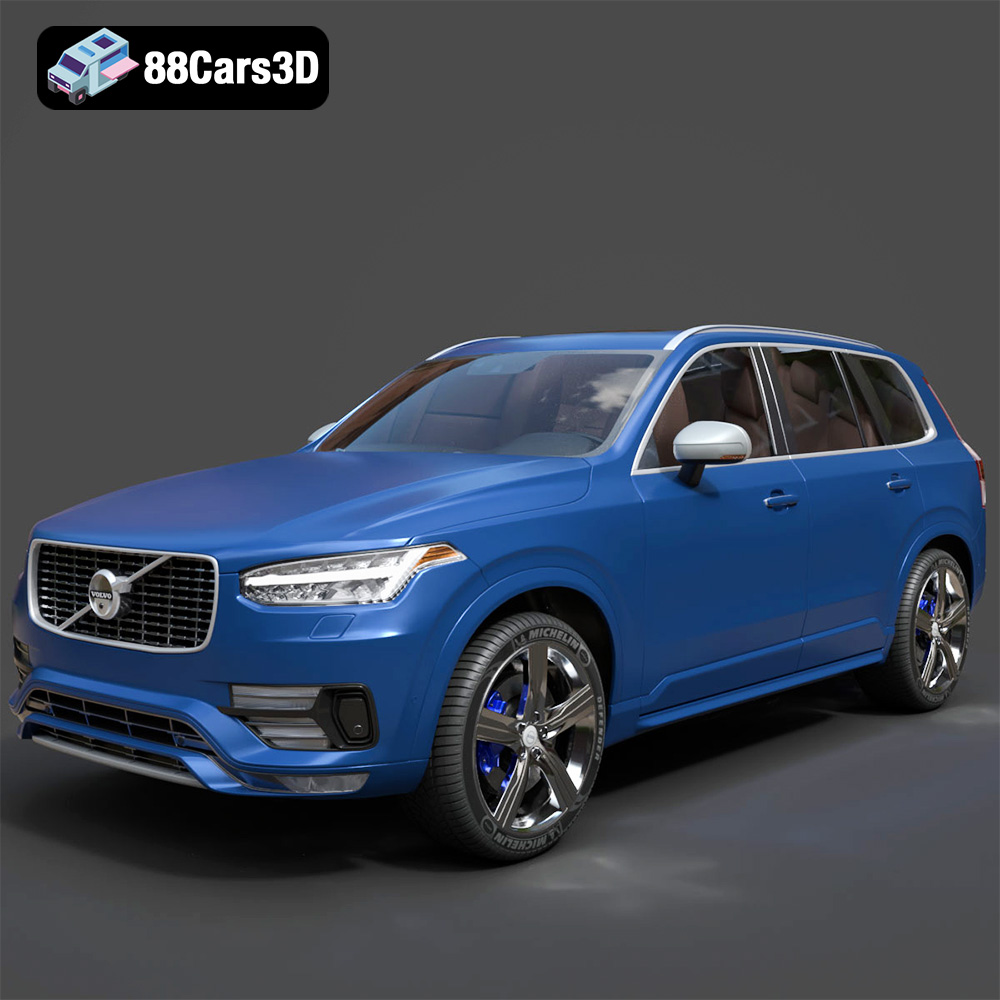
Texture: Yes
Material: Yes
Download the Volvo XC90 R-Design 2015 3D Model featuring clean geometry, realistic detailing, and a fully modeled interior. Includes .blend, .fbx, .obj, .glb, .stl, .ply, .unreal, and .max formats for rendering, simulation, and game development.
Price: $10

**Meta Description:**
Texture: Yes
Material: Yes
Download the Toyota Crown Majesta 2009 3D Model with luxury detailing, clean topology, and a fully modeled interior. Available in .blend, .fbx, .obj, .glb, .stl, .ply, .unreal, and .max formats for rendering, simulation, and game development.
Price: $4.99

**Meta Description:**
Texture: Yes
Material: Yes
Download the Toyota AE86 Levin 1983 1987 3D Model featuring realistic exterior and interior detailing. Includes .blend, .fbx, .obj, .glb, .stl, .ply, .unreal, and .max formats for rendering, simulation, and game development.
Price: $9.99

Texture: Yes
Material: Yes
Download the Toyota Mark 2 2001 3D Model featuring clean geometry, realistic detailing, and a fully modeled interior. Includes .blend, .fbx, .obj, .glb, .stl, .ply, .unreal, and .max formats for rendering, simulation, and game development.
Price: $4.99

Texture: Yes
Material: Yes
Download the Toyota Celica 2000 3D Model featuring clean geometry, realistic detailing, and a fully modeled interior. Includes .blend, .fbx, .obj, .glb, .stl, .ply, .unreal, and .max formats for rendering, simulation, and game development.
Price: $4.99

Download the Toyota Camry US 2012 3D Model featuring clean geometry, realistic detailing, and a fully modeled interior. Includes .blend, .fbx, .obj, .glb, .stl, .ply, .unreal, and .max formats for rendering, simulation, and game development.
Price: $4.99

Texture: Yes
Material: Yes
Download the Toyota GT 86 2013 3D Model featuring clean geometry, realistic detailing, and a fully modeled interior. Includes .blend, .fbx, .obj, .glb, .stl, .ply, .unreal, and .max formats for rendering, simulation, and game development.
Price: $4.99

Texture: Yes
Material: Yes
Download the Toyota Mark X 2010 3D Model featuring clean geometry, realistic detailing, and a fully modeled interior. Includes .blend, .fbx, .obj, .glb, .stl, .ply, .unreal, and .max formats for rendering, simulation, and game development.
Price: $4.99

Texture: Yes
Material: Yes
Download the Toyota Allion 2008 3D Model featuring clean geometry, realistic detailing, and a fully modeled interior. Includes .blend, .fbx, .obj, .glb, .stl, .ply, .unreal, and .max formats for rendering, simulation, and game development.
Price: $4.99

Texture: Yes
Material: Yes
Download the Toyota Avensis 2005 3D Model featuring clean geometry, realistic detailing, and a fully modeled interior. Includes .blend, .fbx, .obj, .glb, .stl, .ply, .unreal, and .max formats for rendering, simulation, and game development.
Price: $4.99

Texture: Yes
Material: Yes
Download the Toyota Camry Solara 2006 3D Model featuring clean geometry, realistic detailing, and a fully modeled interior. Includes .blend, .fbx, .obj, .glb, .stl, .ply, .unreal, and .max formats for rendering, simulation, and game development.
Price: $4.99

Texture: Yes
Material: Yes
Download the Skoda Superb 2009 3D Model featuring clean geometry, realistic detailing, and a fully modeled interior. Includes .blend, .fbx, .obj, .glb, .stl, .ply, .unreal, and .max formats for rendering, simulation, and game development.
Price: $4.99

Texture: Yes
Material: Yes
Download the Skoda Superb 2006 3D Model featuring clean geometry, realistic detailing, and a fully modeled interior. Includes .blend, .fbx, .obj, .glb, .stl, .ply, .unreal, and .max formats for rendering, simulation, and game development.
Price: $4.99

Texture: Yes
Material: Yes
Download the Ford Mustang Shelby Super Snake Concept 2018 3D Model featuring clean geometry, realistic detailing, and a fully modeled interior. Includes .blend, .fbx, .obj, .glb, .stl, .ply, .unreal, and .max formats for rendering, simulation, and game development.
Price: $4.99

Texture: Yes
Material: Yes
Download the Porsche Cayenne Turbo 2018 3D Model featuring clean geometry, realistic detailing, and a fully modeled interior. Includes .blend, .fbx, .obj, .glb, .stl, .ply, .unreal, and .max formats for rendering, simulation, and game development.
Price: $4.99

Texture: Yes
Material: Yes
Download the Chevrolet Lacetti Sedan 2004 3D Model featuring clean geometry, realistic detailing, and a fully modeled interior. Includes .blend, .fbx, .obj, .glb, .stl, .ply, .unreal, and .max formats for rendering, simulation, and game development.
Price: $4.99

Texture: Yes
Material: Yes
Download the Skoda Rapid 2013 3D Model featuring clean geometry, realistic detailing, and a fully modeled interior. Includes .blend, .fbx, .obj, .glb, .stl, .ply, .unreal, and .max formats for rendering, simulation, and game development.
Price: $4.99

Texture: Yes
Material: Yes
Download the Skoda Octavia A5-007 3D Model featuring clean geometry, realistic detailing, and a fully modeled interior. Includes .blend, .fbx, .obj, .glb, .stl, .ply, .unreal, and .max formats for rendering, simulation, and game development.
Price: $4.99

Texture: Yes
Material: Yes
Download the Skoda Fabia 2023 3D Model featuring clean geometry, realistic detailing, and a fully modeled interior. Includes .blend, .fbx, .obj, .glb, .stl, .ply, .unreal, and .max formats for rendering, simulation, and game development.
Price: $4.99

Texture: Yes
Material: Yes
Download the Skoda Fabia 2007 3D Model featuring clean geometry, realistic detailing, and a fully modeled interior. Includes .blend, .fbx, .obj, .glb, .stl, .ply, .unreal, and .max formats for rendering, simulation, and game development.
Price: $4.99

Texture: Yes
Material: Yes
Download the Honda VFR 1200 F 2015 3D Model featuring clean geometry, realistic detailing, and a fully modeled interior. Includes .blend, .fbx, .obj, .glb, .stl, .ply, .unreal, and .max formats for rendering, simulation, and game development.
Price: $4.99

Texture: Yes
Material: Yes
Download the Subaru BRZ 2025 3D Model featuring clean geometry, realistic detailing, and a fully modeled interior. Includes .blend, .fbx, .obj, .glb, .stl, .ply, .unreal, and .max formats for rendering, simulation, and game development.
Price: $4.99

Texture: Yes
Material: Yes
Download the SsangYong Rodius 2007 3D Model featuring clean geometry, realistic detailing, and a fully modeled interior. Includes .blend, .fbx, .obj, .glb, .stl, .ply, .unreal, and .max formats for rendering, simulation, and game development.
Price: $4.99

Texture: Yes
Material: Yes
Download the Subaru Impreza 1992 3D Model featuring clean geometry, realistic detailing, and a fully modeled interior. Includes .blend, .fbx, .obj, .glb, .stl, .ply, .unreal, and .max formats for rendering, simulation, and game development.
Price: $4.99

Texture: Yes
Material: Yes
Download the Subaru Impreza 2005 3D Model featuring clean geometry, realistic detailing, and a fully modeled interior. Includes .blend, .fbx, .obj, .glb, .stl, .ply, .unreal, and .max formats for rendering, simulation, and game development.
Price: $4.99

Texture: Yes
Material: Yes
Download the Spyker C8-007 2004 3D Model featuring clean geometry, realistic detailing, and a fully modeled interior. Includes .blend, .fbx, .obj, .glb, .stl, .ply, .unreal, and .max formats for rendering, simulation, and game development.
Price: $4.99

Texture: Yes
Material: Yes
Download the Smart Roadster 2003 3D Model featuring clean geometry, realistic detailing, and a fully modeled interior. Includes .blend, .fbx, .obj, .glb, .stl, .ply, .unreal, and .max formats for rendering, simulation, and game development.
Price: $4.99

Texture: Yes
Material: Yes
Download the Skoda Roomster 2007 3D Model featuring clean geometry, realistic detailing, and a fully modeled interior. Includes .blend, .fbx, .obj, .glb, .stl, .ply, .unreal, and .max formats for rendering, simulation, and game development.
Price: $4.99

Texture: Yes
Material: Yes
Download the Subaru Impreza Sport Wagon 3D Model featuring clean geometry, realistic detailing, and a fully modeled interior. Includes .blend, .fbx, .obj, .glb, .stl, .ply, .unreal, and .max formats for rendering, simulation, and game development.
Price: $4.99

Texture: Yes
Material: Yes
Download the Skoda Octavia A7 2017 3D Model featuring clean geometry, realistic detailing, and a fully modeled interior. Includes .blend, .fbx, .obj, .glb, .stl, .ply, .unreal, and .max formats for rendering, simulation, and game development.
Price: $4.99

Texture: Yes
Material: Yes
Download the Suzuki SX4-002 3D Model featuring clean geometry, realistic detailing, and a fully modeled interior. Includes .blend, .fbx, .obj, .glb, .stl, .ply, .unreal, and .max formats for rendering, simulation, and game development.
Price: $4.99

Texture: Yes
Material: Yes
Download the Tesla Model S 2024 3D Model featuring clean geometry, realistic detailing, and a fully modeled interior. Includes .blend, .fbx, .obj, .glb, .stl, .ply, .unreal, and .max formats for rendering, simulation, and game development.
Price: $4.99

Texture: Yes
Material: Yes
Download the Subaru Impreza WRX STi-002 3D Model featuring clean geometry, realistic detailing, and a fully modeled interior. Includes .blend, .fbx, .obj, .glb, .stl, .ply, .unreal, and .max formats for rendering, simulation, and game development.
Price: $4.99

Texture: Yes
Material: Yes
Download the Subaru Impreza WRX STi Sedan 3D Model featuring clean geometry, realistic detailing, and a fully modeled interior. Includes .blend, .fbx, .obj, .glb, .stl, .ply, .unreal, and .max formats for rendering, simulation, and game development.
Price: $4.99

Texture: Yes
Material: Yes
Download the Subaru Legacy 2009 3D Model featuring clean geometry, realistic detailing, and a fully modeled interior. Includes .blend, .fbx, .obj, .glb, .stl, .ply, .unreal, and .max formats for rendering, simulation, and game development.
Price: $4.99

Texture: Yes
Material: Yes
Download the Suzuki Swift 2024 3D Model featuring clean geometry, realistic detailing, and a fully modeled interior. Includes .blend, .fbx, .obj, .glb, .stl, .ply, .unreal, and .max formats for rendering, simulation, and game development.
Price: $4.99

Texture: Yes
Material: Yes
Download the Suzuki Liana Sedan 2004 3D Model featuring clean geometry, realistic detailing, and a fully modeled interior. Includes .blend, .fbx, .obj, .glb, .stl, .ply, .unreal, and .max formats for rendering, simulation, and game development.
Price: $4.99

Texture: Yes
Material: Yes
Download the Subaru Outback 2024 3D Model featuring clean geometry, realistic detailing, and a fully modeled interior. Includes .blend, .fbx, .obj, .glb, .stl, .ply, .unreal, and .max formats for rendering, simulation, and game development.
Price: $4.99

Texture: Yes
Material: Yes
Download the Subaru Legacy 2003 3D Model featuring clean geometry, realistic detailing, and a fully modeled interior. Includes .blend, .fbx, .obj, .glb, .stl, .ply, .unreal, and .max formats for rendering, simulation, and game development.
Price: $4.99

Texture: Yes
Material: Yes
Download the Subaru Legacy Touring Wagon 3D Model featuring clean geometry, realistic detailing, and a fully modeled interior. Includes .blend, .fbx, .obj, .glb, .stl, .ply, .unreal, and .max formats for rendering, simulation, and game development.
Price: $4.99

Texture: Yes
Material: Yes
Download the Toyota Mark II (X100) 3D Model featuring clean geometry, realistic detailing, and a fully modeled interior. Includes .blend, .fbx, .obj, .glb, .stl, .ply, .unreal, and .max formats for rendering, simulation, and game development.
Price: $4.99

Texture: Yes
Material: Yes
Download the Toyota Corona 1985 3D Model featuring clean geometry, realistic detailing, and a fully modeled interior. Includes .blend, .fbx, .obj, .glb, .stl, .ply, .unreal, and .max formats for rendering, simulation, and game development.
Price: $4.99

Texture: Yes
Material: Yes
Download the Toyota Mark II X81 1990 3D Model featuring clean geometry, realistic detailing, and a fully modeled interior. Includes .blend, .fbx, .obj, .glb, .stl, .ply, .unreal, and .max formats for rendering, simulation, and game development.
Price: $4.99

Texture: Yes
Material: Yes
Download the Toyota iQ EV 2012 3D Model featuring clean geometry, realistic detailing, and a fully modeled interior. Includes .blend, .fbx, .obj, .glb, .stl, .ply, .unreal, and .max formats for rendering, simulation, and game development.
Price: $4.99

Texture: Yes
Material: Yes
Download the Toyota Aygo 2013 3D Model featuring clean geometry, realistic detailing, and a fully modeled interior. Includes .blend, .fbx, .obj, .glb, .stl, .ply, .unreal, and .max formats for rendering, simulation, and game development.
Price: $4.99

Texture: Yes
Material: Yes
Download the Toyota Crown S180 2005 3D Model featuring clean geometry, realistic detailing, and a fully modeled interior. Includes .blend, .fbx, .obj, .glb, .stl, .ply, .unreal, and .max formats for rendering, simulation, and game development.
Price: $4.99

Texture: Yes
Material: Yes
Download the Toyota Celica 2004 3D Model featuring clean geometry, realistic detailing, and a fully modeled interior. Includes .blend, .fbx, .obj, .glb, .stl, .ply, .unreal, and .max formats for rendering, simulation, and game development.
Price: $4.99

Texture: Yes
Material: Yes
Download the Toyota Corolla AE100 1992 3D Model featuring clean geometry, realistic detailing, and a fully modeled interior. Includes .blend, .fbx, .obj, .glb, .stl, .ply, .unreal, and .max formats for rendering, simulation, and game development.
Price: $4.99

Texture: Yes
Material: Yes
Download the Toyota Mark II X110 2000 3D Model featuring clean geometry, realistic detailing, and a fully modeled interior. Includes .blend, .fbx, .obj, .glb, .stl, .ply, .unreal, and .max formats for rendering, simulation, and game development.
Price: $4.99

Texture: Yes
Material: Yes
Download the Toyota Corolla 2020 3D Model featuring clean geometry, realistic detailing, and a fully modeled interior. Includes .blend, .fbx, .obj, .glb, .stl, .ply, .unreal, and .max formats for rendering, simulation, and game development.
Price: $4.99

Texture: Yes
Material: Yes
Download the Toyota Yaris 2020 3D Model featuring clean geometry, realistic detailing, and a fully modeled interior. Includes .blend, .fbx, .obj, .glb, .stl, .ply, .unreal, and .max formats for rendering, simulation, and game development.
Price: $4.99

Texture: Yes
Material: Yes
Download the Volkswagen Beetle 2012 3D Model featuring clean geometry, realistic detailing, and a fully modeled interior. Includes .blend, .fbx, .obj, .glb, .stl, .ply, .unreal, and .max formats for rendering, simulation, and game development.
Price: $4.99

Texture: Yes
Material: Yes
Download the Toyota Matrix 2005 3D Model featuring clean geometry, realistic detailing, and a fully modeled interior. Includes .blend, .fbx, .obj, .glb, .stl, .ply, .unreal, and .max formats for rendering, simulation, and game development.
Price: $4.99

Texture: Yes
Material: Yes
Download the Toyota Yaris Sedan 3D Model featuring clean geometry, realistic detailing, and a fully modeled interior. Includes .blend, .fbx, .obj, .glb, .stl, .ply, .unreal, and .max formats for rendering, simulation, and game development.
Price: $4.99

Texture: Yes
Material: Yes
Download the Volkswagen Golf R-004 2024 3D Model featuring clean geometry, realistic detailing, and a fully modeled interior. Includes .blend, .fbx, .obj, .glb, .stl, .ply, .unreal, and .max formats for rendering, simulation, and game development.
Price: $4.99

Texture: Yes
Material: Yes
Download the Volkswagen Golf 5 Door 2010 3D Model featuring clean geometry, realistic detailing, and a fully modeled interior. Includes .blend, .fbx, .obj, .glb, .stl, .ply, .unreal, and .max formats for rendering, simulation, and game development.
Price: $4.99

Texture: Yes
Material: Yes
Download the Toyota Premio 2010 3D Model featuring clean geometry, realistic detailing, and a fully modeled interior. Includes .blend, .fbx, .obj, .glb, .stl, .ply, .unreal, and .max formats for rendering, simulation, and game development.
Price: $4.99

Texture: Yes
Material: Yes
Download the Toyota Opa 2000 3D Model featuring clean geometry, realistic detailing, and a fully modeled interior. Includes .blend, .fbx, .obj, .glb, .stl, .ply, .unreal, and .max formats for rendering, simulation, and game development.
Price: $4.99

Texture: Yes
Material: Yes
Download the Volkswagen Polo 5 Door 2010 3D Model featuring clean geometry, realistic detailing, and a fully modeled interior. Includes .blend, .fbx, .obj, .glb, .stl, .ply, .unreal, and .max formats for rendering, simulation, and game development.
Price: $4.99

Texture: Yes
Material: Yes
Download the Toyota Prius 2024 3D Model featuring clean geometry, realistic detailing, and a fully modeled interior. Includes .blend, .fbx, .obj, .glb, .stl, .ply, .unreal, and .max formats for rendering, simulation, and game development.
Price: $4.99

Texture: Yes
Material: Yes
Download the Toyota Yaris 1999 3D Model featuring clean geometry, realistic detailing, and a fully modeled interior. Includes .blend, .fbx, .obj, .glb, .stl, .ply, .unreal, and .max formats for rendering, simulation, and game development.
Price: $4.99

Texture: Yes
Material: Yes
Download the Toyota Supra 2020 3D Model featuring clean geometry, realistic detailing, and a fully modeled interior. Includes .blend, .fbx, .obj, .glb, .stl, .ply, .unreal, and .max formats for rendering, simulation, and game development.
Price: $4.99

Texture: Yes
Material: Yes
Download the Volkswagen New Beetle 2000 3D Model featuring clean geometry, realistic detailing, and a fully modeled interior. Includes .blend, .fbx, .obj, .glb, .stl, .ply, .unreal, and .max formats for rendering, simulation, and game development.
Price: $14.99

Texture: Yes
Material: Yes
Download the Volkswagen Jetta 2005 3D Model featuring clean geometry, realistic detailing, and a fully modeled interior. Includes .blend, .fbx, .obj, .glb, .stl, .ply, .unreal, and .max formats for rendering, simulation, and game development.
Price: $4.99

Texture: Yes
Material: Yes
Download the Volkswagen Golf 3-Door 3D Model featuring clean geometry, realistic detailing, and a fully modeled interior. Includes .blend, .fbx, .obj, .glb, .stl, .ply, .unreal, and .max formats for rendering, simulation, and game development.
Price: $14.99

Texture: Yes
Material: Yes
Download the Volvo V70 2005 3D Model featuring clean geometry, realistic detailing, and a fully modeled interior. Includes .blend, .fbx, .obj, .glb, .stl, .ply, .unreal, and .max formats for rendering, simulation, and game development.
Price: $14.99

Texture: Yes
Material: Yes
Download the Volkswagen Bora 2004 3D Model featuring clean geometry, realistic detailing, and a fully modeled interior. Includes .blend, .fbx, .obj, .glb, .stl, .ply, .unreal, and .max formats for rendering, simulation, and game development.
Price: $14.99

Texture: Yes
Material: Yes
Download the Volkswagen Lupo 3D Model featuring clean geometry, realistic detailing, and a fully modeled interior. Includes .blend, .fbx, .obj, .glb, .stl, .ply, .unreal, and .max formats for rendering, simulation, and game development.
Price: $5.99

Texture: Yes
Material: Yes
Download the Volkswagen Passat B5 2000 3D Model featuring clean geometry, realistic detailing, and a fully modeled interior. Includes .blend, .fbx, .obj, .glb, .stl, .ply, .unreal, and .max formats for rendering, simulation, and game development.
Price: $5.99

Texture: Yes
Material: Yes
Download the Volkswagen Passat CC 3D Model featuring clean geometry, realistic detailing, and a fully modeled interior. Includes .blend, .fbx, .obj, .glb, .stl, .ply, .unreal, and .max formats for rendering, simulation, and game development.
Price: $5.99

Texture: Yes
Material: Yes
Download the Volkswagen Golf V 2006 3D Model featuring clean geometry, realistic detailing, and a fully modeled interior. Includes .blend, .fbx, .obj, .glb, .stl, .ply, .unreal, and .max formats for rendering, simulation, and game development.
Price: $5.99

Texture: Yes
Material: Yes
Download the Volvo S60 R-Design 3D Model featuring clean geometry, realistic detailing, and a fully modeled interior. Includes .blend, .fbx, .obj, .glb, .stl, .ply, .unreal, and .max formats for rendering, simulation, and game development.
Price: $5.99

Texture: Yes
Material: Yes
Download the Volkswagen Passat 2025 3D Model featuring clean geometry, realistic detailing, and a fully modeled interior. Includes .blend, .fbx, .obj, .glb, .stl, .ply, .unreal, and .max formats for rendering, simulation, and game development.
Price: $5.99

Texture: Yes
Material: Yes
Download the Volkswagen Passat Variant B6 2005 3D Model featuring clean geometry, realistic detailing, and a fully modeled interior. Includes .blend, .fbx, .obj, .glb, .stl, .ply, .unreal, and .max formats for rendering, simulation, and game development.
Price: $5.99

Texture: Yes
Material: Yes
Download the Volkswagen Phaeton W12 2004 3D Model featuring clean geometry, realistic detailing, and a fully modeled interior. Includes .blend, .fbx, .obj, .glb, .stl, .ply, .unreal, and .max formats for rendering, simulation, and game development.
Price: $5.99

Texture: Yes
Material: Yes
Download the Volkswagen Scirocco 2015 3D Model featuring clean geometry, realistic detailing, and a fully modeled interior. Includes .blend, .fbx, .obj, .glb, .stl, .ply, .unreal, and .max formats for rendering, simulation, and game development.
Price: $5.99

Texture: Yes
Material: Yes
Download the Volvo S60 2024 3D Model featuring clean geometry, realistic detailing, and a fully modeled interior. Includes .blend, .fbx, .obj, .glb, .stl, .ply, .unreal, and .max formats for rendering, simulation, and game development.
Price: $5.99

Texture: Yes
Material: Yes
Download the Volkswagen Polo 3D Model featuring clean geometry, realistic detailing, and a fully modeled interior. Includes .blend, .fbx, .obj, .glb, .stl, .ply, .unreal, and .max formats for rendering, simulation, and game development.
Price: $5.99

Texture: Yes
Material: Yes
Download the Volkswagen Golf 5-Doors 3D Model featuring clean geometry, realistic detailing, and a fully modeled interior. Includes .blend, .fbx, .obj, .glb, .stl, .ply, .unreal, and .max formats for rendering, simulation, and game development.
Price: $5.99

Texture: Yes
Material: Yes
Download the Volvo C70 T5 2000 3D Model featuring clean geometry, realistic detailing, and a fully modeled interior. Includes .blend, .fbx, .obj, .glb, .stl, .ply, .unreal, and .max formats for rendering, simulation, and game development.
Price: $5.99

Texture: Yes
Material: Yes
Download the Volvo S40 Sedan 2004 3D Model featuring clean geometry, realistic detailing, and a fully modeled interior. Includes .blend, .fbx, .obj, .glb, .stl, .ply, .unreal, and .max formats for rendering, simulation, and game development.
Price: $5.99

Texture: Yes
Material: Yes
Download the Volvo C30 BEV 2012 3D Model featuring clean geometry, realistic detailing, and a fully modeled interior. Includes .blend, .fbx, .obj, .glb, .stl, .ply, .unreal, and .max formats for rendering, simulation, and game development.
Price: $5.99

Texture: Yes
Material: Yes
Download the Volvo C70 1998 3D Model featuring clean geometry, realistic detailing, and a fully modeled interior. Includes .blend, .fbx, .obj, .glb, .stl, .ply, .unreal, and .max formats for rendering, simulation, and game development.
Price: $5.99

Texture: Yes
Material: Yes
Download the Mazda B-Series 3D Model featuring clean geometry, realistic detailing, and a fully modeled interior. Includes .blend, .fbx, .obj, .glb, .stl, .ply, .unreal, and .max formats for rendering, simulation, and game development.
Price: $5.99

Texture: Yes
Material: Yes
Download the Mercsedes Benz Z3-006 3D Model featuring clean geometry, realistic detailing, and a fully modeled interior. Includes .blend, .fbx, .obj, .glb, .stl, .ply, .unreal, and .max formats for rendering, simulation, and game development.
Price: $5.99

Texture: Yes
Material: Yes
Download the Mazda RX-7 3D Model featuring clean geometry, realistic detailing, and a fully modeled interior. Includes .blend, .fbx, .obj, .glb, .stl, .ply, .unreal, and .max formats for rendering, simulation, and game development.
Price: $5.99

Texture: Yes
Material: Yes
Download the Volvo VCC-003 3D Model featuring clean geometry, realistic detailing, and a fully modeled interior. Includes .blend, .fbx, .obj, .glb, .stl, .ply, .unreal, and .max formats for rendering, simulation, and game development.
Price: $5.99

Texture: Yes
Material: Yes
Download the Mercedes-Benz SLR McLaren 2005 3D Model featuring clean geometry, realistic detailing, and a fully modeled interior. Includes .blend, .fbx, .obj, .glb, .stl, .ply, .unreal, and .max formats for rendering, simulation, and game development.
Price: $5.99

Texture: Yes
Material: Yes
Download the GAZ 3110 Pickup 3D Model featuring clean geometry, realistic detailing, and a fully modeled interior. Includes .blend, .fbx, .obj, .glb, .stl, .ply, .unreal, and .max formats for rendering, simulation, and game development.
Price: $5.99

Texture: Yes
Material: Yes
Download the Mazda 626 GF 1997 3D Model featuring clean geometry, realistic detailing, and a fully modeled interior. Includes .blend, .fbx, .obj, .glb, .stl, .ply, .unreal, and .max formats for rendering, simulation, and game development.
Price: $5.99

Texture: Yes
Material: Yes
Download the Volvo S80 2011 3D Model featuring clean geometry, realistic detailing, and a fully modeled interior. Includes .blend, .fbx, .obj, .glb, .stl, .ply, .unreal, and .max formats for rendering, simulation, and game development.
Price: $5.99

