⚡ FLASH SALE: Get 60% OFF All Premium 3D & STL Models! ⚡

The gleam of a perfectly polished car, reflecting its surroundings with exquisite clarity, is a sight to behold. For 3D artists, game developers, and automotive designers, replicating this real-world brilliance within a virtual environment presents one of the most challenging yet rewarding tasks. Automotive paint isn’t just a color; it’s a complex interplay of light absorption, reflection, and subsurface scattering, often layered beneath a glass-like clear coat. Achieving photorealistic automotive paint in a real-time engine like Unreal Engine 5 requires a deep dive into advanced material creation and rendering techniques.
In the past, such fidelity was often reserved for offline renderers, with real-time solutions settling for approximations. However, with the advent of Unreal Engine 5’s powerful rendering capabilities and flexible Unreal Engine 5 material editor, the gap between real-time and offline is rapidly closing. This guide will walk you through the intricacies of mastering automotive paint, transforming your models into radiant, lifelike vehicles that command attention.
We’ll explore how to construct a robust PBR car paint shader, leverage UE5’s cutting-edge rendering features like Lumen and hardware ray tracing, and optimize your assets for unparalleled visual quality without compromising performance. Whether you’re building a next-gen racing game or crafting stunning configurators, understanding these principles is key to elevating your real-time automotive visuals. For those seeking a head start with high-quality models, 88cars3d.com offers a range of meticulously crafted assets ready for your next project.
Before we can recreate automotive paint in a digital environment, we must first understand its real-world composition and how light interacts with it. A typical automotive finish is far more complex than a simple colored surface. It’s a multi-layered system, each layer contributing to the final appearance.
At the base, you have a primer, followed by the base coat, which provides the primary color. This base coat often contains metallic flakes or pearlescent pigments, which are microscopic particles that reflect and refract light in unique ways, giving the paint its characteristic sparkle and depth. Finally, a thick, transparent clear coat is applied, protecting the underlying layers and providing the high-gloss, reflective finish we associate with new cars. This clear coat is where much of the magic happens in terms of specular reflections and environmental mapping.
The optical phenomena involved include diffuse reflection (the base color), specular reflection (the highlights and reflections), and subsurface scattering (a subtle effect where light penetrates the surface, scatters, and re-emerges, adding depth, especially noticeable in darker or candy-apple paints). The Fresnel effect, where surfaces reflect more light at glancing angles, is also paramount, particularly for the clear coat. An effective Unreal Engine 5 material editor setup needs to accurately simulate these interactions to achieve genuine photorealistic automotive paint.
The journey to photorealistic automotive paint begins in the Unreal Engine 5 material editor. Here, we’ll construct the underlying PBR car paint shader that defines the base color and metallic properties, before adding the crucial clear coat layer. This base layer is responsible for the overall hue and the characteristic shimmer of metallic finishes.
For the base color, a simple ‘Vector Parameter’ or ‘Constant3Vector’ can define your paint’s primary hue. The real complexity comes with simulating metallic flakes. These tiny particles are not just a texture overlay; they are micro-facets that scatter light, creating a sparkling effect.
One effective method involves using procedural noise textures. Generate a high-frequency noise pattern (like Perlin or Simplex noise) and feed it into a ‘Panner’ node to simulate movement if needed, or simply use it as a static texture. This noise can then be used to drive a ‘Roughness’ variation or a custom ‘Normal’ map that creates tiny, glinting reflections. Multiply this noise with a ‘Constant’ value to control the density and intensity of the flakes. The ‘Metallic’ input in your material graph should be set to 1 for a truly metallic base, though it can be modulated by a texture for more nuanced effects.
For an even more authentic metallic look, especially for flakes, consider using tangent space normal maps. These tiny normals orient reflections, mimicking the anisotropic properties of real metallic pigments. Blending a high-frequency normal map (derived from your noise) with the object’s overall normal map using a ‘BlendAngleCorrectedNormals’ node can achieve this beautifully, creating subtle glints that shift with the camera angle.
The ‘Roughness’ input is critical for defining how sharp or diffused reflections appear on your base paint. Even metallic paint has some underlying roughness. A lower roughness value will result in sharper, mirror-like reflections, while a higher value will diffuse them. Experiment with ‘Constant’ values initially, then consider adding a subtle roughness texture map for more variation.
The Fresnel effect, which describes how reflectivity changes with viewing angle, is inherently handled by Unreal Engine’s PBR system. However, for custom control or specific artistic visions, you can implement a ‘Fresnel’ node. This node can blend different roughness values or influence the clear coat layer, ensuring that reflections become more intense and sharper as the viewing angle becomes more glancing. This subtle detail significantly enhances the realism of your photorealistic automotive paint.
The clear coat is arguably the most defining characteristic of photorealistic automotive paint. It’s the transparent, highly reflective layer that sits atop the colored base, providing depth, gloss, and protection. Replicating this in the Unreal Engine 5 material editor requires a distinct approach, often involving a dual-layer material setup or a carefully constructed blend within a single complex shader.
While UE5 offers a built-in ‘Clear Coat’ input on the default Lit material, for ultimate control and flexibility, especially for advanced effects, creating a custom clear coat material is often preferred. This approach allows you to precisely control separate normal maps, roughness, and even subtle absorption properties for the clear coat layer, independent of the base paint.
The clear coat should typically have very low roughness values, yielding crisp, sharp reflections. You’ll want to ensure its ‘Metallic’ input is set to 0, as it’s a dielectric material (non-metal). Its base color can be white or a very subtle, desaturated version of the base paint to simulate slight tinting or absorption.
For advanced clear coat effects, consider using a separate normal map specifically for the clear coat layer. This map can introduce subtle imperfections, orange peel, or swirling micro-scratches that are characteristic of real-world car finishes. Blend this clear coat normal map with the base normal map using ‘BlendAngleCorrectedNormals’ or a similar node, ensuring the clear coat imperfections overlay the underlying surface details. The Fresnel effect should be particularly pronounced on the clear coat, making reflections more intense at grazing angles. You can achieve this by using the ‘Fresnel’ node to drive the blend between your base paint’s reflection properties and the clear coat’s highly reflective ones, creating a seamless transition that significantly enhances the realism of your real-time automotive visuals.
While true subsurface scattering (SSS) is typically associated with translucent materials like skin or wax, a subtle approximation can add tremendous depth to dark or “candy” paint colors. This isn’t about light passing entirely through the object, but rather briefly penetrating the clear coat and base paint layers, scattering, and re-emerging slightly. In the Unreal Engine 5 material editor, this can be faked by using a ‘Subsurface Color’ input on your material. For a PBR car paint shader, this value should be very subtle and typically a desaturated, slightly darker version of your base color. It helps to give the paint a richer, almost liquid appearance, especially in areas where light might skim the surface at shallow angles.
For more nuanced control over the clear coat’s interaction with light, especially in terms of absorption and thickness, you might implement custom logic using the ‘PixelDepth’ node or ‘CameraVector’ to simulate depth-based effects. This could involve slightly darkening the color or reducing specularity as light travels ‘further’ through the clear coat, adding another layer of visual fidelity to your automotive rendering techniques.
A beautifully crafted PBR car paint shader is only half the battle. To truly achieve photorealistic automotive paint, you must harness Unreal Engine 5’s powerful rendering architecture. Features like Lumen and hardware ray tracing reflections are game-changers, providing dynamic global illumination and pixel-perfect reflections that elevate your real-time automotive visuals to unprecedented levels.
Lumen is Unreal Engine 5’s fully dynamic global illumination and reflections system. For automotive rendering, Lumen is transformative. It accurately simulates how light bounces off surfaces, illuminating indirect areas and casting subtle color bounces onto your car’s paint. Imagine a red car parked next to a white wall: Lumen will ensure the wall receives a subtle red tint from the car, and vice versa. This dynamic interplay of light and color significantly enhances environmental integration, making the car feel truly present in its scene.
Lumen’s ability to render diffuse inter-reflection and infinite bounce lighting means that your car paint will react realistically to its surroundings, picking up ambient light and color from the ground, walls, and sky. This contributes immensely to the perceived realism and depth of the paint, especially in complex exterior or studio environments. Ensure Lumen is enabled in your project settings and experiment with its quality settings to find the optimal balance for your game asset optimization goals.
While Lumen handles general scene reflections and global illumination, for crisp, accurate reflections on highly specular surfaces like car paint, hardware ray tracing reflections are indispensable. Ray tracing provides mathematically precise reflections that correctly account for every detail in the environment, from distant buildings to nearby objects, without the screen-space limitations of traditional methods.
Enabling hardware ray tracing in UE5 allows your PBR car paint shader to display incredibly sharp and accurate reflections. This is particularly crucial for the clear coat layer, which acts like a mirror. Ray-traced reflections will capture the environment’s nuances, leading to a much more convincing and interactive visual experience. You can control the fidelity and performance of ray-traced reflections through various console variables, allowing you to scale quality based on your target platform and desired frame rate. For high-end marketing renders or cinematics, maxing out ray tracing is often the goal, while games might balance it with screen-space reflections for performance.
While Nanite doesn’t directly affect the paint material itself, its implications for the underlying car model are profound. Nanite’s virtualized micropolygon geometry system allows for unprecedented geometric detail in your models, without the traditional performance costs associated with high polygon counts. This means you can import incredibly detailed CAD data or highly tessellated sculpts of your car models directly into Unreal Engine 5, with millions of polygons.
The benefit for automotive rendering techniques is immense: perfectly smooth curves, sharp edges, and intricate details that previously required normal maps to fake are now actual geometry. When light hits these highly detailed surfaces, especially with a sophisticated PBR car paint shader and ray tracing reflections, the visual impact is stunning. The paint flows over a truly accurate surface, enhancing the overall realism and allowing reflections to bend and distort precisely as they would in the real world. This combination of hyper-detailed geometry and advanced materials forms the bedrock of truly photorealistic automotive paint in real-time.
Achieving breathtaking real-time automotive visuals is exciting, but it’s equally important to ensure these visuals run smoothly. For game developers and interactive experience creators, balancing photorealism with performance is an ongoing challenge. Effective game asset optimization is crucial for delivering a fluid experience, especially when dealing with complex PBR car paint shader networks and advanced rendering features.
While Nanite handles geometric LODs brilliantly, you still need to manage material complexity. A highly intricate Unreal Engine 5 material editor graph with dozens of nodes can become a performance bottleneck. Streamline your material graphs by consolidating nodes, using custom material functions for reusable logic, and only employing the necessary calculations. For objects further away from the camera, consider using simpler material instances with fewer layers or less intricate calculations for metallic flakes and clear coat effects. Unreal Engine’s ‘LOD’ system can also extend to materials, allowing you to swap out simpler shaders at a distance. This is a powerful aspect of game asset optimization.
Material Instances are your best friend for variations. Instead of creating a new material for every paint color, create a master custom clear coat material and expose parameters like base color, flake density, and roughness. Then, create instances for each unique car paint, significantly reducing compilation times and improving iteration speed. This approach minimizes shader permutations and keeps your project tidy.
Texture resolution directly impacts memory usage and rendering performance. While 4K or even 8K textures might look stunning up close, they might be overkill for surfaces that are rarely seen in extreme detail or for objects at a distance. Evaluate the visible impact of your textures. For large surfaces like car bodies, 4K is often appropriate, but smaller details might benefit from 2K or 1K textures. Utilize efficient UV layouts to maximize texture space without unnecessary stretching or wasted areas. Packing multiple texture maps into a single channel (e.g., roughness, metallic, and ambient occlusion into R, G, B channels of one texture) is another common game asset optimization technique.
The ultimate goal is to deliver compelling real-time automotive visuals at a desirable frame rate. This often involves careful compromises. While hardware ray tracing reflections offer the highest fidelity, they are also the most demanding. Consider using a hybrid approach: full ray tracing for primary reflections and screen-space reflections or planar reflections for less critical surfaces. Unreal Engine 5’s scalability settings (Epic, High, Medium, Low) can also be configured to gracefully degrade rendering quality, allowing players to adjust performance based on their hardware. Experiment with the different settings for Lumen and ray tracing to find the sweet spot between visual fidelity and smooth gameplay, ensuring your automotive rendering techniques are both beautiful and performant.
Mastering photorealistic automotive paint in Unreal Engine 5 is a journey that blends artistic sensibility with deep technical understanding. From deconstructing the real-world properties of paint to meticulously crafting a multi-layered PBR car paint shader in the Unreal Engine 5 material editor, every step contributes to the final dazzling result. We’ve explored how to simulate metallic flakes, engineer a bespoke custom clear coat material, and harness UE5’s groundbreaking features like Lumen and hardware ray tracing reflections.
Remember, the pursuit of realism is also about smart choices and game asset optimization. Balancing fidelity with performance is key to creating engaging real-time automotive visuals for any project. By carefully applying these automotive rendering techniques, you can transform your digital vehicles from mere models into breathtaking, radiant masterpieces.
The power is now in your hands to create automotive experiences that were once unimaginable in real-time. Start experimenting, push the boundaries, and let your creativity shine. For high-quality, game-ready automotive models that provide an excellent foundation for your projects, explore the extensive collection available at 88cars3d.com. Happy rendering!

Texture: Yes
Material: Yes
Download the Mercedes S-Class 2024 3D Model featuring clean geometry, realistic detailing, and a fully modeled interior. Includes .blend, .fbx, .obj, .glb, .stl, .ply, .unreal, and .max formats for rendering, simulation, and game development.
Price: $10
Texture: Yes
Material: Yes
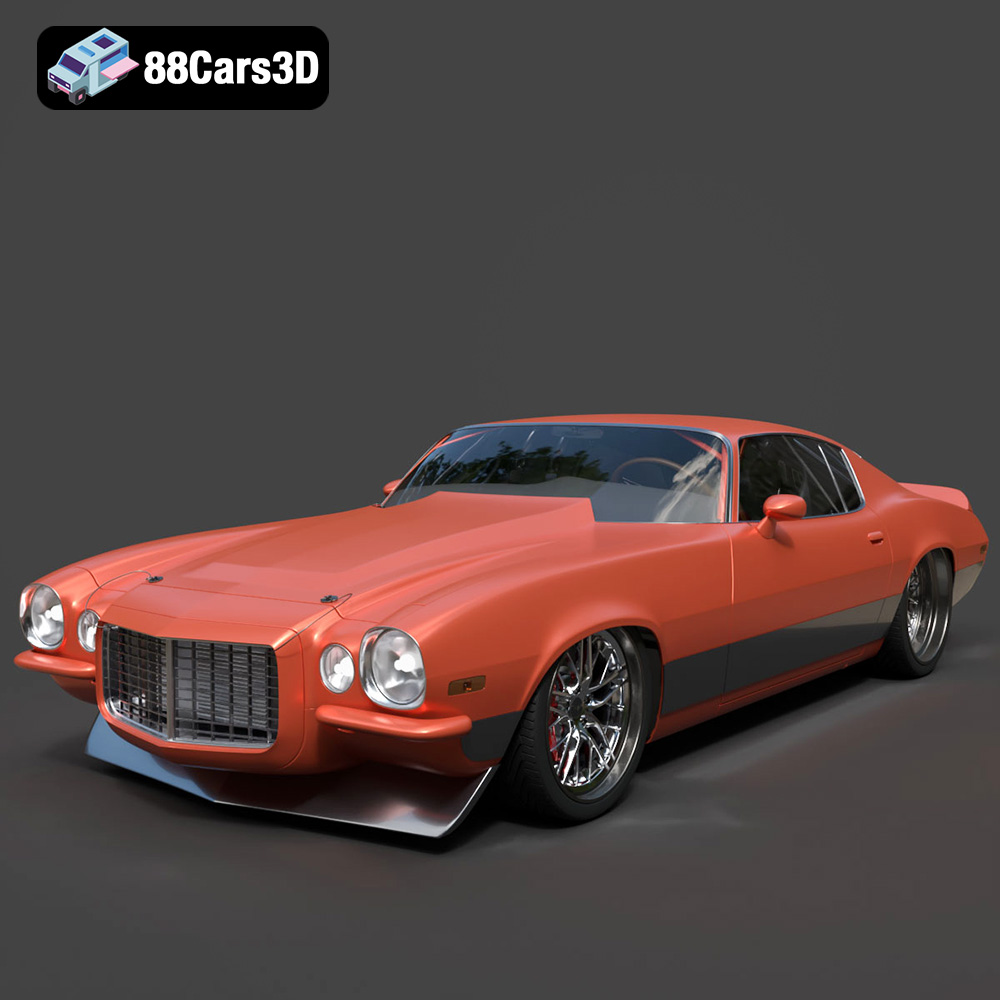
Download the Chevrolet Camaro 1970 3D Model featuring clean geometry, realistic detailing, and a fully modeled interior. Includes .blend, .fbx, .obj, .glb, .stl, .ply, .unreal, and .max formats for rendering, simulation, and game development.
Price: $10
Texture: Yes
Material: Yes
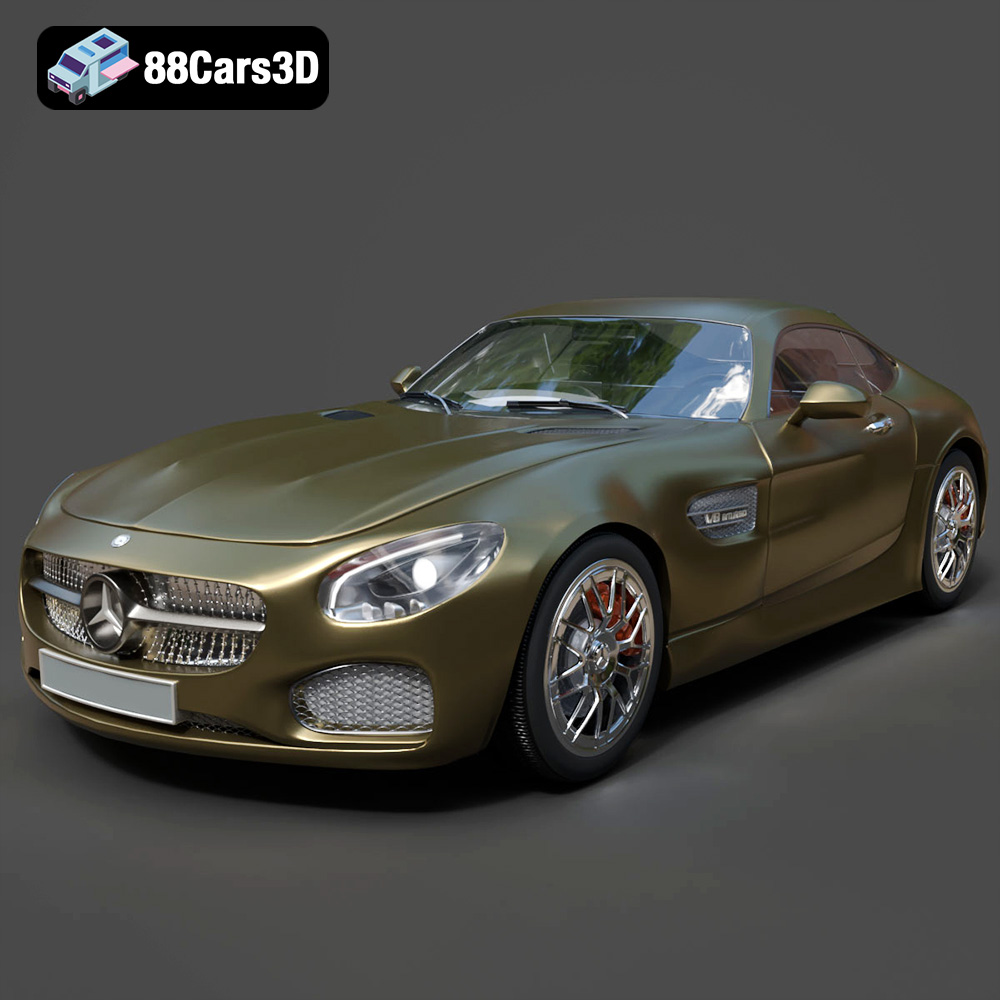
Download the Mercedes-AMG GT 2015 3D Model featuring clean geometry, realistic detailing, and a fully modeled interior. Includes .blend, .fbx, .obj, .glb, .stl, .ply, .unreal, and .max formats for rendering, simulation, and game development.
Price: $88.99
Texture: Yes
Material: Yes
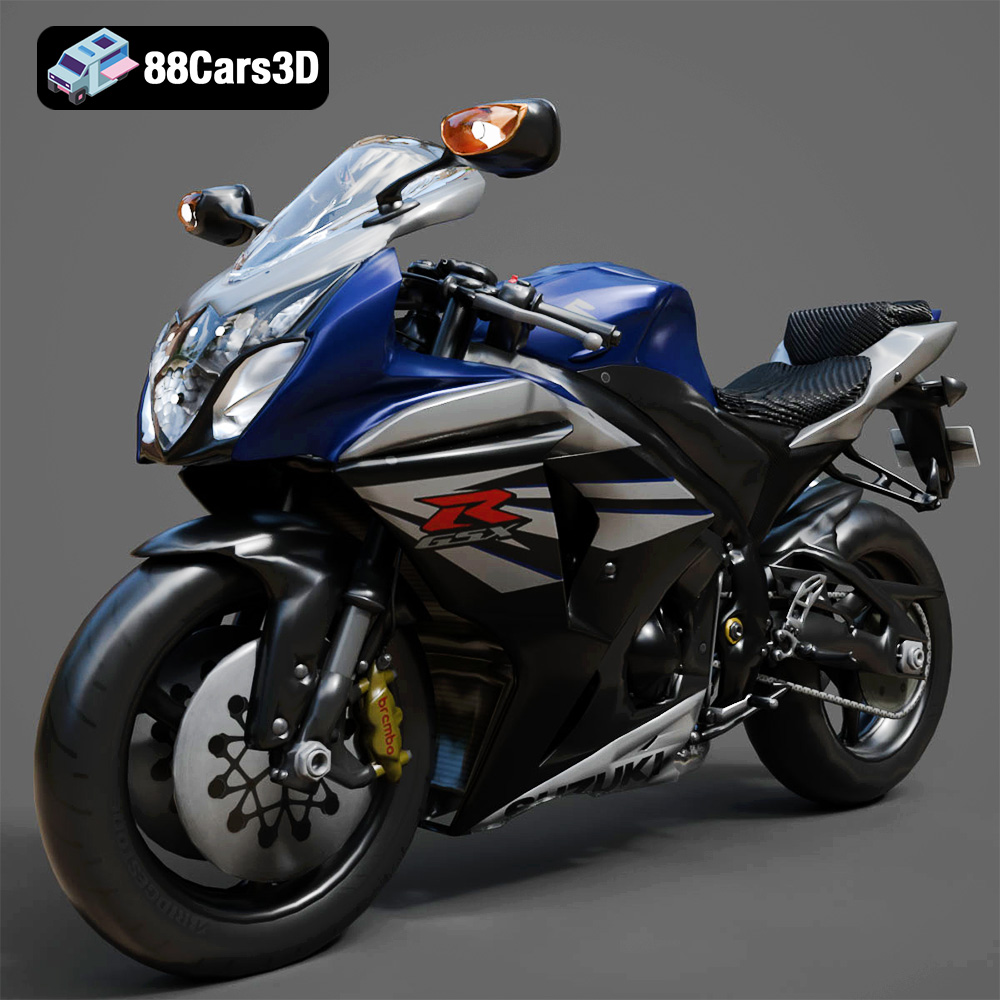
Download the Suzuki GSX-R 1000 3D Model featuring clean geometry, realistic detailing, and a fully modeled interior. Includes .blend, .fbx, .obj, .glb, .stl, .ply, .unreal, and .max formats for rendering, simulation, and game development.
Price: $10
Texture: Yes
Material: Yes
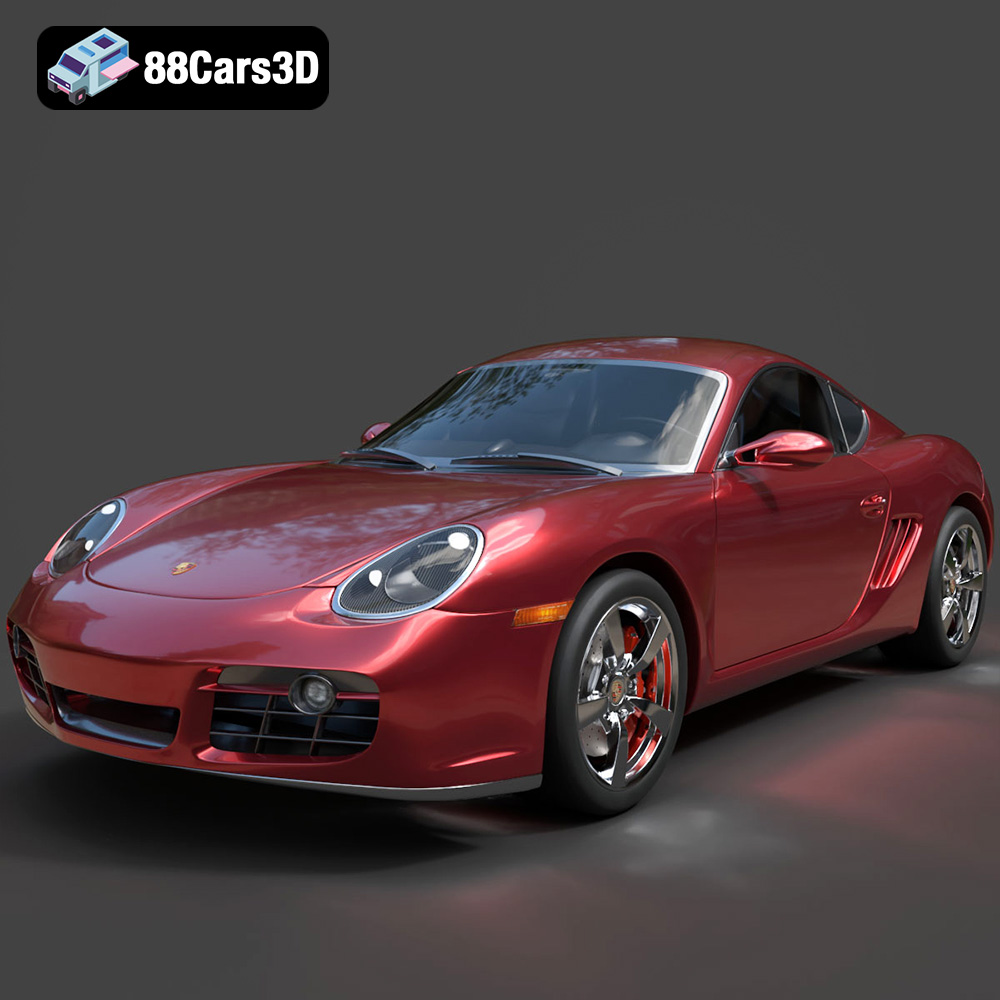
Download the Porsche Cayman S 2024 3D Model featuring clean geometry, realistic detailing, and a fully modeled interior. Includes .blend, .fbx, .obj, .glb, .stl, .ply, .unreal, and .max formats for rendering, simulation, and game development.
Price: $10
Texture: Yes
Material: Yes
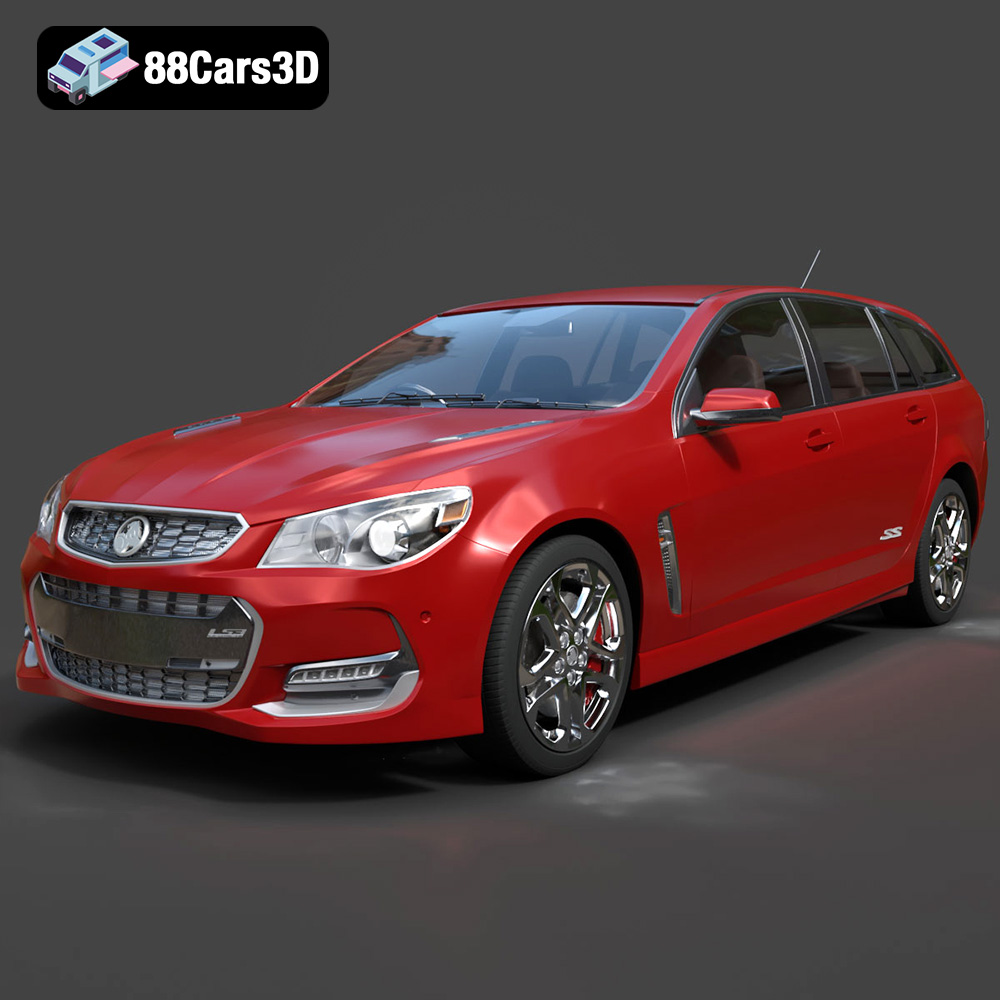
Download the Holden Commodore Sportwagon 2017 3D Model featuring clean geometry, realistic detailing, and a fully modeled interior. Includes .blend, .fbx, .obj, .glb, .stl, .ply, .unreal, and .max formats for rendering, simulation, and game development.
Price: $10
Texture: Yes
Material: Yes
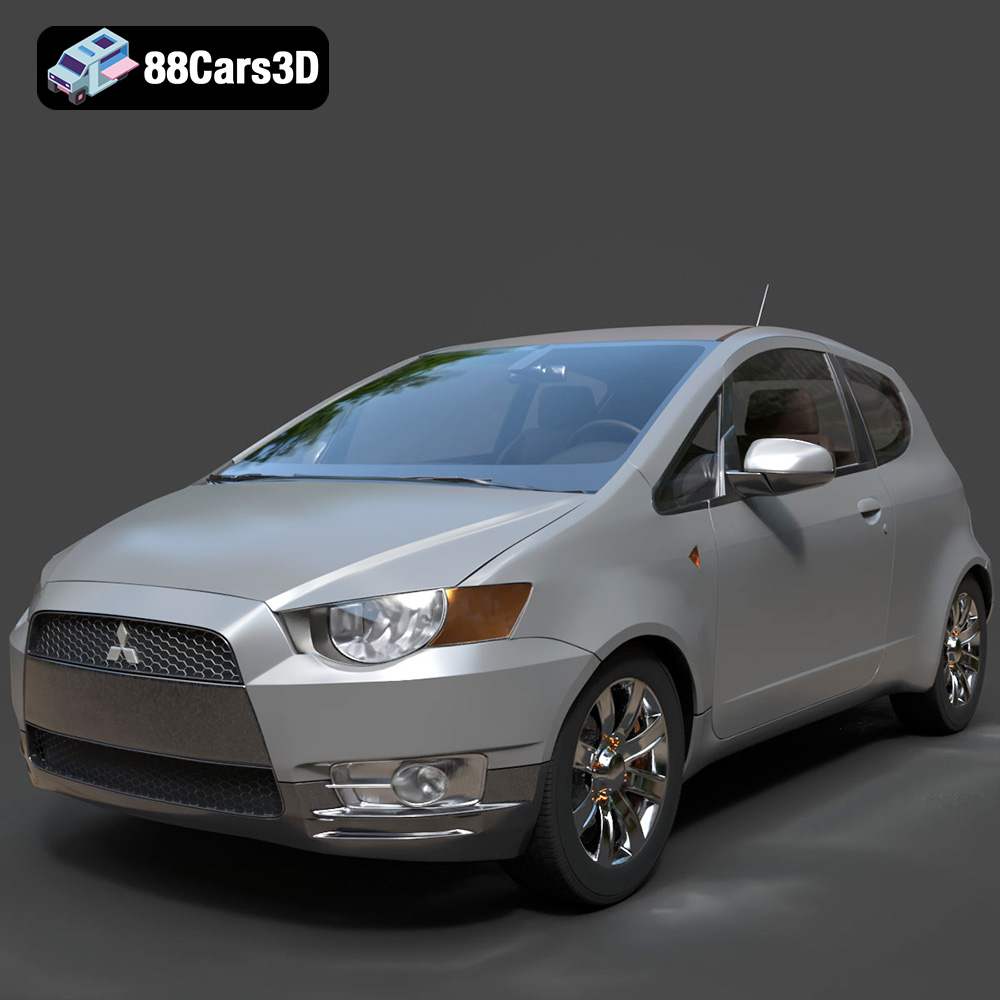
Download the Mitsubishi Colt 3 Door 2008 3D Model featuring clean geometry, realistic detailing, and a fully modeled interior. Includes .blend, .fbx, .obj, .glb, .stl, .ply, .unreal, and .max formats for rendering, simulation, and game development.
Price: $10
Texture: Yes
Material: Yes
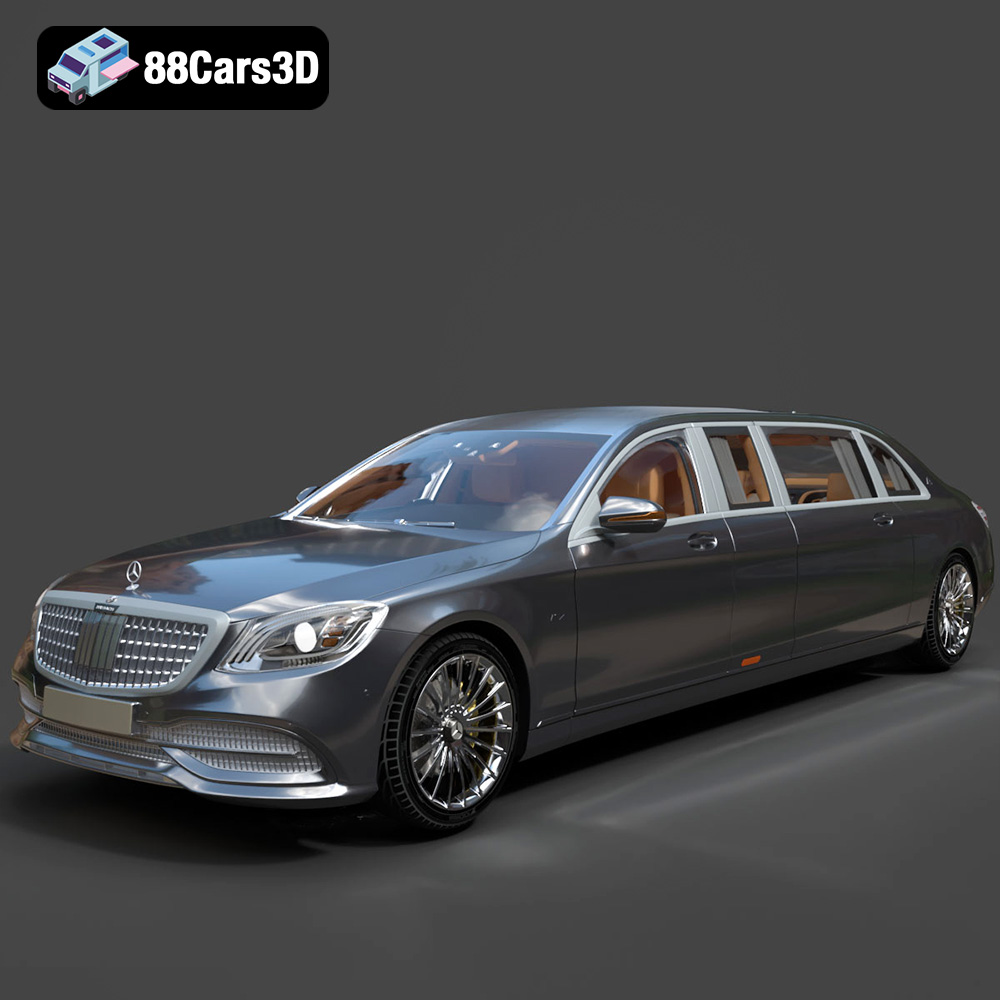
Download the Mercedes-Benz S650 Pullman 3D Model featuring clean geometry, realistic detailing, and a fully modeled interior. Includes .blend, .fbx, .obj, .glb, .stl, .ply, .unreal, and .max formats for rendering, simulation, and game development.
Price: $95.99
Texture: Yes
Material: Yes
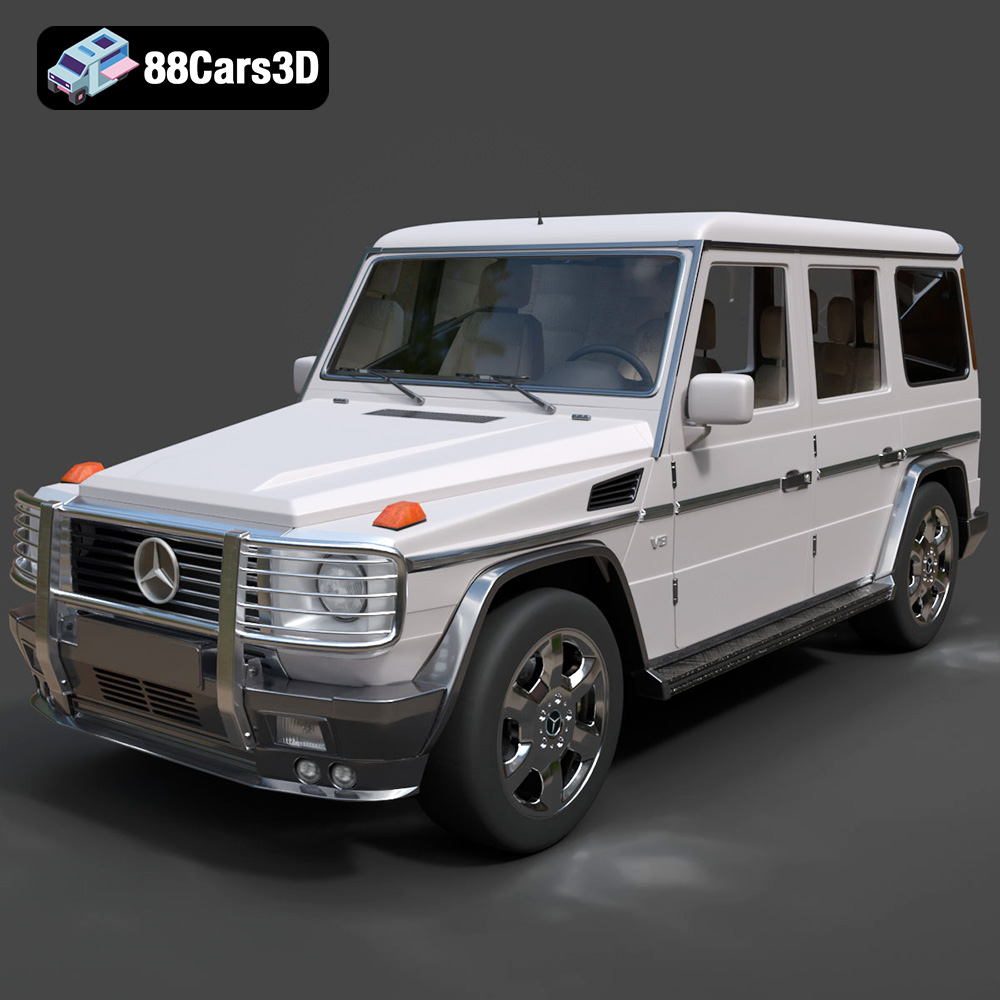
Download the Mercedes G-Class SUV 2024 3D Model featuring clean geometry, realistic detailing, and a fully modeled interior. Includes .blend, .fbx, .obj, .glb, .stl, .ply, .unreal, and .max formats for rendering, simulation, and game development.
Price: $10
Texture: Yes
Material: Yes
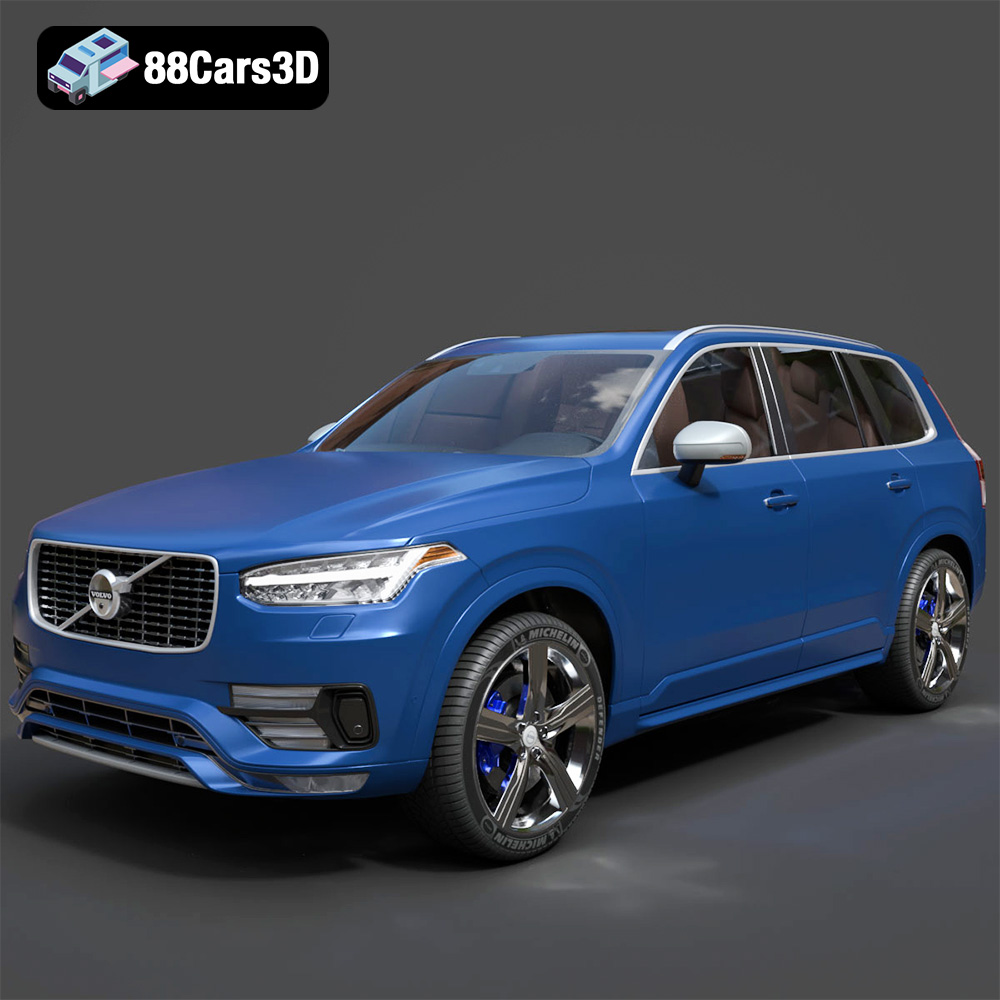
Download the Volvo XC90 R-Design 2015 3D Model featuring clean geometry, realistic detailing, and a fully modeled interior. Includes .blend, .fbx, .obj, .glb, .stl, .ply, .unreal, and .max formats for rendering, simulation, and game development.
Price: $10

**Meta Description:**
Texture: Yes
Material: Yes
Download the Toyota Crown Majesta 2009 3D Model with luxury detailing, clean topology, and a fully modeled interior. Available in .blend, .fbx, .obj, .glb, .stl, .ply, .unreal, and .max formats for rendering, simulation, and game development.
Price: $4.99

**Meta Description:**
Texture: Yes
Material: Yes
Download the Toyota AE86 Levin 1983 1987 3D Model featuring realistic exterior and interior detailing. Includes .blend, .fbx, .obj, .glb, .stl, .ply, .unreal, and .max formats for rendering, simulation, and game development.
Price: $9.99

Texture: Yes
Material: Yes
Download the Toyota Mark 2 2001 3D Model featuring clean geometry, realistic detailing, and a fully modeled interior. Includes .blend, .fbx, .obj, .glb, .stl, .ply, .unreal, and .max formats for rendering, simulation, and game development.
Price: $4.99

Texture: Yes
Material: Yes
Download the Toyota Celica 2000 3D Model featuring clean geometry, realistic detailing, and a fully modeled interior. Includes .blend, .fbx, .obj, .glb, .stl, .ply, .unreal, and .max formats for rendering, simulation, and game development.
Price: $4.99

Download the Toyota Camry US 2012 3D Model featuring clean geometry, realistic detailing, and a fully modeled interior. Includes .blend, .fbx, .obj, .glb, .stl, .ply, .unreal, and .max formats for rendering, simulation, and game development.
Price: $4.99

Texture: Yes
Material: Yes
Download the Toyota GT 86 2013 3D Model featuring clean geometry, realistic detailing, and a fully modeled interior. Includes .blend, .fbx, .obj, .glb, .stl, .ply, .unreal, and .max formats for rendering, simulation, and game development.
Price: $4.99

Texture: Yes
Material: Yes
Download the Toyota Mark X 2010 3D Model featuring clean geometry, realistic detailing, and a fully modeled interior. Includes .blend, .fbx, .obj, .glb, .stl, .ply, .unreal, and .max formats for rendering, simulation, and game development.
Price: $4.99

Texture: Yes
Material: Yes
Download the Toyota Allion 2008 3D Model featuring clean geometry, realistic detailing, and a fully modeled interior. Includes .blend, .fbx, .obj, .glb, .stl, .ply, .unreal, and .max formats for rendering, simulation, and game development.
Price: $4.99

Texture: Yes
Material: Yes
Download the Toyota Avensis 2005 3D Model featuring clean geometry, realistic detailing, and a fully modeled interior. Includes .blend, .fbx, .obj, .glb, .stl, .ply, .unreal, and .max formats for rendering, simulation, and game development.
Price: $4.99

Texture: Yes
Material: Yes
Download the Toyota Camry Solara 2006 3D Model featuring clean geometry, realistic detailing, and a fully modeled interior. Includes .blend, .fbx, .obj, .glb, .stl, .ply, .unreal, and .max formats for rendering, simulation, and game development.
Price: $4.99

Texture: Yes
Material: Yes
Download the Skoda Superb 2009 3D Model featuring clean geometry, realistic detailing, and a fully modeled interior. Includes .blend, .fbx, .obj, .glb, .stl, .ply, .unreal, and .max formats for rendering, simulation, and game development.
Price: $4.99

Texture: Yes
Material: Yes
Download the Skoda Superb 2006 3D Model featuring clean geometry, realistic detailing, and a fully modeled interior. Includes .blend, .fbx, .obj, .glb, .stl, .ply, .unreal, and .max formats for rendering, simulation, and game development.
Price: $4.99

Texture: Yes
Material: Yes
Download the Ford Mustang Shelby Super Snake Concept 2018 3D Model featuring clean geometry, realistic detailing, and a fully modeled interior. Includes .blend, .fbx, .obj, .glb, .stl, .ply, .unreal, and .max formats for rendering, simulation, and game development.
Price: $4.99

Texture: Yes
Material: Yes
Download the Porsche Cayenne Turbo 2018 3D Model featuring clean geometry, realistic detailing, and a fully modeled interior. Includes .blend, .fbx, .obj, .glb, .stl, .ply, .unreal, and .max formats for rendering, simulation, and game development.
Price: $4.99

Texture: Yes
Material: Yes
Download the Chevrolet Lacetti Sedan 2004 3D Model featuring clean geometry, realistic detailing, and a fully modeled interior. Includes .blend, .fbx, .obj, .glb, .stl, .ply, .unreal, and .max formats for rendering, simulation, and game development.
Price: $4.99

Texture: Yes
Material: Yes
Download the Skoda Rapid 2013 3D Model featuring clean geometry, realistic detailing, and a fully modeled interior. Includes .blend, .fbx, .obj, .glb, .stl, .ply, .unreal, and .max formats for rendering, simulation, and game development.
Price: $4.99

Texture: Yes
Material: Yes
Download the Skoda Octavia A5-007 3D Model featuring clean geometry, realistic detailing, and a fully modeled interior. Includes .blend, .fbx, .obj, .glb, .stl, .ply, .unreal, and .max formats for rendering, simulation, and game development.
Price: $4.99

Texture: Yes
Material: Yes
Download the Skoda Fabia 2023 3D Model featuring clean geometry, realistic detailing, and a fully modeled interior. Includes .blend, .fbx, .obj, .glb, .stl, .ply, .unreal, and .max formats for rendering, simulation, and game development.
Price: $4.99

Texture: Yes
Material: Yes
Download the Skoda Fabia 2007 3D Model featuring clean geometry, realistic detailing, and a fully modeled interior. Includes .blend, .fbx, .obj, .glb, .stl, .ply, .unreal, and .max formats for rendering, simulation, and game development.
Price: $4.99

Texture: Yes
Material: Yes
Download the Honda VFR 1200 F 2015 3D Model featuring clean geometry, realistic detailing, and a fully modeled interior. Includes .blend, .fbx, .obj, .glb, .stl, .ply, .unreal, and .max formats for rendering, simulation, and game development.
Price: $4.99

Texture: Yes
Material: Yes
Download the Subaru BRZ 2025 3D Model featuring clean geometry, realistic detailing, and a fully modeled interior. Includes .blend, .fbx, .obj, .glb, .stl, .ply, .unreal, and .max formats for rendering, simulation, and game development.
Price: $4.99

Texture: Yes
Material: Yes
Download the SsangYong Rodius 2007 3D Model featuring clean geometry, realistic detailing, and a fully modeled interior. Includes .blend, .fbx, .obj, .glb, .stl, .ply, .unreal, and .max formats for rendering, simulation, and game development.
Price: $4.99

Texture: Yes
Material: Yes
Download the Subaru Impreza 1992 3D Model featuring clean geometry, realistic detailing, and a fully modeled interior. Includes .blend, .fbx, .obj, .glb, .stl, .ply, .unreal, and .max formats for rendering, simulation, and game development.
Price: $4.99

Texture: Yes
Material: Yes
Download the Subaru Impreza 2005 3D Model featuring clean geometry, realistic detailing, and a fully modeled interior. Includes .blend, .fbx, .obj, .glb, .stl, .ply, .unreal, and .max formats for rendering, simulation, and game development.
Price: $4.99

Texture: Yes
Material: Yes
Download the Spyker C8-007 2004 3D Model featuring clean geometry, realistic detailing, and a fully modeled interior. Includes .blend, .fbx, .obj, .glb, .stl, .ply, .unreal, and .max formats for rendering, simulation, and game development.
Price: $4.99

Texture: Yes
Material: Yes
Download the Smart Roadster 2003 3D Model featuring clean geometry, realistic detailing, and a fully modeled interior. Includes .blend, .fbx, .obj, .glb, .stl, .ply, .unreal, and .max formats for rendering, simulation, and game development.
Price: $4.99

Texture: Yes
Material: Yes
Download the Skoda Roomster 2007 3D Model featuring clean geometry, realistic detailing, and a fully modeled interior. Includes .blend, .fbx, .obj, .glb, .stl, .ply, .unreal, and .max formats for rendering, simulation, and game development.
Price: $4.99

Texture: Yes
Material: Yes
Download the Subaru Impreza Sport Wagon 3D Model featuring clean geometry, realistic detailing, and a fully modeled interior. Includes .blend, .fbx, .obj, .glb, .stl, .ply, .unreal, and .max formats for rendering, simulation, and game development.
Price: $4.99

Texture: Yes
Material: Yes
Download the Skoda Octavia A7 2017 3D Model featuring clean geometry, realistic detailing, and a fully modeled interior. Includes .blend, .fbx, .obj, .glb, .stl, .ply, .unreal, and .max formats for rendering, simulation, and game development.
Price: $4.99

Texture: Yes
Material: Yes
Download the Suzuki SX4-002 3D Model featuring clean geometry, realistic detailing, and a fully modeled interior. Includes .blend, .fbx, .obj, .glb, .stl, .ply, .unreal, and .max formats for rendering, simulation, and game development.
Price: $4.99

Texture: Yes
Material: Yes
Download the Tesla Model S 2024 3D Model featuring clean geometry, realistic detailing, and a fully modeled interior. Includes .blend, .fbx, .obj, .glb, .stl, .ply, .unreal, and .max formats for rendering, simulation, and game development.
Price: $4.99

Texture: Yes
Material: Yes
Download the Subaru Impreza WRX STi-002 3D Model featuring clean geometry, realistic detailing, and a fully modeled interior. Includes .blend, .fbx, .obj, .glb, .stl, .ply, .unreal, and .max formats for rendering, simulation, and game development.
Price: $4.99

Texture: Yes
Material: Yes
Download the Subaru Impreza WRX STi Sedan 3D Model featuring clean geometry, realistic detailing, and a fully modeled interior. Includes .blend, .fbx, .obj, .glb, .stl, .ply, .unreal, and .max formats for rendering, simulation, and game development.
Price: $4.99

Texture: Yes
Material: Yes
Download the Subaru Legacy 2009 3D Model featuring clean geometry, realistic detailing, and a fully modeled interior. Includes .blend, .fbx, .obj, .glb, .stl, .ply, .unreal, and .max formats for rendering, simulation, and game development.
Price: $4.99

Texture: Yes
Material: Yes
Download the Suzuki Swift 2024 3D Model featuring clean geometry, realistic detailing, and a fully modeled interior. Includes .blend, .fbx, .obj, .glb, .stl, .ply, .unreal, and .max formats for rendering, simulation, and game development.
Price: $4.99

Texture: Yes
Material: Yes
Download the Suzuki Liana Sedan 2004 3D Model featuring clean geometry, realistic detailing, and a fully modeled interior. Includes .blend, .fbx, .obj, .glb, .stl, .ply, .unreal, and .max formats for rendering, simulation, and game development.
Price: $4.99

Texture: Yes
Material: Yes
Download the Subaru Outback 2024 3D Model featuring clean geometry, realistic detailing, and a fully modeled interior. Includes .blend, .fbx, .obj, .glb, .stl, .ply, .unreal, and .max formats for rendering, simulation, and game development.
Price: $4.99

Texture: Yes
Material: Yes
Download the Subaru Legacy 2003 3D Model featuring clean geometry, realistic detailing, and a fully modeled interior. Includes .blend, .fbx, .obj, .glb, .stl, .ply, .unreal, and .max formats for rendering, simulation, and game development.
Price: $4.99

Texture: Yes
Material: Yes
Download the Subaru Legacy Touring Wagon 3D Model featuring clean geometry, realistic detailing, and a fully modeled interior. Includes .blend, .fbx, .obj, .glb, .stl, .ply, .unreal, and .max formats for rendering, simulation, and game development.
Price: $4.99

Texture: Yes
Material: Yes
Download the Toyota Mark II (X100) 3D Model featuring clean geometry, realistic detailing, and a fully modeled interior. Includes .blend, .fbx, .obj, .glb, .stl, .ply, .unreal, and .max formats for rendering, simulation, and game development.
Price: $4.99

Texture: Yes
Material: Yes
Download the Toyota Corona 1985 3D Model featuring clean geometry, realistic detailing, and a fully modeled interior. Includes .blend, .fbx, .obj, .glb, .stl, .ply, .unreal, and .max formats for rendering, simulation, and game development.
Price: $4.99

Texture: Yes
Material: Yes
Download the Toyota Mark II X81 1990 3D Model featuring clean geometry, realistic detailing, and a fully modeled interior. Includes .blend, .fbx, .obj, .glb, .stl, .ply, .unreal, and .max formats for rendering, simulation, and game development.
Price: $4.99

Texture: Yes
Material: Yes
Download the Toyota iQ EV 2012 3D Model featuring clean geometry, realistic detailing, and a fully modeled interior. Includes .blend, .fbx, .obj, .glb, .stl, .ply, .unreal, and .max formats for rendering, simulation, and game development.
Price: $4.99

Texture: Yes
Material: Yes
Download the Toyota Aygo 2013 3D Model featuring clean geometry, realistic detailing, and a fully modeled interior. Includes .blend, .fbx, .obj, .glb, .stl, .ply, .unreal, and .max formats for rendering, simulation, and game development.
Price: $4.99

Texture: Yes
Material: Yes
Download the Toyota Crown S180 2005 3D Model featuring clean geometry, realistic detailing, and a fully modeled interior. Includes .blend, .fbx, .obj, .glb, .stl, .ply, .unreal, and .max formats for rendering, simulation, and game development.
Price: $4.99

Texture: Yes
Material: Yes
Download the Toyota Celica 2004 3D Model featuring clean geometry, realistic detailing, and a fully modeled interior. Includes .blend, .fbx, .obj, .glb, .stl, .ply, .unreal, and .max formats for rendering, simulation, and game development.
Price: $4.99

Texture: Yes
Material: Yes
Download the Toyota Corolla AE100 1992 3D Model featuring clean geometry, realistic detailing, and a fully modeled interior. Includes .blend, .fbx, .obj, .glb, .stl, .ply, .unreal, and .max formats for rendering, simulation, and game development.
Price: $4.99

Texture: Yes
Material: Yes
Download the Toyota Mark II X110 2000 3D Model featuring clean geometry, realistic detailing, and a fully modeled interior. Includes .blend, .fbx, .obj, .glb, .stl, .ply, .unreal, and .max formats for rendering, simulation, and game development.
Price: $4.99

Texture: Yes
Material: Yes
Download the Toyota Corolla 2020 3D Model featuring clean geometry, realistic detailing, and a fully modeled interior. Includes .blend, .fbx, .obj, .glb, .stl, .ply, .unreal, and .max formats for rendering, simulation, and game development.
Price: $4.99

Texture: Yes
Material: Yes
Download the Toyota Yaris 2020 3D Model featuring clean geometry, realistic detailing, and a fully modeled interior. Includes .blend, .fbx, .obj, .glb, .stl, .ply, .unreal, and .max formats for rendering, simulation, and game development.
Price: $4.99

Texture: Yes
Material: Yes
Download the Volkswagen Beetle 2012 3D Model featuring clean geometry, realistic detailing, and a fully modeled interior. Includes .blend, .fbx, .obj, .glb, .stl, .ply, .unreal, and .max formats for rendering, simulation, and game development.
Price: $4.99

Texture: Yes
Material: Yes
Download the Toyota Matrix 2005 3D Model featuring clean geometry, realistic detailing, and a fully modeled interior. Includes .blend, .fbx, .obj, .glb, .stl, .ply, .unreal, and .max formats for rendering, simulation, and game development.
Price: $4.99

Texture: Yes
Material: Yes
Download the Toyota Yaris Sedan 3D Model featuring clean geometry, realistic detailing, and a fully modeled interior. Includes .blend, .fbx, .obj, .glb, .stl, .ply, .unreal, and .max formats for rendering, simulation, and game development.
Price: $4.99

Texture: Yes
Material: Yes
Download the Volkswagen Golf R-004 2024 3D Model featuring clean geometry, realistic detailing, and a fully modeled interior. Includes .blend, .fbx, .obj, .glb, .stl, .ply, .unreal, and .max formats for rendering, simulation, and game development.
Price: $4.99

Texture: Yes
Material: Yes
Download the Volkswagen Golf 5 Door 2010 3D Model featuring clean geometry, realistic detailing, and a fully modeled interior. Includes .blend, .fbx, .obj, .glb, .stl, .ply, .unreal, and .max formats for rendering, simulation, and game development.
Price: $4.99

Texture: Yes
Material: Yes
Download the Toyota Premio 2010 3D Model featuring clean geometry, realistic detailing, and a fully modeled interior. Includes .blend, .fbx, .obj, .glb, .stl, .ply, .unreal, and .max formats for rendering, simulation, and game development.
Price: $4.99

Texture: Yes
Material: Yes
Download the Toyota Opa 2000 3D Model featuring clean geometry, realistic detailing, and a fully modeled interior. Includes .blend, .fbx, .obj, .glb, .stl, .ply, .unreal, and .max formats for rendering, simulation, and game development.
Price: $4.99

Texture: Yes
Material: Yes
Download the Volkswagen Polo 5 Door 2010 3D Model featuring clean geometry, realistic detailing, and a fully modeled interior. Includes .blend, .fbx, .obj, .glb, .stl, .ply, .unreal, and .max formats for rendering, simulation, and game development.
Price: $4.99

Texture: Yes
Material: Yes
Download the Toyota Prius 2024 3D Model featuring clean geometry, realistic detailing, and a fully modeled interior. Includes .blend, .fbx, .obj, .glb, .stl, .ply, .unreal, and .max formats for rendering, simulation, and game development.
Price: $4.99

Texture: Yes
Material: Yes
Download the Toyota Yaris 1999 3D Model featuring clean geometry, realistic detailing, and a fully modeled interior. Includes .blend, .fbx, .obj, .glb, .stl, .ply, .unreal, and .max formats for rendering, simulation, and game development.
Price: $4.99

Texture: Yes
Material: Yes
Download the Toyota Supra 2020 3D Model featuring clean geometry, realistic detailing, and a fully modeled interior. Includes .blend, .fbx, .obj, .glb, .stl, .ply, .unreal, and .max formats for rendering, simulation, and game development.
Price: $4.99

Texture: Yes
Material: Yes
Download the Volkswagen New Beetle 2000 3D Model featuring clean geometry, realistic detailing, and a fully modeled interior. Includes .blend, .fbx, .obj, .glb, .stl, .ply, .unreal, and .max formats for rendering, simulation, and game development.
Price: $14.99

Texture: Yes
Material: Yes
Download the Volkswagen Jetta 2005 3D Model featuring clean geometry, realistic detailing, and a fully modeled interior. Includes .blend, .fbx, .obj, .glb, .stl, .ply, .unreal, and .max formats for rendering, simulation, and game development.
Price: $4.99

Texture: Yes
Material: Yes
Download the Volkswagen Golf 3-Door 3D Model featuring clean geometry, realistic detailing, and a fully modeled interior. Includes .blend, .fbx, .obj, .glb, .stl, .ply, .unreal, and .max formats for rendering, simulation, and game development.
Price: $14.99

Texture: Yes
Material: Yes
Download the Volvo V70 2005 3D Model featuring clean geometry, realistic detailing, and a fully modeled interior. Includes .blend, .fbx, .obj, .glb, .stl, .ply, .unreal, and .max formats for rendering, simulation, and game development.
Price: $14.99

Texture: Yes
Material: Yes
Download the Volkswagen Bora 2004 3D Model featuring clean geometry, realistic detailing, and a fully modeled interior. Includes .blend, .fbx, .obj, .glb, .stl, .ply, .unreal, and .max formats for rendering, simulation, and game development.
Price: $14.99

Texture: Yes
Material: Yes
Download the Volkswagen Lupo 3D Model featuring clean geometry, realistic detailing, and a fully modeled interior. Includes .blend, .fbx, .obj, .glb, .stl, .ply, .unreal, and .max formats for rendering, simulation, and game development.
Price: $5.99

Texture: Yes
Material: Yes
Download the Volkswagen Passat B5 2000 3D Model featuring clean geometry, realistic detailing, and a fully modeled interior. Includes .blend, .fbx, .obj, .glb, .stl, .ply, .unreal, and .max formats for rendering, simulation, and game development.
Price: $5.99

Texture: Yes
Material: Yes
Download the Volkswagen Passat CC 3D Model featuring clean geometry, realistic detailing, and a fully modeled interior. Includes .blend, .fbx, .obj, .glb, .stl, .ply, .unreal, and .max formats for rendering, simulation, and game development.
Price: $5.99

Texture: Yes
Material: Yes
Download the Volkswagen Golf V 2006 3D Model featuring clean geometry, realistic detailing, and a fully modeled interior. Includes .blend, .fbx, .obj, .glb, .stl, .ply, .unreal, and .max formats for rendering, simulation, and game development.
Price: $5.99

Texture: Yes
Material: Yes
Download the Volvo S60 R-Design 3D Model featuring clean geometry, realistic detailing, and a fully modeled interior. Includes .blend, .fbx, .obj, .glb, .stl, .ply, .unreal, and .max formats for rendering, simulation, and game development.
Price: $5.99

Texture: Yes
Material: Yes
Download the Volkswagen Passat 2025 3D Model featuring clean geometry, realistic detailing, and a fully modeled interior. Includes .blend, .fbx, .obj, .glb, .stl, .ply, .unreal, and .max formats for rendering, simulation, and game development.
Price: $5.99

Texture: Yes
Material: Yes
Download the Volkswagen Passat Variant B6 2005 3D Model featuring clean geometry, realistic detailing, and a fully modeled interior. Includes .blend, .fbx, .obj, .glb, .stl, .ply, .unreal, and .max formats for rendering, simulation, and game development.
Price: $5.99

Texture: Yes
Material: Yes
Download the Volkswagen Phaeton W12 2004 3D Model featuring clean geometry, realistic detailing, and a fully modeled interior. Includes .blend, .fbx, .obj, .glb, .stl, .ply, .unreal, and .max formats for rendering, simulation, and game development.
Price: $5.99

Texture: Yes
Material: Yes
Download the Volkswagen Scirocco 2015 3D Model featuring clean geometry, realistic detailing, and a fully modeled interior. Includes .blend, .fbx, .obj, .glb, .stl, .ply, .unreal, and .max formats for rendering, simulation, and game development.
Price: $5.99

Texture: Yes
Material: Yes
Download the Volvo S60 2024 3D Model featuring clean geometry, realistic detailing, and a fully modeled interior. Includes .blend, .fbx, .obj, .glb, .stl, .ply, .unreal, and .max formats for rendering, simulation, and game development.
Price: $5.99

Texture: Yes
Material: Yes
Download the Volkswagen Polo 3D Model featuring clean geometry, realistic detailing, and a fully modeled interior. Includes .blend, .fbx, .obj, .glb, .stl, .ply, .unreal, and .max formats for rendering, simulation, and game development.
Price: $5.99

Texture: Yes
Material: Yes
Download the Volkswagen Golf 5-Doors 3D Model featuring clean geometry, realistic detailing, and a fully modeled interior. Includes .blend, .fbx, .obj, .glb, .stl, .ply, .unreal, and .max formats for rendering, simulation, and game development.
Price: $5.99

Texture: Yes
Material: Yes
Download the Volvo C70 T5 2000 3D Model featuring clean geometry, realistic detailing, and a fully modeled interior. Includes .blend, .fbx, .obj, .glb, .stl, .ply, .unreal, and .max formats for rendering, simulation, and game development.
Price: $5.99

Texture: Yes
Material: Yes
Download the Volvo S40 Sedan 2004 3D Model featuring clean geometry, realistic detailing, and a fully modeled interior. Includes .blend, .fbx, .obj, .glb, .stl, .ply, .unreal, and .max formats for rendering, simulation, and game development.
Price: $5.99

Texture: Yes
Material: Yes
Download the Volvo C30 BEV 2012 3D Model featuring clean geometry, realistic detailing, and a fully modeled interior. Includes .blend, .fbx, .obj, .glb, .stl, .ply, .unreal, and .max formats for rendering, simulation, and game development.
Price: $5.99

Texture: Yes
Material: Yes
Download the Volvo C70 1998 3D Model featuring clean geometry, realistic detailing, and a fully modeled interior. Includes .blend, .fbx, .obj, .glb, .stl, .ply, .unreal, and .max formats for rendering, simulation, and game development.
Price: $5.99

Texture: Yes
Material: Yes
Download the Mazda B-Series 3D Model featuring clean geometry, realistic detailing, and a fully modeled interior. Includes .blend, .fbx, .obj, .glb, .stl, .ply, .unreal, and .max formats for rendering, simulation, and game development.
Price: $5.99

Texture: Yes
Material: Yes
Download the Mercsedes Benz Z3-006 3D Model featuring clean geometry, realistic detailing, and a fully modeled interior. Includes .blend, .fbx, .obj, .glb, .stl, .ply, .unreal, and .max formats for rendering, simulation, and game development.
Price: $5.99

Texture: Yes
Material: Yes
Download the Mazda RX-7 3D Model featuring clean geometry, realistic detailing, and a fully modeled interior. Includes .blend, .fbx, .obj, .glb, .stl, .ply, .unreal, and .max formats for rendering, simulation, and game development.
Price: $5.99

Texture: Yes
Material: Yes
Download the Volvo VCC-003 3D Model featuring clean geometry, realistic detailing, and a fully modeled interior. Includes .blend, .fbx, .obj, .glb, .stl, .ply, .unreal, and .max formats for rendering, simulation, and game development.
Price: $5.99

Texture: Yes
Material: Yes
Download the Mercedes-Benz SLR McLaren 2005 3D Model featuring clean geometry, realistic detailing, and a fully modeled interior. Includes .blend, .fbx, .obj, .glb, .stl, .ply, .unreal, and .max formats for rendering, simulation, and game development.
Price: $5.99

Texture: Yes
Material: Yes
Download the GAZ 3110 Pickup 3D Model featuring clean geometry, realistic detailing, and a fully modeled interior. Includes .blend, .fbx, .obj, .glb, .stl, .ply, .unreal, and .max formats for rendering, simulation, and game development.
Price: $5.99

Texture: Yes
Material: Yes
Download the Mazda 626 GF 1997 3D Model featuring clean geometry, realistic detailing, and a fully modeled interior. Includes .blend, .fbx, .obj, .glb, .stl, .ply, .unreal, and .max formats for rendering, simulation, and game development.
Price: $5.99

Texture: Yes
Material: Yes
Download the Volvo S80 2011 3D Model featuring clean geometry, realistic detailing, and a fully modeled interior. Includes .blend, .fbx, .obj, .glb, .stl, .ply, .unreal, and .max formats for rendering, simulation, and game development.
Price: $5.99

