⚡ FLASH SALE: Get 60% OFF All Premium 3D & STL Models! ⚡

“`html
The automotive industry has undergone a seismic shift, moving from static renders and pre-recorded videos to fully interactive, real-time 3D experiences. At the heart of this revolution is Unreal Engine 5, a powerhouse tool that empowers creators to achieve unprecedented levels of photorealism and dynamic interactivity. For designers, marketers, and developers, this means the ability to build everything from stunning cinematic commercials to fully functional car configurators that run in real-time. However, harnessing this power requires a blend of artistic vision and deep technical knowledge. The journey from a raw 3D model to a polished, optimized automotive visualization can be complex, involving meticulous model preparation, advanced material creation, and sophisticated lighting techniques.
This comprehensive guide will serve as your roadmap to mastering automotive visualization in Unreal Engine 5. We will deconstruct the entire workflow, starting with essential project setup and the critical process of integrating high-quality 3D car models. We’ll dive deep into the game-changing technologies of Nanite and Lumen, explore the art of crafting a flawless PBR car paint material, and unlock interactivity with the Blueprint visual scripting system. Finally, we’ll cover cinematic production using Sequencer and the crucial steps for performance optimization. By the end of this article, you will have the knowledge to transform a static 3D asset into a breathtaking, interactive automotive experience.
A successful project begins with a solid foundation. Before you can even think about stunning reflections and dynamic lighting, you must configure your Unreal Engine environment and import your automotive assets correctly. This initial stage is crucial for maintaining a streamlined and efficient workflow, preventing technical headaches down the line. A well-organized project with properly integrated models is the professional standard for high-end visualization.
When creating a new project, Unreal Engine offers several templates. For automotive work, the Architecture, Engineering, and Construction (AEC) or the dedicated Automotive template are excellent starting points. These templates come with useful plugins and project settings pre-configured for high-fidelity visualization. Key settings to review include:
The quality of your final visualization is directly tied to the quality of your source model. A great 3D car model features clean, quad-based topology, logical material separation, and non-overlapping UV maps. Marketplaces such as 88cars3d.com provide production-ready assets specifically optimized for real-time engines, saving you countless hours of cleanup and preparation. When importing, you have two primary options:
Once imported, take the time to organize. Create a clear folder structure in your Content Drawer (e.g., `_Car_Model/Meshes`, `_Car_Model/Materials`, `_Car_Model/Textures`). Drag the imported model into your scene and inspect it carefully. Check that all components are present, material assignments are correct, and there are no visible artifacts. Use the Static Mesh Editor to review collision settings and ensure the model is scaled correctly. A few minutes spent on organization at the start will save hours of confusion later in the project.
Unreal Engine 5’s most celebrated features, Nanite and Lumen, have fundamentally changed the game for real-time rendering. They eliminate many of the traditional performance trade-offs associated with high-detail models and dynamic lighting, allowing for a level of visual fidelity that was previously only possible in offline rendering. For automotive visualization, these tools are indispensable for achieving photorealism.
Nanite is Unreal Engine’s virtualized micropolygon geometry system. In simple terms, it allows you to render 3D models with millions or even billions of polygons in real-time without the traditional need for manually created Level of Detail (LOD) meshes. For a 3D car model, this is revolutionary. Complex areas like honeycomb grilles, intricate wheel spokes, brake calipers, and interior stitching can be rendered with their full geometric detail. When you source a high-poly model from a platform like 88cars3d.com, you can enable Nanite on the mesh and let the engine handle the optimization automatically. To enable Nanite on a Static Mesh, simply open the mesh in the editor, find the “Nanite Settings,” and check the “Enable Nanite Support” box. The engine will process the mesh, and you’ll be able to use it in your scene with remarkable performance.
Lumen is a fully dynamic global illumination and reflections system. It provides realistic bounced light and reflections without the need for time-consuming lightmap baking or reflection probe setups. For automotive scenes, this means instant, high-quality results. A typical studio lighting setup for a car includes:
Lumen’s reflections are particularly important for car paint, chrome, and glass. They react in real-time to any changes in lighting or geometry, providing a truly dynamic and believable scene.
The final layer of visual polish comes from the Post Process Volume. Drag one into your scene and enable “Infinite Extent (Unbound)” to make its effects global. Key settings for automotive visualization include:
The material of a car is its identity. A convincing automotive visualization hinges on the quality of its shaders, especially the complex, multi-layered car paint. Unreal Engine’s node-based Material Editor is an incredibly powerful tool that allows you to build physically accurate materials from the ground up. Understanding the principles of Physically Based Rendering (PBR) is essential to creating surfaces that react to light like their real-world counterparts.
At its core, the Material Editor works with a set of inputs that define a surface’s properties. For PBR, the most important are:
A realistic car paint material is not a single layer; it’s a combination of a base coat, metallic flakes, and a protective clear coat. Here’s how to build it in the Material Editor:
This layered approach accurately simulates how light interacts with real automotive paint, providing depth and realism that a simple material cannot achieve.
The same PBR principles apply to other parts of the car:
The true power of real-time rendering lies in interactivity. Instead of a static image, you can create a dynamic experience where users can explore the vehicle, change its features, and see it in motion. Unreal Engine’s Blueprint visual scripting system allows artists and designers to build complex logic and interactivity without writing a single line of code. It’s the perfect tool for creating automotive configurators, interactive demos, and immersive VR experiences.
Let’s start with a simple interactive feature: changing the car’s paint color with a key press. This is achieved using a Dynamic Material Instance (DMI).
For more complex configurations (changing wheels, interior trim, etc.), the Variant Manager is the ideal tool. It’s a dedicated system for managing different versions of an asset within a scene.
You can then create a simple UI with buttons that trigger these variants, allowing the user to seamlessly switch between options.
To add another layer of interactivity, you can animate parts of the car like the doors, trunk, or convertible roof. The Timeline node inside a Blueprint is perfect for this. To animate a door opening:
While real-time interactivity is powerful, there is still a massive demand for high-quality, pre-rendered cinematic content for commercials, marketing materials, and social media. Unreal Engine’s Sequencer and Movie Render Queue (MRQ) provide a complete, studio-grade pipeline for creating stunning automotive films directly within the engine. This workflow gives you complete creative control over camera movement, animation, and final output quality.
Sequencer is Unreal Engine’s non-linear, multi-track cinematic editor. Think of it as a video editing suite combined with a 3D animation tool. To create a cinematic shot:
Beyond the camera, you can animate nearly anything in your scene using Sequencer. Drag your car’s Blueprint Actor into the Sequencer to create a track for it. You can then keyframe its position to create driving shots. For added realism, animate the environment as well. For example, add the Directional Light to Sequencer and keyframe its rotation to create a dramatic time-lapse effect with the sun moving across the sky, casting dynamic shadows and reflections on the car.
When you’re ready to export your cinematic, avoid the legacy “Render Movie” button. Instead, use the Movie Render Queue for superior quality and control. Access it via Window > Cinematics > Movie Render Queue.
MRQ allows you to stack render settings for the best possible output:
Whether you’re creating a real-time configurator for a web browser, a VR showroom experience, or a high-end cinematic, performance optimization is non-negotiable. A smooth, high-framerate experience is essential for user engagement and perceived quality. Understanding how to identify and resolve performance bottlenecks is a critical skill for any real-time artist. The official Unreal Engine documentation is an excellent resource for diving deeper into these advanced topics.
Performance issues typically fall into two categories: being CPU-bound or GPU-bound. Unreal Engine provides built-in profiling tools to diagnose this. Press the tilde (~) key to open the console and type:
Identifying the bottleneck tells you where to focus your optimization efforts. If you’re GPU-bound, you need to simplify your materials, lighting, or geometry. If you’re CPU-bound, you might have overly complex Blueprint logic or too many individual objects being drawn.
While Nanite is a powerful solution for high-poly geometry, it’s not a silver bullet for every scenario, especially for VR/AR or platforms that don’t support it. In these cases, traditional polygon optimization is key.
Textures and materials can be a major source of GPU strain and memory usage.
We’ve journeyed through the entire pipeline of modern automotive visualization, from the foundational steps of project setup to the cutting-edge capabilities of Unreal Engine 5. We’ve seen how integrating high-quality 3D car models is the critical starting point, and how technologies like Nanite and Lumen are breaking down the barriers to achieving true photorealism in real-time. By mastering the art of PBR material creation, you can craft surfaces that look and feel authentic, while the Blueprint system unlocks a world of interactivity, transforming static models into engaging experiences. Finally, with Sequencer and the Movie Render Queue, you have a professional virtual film studio at your fingertips.
The line between reality and real-time rendering is blurring faster than ever. The tools and techniques are more accessible and powerful than at any point in history. The key is to combine this technical knowledge with artistic intent. Don’t be afraid to experiment with lighting, to push your materials further, and to explore new forms of interaction. The path to mastery is through practice and application. Take the concepts discussed here, start your next project with a production-ready model from a quality source, and begin bringing your own automotive visions to life with the incredible power of Unreal Engine.
“`

Texture: Yes
Material: Yes
Download the Mercedes S-Class 2024 3D Model featuring clean geometry, realistic detailing, and a fully modeled interior. Includes .blend, .fbx, .obj, .glb, .stl, .ply, .unreal, and .max formats for rendering, simulation, and game development.
Price: $10
Texture: Yes
Material: Yes
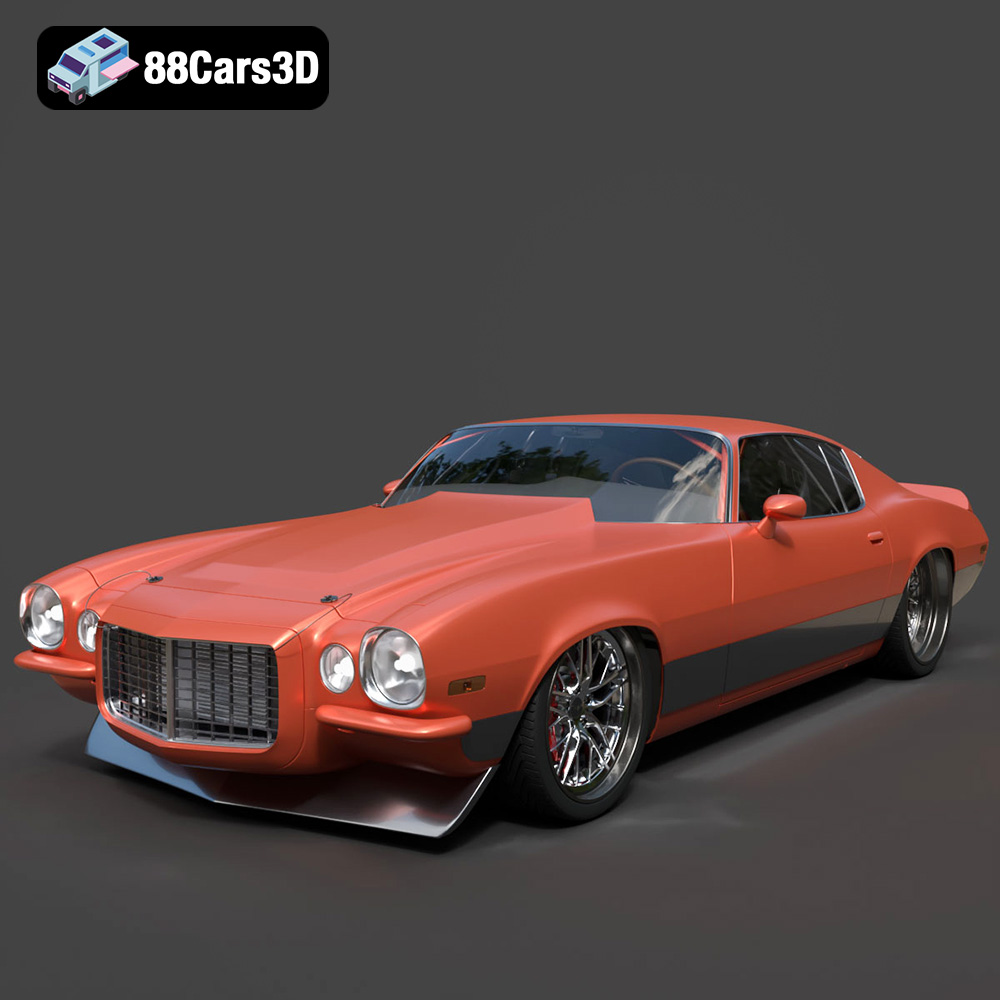
Download the Chevrolet Camaro 1970 3D Model featuring clean geometry, realistic detailing, and a fully modeled interior. Includes .blend, .fbx, .obj, .glb, .stl, .ply, .unreal, and .max formats for rendering, simulation, and game development.
Price: $10
Texture: Yes
Material: Yes
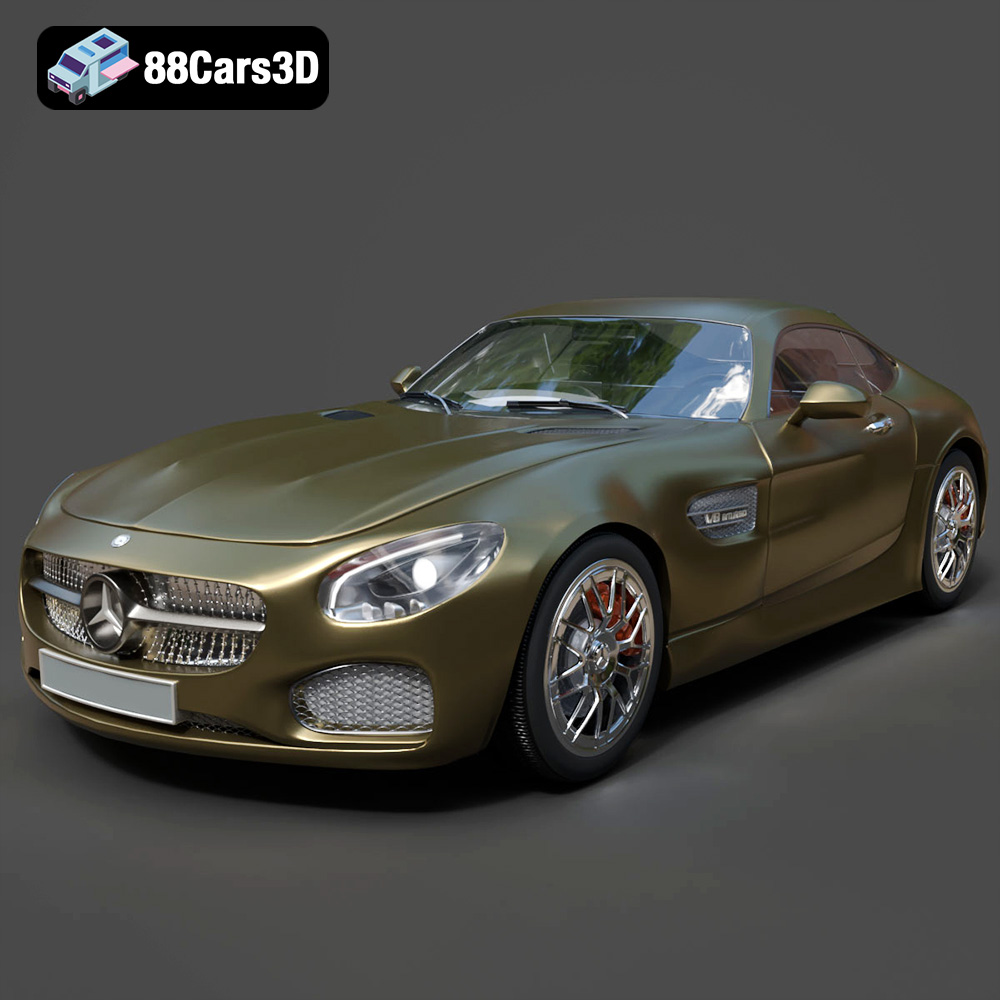
Download the Mercedes-AMG GT 2015 3D Model featuring clean geometry, realistic detailing, and a fully modeled interior. Includes .blend, .fbx, .obj, .glb, .stl, .ply, .unreal, and .max formats for rendering, simulation, and game development.
Price: $88.99
Texture: Yes
Material: Yes
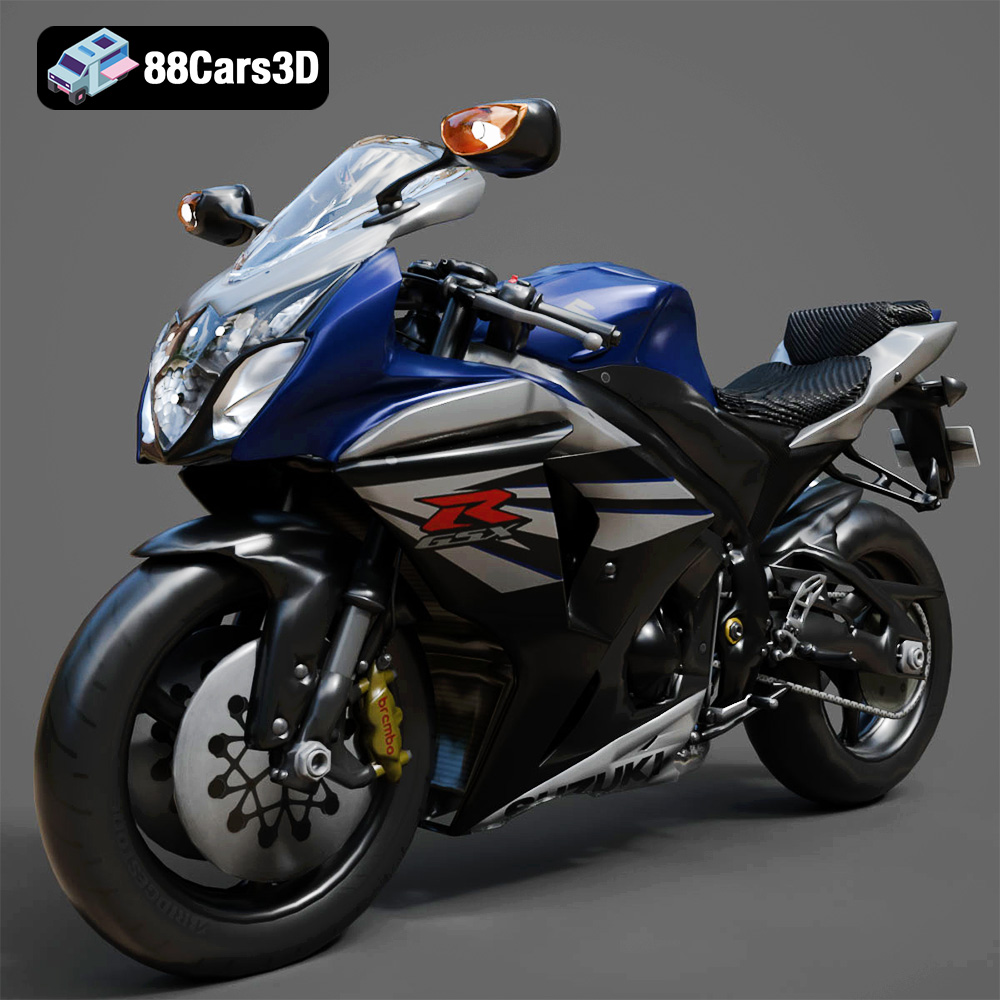
Download the Suzuki GSX-R 1000 3D Model featuring clean geometry, realistic detailing, and a fully modeled interior. Includes .blend, .fbx, .obj, .glb, .stl, .ply, .unreal, and .max formats for rendering, simulation, and game development.
Price: $10
Texture: Yes
Material: Yes
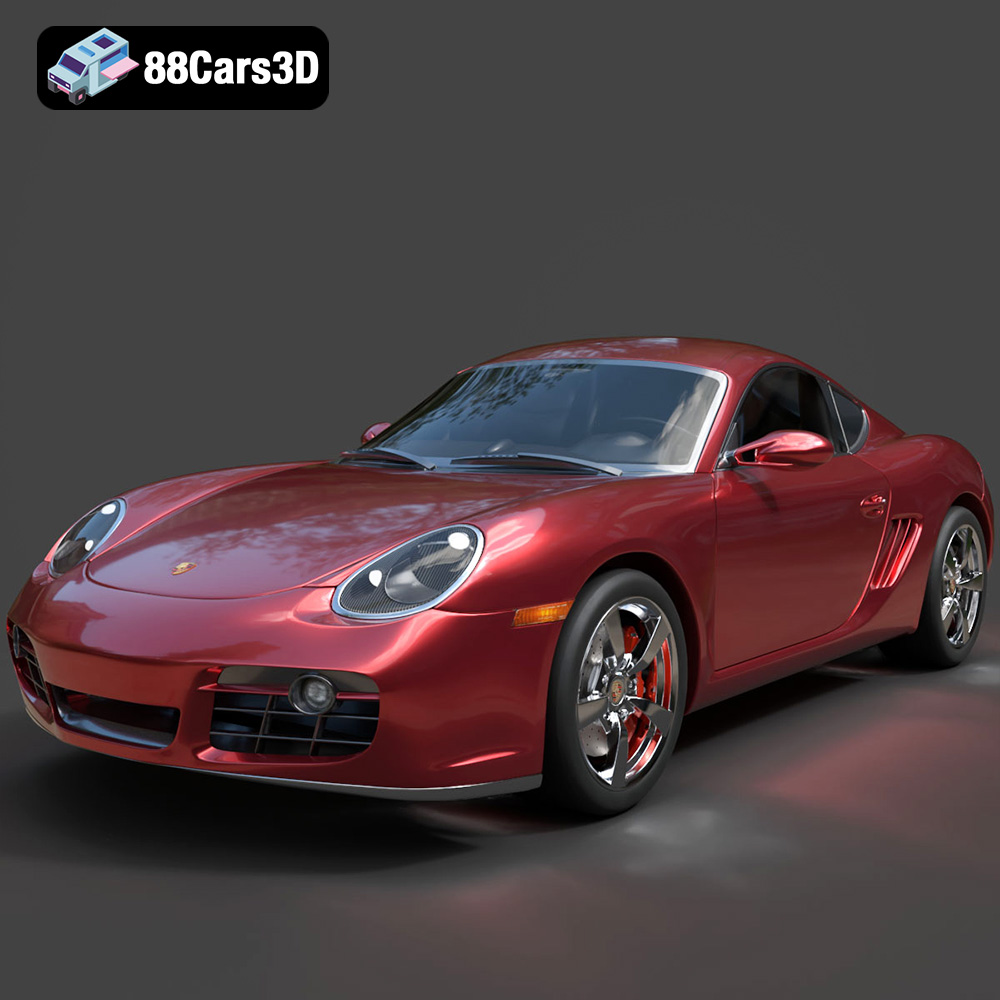
Download the Porsche Cayman S 2024 3D Model featuring clean geometry, realistic detailing, and a fully modeled interior. Includes .blend, .fbx, .obj, .glb, .stl, .ply, .unreal, and .max formats for rendering, simulation, and game development.
Price: $10
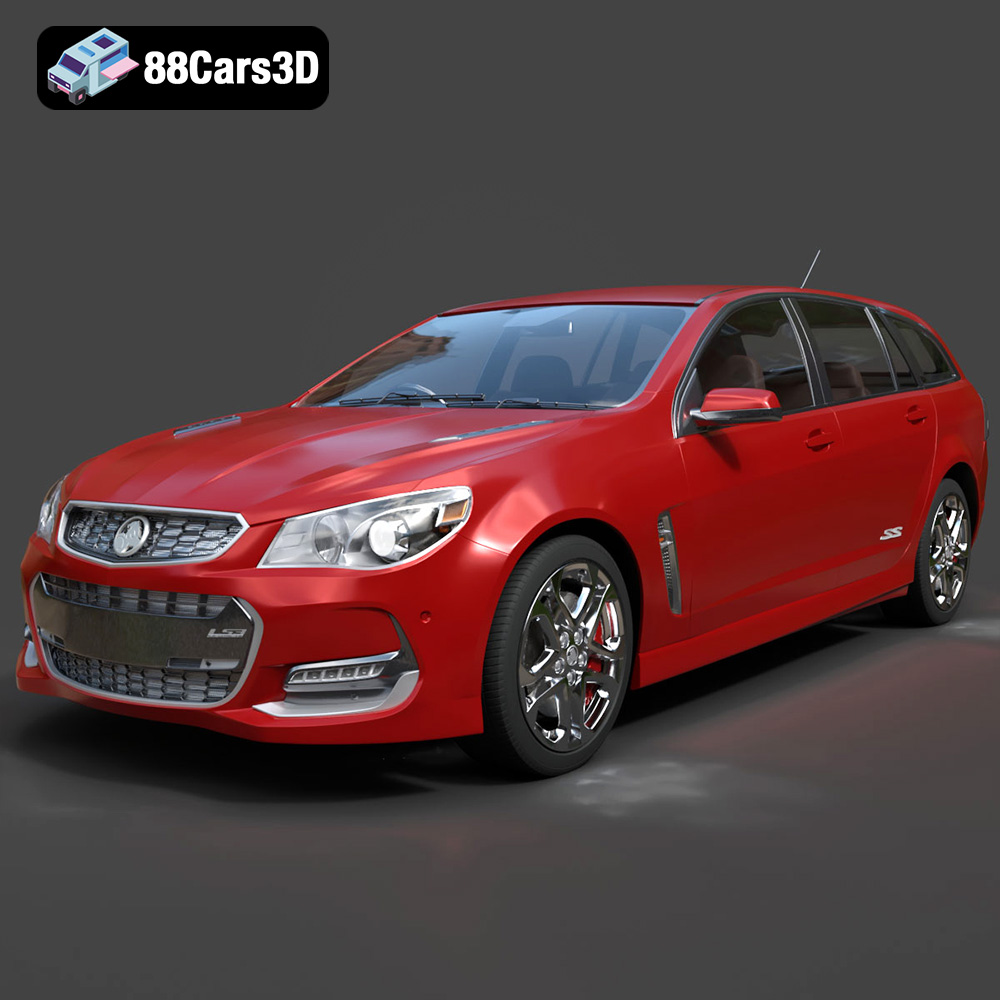
Texture: Yes
Material: Yes
Download the Holden Commodore Sportwagon 2017 3D Model featuring clean geometry, realistic detailing, and a fully modeled interior. Includes .blend, .fbx, .obj, .glb, .stl, .ply, .unreal, and .max formats for rendering, simulation, and game development.
Price: $10
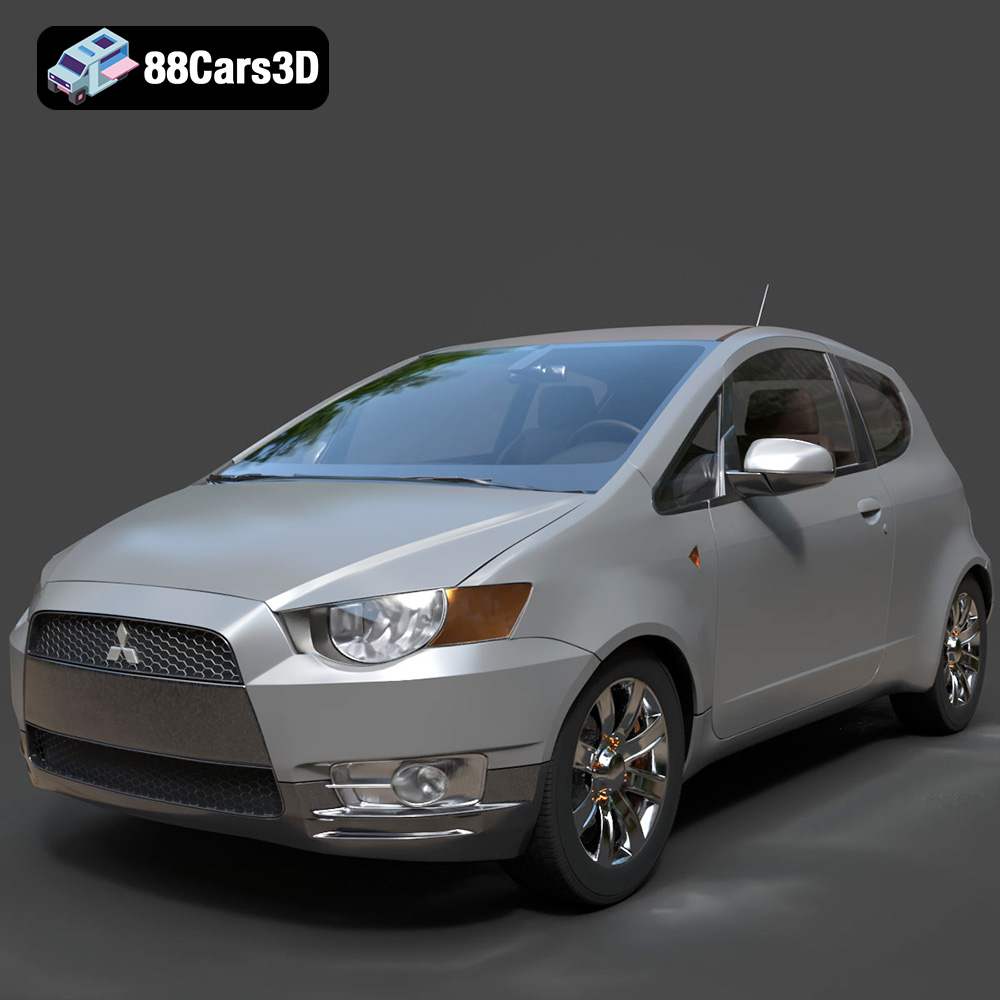
Texture: Yes
Material: Yes
Download the Mitsubishi Colt 3 Door 2008 3D Model featuring clean geometry, realistic detailing, and a fully modeled interior. Includes .blend, .fbx, .obj, .glb, .stl, .ply, .unreal, and .max formats for rendering, simulation, and game development.
Price: $10
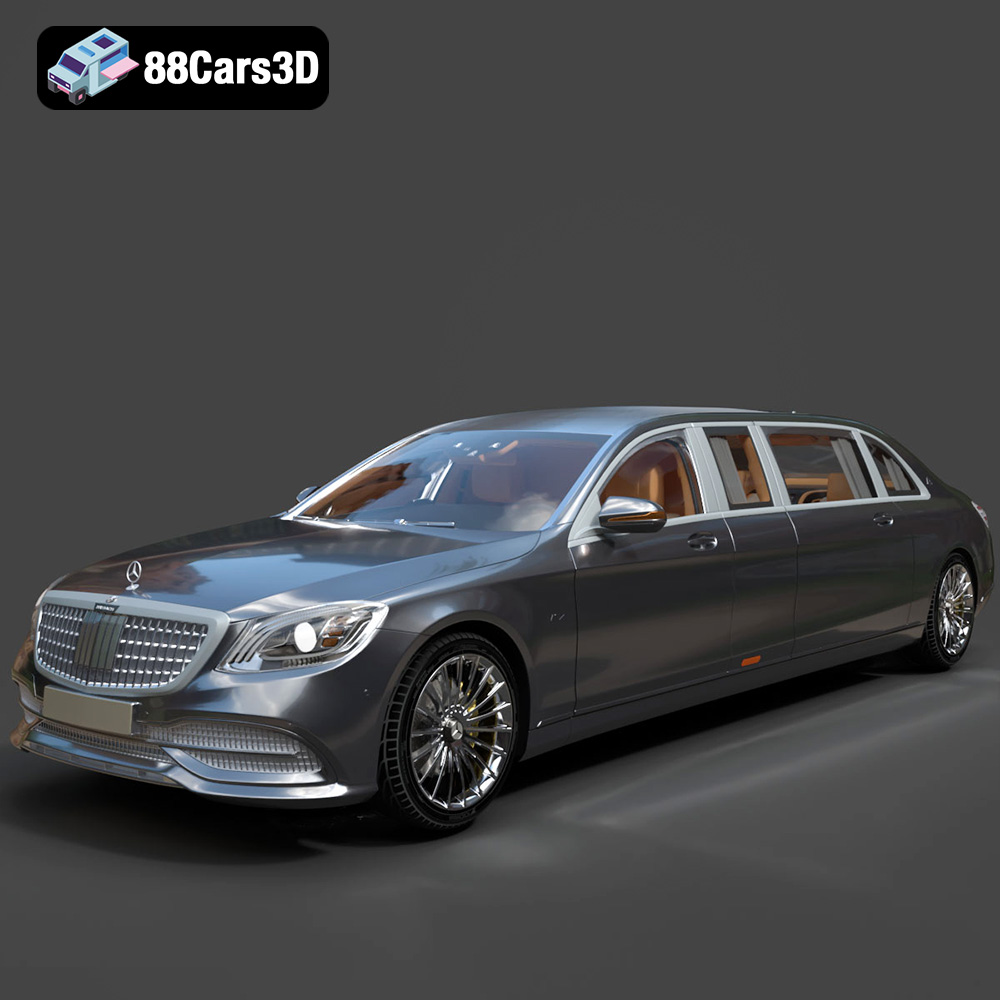
Texture: Yes
Material: Yes
Download the Mercedes-Benz S650 Pullman 3D Model featuring clean geometry, realistic detailing, and a fully modeled interior. Includes .blend, .fbx, .obj, .glb, .stl, .ply, .unreal, and .max formats for rendering, simulation, and game development.
Price: $95.99
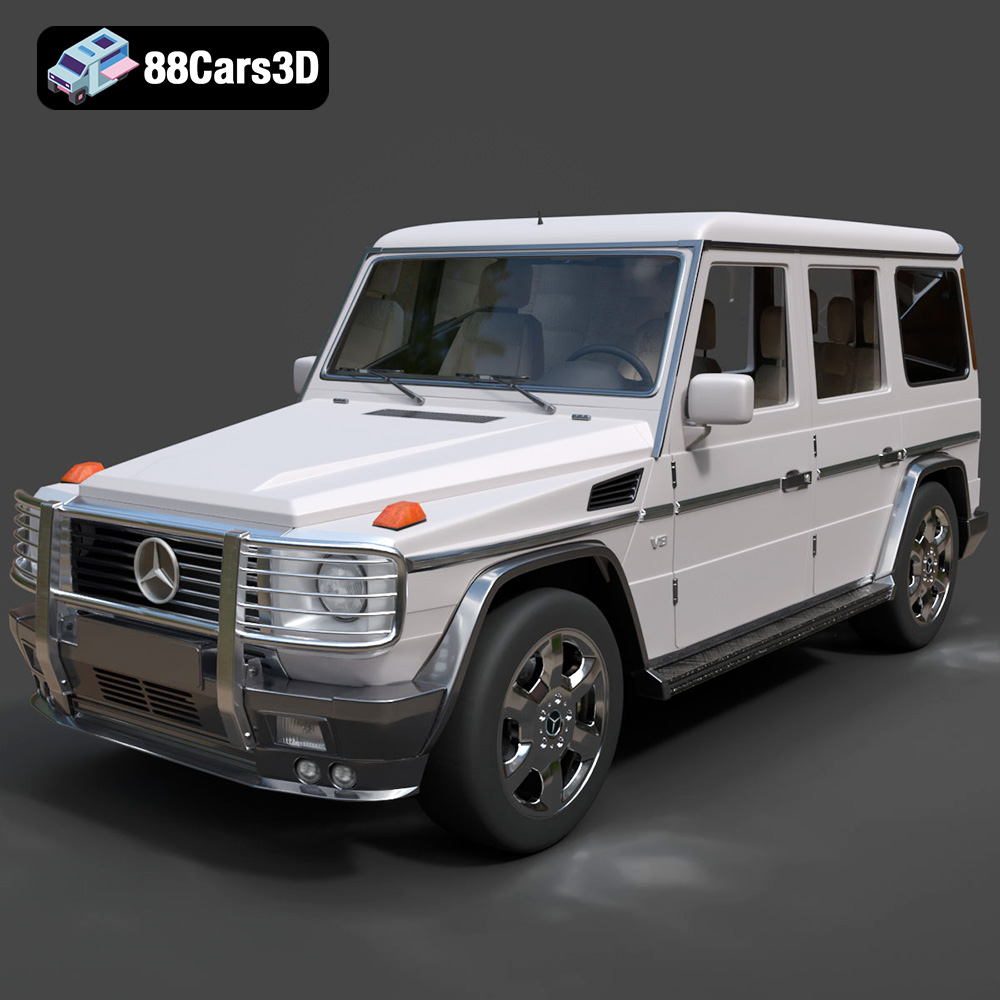
Texture: Yes
Material: Yes
Download the Mercedes G-Class SUV 2024 3D Model featuring clean geometry, realistic detailing, and a fully modeled interior. Includes .blend, .fbx, .obj, .glb, .stl, .ply, .unreal, and .max formats for rendering, simulation, and game development.
Price: $10
Texture: Yes
Material: Yes
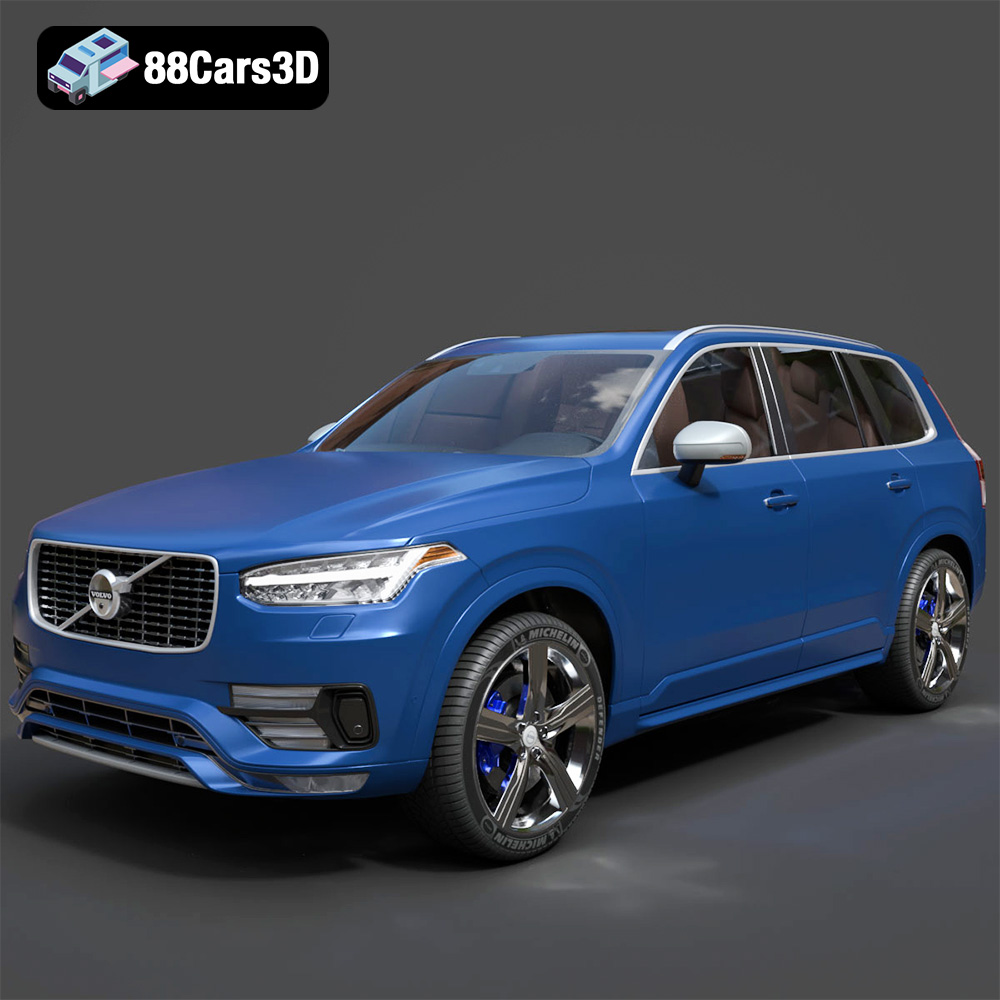
Download the Volvo XC90 R-Design 2015 3D Model featuring clean geometry, realistic detailing, and a fully modeled interior. Includes .blend, .fbx, .obj, .glb, .stl, .ply, .unreal, and .max formats for rendering, simulation, and game development.
Price: $10

