⚡ FLASH SALE: Get 60% OFF All Premium 3D & STL Models! ⚡

The world of automotive visualization has been revolutionized. Gone are the days of long overnight renders for a single static image. Today, real-time rendering engines like Unreal Engine 5 have empowered artists, designers, and developers to create breathtakingly photorealistic and fully interactive automotive experiences. From dynamic car configurators and immersive VR test drives to high-fidelity marketing cinematics, Unreal Engine provides a comprehensive suite of tools to bring digital vehicles to life with unprecedented speed and visual fidelity. This shift represents a monumental leap forward, allowing for faster iterations, deeper customer engagement, and more compelling storytelling.
This in-depth guide is your roadmap to mastering automotive visualization in Unreal Engine 5. We will journey through the entire production pipeline, starting with project setup and asset preparation. You’ll learn how to leverage cutting-edge features like Nanite for incredible geometric detail and Lumen for dynamic, true-to-life lighting. We will dive deep into the Material Editor to construct complex, multi-layered car paint shaders and other realistic surfaces. Finally, we’ll explore how to add interactivity with Blueprint scripting and create stunning cinematic sequences with Sequencer. Whether you’re a 3D artist aiming for portfolio-quality renders or a developer building the next-generation car configurator, this guide will provide the technical knowledge and best practices you need to succeed.
A successful automotive visualization project begins with a solid foundation. Properly setting up your Unreal Engine project and carefully preparing your 3D assets are critical first steps that will prevent headaches and performance issues down the line. This phase is all about making the right choices from the start, from project templates to the quality of the 3D car models you use.
When creating a new project in Unreal Engine, you have several templates to choose from. For automotive visualization, the Games > Blank template is a great starting point as it provides a clean slate. Alternatively, the Architecture, Engineering, and Construction > Blank template is also suitable, often pre-configuring the engine for higher fidelity rendering. Once your project is created, enable these essential plugins via Edit > Plugins:
After enabling these, it’s also wise to check your Project Settings > Rendering. Ensure that Dynamic Global Illumination Method is set to Lumen and Reflection Method is also set to Lumen to take full advantage of Unreal Engine 5’s flagship features.
The quality of your final render is directly proportional to the quality of your source model. A poor model will fight you every step of the way. When sourcing automotive assets from marketplaces such as 88cars3d.com, look for these key characteristics:
Unreal Engine supports several file formats, but FBX and USD (Universal Scene Description) are the industry standards. For a single car model, FBX is often sufficient. When importing an FBX, use these settings for best results: disable Generate Lightmap UVs (as we’ll be using dynamic lighting with Lumen) and set Normal Import Method to Import Normals and Tangents to preserve the smoothing from your 3D application. It’s also crucial to enable Import Materials and Import Textures. For complex scenes or collaborative workflows, USD is becoming increasingly powerful. It offers a non-destructive pipeline, allowing you to layer changes and collaborate more effectively.
Unreal Engine 5’s Nanite virtualized geometry system is arguably the most significant advancement for real-time graphics in a decade. For automotive visualization, it’s a complete game-changer, allowing artists to use film-quality, high-polygon assets directly in the engine without the traditional, painstaking process of creating multiple Levels of Detail (LODs).
At its core, Nanite is an intelligent mesh format and rendering technology. When you enable Nanite on a static mesh, Unreal Engine analyzes the model and rebuilds it into a highly compressed format of triangle clusters. During rendering, Nanite streams and renders only the clusters that are visible and detailed enough to be perceived on-screen at any given moment. This means that a 10-million-polygon car model costs virtually the same to render from a distance as a 10,000-polygon model, as Nanite automatically handles the detail scaling. It drastically reduces draw calls and frees artists from the constraints of polygon budgets. The high-polygon 3D car models available today, such as those found on 88cars3d.com, are perfect candidates for Nanite.
Integrating Nanite into your automotive workflow is remarkably straightforward:
While powerful, Nanite does have some limitations to be aware of. It does not currently support skeletal meshes, and materials using masked opacity or world position offset can have performance implications. For car models, this means transparent materials like glass should remain on non-Nanite meshes, while all opaque parts (bodywork, wheels, interior) can be converted.
Traditionally, optimizing a high-poly car for a game engine involved creating 3-5 manual LODs, each with a significantly reduced polygon count. This was a time-consuming and often destructive process. Nanite effectively automates this. The performance benefit is immense. Instead of the GPU processing millions of polygons for a car in the distance, Nanite ensures it only processes the pixels that car actually covers on screen. This keeps GPU performance stable regardless of geometric complexity, allowing you to populate a scene with dozens of hyper-detailed vehicles—a task that was previously impossible in real-time. This efficiency is why Nanite is so critical for demanding automotive visualization projects.
A perfect 3D model is only half the story; its realism is ultimately defined by its materials. Unreal Engine’s node-based Material Editor is an incredibly powerful tool for creating physically-based rendering (PBR) materials that accurately simulate how light interacts with real-world surfaces. For automotive assets, creating a convincing, multi-layered car paint shader is the holy grail.
The Material Editor is where you define the appearance of a surface. You work by connecting various nodes (textures, mathematical functions, parameters) to the inputs of a main Material node, such as Base Color, Metallic, Roughness, and Normal. For automotive visualization, the key is to understand that you aren’t just “coloring” a surface; you’re defining its physical properties. Is it a metal or a non-metal (dielectric)? How rough or smooth is its microsurface? Does it have a protective clear coat on top? Answering these questions is the foundation of PBR material creation.
A realistic car paint material is not a single, simple color. It’s composed of multiple layers: a base paint layer, metallic flakes suspended within it, and a highly reflective clear coat on top. Here’s how to build one:
By using Material Instances based on this master material, you can easily create dozens of color variations without duplicating the complex node logic.
Beyond the paint, other materials complete the vehicle’s realism:
Lighting is the element that breathes life into a 3D scene. It dictates mood, defines form, and creates the stunning reflections that make a car look truly real. Unreal Engine 5’s Lumen global illumination and reflection system provides a fully dynamic lighting solution, enabling real-time bounce lighting and reflections that were previously only possible in offline renders.
Lumen is a dynamic Global Illumination (GI) system that calculates indirect lighting in real time. When light from a source (like the sun or a studio light) hits a surface, Lumen calculates how that light should realistically bounce onto other nearby surfaces, illuminating them with colored, indirect light. For an automotive scene, this means the red from a tail light will cast a soft red glow on the ground beneath it, or the bright sky will bounce light up from the floor to illuminate the car’s undercarriage. Lumen can operate using either Software Ray Tracing (which runs on a wider range of hardware) or Hardware Ray Tracing (which provides higher quality results on RTX cards). This powerful tool is a cornerstone of modern real-time rendering.
There are two primary approaches to lighting a vehicle in Unreal Engine:
Often, the best results come from a hybrid approach: using an HDRI for general ambient light and reflections, and then adding a few Rect Lights to create specific, beautiful highlights on the car’s bodywork.
With Lumen handling the heavy lifting, your final task is to refine the image. The Post Process Volume is your command center for this. Here, you can adjust exposure, contrast, and color grading to achieve a specific cinematic look. Key settings for automotive scenes include:
For more detailed information on Unreal Engine’s advanced rendering capabilities, the official documentation at https://dev.epicgames.com/community/unreal-engine/learning is an excellent resource for deep-diving into specific features like Lumen and the Path Tracer.
A static render is beautiful, but a dynamic, interactive experience is compelling. Unreal Engine excels at transforming static scenes into engaging applications. Whether you’re building an interactive car configurator for a showroom floor or producing a cinematic commercial, the engine provides all the necessary tools through its Blueprint visual scripting system and its powerful Sequencer tool.
Blueprint is Unreal Engine’s visual scripting system that allows you to create complex game logic and interactivity without writing a single line of code. For an automotive configurator, you can use Blueprints to allow users to change aspects of the car in real time.
A simple paint color changer can be set up as follows:
This same logic can be extended to open doors (by rotating scene components), switch wheels (by changing static meshes), or turn on lights (by toggling light visibility).
Sequencer is Unreal Engine’s multi-track editor for creating cinematic sequences. It functions like a video editing suite but operates entirely in real-time within the 3D world. It’s the perfect tool for creating high-impact marketing videos and animations.
A typical Sequencer workflow involves:
For projects requiring a drivable car, Unreal’s built-in Chaos Vehicle system provides a robust physics-based solution. While more complex to set up, it involves creating a Skeletal Mesh for the car with bones for the wheels, configuring a Physics Asset for collision, and using a specialized Blueprint (the Wheeled Vehicle Pawn) to handle inputs for acceleration, braking, and steering. This enables the creation of everything from simple driving simulators to full-fledged racing games.
Even with the power of Unreal Engine 5, performance optimization remains a crucial step, especially when targeting a wide range of hardware or deploying to platforms like VR and mobile. A smooth, high-frame-rate experience is essential for user immersion. A key part of the professional workflow is understanding how to identify and resolve performance bottlenecks.
Unreal Engine provides powerful built-in tools for performance analysis. You can’t optimize what you can’t measure. The first step is to use console commands to get a snapshot of performance:
High-resolution textures are a major consumer of video memory (VRAM). A single 4K car model can use several gigabytes. Unreal’s texture streaming system helps manage this by loading lower-resolution mipmaps for objects that are far away. Ensure your textures are compressed (using formats like DXT/BC) and have generated mipmaps. Additionally, complex materials can be costly. The Material Editor shows the “instruction count” for your shader. A very high count (e.g., over 500) can impact performance. Try to simplify complex materials by baking details into textures or using more efficient node logic where possible.
Deploying an automotive experience to AR/VR or mobile devices presents the biggest optimization challenge due to hardware constraints.
We’ve traveled the entire pipeline of modern automotive visualization, from the initial project setup to final optimization and deployment. By embracing the powerful toolset of Unreal Engine 5, you can break free from the limitations of traditional offline rendering and step into a world of dynamic, interactive, and photorealistic real-time content. The key takeaways are clear: begin with a high-quality, well-prepared 3D car model, leverage Nanite for unprecedented geometric detail, craft believable surfaces with a deep understanding of PBR materials, and illuminate your scene with the stunning realism of Lumen. Finally, bring your creation to life with interactive Blueprints and cinematic Sequencer animations.
The future of automotive design, marketing, and sales is interactive and rendered in real-time. The skills you’ve learned here are the foundation for building the next generation of virtual showrooms, design review tools, and immersive brand experiences. The journey from a blank project to a fully-realized interactive vehicle is a challenging but incredibly rewarding one. Now, armed with this knowledge, it’s time to open Unreal Engine, import your first vehicle, and start creating.

Texture: Yes
Material: Yes
Download the Mercedes S-Class 2024 3D Model featuring clean geometry, realistic detailing, and a fully modeled interior. Includes .blend, .fbx, .obj, .glb, .stl, .ply, .unreal, and .max formats for rendering, simulation, and game development.
Price: $10

Texture: Yes
Material: Yes
Download the Chevrolet Camaro 1970 3D Model featuring clean geometry, realistic detailing, and a fully modeled interior. Includes .blend, .fbx, .obj, .glb, .stl, .ply, .unreal, and .max formats for rendering, simulation, and game development.
Price: $10

Texture: Yes
Material: Yes
Download the Mercedes-AMG GT 2015 3D Model featuring clean geometry, realistic detailing, and a fully modeled interior. Includes .blend, .fbx, .obj, .glb, .stl, .ply, .unreal, and .max formats for rendering, simulation, and game development.
Price: $88.99
Texture: Yes
Material: Yes
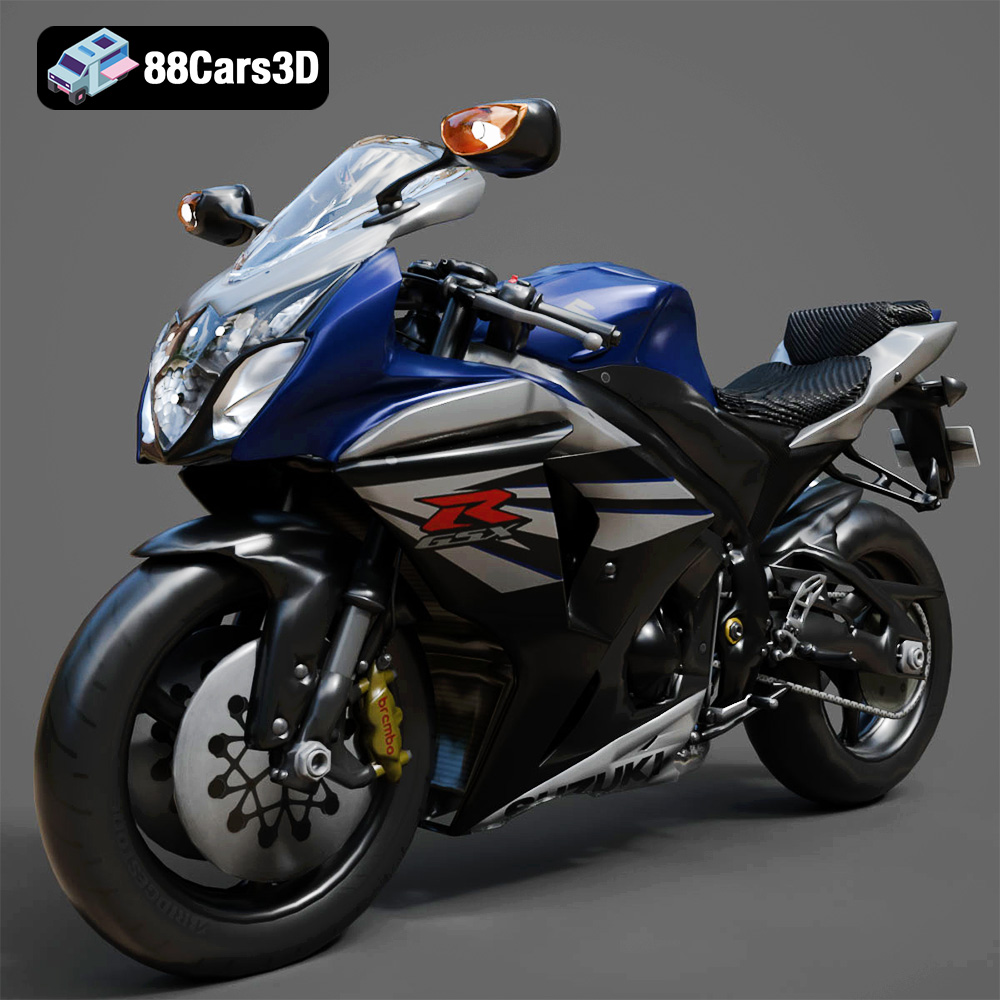
Download the Suzuki GSX-R 1000 3D Model featuring clean geometry, realistic detailing, and a fully modeled interior. Includes .blend, .fbx, .obj, .glb, .stl, .ply, .unreal, and .max formats for rendering, simulation, and game development.
Price: $10
Texture: Yes
Material: Yes
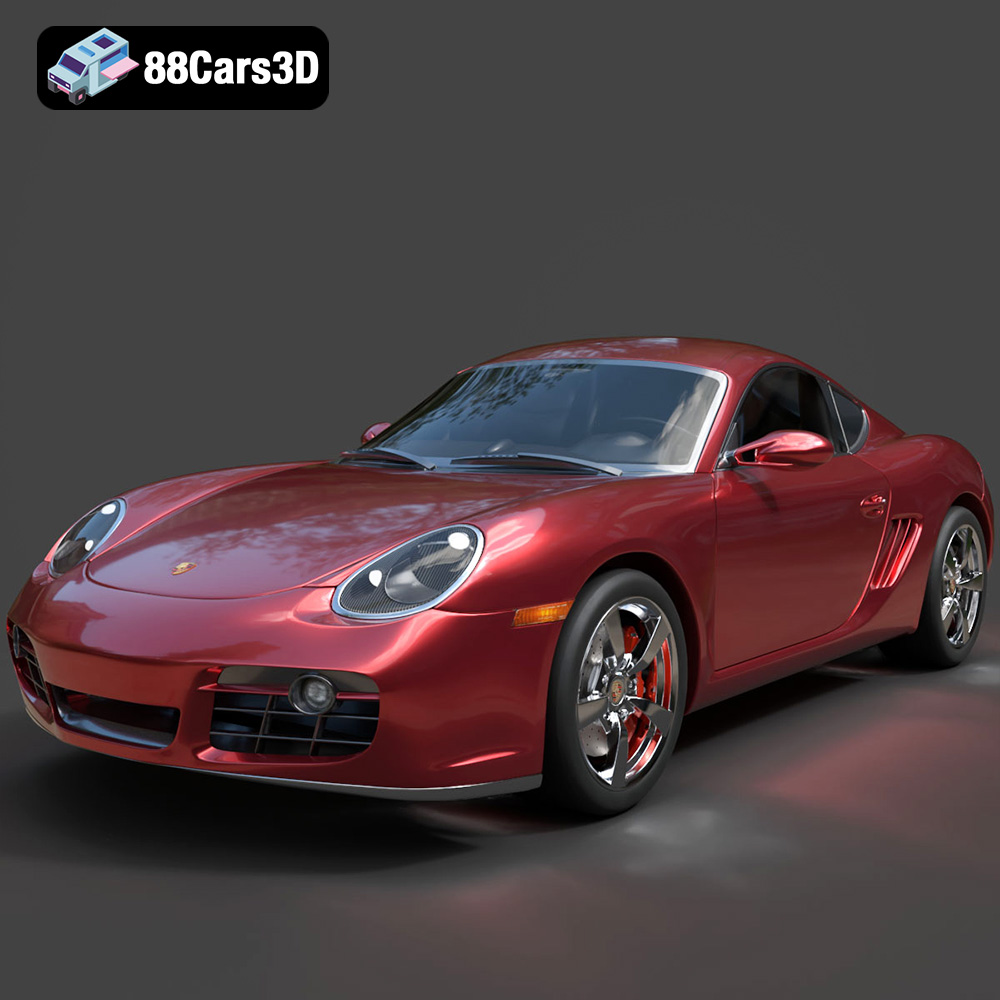
Download the Porsche Cayman S 2024 3D Model featuring clean geometry, realistic detailing, and a fully modeled interior. Includes .blend, .fbx, .obj, .glb, .stl, .ply, .unreal, and .max formats for rendering, simulation, and game development.
Price: $10
Texture: Yes
Material: Yes
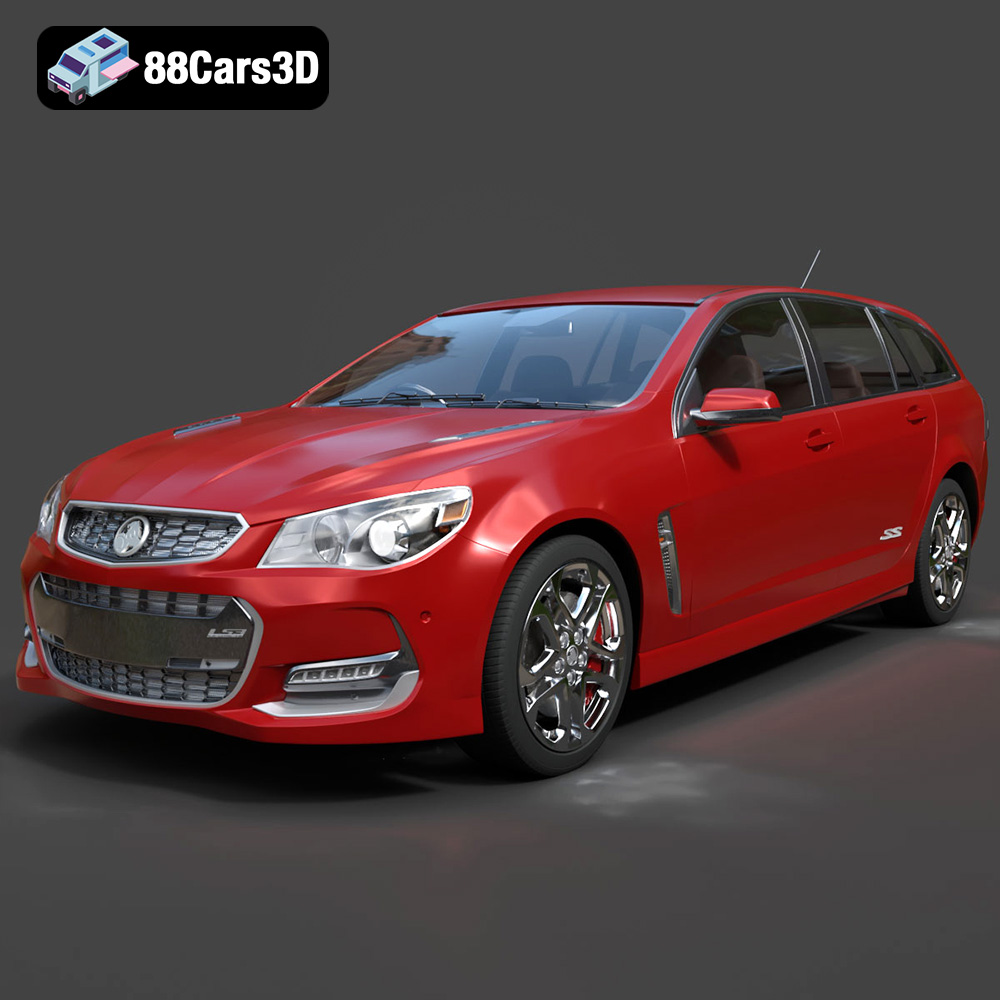
Download the Holden Commodore Sportwagon 2017 3D Model featuring clean geometry, realistic detailing, and a fully modeled interior. Includes .blend, .fbx, .obj, .glb, .stl, .ply, .unreal, and .max formats for rendering, simulation, and game development.
Price: $10
Texture: Yes
Material: Yes
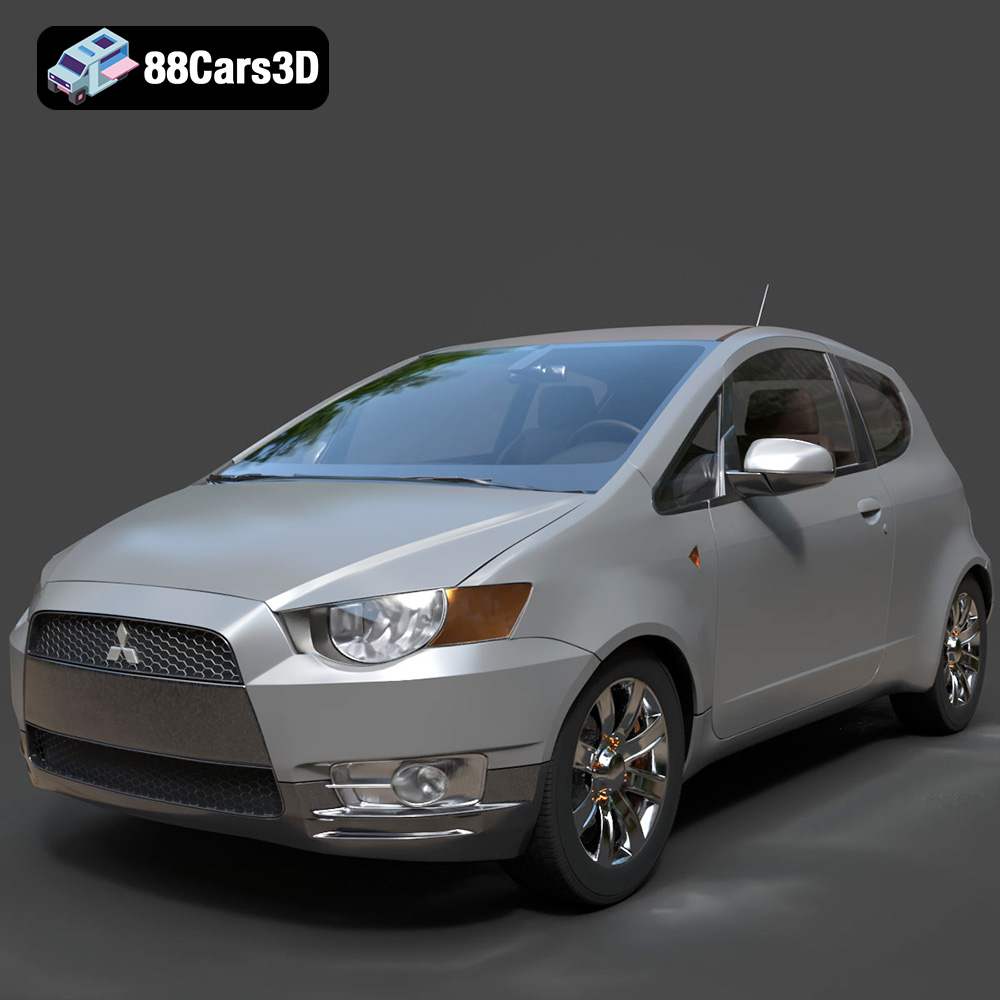
Download the Mitsubishi Colt 3 Door 2008 3D Model featuring clean geometry, realistic detailing, and a fully modeled interior. Includes .blend, .fbx, .obj, .glb, .stl, .ply, .unreal, and .max formats for rendering, simulation, and game development.
Price: $10
Texture: Yes
Material: Yes
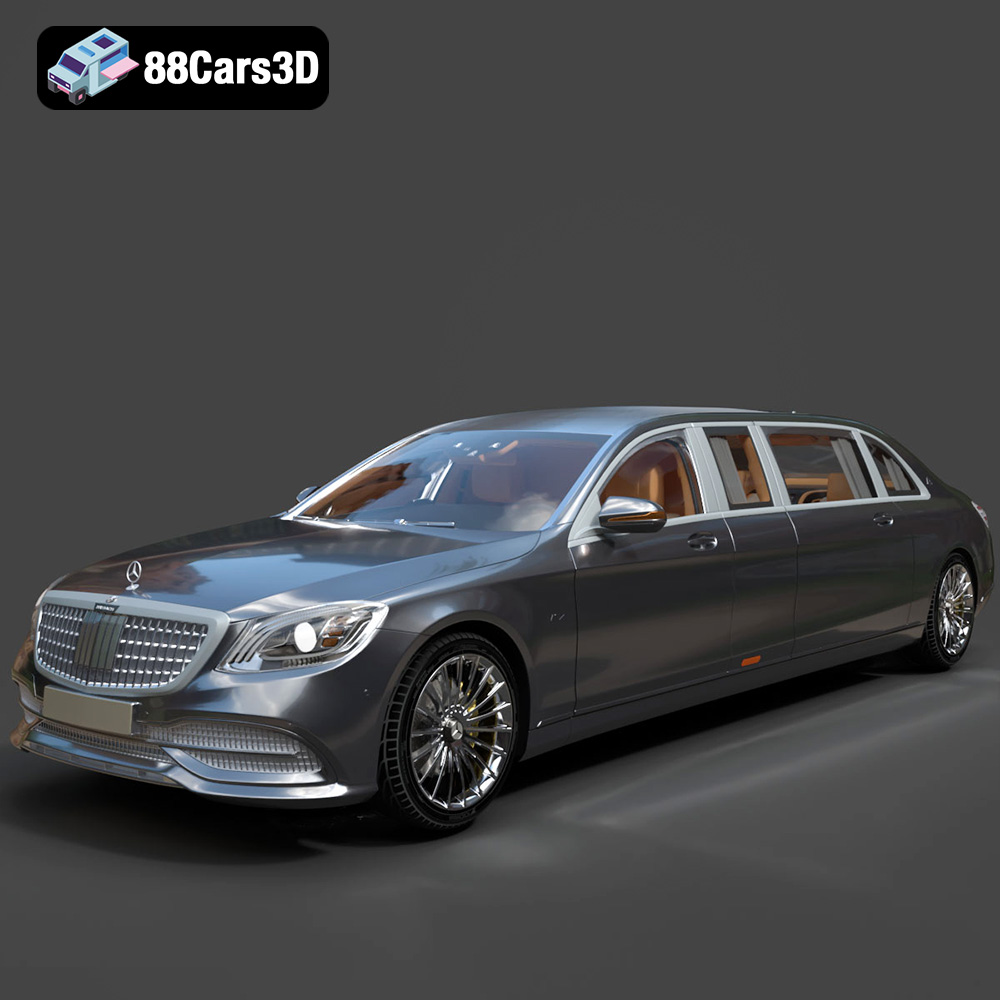
Download the Mercedes-Benz S650 Pullman 3D Model featuring clean geometry, realistic detailing, and a fully modeled interior. Includes .blend, .fbx, .obj, .glb, .stl, .ply, .unreal, and .max formats for rendering, simulation, and game development.
Price: $95.99
Texture: Yes
Material: Yes
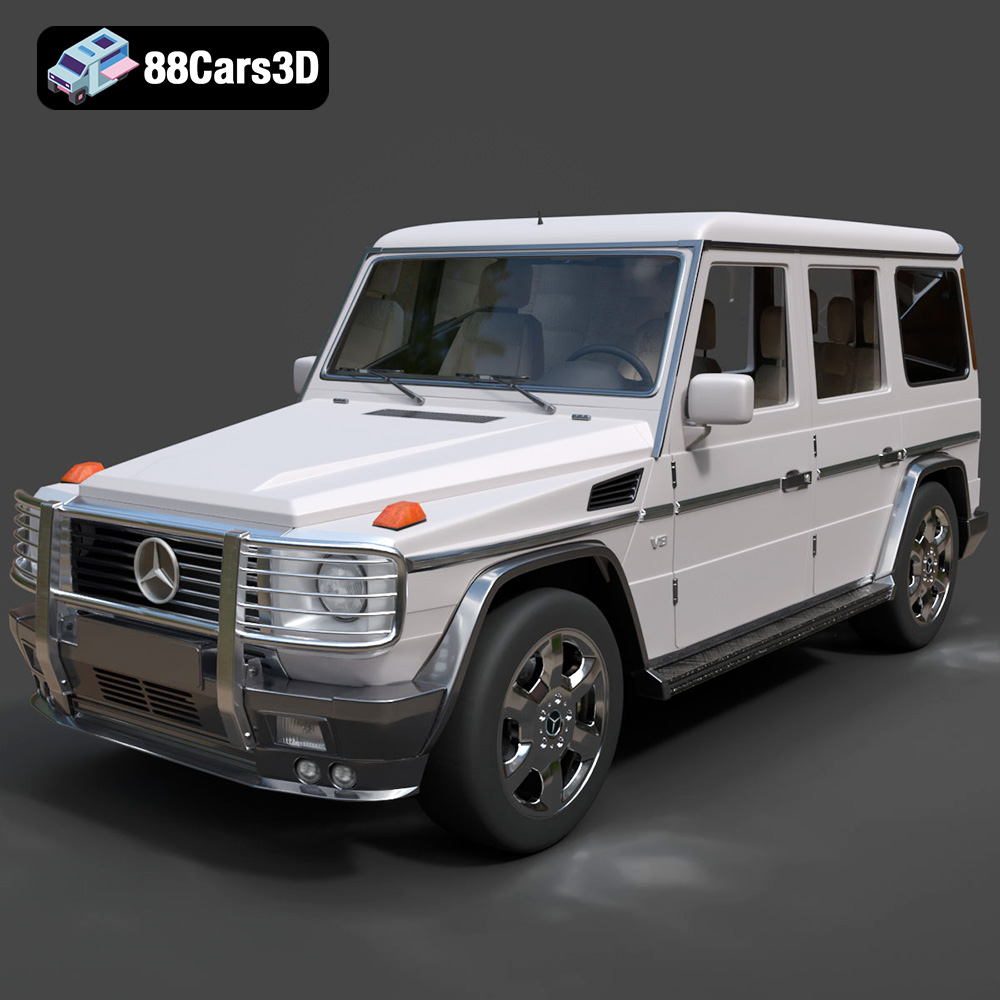
Download the Mercedes G-Class SUV 2024 3D Model featuring clean geometry, realistic detailing, and a fully modeled interior. Includes .blend, .fbx, .obj, .glb, .stl, .ply, .unreal, and .max formats for rendering, simulation, and game development.
Price: $10
Texture: Yes
Material: Yes
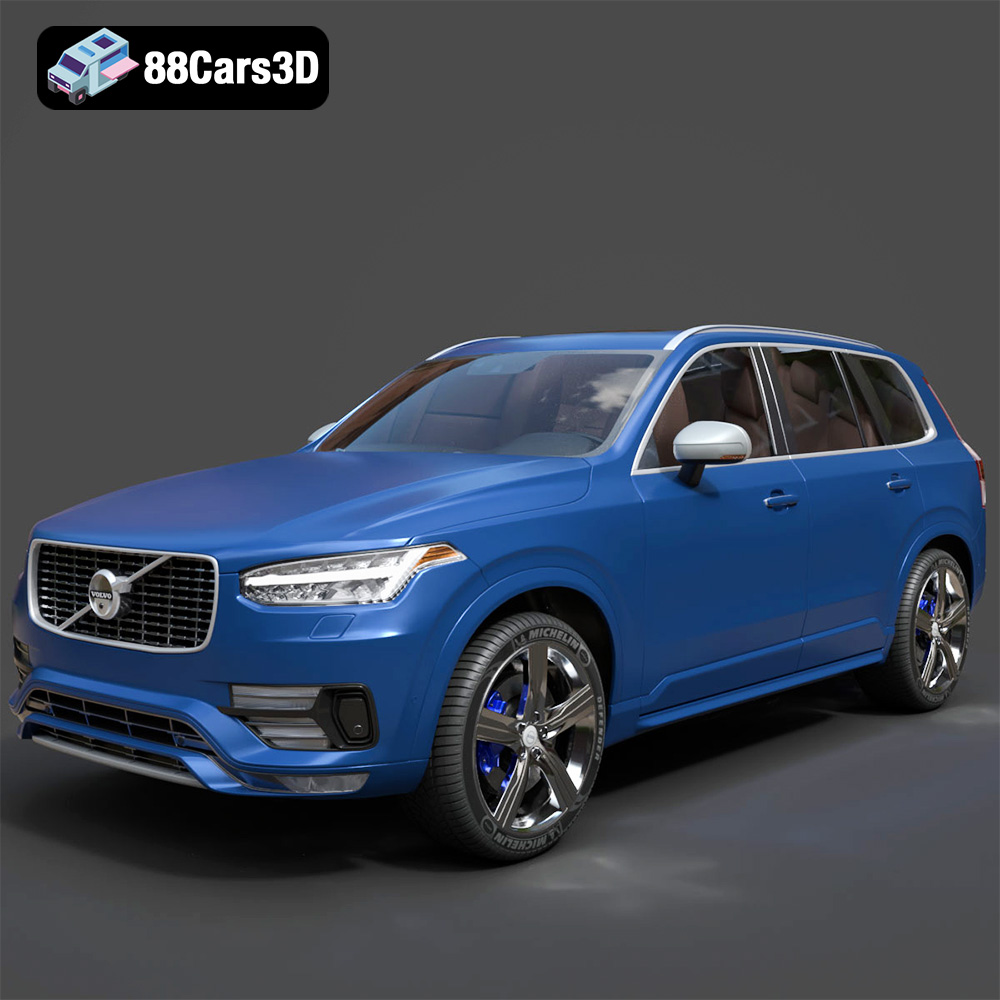
Download the Volvo XC90 R-Design 2015 3D Model featuring clean geometry, realistic detailing, and a fully modeled interior. Includes .blend, .fbx, .obj, .glb, .stl, .ply, .unreal, and .max formats for rendering, simulation, and game development.
Price: $10

