⚡ FLASH SALE: Get 60% OFF All Premium 3D & STL Models! ⚡

The world of automotive visualization has undergone a seismic shift. Gone are the days of long render times and static imagery being the only way to showcase a vehicle’s design. Today, real-time rendering engines, led by the powerhouse that is Unreal Engine 5, have democratized the creation of photorealistic, interactive, and cinematic automotive experiences. From dynamic online configurators that allow customers to personalize every detail to virtual showrooms and immersive VR test drives, Unreal Engine provides an unparalleled toolkit for artists, designers, and developers. However, harnessing this power requires a deep understanding of its core systems and a robust workflow.
This comprehensive guide will walk you through the entire process of creating stunning automotive visualizations in Unreal Engine 5. We will cover everything from initial project setup and optimizing high-poly 3D car models to crafting flawless PBR materials, mastering dynamic lighting with Lumen, and building interactive experiences with Blueprint. Whether you’re a 3D artist aiming for photorealism, a developer building an interactive configurator, or a filmmaker creating a high-octane car commercial, you’ll gain the technical knowledge and practical skills needed to bring your automotive visions to life. Let’s start the engine and dive in.
Before you import your first 3D car model, establishing a correctly configured Unreal Engine project is paramount. A proper foundation ensures that advanced features like Nanite and Lumen are enabled from the start, saving you from troubleshooting headaches later. It also involves organizing your content for an efficient and scalable workflow, a practice that separates amateurs from professionals.
When you first launch Unreal Engine, you’re presented with several project templates. For automotive visualization, the choice is typically between “Games” and “Film/Video & Live Events.” While you can start with a blank games template, the Film/Video & Live Events > Virtual Production template is often the superior choice. It comes pre-configured with settings ideal for high-fidelity rendering, including:
Starting with this template gives you a head start, ensuring your project is immediately ready for cinematic-quality visuals.
Once your project is created, a few more tweaks are necessary. Navigate to Edit > Project Settings to fine-tune your setup. Under the “Engine – Rendering” section, double-check that “Dynamic Global Illumination Method” is set to Lumen and “Reflection Method” is also set to Lumen. Ensure “Support Hardware Ray Tracing” is enabled if your GPU supports it, as this can improve the quality of Lumen reflections and shadows.
Next, enable key plugins via Edit > Plugins. Here are some essential ones for automotive work:
A clean folder structure is non-negotiable for professional projects. A well-organized Content Browser makes assets easy to find, manage, and reuse. A logical structure for a car project might look like this:
Content
└── Cars
    └── [Car_Brand_Model]
        ├── Blueprints
        ├── Maps
        ├── Materials
        ├── Meshes
        └── Textures
This organization keeps all assets related to a specific vehicle neatly contained, which is especially important when your project grows to include multiple cars or complex environments.
The quality of your final render is directly tied to the quality of your source 3D model. Modern real-time engines can handle immense detail, but optimization is still key to a smooth and performant experience, especially for interactive applications. Sourcing a production-ready model is the first and most critical step.
A great 3D car model for Unreal Engine should have clean quad-based topology, proper scale, non-overlapping UVs, and high-resolution PBR textures. Building such a model from scratch is a monumental task. This is where professional asset marketplaces come in. Sourcing assets from a specialized platform like 88cars3d.com can save hundreds of hours, providing meticulously crafted models that are optimized for real-time rendering and ready to be imported directly into your project.
The two most common file formats for importing models into Unreal Engine are FBX and USD. When you drag an FBX file into the Content Browser, an import dialog appears with crucial options:
Universal Scene Description (USD) is a newer, more powerful format that excels in collaborative pipelines. It allows for non-destructive workflows, where changes made in a DCC (Digital Content Creation) tool can be seamlessly updated in Unreal without re-importing the entire asset.
Nanite is one of the most revolutionary features of Unreal Engine 5. It is a virtualized micropolygon geometry system that allows you to render film-quality assets with millions of polygons in real-time without the traditional constraints of polygon budgets or LODs (Levels of Detail). For automotive visualization, this is a game-changer. You can now use your highest-resolution model, capturing every curve, seam, and detail, and let Nanite handle the optimization automatically.
To enable Nanite, right-click your Static Mesh in the Content Browser, select “Asset Actions > Bulk Edit via Property Matrix,” and in the details panel, search for “Nanite” and check the “Enable Nanite Support” box. You can verify it’s working in the level editor by using the “Nanite Visualization” view modes. While Nanite is incredibly powerful, it’s important to know it currently has limitations, such as not supporting skinned meshes or certain complex material features like World Position Offset.
A great model needs great materials to look convincing. Unreal Engine’s node-based Material Editor is an incredibly powerful tool for creating physically accurate surfaces. The key is understanding the PBR (Physically Based Rendering) workflow and how to replicate the complex layers of real-world automotive finishes.
PBR aims to simulate how light interacts with materials in the real world. Instead of using arbitrary values, you control properties that have a physical basis:
High-quality assets, such as those from marketplaces like 88cars3d.com, come with PBR textures that plug directly into these inputs, giving you a fantastic starting point.
Car paint is one of the most complex materials to replicate. It consists of multiple layers: a base paint layer, metallic flakes, and a protective clear coat. Here’s how to build it in the Material Editor:
Once your master material is built, create Material Instances from it. These allow you to change parameters like color and roughness without recompiling the entire shader, making it incredibly efficient to create a full range of paint options.
Other common automotive materials are simpler to create:
Lighting is what breathes life into a scene. Unreal Engine 5’s Lumen system provides fully dynamic global illumination and reflections, meaning light bounces realistically around the scene in real-time, eliminating the need for slow, static light baking.
A convincing outdoor scene starts with three key actors:
When these three actors are used together, rotating the Directional Light will dynamically update the sun’s position, the color of the sky, the ambient light, and the atmospheric haze, creating a fully dynamic time-of-day system.
Lumen is the magic behind UE5’s real-time lighting. It works “out of the box” in correctly configured projects, but you can fine-tune its performance and quality using a Post Process Volume. Add one to your scene and set its “Infinite Extent (Unbound)” property to true. In its details, you’ll find settings for “Global Illumination” and “Reflections.”
For product shots or virtual showrooms, an HDRI (High Dynamic Range Image) provides the best lighting solution. The HDRI Backdrop actor simplifies this process immensely. Drag one into your scene, and assign an HDRI texture (in .hdr or .exr format) to its “Cubemap” slot. This single actor creates a textured sky dome for visible backgrounds, a Sky Light for ambient illumination, and accurate reflections all at once. You can adjust the intensity, projection size, and rotation to perfectly position the lighting and reflections on your car model.
Real-time visualization shines brightest when it’s interactive. Unreal Engine’s Blueprint visual scripting system allows artists and designers to create complex behaviors and user interfaces without writing a single line of code. This is perfect for building automotive configurators, interactive demos, and immersive experiences.
A car paint configurator is a classic and effective interactive feature. Here’s a simplified workflow:
This same logic can be extended to swap wheels (by changing the Static Mesh of the wheel components) or change interior materials.
Adding smaller interactions makes the experience more engaging. To open a car door:
Similarly, headlights can be toggled by adding `Spot Light` components to the car Blueprint and using the “Toggle Visibility” node in response to a user input.
For fully drivable cars, Unreal Engine provides the Chaos Vehicle system. This is a more advanced topic requiring a skeletal mesh with a proper bone hierarchy for the wheels and suspension. The core of the system is the `Vehicle Movement Component`, where you configure engine performance (torque curves), transmission (gear ratios), and wheel setups. While setting up a production-quality drivable car is complex, the official Unreal Engine documentation provides excellent tutorials and starter content to get you started. For in-depth learning on this and other features, the Unreal Engine Learning portal is an invaluable resource.
Beyond interactivity, Unreal Engine is a world-class filmmaking tool. The combination of Sequencer, its non-linear animation editor, and Movie Render Queue, its high-quality export tool, allows you to produce cinematic content that rivals offline renders.
Instead of using the default camera, always use a Cine Camera Actor for cinematic work. This actor mimics the properties of a real-world camera, giving you precise control over:
Sequencer is where you bring your shots to life. You can open it via the “Cinematics” dropdown. To create a simple animation:
When your animation is complete, use the Movie Render Queue (MRQ) for export. It offers significant advantages over older methods, including:
By configuring these settings in an MRQ preset, you can consistently produce broadcast-quality video directly from Unreal Engine.
We’ve journeyed through the entire pipeline of creating state-of-the-art automotive visualizations in Unreal Engine 5. From the critical first steps of project configuration and sourcing high-quality 3D car models, to the artistic nuances of material creation and dynamic lighting with Lumen, and finally to creating engaging interactive configurators and breathtaking cinematics. The power and flexibility of Unreal Engine’s toolset are undeniable. It has fundamentally changed what’s possible in real-time rendering, enabling creators to achieve a level of realism and interactivity that was once the exclusive domain of offline rendering farms.
The techniques discussed here are not just theoretical concepts; they are the building blocks used by top automotive brands and visualization studios around the world. The key to mastery is practice. Take these workflows, experiment with them, and push the boundaries of your own creativity. The combination of a high-fidelity asset and a powerful real-time engine is the new standard. Start your next project today by exploring the collection of production-ready 3D car models at 88cars3d.com and bring your own automotive visions to stunning, interactive life.

Texture: Yes
Material: Yes
Download the Mercedes S-Class 2024 3D Model featuring clean geometry, realistic detailing, and a fully modeled interior. Includes .blend, .fbx, .obj, .glb, .stl, .ply, .unreal, and .max formats for rendering, simulation, and game development.
Price: $10

Texture: Yes
Material: Yes
Download the Chevrolet Camaro 1970 3D Model featuring clean geometry, realistic detailing, and a fully modeled interior. Includes .blend, .fbx, .obj, .glb, .stl, .ply, .unreal, and .max formats for rendering, simulation, and game development.
Price: $10

Texture: Yes
Material: Yes
Download the Mercedes-AMG GT 2015 3D Model featuring clean geometry, realistic detailing, and a fully modeled interior. Includes .blend, .fbx, .obj, .glb, .stl, .ply, .unreal, and .max formats for rendering, simulation, and game development.
Price: $88.99

Texture: Yes
Material: Yes
Download the Suzuki GSX-R 1000 3D Model featuring clean geometry, realistic detailing, and a fully modeled interior. Includes .blend, .fbx, .obj, .glb, .stl, .ply, .unreal, and .max formats for rendering, simulation, and game development.
Price: $10

Texture: Yes
Material: Yes
Download the Porsche Cayman S 2024 3D Model featuring clean geometry, realistic detailing, and a fully modeled interior. Includes .blend, .fbx, .obj, .glb, .stl, .ply, .unreal, and .max formats for rendering, simulation, and game development.
Price: $10
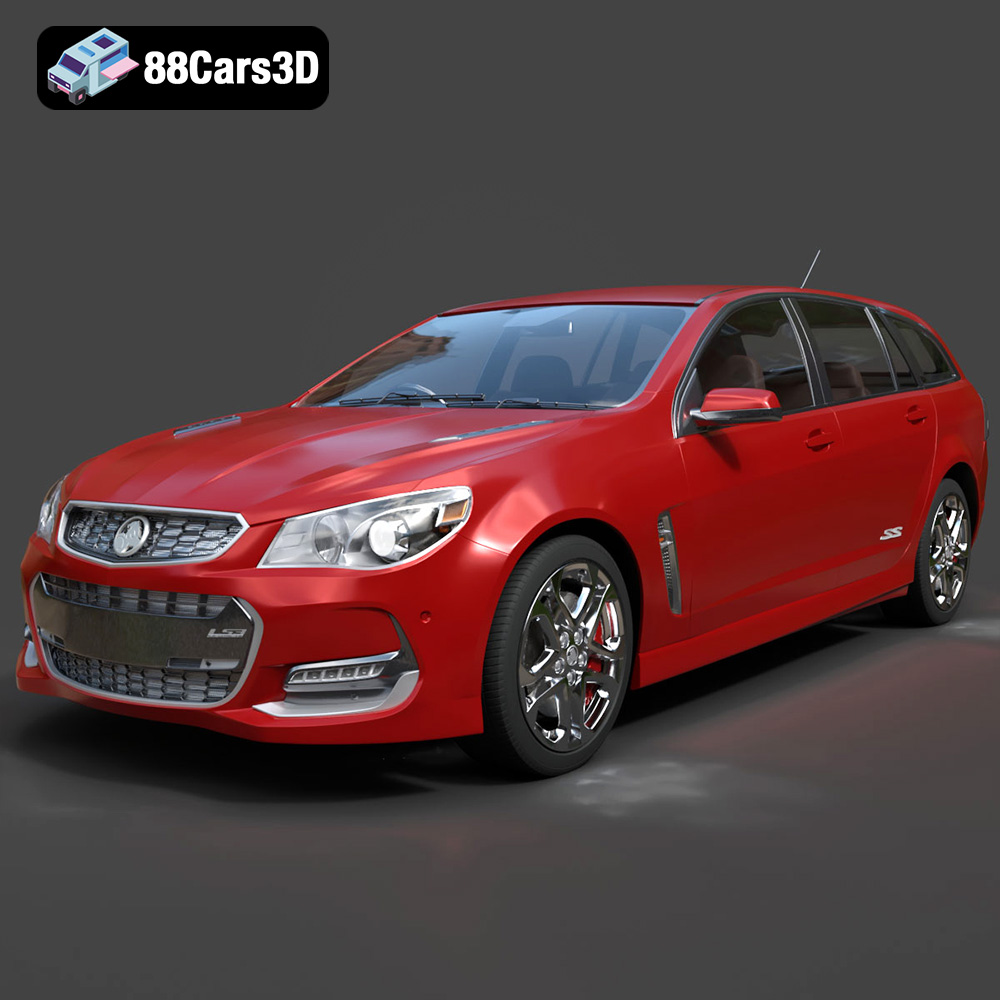
Texture: Yes
Material: Yes
Download the Holden Commodore Sportwagon 2017 3D Model featuring clean geometry, realistic detailing, and a fully modeled interior. Includes .blend, .fbx, .obj, .glb, .stl, .ply, .unreal, and .max formats for rendering, simulation, and game development.
Price: $10
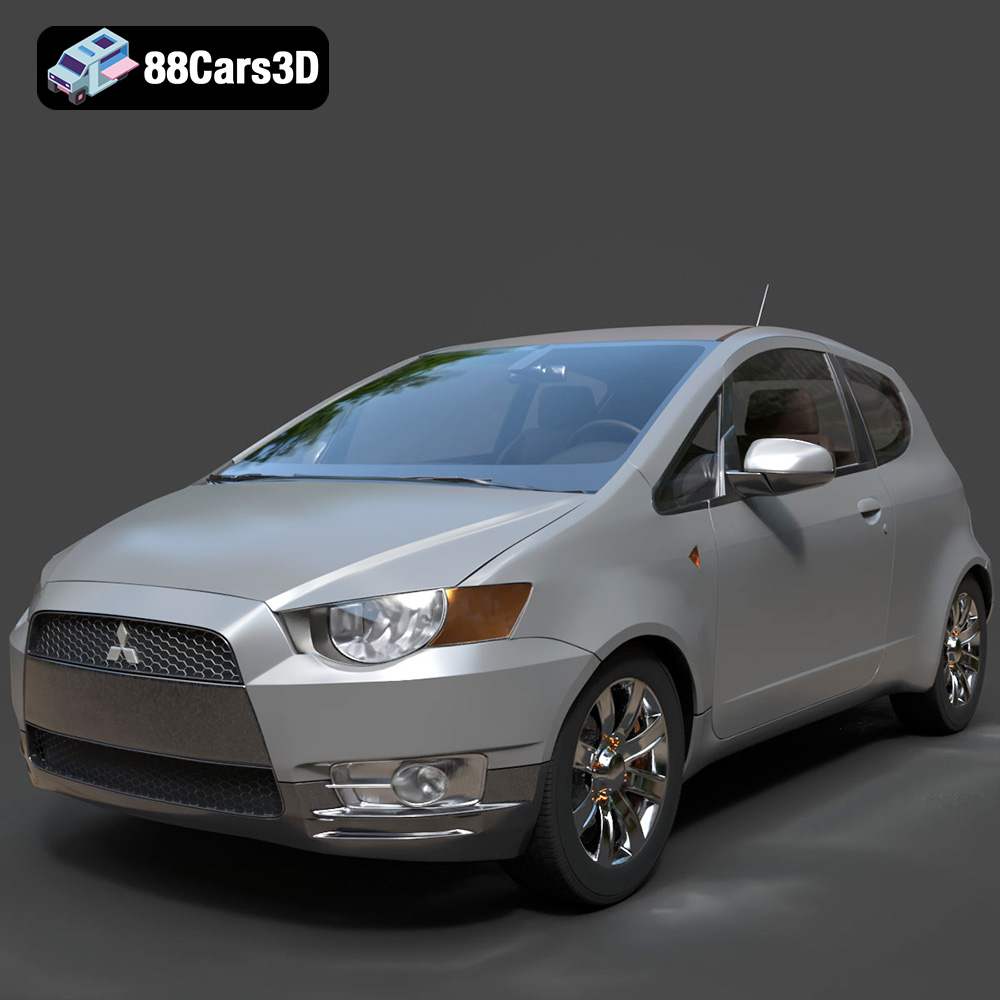
Texture: Yes
Material: Yes
Download the Mitsubishi Colt 3 Door 2008 3D Model featuring clean geometry, realistic detailing, and a fully modeled interior. Includes .blend, .fbx, .obj, .glb, .stl, .ply, .unreal, and .max formats for rendering, simulation, and game development.
Price: $10
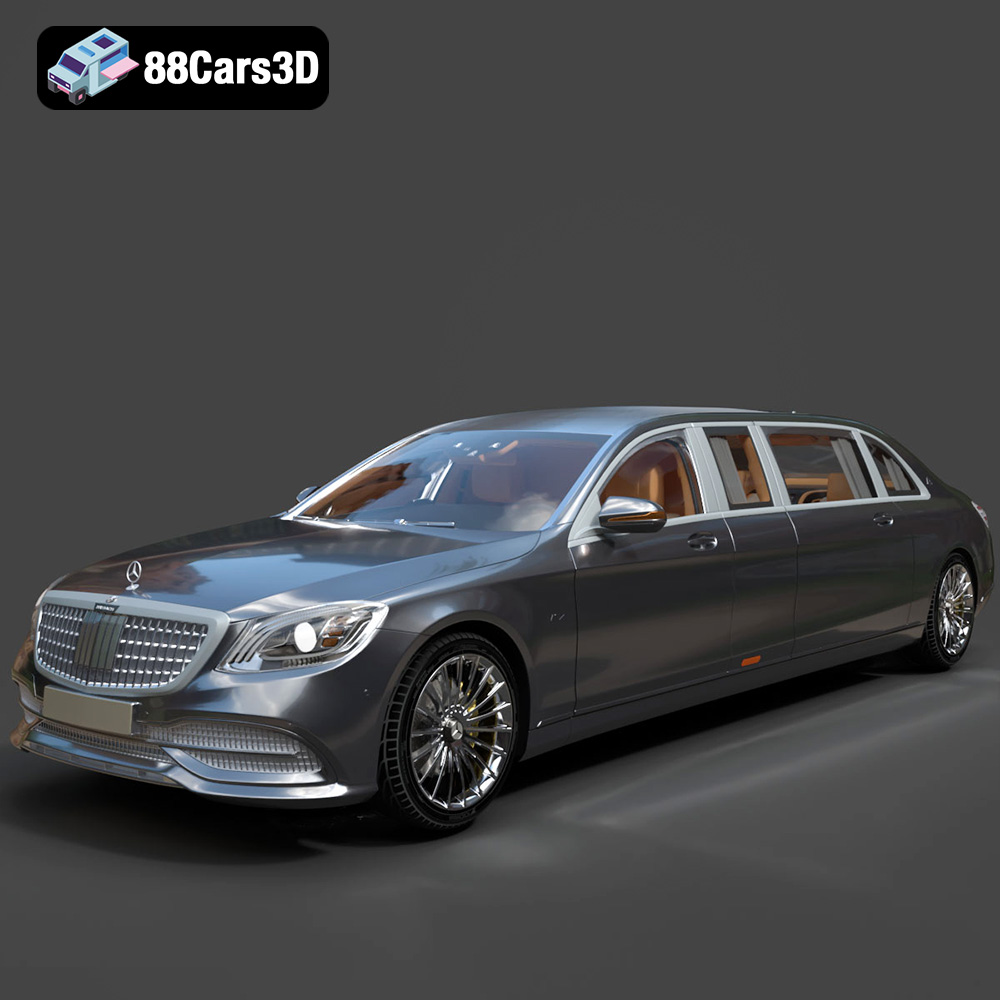
Texture: Yes
Material: Yes
Download the Mercedes-Benz S650 Pullman 3D Model featuring clean geometry, realistic detailing, and a fully modeled interior. Includes .blend, .fbx, .obj, .glb, .stl, .ply, .unreal, and .max formats for rendering, simulation, and game development.
Price: $95.99
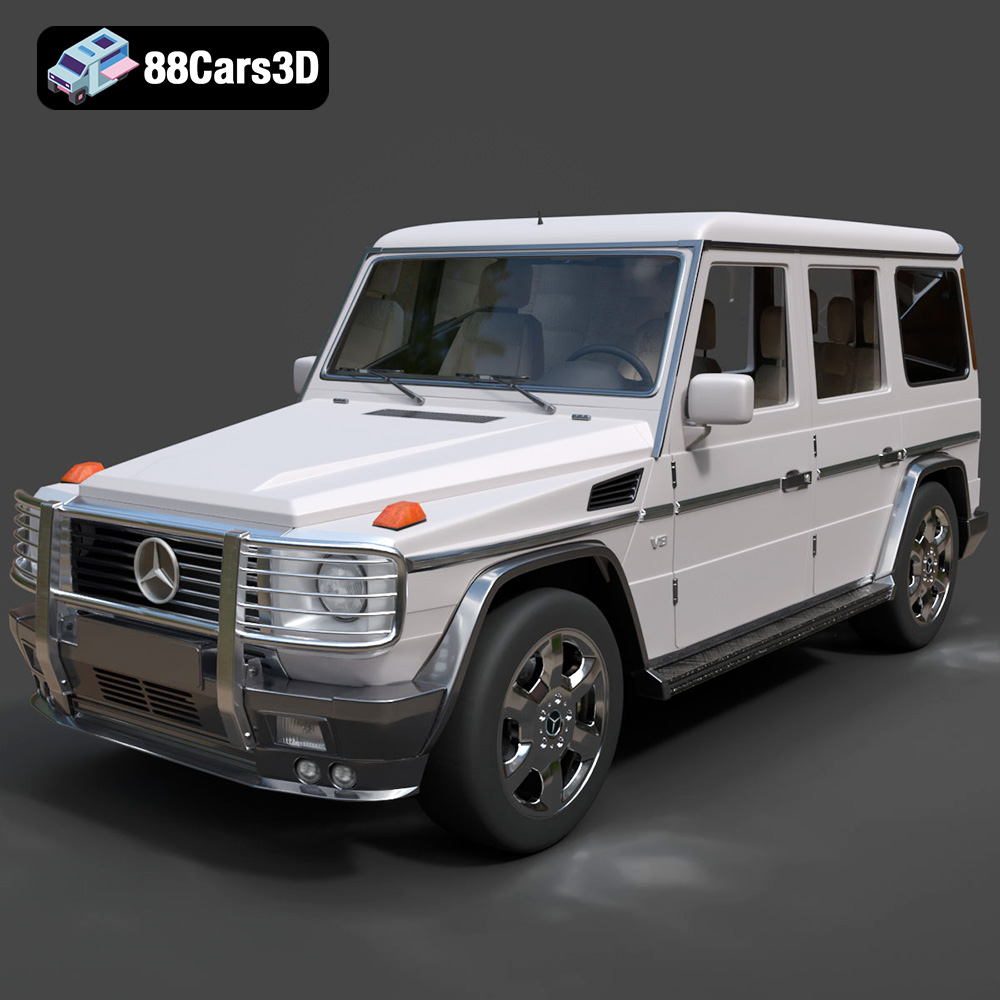
Texture: Yes
Material: Yes
Download the Mercedes G-Class SUV 2024 3D Model featuring clean geometry, realistic detailing, and a fully modeled interior. Includes .blend, .fbx, .obj, .glb, .stl, .ply, .unreal, and .max formats for rendering, simulation, and game development.
Price: $10
Texture: Yes
Material: Yes
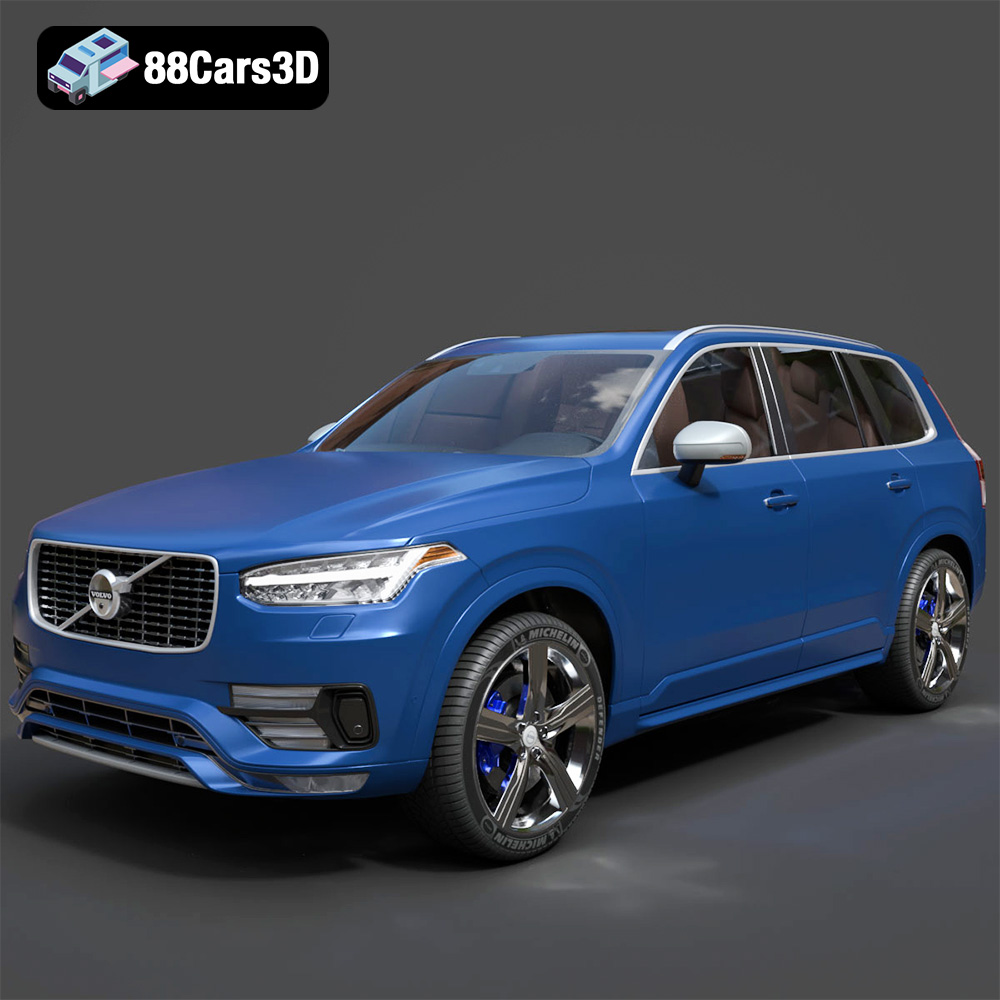
Download the Volvo XC90 R-Design 2015 3D Model featuring clean geometry, realistic detailing, and a fully modeled interior. Includes .blend, .fbx, .obj, .glb, .stl, .ply, .unreal, and .max formats for rendering, simulation, and game development.
Price: $10

