⚡ FLASH SALE: Get 60% OFF All Premium 3D & STL Models! ⚡

“`html
The sleek, impossibly perfect reflections gliding across a car’s body in a blockbuster film, the visceral thrill of customizing your ride in a high-octane video game, or the interactive magic of placing a virtual car in your own driveway with augmented reality—these experiences are all powered by meticulously crafted 3D car models. But creating a digital vehicle that looks stunning in a cinematic render is a vastly different challenge from building one that performs flawlessly in a real-time game engine or can be successfully 3D printed. A truly versatile 3D car model is a masterclass in balancing artistic detail with technical precision. This guide is your roadmap to navigating that complex pipeline. We will deconstruct the entire process, from the foundational principles of clean topology and strategic UV mapping to the advanced techniques for photorealistic rendering, real-time game optimization, and preparing your models for the next frontier of AR, VR, and 3D printing.
Before a 3D car can dazzle in a render or tear up the track in a game, it must be built on a solid structural foundation. In 3D modeling, this foundation is its topology—the flow and arrangement of polygons (quads, tris) that form the model’s surface. For automotive models, with their blend of sweeping organic curves and razor-sharp mechanical lines, clean topology isn’t just a best practice; it’s a non-negotiable requirement for achieving professional results. A well-constructed mesh ensures that surfaces subdivide smoothly without pinching or distortion, that reflections flow correctly across panels, and that shading appears flawless under any lighting condition.
Think of topology as the chassis of your 3D model. A poorly designed chassis will compromise every other aspect of the vehicle’s performance. In 3D, this translates to shading artifacts, difficulty in UV unwrapping, and poor deformation. The gold standard for automotive modeling is an all-quad mesh. Quads (four-sided polygons) are predictable and subdivide cleanly, making them ideal for creating smooth, flowing surfaces. The direction of these quads, known as edge flow, is critical. It should follow the natural contours and design lines of the car. For example, the edge loops should wrap cleanly around the wheel arches, flow along the character lines on the side panels, and define the sharp edges of headlights and grilles. This ensures that when a subdivision modifier (like 3ds Max’s TurboSmooth or Blender’s Subdivision Surface) is applied, the details are crisply maintained rather than softened into an indistinct shape.
The most common approach for creating these precise surfaces is polygon modeling, often starting from blueprints or reference images. A highly effective workflow involves building the car panel by panel—hood, doors, fenders, bumpers—just like its real-world counterpart. This method not only helps in managing complexity but also makes creating clean, consistent panel gaps much easier.
Spline-based modeling, using NURBS or patches, is another powerful technique, especially in software like 3ds Max or Maya, for creating exceptionally smooth and precise initial surfaces which can then be converted to a polygonal mesh for further detailing.
The required level of detail, and thus the polygon count, is entirely dependent on the final application. A model built for a close-up cinematic shot will have vastly different specifications from one designed for a mobile AR app.
Once your model’s geometry is locked, the next critical technical step is UV mapping. This is the process of flattening the 3D model’s surfaces into a 2D map, called a UV layout, which tells the software how to apply 2D textures (like paint, decals, or dirt) onto the 3D object. For a complex object like a car, this process can be daunting, but a strategic approach is key to achieving clean, distortion-free texturing and optimizing performance.
The core concept to master in UV mapping is texel density. A “texel” is a single pixel on your texture map. Texel density refers to the amount of texture resolution (pixels) applied per unit of 3D surface area. Maintaining a consistent texel density across your entire model is crucial for a professional look. If the car door has a much higher texel density than the fender next to it, a decal applied across both would look sharp on the door and blurry on the fender. Tools within 3D software can visualize texel density, often using a colored checkerboard pattern, allowing you to scale your UV islands until the checker squares are uniform in size across the entire vehicle.
A car is a collection of different surface types, and each requires a slightly different unwrapping strategy. The key is to place UV seams—the cuts you make to flatten the geometry—in logical and hidden locations.
For organizing your UVs, two primary professional workflows exist, each suited for different applications:
With a perfectly modeled and unwrapped car, the next step is to breathe life into it with realistic materials. The modern standard for this is Physically Based Rendering (PBR), a methodology that aims to simulate how light interacts with real-world materials. This approach ensures that your materials will look correct and consistent under any lighting conditions, from a bright outdoor scene to a dimly lit studio.
The PBR workflow relies on a set of texture maps that describe the physical properties of a surface. The most common workflow is the Metal/Roughness workflow, which uses the following key maps:
–Normal: This map creates the illusion of fine surface detail (like leather grain, carbon fiber weave, or small scratches) without adding any extra polygons.
Applying these principles to a car requires building complex shaders, especially for unique materials like car paint.
Creating these materials from scratch is time-intensive. This is where sourcing high-quality assets can be a major advantage. Marketplaces like 88cars3d.com offer models that come with professionally crafted, render-ready PBR materials, saving artists dozens of hours of meticulous work.
Modeling and texturing are only part of the equation. To truly showcase a 3D car model, you need a professional lighting and rendering workflow. The choices you make here will determine the mood, realism, and overall impact of your final image. Whether you’re using V-Ray, Corona, Blender’s Cycles, or Arnold, the fundamental principles of lighting and composition remain the same.
Two primary methods are used for lighting automotive renders, each with a distinct purpose:
Your digital camera is just as important as your lighting. Real-world photography principles are essential for compelling renders.
Finally, always render your images in a linear color space and export them as a high bit-depth file format like 32-bit EXR. This preserves the maximum amount of lighting and color information, giving you far more flexibility in post-processing. In tools like Adobe Photoshop or DaVinci Resolve, you can perform color grading, adjust curves and levels, add lens effects like bloom and glare, and composite different render passes (e.g., reflections, ambient occlusion) for the perfect final image.
Transitioning a 3D car model from the world of pre-rendered cinematics to a real-time game engine like Unreal Engine or Unity requires a radical shift in mindset. Here, efficiency is king. Every polygon, every texture, and every material contributes to a strict performance budget that must be met to maintain a smooth frame rate. The goal of optimization is to preserve as much visual quality as possible while ruthlessly cutting down on anything that could slow down the engine.
In real-time rendering, the main bottlenecks are:
Levels of Detail (LODs) are the single most important optimization for in-game vehicles. The concept is simple: you create multiple versions of the car model, each with a progressively lower polygon count. The game engine then automatically swaps these versions based on the car’s distance from the camera.
This ensures that the GPU’s resources are spent rendering detail where it’s most visible, dramatically improving performance without a noticeable loss in quality during gameplay.
Optimizing materials and textures is just as critical as managing polygons.
–Channel Packing: This is a standard industry technique for memory efficiency. Since the Metallic, Roughness, and Ambient Occlusion maps are all grayscale, they don’t need three full color channels (RGB). Instead, you can pack each map into a single channel of one texture file (e.g., Roughness in Red, Metallic in Green, AO in Blue). This “MRAO” texture allows the shader to sample three different maps with a single texture lookup, saving memory and improving performance.
Beyond cinematic renders and gaming, 3D car models are finding new life in emerging technologies like Augmented Reality (AR), Virtual Reality (VR), and 3D printing. Each of these applications has its own unique set of technical requirements that demand specific preparation and optimization workflows. A model that looks perfect in a V-Ray render will likely fail completely in an AR app or a 3D printer without careful conversion.
AR and VR applications, especially those running on standalone headsets or mobile devices, operate under even stricter performance constraints than PC or console games. The key here is maximum efficiency and delivery in a web-friendly format.
Preparing a model for 3D printing is a completely different discipline focused on physical integrity rather than visual appearance.
Starting with a clean, well-structured source model, such as those available from marketplaces like 88cars3d.com, provides an enormous advantage. Their clean topology and separated parts make the process of adding thickness, repairing meshes, and preparing them for these advanced applications significantly easier.
The journey of a 3D car model from a simple polygon to a multifaceted digital asset is a testament to the fusion of artistry and deep technical expertise. As we’ve seen, there is no one-size-fits-all solution. A model destined for a photorealistic render celebrates every intricate detail and complex shader, while a game-ready asset is a monument to efficiency and optimization. Similarly, preparing a model for the immersive worlds of AR/VR or the tangible reality of 3D printing introduces entirely new sets of rules and challenges. The key takeaway is that versatility is achieved through adaptation. By understanding the core principles of clean modeling, strategic UV unwrapping, PBR texturing, and platform-specific optimization, you gain the power to transform a single, high-quality source model into an asset that can excel in any application. We encourage you to apply these workflows to your own projects and to study professional models to see these techniques in practice. For those looking to accelerate their projects with assets that are already built to the highest standards, we invite you to explore the meticulously crafted, render- and game-ready collection at 88cars3d.com.
“`

Texture: Yes
Material: Yes
Download the Mercedes S-Class 2024 3D Model featuring clean geometry, realistic detailing, and a fully modeled interior. Includes .blend, .fbx, .obj, .glb, .stl, .ply, .unreal, and .max formats for rendering, simulation, and game development.
Price: $10

Texture: Yes
Material: Yes
Download the Chevrolet Camaro 1970 3D Model featuring clean geometry, realistic detailing, and a fully modeled interior. Includes .blend, .fbx, .obj, .glb, .stl, .ply, .unreal, and .max formats for rendering, simulation, and game development.
Price: $10

Texture: Yes
Material: Yes
Download the Mercedes-AMG GT 2015 3D Model featuring clean geometry, realistic detailing, and a fully modeled interior. Includes .blend, .fbx, .obj, .glb, .stl, .ply, .unreal, and .max formats for rendering, simulation, and game development.
Price: $88.99

Texture: Yes
Material: Yes
Download the Suzuki GSX-R 1000 3D Model featuring clean geometry, realistic detailing, and a fully modeled interior. Includes .blend, .fbx, .obj, .glb, .stl, .ply, .unreal, and .max formats for rendering, simulation, and game development.
Price: $10

Texture: Yes
Material: Yes
Download the Porsche Cayman S 2024 3D Model featuring clean geometry, realistic detailing, and a fully modeled interior. Includes .blend, .fbx, .obj, .glb, .stl, .ply, .unreal, and .max formats for rendering, simulation, and game development.
Price: $10

Texture: Yes
Material: Yes
Download the Holden Commodore Sportwagon 2017 3D Model featuring clean geometry, realistic detailing, and a fully modeled interior. Includes .blend, .fbx, .obj, .glb, .stl, .ply, .unreal, and .max formats for rendering, simulation, and game development.
Price: $10
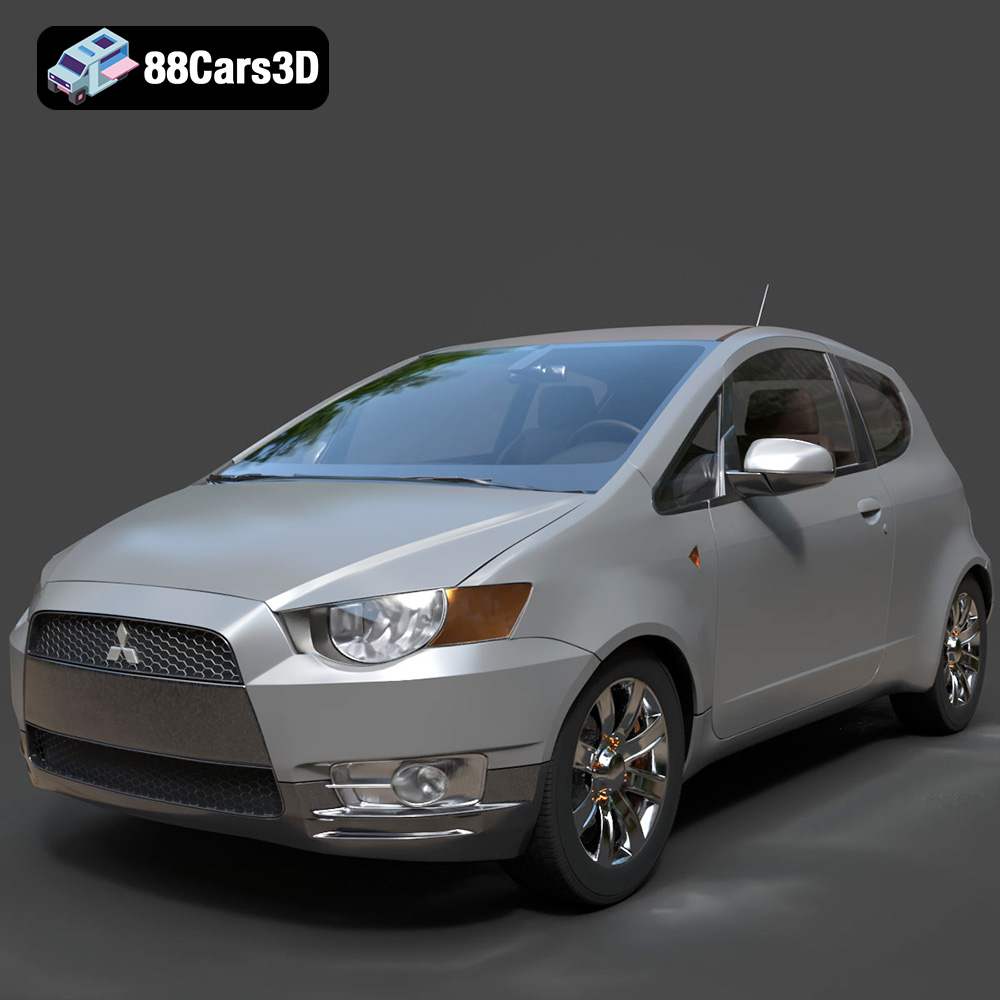
Texture: Yes
Material: Yes
Download the Mitsubishi Colt 3 Door 2008 3D Model featuring clean geometry, realistic detailing, and a fully modeled interior. Includes .blend, .fbx, .obj, .glb, .stl, .ply, .unreal, and .max formats for rendering, simulation, and game development.
Price: $10
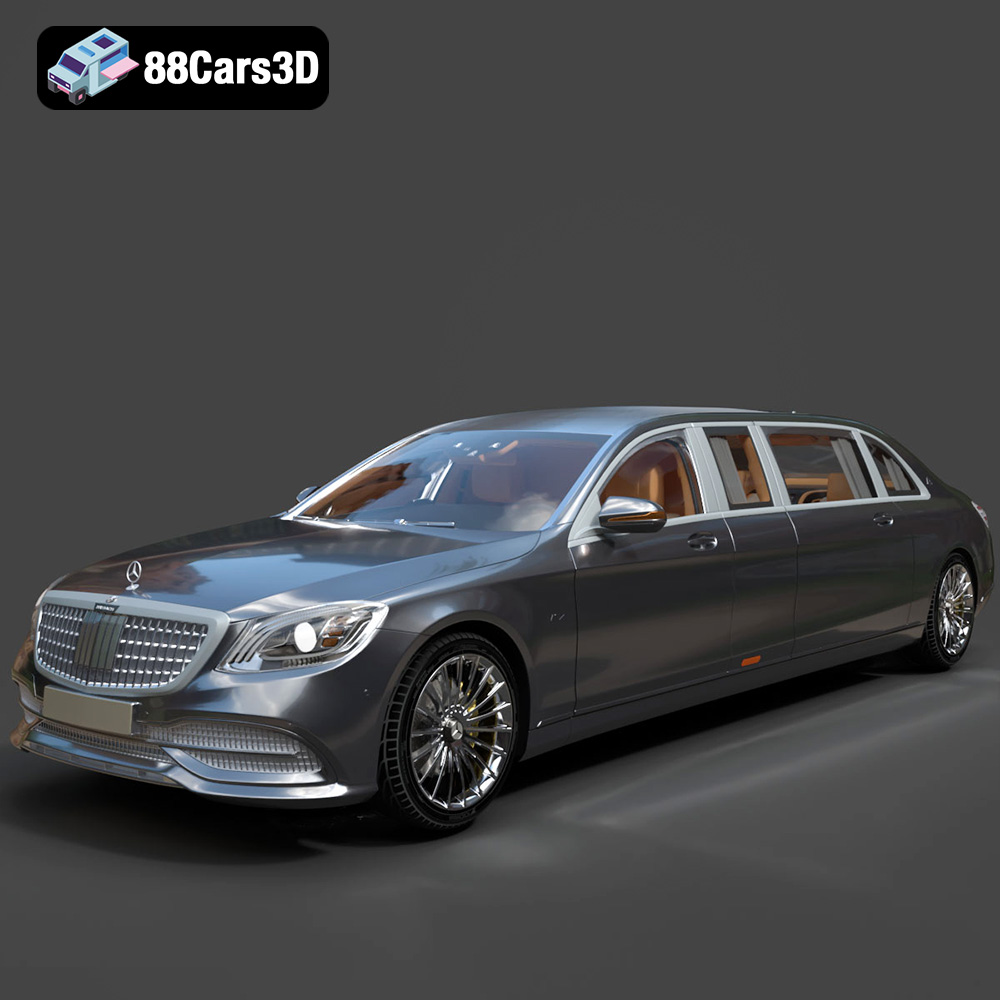
Texture: Yes
Material: Yes
Download the Mercedes-Benz S650 Pullman 3D Model featuring clean geometry, realistic detailing, and a fully modeled interior. Includes .blend, .fbx, .obj, .glb, .stl, .ply, .unreal, and .max formats for rendering, simulation, and game development.
Price: $95.99
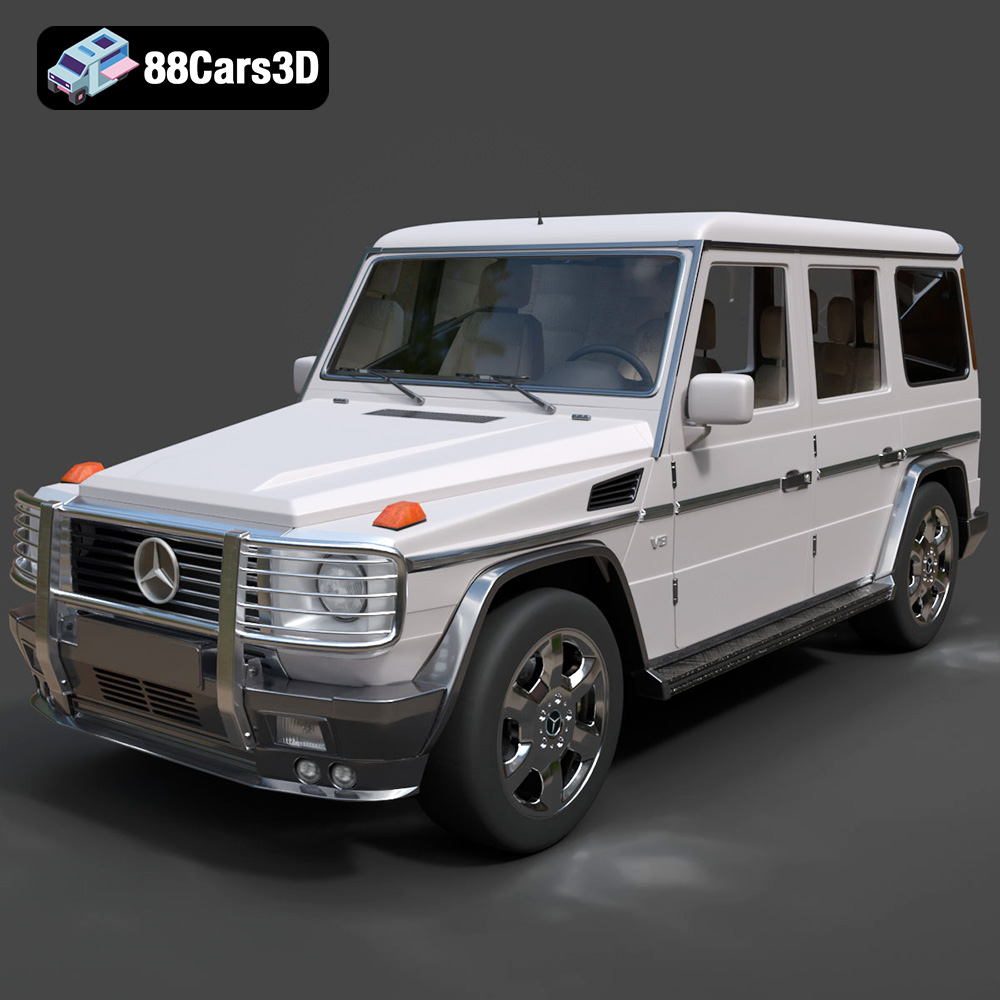
Texture: Yes
Material: Yes
Download the Mercedes G-Class SUV 2024 3D Model featuring clean geometry, realistic detailing, and a fully modeled interior. Includes .blend, .fbx, .obj, .glb, .stl, .ply, .unreal, and .max formats for rendering, simulation, and game development.
Price: $10
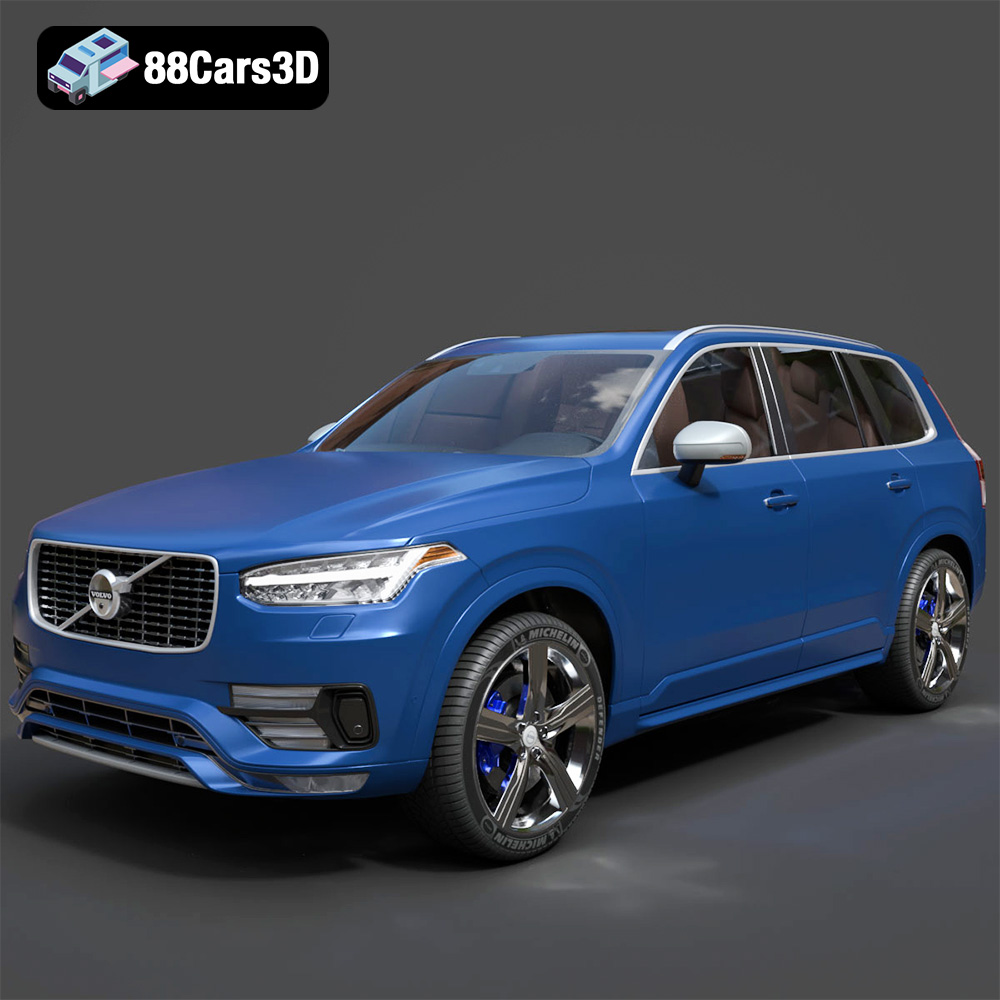
Texture: Yes
Material: Yes
Download the Volvo XC90 R-Design 2015 3D Model featuring clean geometry, realistic detailing, and a fully modeled interior. Includes .blend, .fbx, .obj, .glb, .stl, .ply, .unreal, and .max formats for rendering, simulation, and game development.
Price: $10

