⚡ FLASH SALE: Get 60% OFF All Premium 3D & STL Models! ⚡

“`html
The sleek, impossibly perfect vehicles that grace our screens in blockbuster films, cutting-edge video games, and high-end automotive commercials represent the pinnacle of digital artistry. These hyper-realistic 3D car models are not just digital objects; they are a complex symphony of precise modeling, intricate texturing, and advanced rendering techniques. For any 3D artist, game developer, or visualization professional, mastering the creation and application of these assets is a benchmark of skill. However, the path from a blank viewport to a photorealistic render or a performance-optimized game asset is fraught with technical challenges. This comprehensive guide will illuminate that path, breaking down the entire professional pipeline. We will explore the foundational principles of automotive modeling, dive deep into advanced texturing and shading, demystify the rendering process, and cover crucial optimization workflows for game engines, AR/VR, and even 3D printing. Whether you are building from scratch or leveraging high-quality assets from marketplaces like 88cars3d.com to accelerate your project, this guide will equip you with the technical knowledge to bring your automotive visions to life.
The journey to a stunning 3D car begins with a flawless mesh. The quality of the 3D model itself is the foundation upon which all subsequent steps—texturing, lighting, and rendering—are built. A poorly constructed model with messy topology will fight you at every stage, resulting in shading artifacts, distorted reflections, and difficulty in UV mapping. Conversely, a clean, well-planned model is a pleasure to work with and is the first and most critical step toward achieving professional results.
In 3D modeling, topology refers to the arrangement of vertices, edges, and polygons that form the mesh. For hard-surface models like cars, the gold standard is a clean, quad-based topology. This means the model is constructed almost entirely of four-sided polygons. Quads deform predictably, subdivide cleanly, and are easier to UV unwrap. The flow of these quads, known as edge flow, is paramount. It must follow the natural curvature and character lines of the vehicle. Proper edge flow defines the sharp creases on a hood, the gentle curve of a fender, and the crisp edges of a window frame. When light hits these surfaces, the edge flow dictates how highlights travel across the form, creating the signature look of the car. Techniques like using subdivision surface modeling (such as 3ds Max’s TurboSmooth or Blender’s Subdivision Surface modifier) rely entirely on a clean base mesh with deliberate edge flow to generate a smooth, high-resolution final model.
A car is an assembly of thousands of individual parts, and a professional 3D car model should reflect this. A component-based approach involves modeling the car as a collection of separate, accurately named objects: body panels, doors, wheels, brake calipers, headlights, interior dashboard, seats, etc. This strategy is essential for several reasons. Firstly, it allows for the assignment of different materials to different parts in a clean and organized way. Secondly, it facilitates rigging for animation—if the doors are separate objects, they can be easily pivoted open. Finally, for game engine optimization, it allows for specific components to be culled or swapped for lower-detail versions (LODs) independently, improving performance.
There is no one-size-fits-all polygon count for a 3D car model; the ideal budget is dictated entirely by its intended use case.
Understanding these budgets from the start of a project ensures the final asset is both visually impressive and technically appropriate for its platform.
If a 3D model is the sculpture, UV mapping is the process of preparing its canvas. It is the crucial, often painstaking, step of translating the 3D surface of your model into a 2D map. This 2D representation, known as a UV map, dictates exactly how textures are applied to the model. Without a clean and efficient UV map, even the best textures will appear stretched, compressed, or riddled with visible seams, completely shattering the illusion of realism for any 3D car model.
Automotive surfaces are a unique challenge. They consist of large, smooth, and highly reflective panels where even the slightest imperfection is immediately noticeable. A poorly planned UV seam running down the middle of a car’s hood will be glaringly obvious in reflections. Stretched UVs on a side panel will cause decals or dirt maps to look distorted. Therefore, the goals of UV mapping a car are to:
The process of unwrapping a car involves a combination of techniques. For large, relatively flat areas like the roof or hood, a simple Planar Projection can be a good starting point. For cylindrical parts like tire treads or exhaust pipes, a Cylindrical Projection works well. However, the majority of a car’s body requires a more hands-on approach. The standard workflow is to manually define seams along the panel edges in your 3D software. Once seams are marked, you can use “unfold” or “peel” algorithms, like Blender’s Unfold or Maya’s Unfold3D, which flatten the mesh piece by piece while trying to preserve its surface area and reduce distortion. This process requires patience and a good eye for where the model can be “cut” without creating visible artifacts.
Texel density is a measure of how many texture pixels (texels) are used per unit of 3D space. Maintaining a consistent texel density across the entire model is crucial for a professional look. It ensures that a 4K texture applied to the door has the same level of detail as a 4K texture applied to the bumper. For “hero” assets destined for cinematic close-ups, a single 4K or 8K texture map is often not enough to cover the entire vehicle with sufficient detail. This is where the UDIM (U-Dimension) workflow comes in. UDIMs allow you to use multiple texture maps on a single model by laying out UV islands in adjacent UV tiles beyond the standard 0-1 space. For instance, the main body could be on the first UDIM tile, the wheels on the second, the interior on the third, and so on. This industry-standard technique allows for incredible texture resolution and is essential for high-end automotive rendering.
With a pristine model and a logical UV map, the next stage is to create the materials that give the car its tangible reality. Modern 3D graphics have almost universally adopted the Physically Based Rendering (PBR) methodology, a workflow that aims to simulate the behavior of light in a physically plausible way. This approach is what allows artists to create materials that look realistic under any lighting condition, from the matte finish of a tire to the complex, multi-layered sheen of metallic car paint.
PBR isn’t a single rule but a set of principles. The goal is to use texture maps to define the physical properties of a surface. The most common PBR workflow, and the standard for real-time engines like Unity and Unreal Engine, is the Metal/Roughness workflow. It primarily uses these key maps:
Car paint is one of the most complex PBR materials to recreate. It’s a layered material, and a convincing shader must simulate these layers. Most modern render engines provide a “Principled” or “Physical” shader that includes parameters to build this effect. For instance, using Blender’s powerful Principled BSDF shader, you can construct a highly realistic car paint material. For accurate, up-to-date information on its extensive parameters, consulting the official Blender 4.4 documentation is always a best practice. The typical layers are:
Beyond the paint, a car features a wide array of materials. Creating realistic rubber for tires involves a high roughness value and a normal map for the tread pattern and sidewall text. Glass requires a high transmission value (or low alpha for game engines) and a low roughness value. Chrome is simply a material with a high metallic value (1.0) and a very low roughness value (e.g., 0.05). For interior elements like leather, the detail comes from a high-quality normal map defining the grain and a roughness map to show subtle wear and sheen variations. Combining these materials correctly is what sells the final image.
A perfect model with perfect materials will still look flat and unconvincing without great lighting. The rendering stage is where everything comes together—light interacts with your PBR materials, casting shadows, creating reflections, and producing the final photorealistic image. The quality of the lighting and the choice of render engine are just as important as the asset itself. This stage is the digital equivalent of a professional automotive photoshoot.
There are two primary approaches to lighting a 3D car for rendering:
Often, the best results come from a hybrid approach: using an HDRI for realistic ambient light and reflections, supplemented with a few Area Lights to add cinematic highlights and shape.
The choice of render engine can significantly impact workflow and final image quality. For architectural and automotive visualization, a few path-tracing engines dominate:
Regardless of the engine, key settings to master include Global Illumination (GI) for realistic light bounces, sampling settings to reduce noise, and enabling caustics for realistic light refraction through headlights and glass.
The raw output from the render engine is rarely the final image. Professional artists rely on post-processing and compositing to add the final layer of polish. This is done by rendering out the image in “passes” (also called Render Elements or AOVs). Common passes include Diffuse, Reflections, Specular, Ambient Occlusion (AO), and an Object ID mask. By layering these passes in software like Adobe Photoshop, After Effects, or Blackmagic Fusion, you gain granular control. You can boost reflections, deepen contact shadows with the AO pass, adjust the color of the car without re-rendering using the ID mask, and add cinematic effects like lens flares, chromatic aberration, and color grading to achieve that perfect “showroom” shot.
Creating a car for a real-time game engine like Unreal Engine or Unity is a completely different discipline than creating one for a pre-rendered cinematic. While the visual goal is still high fidelity, it must be achieved within a strict performance budget. Every polygon, every texture, and every material must be ruthlessly optimized to ensure the game runs at a smooth and stable frame rate, typically 60 frames per second (FPS) or higher. This process is a delicate balancing act of technical art and problem-solving.
A cinematic model with millions of polygons is unusable in a game engine. The first step is to create a low-polygon, game-ready version through a process called retopology. This involves building a new, clean mesh over the top of the high-poly source model, capturing its silhouette and form with a fraction of the geometry. This low-poly model becomes the primary asset in the game. To further optimize performance, artists create several even simpler versions of the model, known as Levels of Detail (LODs).
The game engine automatically swaps these models based on the car’s distance from the camera, drastically reducing the rendering load.
So, how does a low-poly model look as detailed as its high-poly counterpart? The magic is in texture baking. This process projects the surface details from the high-poly model onto the textures of the low-poly model.
In a game engine, a “draw call” is a command sent from the CPU to the GPU to draw an object. Each material on an object typically results in a separate draw call. Too many draw calls can create a CPU bottleneck and severely impact performance. A key optimization strategy is texture atlasing. This involves combining the textures for multiple parts of the car onto a single, larger texture sheet. For example, instead of separate materials and textures for the brake calipers, suspension, and wheel hubs, you can unwrap them all to share one texture set. This allows them to be rendered in a single draw call, significantly improving efficiency. This is why careful planning of materials and UVs is critical for creating performant game assets.
The utility of a high-quality 3D car model extends far beyond traditional renders and video games. The burgeoning fields of Augmented Reality (AR), Virtual Reality (VR), and the accessibility of 3D printing have opened up exciting new frontiers for digital automotive assets. However, each of these applications comes with its own unique set of technical requirements and optimization challenges. A model prepared for a cinematic render is fundamentally different from one that can be experienced in a VR headset or held in your hand.
AR and VR applications demand the ultimate in real-time performance. To maintain immersion and prevent motion sickness, these experiences must run at a very high and consistent frame rate, typically 90 FPS rendered twice (once for each eye). This imposes even stricter constraints than traditional gaming.
Taking a digital car model and turning it into a physical object via 3D printing is a rewarding process, but it requires a specific preparation workflow. Unlike rendering, where visual tricks can hide imperfections, a 3D printer requires a perfectly solid, unambiguous mesh.
The creation of a world-class 3D car model is a journey that spans multiple disciplines, blending the precision of an engineer with the eye of an artist. We’ve traveled from the foundational importance of clean topology and strategic UV mapping to the nuanced art of PBR material creation for everything from paint to rubber. We’ve seen how expert lighting and rendering can transform a model into a breathtaking image, and how rigorous optimization is required to make that same model perform flawlessly in real-time games, AR, and VR. Each stage of this intricate pipeline is crucial, with the success of one step directly impacting the next.
While mastering this entire process is a deeply rewarding endeavor, the realities of production schedules and project deadlines often demand a more streamlined approach. For professionals, the ability to accelerate this workflow is invaluable. Starting with a meticulously crafted, production-ready asset from a specialized marketplace like 88cars3d.com can save hundreds of hours of work, allowing you to bypass the most time-consuming modeling and UV stages. This empowers you to focus your creative energy where it matters most: on lighting, composition, and delivering the final, stunning visual experience. Whether you build from the first polygon or begin with a pre-made masterpiece, the principles outlined in this guide will help you navigate the complexities of automotive 3D art and drive your projects across the finish line with spectacular results.
“`

Texture: Yes
Material: Yes
Download the Mercedes S-Class 2024 3D Model featuring clean geometry, realistic detailing, and a fully modeled interior. Includes .blend, .fbx, .obj, .glb, .stl, .ply, .unreal, and .max formats for rendering, simulation, and game development.
Price: $10

Texture: Yes
Material: Yes
Download the Chevrolet Camaro 1970 3D Model featuring clean geometry, realistic detailing, and a fully modeled interior. Includes .blend, .fbx, .obj, .glb, .stl, .ply, .unreal, and .max formats for rendering, simulation, and game development.
Price: $10

Texture: Yes
Material: Yes
Download the Mercedes-AMG GT 2015 3D Model featuring clean geometry, realistic detailing, and a fully modeled interior. Includes .blend, .fbx, .obj, .glb, .stl, .ply, .unreal, and .max formats for rendering, simulation, and game development.
Price: $88.99

Texture: Yes
Material: Yes
Download the Suzuki GSX-R 1000 3D Model featuring clean geometry, realistic detailing, and a fully modeled interior. Includes .blend, .fbx, .obj, .glb, .stl, .ply, .unreal, and .max formats for rendering, simulation, and game development.
Price: $10

Texture: Yes
Material: Yes
Download the Porsche Cayman S 2024 3D Model featuring clean geometry, realistic detailing, and a fully modeled interior. Includes .blend, .fbx, .obj, .glb, .stl, .ply, .unreal, and .max formats for rendering, simulation, and game development.
Price: $10

Texture: Yes
Material: Yes
Download the Holden Commodore Sportwagon 2017 3D Model featuring clean geometry, realistic detailing, and a fully modeled interior. Includes .blend, .fbx, .obj, .glb, .stl, .ply, .unreal, and .max formats for rendering, simulation, and game development.
Price: $10
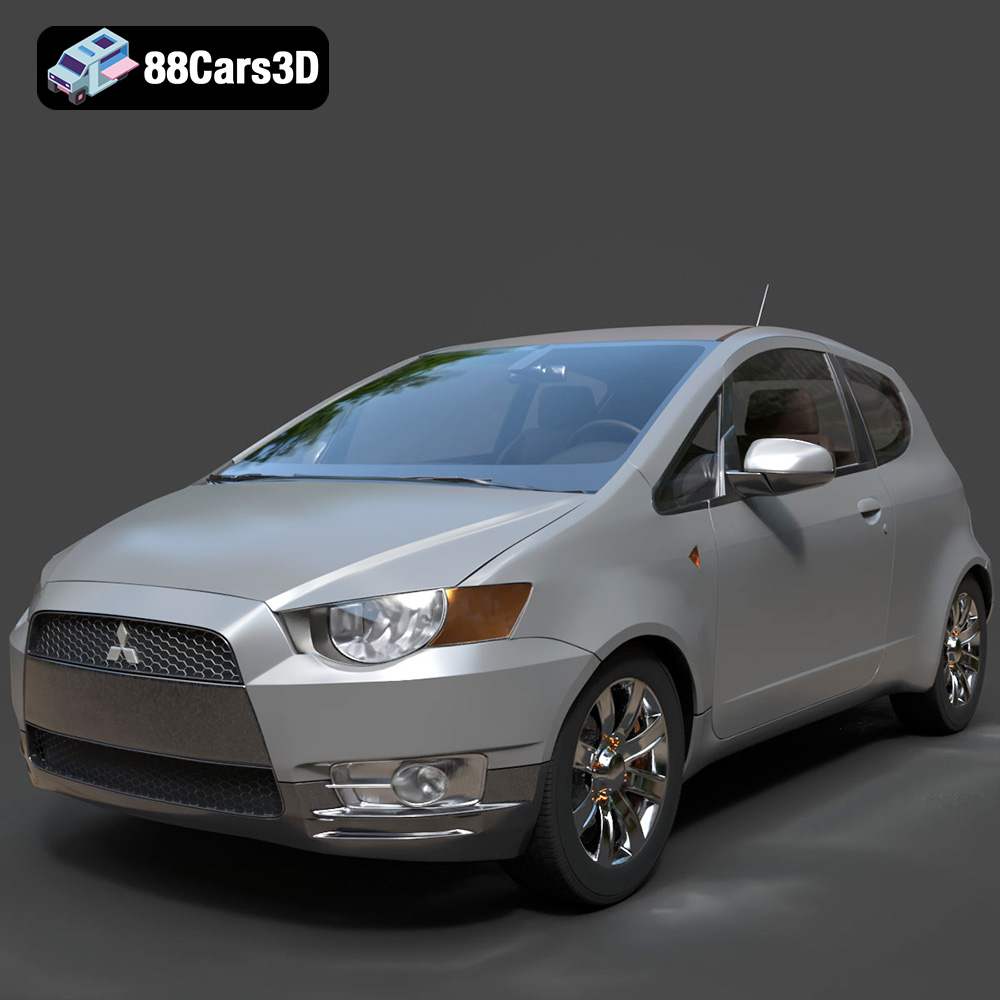
Texture: Yes
Material: Yes
Download the Mitsubishi Colt 3 Door 2008 3D Model featuring clean geometry, realistic detailing, and a fully modeled interior. Includes .blend, .fbx, .obj, .glb, .stl, .ply, .unreal, and .max formats for rendering, simulation, and game development.
Price: $10
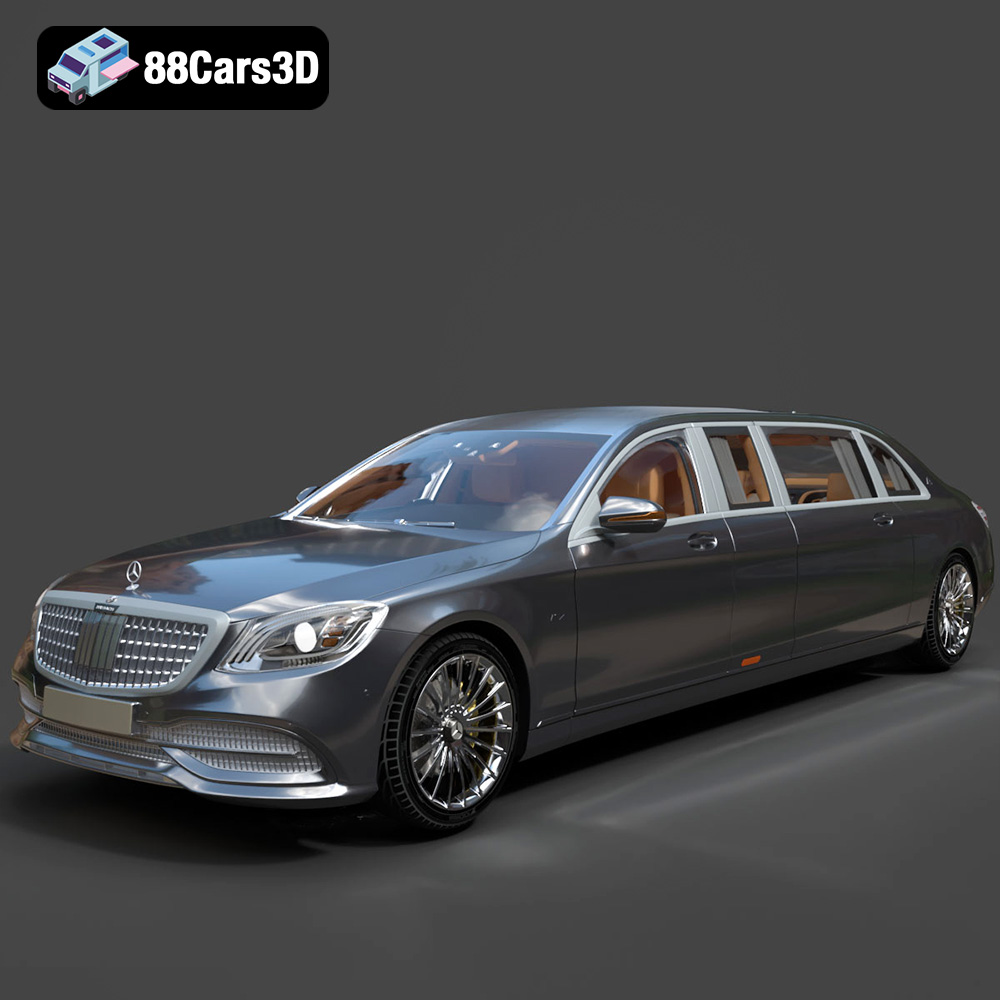
Texture: Yes
Material: Yes
Download the Mercedes-Benz S650 Pullman 3D Model featuring clean geometry, realistic detailing, and a fully modeled interior. Includes .blend, .fbx, .obj, .glb, .stl, .ply, .unreal, and .max formats for rendering, simulation, and game development.
Price: $95.99
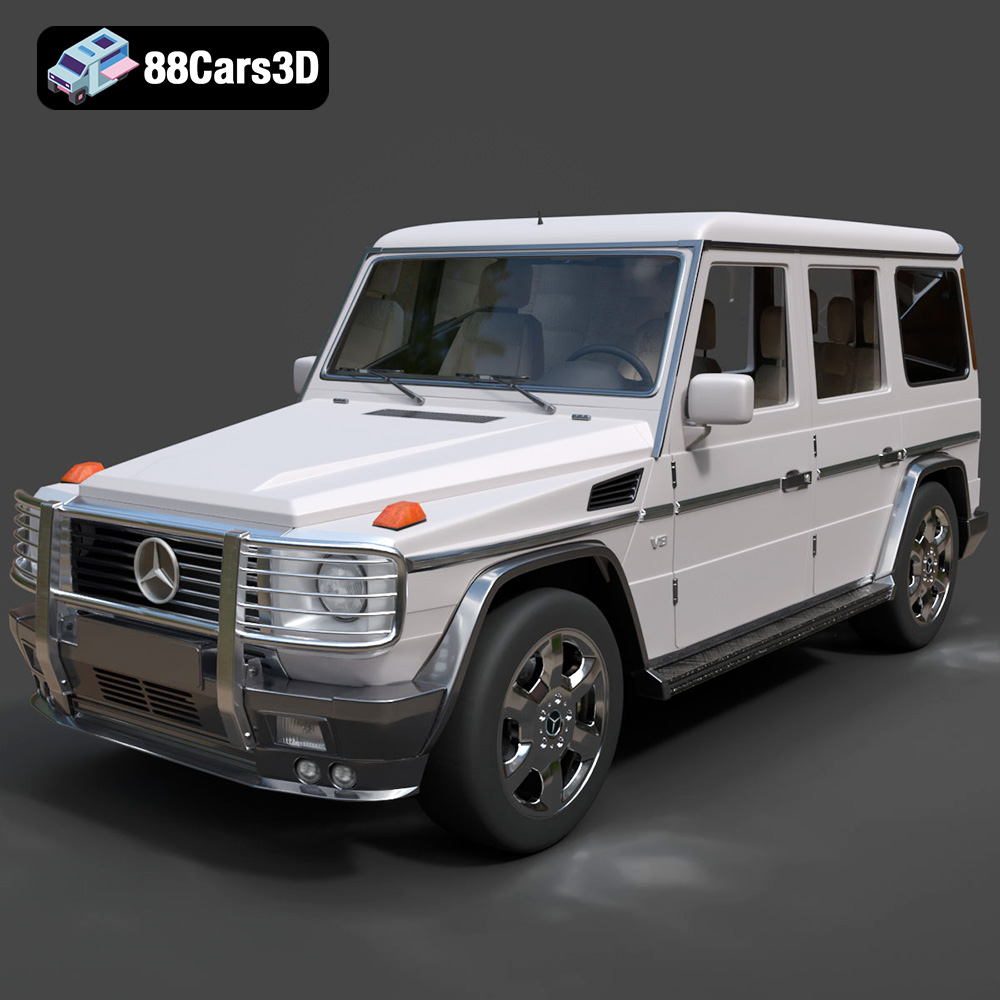
Texture: Yes
Material: Yes
Download the Mercedes G-Class SUV 2024 3D Model featuring clean geometry, realistic detailing, and a fully modeled interior. Includes .blend, .fbx, .obj, .glb, .stl, .ply, .unreal, and .max formats for rendering, simulation, and game development.
Price: $10
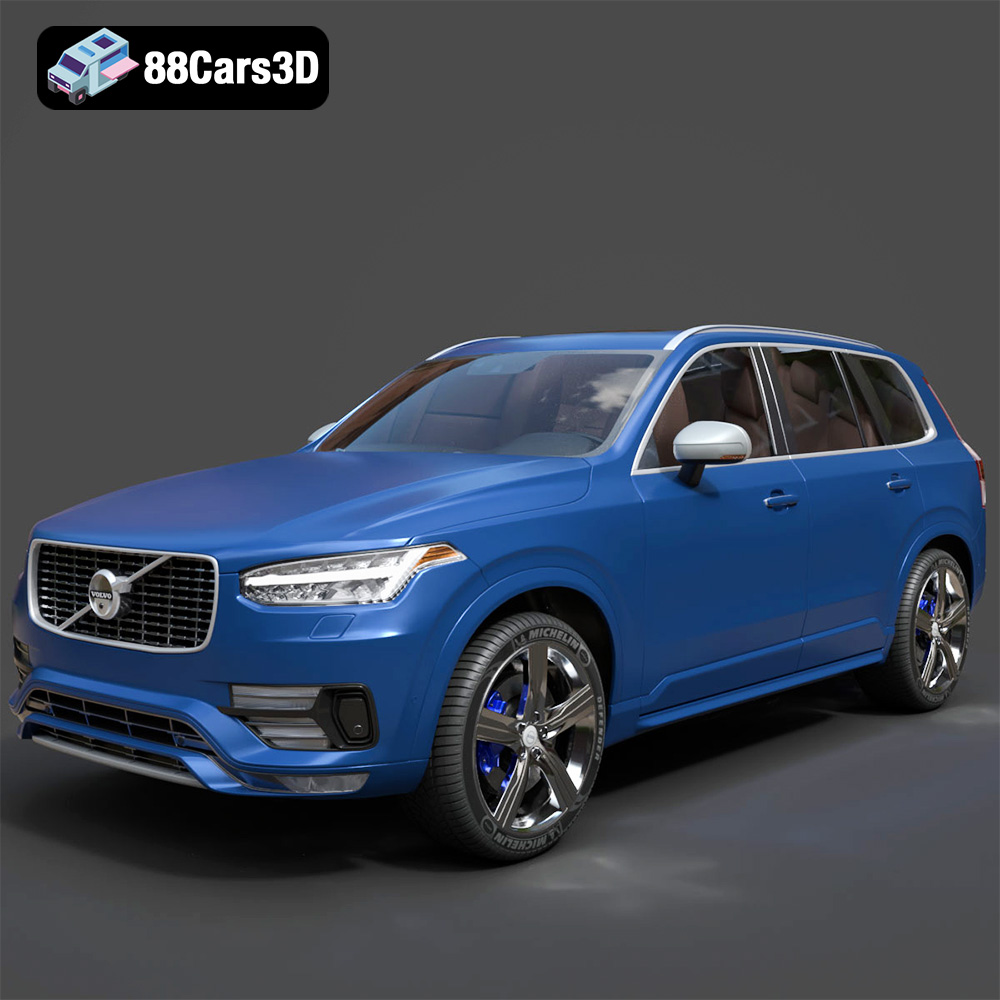
Texture: Yes
Material: Yes
Download the Volvo XC90 R-Design 2015 3D Model featuring clean geometry, realistic detailing, and a fully modeled interior. Includes .blend, .fbx, .obj, .glb, .stl, .ply, .unreal, and .max formats for rendering, simulation, and game development.
Price: $10

