⚡ FLASH SALE: Get 60% OFF All Premium 3D & STL Models! ⚡

In the world of automotive visualization, static renders and pre-recorded videos are no longer enough to capture the imagination of potential customers. The modern consumer expects immersive, interactive experiences that allow them to explore, customize, and connect with a product on a personal level. This is where real-time rendering with Unreal Engine transforms the game. By harnessing its powerful suite of tools, developers and artists can create stunning, photorealistic, and fully interactive automotive product demos that run on everything from high-end PCs to mobile devices. This shift from passive viewing to active participation is revolutionizing how brands showcase their designs and engineering.
This comprehensive guide will walk you through the entire workflow of building a high-fidelity, interactive automotive configurator in Unreal Engine 5. We will cover everything from initial project setup and asset preparation to advanced material creation, interactive scripting with Blueprint, and crucial performance optimization. You will learn how to leverage cutting-edge features like Nanite for unprecedented geometric detail and Lumen for breathtakingly realistic dynamic lighting. Whether you’re a 3D artist looking to bring your models to life or a developer building a next-generation sales tool, this article provides the technical foundation and professional insights needed to create compelling real-time automotive experiences that stand out in a competitive market.
Before you can import a single 3D model, establishing a solid project foundation is paramount. A well-structured Unreal Engine project ensures a smoother development process, easier collaboration, and better performance down the line. The choices you make at this stage will directly impact your entire workflow, from asset management to final deployment. Getting this right means spending less time troubleshooting and more time creating a stunning interactive demo.
Unreal Engine offers several project templates to kickstart development. For automotive visualization, two primary options stand out:
Regardless of your choice, ensure your project is set to “Scalable 3D or 2D” and “Maximum” quality settings to enable all advanced rendering features.
Once your project is created, the next step is to enable the necessary plugins. Navigate to Edit > Plugins and ensure the following are active:
Additionally, navigate to Project Settings > Rendering and ensure that “Dynamic Global Illumination Method” is set to Lumen and “Reflection Method” is also set to Lumen. This activates Unreal Engine 5’s revolutionary real-time global illumination and reflection system, which is key to achieving photorealistic results without baking lights.
The quality of your final interactive demo is directly tied to the quality of the 3D car models you use. The import process is a critical bridge between your modeling software and the real-time environment of Unreal Engine. A successful import preserves detail, maintains organization, and sets the stage for efficient material creation and optimization. Using high-quality, pre-optimized assets from marketplaces like 88cars3d.com can significantly accelerate this stage, as these models are built with clean topology and UVs tailored for real-time rendering.
Before exporting from your DCC (Digital Content Creation) tool like Blender, 3ds Max, or Maya, proper preparation is key. Follow these best practices:
FBX is the most common format for getting assets into Unreal. When you drag an FBX file into the Content Browser, an import options dialog appears. Here are the crucial settings for automotive models:
Unreal Engine’s Nanite virtualized geometry system is a game-changer for automotive visualization. It allows you to import and render models with millions of polygons in real time without the need for manual LOD (Level of Detail) creation or significant performance loss. To enable Nanite on an imported model, simply right-click the Static Mesh in the Content Browser, open the editor, and check the “Enable Nanite Support” box under the Details panel. With Nanite, you can use your source-of-truth, film-quality models directly in the engine, preserving every bolt, seam, and stitch for breathtaking close-up shots.
Materials are what breathe life and realism into your 3D models. Unreal Engine’s node-based Material Editor is an incredibly powerful tool for creating physically-based rendering (PBR) materials that accurately simulate how light interacts with real-world surfaces. For automotive visualization, mastering materials for car paint, glass, chrome, and leather is essential for achieving a believable and high-quality result. Assets sourced from platforms such as 88cars3d.com often come with high-resolution PBR texture maps (Base Color, Roughness, Metallic, Normal) that serve as the perfect foundation for these complex materials.
A PBR workflow relies on a few key texture inputs to define a surface:
A simple PBR material won’t do justice to modern automotive paint. A realistic car paint material requires multiple layers. You can build this in the Material Editor using the Clear Coat shading model.
This layered approach accurately mimics how light passes through the glossy top coat, hits the colored base layer, and reflects back, creating the deep, rich look of real car paint.
A beautiful render is one thing, but true engagement comes from interactivity. Unreal Engine’s Blueprint visual scripting system empowers artists and designers to create complex interactive logic without writing a single line of code. By connecting nodes and wires, you can script everything from camera movements and UI buttons to complex product configuration systems. This is the core engine that turns your static scene into a dynamic, user-driven experience.
A fundamental feature of any product demo is the ability for the user to freely inspect the model from all angles. An orbit camera is a perfect solution. You can create one easily using a Spring Arm Component.
The Variant Manager is a purpose-built tool for creating product configurators. It allows you to capture the properties of Actors in your scene and switch between them at runtime.
To trigger these variants, you can use UI buttons created with Unreal Motion Graphics (UMG). In your UMG widget’s graph, use the OnClicked event for a button to call the Switch on Variant by Name function, feeding it the correct Variant Set and Variant names.
For more cinematic interactions, like opening a door or trunk, you can use the Level Sequencer. Create a short animation of the door opening by keyframing its transform property. In Blueprint, you can get a reference to this Level Sequence Actor and call the Play or Reverse functions to trigger the animation when the user clicks on the door.
Lighting is arguably the most important element in achieving photorealism. Unreal Engine 5’s Lumen system provides real-time dynamic global illumination and reflections, simulating how light bounces off surfaces to illuminate other objects indirectly. This eliminates the need for time-consuming light baking and allows for fully dynamic environments where lighting reacts instantly to any change, which is perfect for an interactive demo where doors open or the car moves.
A typical automotive studio lighting setup in Unreal consists of a few key actors:
The Post Process Volume is where you perform your “digital color grading” and add cinematic camera effects. Add one to your scene and set its “Infinite Extent (Unbound)” property to true to affect the entire level. Key settings to adjust include:
Lumen’s software and hardware ray tracing capabilities ensure that reflections are physically accurate. On your car’s windows and paint, you will see real-time reflections of the surrounding environment and other parts of the car itself, adding a profound sense of realism.
While Unreal Engine 5’s tools like Nanite and Lumen are incredibly powerful, creating an interactive demo that runs smoothly on a variety of hardware requires a focused optimization strategy. A high frame rate is crucial for a responsive and enjoyable user experience. The goal is to maintain visual fidelity while ensuring the application consistently hits your target performance, whether it’s 60 FPS for a PC application or 30 FPS for a mobile AR experience.
You can’t optimize what you can’t measure. Unreal Engine provides powerful built-in profiling tools to identify what is costing the most performance.
Even with Nanite, geometry can be a factor. For smaller, more detailed parts or assets intended for platforms without full Nanite support (like VR or mobile), traditional methods are still essential.
Textures are often a primary consumer of VRAM. Proper management is key.
By combining modern features like Nanite with traditional optimization techniques, you can deliver a visually stunning automotive demo that performs exceptionally well across your target platforms. The official Unreal Engine learning platform is an invaluable resource for digging deeper into these tools, which you can explore further at https://dev.epicgames.com/community/unreal-engine/learning for detailed documentation and tutorials.
We’ve journeyed through the complete process of creating a dynamic, interactive automotive demo in Unreal Engine, from the initial project setup to the final, critical optimization pass. By now, you should have a clear understanding of how to prepare and import high-quality 3D models, craft stunningly realistic PBR materials, and bring your product to life with Blueprint-driven interactivity. We’ve seen how features like the Variant Manager can transform a static model into a full-fledged configurator, and how Lumen and Nanite are shattering previous barriers to real-time photorealism and geometric complexity.
The key takeaway is that Unreal Engine provides a complete, end-to-end solution for the future of product visualization. The skills you’ve learned here—asset preparation, material authoring, visual scripting, and performance profiling—are the building blocks for creating experiences that not only showcase a product but also allow users to engage with it in a meaningful way. Your next step is to apply these principles. Start a new project, source a high-quality asset, and begin building your own interactive configurator. Experiment with lighting, create your own material variations, and script new interactions. The more you explore these powerful tools, the more you will be able to push the boundaries of real-time rendering and create truly next-generation automotive experiences.
Texture: Yes
Material: Yes
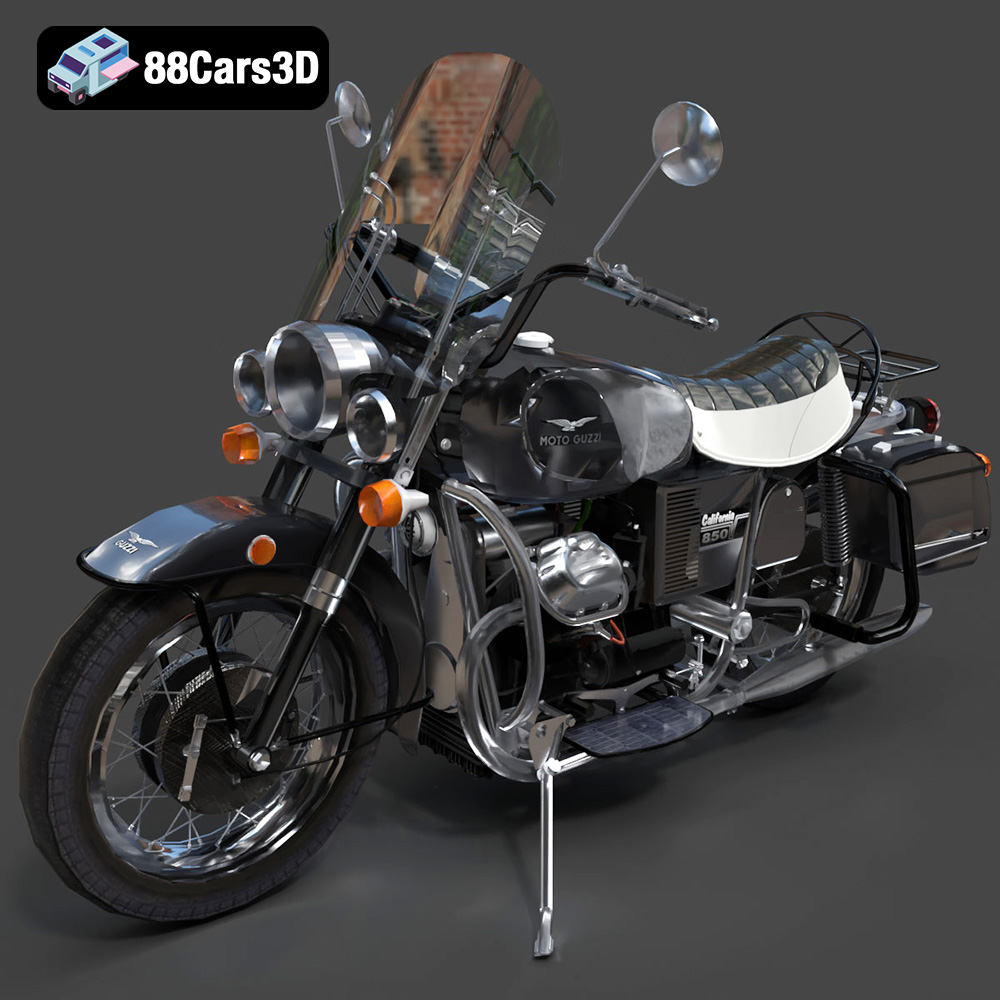
Download the Moto Guzzi Classic Motorcycle 2024 3D Model featuring clean geometry, realistic detailing, and a fully modeled interior. Includes .blend, .fbx, .obj, .glb, .stl, .ply, .unreal, and .max formats for rendering, simulation, and game development.
Price: $10

Texture: Yes
Material: Yes
Download the Mercedes S-Class 2024 3D Model featuring clean geometry, realistic detailing, and a fully modeled interior. Includes .blend, .fbx, .obj, .glb, .stl, .ply, .unreal, and .max formats for rendering, simulation, and game development.
Price: $10

Texture: Yes
Material: Yes
Download the Chevrolet Camaro 1970 3D Model featuring clean geometry, realistic detailing, and a fully modeled interior. Includes .blend, .fbx, .obj, .glb, .stl, .ply, .unreal, and .max formats for rendering, simulation, and game development.
Price: $10

Texture: Yes
Material: Yes
Download the Mercedes-AMG GT 2015 3D Model featuring clean geometry, realistic detailing, and a fully modeled interior. Includes .blend, .fbx, .obj, .glb, .stl, .ply, .unreal, and .max formats for rendering, simulation, and game development.
Price: $88.99

Texture: Yes
Material: Yes
Download the Suzuki GSX-R 1000 3D Model featuring clean geometry, realistic detailing, and a fully modeled interior. Includes .blend, .fbx, .obj, .glb, .stl, .ply, .unreal, and .max formats for rendering, simulation, and game development.
Price: $10

Texture: Yes
Material: Yes
Download the Porsche Cayman S 2024 3D Model featuring clean geometry, realistic detailing, and a fully modeled interior. Includes .blend, .fbx, .obj, .glb, .stl, .ply, .unreal, and .max formats for rendering, simulation, and game development.
Price: $10

Texture: Yes
Material: Yes
Download the Holden Commodore Sportwagon 2017 3D Model featuring clean geometry, realistic detailing, and a fully modeled interior. Includes .blend, .fbx, .obj, .glb, .stl, .ply, .unreal, and .max formats for rendering, simulation, and game development.
Price: $10
Texture: Yes
Material: Yes
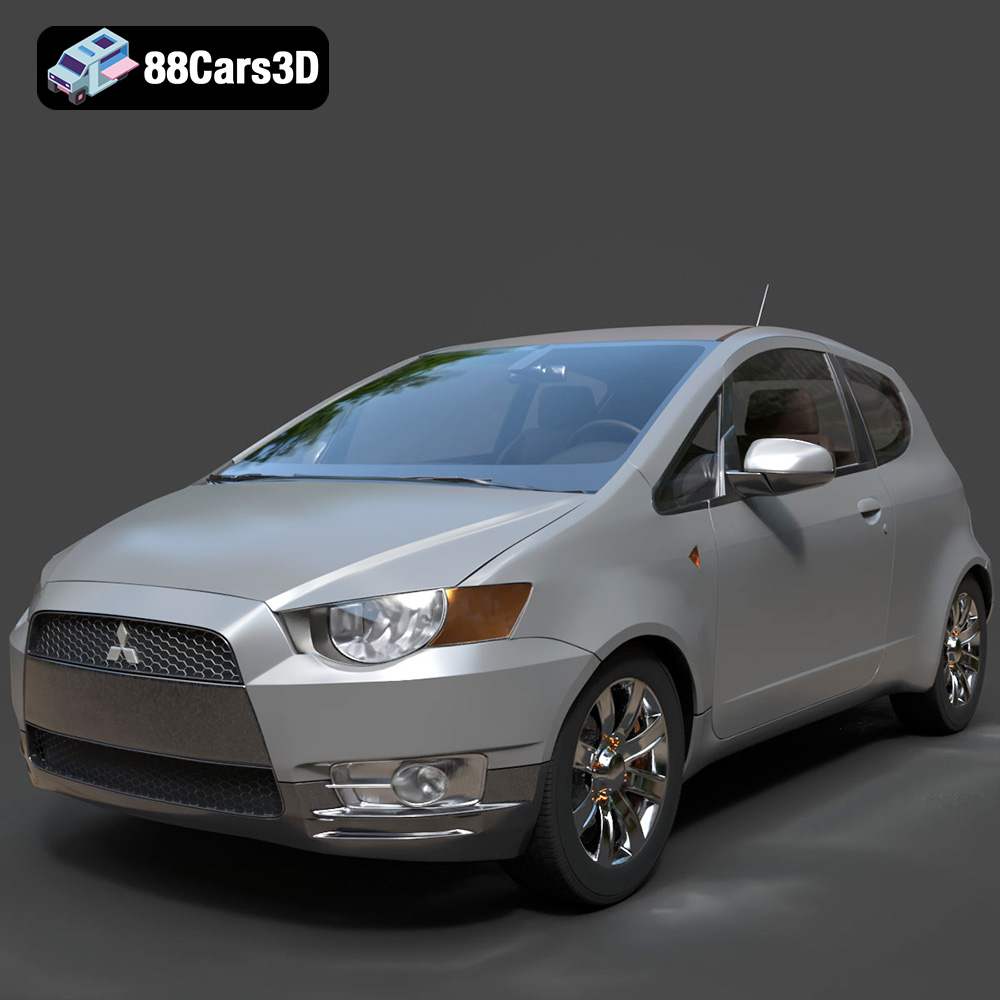
Download the Mitsubishi Colt 3 Door 2008 3D Model featuring clean geometry, realistic detailing, and a fully modeled interior. Includes .blend, .fbx, .obj, .glb, .stl, .ply, .unreal, and .max formats for rendering, simulation, and game development.
Price: $10
Texture: Yes
Material: Yes
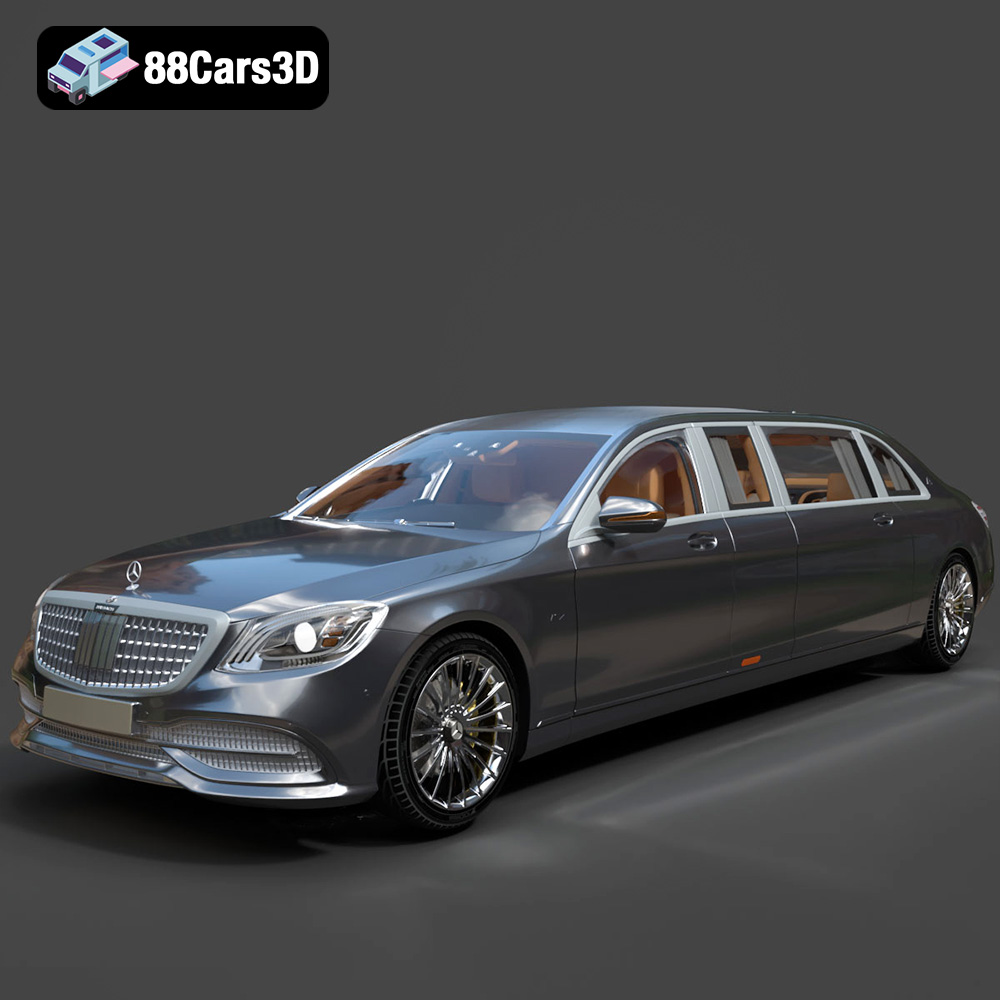
Download the Mercedes-Benz S650 Pullman 3D Model featuring clean geometry, realistic detailing, and a fully modeled interior. Includes .blend, .fbx, .obj, .glb, .stl, .ply, .unreal, and .max formats for rendering, simulation, and game development.
Price: $95.99
Texture: Yes
Material: Yes
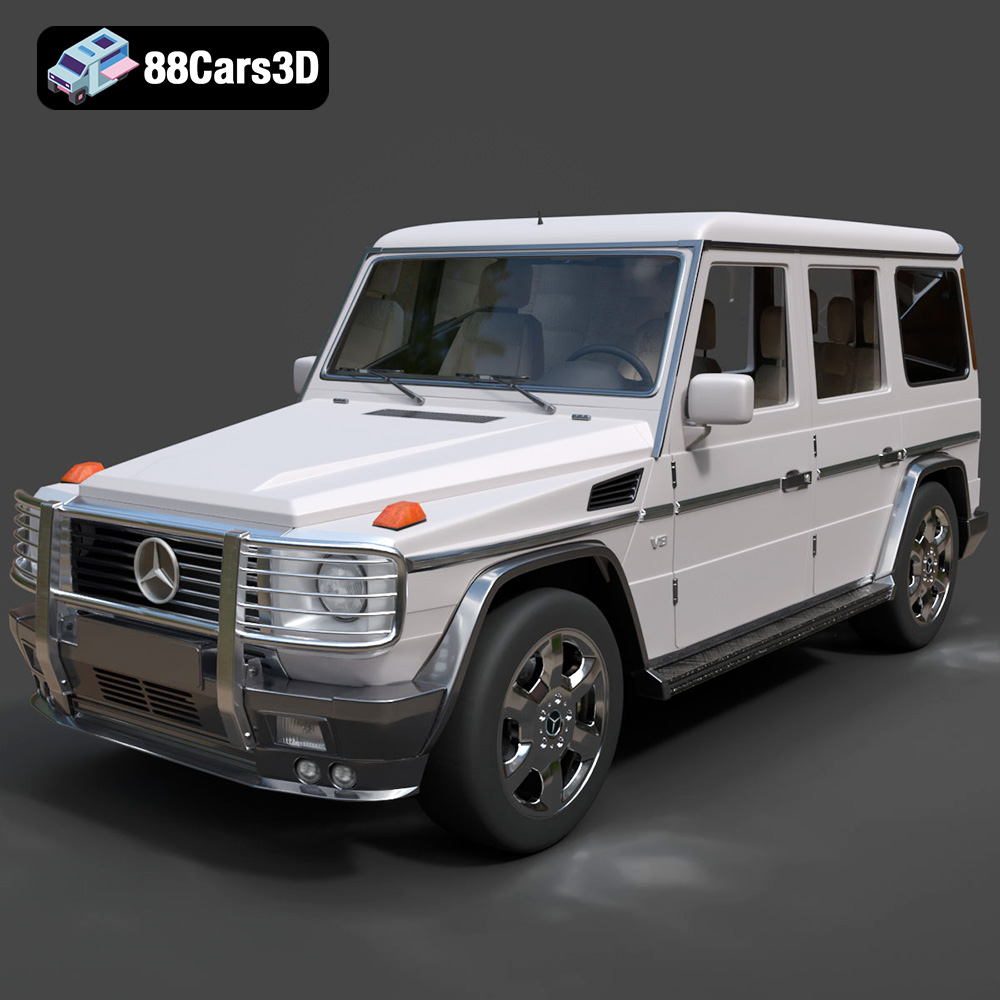
Download the Mercedes G-Class SUV 2024 3D Model featuring clean geometry, realistic detailing, and a fully modeled interior. Includes .blend, .fbx, .obj, .glb, .stl, .ply, .unreal, and .max formats for rendering, simulation, and game development.
Price: $10

