⚡ FLASH SALE: Get 60% OFF All Premium 3D & STL Models! ⚡

“`html
In the world of digital art, few subjects are as captivating and technically demanding as the automobile. From the gleaming, curved surfaces of a supercar in a high-octane film to the interactive vehicle customization in a cutting-edge video game, 3D car models are a cornerstone of modern media. Creating these digital replicas, however, is a complex art form that balances precision modeling with technical optimization. A truly production-ready 3D car model isn’t just visually stunning; it’s a meticulously crafted asset, built for performance and versatility across various applications, including photorealistic rendering, real-time game engines, AR/VR experiences, and even 3D printing. This guide is designed to navigate you through the entire professional workflow, from the foundational blueprint to the final, polished asset. We will dissect the critical stages of creation, including precision modeling and topology, strategic UV mapping, photorealistic PBR material creation, advanced rendering techniques, and crucial optimization strategies for game development and emerging technologies. Whether you are a 3D artist aiming for cinematic quality or a game developer needing efficient, beautiful assets, this comprehensive guide will equip you with the technical knowledge to elevate your automotive modeling projects.
The foundation of any exceptional 3D car model is its geometry. Before a single texture is applied or a render is started, the mesh itself must be flawless. In automotive modeling, this means achieving a perfect balance between capturing the precise, flowing curves of the vehicle’s design and maintaining a clean, efficient underlying structure, known as topology. Production-ready models must have topology that supports smooth subdivision, deforms predictably, and reacts well to lighting and reflections. A messy mesh with uneven polygon distribution, triangles in the wrong places, or poor edge flow will cause endless headaches in every subsequent stage of the pipeline, from UV unwrapping to rendering. This initial modeling phase is where the most critical decisions are made, setting the standard for the final asset’s quality. For artists who need a reliable starting point, sourcing a high-quality base from a marketplace like 88cars3d.com can be an excellent way to ensure the foundational topology is already up to professional standards, allowing you to focus on customization and final detailing.
The two primary methodologies for creating the complex surfaces of a car are Polygon (or Sub-D) modeling and NURBS (Non-Uniform Rational B-Splines) modeling. NURBS are mathematical representations of curves and surfaces, often used in industrial design and CAD software (like Alias or Rhino) for their perfect, smooth results. However, for visualization, rendering, and game development, polygon modeling is the industry standard. Using subdivision surface workflows in software like 3ds Max, Blender, or Maya allows artists to create complex, smooth surfaces while maintaining full control over the underlying polygonal cage. The key is to use a minimal number of polygons to define the primary shapes and then rely on subdivision modifiers (like TurboSmooth or OpenSubdiv) to generate the high-resolution, smooth surface required for final renders. This approach is non-destructive and highly efficient.
Edge flow refers to the directional lines that the edges of your polygons create across the model’s surface. For automotive models, proper edge flow is non-negotiable. It should follow the main contour lines of the car body—the wheel arches, character lines along the doors, the hood bulge, and the window frames. Correct edge flow ensures that when the model is subdivided, the resulting high-poly mesh is perfectly smooth and free of pinching, artifacts, or bumps. It allows for crisp, defined panel gaps and sharp creases where needed, while maintaining buttery-smooth transitions on curved panels like the fenders and roofline. A common professional technique is to model with quads (four-sided polygons) almost exclusively, as they subdivide predictably and are easier to work with. Triangles and N-gons (polygons with more than four sides) should be avoided on curved surfaces, though they can be strategically used on perfectly flat, hidden areas.
The required final polygon count of a 3D car model varies dramatically based on its intended use.
A professional workflow involves creating a very high-resolution “source” model and then creating optimized versions from it for different targets.
Once the modeling is complete, the next critical technical step is UV mapping. This process involves “unfolding” the 3D mesh into a 2D representation, called a UV map, onto which textures can be projected. For a complex object like a car, with its mix of large, smooth panels and intricate mechanical parts, UV mapping is a puzzle that requires foresight and strategy. Poorly planned UVs can lead to distorted textures, visible seams in unwanted places, and inefficient use of texture space, all of which detract from the final realism. A professional approach to UV mapping a car involves breaking the model down into logical components (body panels, interior parts, wheels, etc.) and applying specific unwrapping techniques to each. The goal is to create UV islands with minimal distortion, uniform scale, and seams placed in discreet locations, such as along panel gaps or on the underside of the model. This meticulous process is essential for high-quality PBR material creation and allows for the detailed texturing that brings a 3D car model to life.
The first step in unwrapping is defining seams. In 3D software, seams are edges that are designated as “cut” lines for the unwrapping algorithm. For a car body, seams should be placed along the natural panel gaps—around the doors, hood, trunk, and bumpers. This ensures that any slight texture mismatch at the edge of a UV island is hidden in a physical groove on the model. For other parts, like a tire, seams can be placed on the inner circumference. The goal is to create logical “shells” or “islands” that can be laid flat with as little stretching or compression as possible. For instance, a car door would be its own UV shell, as would the hood. Software like Blender offers a powerful suite of UV editing tools, including live unwrap features that update the UV layout as you mark seams. For an in-depth look at these tools, the official Blender 4.4 documentation provides excellent resources on its unwrapping methods, such as Angle-Based and Conformal, which are suited for different types of surfaces.
Texel density is a crucial concept in professional texturing. It refers to the ratio of texture resolution (pixels) to mesh surface area. To achieve a consistent level of detail across the entire vehicle, all UV shells should have a similar texel density. This prevents a scenario where the car door texture appears sharp and high-resolution while the fender next to it looks blurry and pixelated. Most modern UV unwrapping tools have features to measure and unify texel density. You first decide on a target resolution (e.g., 1024 pixels per square meter). Then, you can apply this density to all your UV shells, which will automatically scale them to the correct relative size in the UV space. Parts that will be seen up close, like the dashboard or wheels, might be given a slightly higher texel density, while less visible parts like the undercarriage can have a lower density to save texture space.
For visual effects and cinematic-quality renders where extreme detail is required, a single texture map (e.g., 4K or 8K) may not be sufficient to cover the entire car without losing resolution. This is where the UDIM (U-Dimension) workflow comes in. UDIM allows you to spread your UVs across multiple texture tiles. Each tile can have its own high-resolution texture map. For example, the main car body could be on one 8K UDIM tile, the interior on another, the wheels on a third, and so on. This allows for incredible close-up detail across the entire asset without being limited by a single texture’s resolution. PBR texturing software like Adobe Substance 3D Painter and Mari fully support UDIM workflows, making it the standard for high-end automotive visualization.
With a perfectly modeled and unwrapped car, the next stage is to breathe life into it with realistic materials. The industry standard for this is the Physically Based Rendering (PBR) workflow. PBR is a methodology for creating materials that realistically simulate how light interacts with surfaces in the real world. Instead of faking reflections and lighting, PBR materials use a set of texture maps that define the physical properties of a surface, such as its base color, roughness, and metallicity. This approach ensures that materials look correct and consistent under any lighting condition, which is essential for automotive rendering where reflections and surface finish are paramount. From the deep, multi-layered flakes of metallic car paint to the subtle wear on a leather steering wheel, PBR is the key to achieving convincing photorealism. Mastering the creation and application of these materials is what separates a good 3D car from a truly breathtaking one.
A typical PBR material, especially for a car, relies on several key texture maps:
These maps work together in the render engine’s shader to produce the final, realistic material.
Car paint is one of the most complex materials to replicate digitally. It’s not a simple, single-layer material. A realistic car paint shader typically consists of multiple layers:
The interplay between these layers, especially how the clear coat reflects light while the metallic flakes underneath catch it, is what gives digital car paint its signature depth and sparkle.
Beyond the paint, the other materials are just as important for a convincing result.
With your 3D car model fully textured, the final step for creating stunning marketing images or portfolio pieces is the rendering process. This is the “virtual photoshoot” where lighting, camera work, and environment come together to showcase the vehicle in the best possible way. Automotive rendering is all about capturing the interplay of light and shadow across the car’s carefully crafted surfaces. The reflections define the shape, so the lighting and environment are not just accessories; they are fundamental tools for sculpting the final image. A well-executed render can evoke emotion, highlight design features, and create a sense of realism that is indistinguishable from a real photograph. Whether you’re aiming for a clean studio look or a dynamic shot on a scenic road, understanding the principles of lighting, camera setup, and post-processing is crucial for achieving professional-grade automotive visualization.
There are two primary methods for lighting a 3D car model for photorealistic results:
Your virtual camera should be treated like a real DSLR. Adjusting its settings is key to achieving a professional look.
While many render engines can produce great results, a few stand out in the architectural and automotive visualization industries.
The choice often comes down to personal preference, workflow integration, and specific feature needs, but all three are capable of producing world-class automotive renders.
Creating a 3D car model for a real-time game engine like Unity or Unreal Engine is a completely different challenge than creating one for pre-rendered cinematics. In gaming, every polygon and texture pixel impacts performance. The goal is to create a model that looks visually stunning while maintaining a smooth frame rate (typically 60 frames per second or higher). This requires a deep understanding of optimization techniques. The process involves creating a highly detailed, high-polygon source model and then systematically reducing its complexity to create a game-ready asset that relies on clever shader tricks and baked texture maps to retain its visual fidelity. A well-optimized car model in a game is a masterpiece of efficiency, delivering the illusion of high detail without the performance cost. This careful balancing act is a core skill for any 3D artist working in the games industry.
Level of Detail (LOD) is the most critical optimization technique for in-game vehicles. A single, high-poly model for a car is too performance-intensive. Instead, artists create multiple versions of the model at varying polygon counts:
The game engine automatically switches between these LODs based on the car’s distance from the camera. This process, often automated in-engine or done manually in a 3D application, dramatically reduces the number of polygons that need to be rendered at any given time.
A “draw call” is a command from the CPU to the GPU to draw an object. Each separate object with its own material in a scene generates at least one draw call. Too many draw calls can create a CPU bottleneck and lower the frame rate. For a car model, which is made of many parts, this can be a major issue. To optimize, artists use several strategies:
A common target for a hero car asset is to keep its total material count below 5-10 materials.
Instead of having separate, small textures for every little object, texture atlasing involves combining multiple smaller textures into one larger texture sheet. The UVs of the corresponding objects are then laid out in the appropriate section of this atlas. For example, all the interior dashboard buttons, vents, and trim pieces could have their textures combined onto a single “Interior_Details” texture atlas. This drastically reduces the number of materials and draw calls. Furthermore, textures for games must be compressed. Formats like DXT/BCn are used to reduce the memory footprint of textures on the GPU. Understanding the trade-offs between compression quality and performance is key. Using power-of-two resolutions (e.g., 1024×1024, 2048×2048) is also standard practice, as it’s the most efficient for GPU hardware.
The utility of a high-quality 3D car model now extends far beyond traditional renders and video games. The rise of Augmented Reality (AR), Virtual Reality (VR), and accessible 3D printing has opened up new frontiers for automotive visualization. Each of these applications comes with its own unique set of technical requirements and optimization challenges. For AR and VR, performance is even more critical than in traditional gaming, as maintaining a high and stable frame rate is essential to prevent motion sickness and create a believable, immersive experience. For 3D printing, the focus shifts entirely from visual appearance to physical form; the model must be a perfectly sealed, manifold volume to be printable. Adapting a source model for these diverse outputs requires a specific set of skills, from converting to efficient real-time formats to repairing mesh geometry for manufacturing.
For AR applications on the web and mobile devices, two file formats have become the industry standard:
Converting a model for these formats involves baking all PBR materials into a standardized set of textures (BaseColor, MetallicRoughness, Normal) and ensuring the polygon count is very low (typically under 50k polygons).
In VR, the scene must be rendered twice (once for each eye), and frame rates must be kept at a steady 90fps or higher to ensure a comfortable user experience. This imposes extremely strict performance budgets. The optimization techniques used in gaming are even more critical here:
The key is to maintain visual quality through expertly crafted textures and lighting, rather than relying on heavy geometry or complex real-time effects.
When preparing a car model for 3D printing, the main concern is geometry integrity. The 3D model must be a “watertight” or “manifold” mesh. This means it must be a completely closed volume with no holes, no overlapping faces, and no non-manifold edges (e.g., edges shared by more than two faces). Many models created for rendering have separate, intersecting parts (like headlights floating inside a bumper). For 3D printing, these must be merged into a single, continuous surface using Boolean operations. The model must also have thickness; single-plane objects like glass windows need to be given depth. Tools within Blender, Meshmixer, or specialized software are used to check for and repair issues like holes and non-manifold geometry before sending the final STL or OBJ file to the printer.
The journey of creating a production-ready 3D car model is a testament to the fusion of artistic vision and technical execution. As we’ve explored, it’s a multi-faceted process that demands precision at every stage. It begins with a foundation of clean topology and logical edge flow, ensuring the car’s iconic curves are represented perfectly. It moves through the meticulous puzzle of UV mapping, where strategic seam placement and consistent texel density pave the way for flawless texturing. In the materialing phase, the PBR workflow allows us to replicate the complex interplay of light on surfaces, from the deep gloss of a clear coat to the rugged texture of tire rubber. Finally, the model is adapted for its final purpose—whether that’s being lit for a stunning cinematic render, optimized for the blistering pace of a real-time game engine, or prepared as a watertight volume for 3D printing. Each application requires a unique understanding of technical constraints and best practices. As technology evolves, the demand for versatile, high-quality 3D car models will only continue to grow. For artists and developers looking to streamline their projects, starting with a professionally crafted asset from a curated marketplace like 88cars3d.com can provide an invaluable head start, ensuring the foundational quality is already in place. By mastering these core principles, from polygons to pixels, you can ensure your automotive creations are not just beautiful, but are truly ready for any production pipeline.
“`
## The Ultimate Guide to Creating Production-Ready 3D Car Models
In the world of digital art, few subjects are as captivating and technically demanding as the automobile. From the gleaming, curved surfaces of a supercar in a high-octane film to the interactive vehicle customization in a cutting-edge video game, 3D car models are a cornerstone of modern media. Creating these digital replicas, however, is a complex art form that balances precision modeling with technical optimization. A truly production-ready 3D car model isn’t just visually stunning; it’s a meticulously crafted asset, built for performance and versatility across various applications, including photorealistic rendering, real-time game engines, AR/VR experiences, and even 3D printing. This guide is designed to navigate you through the entire professional workflow, from the foundational blueprint to the final, polished asset. We will dissect the critical stages of creation, including precision modeling and topology, strategic UV mapping, photorealistic PBR material creation, advanced rendering techniques, and crucial optimization strategies for game development and emerging technologies. Whether you are a 3D artist aiming for cinematic quality or a game developer needing efficient, beautiful assets, this comprehensive guide will equip you with the technical knowledge to elevate your automotive modeling projects.
## The Blueprint: Modeling with Precision and Clean Topology
The foundation of any exceptional 3D car model is its geometry. Before a single texture is applied or a render is started, the mesh itself must be flawless. In automotive modeling, this means achieving a perfect balance between capturing the precise, flowing curves of the vehicle’s design and maintaining a clean, efficient underlying structure, known as topology. Production-ready models must have topology that supports smooth subdivision, deforms predictably, and reacts well to lighting and reflections. A messy mesh with uneven polygon distribution, triangles in the wrong places, or poor edge flow will cause endless headaches in every subsequent stage of the pipeline, from UV unwrapping to rendering. This initial modeling phase is where the most critical decisions are made, setting the standard for the final asset’s quality. For artists who need a reliable starting point, sourcing a high-quality base from a marketplace like **88cars3d.com** can be an excellent way to ensure the foundational topology is already up to professional standards, allowing you to focus on customization and final detailing.
### Polygon Modeling vs. NURBS for Automotive Shapes
The two primary methodologies for creating the complex surfaces of a car are Polygon (or Sub-D) modeling and NURBS (Non-Uniform Rational B-Splines) modeling. NURBS are mathematical representations of curves and surfaces, often used in industrial design and CAD software (like Alias or Rhino) for their perfect, smooth results. However, for visualization, rendering, and game development, polygon modeling is the industry standard. Using subdivision surface workflows in software like 3ds Max, Blender, or Maya allows artists to create complex, smooth surfaces while maintaining full control over the underlying polygonal cage. The key is to use a minimal number of polygons to define the primary shapes and then rely on subdivision modifiers (like TurboSmooth or OpenSubdiv) to generate the high-resolution, smooth surface required for final renders. This approach is non-destructive and highly efficient.
### The Critical Importance of Edge Flow
Edge flow refers to the directional lines that the edges of your polygons create across the model’s surface. For automotive models, **proper edge flow is non-negotiable**. It should follow the main contour lines of the car body—the wheel arches, character lines along the doors, the hood bulge, and the window frames. Correct edge flow ensures that when the model is subdivided, the resulting high-poly mesh is perfectly smooth and free of pinching, artifacts, or bumps. It allows for crisp, defined panel gaps and sharp creases where needed, while maintaining buttery-smooth transitions on curved panels like the fenders and roofline. A common professional technique is to model with quads (four-sided polygons) almost exclusively, as they subdivide predictably and are easier to work with. Triangles and N-gons (polygons with more than four sides) should be avoided on curved surfaces, though they can be strategically used on perfectly flat, hidden areas.
### Managing Polygon Counts for Different Applications
The required final polygon count of a 3D car model varies dramatically based on its intended use.
– **Cinematic/Advertising Renders:** For close-up, high-resolution hero shots, polygon counts can be very high, often reaching several million polygons after subdivision. The base mesh (pre-subdivision) might be between 200,000 and 500,000 polygons.
– **Game Development (AAA):** A hero car in a modern AAA racing game might range from 100,000 to 300,000 polygons for its highest Level of Detail (LOD), with separate, lower-poly models for the interior, wheels, and chassis.
– **Mobile/AR/VR:** Performance is paramount. A car model for these platforms must be highly optimized, typically falling between 20,000 and 80,000 polygons. This requires extensive use of baked normal maps to simulate high-poly detail on a low-poly mesh.
A professional workflow involves creating a very high-resolution “source” model and then creating optimized versions from it for different targets.
## Unwrapping the Beast: Strategic UV Mapping for Automotive Models
Once the modeling is complete, the next critical technical step is UV mapping. This process involves “unfolding” the 3D mesh into a 2D representation, called a UV map, onto which textures can be projected. For a complex object like a car, with its mix of large, smooth panels and intricate mechanical parts, UV mapping is a puzzle that requires foresight and strategy. Poorly planned UVs can lead to distorted textures, visible seams in unwanted places, and inefficient use of texture space, all of which detract from the final realism. A professional approach to UV mapping a car involves breaking the model down into logical components (body panels, interior parts, wheels, etc.) and applying specific unwrapping techniques to each. The goal is to create UV islands with minimal distortion, uniform scale, and seams placed in discreet locations, such as along panel gaps or on the underside of the model. This meticulous process is essential for high-quality PBR material creation and allows for the detailed texturing that brings a 3D car model to life.
### Defining Seams and Creating Logical UV Shells
The first step in unwrapping is defining seams. In 3D software, seams are edges that are designated as “cut” lines for the unwrapping algorithm. For a car body, seams should be placed along the natural panel gaps—around the doors, hood, trunk, and bumpers. This ensures that any slight texture mismatch at the edge of a UV island is hidden in a physical groove on the model. For other parts, like a tire, seams can be placed on the inner circumference. The goal is to create logical “shells” or “islands” that can be laid flat with as little stretching or compression as possible. For instance, a car door would be its own UV shell, as would the hood. Software like Blender offers a powerful suite of UV editing tools, including live unwrap features that update the UV layout as you mark seams. For an in-depth look at these tools, the official [Blender 4.4 documentation](https://docs.blender.org/manual/en/4.4/?utm_source=blender-4.4.0) provides excellent resources on its unwrapping methods, such as Angle-Based and Conformal, which are suited for different types of surfaces.
### Texel Density: The Key to Consistent Detail
Texel density is a crucial concept in professional texturing. It refers to the ratio of texture resolution (pixels) to mesh surface area. To achieve a consistent level of detail across the entire vehicle, all UV shells should have a similar texel density. This prevents a scenario where the car door texture appears sharp and high-resolution while the fender next to it looks blurry and pixelated. Most modern UV unwrapping tools have features to measure and unify texel density. You first decide on a target resolution (e.g., 1024 pixels per square meter). Then, you can apply this density to all your UV shells, which will automatically scale them to the correct relative size in the UV space. Parts that will be seen up close, like the dashboard or wheels, might be given a slightly higher texel density, while less visible parts like the undercarriage can have a lower density to save texture space.
### UDIMs for Hyper-Realism and VFX
For visual effects and cinematic-quality renders where extreme detail is required, a single texture map (e.g., 4K or 8K) may not be sufficient to cover the entire car without losing resolution. This is where the UDIM (U-Dimension) workflow comes in. UDIM allows you to spread your UVs across multiple texture tiles. Each tile can have its own high-resolution texture map. For example, the main car body could be on one 8K UDIM tile, the interior on another, the wheels on a third, and so on. This allows for incredible close-up detail across the entire asset without being limited by a single texture’s resolution. PBR texturing software like Adobe Substance 3D Painter and Mari fully support UDIM workflows, making it the standard for high-end automotive visualization.
## Achieving Photorealism: PBR Material and Shader Creation
With a perfectly modeled and unwrapped car, the next stage is to breathe life into it with realistic materials. The industry standard for this is the Physically Based Rendering (PBR) workflow. PBR is a methodology for creating materials that realistically simulate how light interacts with surfaces in the real world. Instead of faking reflections and lighting, PBR materials use a set of texture maps that define the physical properties of a surface, such as its base color, roughness, and metallicity. This approach ensures that materials look correct and consistent under any lighting condition, which is essential for automotive rendering where reflections and surface finish are paramount. From the deep, multi-layered flakes of metallic car paint to the subtle wear on a leather steering wheel, PBR is the key to achieving convincing photorealism. Mastering the creation and application of these materials is what separates a good 3D car from a truly breathtaking one.
### The Core PBR Maps Explained
A typical PBR material, especially for a car, relies on several key texture maps:
– **Albedo/Base Color:** This map defines the pure surface color without any lighting or reflection information. For a red car, this would be a flat red color.
– **Roughness:** This is one of the most important maps for realism. It controls how rough or smooth a surface is, which determines whether reflections are sharp and mirror-like (low roughness, like chrome) or diffuse and blurry (high roughness, like a dashboard).
– **Metallic:** A grayscale map that tells the shader if a surface is a metal (dielectric) or a non-metal (insulator). A value of 1 (white) means it’s fully metallic, while 0 (black) means it’s not.
– **Normal Map:** This map simulates fine surface detail without adding extra polygons. It’s used for things like leather grain, tire treads, and subtle surface imperfections.
– **Ambient Occlusion (AO):** This map adds subtle contact shadows in crevices and corners where light is less likely to reach, adding depth and realism.
These maps work together in the render engine’s shader to produce the final, realistic material.
### Creating Complex Car Paint Shaders
Car paint is one of the most complex materials to replicate digitally. It’s not a simple, single-layer material. A realistic car paint shader typically consists of multiple layers:
1. **Base Coat:** The primary color of the paint.
2. **Metallic Flakes:** For metallic paints, this is a layer of tiny, reflective flakes embedded within the paint. This can be simulated using a procedural noise texture with a different roughness and metallic value, often using a secondary normal map to give the flakes a sense of depth.
3. **Clear Coat:** A top, perfectly smooth, transparent layer that adds a sharp, reflective finish over the base layers. Most modern render engines like Corona, V-Ray, and Cycles have a dedicated “Clearcoat” parameter in their primary PBR shader to make this easy to create.
The interplay between these layers, especially how the clear coat reflects light while the metallic flakes underneath catch it, is what gives digital car paint its signature depth and sparkle.
### Texturing Tires, Glass, and Interiors
Beyond the paint, the other materials are just as important for a convincing result.
– **Tires:** Tire rubber is never pure black. It has a high roughness value and subtle color variations. The sidewall details (branding, specifications) are added via the normal and albedo maps. A “dirt” map is often layered using a mask to add dust and grime, especially in the treads.
– **Glass:** Windshields and windows require a shader that handles both reflection and refraction. Modern PBR shaders can do this accurately. Subtle details like a slight tint, interior reflections, and “thin film” interference (the rainbow effect on some coated glass) can be added for extra realism.
– **Interior Materials:** The interior is a showcase of different PBR materials: leather with fine normal map details and medium roughness; plastics with varying textures and roughness values; chrome accents with low roughness and high metallicness; and emissive materials for dashboard lights.
## The Virtual Photoshoot: Rendering for Automotive Visualization
With your 3D car model fully textured, the final step for creating stunning marketing images or portfolio pieces is the rendering process. This is the “virtual photoshoot” where lighting, camera work, and environment come together to showcase the vehicle in the best possible way. Automotive rendering is all about capturing the interplay of light and shadow across the car’s carefully crafted surfaces. The reflections define the shape, so the lighting and environment are not just accessories; they are fundamental tools for sculpting the final image. A well-executed render can evoke emotion, highlight design features, and create a sense of realism that is indistinguishable from a real photograph. Whether you’re aiming for a clean studio look or a dynamic shot on a scenic road, understanding the principles of lighting, camera setup, and post-processing is crucial for achieving professional-grade automotive visualization.
### Lighting Setups: HDRI and Studio Lighting
There are two primary methods for lighting a 3D car model for photorealistic results:
– **Image-Based Lighting (IBL) with HDRI:** This is the most common and effective technique for realistic outdoor or location-based shots. A High Dynamic Range Image (HDRI) is a 360-degree panoramic photo that contains a massive range of light intensity data. When used as an environment map in a 3D scene, it projects realistic lighting and reflections onto the model from all directions. Choosing the right HDRI is key—a desert road HDRI will produce harsh, direct sunlight and a clear blue sky reflection, while an overcast forest HDRI will create soft, diffuse lighting.
– **Studio Lighting:** For clean, catalog-style shots (often seen in car commercials and brochures), a virtual studio setup is used. This involves placing large, soft area lights around the car to strategically highlight its curves and character lines. A common setup is a three-point lighting system (key, fill, and rim lights), but for cars, it’s often expanded with multiple large, rectangular, or circular lights to create long, flowing reflections along the body panels. A “cyclorama” or “infinity cove” background is typically used to create a seamless, neutral environment.
### Camera Settings for Dramatic and Realistic Shots
Your virtual camera should be treated like a real DSLR. Adjusting its settings is key to achieving a professional look.
– **Focal Length:** A longer focal length (e.g., 50mm to 85mm) is generally preferred for automotive shots. It compresses the perspective, reduces distortion, and creates a more flattering, powerful look for the vehicle. Wide-angle lenses (below 35mm) can be used for dramatic, aggressive shots but can distort the car’s proportions.
– **Aperture and Depth of Field (DoF):** Using a shallow depth of field (a low f-stop number in the camera settings) helps to draw the viewer’s eye to a specific part of the car by blurring the background and foreground. This cinematic effect adds realism and a sense of scale.
– **Motion Blur:** For shots of a car in motion, enabling motion blur is essential. It blurs the wheels and the background, conveying a sense of speed and dynamism. Both camera-based motion blur and object-based motion blur should be used for the most realistic effect.
### Render Engine Showdown: Corona vs. V-Ray vs. Cycles
While many render engines can produce great results, a few stand out in the architectural and automotive visualization industries.
– **Corona Renderer (for 3ds Max & Cinema 4D):** Known for its ease of use, speed, and photorealistic results with minimal tweaking. Its Interactive Renderer is incredibly fast, making it ideal for look development and lighting adjustments.
– **V-Ray (for 3ds Max, Maya, etc.):** A highly versatile and powerful industry-standard engine. It offers immense control over every aspect of the rendering process and is renowned for its speed and optimization features, making it a favorite for large-scale animation projects.
– **Blender Cycles:** A powerful, physically-based path tracing engine built directly into Blender. It’s completely free and has become incredibly capable, delivering results that rival its commercial counterparts, especially with recent advancements in hardware-accelerated ray tracing.
The choice often comes down to personal preference, workflow integration, and specific feature needs, but all three are capable of producing world-class automotive renders.
## Game On! Optimizing 3D Cars for Real-Time Engines
Creating a 3D car model for a real-time game engine like Unity or Unreal Engine is a completely different challenge than creating one for pre-rendered cinematics. In gaming, every polygon and texture pixel impacts performance. The goal is to create a model that looks visually stunning while maintaining a smooth frame rate (typically 60 frames per second or higher). This requires a deep understanding of optimization techniques. The process involves creating a highly detailed, high-polygon source model and then systematically reducing its complexity to create a game-ready asset that relies on clever shader tricks and baked texture maps to retain its visual fidelity. A well-optimized car model in a game is a masterpiece of efficiency, delivering the illusion of high detail without the performance cost. This careful balancing act is a core skill for any 3D artist working in the games industry.
### The Art of LODs (Level of Detail)
Level of Detail (LOD) is the most critical optimization technique for in-game vehicles. A single, high-poly model for a car is too performance-intensive. Instead, artists create multiple versions of the model at varying polygon counts:
– **LOD0:** The highest quality version, typically 100k-300k polygons. This is displayed when the player is very close to the car.
– **LOD1:** A reduced version, perhaps 50-70% of LOD0’s polygon count. Visible from a medium distance.
– **LOD2:** A further reduction, maybe 25-40% of LOD0. Used for longer distances.
– **LOD3/4:** Very low-poly versions, sometimes just a few thousand polygons, used when the car is a tiny speck on the horizon.
The game engine automatically switches between these LODs based on the car’s distance from the camera. This process, often automated in-engine or done manually in a 3D application, dramatically reduces the number of polygons that need to be rendered at any given time.
### Draw Call Reduction Strategies
A “draw call” is a command from the CPU to the GPU to draw an object. Each separate object with its own material in a scene generates at least one draw call. Too many draw calls can create a CPU bottleneck and lower the frame rate. For a car model, which is made of many parts, this can be a major issue. To optimize, artists use several strategies:
– **Combine Meshes:** Non-moving parts of the car that share the same material (e.g., various small trim pieces) should be combined into a single mesh.
– **Use Fewer Materials:** Instead of having dozens of unique materials for every little part, plan your texturing to use as few material slots as possible. This is where texture atlasing becomes vital.
A common target for a hero car asset is to keep its total material count below 5-10 materials.
### Texture Atlasing and Compression
Instead of having separate, small textures for every little object, **texture atlasing** involves combining multiple smaller textures into one larger texture sheet. The UVs of the corresponding objects are then laid out in the appropriate section of this atlas. For example, all the interior dashboard buttons, vents, and trim pieces could have their textures combined onto a single “Interior_Details” texture atlas. This drastically reduces the number of materials and draw calls. Furthermore, textures for games must be compressed. Formats like DXT/BCn are used to reduce the memory footprint of textures on the GPU. Understanding the trade-offs between compression quality and performance is key. Using power-of-two resolutions (e.g., 1024×1024, 2048×2048) is also standard practice, as it’s the most efficient for GPU hardware.
## Beyond the Screen: Preparing Models for AR/VR and 3D Printing
The utility of a high-quality 3D car model now extends far beyond traditional renders and video games. The rise of Augmented Reality (AR), Virtual Reality (VR), and accessible 3D printing has opened up new frontiers for automotive visualization. Each of these applications comes with its own unique set of technical requirements and optimization challenges. For AR and VR, performance is even more critical than in traditional gaming, as maintaining a high and stable frame rate is essential to prevent motion sickness and create a believable, immersive experience. For 3D printing, the focus shifts entirely from visual appearance to physical form; the model must be a perfectly sealed, manifold volume to be printable. Adapting a source model for these diverse outputs requires a specific set of skills, from converting to efficient real-time formats to repairing mesh geometry for manufacturing.
### Real-Time Formats: GLB and USDZ
For AR applications on the web and mobile devices, two file formats have become the industry standard:
– **GLB (the binary form of glTF):** This is the “JPEG of 3D.” It’s a highly efficient, open-source format that packages the 3D model, its textures, and animation data into a single, compact file. It’s the standard for WebGL, Android AR, and is widely supported by platforms like Facebook and Sketchfab.
– **USDZ (Universal Scene Description Zipped):** Developed by Apple in collaboration with Pixar, USDZ is the standard format for AR on iOS devices. It’s also a self-contained package, optimized for sharing and AR viewing through Apple’s AR Quick Look feature.
Converting a model for these formats involves baking all PBR materials into a standardized set of textures (BaseColor, MetallicRoughness, Normal) and ensuring the polygon count is very low (typically under 50k polygons).
### Performance Considerations for AR/VR
In VR, the scene must be rendered twice (once for each eye), and frame rates must be kept at a steady 90fps or higher to ensure a comfortable user experience. This imposes extremely strict performance budgets. The optimization techniques used in gaming are even more critical here:
– **Aggressive LODs and Polycounts:** VR car models must be extremely lean on polygons.
– **Baked Lighting:** To reduce real-time lighting calculations, much of the lighting and shadow information is often “baked” into the textures.
– **Simplified Shaders:** Complex, multi-layered shaders are often too slow. Materials are simplified to their core PBR components for maximum performance.
The key is to maintain visual quality through expertly crafted textures and lighting, rather than relying on heavy geometry or complex real-time effects.
### Watertight Meshes for 3D Printing
When preparing a car model for 3D printing, the main concern is geometry integrity. The 3D model must be a “watertight” or “manifold” mesh. This means it must be a completely closed volume with no holes, no overlapping faces, and no non-manifold edges (e.g., edges shared by more than two faces). Many models created for rendering have separate, intersecting parts (like headlights floating inside a bumper). For 3D printing, these must be merged into a single, continuous surface using Boolean operations. The model must also have thickness; single-plane objects like glass windows need to be given depth. Tools within Blender, Meshmixer, or specialized software are used to check for and repair issues like holes and non-manifold geometry before sending the final STL or OBJ file to the printer.
## Conclusion: The Art and Science of the Digital Automobile
The journey of creating a production-ready 3D car model is a testament to the fusion of artistic vision and technical execution. As we’ve explored, it’s a multi-faceted process that demands precision at every stage. It begins with a foundation of clean topology and logical edge flow, ensuring the car’s iconic curves are represented perfectly. It moves through the meticulous puzzle of UV mapping, where strategic seam placement and consistent texel density pave the way for flawless texturing. In the materialing phase, the PBR workflow allows us to replicate the complex interplay of light on surfaces, from the deep gloss of a clear coat to the rugged texture of tire rubber. Finally, the model is adapted for its final purpose—whether that’s being lit for a stunning cinematic render, optimized for the blistering pace of a real-time game engine, or prepared as a watertight volume for 3D printing. Each application requires a unique understanding of technical constraints and best practices. As technology evolves, the demand for versatile, high-quality 3D car models will only continue to grow. For artists and developers looking to streamline their projects, starting with a professionally crafted asset from a curated marketplace like **88cars3d.com** can provide an invaluable head start, ensuring the foundational quality is already in place. By mastering these core principles, from polygons to pixels, you can ensure your automotive creations are not just beautiful, but are truly ready for any production pipeline.
Texture: Yes
Material: Yes
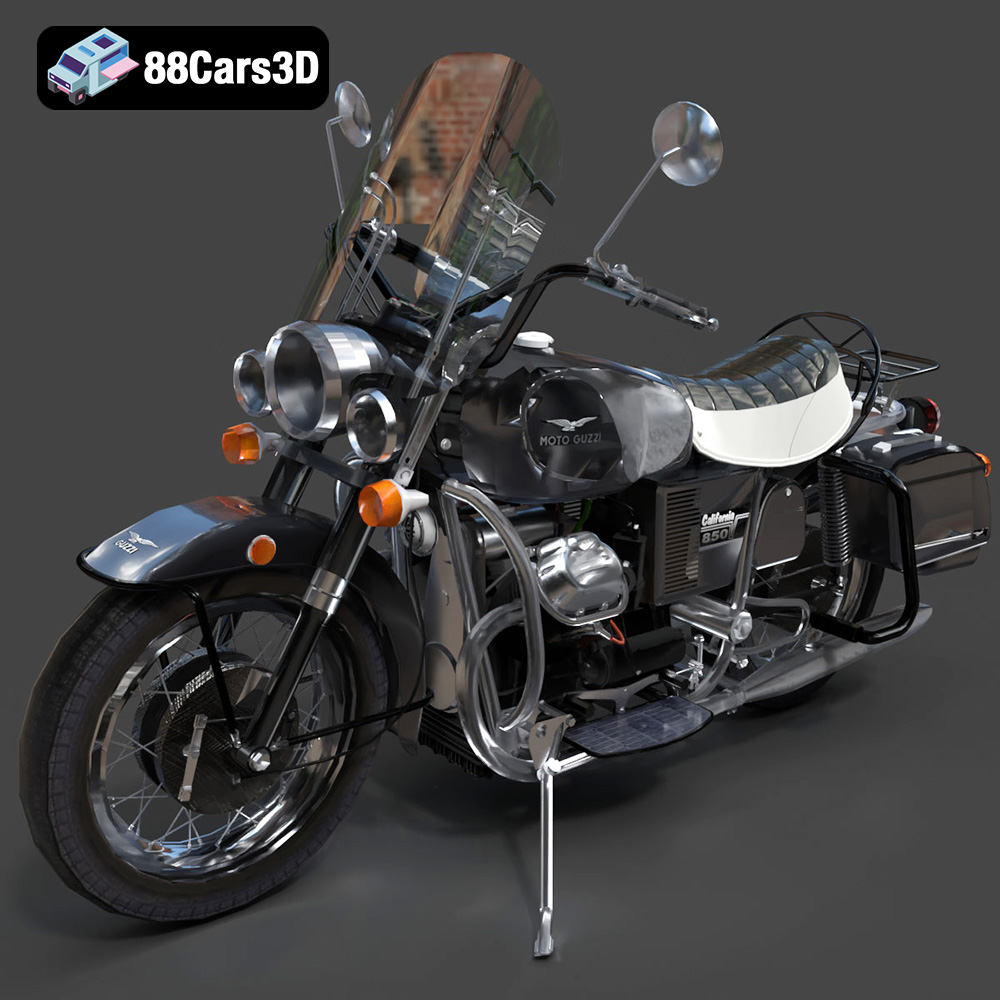
Download the Moto Guzzi Classic Motorcycle 2024 3D Model featuring clean geometry, realistic detailing, and a fully modeled interior. Includes .blend, .fbx, .obj, .glb, .stl, .ply, .unreal, and .max formats for rendering, simulation, and game development.
Price: $10

Texture: Yes
Material: Yes
Download the Mercedes S-Class 2024 3D Model featuring clean geometry, realistic detailing, and a fully modeled interior. Includes .blend, .fbx, .obj, .glb, .stl, .ply, .unreal, and .max formats for rendering, simulation, and game development.
Price: $10

Texture: Yes
Material: Yes
Download the Chevrolet Camaro 1970 3D Model featuring clean geometry, realistic detailing, and a fully modeled interior. Includes .blend, .fbx, .obj, .glb, .stl, .ply, .unreal, and .max formats for rendering, simulation, and game development.
Price: $10

Texture: Yes
Material: Yes
Download the Mercedes-AMG GT 2015 3D Model featuring clean geometry, realistic detailing, and a fully modeled interior. Includes .blend, .fbx, .obj, .glb, .stl, .ply, .unreal, and .max formats for rendering, simulation, and game development.
Price: $88.99

Texture: Yes
Material: Yes
Download the Suzuki GSX-R 1000 3D Model featuring clean geometry, realistic detailing, and a fully modeled interior. Includes .blend, .fbx, .obj, .glb, .stl, .ply, .unreal, and .max formats for rendering, simulation, and game development.
Price: $10

Texture: Yes
Material: Yes
Download the Porsche Cayman S 2024 3D Model featuring clean geometry, realistic detailing, and a fully modeled interior. Includes .blend, .fbx, .obj, .glb, .stl, .ply, .unreal, and .max formats for rendering, simulation, and game development.
Price: $10
Texture: Yes
Material: Yes
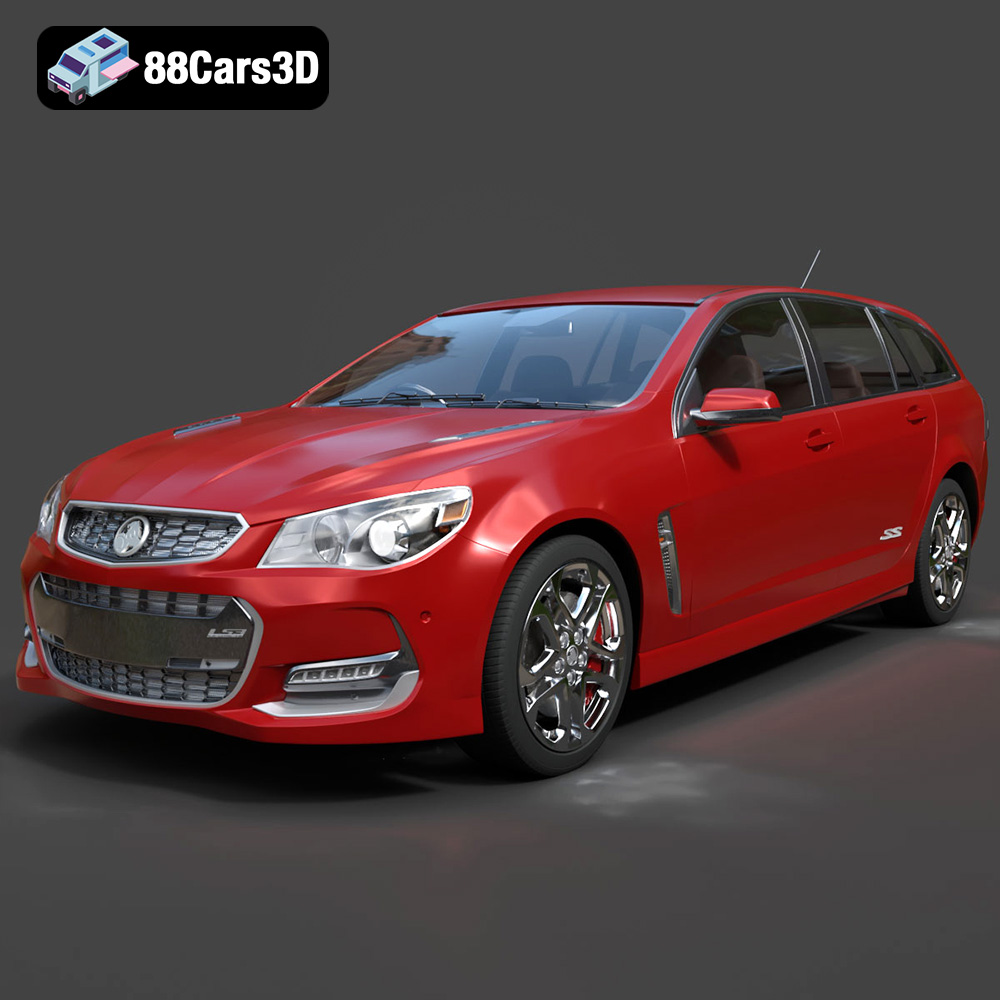
Download the Holden Commodore Sportwagon 2017 3D Model featuring clean geometry, realistic detailing, and a fully modeled interior. Includes .blend, .fbx, .obj, .glb, .stl, .ply, .unreal, and .max formats for rendering, simulation, and game development.
Price: $10
Texture: Yes
Material: Yes
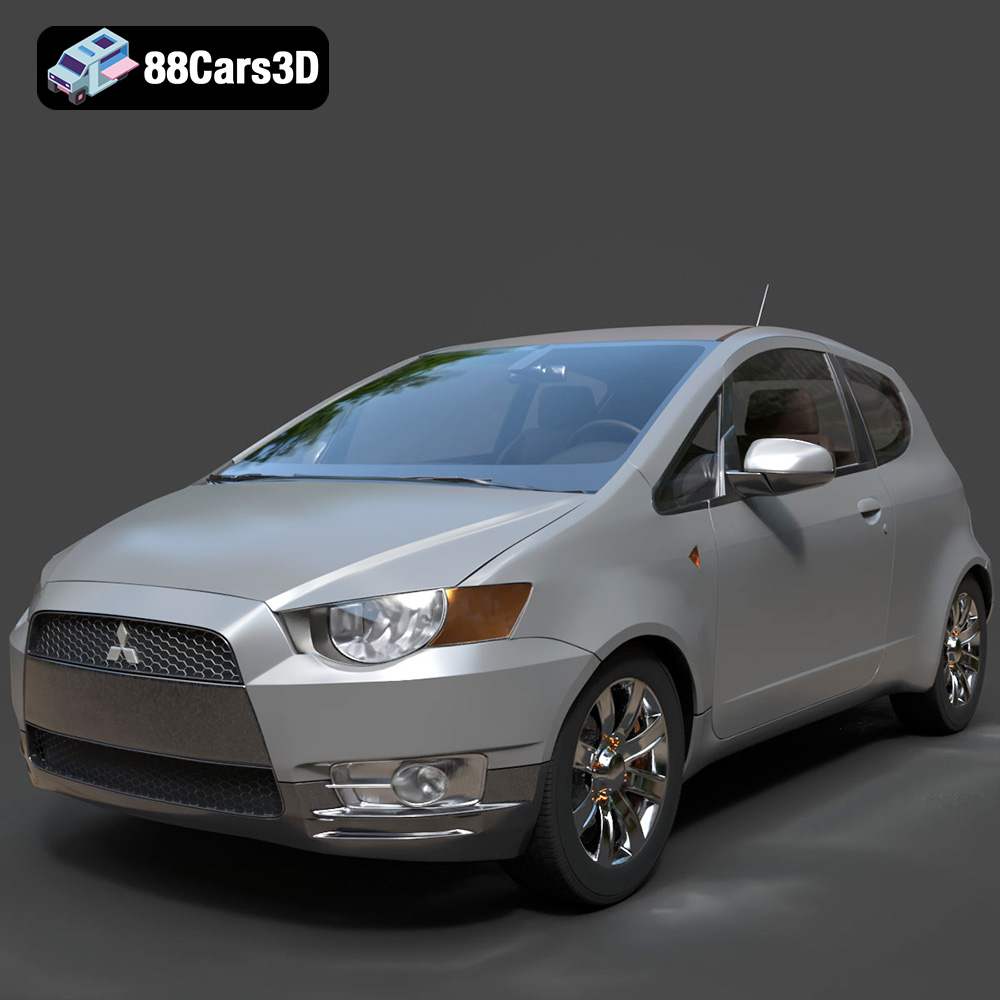
Download the Mitsubishi Colt 3 Door 2008 3D Model featuring clean geometry, realistic detailing, and a fully modeled interior. Includes .blend, .fbx, .obj, .glb, .stl, .ply, .unreal, and .max formats for rendering, simulation, and game development.
Price: $10
Texture: Yes
Material: Yes
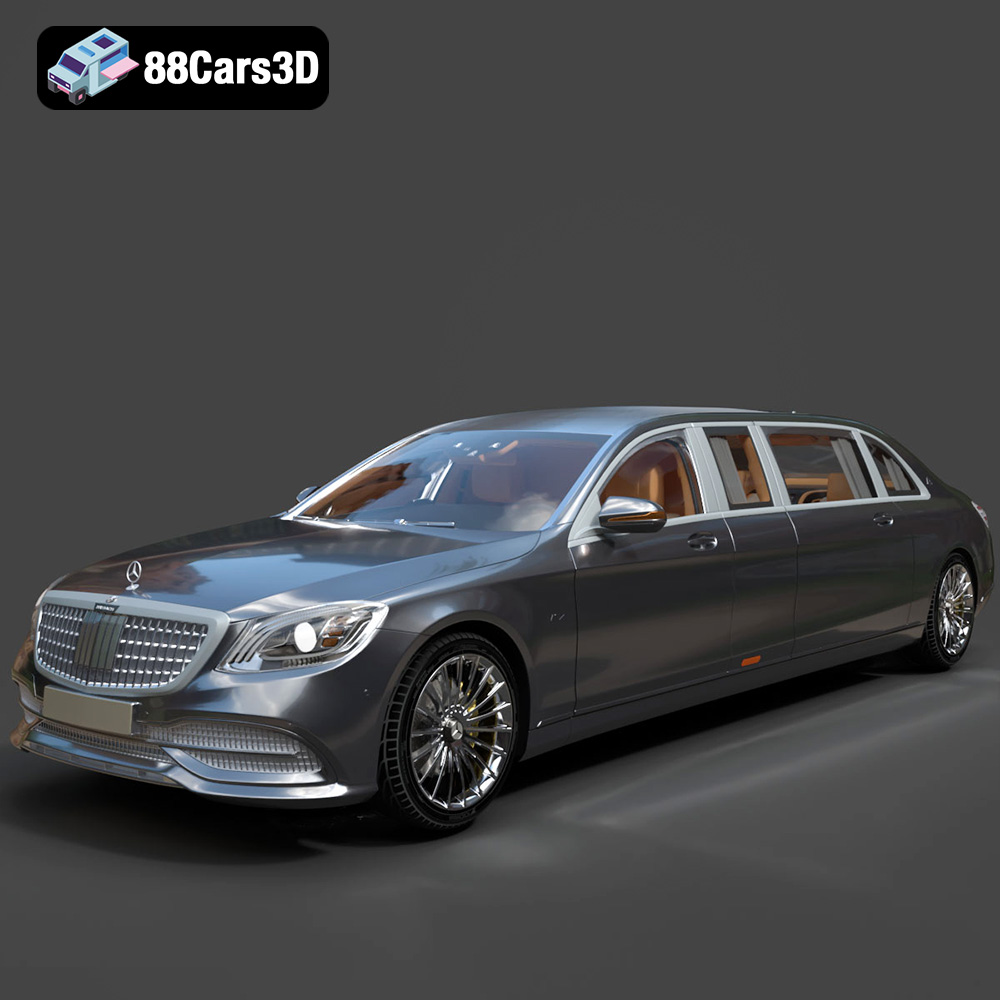
Download the Mercedes-Benz S650 Pullman 3D Model featuring clean geometry, realistic detailing, and a fully modeled interior. Includes .blend, .fbx, .obj, .glb, .stl, .ply, .unreal, and .max formats for rendering, simulation, and game development.
Price: $95.99
Texture: Yes
Material: Yes
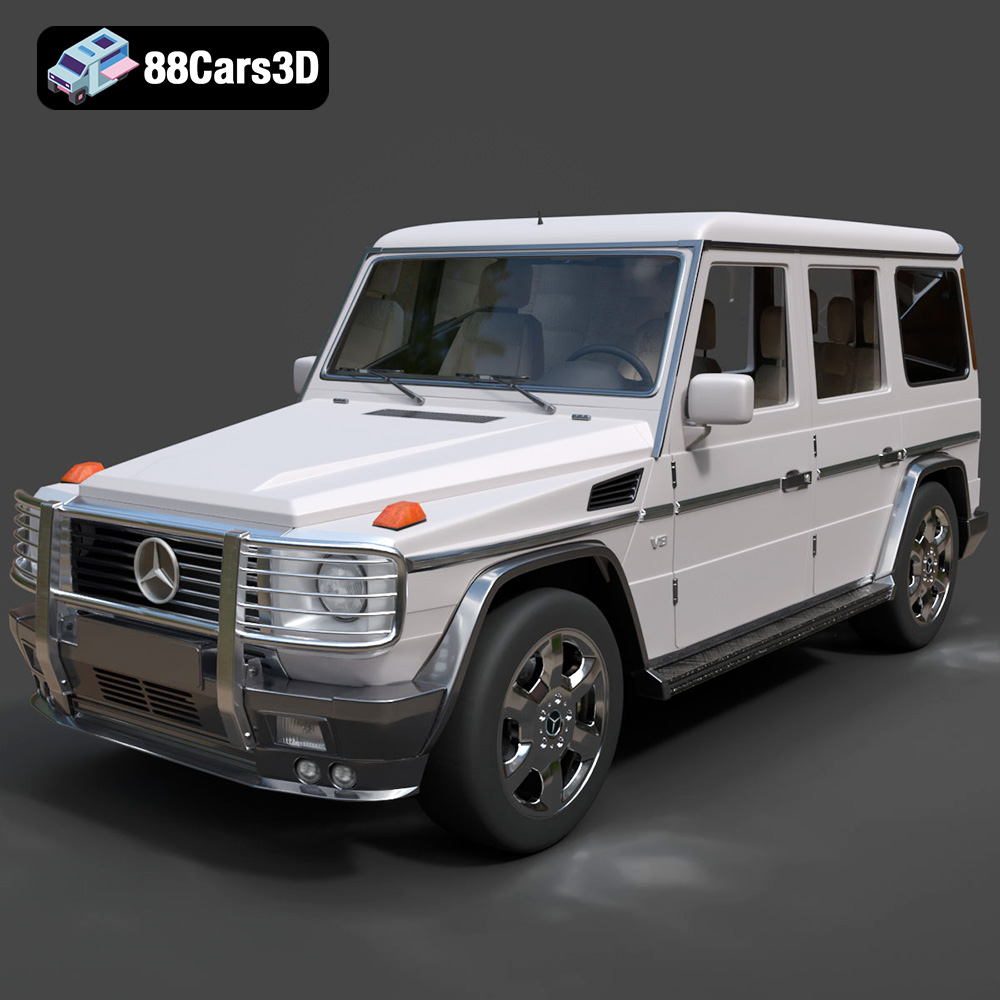
Download the Mercedes G-Class SUV 2024 3D Model featuring clean geometry, realistic detailing, and a fully modeled interior. Includes .blend, .fbx, .obj, .glb, .stl, .ply, .unreal, and .max formats for rendering, simulation, and game development.
Price: $10

