⚡ FLASH SALE: Get 60% OFF All Premium 3D & STL Models! ⚡

“`html
In the world of 3D, a high-quality car model is a masterpiece of digital craftsmanship. But a stunning, multi-million polygon model created for a cinematic render is fundamentally different from one destined for an interactive game or an augmented reality app. The secret to versatility lies in optimization—a critical, multi-faceted process of adapting a 3D car model for a specific purpose without sacrificing its essential quality. It’s the bridge that connects breathtaking detail with high performance. This guide will take you on a deep dive into the professional workflows for transforming a detailed 3D car model into a perfectly optimized asset for any pipeline. We will explore the foundational importance of topology, the art of strategic UV mapping, the science behind PBR materials, and the specific techniques required for photorealistic rendering, real-time game engines, AR/VR experiences, and even 3D printing. Whether you’re building a vehicle from the ground up or starting with a high-quality asset from a marketplace like 88cars3d.com, mastering these optimization principles will elevate your projects from good to truly exceptional.
Topology is the bedrock upon which every other aspect of a 3D model is built. It refers to the flow and structure of polygons (quads and triangles) that form the model’s surface. For automotive models, with their blend of sweeping curves and sharp, manufactured edges, clean topology is non-negotiable. It directly impacts how light reflects off the surface, how the model subdivides for higher detail, and how it deforms if animated. Poor topology leads to shading artifacts, pinching, and unpredictable results, while clean topology ensures smooth, accurate surface definition that looks professional and renders flawlessly.
The core principle of good automotive topology is maintaining a quad-based mesh with deliberate edge flow that follows the car’s form. Edge loops should trace the contours of body panels, wheel arches, and character lines. This structure is crucial for several reasons. Firstly, it allows for predictable subdivision smoothing. When you apply a TurboSmooth or Subdivision Surface modifier, a clean quad layout results in a denser, smoother mesh that perfectly retains the original shape. Secondly, it creates perfect reflections. The smooth, uninterrupted flow of polygons ensures that reflections and highlights travel across the car’s surface realistically, without warping or distortion. Managing “poles”—vertices where five or more edges meet—is also vital. While unavoidable, they should be placed strategically in flat, less visible areas to minimize their impact on surface curvature and shading.
The target application dictates the modeling strategy. For high-poly models destined for cinematic automotive rendering or advertising visuals, the goal is maximum detail. Artists often use subdivision surface modeling, starting with a base cage and adding loops to tighten edges, achieving razor-sharp yet smooth panel gaps. Polygon counts can easily reach several million after subdivision, which is perfectly acceptable for offline renderers like Corona or V-Ray. Conversely, low-poly models for real-time applications like game assets operate under a strict polygon budget. Here, the focus is on capturing the essential silhouette and form with the fewest polygons possible. A “hero” car in a game might have a budget of 100,000 to 200,000 triangles, while background vehicles might be under 20,000. Every polygon counts, and details are often “baked” from a high-poly source onto the low-poly model’s textures.
Retopology is the process of building a new, clean, and optimized mesh over an existing high-detail model. This is a common workflow for creating game-ready assets from a cinematic-quality mesh. In software like Blender or 3ds Max, artists use tools like Quad Draw or the Shrinkwrap modifier to “draw” new polygons that conform to the high-poly surface. This manual process gives complete control over edge flow and polygon density, allowing the artist to strategically add detail around important areas like headlights and remove it from flat surfaces like the roof. The goal is to create a low-poly model that looks virtually identical to the high-poly version from a distance, with the fine details handled by normal maps.
UV mapping is the process of “unfolding” a 3D model into a 2D space so that textures can be applied correctly. For a complex object like a car, this is a meticulous task that profoundly affects the final material quality and performance. A well-executed UV map ensures that textures like decals, carbon fiber weaves, and dirt maps apply without distortion and that texture resolution is used efficiently across the entire vehicle. It’s a crucial step that separates amateur work from professional, production-ready 3D car models.
A UV “seam” is where the 3D mesh is split to allow it to lay flat in 2D space. The key to professional UV mapping is placing these seams strategically where they will be least visible. For cars, ideal locations are along hard edges and natural panel gaps—the edges of doors, the hood, bumpers, or on the underside of the vehicle. This hides the inevitable texture transition that occurs at a seam. Equally important is minimizing distortion, or “stretching.” UV checkerboard patterns are indispensable here; they should appear as uniform squares across the entire model. If the squares are stretched or compressed in an area, it means the UVs in that section need to be relaxed and adjusted to provide a more proportional mapping, ensuring textures don’t look warped.
The choice between using a single UV tile or a UDIM (U-Dimension) workflow depends entirely on the project’s requirements.
Texel density refers to the number of texture pixels (texels) per unit of 3D surface area. Maintaining a consistent texel density across a model is crucial for ensuring that the level of detail appears uniform. If the doors have a higher texel density than the hood, the paint detail and texture sharpness will look noticeably different. Artists use tools and scripts to calculate and apply a target texel density. For example, a hero game asset might target 1024 pixels per meter. This means that a one-meter section of the car body will be covered by 1024 pixels of texture space. It’s common practice to give slightly more texel density to critically important and visible areas (like the main body and interior dashboard) and less to non-critical parts (like the undercarriage or engine components that are rarely seen).
Physically Based Rendering (PBR) has revolutionized 3D materials by simulating the flow of light in a physically plausible way. For automotive models, a PBR workflow is essential for creating materials that react realistically to light, from the deep gloss of a clear coat to the rough matte finish of a plastic trim. This approach involves creating a series of texture maps that define the physical properties of a surface, which the render engine then uses to calculate the final appearance.
The most common PBR workflow is Metal/Roughness. It relies on a set of core texture maps:
A simple PBR material isn’t enough for a convincing car paint. Professional car paint shaders are multi-layered to simulate the real-world composition of base paint, metallic flakes, and a clear protective coat.
Texture baking is the process of transferring surface details from a high-poly model to a low-poly model’s texture maps. This is the cornerstone of game asset optimization. An artist models every intricate vent, bolt, and panel line on a multi-million polygon mesh. Then, they use a “baking” process to project this detail into a normal map. When this normal map is applied to the optimized low-poly model, it creates the illusion that all the fine detail is still there. Ambient Occlusion (AO) maps, which simulate soft shadows in crevices, are also baked in this stage to add depth and grounding to the model without any real-time lighting cost.
Once your 3D car model is expertly modeled, UV-unwrapped, and textured, the final step to creating a stunning portfolio piece or marketing image is the rendering process. This is where lighting, camera work, and renderer settings converge to produce a photorealistic result. A great render isn’t just about clicking a button; it’s an artistic and technical discipline that involves crafting a scene that showcases the vehicle in the best possible light and environment.
Two primary lighting strategies are used in automotive rendering, each serving a different purpose.
Different render engines have unique strengths and settings that can be tweaked for optimal results. In renderers like Corona and V-Ray, fine-tuning material properties is key. For glass, setting the correct Index of Refraction (IOR) of ~1.52 is crucial. For car paint, enabling and adjusting the clear coat settings for both reflectivity and thickness can make a dramatic difference. In Blender’s Cycles engine, the Principled BSDF shader is an incredibly powerful all-in-one node for creating realistic materials. It includes dedicated inputs for Metallic, Roughness, and Clearcoat, simplifying the creation of complex materials like car paint. For accurate results, it’s essential to work within a linear color space and use physically plausible values. Advanced users can further refine light interaction by adjusting the light path settings, as detailed in Blender’s official documentation, which provides an excellent resource for understanding how light rays are calculated for transparent or glossy surfaces.
The raw render is rarely the final image. Professional artists render out multiple passes, or Arbitrary Output Variables (AOVs), to have maximum control during post-production. Common passes include Lighting, Reflection, GI (Global Illumination), and object masks (Cryptomattes). These passes are layered in software like Adobe Photoshop or Foundry Nuke. This compositing workflow allows for non-destructive editing. You can adjust the brightness of just the reflections, increase the intensity of the bounced light, or change the color of the car without needing to re-render the entire scene. Final touches like color grading, adding lens flare, bloom, chromatic aberration, and a subtle vignette are applied in this stage to tie the image together and give it a polished, photographic quality.
Optimizing a 3D car model for a game engine like Unity or Unreal Engine is a battle for performance. Every polygon, material, and texture adds to the computational load on the GPU. The goal is to make the car look as good as possible while maintaining a high and stable frame rate, which is essential for a smooth gameplay experience. Sourcing game-ready models from platforms such as 88cars3d.com can be a major time-saver, as they often come with pre-built LODs and optimized materials, but understanding the underlying principles is key for any game developer.
Level of Detail (LODs) are the single most important optimization for in-game assets. An LOD system uses different versions of the model at varying polygon counts, automatically swapping them out based on the car’s distance from the camera.
This technique drastically reduces the number of polygons the GPU has to render for distant objects, massively improving performance in open-world games.
A “draw call” is a command from the CPU to the GPU to draw an object on the screen. Each material on an object typically results in a separate draw call. A car model with 15 different materials (one for paint, glass, chrome, rubber, etc.) would generate 15 draw calls. This can quickly become a bottleneck. Texture atlasing is the solution. This technique involves combining the textures for multiple smaller parts (like lights, grilles, badges, and trim) into a single, larger texture map. The UVs of these separate parts are arranged to fit within this single map. This allows all those parts to share one material, reducing the draw call count from many to just one, leading to a significant performance boost.
Game engines handle physics separately from visuals. The beautifully detailed car model you see (the visual mesh) is far too complex for real-time physics calculations. Instead, a much simpler, invisible collision mesh is used. This is often a series of simple convex hull shapes that roughly approximate the car’s form. When the car crashes into a wall, the game engine is calculating the impact based on this simple collision mesh, not the high-poly visual one. This is exponentially faster and more stable, ensuring that the game’s physics simulations run smoothly without getting bogged down by complex geometry.
Beyond rendering and gaming, 3D car models are increasingly used in emerging technologies like Augmented/Virtual Reality and 3D printing. Each of these applications has a unique and strict set of technical requirements that demand specific optimization strategies. Preparing a model for these platforms goes beyond simple polygon reduction and involves ensuring file compatibility and structural integrity.
Augmented and Virtual Reality applications, especially those running on mobile devices, are extremely performance-sensitive. Poly counts must be radically low, often targeting a budget of 20,000 to 50,000 triangles for the entire model. Texture resolutions are typically capped at 2K (2048×2048) or even 1K to manage memory usage. Because real-time lighting can be expensive on mobile GPUs, it’s common practice to bake lighting and ambient occlusion directly into the albedo texture to fake realistic shading at a very low performance cost. The standard file formats for these applications are GLB (for Android/web) and USDZ (for Apple iOS), as they are designed to package the model, its textures, and animations into a single, compact file for efficient delivery.
Unlike digital applications, 3D printing requires a model to be a single, solid, and enclosed volume. This is known as a “watertight” or “manifold” mesh. Imagine filling the 3D model with water; if there are any holes, the water would leak out. A 3D printer’s slicer software needs this closed volume to correctly calculate the printing paths. Common problems that must be fixed include:
Software like Meshmixer or Windows 3D Builder includes tools specifically designed to automatically detect and repair these issues to ensure a printable mesh.
For a model to be physically strong after printing, all its parts must have a minimum wall thickness. A car’s body panels can’t be infinitely thin planes; they must be given depth and thickness (e.g., 1-2mm minimum, depending on the printing technology and scale). For larger scale models, hollowing the model is a crucial step. This makes the interior of the model empty, saving a significant amount of expensive printing material (like resin) and reducing print time. Finally, the prepared model is imported into “slicer” software (like Cura or PrusaSlicer). This program slices the 3D model into hundreds or thousands of thin horizontal layers and generates the G-code—the specific instructions the 3D printer follows to build the object layer by layer.
The journey from a raw, high-polygon 3D car model to a perfectly tailored asset is a testament to the fact that optimization is not a single action, but a comprehensive and purpose-driven philosophy. It’s about making intelligent decisions at every stage of the pipeline—from establishing clean topology and creating efficient UV layouts to building layered materials and configuring platform-specific export settings. We’ve seen how a model destined for a stunning automotive render prioritizes detail and material complexity, while a game asset champions performance through LODs and texture atlasing. An AR model pushes efficiency to its absolute limits, and a 3D-printable version demands absolute structural integrity.
By internalizing these workflows, you gain the power to unlock the full potential of any 3D car model, making it adaptable to any creative or technical challenge. The next time you begin a project, start by defining its final destination. Will it be a 4K render, an interactive VR showroom, or a physical scale model? Answering that question will illuminate the right optimization path. By applying these professional techniques, you can ensure your projects not only look incredible but also perform flawlessly, no matter the platform.
“`

Texture: Yes
Material: Yes
Download the Mercedes S-Class 2024 3D Model featuring clean geometry, realistic detailing, and a fully modeled interior. Includes .blend, .fbx, .obj, .glb, .stl, .ply, .unreal, and .max formats for rendering, simulation, and game development.
Price: $10
Texture: Yes
Material: Yes
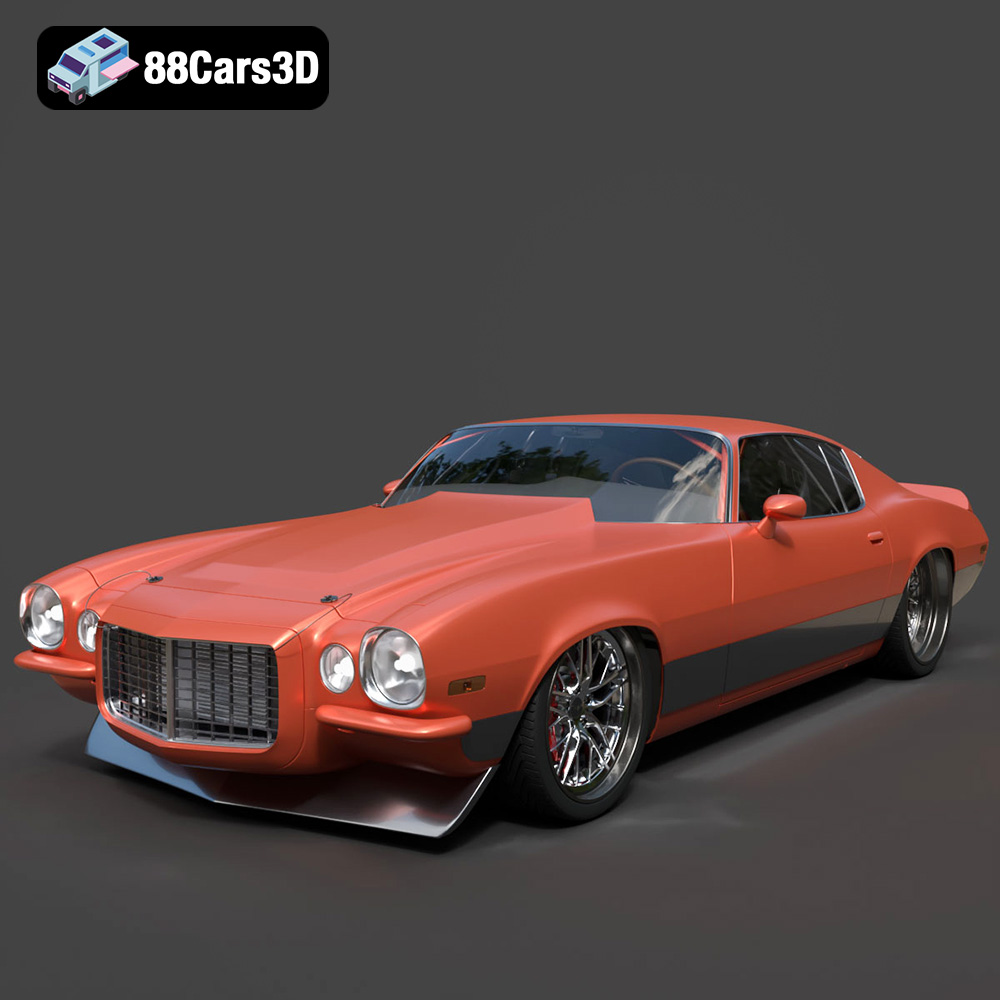
Download the Chevrolet Camaro 1970 3D Model featuring clean geometry, realistic detailing, and a fully modeled interior. Includes .blend, .fbx, .obj, .glb, .stl, .ply, .unreal, and .max formats for rendering, simulation, and game development.
Price: $10
Texture: Yes
Material: Yes
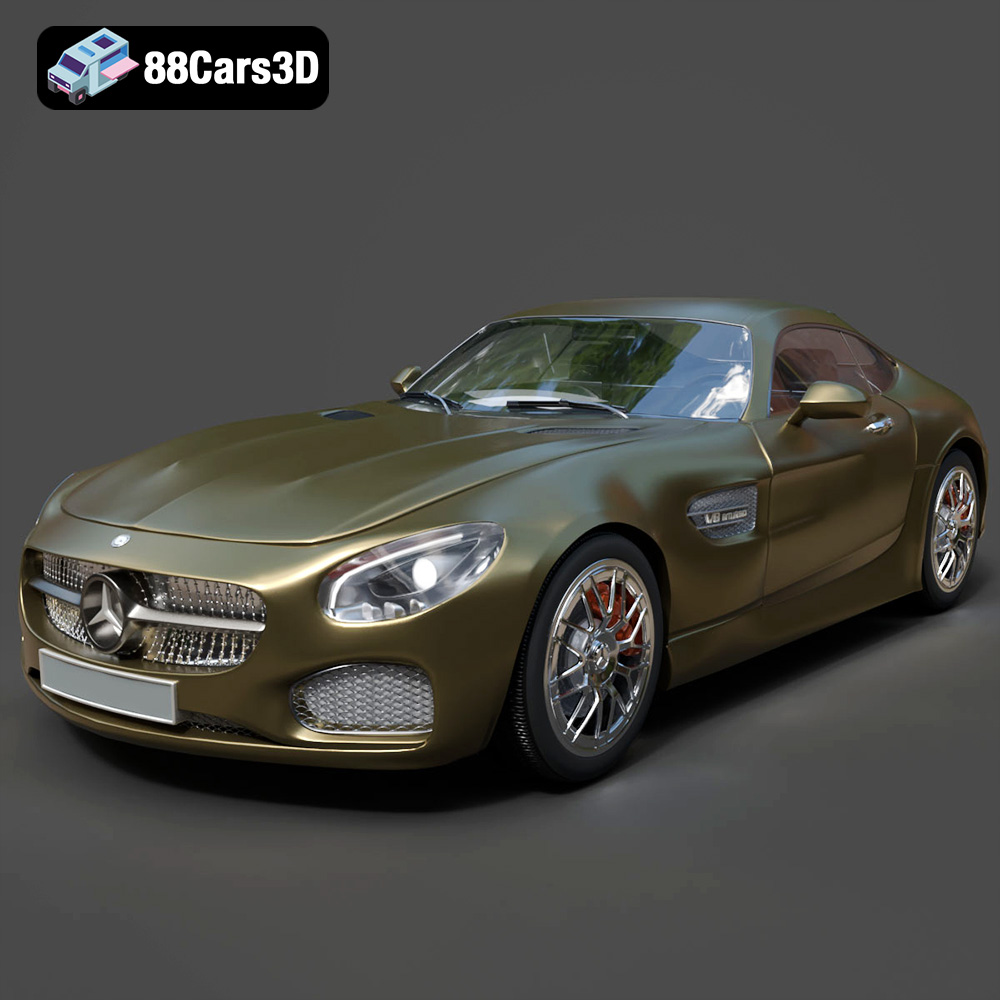
Download the Mercedes-AMG GT 2015 3D Model featuring clean geometry, realistic detailing, and a fully modeled interior. Includes .blend, .fbx, .obj, .glb, .stl, .ply, .unreal, and .max formats for rendering, simulation, and game development.
Price: $88.99
Texture: Yes
Material: Yes
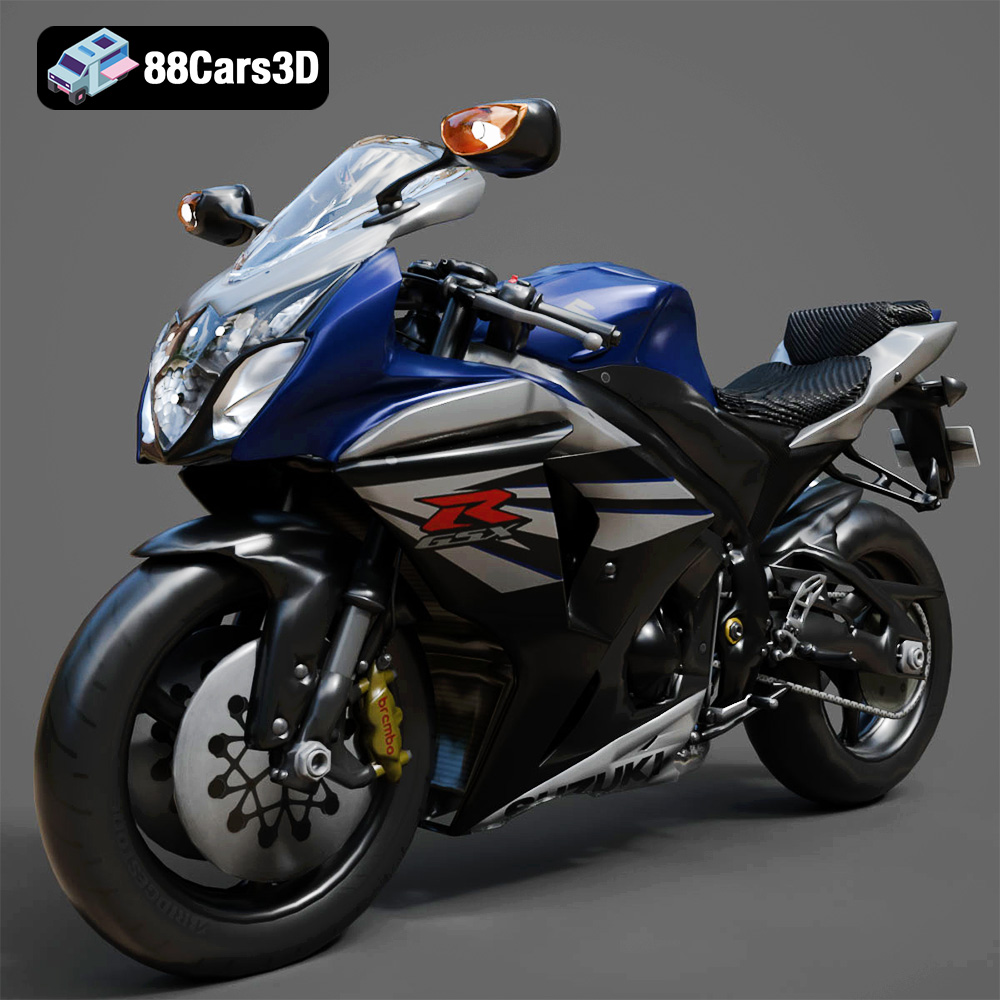
Download the Suzuki GSX-R 1000 3D Model featuring clean geometry, realistic detailing, and a fully modeled interior. Includes .blend, .fbx, .obj, .glb, .stl, .ply, .unreal, and .max formats for rendering, simulation, and game development.
Price: $10
Texture: Yes
Material: Yes
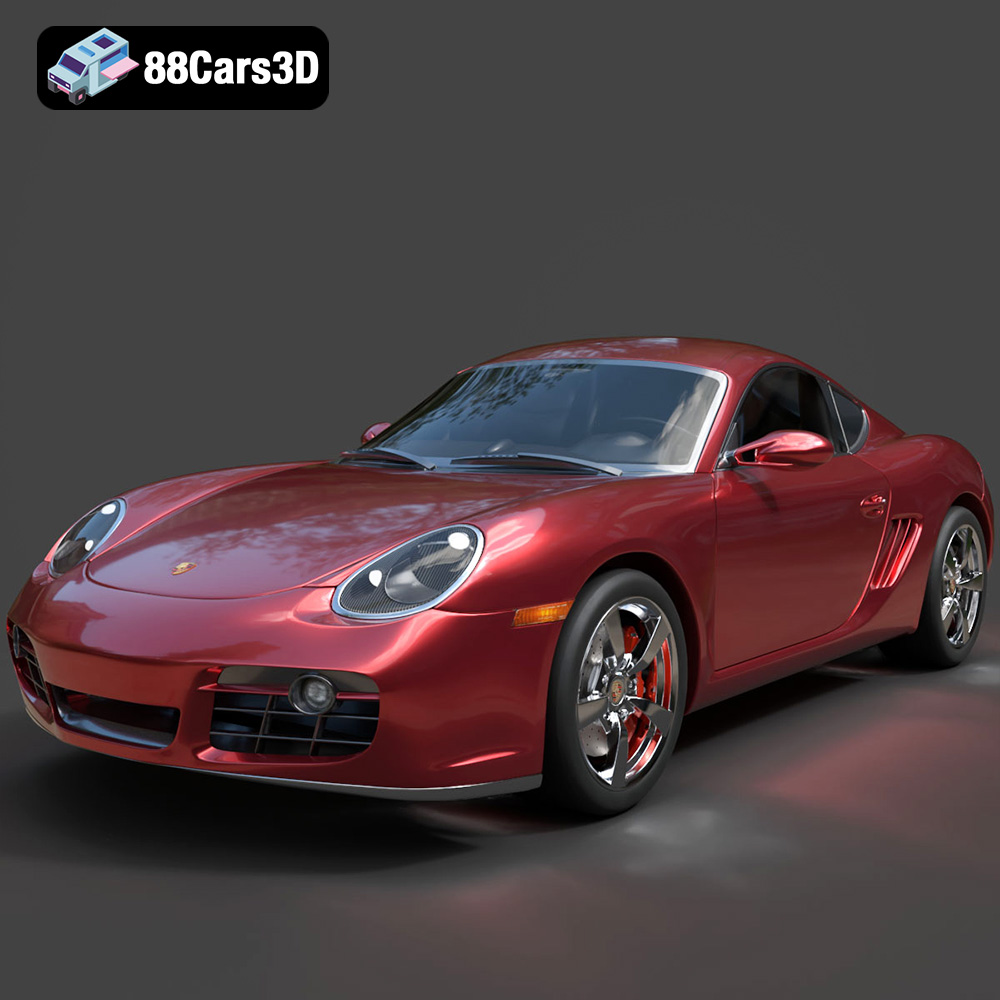
Download the Porsche Cayman S 2024 3D Model featuring clean geometry, realistic detailing, and a fully modeled interior. Includes .blend, .fbx, .obj, .glb, .stl, .ply, .unreal, and .max formats for rendering, simulation, and game development.
Price: $10
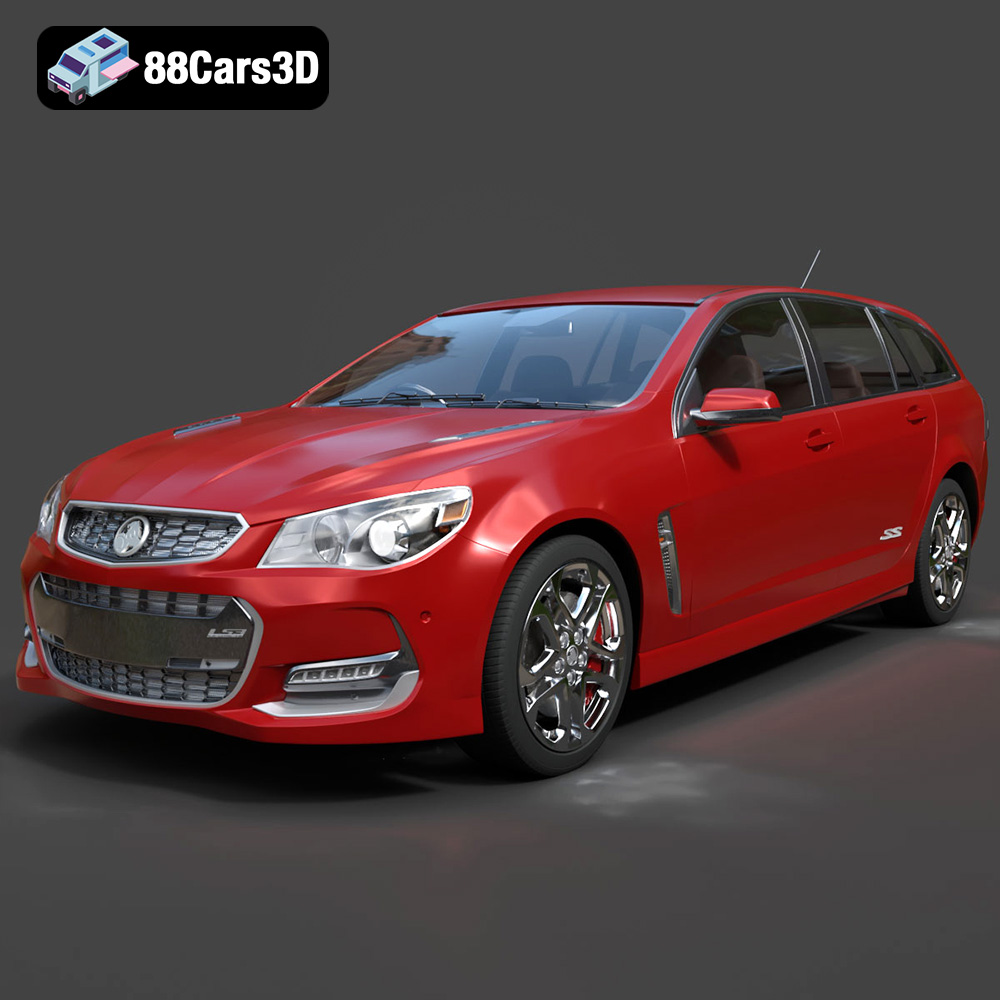
Texture: Yes
Material: Yes
Download the Holden Commodore Sportwagon 2017 3D Model featuring clean geometry, realistic detailing, and a fully modeled interior. Includes .blend, .fbx, .obj, .glb, .stl, .ply, .unreal, and .max formats for rendering, simulation, and game development.
Price: $10
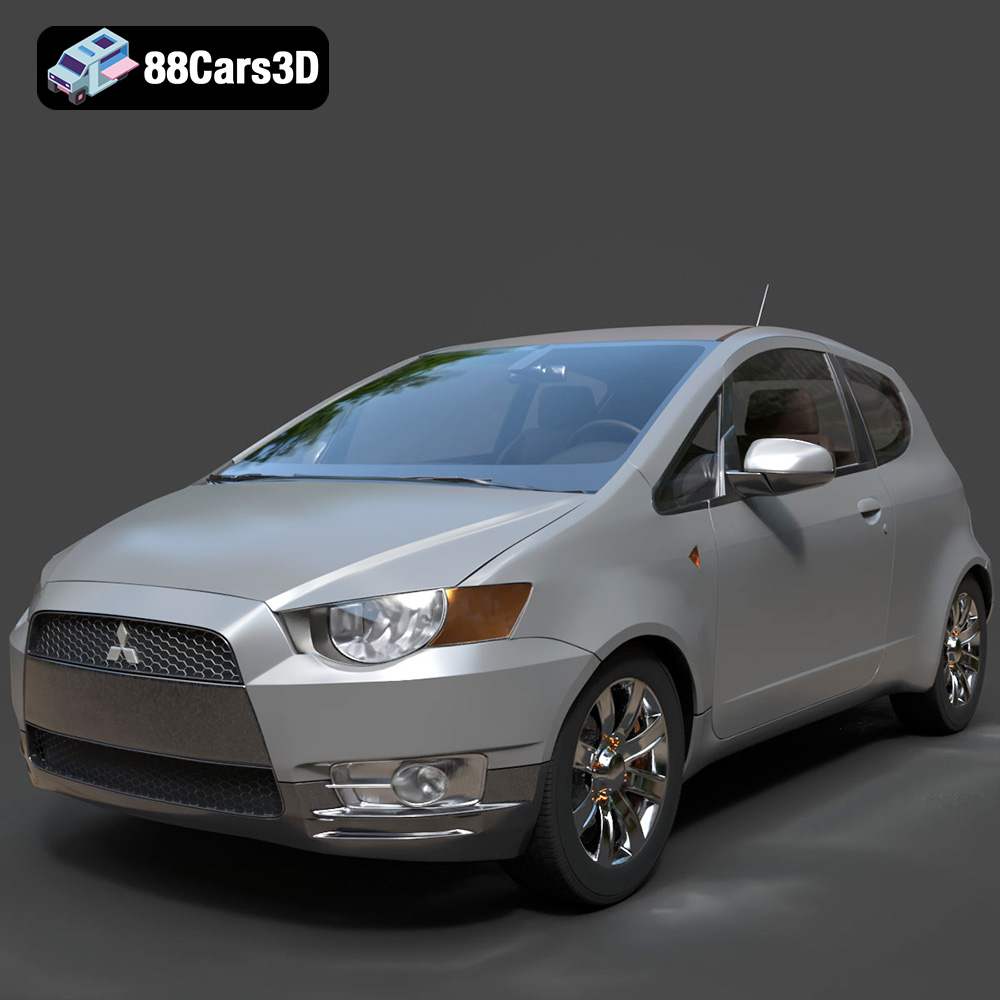
Texture: Yes
Material: Yes
Download the Mitsubishi Colt 3 Door 2008 3D Model featuring clean geometry, realistic detailing, and a fully modeled interior. Includes .blend, .fbx, .obj, .glb, .stl, .ply, .unreal, and .max formats for rendering, simulation, and game development.
Price: $10
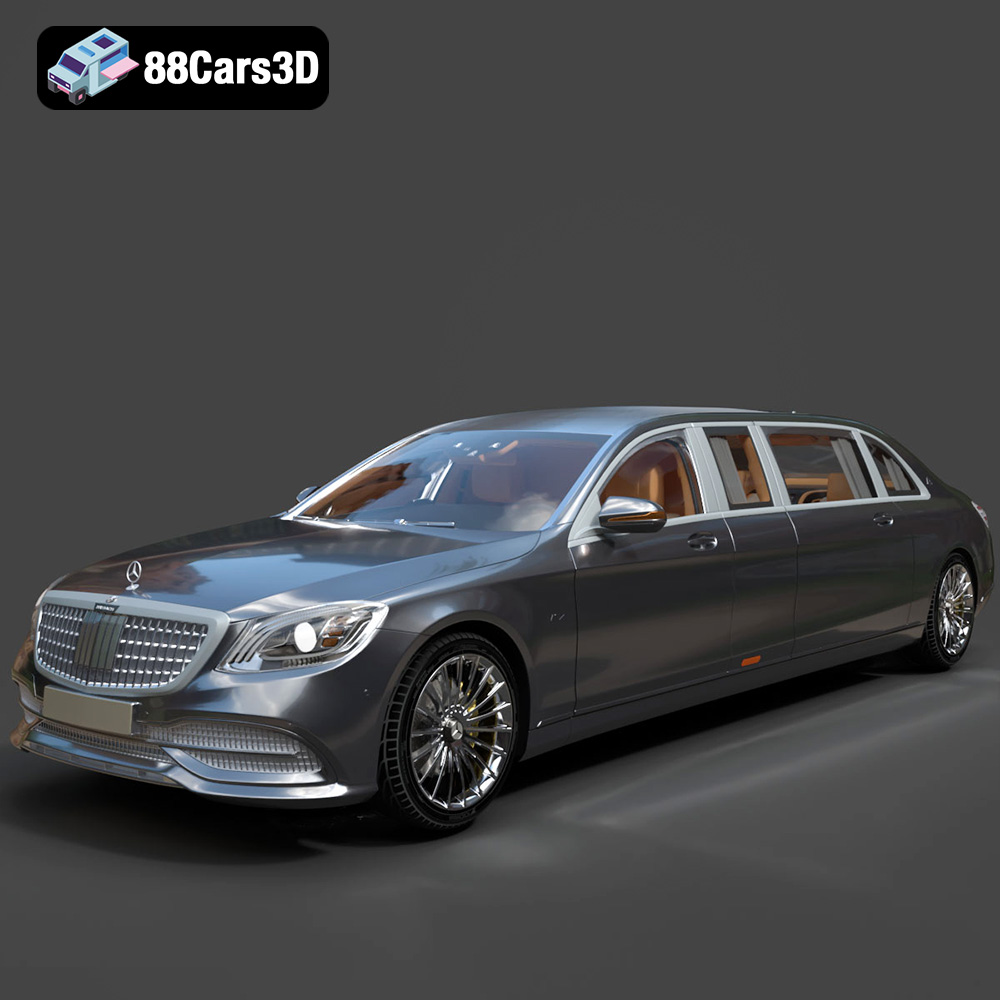
Texture: Yes
Material: Yes
Download the Mercedes-Benz S650 Pullman 3D Model featuring clean geometry, realistic detailing, and a fully modeled interior. Includes .blend, .fbx, .obj, .glb, .stl, .ply, .unreal, and .max formats for rendering, simulation, and game development.
Price: $95.99
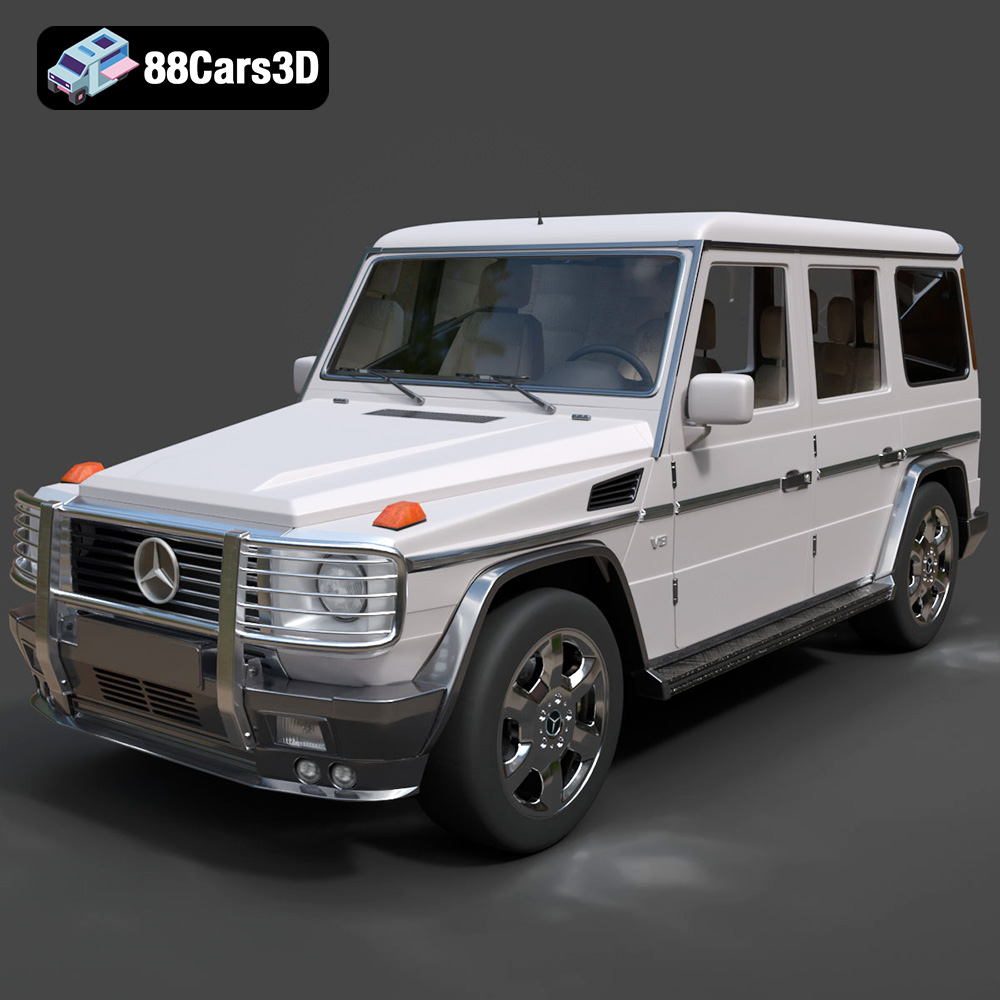
Texture: Yes
Material: Yes
Download the Mercedes G-Class SUV 2024 3D Model featuring clean geometry, realistic detailing, and a fully modeled interior. Includes .blend, .fbx, .obj, .glb, .stl, .ply, .unreal, and .max formats for rendering, simulation, and game development.
Price: $10
Texture: Yes
Material: Yes
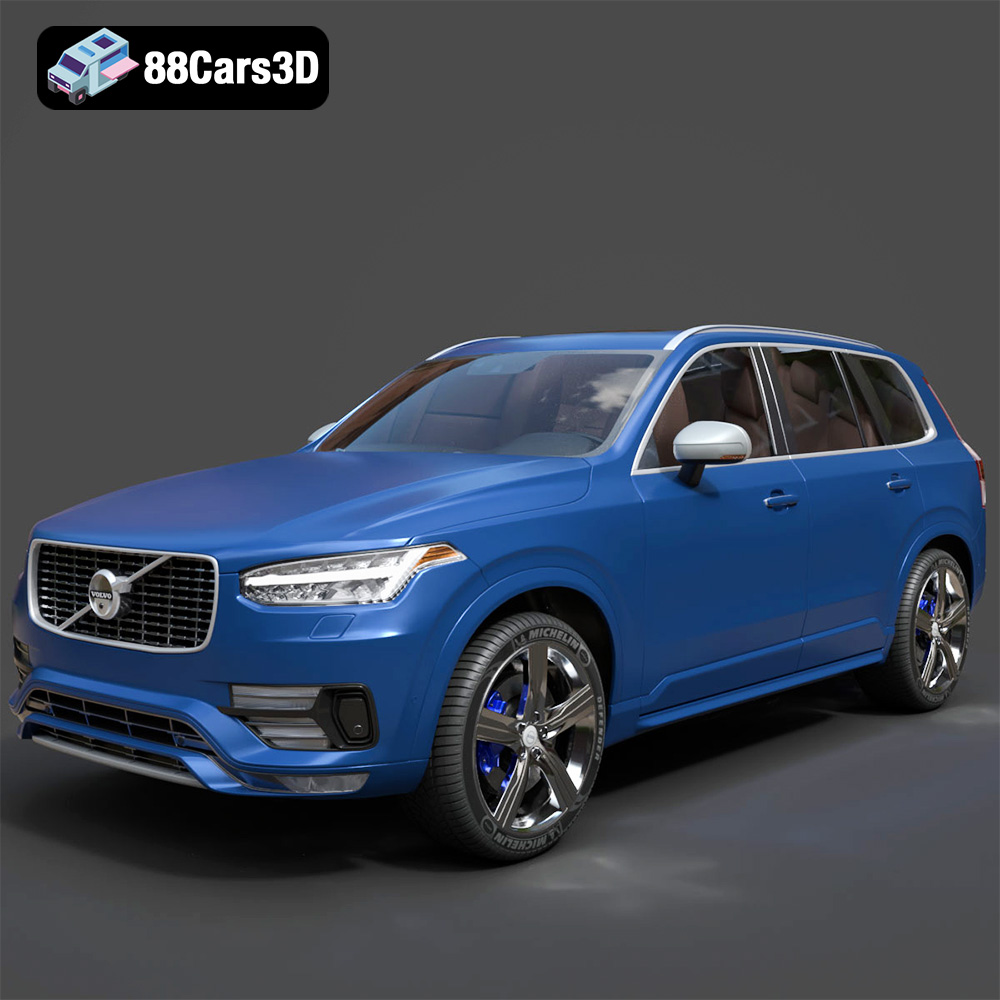
Download the Volvo XC90 R-Design 2015 3D Model featuring clean geometry, realistic detailing, and a fully modeled interior. Includes .blend, .fbx, .obj, .glb, .stl, .ply, .unreal, and .max formats for rendering, simulation, and game development.
Price: $10

