⚡ FLASH SALE: Get 60% OFF All Premium 3D & STL Models! ⚡

“`html
There is an undeniable magic to a flawlessly executed automotive visualization. Whether it’s a photorealistic render that blurs the line with reality, an interactive car configurator, or a high-speed chase in a video game, 3D car models are at the heart of countless digital experiences. However, transforming a raw 3D model into a polished, high-performance asset is a complex process that demands technical precision and a deep understanding of various digital pipelines. A model that looks stunning in a cinematic render might be completely unusable in a real-time game engine, and neither might be suitable for 3D printing without significant adjustments. This guide is your definitive roadmap through that process. We will deconstruct the entire workflow, from the foundational principles of clean topology and strategic UV mapping to the advanced techniques of PBR material creation, rendering optimization, and preparation for emerging platforms like AR/VR and 3D printing. By the end, you will have a comprehensive understanding of how to prepare any 3D car model for any application, ensuring your final output is not only beautiful but also technically sound and performant.
Before any textures are applied or renders are configured, the quality of the underlying 3D model itself dictates the potential of the final asset. The geometry, or mesh, is the skeleton upon which everything else is built. For automotive models, which are defined by their smooth, flowing curves and precise, hard edges, a disciplined approach to modeling and topology is non-negotiable. It’s the difference between an asset that looks good from one angle and one that holds up under any lighting condition or camera scrutiny. Investing time in creating a clean, well-structured mesh saves countless hours of frustration down the line, whether you’re trying to fix reflection artifacts in a render or shading bugs in a game engine.
Edge flow refers to the way polygons (typically quadrilaterals, or “quads”) are arranged to describe the surface of a model. For cars, the goal is to have the edges of your polygons follow the natural contours and body lines of the vehicle. This creates a predictable and smooth surface when subdivided or shaded. Poor edge flow, characterized by chaotic polygon arrangements or unnecessary triangles, leads to pinching, shading artifacts, and undesirable reflections that immediately break the illusion of realism. A key practice is to maintain evenly spaced quad loops around key features like wheel arches, window frames, and headlights. For sharp creases, such as those on a modern sports car, support loops (parallel edge loops placed close to a hard edge) are essential to hold the shape during subdivision, preventing a soft, melted appearance.
The required level of detail, and therefore the polygon count, is entirely dependent on the model’s intended use. There is no single “correct” polycount.
A professional workflow often involves creating a high-poly “source” model and then deriving optimized versions for different applications.
What truly elevates a 3D car model is the attention to small, yet critical, details. Real-world cars are assembled from multiple parts, and this should be reflected in the model. Modeling distinct panel gaps between doors, the hood, and fenders adds a layer of authenticity that a simple texture line cannot replicate. Similarly, a detailed interior, even if only partially visible, sells the final image. This includes the dashboard, steering wheel, seats, and gear shifter. The level of interior detail should again match the use case—a fully modeled interior is crucial for renders with open doors, while a simplified, lower-poly version suffices for most game scenarios. For projects with tight deadlines, sourcing a high-quality base model from a marketplace like 88cars3d.com can be a significant time-saver, providing a meticulously detailed and topologically sound foundation to build upon.
If the 3D mesh is the skeleton, UV mapping is the skinning process that prepares it for texturing. UV mapping involves “unwrapping” the 3D surface into a 2D space, creating a flat blueprint (the UV map) that tells the software how to apply a 2D texture image onto the 3D model. For a complex object like a car, with its mix of large, curved panels and intricate mechanical parts, a strategic and clean UV layout is fundamental to achieving high-quality texturing. A rushed or poorly planned UV map will result in distorted textures, visible seams, and inconsistent resolution, undermining even the best 3D model.
A “seam” in a UV map is where the 3D mesh is split to allow it to be flattened. The art of UV mapping lies in placing these seams where they will be least noticeable. For automotive models, the best practice is to hide seams along natural divisions or hard edges on the car.
The goal is to create logical UV “islands” for each major component (e.g., a door panel, a fender) that can be laid flat with minimal stretching or distortion.
For achieving the highest possible texture quality, especially for cinematic renders, a single UV map is often insufficient. This is where the UDIM (U-Dimension) workflow comes in. Instead of cramming all UV islands into one 0-1 UV space, UDIMs allow you to use multiple UV tiles. For example, tile 1001 might contain the main car body, 1002 for the wheels, 1003 for the interior, and so on. This enables you to assign separate, high-resolution texture sets (e.g., multiple 4K or 8K maps) to different parts of the car, resulting in extraordinary detail. In contrast, for game assets, the priority shifts to performance. A single UV layout is often combined with texture atlasing—the practice of packing UVs for multiple, separate objects onto a single texture sheet to reduce draw calls in the game engine.
Texel density is a measure of the number of texture pixels (texels) per unit of 3D surface area (e.g., pixels per meter). Maintaining a consistent texel density across the entire model is crucial for ensuring that textures appear uniformly sharp. If a door has a much higher texel density than the adjacent fender, the texture on the door will look sharp while the fender looks blurry and pixelated, breaking the realism. Most 3D software includes tools to visualize and manage texel density. A common workflow is to establish a target density for the project (e.g., 1024 pixels/meter for a first-person game asset) and then scale all UV islands to match this standard as closely as possible, giving more resolution to important areas if needed, but always in a controlled manner.
With a solid model and a clean UV map, the next step is to breathe life into the surfaces through materials and textures. The modern standard for creating realistic materials is the Physically Based Rendering (PBR) workflow. PBR aims to simulate how light interacts with materials in the real world, resulting in more accurate and consistent visuals across different lighting conditions. This approach is essential for automotive visualization, where the accurate representation of materials like multi-layered car paint, brushed metal, rubber, and glass is paramount to achieving believability.
The most common PBR workflow is Metallic/Roughness. It relies on a set of texture maps to define a material’s properties:
Car paint is one of the most complex materials to replicate digitally because it’s multi-layered. A convincing car paint shader typically has three main components:
Software like 3ds Max with Corona/V-Ray and Blender with its Principled BSDF shader have dedicated parameters for creating these layered materials efficiently.
Beyond the paint, other materials require specific attention. For tires, use a very high roughness value for the rubber. Sidewall text and branding can be added using a normal map or even displacement for extreme close-ups. Glass requires a low roughness value, a high transmission (or low alpha), and a physically accurate Index of Refraction (IOR) of around 1.52. For realism, ensure the glass geometry has actual thickness. Chrome and other polished metals are simple in PBR terms: a high metallic value (1.0), a very low roughness value (e.g., 0.05), and a base color that defines the metal’s tint (e.g., near-white for chrome, yellowish for gold).
The rendering stage is where all the preceding work—modeling, UVing, and texturing—converges to create the final image. Automotive rendering is a discipline in itself, focused on highlighting the form, materials, and design of the vehicle. Achieving photorealism requires not just a powerful render engine but also a sophisticated understanding of lighting, camera composition, and post-processing. The goal is to create an image that is not only technically accurate but also visually compelling and emotionally resonant, much like professional car photography.
Several industry-standard render engines excel at automotive visualization. V-Ray and Corona are popular choices in the 3ds Max ecosystem, renowned for their production-proven speed, feature sets, and ability to produce stunningly realistic results. For users of Blender, the built-in Cycles render engine is an incredibly powerful and completely free path tracer. Cycles supports physically-based shading, global illumination, GPU acceleration, and a robust node-based material system, making it fully capable of producing professional-grade automotive renders. Its Principled BSDF shader is an all-in-one solution that makes creating complex materials like car paint intuitive. For a deeper dive into its capabilities, the official Blender 4.4 documentation is an invaluable resource for artists looking to master this engine.
Lighting is arguably the most critical element in a successful render. It defines the mood, highlights the car’s shape, and creates believable reflections on its surfaces.
Often, a combination of both techniques yields the best results, using an HDRI for ambient fill and reflections, supplemented by manual lights for dramatic emphasis.
The virtual camera should be treated like a real one. Use a realistic focal length—typically between 50mm and 85mm for clean, flattering shots that minimize perspective distortion. Wide-angle lenses (e.g., 24-35mm) can be used for aggressive, dramatic shots, but should be used sparingly. Enabling Depth of Field (DoF), even subtly, helps to ground the car in the scene and draw the viewer’s eye. The final 10% of polish comes in post-processing. Rendering out separate passes like Ambient Occlusion (AO), reflections, and Z-Depth provides immense control in software like Photoshop or Fusion. Common adjustments include tuning contrast with curves, color grading to set a mood, adding subtle lens effects like bloom and glare on bright highlights, and vignetting to frame the subject.
Preparing a 3D car model for a real-time game engine like Unreal Engine or Unity is a completely different challenge than preparing it for a cinematic render. In gaming, performance is king. The model must be rendered 60, 90, or even 120 times per second, alongside all other scene elements, physics calculations, and game logic. This requires a ruthless optimization process focused on reducing polygon count, minimizing material complexity, and limiting the number of instructions sent to the GPU. A failure to optimize will result in poor frame rates and a frustrating player experience.
Level of Detail (LODs) is the most critical optimization technique for complex assets like vehicles. The idea is simple: use a highly detailed version of the model when the player is close, and swap it out for progressively simpler versions as it moves further away. A typical LOD chain for a hero car might look like this:
This process, while time-consuming to set up manually, drastically reduces the rendering load on the GPU, as the engine is rarely rendering the full-detail version.
A draw call is a command from the CPU to the GPU to render a group of polygons with a specific material. Each draw call carries a performance overhead. Therefore, reducing the number of draw calls is essential. For a car model, which has many different parts and materials, this can be a major challenge. The two primary strategies are:
Choosing the right file format is key to a smooth import process into a game engine.
Beyond traditional renders and gaming, 3D car models are increasingly being used in emerging technologies like Augmented Reality (AR), Virtual Reality (VR), and 3D printing. Each of these applications comes with its own unique set of technical requirements and constraints that differ significantly from one another. Preparing a model for these platforms requires a specific optimization pass to ensure it performs well in a real-time headset or can be successfully manufactured by a 3D printer.
AR and VR applications are arguably the most demanding in terms of real-time performance. Not only must the scene render at a high frame rate (typically 90 FPS or more to avoid motion sickness), but it must also render a separate image for each eye (stereo rendering), effectively doubling the workload. This imposes severe constraints:
Preparing a model for 3D printing shifts the focus entirely from visual appearance to physical manufacturability. The primary requirement is that the mesh must be watertight and manifold. A watertight mesh has no holes; it forms a single, continuous, enclosed volume. Manifold geometry means that every edge is connected to exactly two faces. Common problems that must be fixed include:
Tools within Blender (like the 3D-Print Toolbox add-on) or dedicated software like Meshmixer are used to identify and repair these issues to ensure a clean, printable file.
Once the mesh is manifold, it’s ready for the slicer—the software that converts the 3D model into layer-by-layer instructions for the 3D printer. Several considerations are important at this stage. Wall thickness is critical; thin parts like wing mirrors or spoilers may need to be thickened to ensure they print without breaking. The model’s orientation on the print bed affects both the print time and the final strength of the part. Finally, for large or complex models, it’s often best to split the model into smaller, separate parts that can be printed individually and assembled later. High-quality base models, like those from 88cars3d.com, provide a fantastic, high-detail starting point that can then be simplified, shelled, and prepared for a successful 3D printing project.
As we’ve journeyed through the entire lifecycle of a 3D car model, one principle stands clear: a truly versatile and professional digital asset is the product of meticulous, purpose-driven preparation. There is no one-size-fits-all solution. The path from a raw mesh to a final, polished product is paved with specific technical choices tailored to the intended application. A clean topological foundation and strategic UV layout are the universal constants, but from there, the road diverges. The high-poly, multi-UDIM model destined for a stunning Corona render is fundamentally different from the heavily optimized, texture-atlased asset built to run at 90 FPS in a VR headset, which is different again from the watertight, manifold mesh required for a flawless 3D print. Understanding these distinct pipelines is the key to unlocking the full potential of your automotive models. As a next step, try taking a single car model and preparing it for two different outputs—a portfolio render and a game-ready asset. This hands-on experience will solidify these concepts. Starting with a professionally crafted asset from a marketplace like 88cars3d.com can provide an excellent foundation to study and build upon. We encourage you to apply these techniques to your next project and share your results.
“`
Texture: Yes
Material: Yes
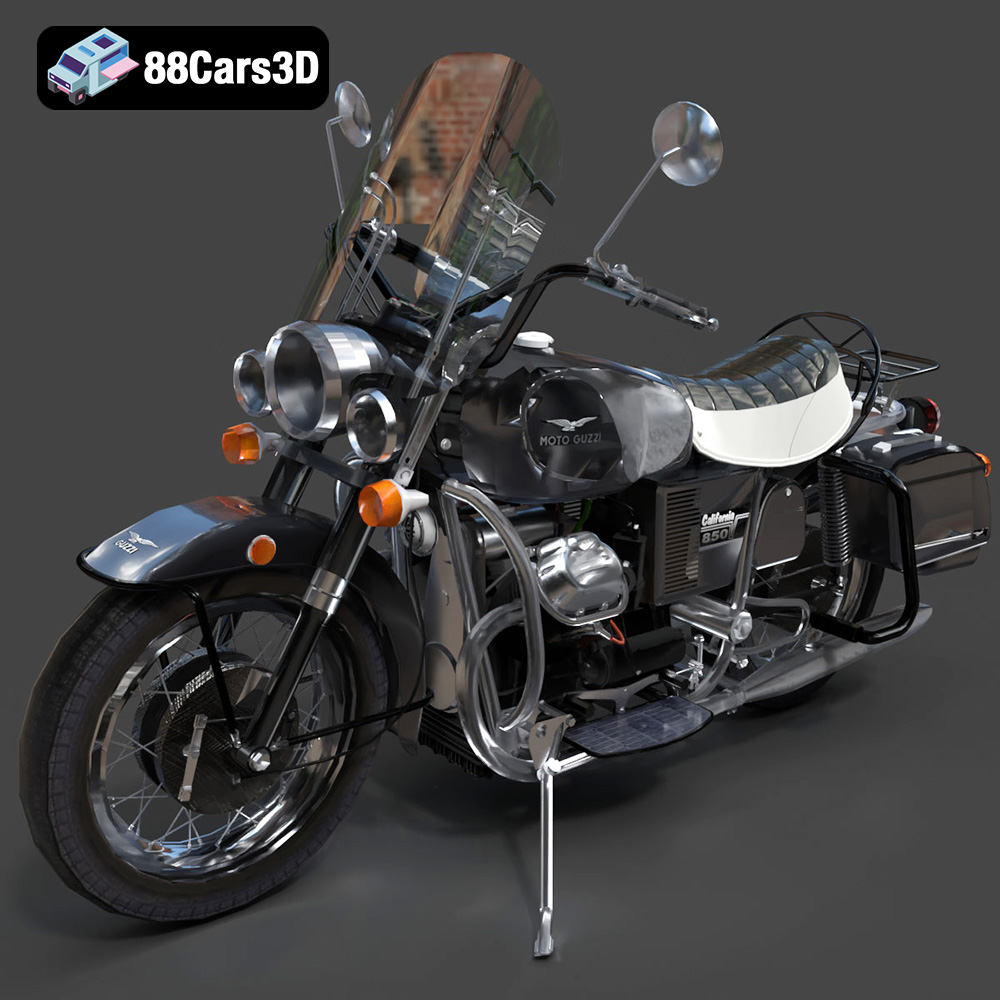
Download the Moto Guzzi Classic Motorcycle 2024 3D Model featuring clean geometry, realistic detailing, and a fully modeled interior. Includes .blend, .fbx, .obj, .glb, .stl, .ply, .unreal, and .max formats for rendering, simulation, and game development.
Price: $10

Texture: Yes
Material: Yes
Download the Mercedes S-Class 2024 3D Model featuring clean geometry, realistic detailing, and a fully modeled interior. Includes .blend, .fbx, .obj, .glb, .stl, .ply, .unreal, and .max formats for rendering, simulation, and game development.
Price: $10
Texture: Yes
Material: Yes
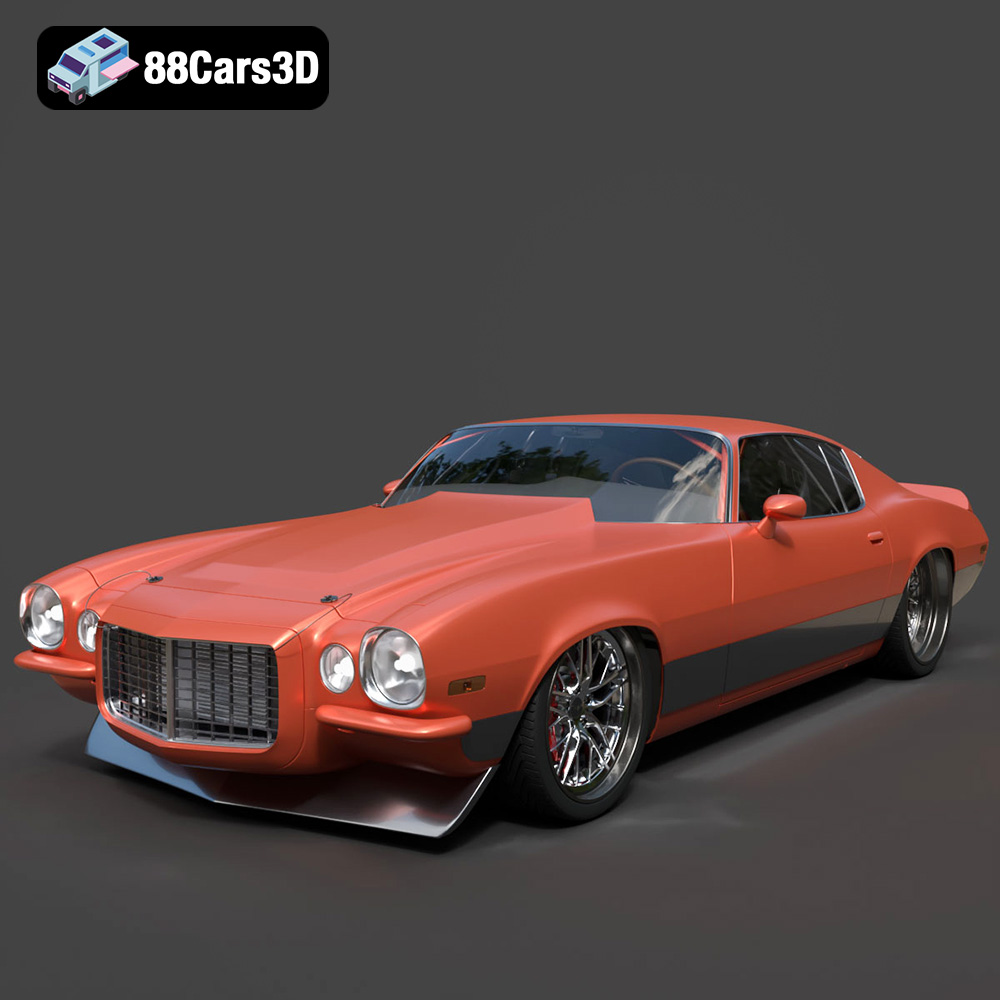
Download the Chevrolet Camaro 1970 3D Model featuring clean geometry, realistic detailing, and a fully modeled interior. Includes .blend, .fbx, .obj, .glb, .stl, .ply, .unreal, and .max formats for rendering, simulation, and game development.
Price: $10
Texture: Yes
Material: Yes
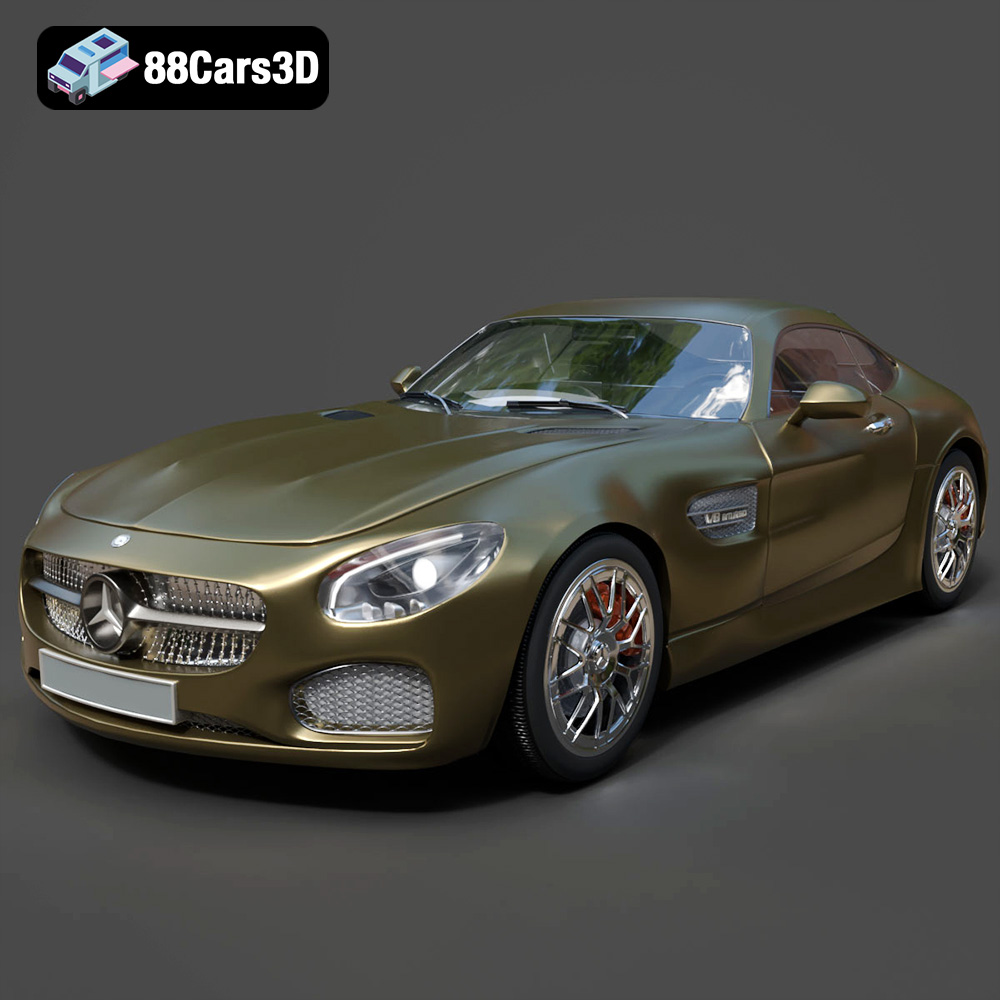
Download the Mercedes-AMG GT 2015 3D Model featuring clean geometry, realistic detailing, and a fully modeled interior. Includes .blend, .fbx, .obj, .glb, .stl, .ply, .unreal, and .max formats for rendering, simulation, and game development.
Price: $88.99
Texture: Yes
Material: Yes
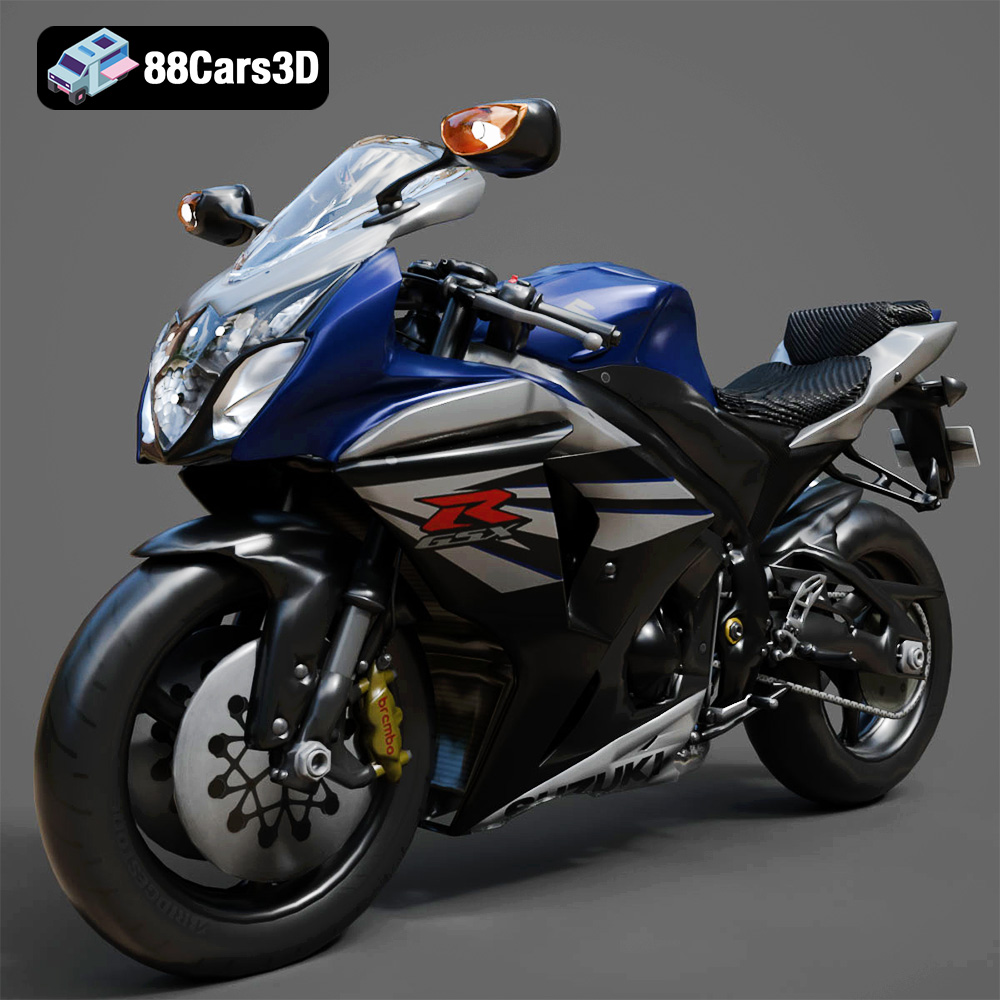
Download the Suzuki GSX-R 1000 3D Model featuring clean geometry, realistic detailing, and a fully modeled interior. Includes .blend, .fbx, .obj, .glb, .stl, .ply, .unreal, and .max formats for rendering, simulation, and game development.
Price: $10
Texture: Yes
Material: Yes
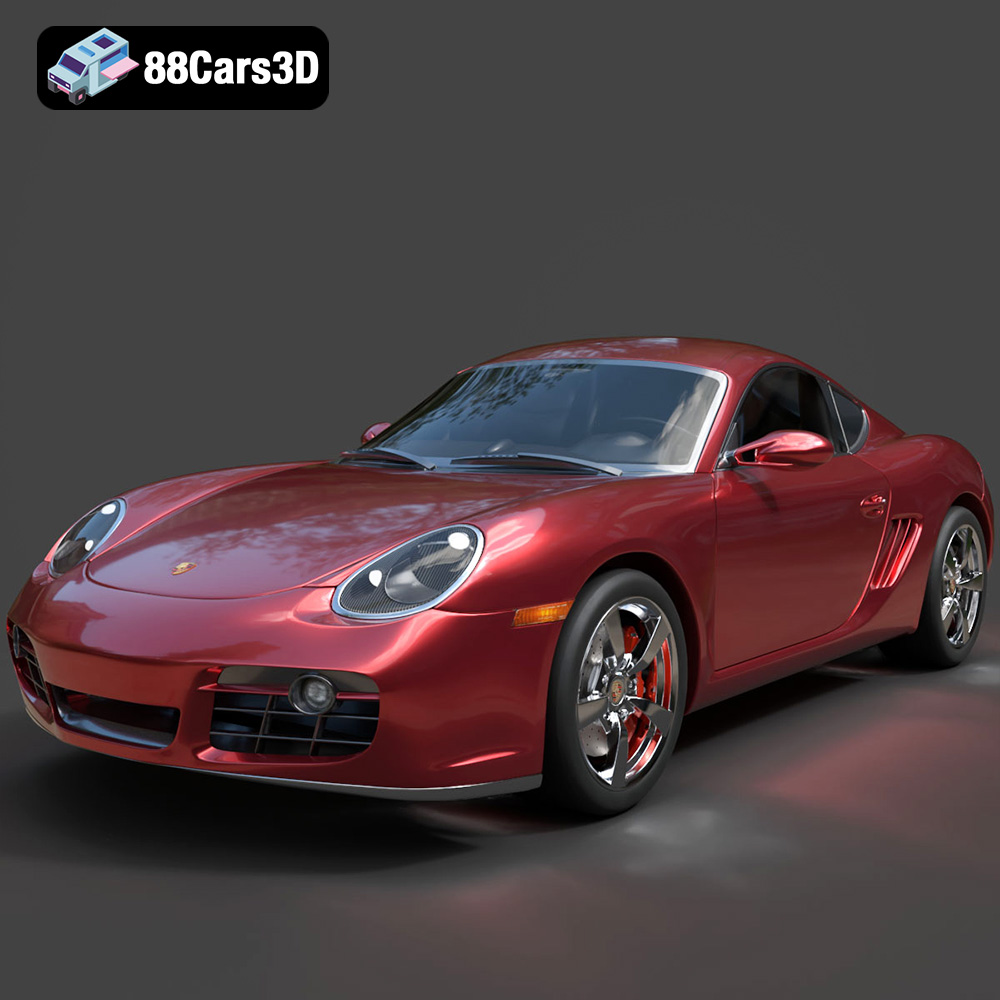
Download the Porsche Cayman S 2024 3D Model featuring clean geometry, realistic detailing, and a fully modeled interior. Includes .blend, .fbx, .obj, .glb, .stl, .ply, .unreal, and .max formats for rendering, simulation, and game development.
Price: $10
Texture: Yes
Material: Yes
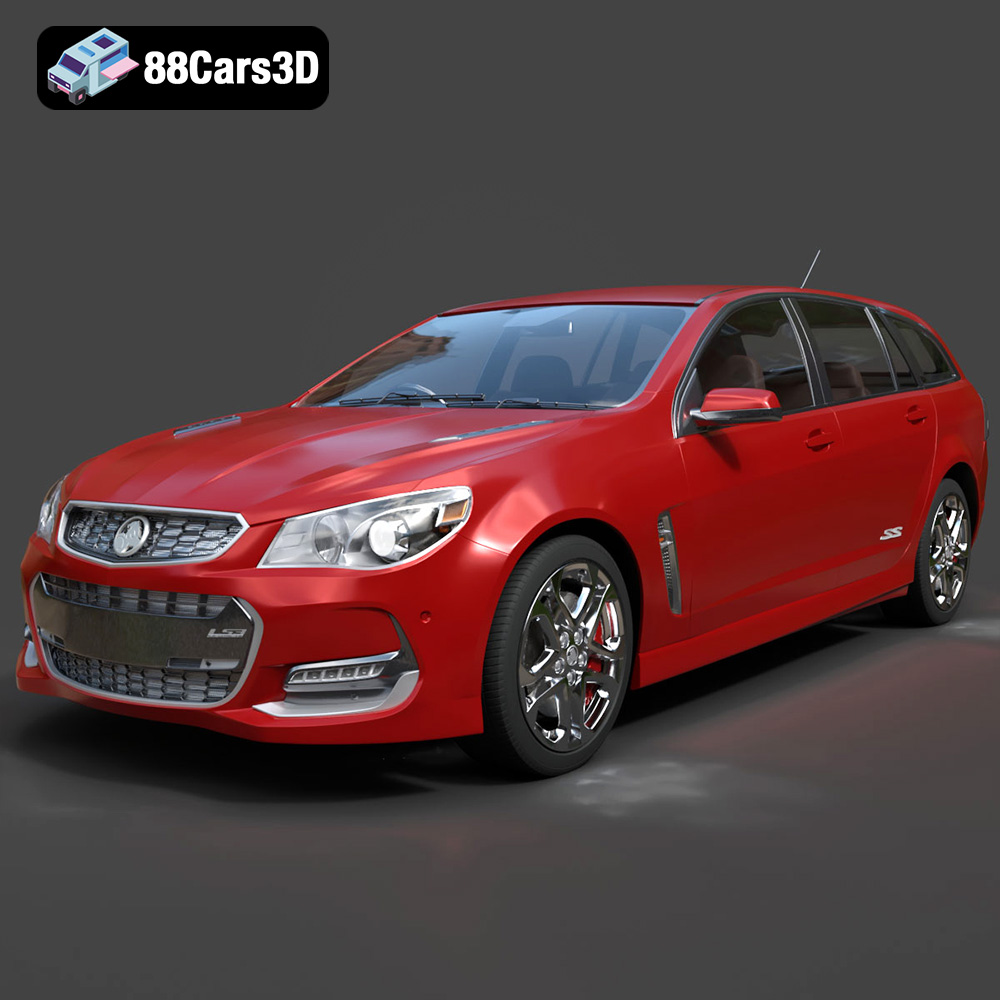
Download the Holden Commodore Sportwagon 2017 3D Model featuring clean geometry, realistic detailing, and a fully modeled interior. Includes .blend, .fbx, .obj, .glb, .stl, .ply, .unreal, and .max formats for rendering, simulation, and game development.
Price: $10
Texture: Yes
Material: Yes
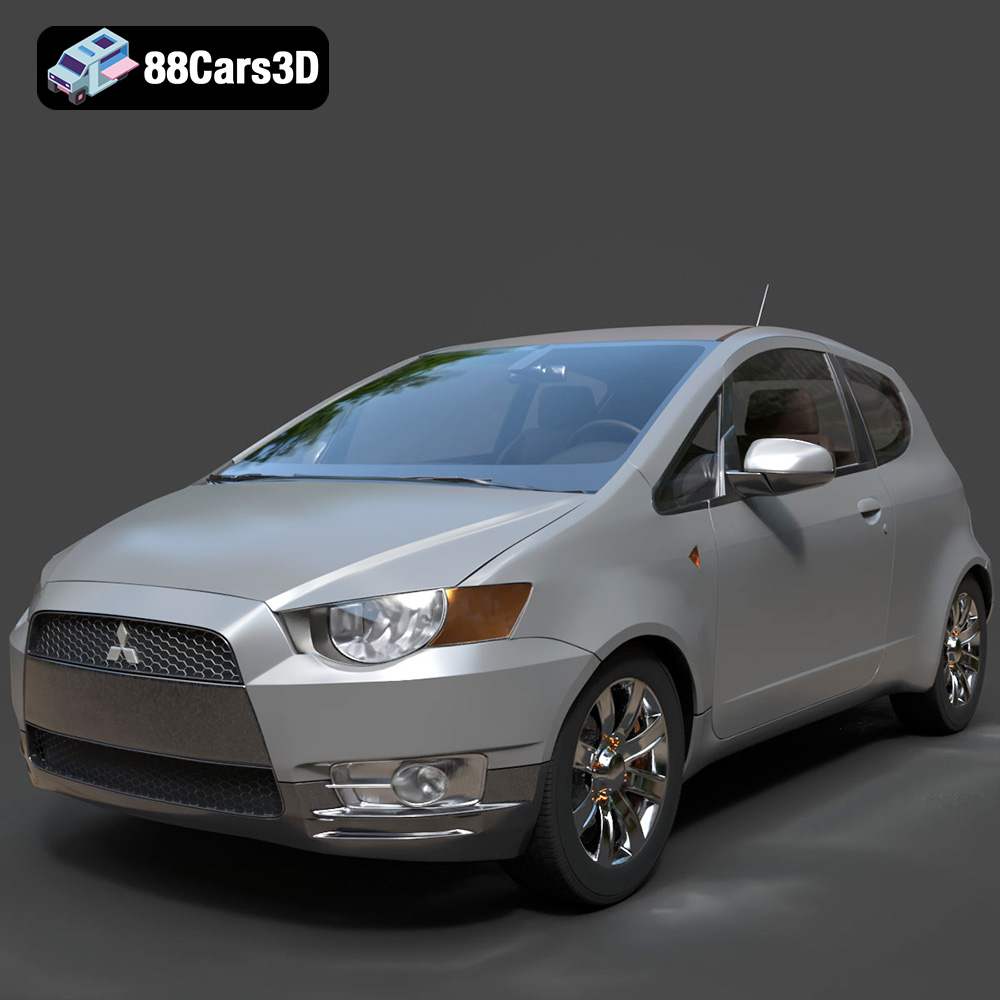
Download the Mitsubishi Colt 3 Door 2008 3D Model featuring clean geometry, realistic detailing, and a fully modeled interior. Includes .blend, .fbx, .obj, .glb, .stl, .ply, .unreal, and .max formats for rendering, simulation, and game development.
Price: $10
Texture: Yes
Material: Yes
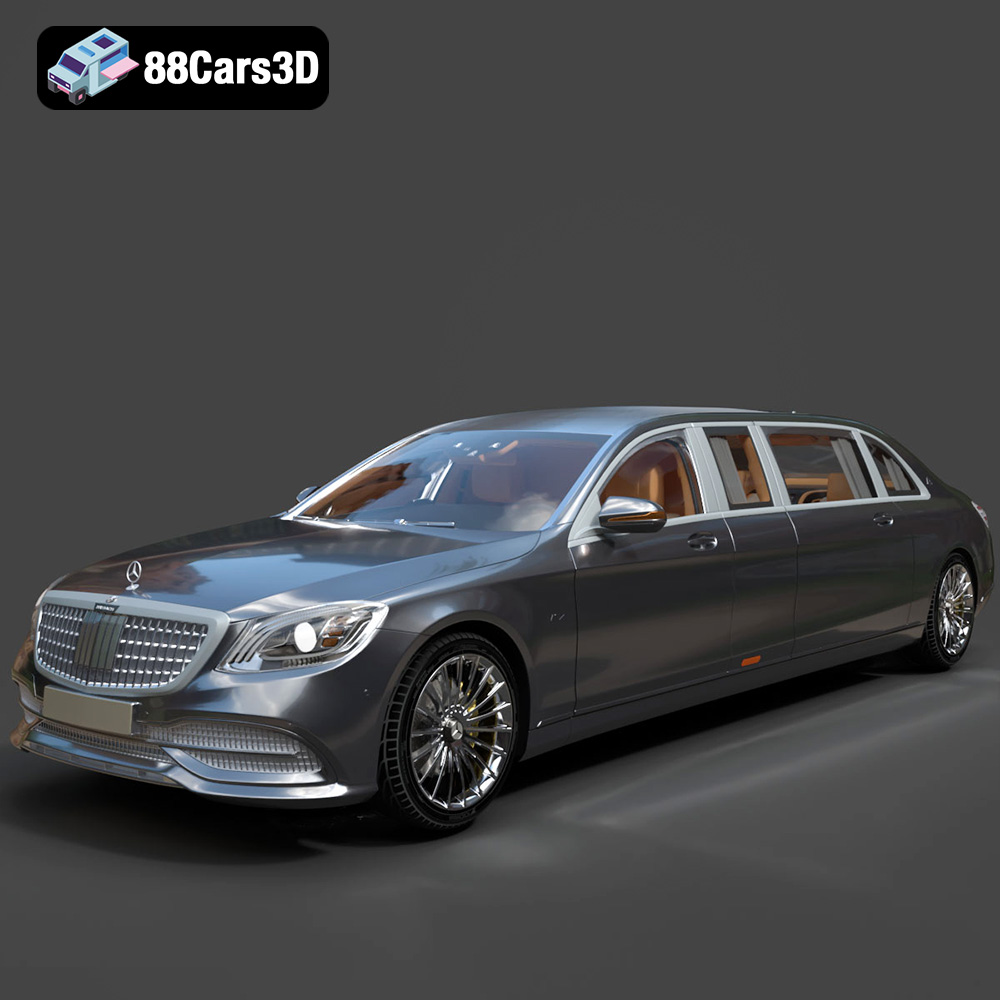
Download the Mercedes-Benz S650 Pullman 3D Model featuring clean geometry, realistic detailing, and a fully modeled interior. Includes .blend, .fbx, .obj, .glb, .stl, .ply, .unreal, and .max formats for rendering, simulation, and game development.
Price: $95.99
Texture: Yes
Material: Yes
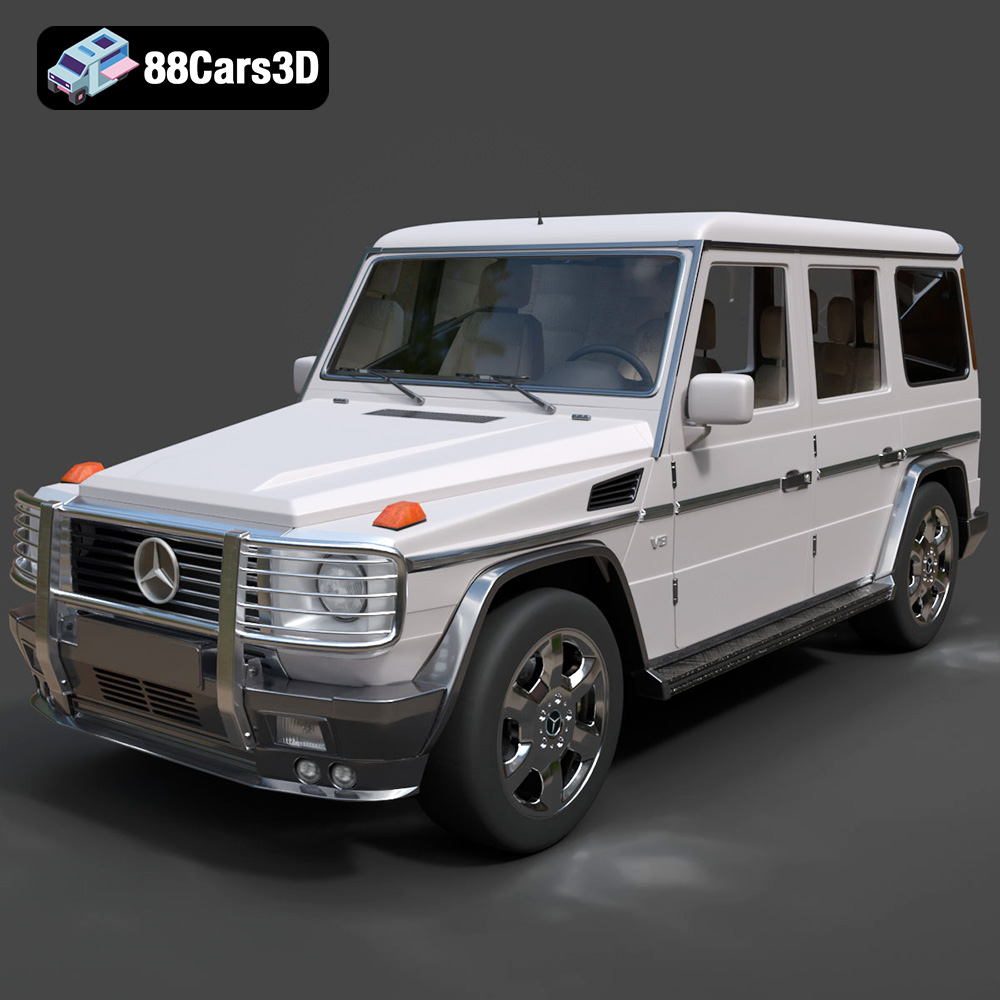
Download the Mercedes G-Class SUV 2024 3D Model featuring clean geometry, realistic detailing, and a fully modeled interior. Includes .blend, .fbx, .obj, .glb, .stl, .ply, .unreal, and .max formats for rendering, simulation, and game development.
Price: $10

