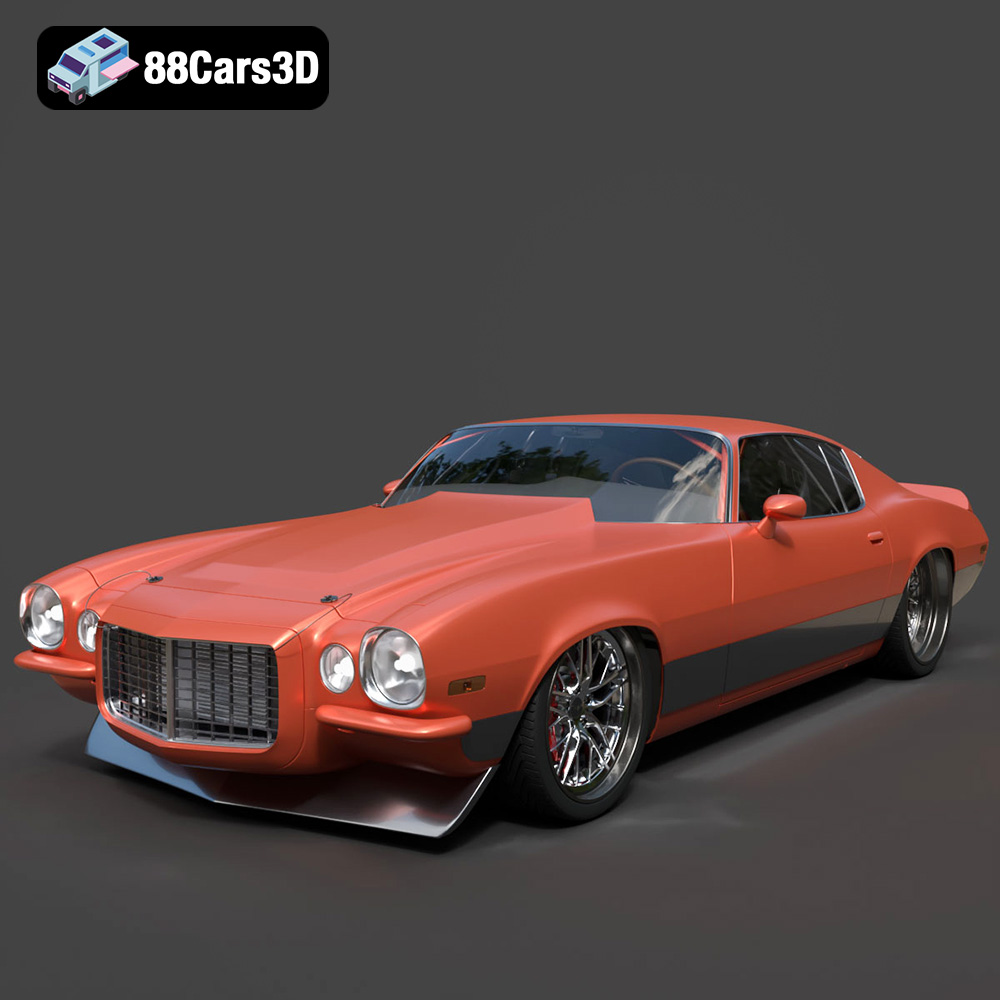
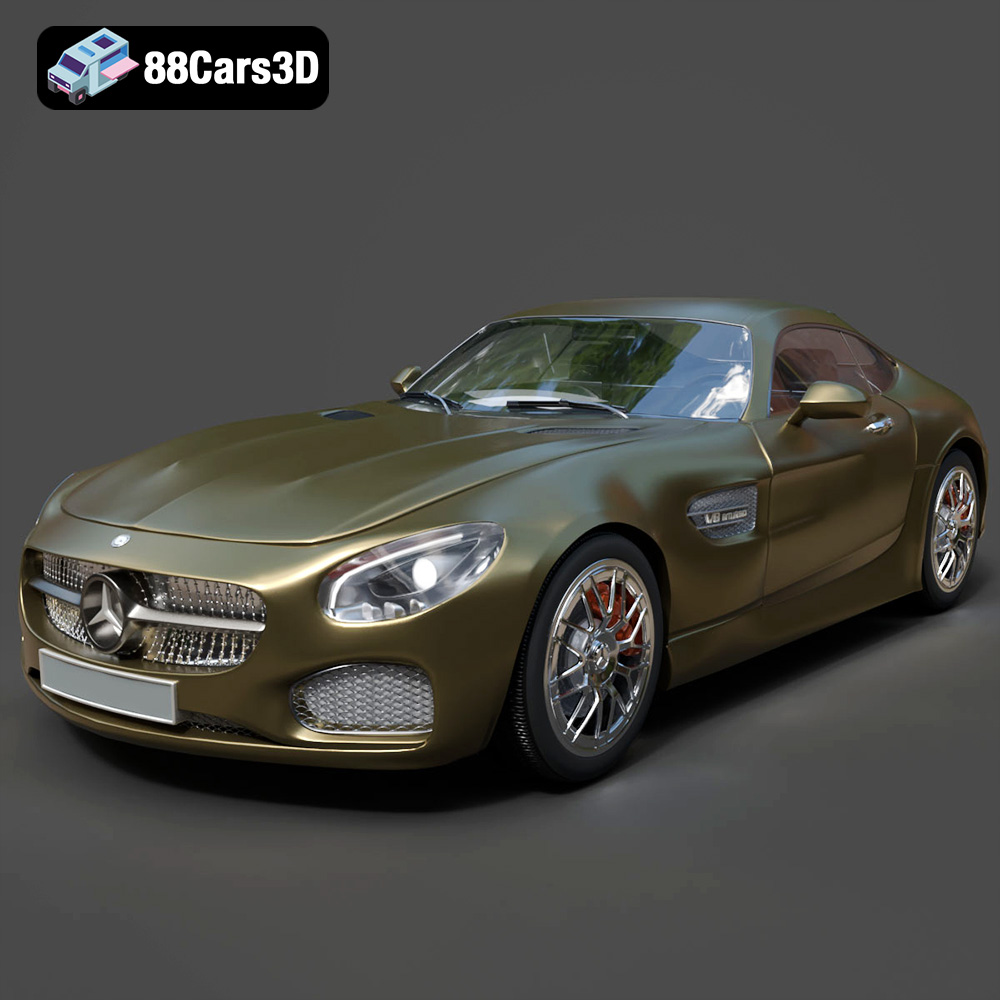
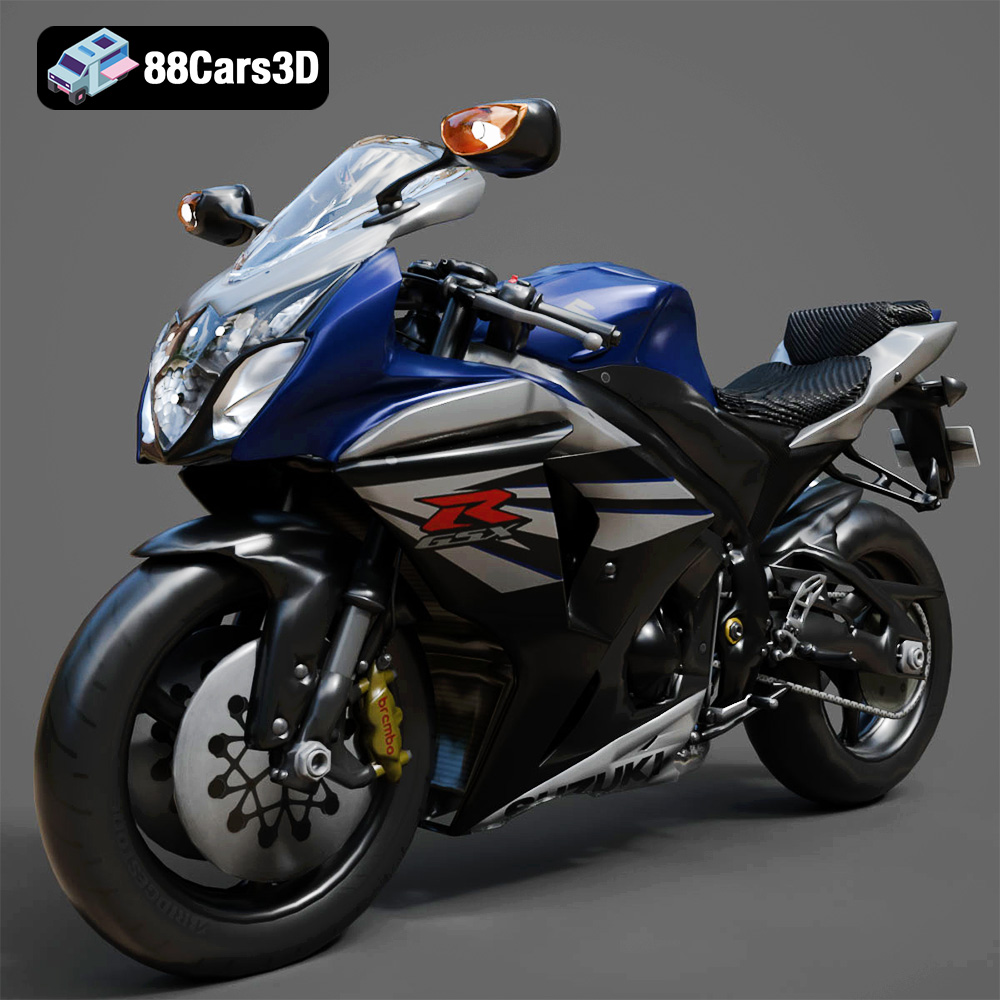
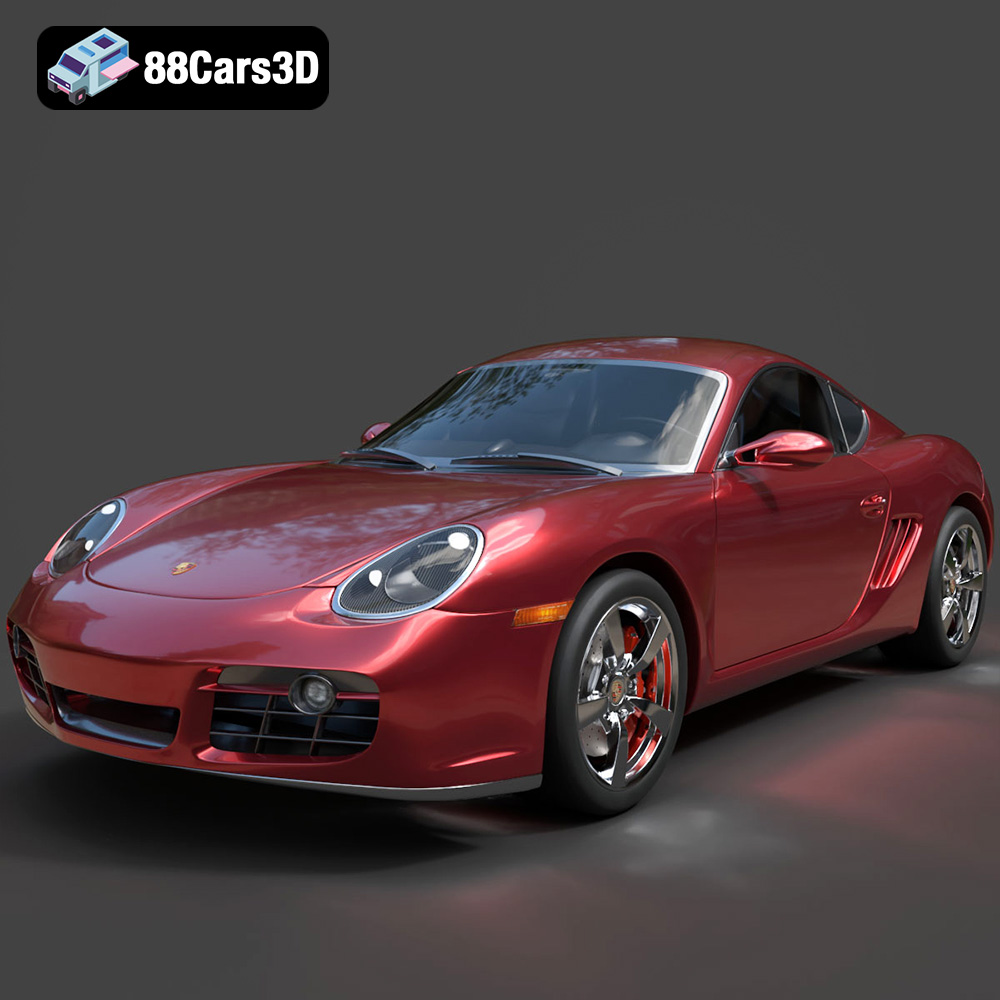
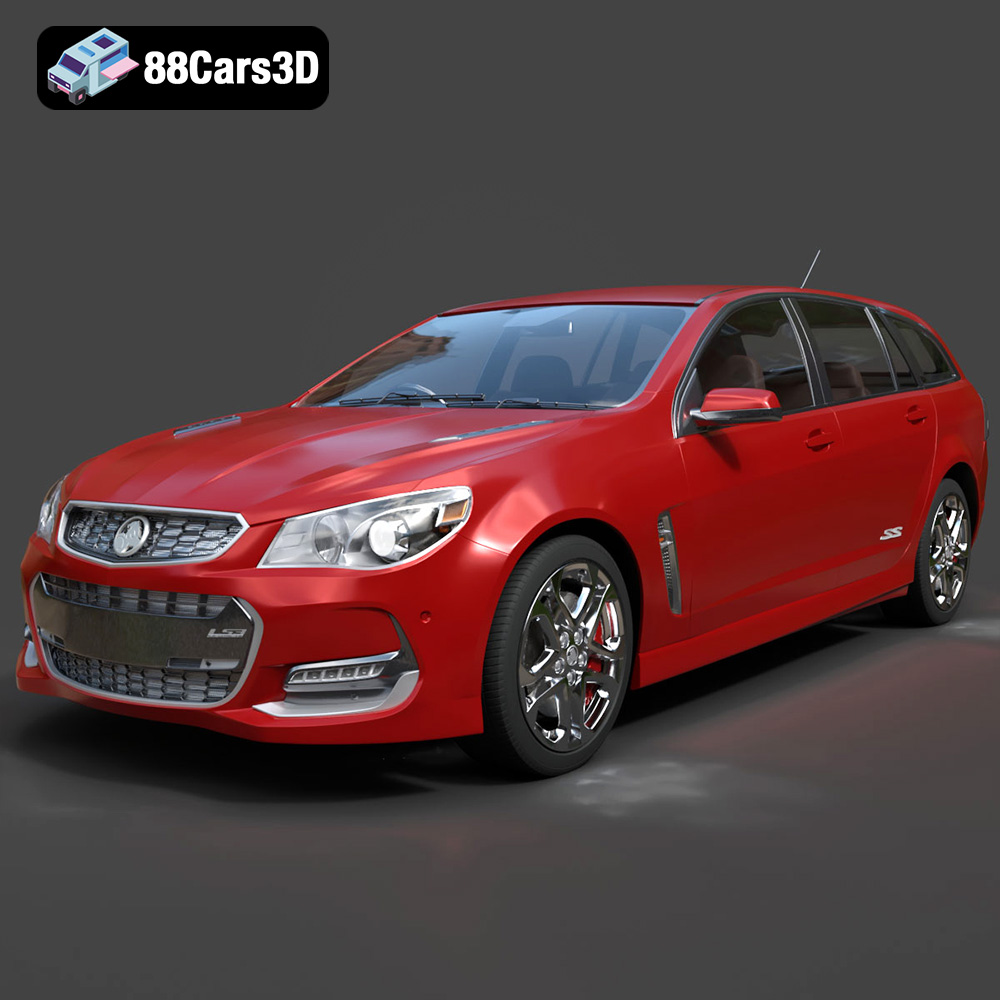
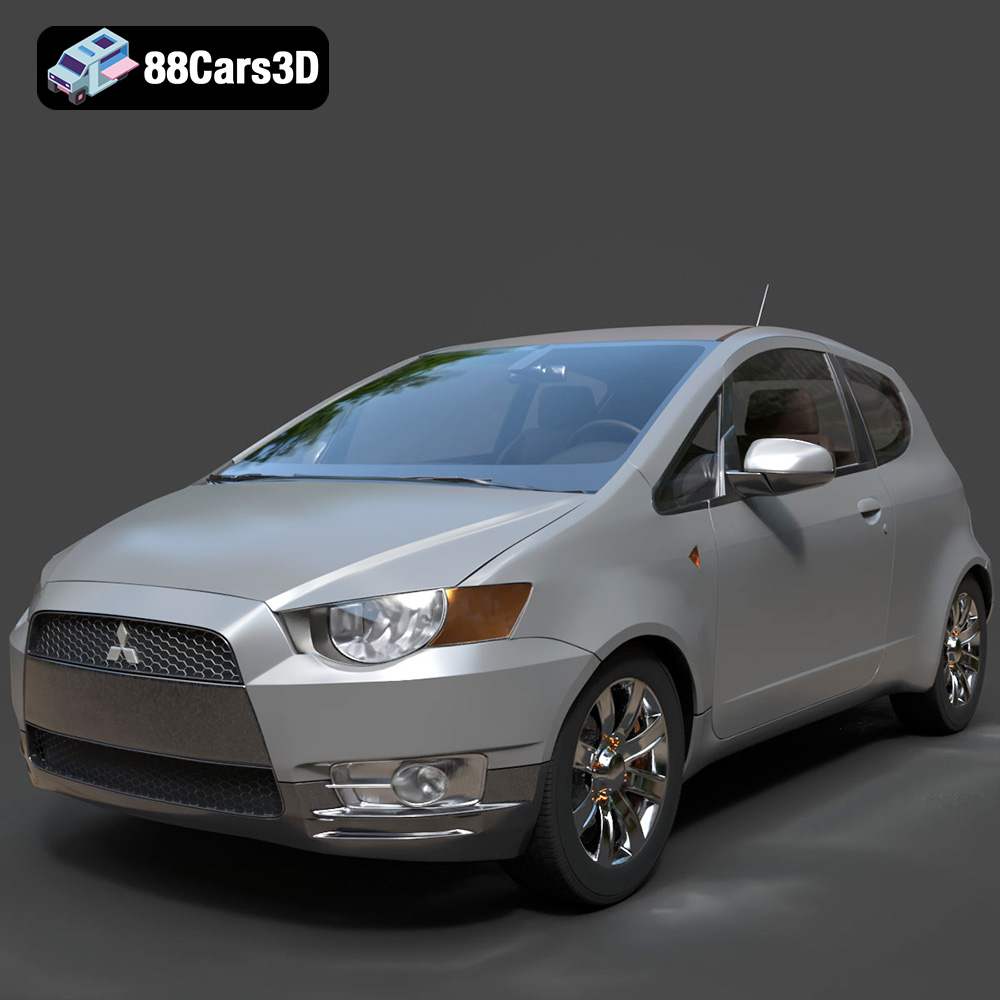
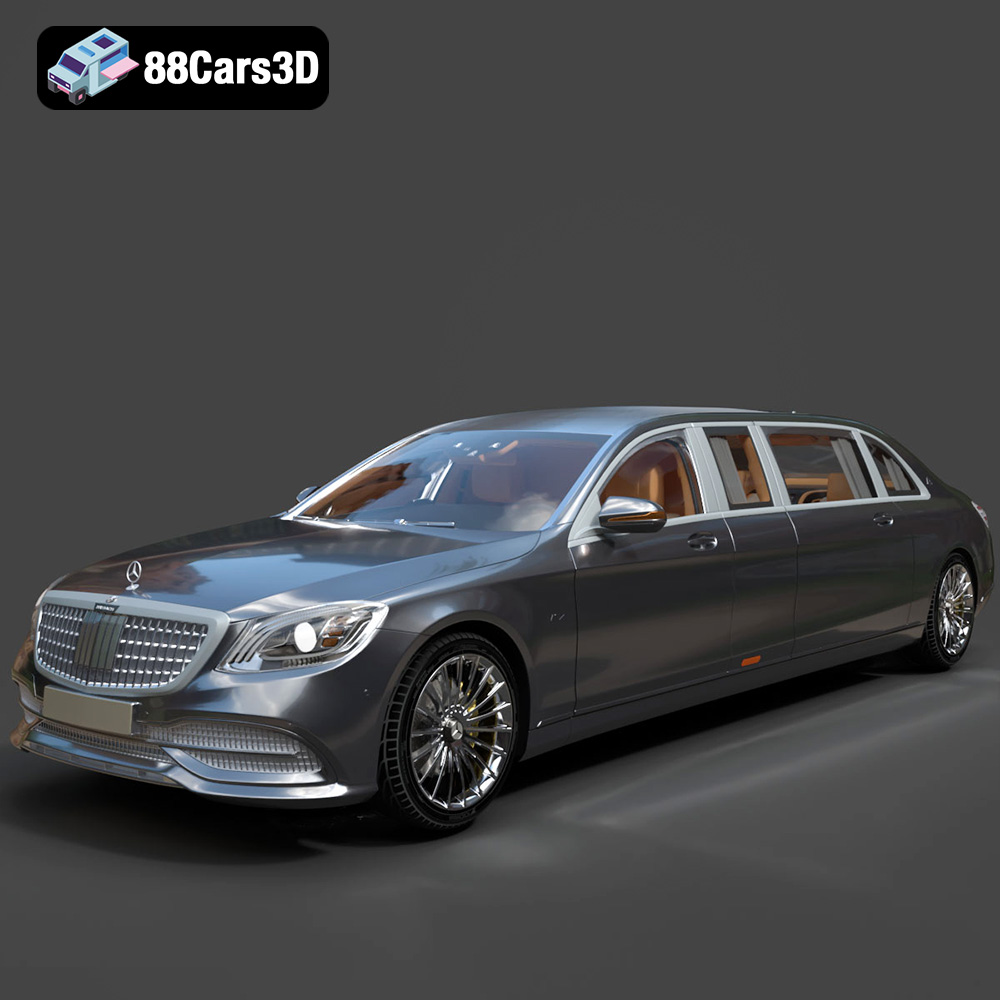
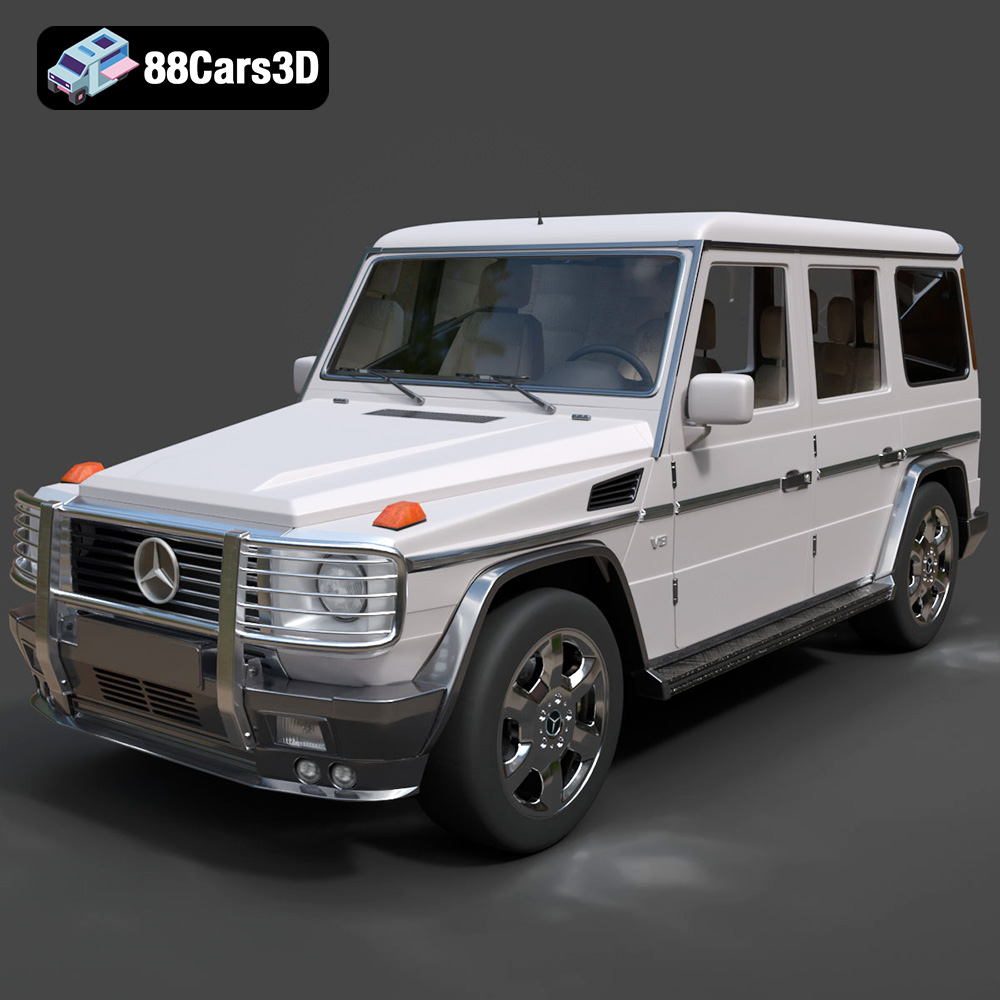
⚡ FLASH SALE: Get 60% OFF All Premium 3D & STL Models! ⚡

In the world of digital creation, few assets command as much attention as a high-fidelity vehicle. From blockbuster films and AAA video games to architectural visualizations and automotive advertising, meticulously crafted 3D car models are the cornerstone of compelling visuals. However, not all models are created equal. The difference between a stunning, production-ready asset and a frustrating, unusable file lies in the technical details: the topology, the UV maps, the material setup, and the file format itself. This guide is a deep dive for professionals and aspiring artists, exploring the critical technical considerations for selecting and deploying 3D car models in demanding production pipelines.
Whether you are an architectural visualizer aiming for photorealism, a game developer optimizing for performance, or a marketing professional creating the next big car commercial, understanding the anatomy of a superior 3D model is paramount. We will deconstruct the essential components, explore the nuances of different file formats, and walk through professional workflows for both cinematic automotive rendering and real-time game assets. This knowledge will empower you to make informed decisions, streamline your workflow, and ultimately achieve breathtaking results.
Beyond a visually appealing surface, a professional-grade 3D car model is a complex assembly of carefully considered technical elements. These foundational properties determine its versatility, ease of use, and final visual quality.
Topology refers to the flow and structure of polygons (the “faces”) that form the model’s surface. Clean, quad-based topology is the industry standard. This means the model is primarily built from four-sided polygons, which deform predictably and subdivide smoothly. Good edge flow follows the natural contours and curves of the car, which is crucial for capturing accurate, flowing reflections on surfaces like the hood and doors. A model with poor topology (e.g., too many triangles or complex poles) will show pinching, artifacts, and lighting errors when rendered.
Polygon count directly relates to detail. A high-poly model (often 500,000 to millions of polygons) is ideal for close-up shots and cinematic rendering where every detail matters. Conversely, a low-poly model (from 50,000 to 150,000 polygons) is optimized for real-time applications like games, where performance is key. The best game assets often include multiple Levels of Detail (LODs), which are progressively lower-poly versions of the model that the game engine swaps in as the car moves further from the camera, saving precious processing power.
If topology is the skeleton, UVs and textures are the skin. UV unwrapping is the process of flattening the 3D model’s surface into a 2D map. A professional model must have clean, non-overlapping UVs. This ensures that textures, like decals, dirt maps, or complex liveries, can be applied without stretching or distortion. Texel density—the amount of texture resolution per unit of 3D space—should be consistent across the model to ensure uniform detail.
Modern models use a Physically-Based Rendering (PBR) workflow. This typically involves a set of texture maps that define how a surface reacts to light:
A static car is useful, but a rigged one is production-ready. A properly rigged 3D car model has its components correctly parented and its pivot points accurately placed. At a minimum, this means the wheels are separate objects with pivots at their centers for easy rotation. More advanced rigs will include pivots for doors, the hood, the trunk, and a control for the steering wheel that is linked to the front wheels. This preparation saves animators hours of setup time.
Choosing the right file format is one of the most critical decisions in a 3D pipeline. A professional asset provider like 88cars3d.com offers a range of formats because each one serves a specific purpose, from raw project editing to real-time engine integration. Using the correct format from the start prevents compatibility headaches, preserves data integrity, and optimizes your workflow. Let’s break down the most common formats you’ll encounter.
The .max file is the native project file for Autodesk 3ds Max, a powerhouse in architectural visualization and automotive rendering. This is often the “source” file, containing the most complete data. It includes not just the model geometry but also the entire scene setup: lighting, cameras, render settings, and complex material shaders for renderers like V-Ray and Corona. If your primary workflow is in 3ds Max, using the .max file gives you complete control to modify, re-texture, and re-render the asset without any data translation issues.
Similar to .max, the .blend file is the native format for Blender, the incredibly popular open-source 3D suite. It saves the entire project state, including the model, modifiers (like subdivision surfaces), materials built within Blender’s powerful node editor, particle systems, and rendering settings for Cycles or Eevee. For Blender artists, this format is ideal as it provides a fully editable, non-destructive starting point for customization and rendering.
The FBX format is arguably the most important interchange format for 3D entertainment. Developed by Autodesk, it’s designed to transfer complex 3D data between different software applications. Its strength lies in its ability to package geometry, UVs, basic materials, textures, rigging, and animation data into a single file. This makes it the go-to choice for getting 3D car models into game engines like Unreal Engine and Unity. When you need to move a rigged and animated model from 3ds Max to Unreal, FBX is the reliable bridge.
The .obj format is one of the oldest and most widely supported 3D formats. It is a simple, text-based format that reliably stores mesh geometry, UV coordinates, and vertex normals. While it doesn’t support complex data like rigging or animation, its universal compatibility makes it a safe bet for transferring a static model between almost any two 3D applications. It often comes with an accompanying .mtl (Material Template Library) file that defines basic material properties.
The .glb format is the binary version of glTF (GL Transmission Format), often called the “JPEG of 3D.” It is a royalty-free specification designed for the efficient transmission and loading of 3D scenes and models by applications. A .glb file is a self-contained package that includes the model, materials, and textures, all optimized for web browsers, AR viewers on mobile devices (like iOS AR Quick Look), and VR applications. If your goal is to display a 3D car on a website or in an AR experience, .glb is the modern standard.
Some asset providers offer a format specifically for Unreal Engine. This is typically a pre-packaged project or asset file that can be dropped directly into an Unreal Engine project. It goes beyond a simple .fbx import by often including pre-configured materials using Unreal’s native shader system, set up LODs, and even basic physics assets. This format saves developers significant time, as the car is ready to be used in-engine with minimal setup.
The STL (Stereolithography) format is the standard for 3D printing. It describes only the surface geometry of a 3D object as a collection of triangular facets. It contains no information about color, textures, or materials. Its sole purpose is to provide a clean, “watertight” mesh that a 3D printer can interpret and build layer by layer.
The Polygon File Format (.ply) is used for storing data from 3D scanners and for scientific visualization. It can store more than just geometry, including data like color per vertex and surface normals. While less common for artistic work, it’s valuable in pipelines that involve reverse-engineering from scanned data or require high-precision analysis.
Creating photorealistic renders requires a combination of a high-quality model, sophisticated lighting, and meticulous material setup. This workflow is common in advertising, product visualization, and film.
Start by opening the native .max file or importing a high-poly .fbx. The first step is to check the materials. If using a V-Ray-ready .max file, the shaders should be pre-configured. If importing, you’ll need to create V-Ray materials and apply your PBR texture maps (Albedo, Roughness, Metallic, Normal) to the corresponding slots in the V-Ray material editor. The car paint is the most important material; a high-quality V-Ray car paint material uses a blend of layers to simulate a base coat, metallic flakes, and a clear top coat with its own reflections.
For lighting, an HDRI (High Dynamic Range Image) is essential. Load an HDRI of a studio environment or an outdoor scene into a V-Ray Dome Light. This will provide realistic, image-based lighting and reflections. Add additional V-Ray plane lights to act as softboxes, creating highlights that accentuate the car’s body lines.
The process in Blender is similar. Open the native .blend file for the easiest experience. Using Blender’s Node Editor, you can construct incredibly detailed materials. The Principled BSDF shader is the foundation for most PBR materials. Plug your texture maps into the corresponding inputs. For the car paint, you can add a “Clearcoat” layer directly within the Principled BSDF shader to simulate the protective varnish. For lighting, use the World Properties tab to load an HDRI into the background for ambient light and reflections. Then, add Area Lights to create custom highlights. Finally, adjust your camera settings, paying close attention to focal length (50mm-85mm is great for car shots) and enabling Depth of Field for a cinematic, shallow focus effect.
Preparing game assets is a different discipline, one that balances visual quality with real-time performance. The goal is to create a car that looks fantastic while maintaining a high and stable frame rate.
Every polygon requires processing power. An in-game car must be efficient. This is where a low-poly model is essential. The detail from a high-poly source model is often “baked” into a Normal map, which is then applied to the low-poly model to create the illusion of high detail. Furthermore, setting up LODs is non-negotiable for performance. A typical car asset will have 3-4 LODs. LOD0 is the highest quality and is seen up close. As the car gets further away, the engine switches to LOD1, then LOD2, and so on, with each being a much simpler mesh. This process is nearly invisible to the player but has a massive impact on performance.
Import your optimized .fbx model into Unreal Engine. UE5 has a powerful material editor perfect for automotive assets. Create a new material and set its shading model to “Clear Coat.” This gives you a dedicated two-layer shader for realistic car paint. You can input your PBR textures and even add a “flake” normal map that plugs into the Clear Coat’s normal input for a metallic paint effect. For gameplay, you’ll need to set up physics. The Chaos Vehicle system in UE5 requires a physics asset for collision and a vehicle blueprint to define engine parameters, wheel setups, and handling.
To illustrate these concepts in a real-world context, let’s consider a fictional case study involving a creative agency tasked with producing marketing visuals for a new electric vehicle launch.
The client needs a series of hero images for their website, social media, and digital billboards. A physical photoshoot is too slow and expensive, and they need to show the car in multiple colors and environments—a city at night, a winding mountain road, and a clean studio. The deadline is tight.
The agency decides to use a CGI workflow. They license a high-quality, production-ready 3D model of the vehicle from a marketplace like 88cars3d.com. They download the .max file, which is already set up with V-Ray materials. Their 3D artist opens the file in 3ds Max and begins by creating several material variants for the different paint colors requested by the client. For each shot, they place the car model into a 3D environment, either a custom-built scene or a high-resolution HDRI backplate. They fine-tune the lighting to match each environment, render high-resolution images from multiple camera angles, and send them to the client for approval.
Within days, the agency delivers a full suite of stunning, photorealistic images. The client is thrilled. The CGI approach saved them tens of thousands of dollars compared to a multi-location photoshoot. They had complete creative control over every reflection and shadow, and they now have a versatile 3D asset they can reuse for future animations, configurators, and even AR experiences. This case study demonstrates how a top-tier 3D car model is not just a file, but a powerful, flexible tool for modern marketing.
A 3D car model is far more than a simple digital object; it is a complex asset engineered for a specific purpose. From the clean topology required for cinematic automotive rendering to the optimized poly counts and LODs needed for high-performance game assets, the technical details are what define a model’s true value. By understanding the key components of a quality model and the distinct roles of various file formats, you can streamline your production pipeline, avoid technical hurdles, and focus on what truly matters: creating stunning, impactful visuals. Whether you’re building a virtual world or selling a real-world product, starting with a professionally crafted 3D model is the first and most important step toward success.