⚡ FLASH SALE: Get 60% OFF All Premium 3D & STL Models! ⚡

Unreal Engine has revolutionized the world of real-time rendering, transforming from a powerful game development tool into an industry-standard powerhouse for everything from virtual production to architectural and automotive visualization. Its ability to produce stunning, photorealistic imagery in real-time opens up unprecedented possibilities for designers, marketers, and creators. For anyone working with 3D car models, mastering Unreal Engine is no longer just an advantage—it’s an essential skill. This guide is your comprehensive starting point. We will demystify the process, breaking down the complex world of UE5 into manageable, actionable steps. You will learn how to set up your first project, import and optimize a high-poly vehicle, create breathtaking PBR materials, harness the power of Lumen for dynamic lighting, and even add a touch of interactivity with Blueprints. By the end of this tutorial, you’ll have a solid foundation to start creating your own incredible real-time automotive experiences.
Diving into a new software environment can be intimidating, but Unreal Engine’s project setup is streamlined to get you creating quickly. The journey begins with the Epic Games Launcher, your central hub for installing engine versions, managing projects, and accessing the Unreal Marketplace. For automotive visualization, it’s crucial to select the right project template and enable the necessary plugins to unlock the engine’s full potential.
First, download and install the Epic Games Launcher. Inside the launcher, navigate to the “Unreal Engine” tab and then to the “Library.” Here, you can install different engine versions. We highly recommend using the latest stable release of Unreal Engine 5 to take full advantage of groundbreaking features like Nanite and Lumen. Once installed, click “Launch” to open the Project Browser.
For automotive work, the “Architecture, Engineering, and Construction” (AEC) category is an excellent starting point. Select the “Blank” template within this category. Key settings to configure here include:
Give your project a name, choose a location, and click “Create.” This will launch the Unreal Editor, your digital canvas.
The Unreal Editor interface is composed of several key panels, each with a specific function. Understanding their roles is fundamental to an efficient workflow. For an exhaustive breakdown of every tool, the official Unreal Engine documentation at https://dev.epicgames.com/community/unreal-engine/learning is an invaluable resource, but here are the essentials:
Spend some time moving around the viewport and selecting the default objects to see how the Details panel changes. This initial exploration is key to building muscle memory.
With your project set up, the next step is to bring in your star asset: the 3D car model. The quality of the final render is heavily dependent on the quality of the initial model. Sourcing a high-quality asset from a marketplace like 88cars3d.com is a great way to ensure you start with a clean, well-optimized model featuring proper topology and UV mapping, which is crucial for seamless integration into Unreal Engine.
Unreal Engine supports several 3D file formats, but FBX and USD (Universal Scene Description) are the most common and robust choices for complex assets like vehicles. When you import an FBX file, a dialog box with numerous options appears. For automotive models, pay close attention to these settings:
After importing, drag the model from the Content Drawer into the Viewport to see it in your scene.
One of Unreal Engine 5’s most significant advancements is Nanite, its virtualized geometry system. Nanite allows you to render film-quality, high-polygon assets with millions or even billions of polygons in real-time without traditional performance trade-offs like manual LOD (Level of Detail) creation. This is a game-changer for automotive visualization, where detail is paramount.
To enable Nanite on your imported model:
The engine will process the mesh, and once complete, your model will be rendered using the Nanite pipeline. You can now use incredibly high-detail models without worrying about polygon counts tanking your frame rate, allowing for stunning close-up shots of intricate details like brake calipers, headlight interiors, and complex wheel designs.
A great model is only half the battle; realistic materials are what truly sell the illusion of photorealism. Unreal Engine’s Material Editor is an incredibly powerful node-based system for creating physically-based rendering (PBR) materials that accurately simulate how light interacts with different surfaces. Models from providers such as 88cars3d.com often come with pre-configured PBR textures (Base Color, Normal, Roughness, Metallic), which makes this process significantly faster.
When you imported your model, Unreal likely created some basic materials. Find one (e.g., M_CarPaint) in the Content Drawer and double-click it to open the Material Editor. The central graph is where you connect nodes to define the material’s properties. The main output node has several inputs corresponding to PBR values:
To build a basic material, you’ll drag your textures from the Content Drawer into the material graph. This creates “Texture Sample” nodes. Connect the RGB output of each texture to the corresponding input on the main material node.
Standard car paint is a complex material with a base coat and a reflective clear coat on top. Unreal Engine has a specific shading model to replicate this effect perfectly.
This adds two new inputs to your material node: Clear Coat and Clear Coat Roughness. These control the intensity and roughness of the top varnish layer, respectively. You can use constant values (hold ‘1’ and click in the graph to create a Constant node) to control these. A “Clear Coat” value of 1.0 and a “Clear Coat Roughness” of 0.1 is a great starting point for a glossy, new car finish. This simple change adds a second layer of specular reflection, dramatically increasing the realism of your car paint.
Lighting is the soul of a render; it dictates mood, defines form, and creates realism. Unreal Engine 5’s Lumen system provides fully dynamic global illumination and reflections, meaning light bounces and reflects realistically around the scene in real-time. This eliminates the need for slow, static light baking and allows for instant feedback as you move lights or objects.
A typical automotive studio setup consists of a few key light Actors that work together with Lumen:
To use an HDRI (High Dynamic Range Image) for lighting and reflections, which is standard practice in automotive visualization, set the Sky Light’s “Source Type” to “SLS Specified Cubemap” and assign your HDRI texture to the “Cubemap” slot. This will instantly bathe your car in realistic, image-based lighting and provide detailed reflections on its surface.
Within your Post Process Volume, you can find the settings for both Lumen Global Illumination and Lumen Reflections. For high-quality renders, you’ll want to increase these values from their defaults.
Remember that these settings have a performance cost. For real-time rendering in an interactive application, you might need to find a balance. For cinematic shots or still renders, you can push these settings to their maximum for the best possible quality.
Static renders are beautiful, but interactive experiences are engaging. Unreal Engine’s Blueprint visual scripting system empowers artists and designers to add functionality without writing a single line of code. For an automotive project, a simple interactive feature like opening the car doors can elevate the presentation from a static display to a dynamic configurator.
An Actor Blueprint is a self-contained object that combines components (like Static Meshes) with scripting logic. To create an interactive car, we’ll convert our static car model into a Blueprint.
This creates a new Blueprint Actor that contains all your car parts as individual components, neatly organized. Double-click the new Blueprint in the Content Drawer to open the Blueprint Editor.
Let’s create a simple script to open the driver’s door when the player presses the ‘E’ key. Inside the Blueprint Editor, switch to the “Event Graph” tab.
Compile and save the Blueprint. Now, when you play the level and press ‘E’ near the car, the driver’s door will smoothly swing open. This is a simple but powerful demonstration of how Blueprints can bring your automotive visualization projects to life.
Creating a beautiful scene is one thing; ensuring it runs smoothly is another. Performance optimization is crucial, especially for interactive applications, AR/VR experiences, or projects destined for less powerful hardware. Even for high-end cinematic rendering, an optimized scene is a faster-rendering scene.
Unreal Engine provides powerful built-in tools for identifying performance bottlenecks. While in Play-In-Editor mode, open the console by pressing the tilde (~) key and use these commands:
stat fps: Displays the current frames per second (FPS) and frame time in milliseconds (ms). Your primary goal is to keep the frame time low.stat unit: Breaks down the frame time into Game thread, Draw thread, and GPU time. This tells you whether your bottleneck is CPU-bound or GPU-bound.stat gpu: Provides a detailed breakdown of what processes are taking the most time on the graphics card. This is useful for identifying expensive materials or lighting features.Analyzing this data helps you make informed decisions. For example, if GPU time is high, you might look at optimizing complex materials, reducing shadow-casting lights, or lowering Lumen quality settings.
While Nanite handles geometric complexity for static meshes, other factors still impact performance. Traditional Level of Detail (LOD) systems are still relevant for non-Nanite meshes (like skeletal meshes or objects with complex material effects).
Texture memory is another major consideration. High-resolution textures (4K, 8K) consume significant VRAM. Use the “Texture Mipmap” view mode in the viewport to visualize texture usage. Unreal’s texture streaming system helps manage this by loading lower-resolution versions (mips) of textures for objects that are far away. You can fine-tune these settings in the texture editor for each asset. For game assets and real-time applications, using appropriate texture resolutions is key—a tiny screw doesn’t need a 4K texture map.
The final step is to apply cinematic polish using the Post Process Volume. This is where you perform color grading and add camera effects to enhance the mood and realism of your scene.
By carefully adjusting these settings, you can transform a technically correct render into a visually stunning and emotionally resonant image.
You have successfully navigated the foundational workflow for creating stunning automotive visualization in Unreal Engine 5. We’ve journeyed from the initial project setup and interface tour to importing and preparing a high-poly 3D car model with Nanite. We explored the node-based Material Editor to craft realistic PBR surfaces, harnessed the revolutionary power of Lumen for dynamic lighting and reflections, and even dipped our toes into the world of interactivity with a simple Blueprint script. Finally, we covered the critical steps of performance optimization and cinematic polishing to ensure your project not only looks incredible but runs efficiently.
This guide has equipped you with the core knowledge to start your own projects. The real learning, however, comes from experimentation. Challenge yourself to build on these concepts. Try creating a more complex car configurator using Blueprint, explore the Sequencer tool to produce cinematic animations, or experiment with Niagara for visual effects like exhaust smoke. The power of real-time rendering is at your fingertips. By combining high-quality assets, like those found on marketplaces such as 88cars3d.com, with the skills you’ve learned today, you are well on your way to mastering Unreal Engine and creating next-generation visual experiences.
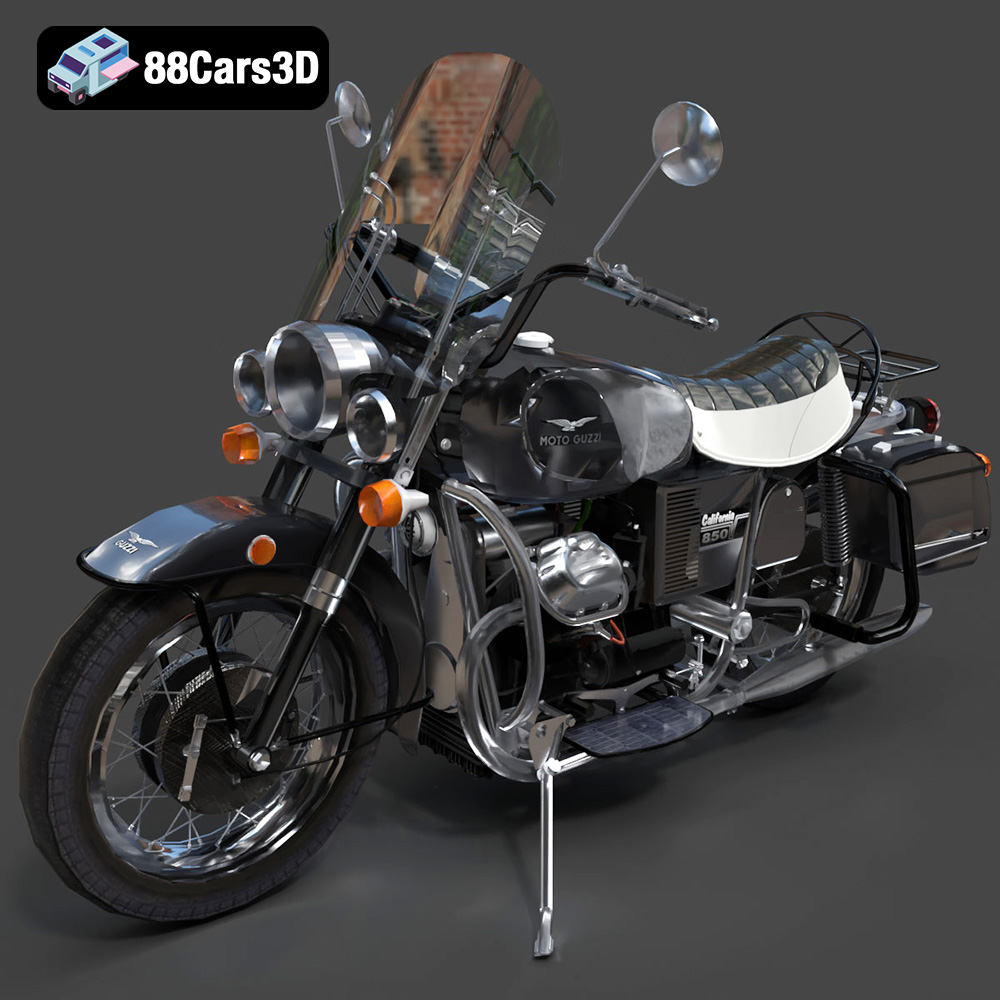
Texture: Yes
Material: Yes
Download the Moto Guzzi Classic Motorcycle 2024 3D Model featuring clean geometry, realistic detailing, and a fully modeled interior. Includes .blend, .fbx, .obj, .glb, .stl, .ply, .unreal, and .max formats for rendering, simulation, and game development.
Price: $10

Texture: Yes
Material: Yes
Download the Mercedes S-Class 2024 3D Model featuring clean geometry, realistic detailing, and a fully modeled interior. Includes .blend, .fbx, .obj, .glb, .stl, .ply, .unreal, and .max formats for rendering, simulation, and game development.
Price: $10
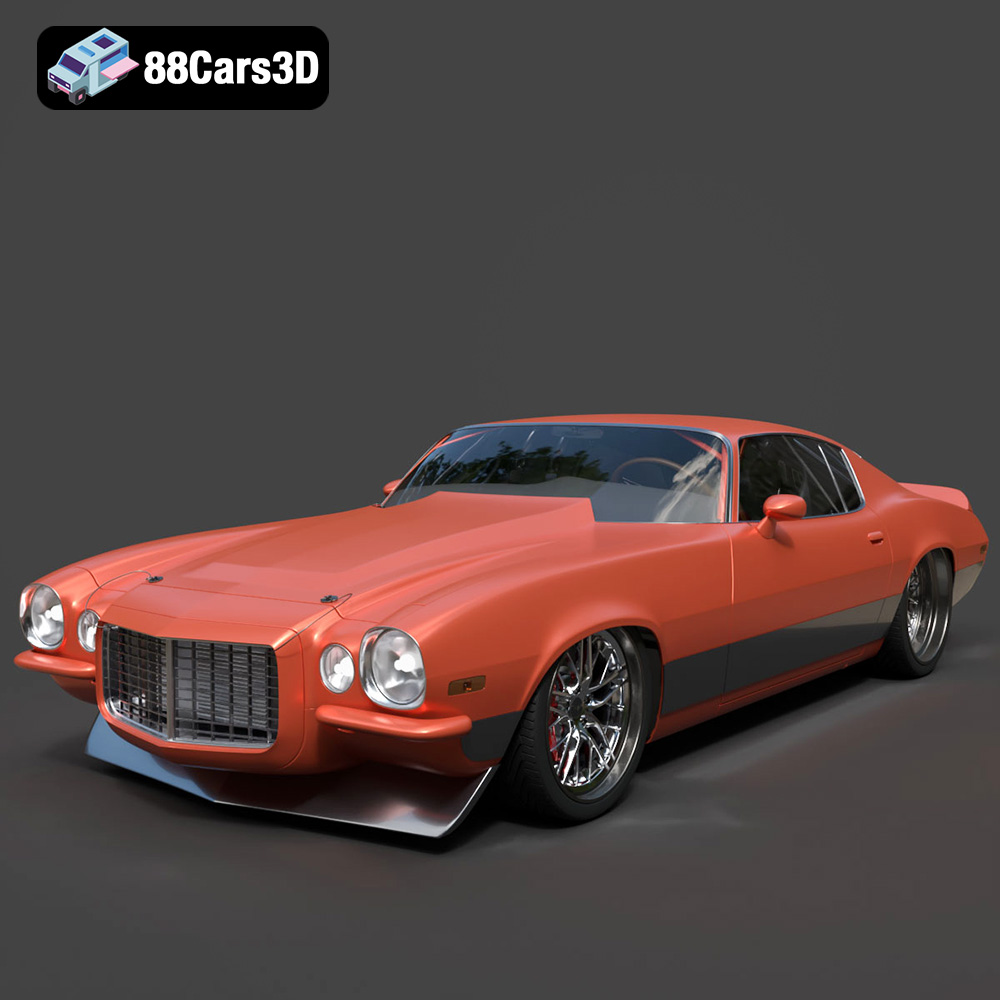
Texture: Yes
Material: Yes
Download the Chevrolet Camaro 1970 3D Model featuring clean geometry, realistic detailing, and a fully modeled interior. Includes .blend, .fbx, .obj, .glb, .stl, .ply, .unreal, and .max formats for rendering, simulation, and game development.
Price: $10
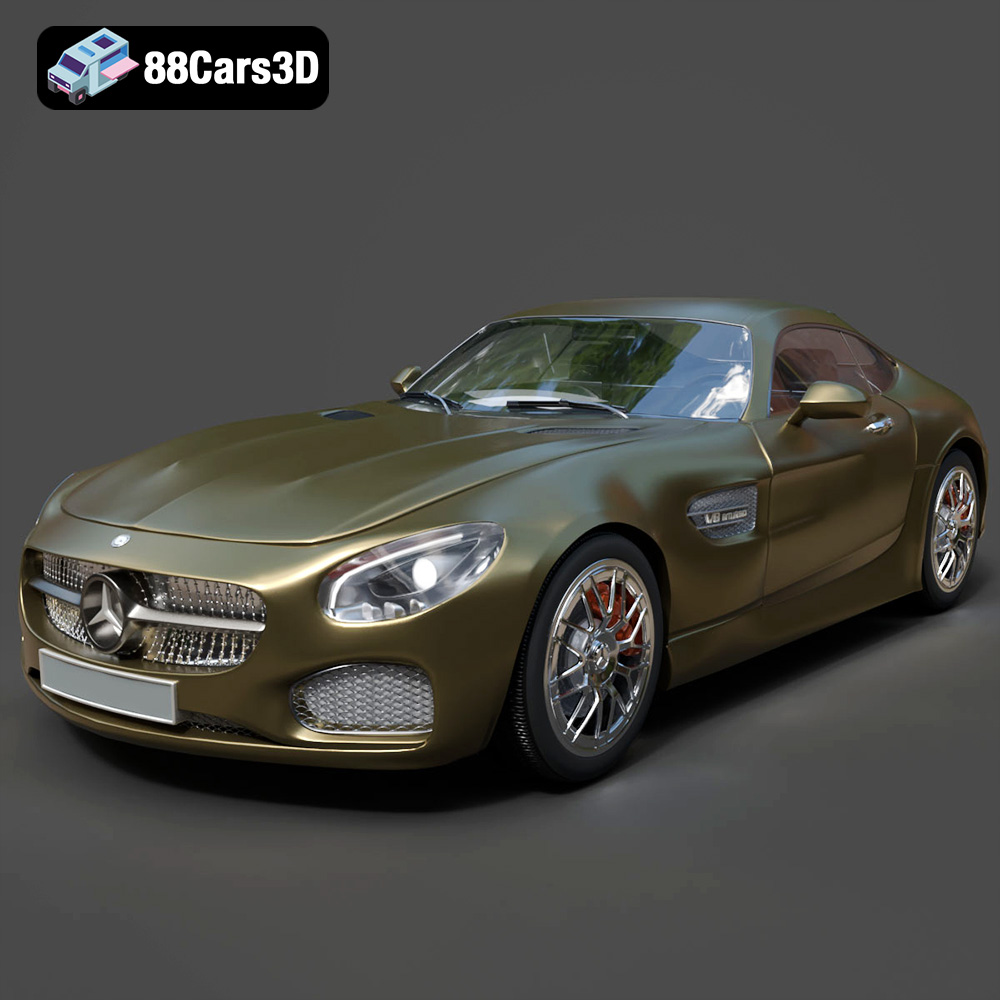
Texture: Yes
Material: Yes
Download the Mercedes-AMG GT 2015 3D Model featuring clean geometry, realistic detailing, and a fully modeled interior. Includes .blend, .fbx, .obj, .glb, .stl, .ply, .unreal, and .max formats for rendering, simulation, and game development.
Price: $88.99
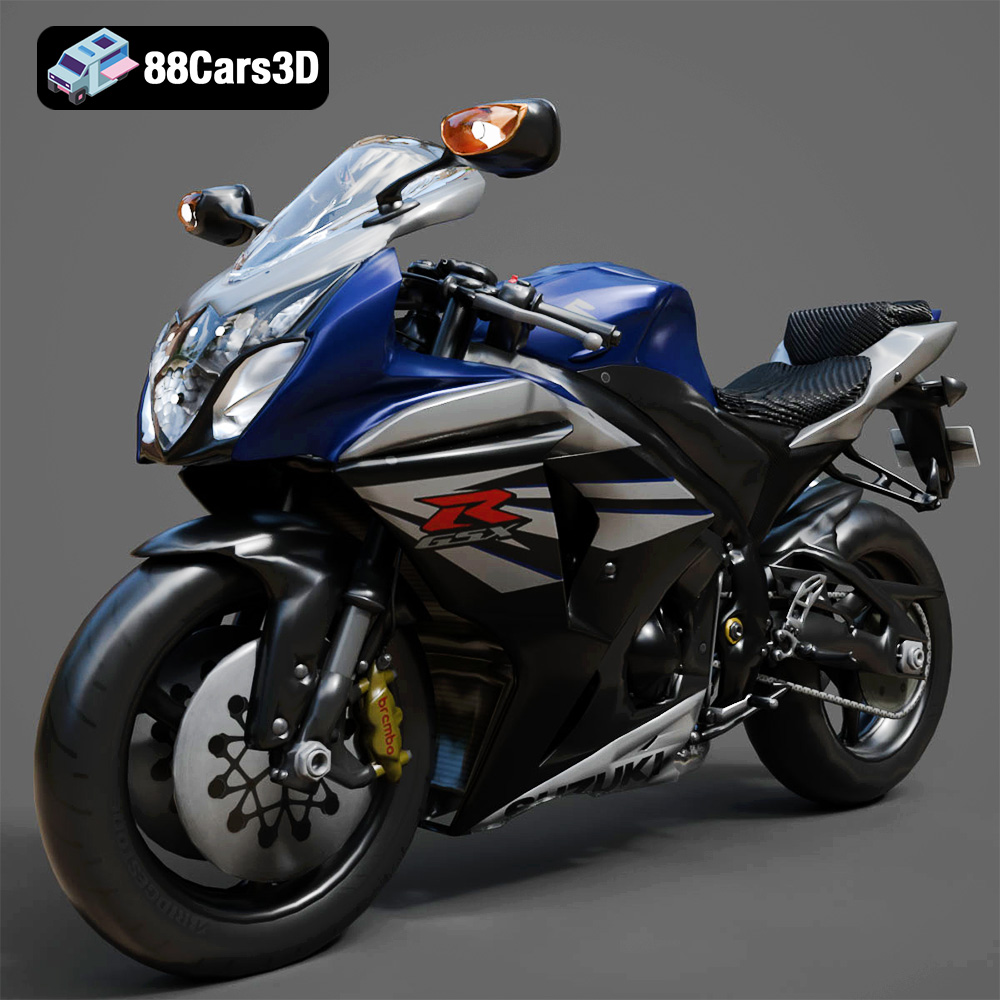
Texture: Yes
Material: Yes
Download the Suzuki GSX-R 1000 3D Model featuring clean geometry, realistic detailing, and a fully modeled interior. Includes .blend, .fbx, .obj, .glb, .stl, .ply, .unreal, and .max formats for rendering, simulation, and game development.
Price: $10
Texture: Yes
Material: Yes
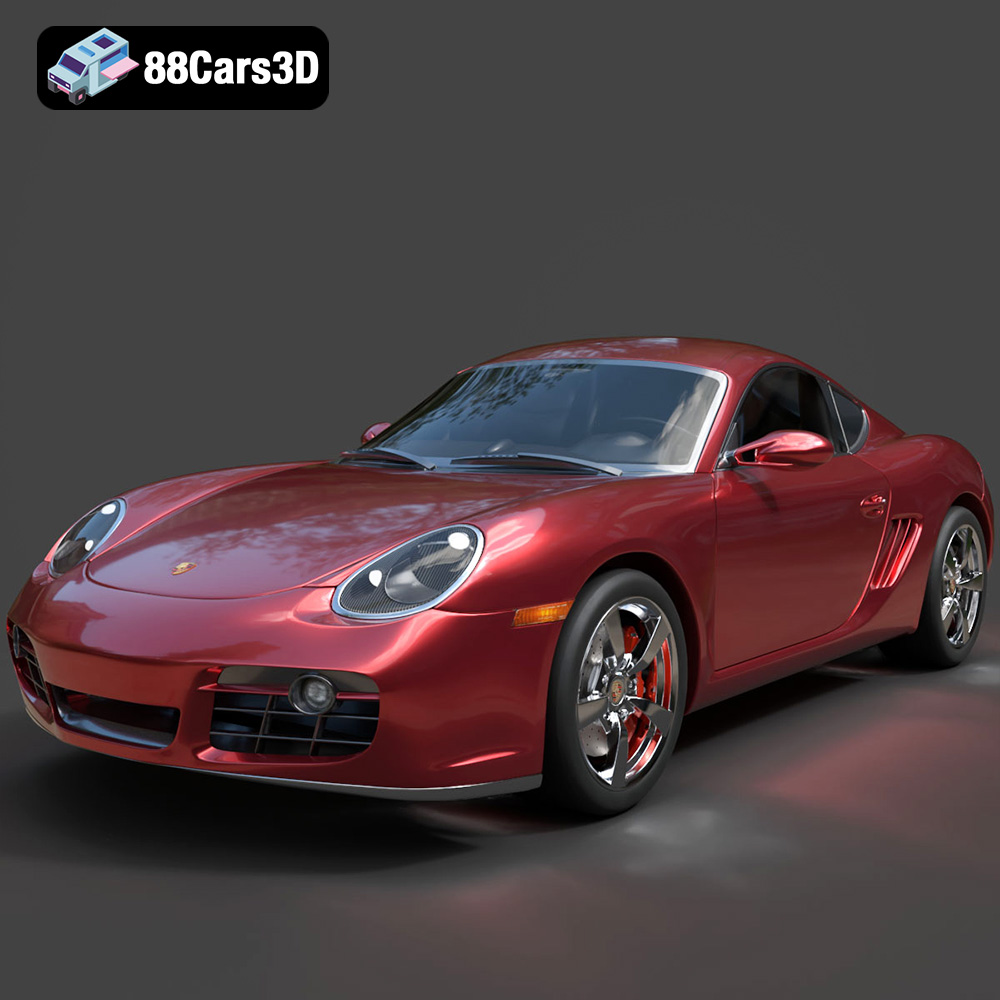
Download the Porsche Cayman S 2024 3D Model featuring clean geometry, realistic detailing, and a fully modeled interior. Includes .blend, .fbx, .obj, .glb, .stl, .ply, .unreal, and .max formats for rendering, simulation, and game development.
Price: $10
Texture: Yes
Material: Yes
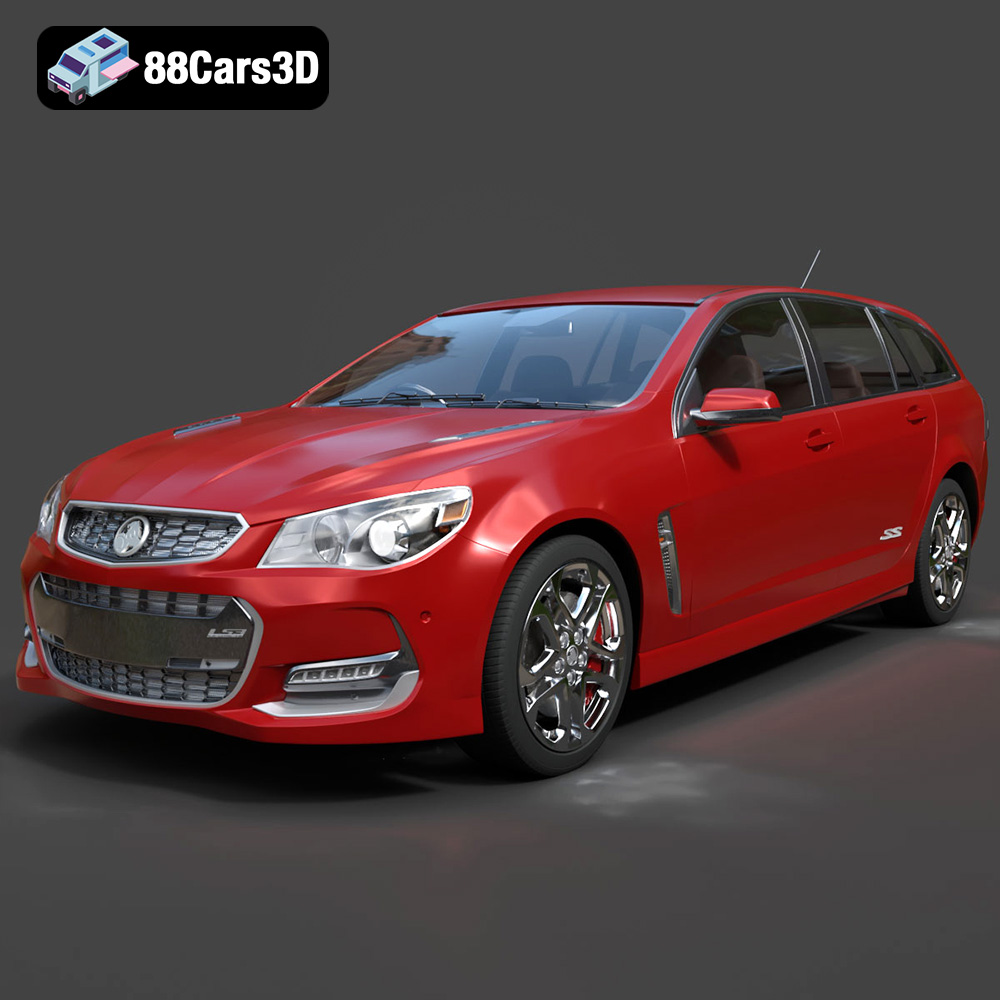
Download the Holden Commodore Sportwagon 2017 3D Model featuring clean geometry, realistic detailing, and a fully modeled interior. Includes .blend, .fbx, .obj, .glb, .stl, .ply, .unreal, and .max formats for rendering, simulation, and game development.
Price: $10
Texture: Yes
Material: Yes
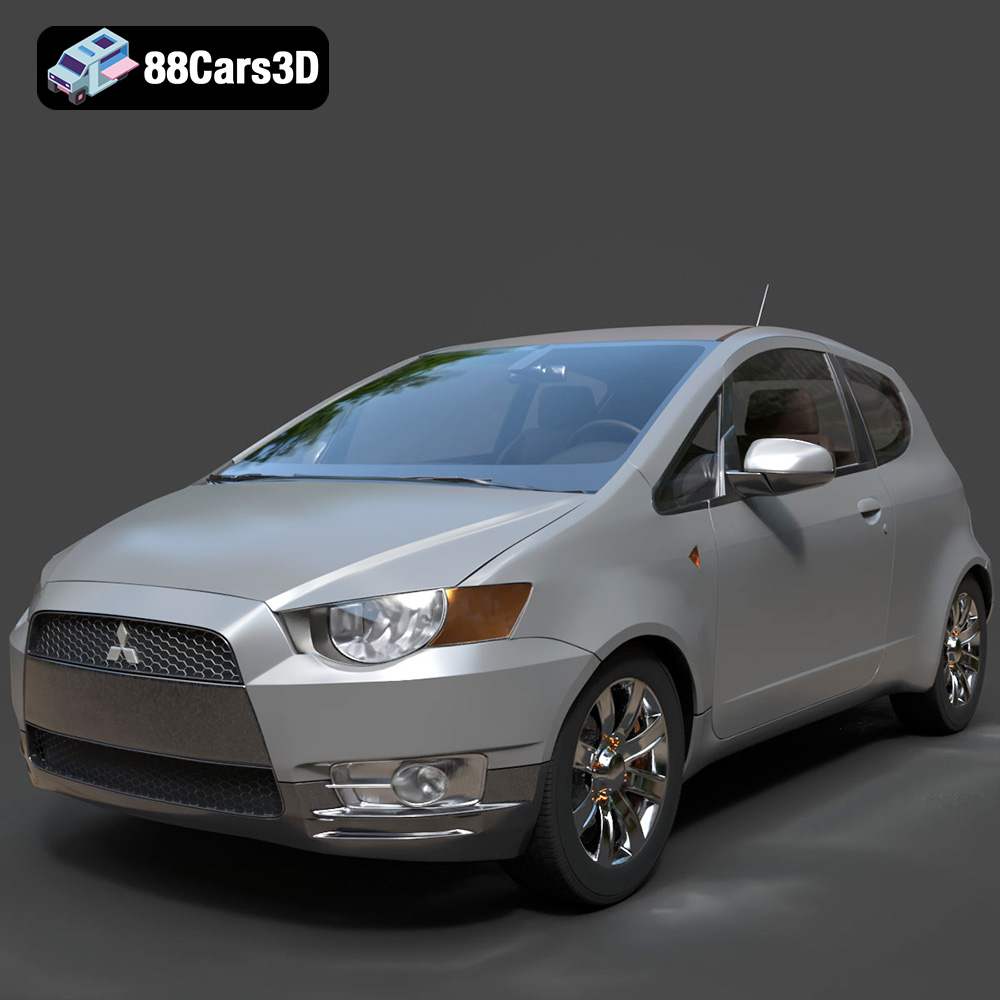
Download the Mitsubishi Colt 3 Door 2008 3D Model featuring clean geometry, realistic detailing, and a fully modeled interior. Includes .blend, .fbx, .obj, .glb, .stl, .ply, .unreal, and .max formats for rendering, simulation, and game development.
Price: $10
Texture: Yes
Material: Yes
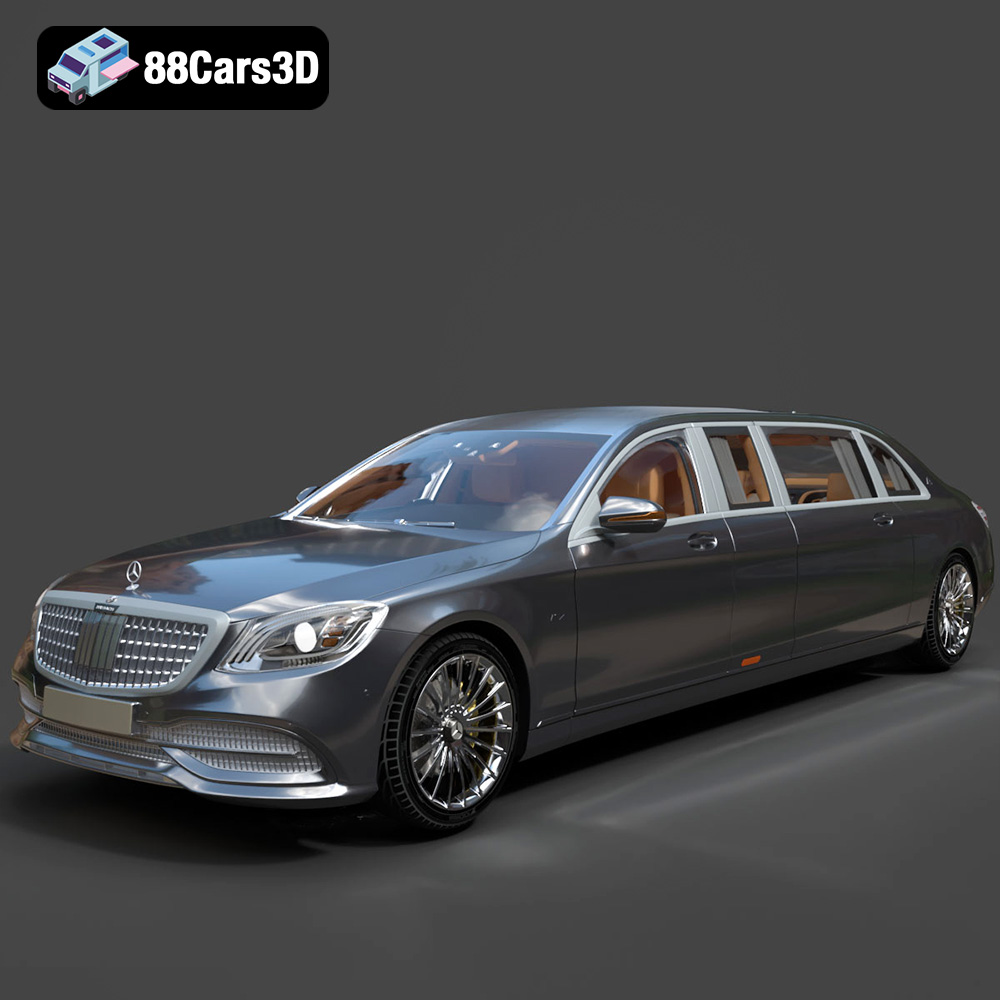
Download the Mercedes-Benz S650 Pullman 3D Model featuring clean geometry, realistic detailing, and a fully modeled interior. Includes .blend, .fbx, .obj, .glb, .stl, .ply, .unreal, and .max formats for rendering, simulation, and game development.
Price: $95.99
Texture: Yes
Material: Yes
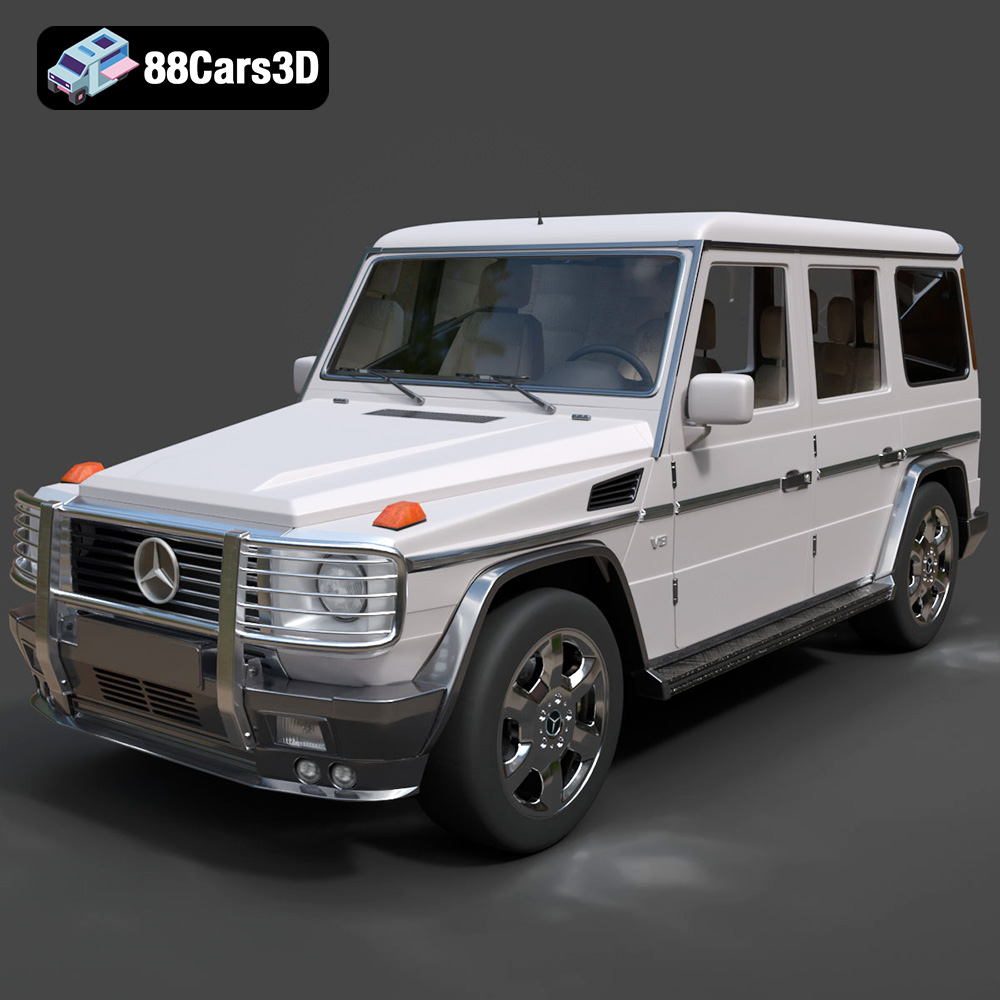
Download the Mercedes G-Class SUV 2024 3D Model featuring clean geometry, realistic detailing, and a fully modeled interior. Includes .blend, .fbx, .obj, .glb, .stl, .ply, .unreal, and .max formats for rendering, simulation, and game development.
Price: $10

