⚡ FLASH SALE: Get 60% OFF All Premium 3D & STL Models! ⚡

There’s an undeniable thrill in witnessing realistic, physics-based destruction in digital media. Whether it’s a building crumbling under immense force in a blockbuster film or a vehicle realistically deforming upon impact in a high-fidelity video game, dynamic simulation adds a layer of immersion and believability that static animations simply cannot match. In the world of real-time rendering, Unreal Engine stands at the forefront of this technology with its native, high-performance physics and destruction system: Chaos. This powerful, in-house toolset has replaced the long-standing PhysX system, offering developers unprecedented control over everything from large-scale environmental destruction to nuanced vehicle dynamics. For professionals in automotive visualization, game development, and virtual production, mastering Chaos is no longer optional—it’s essential for creating next-generation interactive experiences. In this deep dive, we will explore the core concepts of the Chaos Physics system, walking you through project setup, creating compelling destruction with Geometry Collections, building and tuning advanced vehicle simulations, and finally, optimizing it all for flawless real-time performance.
The transition from NVIDIA’s PhysX to Epic Games’ in-house Chaos system marks a significant evolution for Unreal Engine. The primary motivation was to create a physics engine built from the ground up for the demands of modern real-time applications. Chaos is designed to be highly scalable, performant, and deeply integrated with other engine systems like Niagara VFX and Sequencer. This gives creators more direct control and extensibility, allowing for more complex and deterministic simulations. Before you can start smashing things, however, a proper project setup is required to unlock the full potential of the Chaos toolset.
By default, a new Unreal Engine project might not have all the necessary Chaos modules activated. Enabling them is a straightforward process within the editor. You’ll need to enable the specific plugins that correspond to the features you intend to use.
With the plugins active, you now have access to all the necessary asset types and editor modes to begin working with Chaos Physics.
At its heart, any physics simulation is about how objects—or rigid bodies—interact. In Chaos, a rigid body is the fundamental unit of simulation. It’s an object with physical properties like mass, inertia, and collision geometry that will not deform. When you fracture a mesh in Chaos, each individual broken piece becomes its own rigid body. However, you don’t want your object to fall apart immediately. This is where constraints come in. Constraints are the invisible “glue” that holds the fractured pieces of a Geometry Collection together. They define the connections between adjacent rigid bodies and have a strength threshold. Only when an external force (like an impact or an explosion) exceeds this threshold will the constraint break, allowing the pieces to separate and simulate independently. This system of rigid bodies and breakable constraints is the foundation of all destruction in Chaos.
The Chaos Solver Actor is the brain of the physics simulation within a specific level. While the engine has a default world solver, placing a Chaos Solver Actor in your scene gives you granular, localized control over how simulations are processed. You can have multiple solvers in a level, allowing different physics systems to operate with different settings or at different times. Key properties to be aware of in the Chaos Solver Actor’s Details panel include Solver Iterations, which control the accuracy of the simulation (higher values are more accurate but more computationally expensive), and collision settings, which dictate how precisely objects interact. For most scenarios, one Chaos Solver is sufficient, but understanding its role is crucial for debugging and advanced optimization.
To make an object destructible in Unreal Engine, you can’t simply apply physics to a standard Static Mesh. You must first convert it into a special asset type called a Geometry Collection. This asset contains the original mesh, but it has been pre-fractured into many smaller pieces (rigid bodies) that are held together by the constraints we discussed earlier. The process of creating and refining these collections is done within the powerful Fracture Editor, a dedicated mode within Unreal Engine that gives you precise artistic and technical control over how your objects will break apart.
Creating a base Geometry Collection is a simple process. Find a Static Mesh in your Content Browser that you wish to make destructible, right-click on it, and select Create Geometry Collection. This generates the new asset and automatically opens the Fracture Editor. Inside this editor, you have several methods for shattering your mesh:
For the most realistic results, it’s best to layer different fracture types. You might start with a low-count Voronoi fracture to create large initial chunks, and then select some of those chunks and apply a finer, secondary fracture to create smaller debris.
Simulating hundreds or thousands of individual pieces simultaneously is incredibly taxing on performance. To manage this, Chaos uses a hierarchical system called clustering. When you fracture a mesh, you can group the resulting pieces into “clusters.” These clusters act as a single rigid body until enough force is applied to break them apart into their smaller constituent pieces, or even into smaller sub-clusters. This is managed through Cluster Levels. Level 0 is the unfractured object. Level 1 might be the large initial chunks. Level 2 could be the smaller debris that makes up those chunks. This hierarchical approach is critical for performance, as it ensures that only the necessary parts of the object are being actively simulated at any given time.
To sell the illusion of destruction, what’s on the inside of an object matters just as much as the outside. The Fracture Editor allows you to assign a different Material to the newly created internal faces of a fracture. This is how you can create the look of exposed concrete with rebar, splintered wood, or twisted metal inside a car panel. Furthermore, you can set Damage Thresholds on the constraints. This value determines how much strain a connection can take before it breaks. By varying these thresholds across a Geometry Collection, you can create “weak points” that break first, guiding the destruction in a more art-directed and believable way. For more advanced topics and workflows, the official Unreal Engine documentation at https://dev.epicgames.com/community/unreal-engine/learning is an invaluable resource.
For anyone working in automotive visualization or creating games with vehicles, the Chaos Vehicles system is a game-changer. It offers a much more realistic and modular simulation model than the previous PhysX-based system. The entire framework is built around a component-based architecture in Blueprint, making it highly customizable. It simulates everything from engine torque and gear shifts to individual wheel friction and suspension compression. This level of detail is perfect for bringing high-fidelity **3D car models** to life, allowing for the creation of everything from realistic driving simulators to action-packed racing games.
The setup for a Chaos Vehicle is more involved than the old system but offers far more control. It starts with a properly rigged skeletal mesh for the car, where bones are correctly named and oriented for the chassis and each wheel. Assets sourced from professional marketplaces like **88cars3d.com** often come pre-rigged and optimized for exactly this purpose. The core of the vehicle is a Blueprint Actor containing:
Within the Vehicle Movement Component, you must define the setup. This involves creating separate “Wheel” Blueprint classes for your front and rear wheels and specifying their properties. You then assign these wheel classes to the corresponding bones on the skeletal mesh within the main vehicle Blueprint. This modular approach means you can easily swap out different wheel types or create complex setups like 6-wheeled trucks.
The true power of Chaos Vehicles lies in its detailed tuning parameters, which are exposed directly in the Vehicle Movement Component. This is where you dial in the specific “feel” of your vehicle. Key areas for tuning include:
This is where Chaos Destruction and Chaos Vehicles intersect to create truly spectacular results. You can take the body of a **3D car model**, convert it into a Geometry Collection with appropriate fractures for bumpers, doors, and fenders, and then attach it to the main vehicle Blueprint. By using Blueprint scripting, you can detect collision events from the vehicle’s physics body and apply radial damage to the attached Geometry Collection at the point of impact. This causes the car to realistically dent, crumple, and have parts break off dynamically based on the speed and angle of the collision. This technique is incredibly powerful for creating realistic crash simulations, interactive car configurators that showcase safety features, or damage models in racing games.
While Chaos Physics is capable of producing stunningly realistic results, complex simulations can be computationally expensive. A screen full of fracturing objects and dynamically interacting debris can quickly bring even high-end hardware to its knees if not managed carefully. For any real-time application, from a 60 FPS game to a smooth VR experience, performance optimization is not just important—it is mandatory. Fortunately, Unreal Engine provides a suite of tools and best practices specifically for diagnosing and optimizing Chaos simulations to ensure they run efficiently without sacrificing visual quality.
The first step in optimization is identifying what’s causing the performance bottleneck. Unreal Engine’s built-in Chaos Debugger is an invaluable tool for this. By using console commands in the editor, you can overlay real-time debugging information directly in the viewport. The command `p.Chaos.DebugDraw.Enabled 1` activates the basic visualization, which will draw the collision shapes of all active rigid bodies. This can immediately show you if your simulation has an excessive number of active objects. More advanced commands can display constraint graphs, performance metrics, and solver statistics, helping you pinpoint exactly which part of your simulation is the most demanding. Analyzing this data is the key to making informed optimization decisions.
For non-interactive scenarios like cinematics, architectural visualizations, or virtual production shots, there is no need to calculate the complex physics simulation in real-time every single time it’s viewed. Instead, you can “bake” the simulation. This process is handled elegantly through Unreal Engine’s Sequencer and the Take Recorder tool. You can set up your physics scene, and then use the Take Recorder to record the entire simulation—every moving piece, every fracture, every bounce—into a cache file. This cache is then played back as a simple animation track in Sequencer. The result is a perfectly repeatable, identical simulation every time, with virtually zero runtime performance cost, as the engine is just playing back pre-calculated data. This workflow is absolutely essential for creating complex destruction sequences in linear content.
When caching isn’t an option, such as in interactive games, you must rely on smart setup and best practices to keep performance high.
The Unreal Engine Chaos Physics system is a deep and incredibly powerful toolset that fundamentally changes what’s possible in **real-time rendering**. From the granular control of the Fracture Editor to the sophisticated dynamics of the Chaos Vehicles system, developers now have the tools to create a level of physical realism and interactivity that was previously reserved for offline rendering. We’ve journeyed through the entire pipeline: setting up a project, fracturing meshes into Geometry Collections, triggering epic destruction, building and tuning a next-generation vehicle, and finally, ensuring the entire simulation runs smoothly through careful optimization. The key takeaway is that great physics simulation is a blend of both art and science—it requires an understanding of the technical settings combined with an artist’s eye for what looks and feels believable.
The best way to master Chaos is to start experimenting. Dive into the engine, enable the plugins, and begin breaking things. As you do, consider starting your projects with a solid foundation. Using professionally crafted, high-quality **game assets**, such as the detailed **3D car models** available on platforms like **88cars3d.com**, provides you with a perfectly optimized and cleanly constructed asset, allowing you to focus your efforts on the simulation itself rather than on model preparation. Whether you are building an automotive configurator, a blockbuster game, or a cinematic masterpiece, the Chaos Physics system gives you the power to bring your dynamic vision to life.
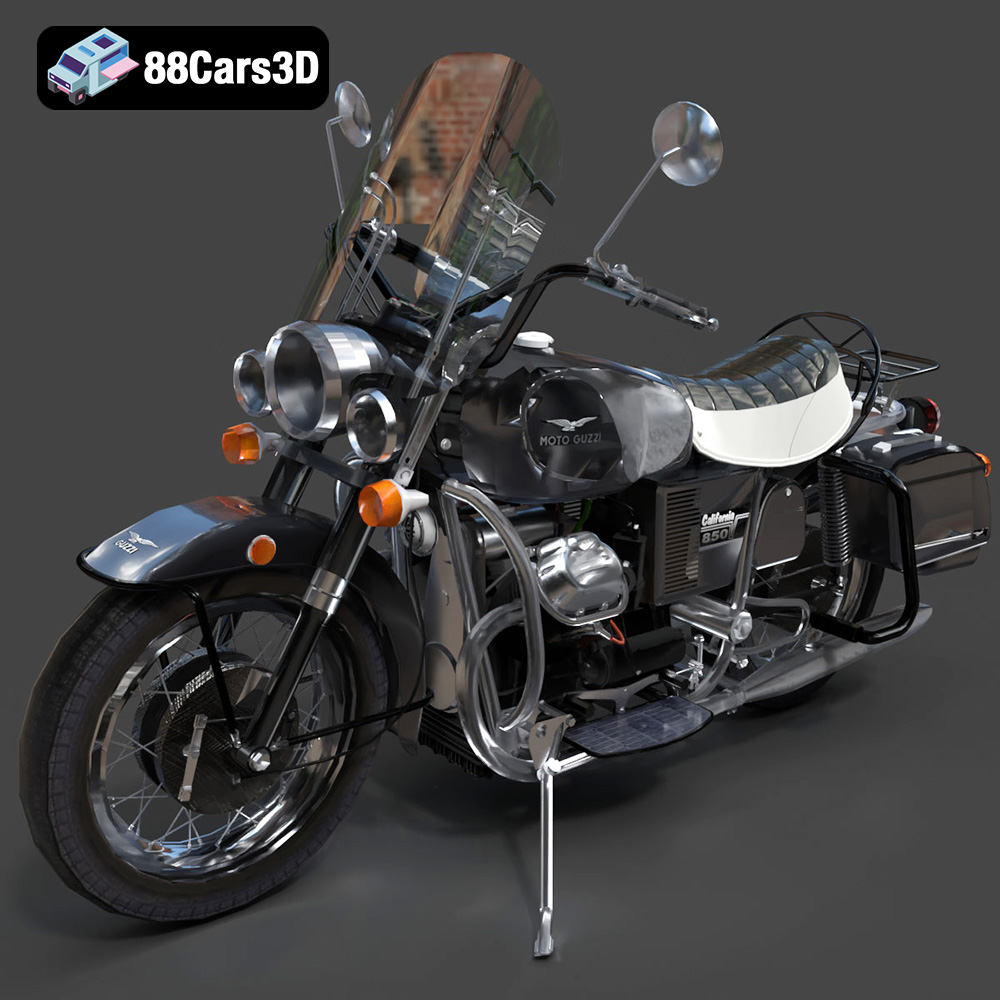
Texture: Yes
Material: Yes
Download the Moto Guzzi Classic Motorcycle 2024 3D Model featuring clean geometry, realistic detailing, and a fully modeled interior. Includes .blend, .fbx, .obj, .glb, .stl, .ply, .unreal, and .max formats for rendering, simulation, and game development.
Price: $10

Texture: Yes
Material: Yes
Download the Mercedes S-Class 2024 3D Model featuring clean geometry, realistic detailing, and a fully modeled interior. Includes .blend, .fbx, .obj, .glb, .stl, .ply, .unreal, and .max formats for rendering, simulation, and game development.
Price: $10
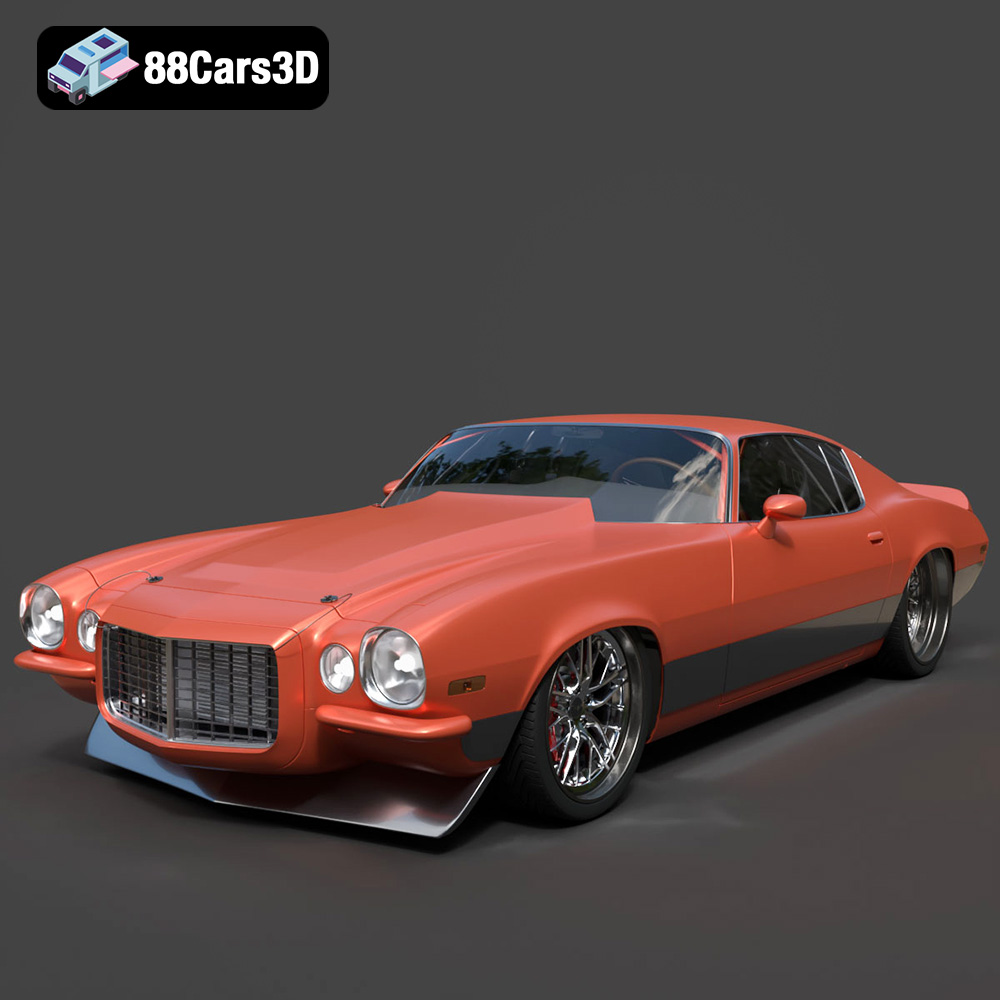
Texture: Yes
Material: Yes
Download the Chevrolet Camaro 1970 3D Model featuring clean geometry, realistic detailing, and a fully modeled interior. Includes .blend, .fbx, .obj, .glb, .stl, .ply, .unreal, and .max formats for rendering, simulation, and game development.
Price: $10
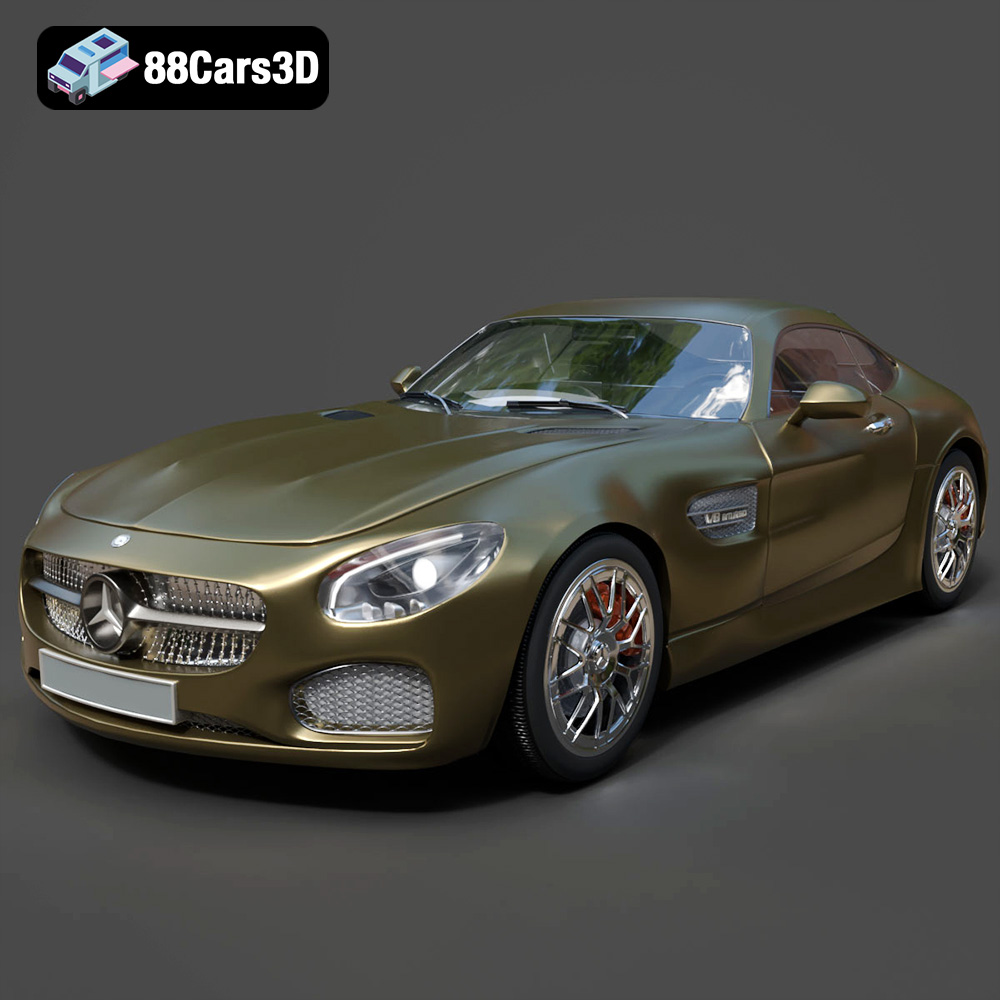
Texture: Yes
Material: Yes
Download the Mercedes-AMG GT 2015 3D Model featuring clean geometry, realistic detailing, and a fully modeled interior. Includes .blend, .fbx, .obj, .glb, .stl, .ply, .unreal, and .max formats for rendering, simulation, and game development.
Price: $88.99
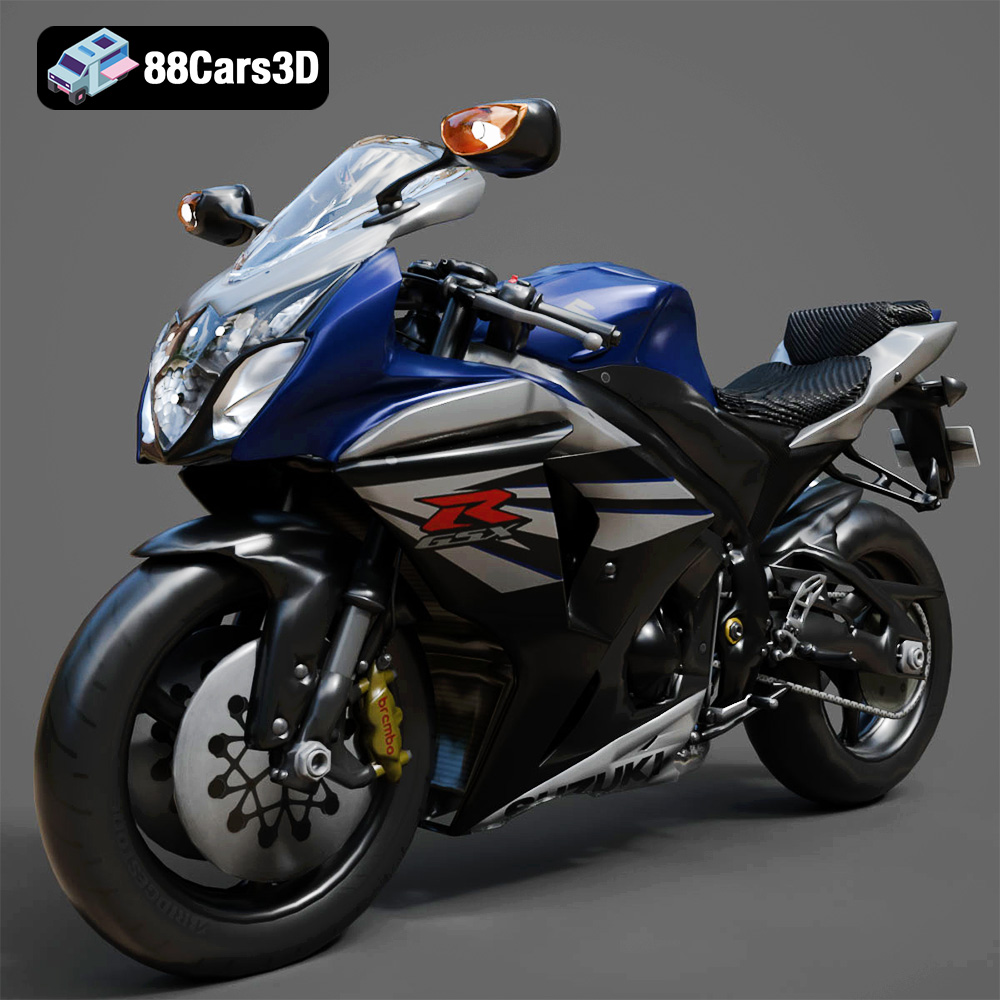
Texture: Yes
Material: Yes
Download the Suzuki GSX-R 1000 3D Model featuring clean geometry, realistic detailing, and a fully modeled interior. Includes .blend, .fbx, .obj, .glb, .stl, .ply, .unreal, and .max formats for rendering, simulation, and game development.
Price: $10

Texture: Yes
Material: Yes
Download the Porsche Cayman S 2024 3D Model featuring clean geometry, realistic detailing, and a fully modeled interior. Includes .blend, .fbx, .obj, .glb, .stl, .ply, .unreal, and .max formats for rendering, simulation, and game development.
Price: $10

Texture: Yes
Material: Yes
Download the Holden Commodore Sportwagon 2017 3D Model featuring clean geometry, realistic detailing, and a fully modeled interior. Includes .blend, .fbx, .obj, .glb, .stl, .ply, .unreal, and .max formats for rendering, simulation, and game development.
Price: $10
Texture: Yes
Material: Yes
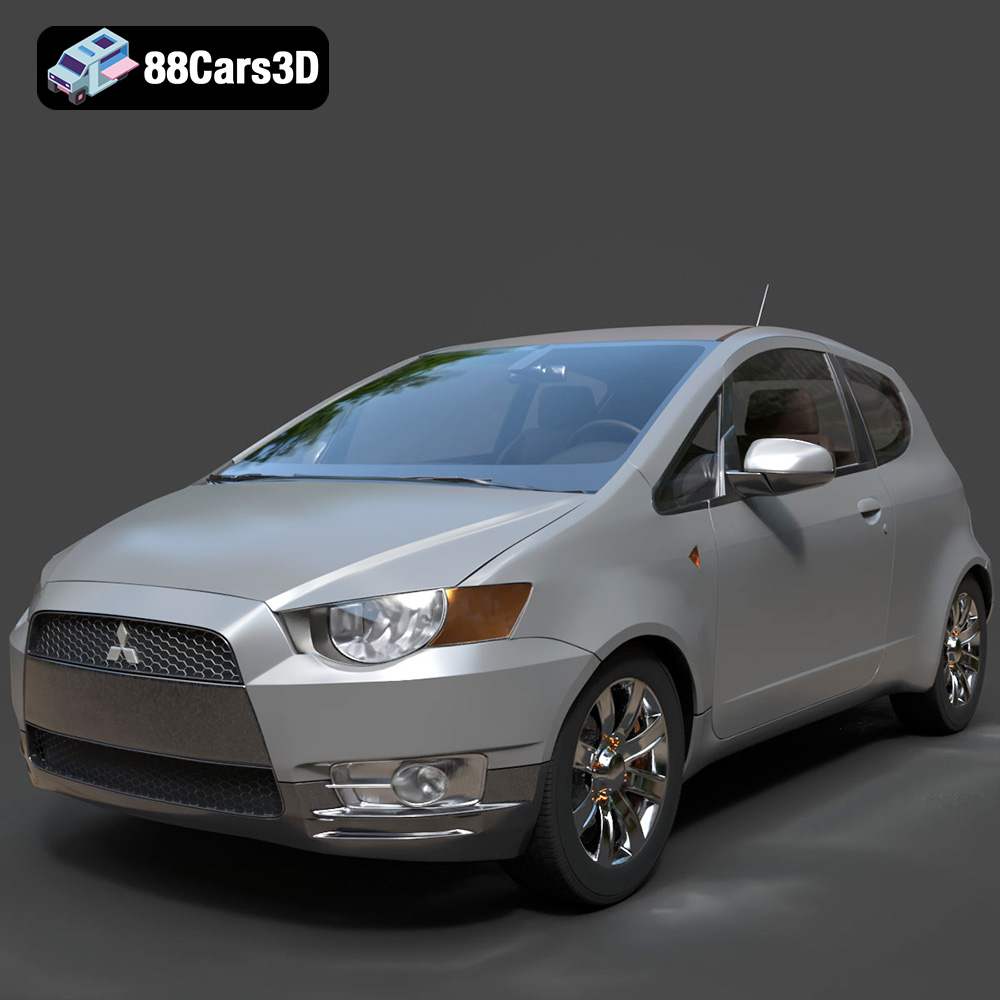
Download the Mitsubishi Colt 3 Door 2008 3D Model featuring clean geometry, realistic detailing, and a fully modeled interior. Includes .blend, .fbx, .obj, .glb, .stl, .ply, .unreal, and .max formats for rendering, simulation, and game development.
Price: $10

Texture: Yes
Material: Yes
Download the Mercedes-Benz S650 Pullman 3D Model featuring clean geometry, realistic detailing, and a fully modeled interior. Includes .blend, .fbx, .obj, .glb, .stl, .ply, .unreal, and .max formats for rendering, simulation, and game development.
Price: $95.99
Texture: Yes
Material: Yes
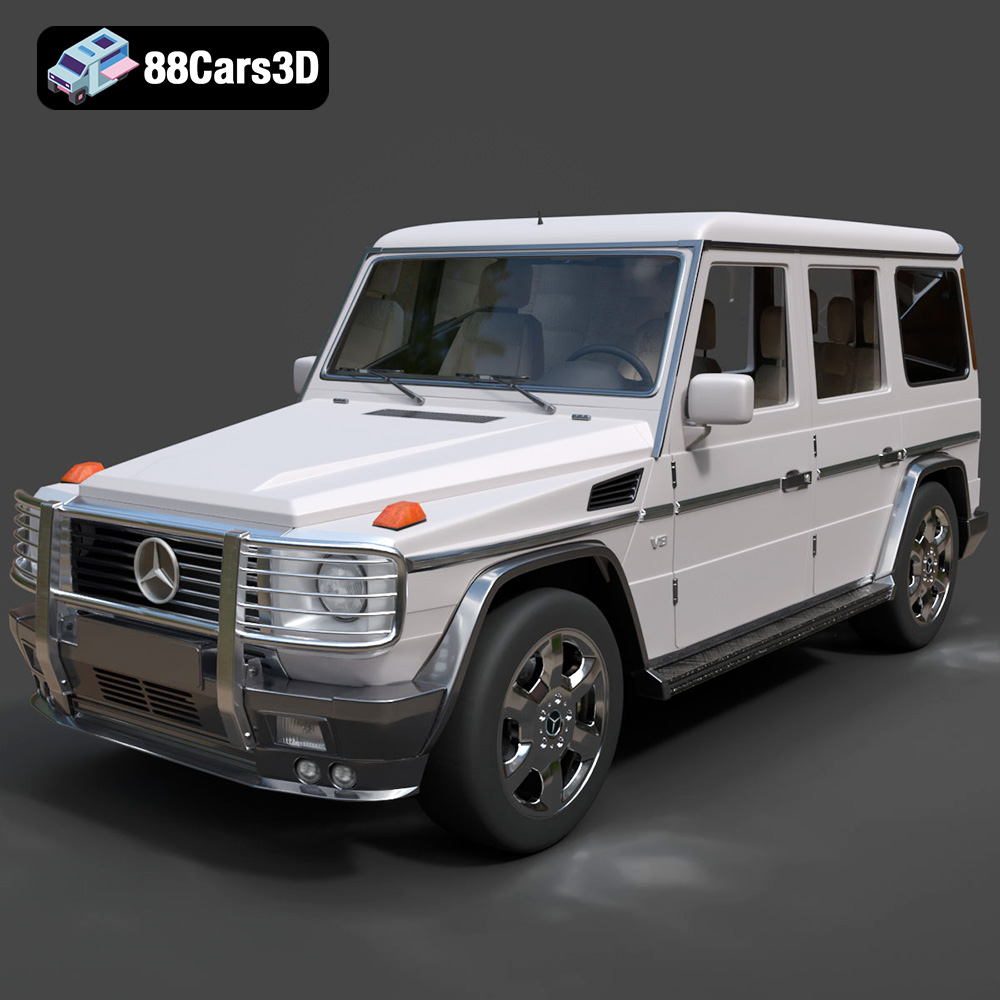
Download the Mercedes G-Class SUV 2024 3D Model featuring clean geometry, realistic detailing, and a fully modeled interior. Includes .blend, .fbx, .obj, .glb, .stl, .ply, .unreal, and .max formats for rendering, simulation, and game development.
Price: $10

