⚡ FLASH SALE: Get 60% OFF All Premium 3D & STL Models! ⚡

“`html
3D printing vehicle models presents a unique set of challenges. Unlike purely aesthetic prints, scale models often require structural integrity and functional elements. This means nailing down the right wall thickness and support settings is crucial for success. Whether you’re printing a vintage roadster or a futuristic concept car, understanding these parameters will dramatically improve your results. This guide provides a comprehensive look at optimizing these settings, ensuring your 3D printed vehicle models are both visually stunning and structurally sound. We’ll cover everything from STL file considerations to specific software settings, empowering you to bring your automotive dreams to life. Platforms like 88cars3d.com offer print-ready STL files, but even with the best models, proper settings are essential for a successful print.
In this guide, you will learn:
Wall thickness is one of the most critical parameters affecting the strength, weight, and print time of your 3D printed vehicle model. It refers to the thickness of the outer shell of your print. Insufficient wall thickness can lead to weak, fragile models, while excessive thickness increases material usage and print time unnecessarily. Finding the optimal balance is key.
The minimum recommended wall thickness depends on the material and the scale of your model. For FDM printing with PLA or PETG, a minimum of 1.2mm is generally recommended for small-scale models (1:64 or smaller). For larger models (1:24 or larger), consider increasing this to 1.6mm or even 2.0mm for enhanced strength. For resin printing, the requirements are different. With resin, you can generally get away with thinner walls. 0.8mm – 1.0mm is often sufficient for smaller models and up to 1.2mm for larger. However, brittleness should always be considered. The exact values depend on your resin and the size of the vehicle.
To accurately calculate the necessary wall thickness, consider the intended use of the model. Is it primarily for display, or will it be subjected to handling and potential stress? For purely aesthetic models, the minimum recommendations may suffice. However, if the model will be handled frequently or is intended for RC car conversions, increasing the wall thickness is crucial. Consider the stress points and thicken the walls around areas like axles, suspension mounting points, and the chassis. Additionally, consider the infill density – higher infill can compensate for slightly thinner walls.
Support structures are temporary scaffolding used to support overhanging features during the 3D printing process. They are essential for printing complex geometries, especially on vehicle models with curved surfaces, intricate details, and unsupported sections like spoilers or side mirrors. Proper support generation and removal are crucial for achieving a clean, accurate final print.
Most slicing software (Cura, PrusaSlicer, Simplify3D) offers automatic support generation. While convenient, automatically generated supports may not always be optimal. They can sometimes place supports in hard-to-reach areas or generate excessive support material, leading to a messy finish and increased material waste. Manual support placement allows you to strategically position supports where they are needed most, minimizing their impact on the visible surfaces of the model. For example, manually placed supports can be smaller and less dense in areas that will be hidden after assembly.
Support density and interface layers play a significant role in the ease of support removal and the surface quality of the supported areas. Higher support density provides more stability but can make supports harder to remove. Lower density makes them easier to remove but may compromise the quality of the supported surface. Experiment with different densities to find the sweet spot for your specific printer and material. Interface layers are thin layers printed between the support structure and the model. Increasing the number of interface layers or reducing the interface layer density can make support removal easier and improve surface finish. Try a support density of 15-25% and 1-2 interface layers to begin with and adjust as necessary.
Fused Deposition Modeling (FDM) is a popular and cost-effective 3D printing method. When printing vehicle models with FDM, consider factors such as layer height, print speed, and nozzle temperature for the best results. Balancing these settings is crucial for achieving detailed prints with minimal imperfections.
Layer height significantly affects print resolution and print time. Lower layer heights (e.g., 0.1mm or 0.15mm) produce smoother surfaces and finer details but increase print time. Higher layer heights (e.g., 0.2mm or 0.3mm) reduce print time but may result in a more stepped appearance. For detailed vehicle models, a layer height between 0.1mm and 0.2mm is generally recommended. Print speed also affects print quality. Slower print speeds (e.g., 40-50mm/s) allow the plastic to cool and solidify properly, reducing warping and improving adhesion. Faster print speeds (e.g., 60-80mm/s) can save time but may compromise print quality.
PLA (Polylactic Acid) is a popular choice for FDM printing due to its ease of use and biodegradability. However, it can be brittle and susceptible to heat. PETG (Polyethylene Terephthalate Glycol) offers greater strength and temperature resistance, making it a good alternative for functional parts. ABS (Acrylonitrile Butadiene Styrene) is another option, known for its durability and heat resistance, but it requires a heated bed and proper ventilation to avoid warping and fumes. The optimal nozzle temperature depends on the material used. PLA typically prints between 190°C and 220°C, PETG between 220°C and 250°C, and ABS between 230°C and 260°C. Adjust the bed temperature accordingly to ensure proper adhesion.
Resin printing, specifically stereolithography (SLA) and Digital Light Processing (DLP), excels at producing highly detailed and smooth vehicle models. However, it requires different considerations compared to FDM printing, particularly regarding support structures, exposure settings, and post-processing.
Exposure time is the duration each layer is exposed to UV light. Correct exposure is vital for layer adhesion and feature accuracy. Insufficient exposure results in weak, under-cured prints, while excessive exposure can cause over-curing and loss of detail. Layer thickness directly impacts resolution and print time, similar to FDM. Lower layer thicknesses (e.g., 0.025mm or 0.05mm) yield finer details but increase print time significantly. Higher layer thicknesses (e.g., 0.1mm) are faster but may compromise surface quality. For car models with very fine details, start with a layer thickness of 0.05mm and adjust the exposure time based on your resin and printer.
Support structures in resin printing are crucial due to the nature of the process. Unlike FDM, where layers are built on top of each other, resin printing involves curing layers in suspension. Support placement is critical to prevent warping and ensure the model adheres to the build plate. Use a combination of light, medium, and heavy supports based on the size and complexity of the overhangs. Light supports are suitable for small, less critical areas, while heavy supports are necessary for large, unsupported sections. Angling the model during slicing can minimize the need for supports and improve surface quality. When downloading models from marketplaces such as 88cars3d.com, consider pre-supported versions if available, but always inspect and customize them to suit your specific printer and resin.
Even with optimized settings, 3D printing can present challenges. Understanding common printing issues and how to troubleshoot them is essential for achieving successful prints. Here are some common problems encountered when printing vehicle models and their solutions:
Warping occurs when the corners of the print lift off the build plate due to uneven cooling and shrinkage. This is more common with materials like ABS. To prevent warping, ensure the build plate is properly leveled and heated. Use a bed adhesive, such as hairspray or glue stick, to improve adhesion. Enclosing the printer can also help maintain a consistent temperature and reduce warping. For resin prints, ensure the build plate is clean and scuffed to provide a better surface for adhesion. Increasing the initial layer exposure time can also improve adhesion. When dealing with small models, consider raft settings in your slicing software.
Support structure failures can result in print failures and poor surface quality. This can be caused by insufficient support density, weak support connections, or improper support placement. Increase the support density or use thicker support structures to provide more stability. Ensure the support structures are securely attached to the model and the build plate. Manually add supports to reinforce weak areas. Check the slicing software for options to strengthen support connections. For resin prints, ensure the exposure time is sufficient to properly cure the support structures.
Surface imperfections, such as bumps, gaps, or rough spots, can occur due to various factors. Layer adhesion issues can result in weak prints that easily break apart. Ensure the nozzle temperature and print speed are properly calibrated for the material being used. Check for any obstructions in the nozzle or extruder. Increase the flow rate slightly to ensure sufficient material is being extruded. For resin prints, ensure the exposure time is sufficient to properly cure each layer.
Post-processing is an essential step in transforming a raw 3D print into a finished product. It involves removing support structures, sanding surfaces, painting details, and assembling multiple parts. These techniques can significantly enhance the appearance and quality of your 3D printed vehicle models.
Carefully remove support structures using pliers, cutters, or a specialized support removal tool. Take care not to damage the model during removal. Sand the surfaces of the model to smooth out any imperfections or support marks. Start with coarse sandpaper (e.g., 220 grit) to remove larger imperfections and gradually move to finer grits (e.g., 400, 600, 800 grit) to achieve a smooth finish. Wet sanding can help reduce dust and improve surface quality. For resin prints, soaking the model in warm water can soften the support structures, making them easier to remove.
Apply a primer to the model to create a smooth, uniform surface for painting. Use acrylic paints or model paints for detailing. Apply multiple thin coats of paint to avoid drips and runs. Use masking tape to create clean lines and sharp edges. Consider using an airbrush for a more professional finish. Add details such as decals, stickers, or panel lines to enhance the realism of the model. Finally, apply a clear coat to protect the paint and add a glossy or matte finish.
Mastering wall thickness and support settings is paramount for achieving high-quality 3D printed vehicle models. By understanding the principles of STL file preparation, slicing parameters, and post-processing techniques, you can unlock the full potential of your 3D printer and create stunning, detailed replicas. Remember to experiment with different settings and materials to find what works best for your specific printer and design. Whether you’re a hobbyist, a model maker, or an automotive enthusiast, the ability to produce accurate and durable 3D printed car models is a valuable skill. Take advantage of resources like 88cars3d.com to access a wide range of high-quality STL files and continue refining your techniques to bring your automotive visions to life. Now, go forth and print your dream machine!
Next Steps:
“`
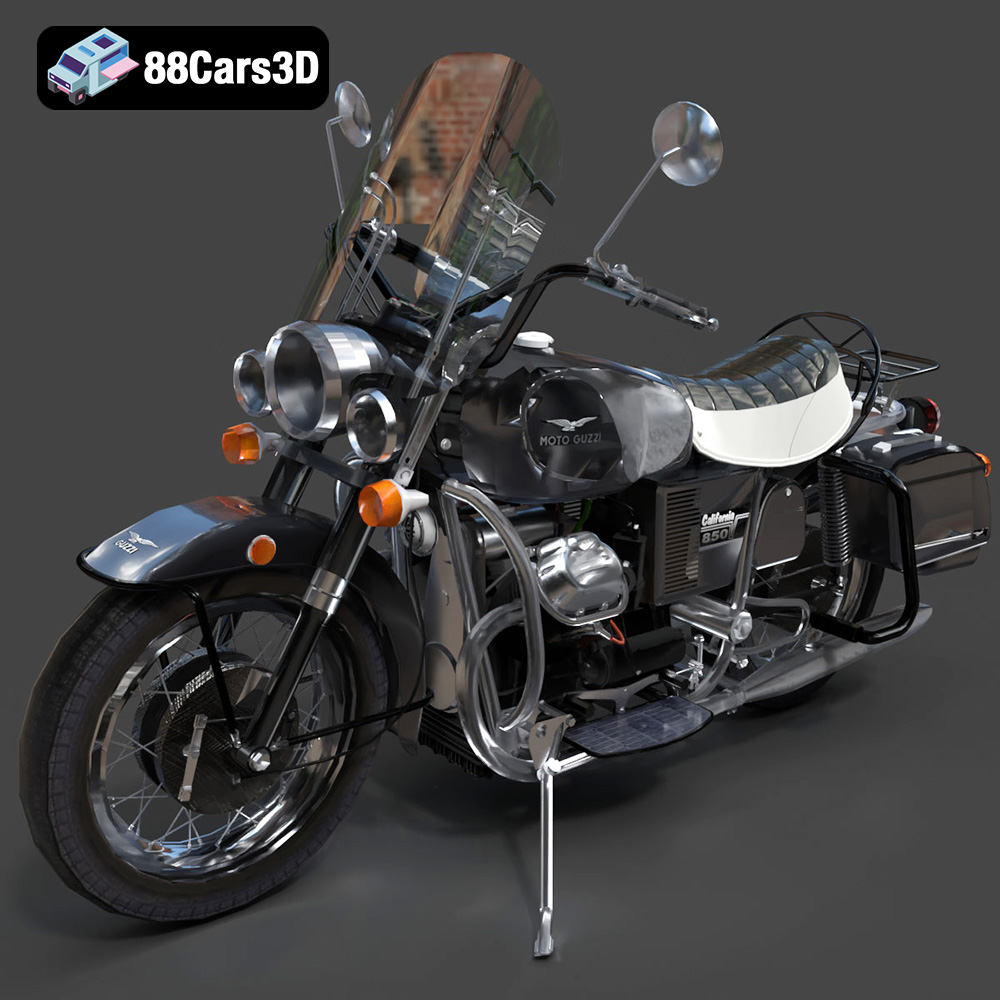
Texture: Yes
Material: Yes
Download the Moto Guzzi Classic Motorcycle 2024 3D Model featuring clean geometry, realistic detailing, and a fully modeled interior. Includes .blend, .fbx, .obj, .glb, .stl, .ply, .unreal, and .max formats for rendering, simulation, and game development.
Price: $10

Texture: Yes
Material: Yes
Download the Horch 853 Sport Cabriolet 1937 3D Model featuring clean geometry, realistic detailing, and a fully modeled interior. Includes .blend, .fbx, .obj, .glb, .stl, .ply, .unreal, and .max formats for rendering, simulation, and game development.
Price: $10
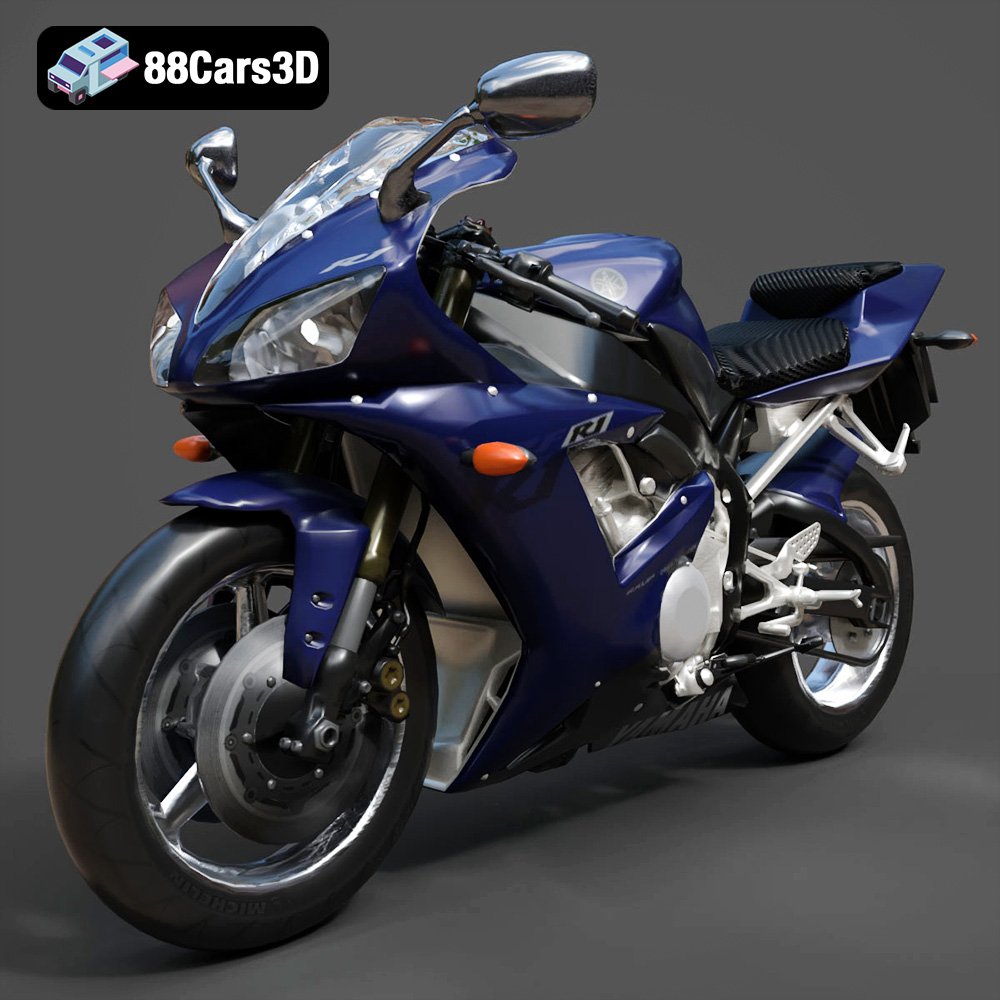
Texture: Yes
Material: Yes
Download the Yamaha YZF-R1 Motorcycle 3D Model featuring clean geometry, realistic detailing, and a fully modeled interior. Includes .blend, .fbx, .obj, .glb, .stl, .ply, .unreal, and .max formats for rendering, simulation, and game development.
Price: $10
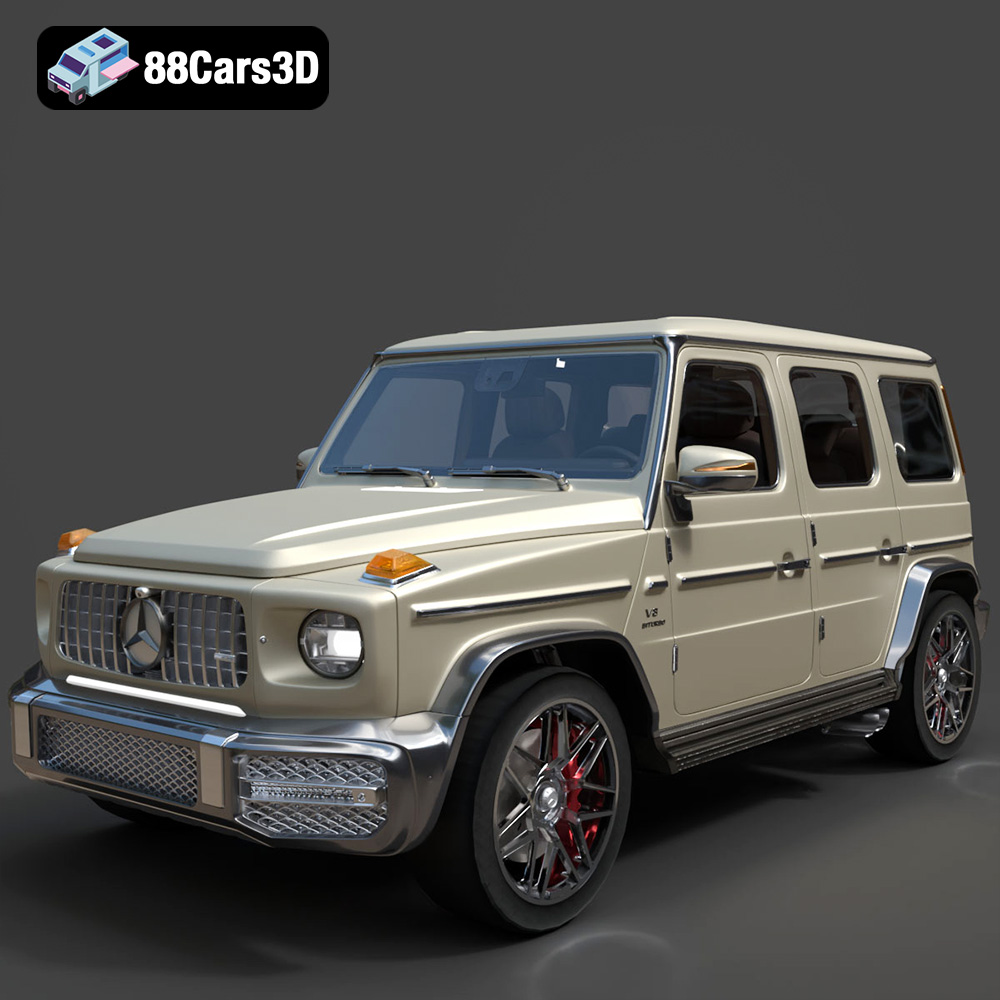
Texture: Yes
Material: Yes
Download the Mercedes Benz G63 AMG 2019 3D Model featuring clean geometry, realistic detailing, and a fully modeled interior. Includes .blend, .fbx, .obj, .glb, .stl, .ply, .unreal, and .max formats for rendering, simulation, and game development.
Price: $90
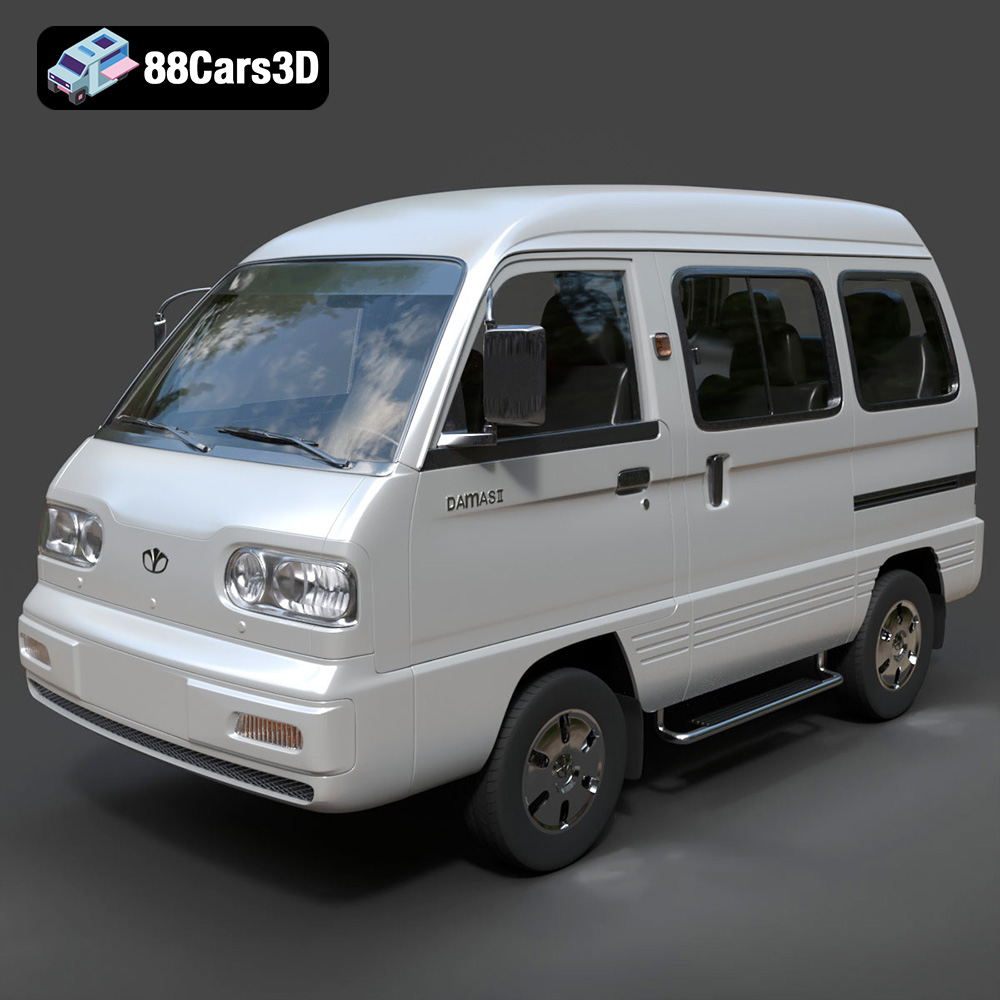
Texture: Yes
Material: Yes
Download the Daewoo Damas Mk2 2012 3D Model featuring clean geometry, realistic detailing, and a fully modeled interior. Includes .blend, .fbx, .obj, .glb, .stl, .ply, .unreal, and .max formats for rendering, simulation, and game development.
Price: $10
Texture: Yes
Material: Yes
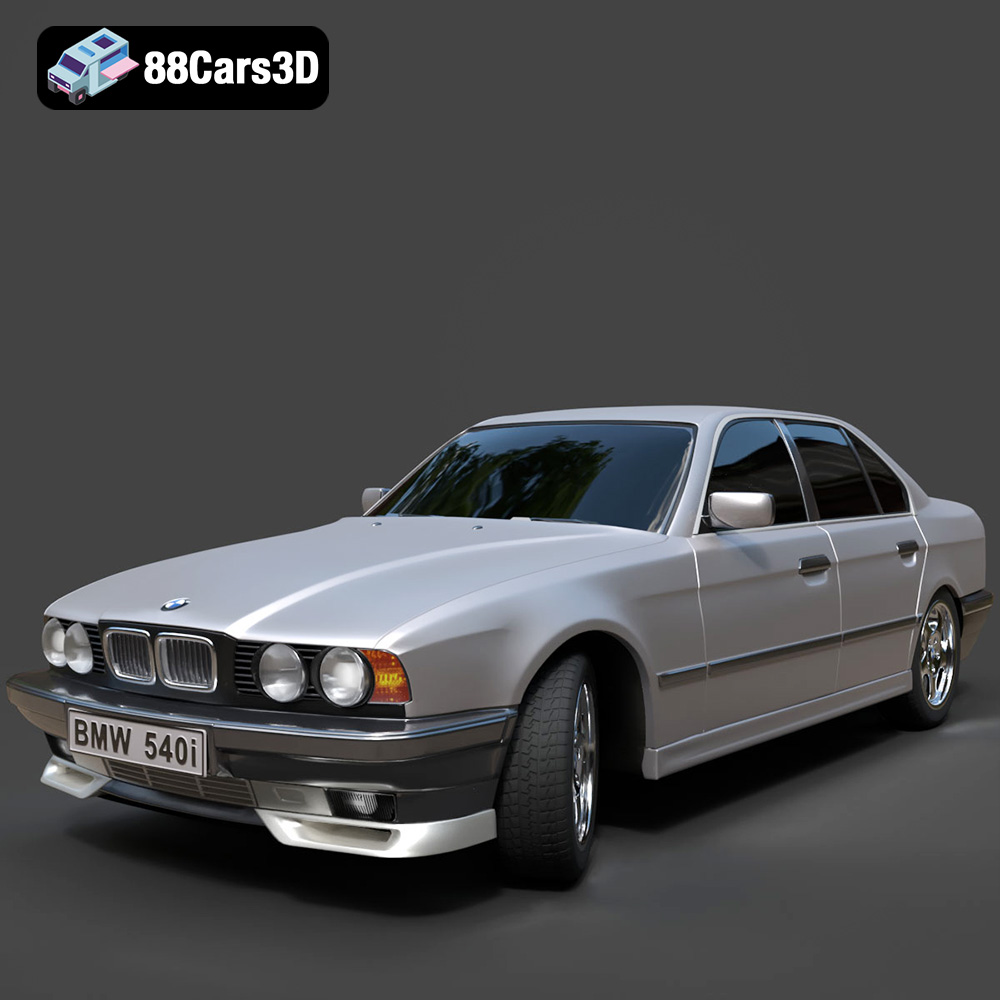
Download the BMW 540 E34 3D Model featuring clean geometry, realistic detailing, and a fully modeled interior. Includes .blend, .fbx, .obj, .glb, .stl, .ply, .unreal, and .max formats for rendering, simulation, and game development.
Price: $10
Texture: Yes
Material: Yes
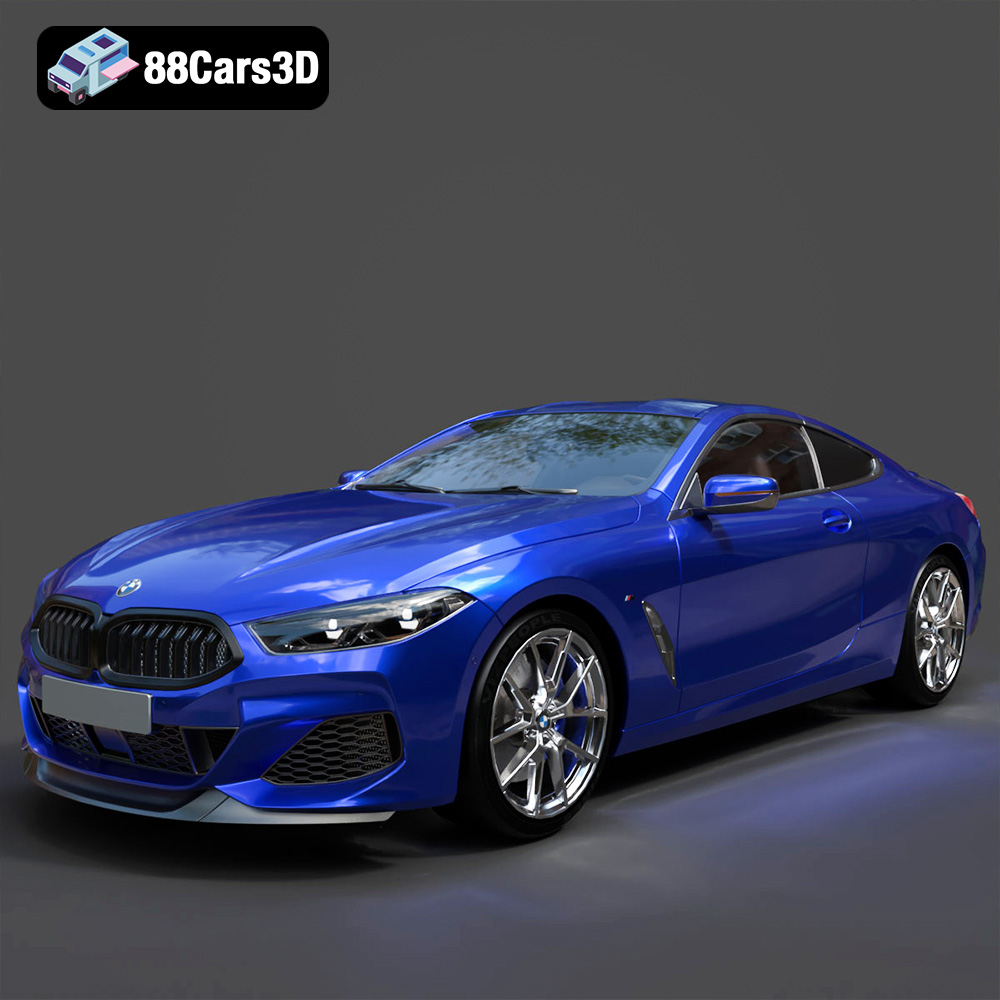
Download the BMW 8 Series Coupe 2020 3D Model featuring clean geometry, realistic detailing, and a fully modeled interior. Includes .blend, .fbx, .obj, .glb, .stl, .ply, .unreal, and .max formats for rendering, simulation, and game development.
Price: $10
Texture: Yes
Material: Yes
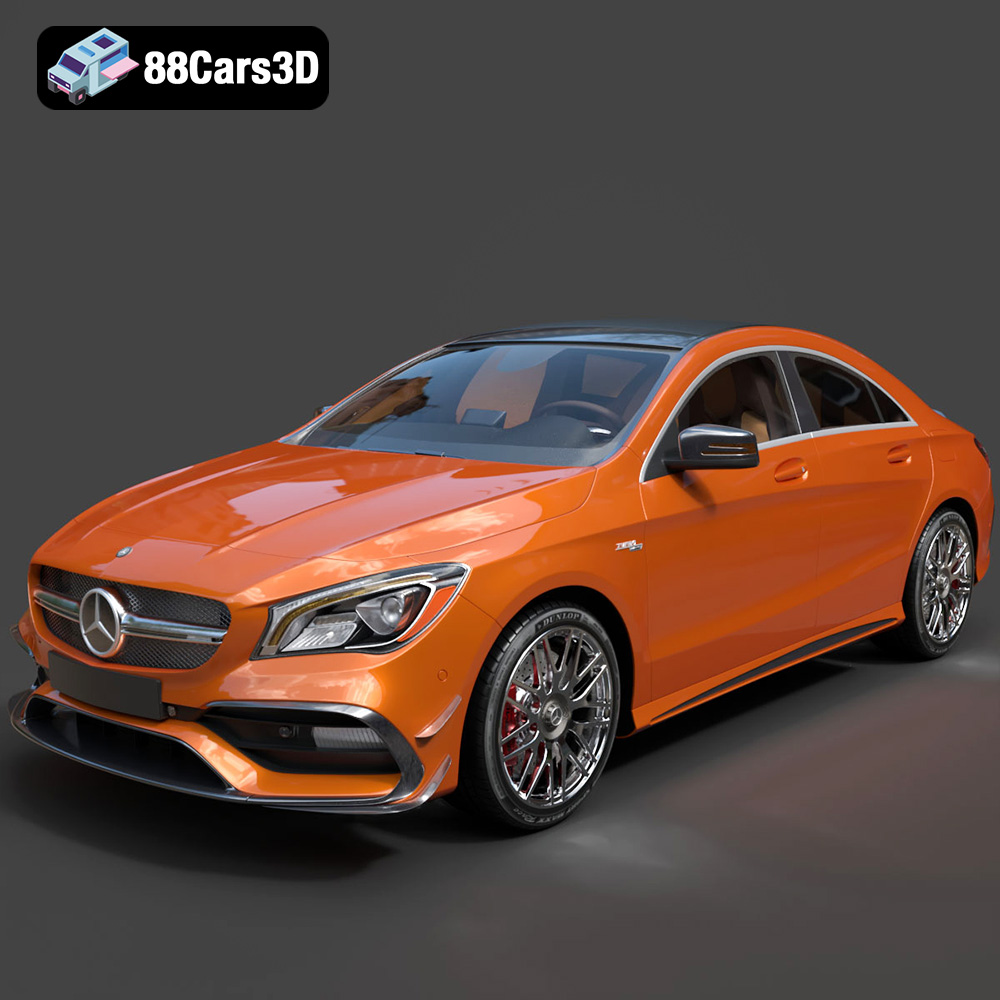
Download the Mercedes-Benz CLA45 AMG 2017 3D Model featuring clean geometry, realistic detailing, and a fully modeled interior. Includes .blend, .fbx, .obj, .glb, .stl, .ply, .unreal, and .max formats for rendering, simulation, and game development.
Price: $21.99
Texture: Yes
Material: Yes
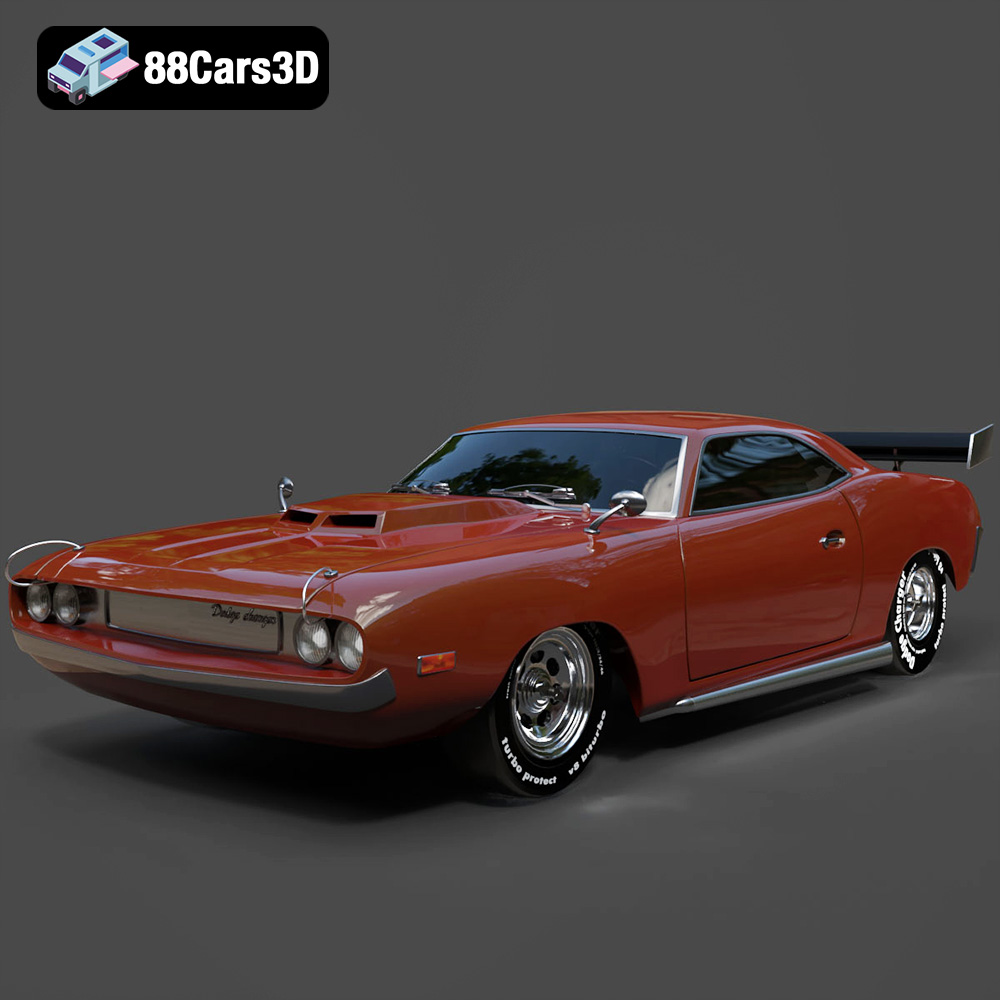
Download the Dodge Charger Car-004 3D Model featuring clean geometry, realistic detailing, and a fully modeled interior. Includes .blend, .fbx, .obj, .glb, .stl, .ply, .unreal, and .max formats for rendering, simulation, and game development.
Price: $10
Texture: Yes
Material: Yes
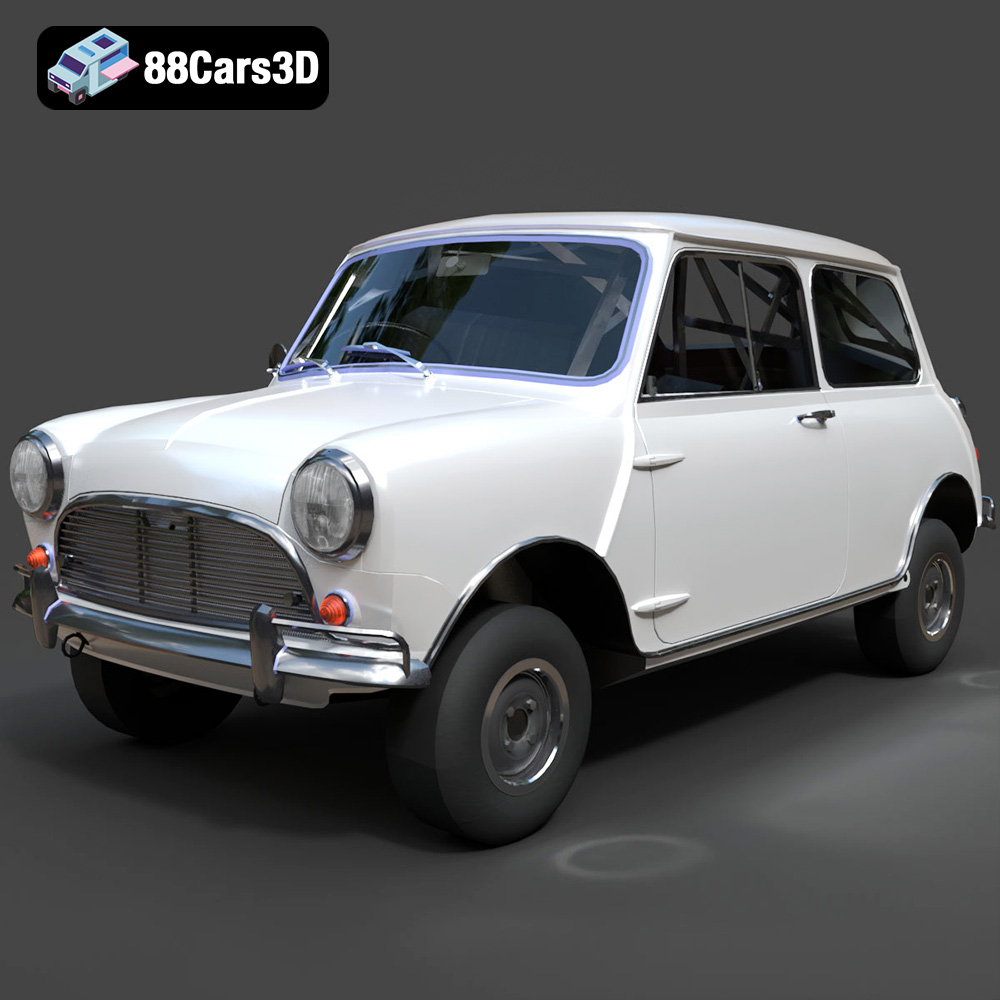
Download the Austin Mini Cooper S 1965 3D Model featuring clean geometry, realistic detailing, and a fully modeled interior. Includes .blend, .fbx, .obj, .glb, .stl, .ply, .unreal, and .max formats for rendering, simulation, and game development.
Price: $10

