⚡ FLASH SALE: Get 60% OFF All Premium 3D & STL Models! ⚡

“`html
3D printing car models is an incredibly rewarding hobby, blending precision engineering with artistic expression. Whether you’re a seasoned 3D printing enthusiast or just starting out, mastering the nuances of wall thickness and support structures is crucial for achieving high-quality, durable prints. These parameters directly impact the structural integrity, aesthetic appeal, and overall success of your builds. This comprehensive guide will delve into the intricacies of wall thickness optimization and support generation, providing practical tips and proven techniques to elevate your 3D printed vehicle models to the next level. Platforms like 88cars3d.com offer print-ready STL files, but understanding how to fine-tune these settings ensures optimal results regardless of the source.
In this article, we will explore the vital role of wall thickness in defining model strength and print time. We’ll cover the selection of appropriate wall thickness values, considering factors such as scale, material, and intended use. Furthermore, we’ll dissect the world of support structures, learning how to strategically place them to minimize material waste while maximizing model stability during printing. Get ready to unlock the secrets to crisp details, robust builds, and stunning 3D printed car models that will impress even the most discerning eye.
Wall thickness is a critical parameter in 3D printing, dictating the structural integrity and visual quality of your printed model. It refers to the width of the outer shell of your 3D print. Insufficient wall thickness can lead to fragile prints that are prone to breakage, especially in areas with fine details or overhangs. Conversely, excessively thick walls can increase print time, material consumption, and may even lead to warping or other printing defects. Finding the optimal balance is key to achieving strong, aesthetically pleasing, and efficient prints.
The thicker the walls, the stronger your model will generally be. This is particularly important for functional parts or models intended for display or handling. Consider the scale of your model when choosing a wall thickness. For smaller models, even a slight increase in wall thickness can significantly improve its robustness. For larger models, thicker walls may be necessary to prevent warping and ensure structural stability, particularly in areas that bear weight or are subjected to stress.
While thicker walls enhance strength, they also increase the amount of material used and the time it takes to complete the print. This is because the printer needs to extrude more material for each layer, and the more layers there are, the longer the overall print time. A good starting point is often 1.2mm (three times the nozzle diameter for a 0.4mm nozzle), but this will need to be adjusted based on the specific model and material. Experiment with different wall thicknesses to find the sweet spot between strength and efficiency. In your slicer settings, you can control the number of perimeters (the outline of each layer), which directly influences the wall thickness.
The ideal wall thickness for your 3D printed vehicle model depends on several factors, including the printing technology (FDM or resin), the material used, the scale of the model, and its intended use. A delicate display model will require different parameters than a functional prototype intended for stress testing.
For FDM (Fused Deposition Modeling) printing, a common starting point for wall thickness is 1.2mm. This usually translates to three perimeters with a standard 0.4mm nozzle. However, this can be adjusted based on the specific requirements of your model. For smaller, more delicate models, a wall thickness of 0.8mm (two perimeters) might suffice. For larger, more robust models, you might consider increasing it to 1.6mm (four perimeters) or even 2.0mm. Remember to align your wall thickness with multiples of your nozzle diameter for optimal results. Using a 0.6mm nozzle allows for thicker walls with fewer passes and potentially faster print times.
Resin printing allows for much finer details and thinner walls compared to FDM. A wall thickness of 0.8mm is generally sufficient for most resin-printed vehicle models, even at smaller scales. For highly detailed areas, you might even be able to reduce it to 0.6mm. However, it’s crucial to ensure adequate support structures to prevent warping or breakage during printing. Resin prints tend to be more brittle than FDM prints, so consider the intended use of the model when determining the wall thickness. For functional parts, a slightly thicker wall might be necessary to improve durability. When downloading models from marketplaces such as 88cars3d.com, make sure to check if they already have a recommended wall thickness for resin printing.
Support structures are essential for 3D printing models with overhangs or complex geometries. They provide a temporary foundation for unsupported areas, preventing them from collapsing during printing. Properly designed and placed support structures are crucial for achieving clean, accurate prints, but they can also add to print time and material consumption. The key is to find the right balance between providing adequate support and minimizing the impact on print efficiency and surface finish.
There are several types of support structures available in slicing software, each with its own strengths and weaknesses. Common options include:
The choice of support type depends on the specific geometry of your model and the desired level of support.
The placement of support structures is just as important as the type. Strategically placing supports in areas that are hidden or easily accessible for removal can minimize their impact on the final appearance of the model. Consider the orientation of your model to minimize the need for supports in the first place. For example, rotating a car model so that the roof is facing down can eliminate the need for supports on the roof surface. You can adjust the support density, angle, and distance from the model to fine-tune their effectiveness and ease of removal. Experiment with different support settings to find the optimal configuration for your specific model and printer.
Slicing software plays a crucial role in generating effective support structures. Programs like Cura, PrusaSlicer, and Simplify3D offer a wide range of settings that allow you to customize the support generation process to meet the specific needs of your model.
Key support settings include:
Experiment with these settings to find the optimal balance between support strength, ease of removal, and surface finish.
Both Cura and PrusaSlicer offer advanced features for customizing support structures. In Cura, you can use the “Support Blocker” tool to prevent supports from being generated in specific areas. In PrusaSlicer, you can use the “Paint-on Supports” feature to manually add or remove supports in specific areas. These tools allow you to fine-tune the support generation process and optimize it for the specific geometry of your model. You can also adjust the support Z distance (the gap between the support and the model) to make removal easier. A larger Z distance will make removal easier but may compromise support strength.
The choice of material and the calibration of your 3D printer are crucial for achieving optimal results with your vehicle models. Different materials have different properties, such as strength, flexibility, and temperature resistance. Choosing the right material for your specific needs is essential for ensuring the durability and functionality of your prints.
For FDM printing, common materials include:
Consider the specific requirements of your project when choosing a filament. For example, if you are printing a model car that will be displayed outdoors, PETG or ABS would be a better choice than PLA.
For resin printing, there are various types of resins available, each with its own properties. Standard resins are a good choice for general-purpose printing, while tough resins are more durable and impact-resistant. Flexible resins are ideal for parts that need to bend or flex, and castable resins are used for creating molds for metal casting. Choose a resin that is compatible with your printer and that meets the specific requirements of your project. Always follow the manufacturer’s instructions for handling and curing the resin.
Even with careful planning and precise settings, 3D printing can sometimes present challenges. Understanding common issues and knowing how to troubleshoot them is essential for achieving consistent, high-quality results.
Common printing issues include:
By understanding the causes of these issues and knowing how to address them, you can significantly improve the success rate of your 3D printing projects.
Before printing any STL file, it’s crucial to inspect it for errors and repair any issues that might compromise the print quality. Software like Meshmixer and Netfabb can be used to identify and fix common problems such as non-manifold edges, holes, and flipped normals. Non-manifold edges can cause slicing errors and lead to incomplete or incorrect prints. Holes in the mesh can create gaps in the printed model. Flipped normals can cause surfaces to be rendered incorrectly, leading to visual artifacts. Repairing these issues before printing ensures that your model is watertight and that the slicer can generate accurate toolpaths.
Mastering wall thickness and support structures is paramount for 3D printing high-quality vehicle models. By carefully considering factors like material, scale, and intended use, you can optimize these parameters to achieve strong, aesthetically pleasing, and efficient prints. Experiment with different settings, learn from your mistakes, and don’t be afraid to push the boundaries of what’s possible. Remember to regularly calibrate your printer, maintain your equipment, and always inspect your STL files for errors before printing. With dedication and practice, you’ll be able to create stunning 3D printed vehicle models that showcase your skill and passion for the hobby. The techniques discussed here are broadly applicable, not just to car models, but to any complex 3D printing project requiring fine detail and structural integrity. Explore the vast selection of printable car models available on platforms such as 88cars3d.com, apply these techniques, and bring your favorite vehicles to life in stunning 3D printed form!
“`
Texture: Yes
Material: Yes
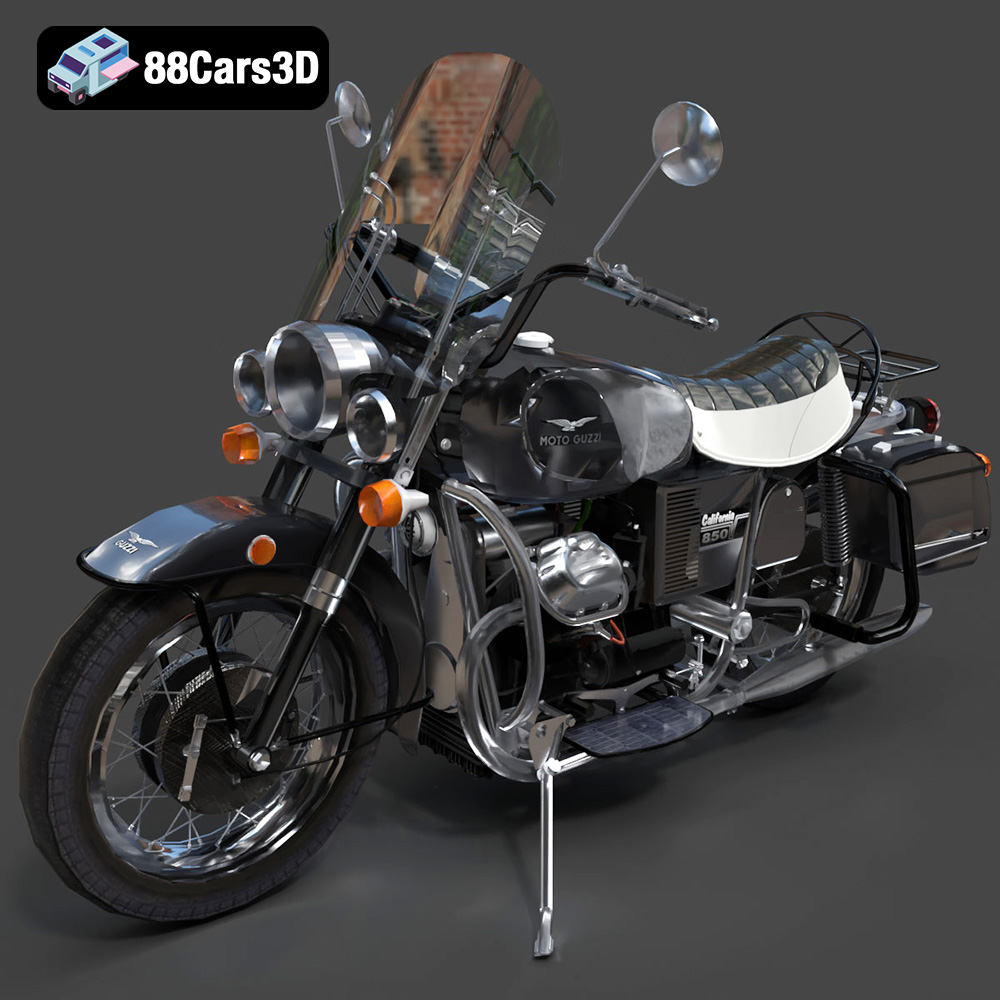
Download the Moto Guzzi Classic Motorcycle 2024 3D Model featuring clean geometry, realistic detailing, and a fully modeled interior. Includes .blend, .fbx, .obj, .glb, .stl, .ply, .unreal, and .max formats for rendering, simulation, and game development.
Price: $10

Texture: Yes
Material: Yes
Download the Mercedes S-Class 2024 3D Model featuring clean geometry, realistic detailing, and a fully modeled interior. Includes .blend, .fbx, .obj, .glb, .stl, .ply, .unreal, and .max formats for rendering, simulation, and game development.
Price: $10

Texture: Yes
Material: Yes
Download the Chevrolet Camaro 1970 3D Model featuring clean geometry, realistic detailing, and a fully modeled interior. Includes .blend, .fbx, .obj, .glb, .stl, .ply, .unreal, and .max formats for rendering, simulation, and game development.
Price: $10

Texture: Yes
Material: Yes
Download the Mercedes-AMG GT 2015 3D Model featuring clean geometry, realistic detailing, and a fully modeled interior. Includes .blend, .fbx, .obj, .glb, .stl, .ply, .unreal, and .max formats for rendering, simulation, and game development.
Price: $88.99

Texture: Yes
Material: Yes
Download the Suzuki GSX-R 1000 3D Model featuring clean geometry, realistic detailing, and a fully modeled interior. Includes .blend, .fbx, .obj, .glb, .stl, .ply, .unreal, and .max formats for rendering, simulation, and game development.
Price: $10

Texture: Yes
Material: Yes
Download the Porsche Cayman S 2024 3D Model featuring clean geometry, realistic detailing, and a fully modeled interior. Includes .blend, .fbx, .obj, .glb, .stl, .ply, .unreal, and .max formats for rendering, simulation, and game development.
Price: $10

Texture: Yes
Material: Yes
Download the Holden Commodore Sportwagon 2017 3D Model featuring clean geometry, realistic detailing, and a fully modeled interior. Includes .blend, .fbx, .obj, .glb, .stl, .ply, .unreal, and .max formats for rendering, simulation, and game development.
Price: $10
Texture: Yes
Material: Yes
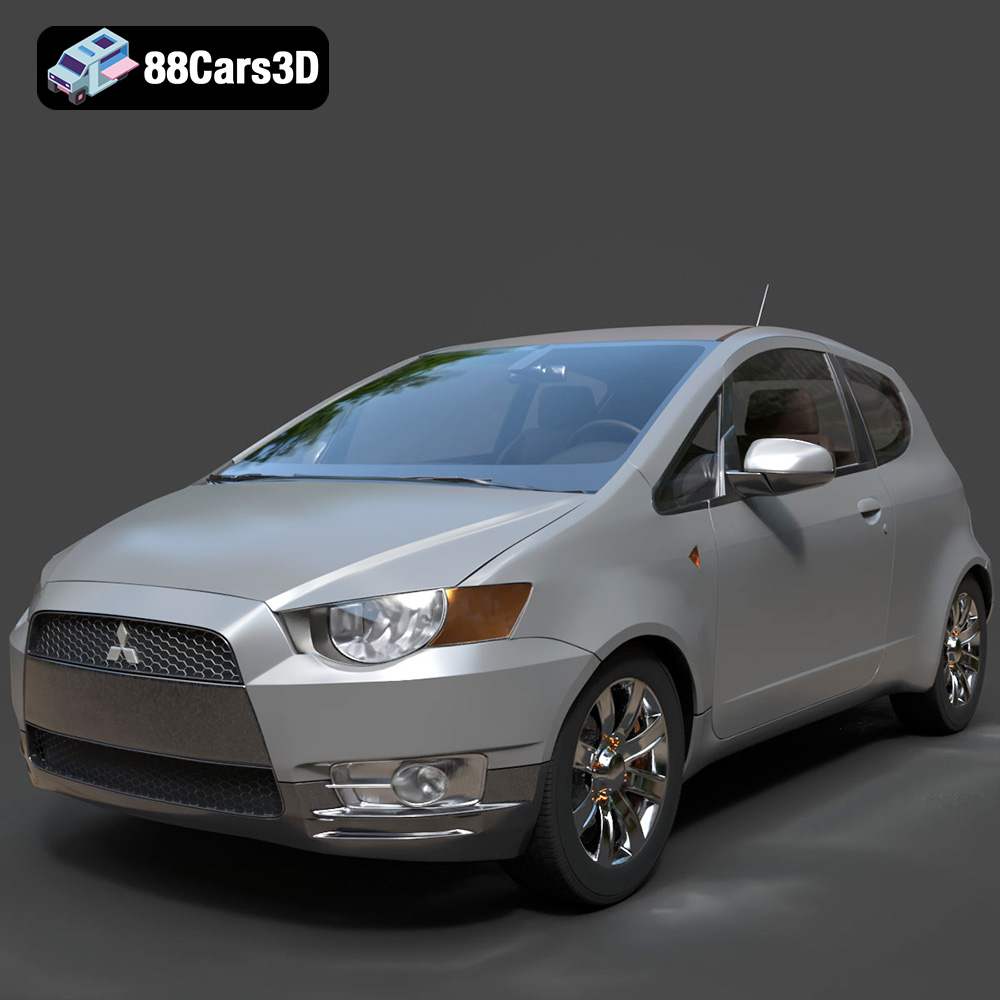
Download the Mitsubishi Colt 3 Door 2008 3D Model featuring clean geometry, realistic detailing, and a fully modeled interior. Includes .blend, .fbx, .obj, .glb, .stl, .ply, .unreal, and .max formats for rendering, simulation, and game development.
Price: $10

Texture: Yes
Material: Yes
Download the Mercedes-Benz S650 Pullman 3D Model featuring clean geometry, realistic detailing, and a fully modeled interior. Includes .blend, .fbx, .obj, .glb, .stl, .ply, .unreal, and .max formats for rendering, simulation, and game development.
Price: $95.99
Texture: Yes
Material: Yes
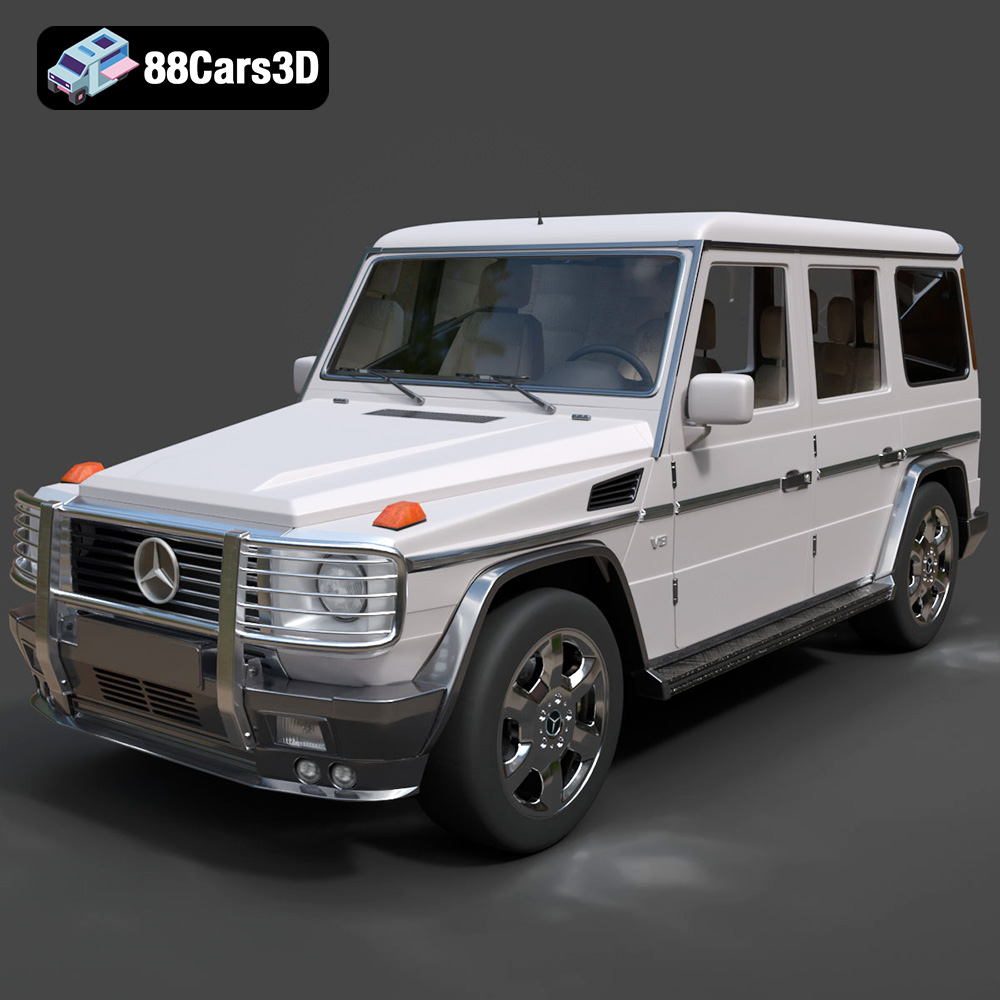
Download the Mercedes G-Class SUV 2024 3D Model featuring clean geometry, realistic detailing, and a fully modeled interior. Includes .blend, .fbx, .obj, .glb, .stl, .ply, .unreal, and .max formats for rendering, simulation, and game development.
Price: $10

