⚡ FLASH SALE: Get 60% OFF All Premium 3D & STL Models! ⚡

“`html
Embarking on the journey of 3D printing, especially when it comes to detailed projects like printable car models from platforms like 88cars3d.com, requires a keen understanding of your equipment’s capabilities. Two of the most fundamental aspects are the nozzle size and bed size of your 3D printer. These parameters dictate the level of detail you can achieve, the maximum dimensions of your prints, and the overall efficiency of the printing process. Selecting the correct nozzle and bed size isn’t just about matching the numbers; it’s about optimizing your workflow for the specific demands of each project. This guide will delve into the intricacies of nozzle and bed size selection, providing you with the knowledge to make informed decisions and unlock the full potential of your 3D printer.
In this comprehensive guide, we’ll explore the impact of nozzle size on print quality and speed, dissect the relationship between bed size and model scale, discuss the trade-offs involved in each decision, and provide practical tips for choosing the optimal configuration for your 3D printing needs. Whether you’re a seasoned enthusiast or a newcomer eager to bring your first car model to life, this article will equip you with the essential information to succeed.
The nozzle is the heart of your FDM 3D printer, extruding molten filament layer by layer to construct your object. Its size directly influences the resolution, speed, and strength of your prints. While a standard 0.4mm nozzle is often considered the default, exploring other options can significantly enhance your results, especially when working with intricate models.
A smaller nozzle, such as 0.25mm or even 0.1mm, allows for finer layer lines and greater detail in your prints. This is particularly beneficial for intricate car models with complex curves, small features, and detailed textures. The finer resolution enables the printer to accurately reproduce these details, resulting in a more realistic and visually appealing final product. However, smaller nozzles require slower print speeds to maintain quality and are more prone to clogging, especially with filaments containing additives like carbon fiber or wood.
Larger nozzles, such as 0.6mm, 0.8mm, or even 1.0mm, allow for thicker layer heights and faster print speeds. This is ideal for large, less detailed parts where speed is a priority. While you sacrifice some detail, the reduced print time can be a significant advantage, especially when producing multiple parts or prototypes. When using a larger nozzle, ensure your layer height is appropriately adjusted, typically around 25-80% of the nozzle diameter. For example, a 0.8mm nozzle would work well with layer heights between 0.2mm and 0.64mm.
A larger nozzle can also improve the structural integrity of your prints. The thicker layer lines create stronger bonds between layers, resulting in a more robust and durable final product. This is particularly important for functional parts or models that will be subjected to stress. However, be mindful of bridging performance; larger nozzles may require lower speeds and increased cooling to prevent sagging in unsupported areas. When printing car chassis or structural components, consider a 0.6mm or 0.8mm nozzle for added strength.
The bed size of your 3D printer dictates the maximum dimensions of the objects you can print. Choosing the right bed size is crucial for accommodating your desired model scale and avoiding the need to split models into multiple parts. A larger bed offers greater flexibility, but also comes with increased cost and potential challenges.
Before embarking on a project, carefully consider the dimensions of the STL files you intend to print. Platforms like 88cars3d.com often provide precise measurements for their printable car models. Ensure that your printer’s bed dimensions comfortably accommodate the largest part of the model, including any necessary supports or brims for bed adhesion. It’s always better to have a bit of extra space than to be constrained by a too-small build area. Consider the orientation of the model on the bed as well, as rotating the model can sometimes allow it to fit within a smaller print area.
If your desired model exceeds your printer’s bed size, you’ll need to split the model into multiple parts using software like Meshmixer or Blender. This involves carefully cutting the model along strategic seams and generating separate STL files for each part. When splitting models, consider factors like ease of assembly, seam visibility, and structural integrity. Add alignment pins or keys to the design to ensure accurate alignment during assembly. Remember to factor in the additional time and effort required for assembly and post-processing when splitting models.
Larger prints are more susceptible to warping and bed adhesion issues, especially with materials like ABS. Ensure your printer bed is properly leveled and calibrated. Use appropriate bed adhesion methods, such as using a brim, raft, or adhesive spray. Consider using a heated bed to maintain a consistent temperature throughout the print and reduce the risk of warping. For very large prints, an enclosure can help to further stabilize the temperature and improve bed adhesion.
Slicing software bridges the gap between your 3D model and your printer. Mastering its settings is key to achieving optimal print quality. Parameters like layer height, print speed, and support structures need careful adjustment based on your chosen nozzle and bed size, as well as the material you’re using.
As mentioned earlier, layer height should be a fraction of your nozzle diameter. Too high a layer height can lead to poor layer adhesion and a weak final product. Too low a layer height can increase print time significantly without a noticeable improvement in quality. A good starting point is to use a layer height that is approximately 25-80% of your nozzle diameter. Experiment within this range to find the sweet spot for your specific model and material. For example, with a 0.4mm nozzle, you might start with a 0.2mm layer height and adjust from there.
Print speed directly impacts print quality. Faster speeds can lead to decreased detail, stringing, and poor layer adhesion. Slower speeds, on the other hand, can increase print time. The optimal print speed depends on your nozzle size, layer height, and material. Generally, smaller nozzles and finer layer heights require slower speeds. When using a larger nozzle for faster printing, you may need to reduce the speed for external perimeters and small features to maintain quality. Experiment with different speeds and observe the results to find the best balance.
Support structures are essential for printing overhangs and complex geometries. There are several types of support structures, including tree supports, linear supports, and grid supports. The best type depends on the model’s geometry and the desired level of support. Tree supports are often preferred for their ease of removal and minimal impact on the printed surface. Linear supports provide stronger support but can be more difficult to remove. Proper support placement is crucial. Ensure that all overhangs are adequately supported, but avoid placing supports in areas that are difficult to access or that will leave visible marks on the final product. Software like Cura and PrusaSlicer offer advanced support settings, allowing you to customize support density, angle, and interface layers for optimal results.
The type of filament you choose plays a significant role in the success of your 3D printing project. Different materials have different properties, such as melting temperature, flexibility, and strength. Selecting the right filament for your nozzle size and project requirements is essential.
PLA (Polylactic Acid) is a biodegradable thermoplastic derived from renewable resources. It is easy to print with, has a low melting temperature, and produces minimal warping. PLA is a great choice for beginners and for printing decorative models. It works well with a wide range of nozzle sizes, from 0.25mm to 0.8mm. However, PLA is not as strong or heat-resistant as other materials, so it may not be suitable for functional parts or models that will be exposed to high temperatures.
ABS (Acrylonitrile Butadiene Styrene) is a strong and durable thermoplastic that is commonly used in automotive and industrial applications. It has a higher melting temperature than PLA and is more resistant to heat and chemicals. ABS is a good choice for functional parts and models that require strength and durability. However, ABS is more difficult to print with than PLA and is prone to warping, especially on larger prints. A heated bed and an enclosure are highly recommended when printing with ABS. ABS typically works best with nozzles of 0.4mm or larger.
PETG (Polyethylene Terephthalate Glycol-modified) combines the ease of printing of PLA with the strength and durability of ABS. It has good layer adhesion, low warping, and is resistant to moisture and chemicals. PETG is a versatile material that can be used for a wide range of applications. It works well with most nozzle sizes and is a good choice for both decorative and functional parts. Many find it to be an excellent all-around choice for printable car models.
Even with the right nozzle and bed size, 3D printing can present challenges. Understanding common issues and their solutions is crucial for a smooth printing experience.
Nozzle clogging is a common problem, especially with smaller nozzles. It can be caused by a variety of factors, including low-quality filament, incorrect temperature settings, and debris buildup. To prevent clogging, use high-quality filament, ensure your hot end is properly cleaned and maintained, and avoid printing at temperatures that are too low. If a clog occurs, try a cold pull or use a nozzle cleaning needle to clear the blockage. Sometimes, increasing the printing temperature slightly can help to melt and dislodge the obstruction.
Warping occurs when the corners of your print lift off the bed. This is often caused by uneven heating, poor bed adhesion, or drafts. To prevent warping, ensure your printer bed is properly leveled and heated. Use a bed adhesion aid, such as a brim or raft. Consider using an enclosure to maintain a consistent temperature and prevent drafts. For materials like ABS that are prone to warping, a heated bed and an enclosure are essential.
Stringing occurs when thin strands of filament are left between different parts of your print. This is often caused by excessive retraction, high printing temperature, or poor cooling. To eliminate stringing, adjust your retraction settings in your slicing software. Reduce the printing temperature slightly. Ensure that your part cooling fan is working properly and providing adequate cooling. Experiment with different settings until you achieve a clean print.
To illustrate the principles discussed above, let’s consider a few real-world examples.
Imagine printing a highly detailed scale model of a classic car from 88cars3d.com. To capture the intricate details of the body panels, emblems, and interior, a 0.25mm nozzle is chosen. The layer height is set to 0.1mm to maximize resolution. The print speed is reduced to 30mm/s to ensure accurate extrusion and prevent stringing. Tree supports are used to minimize impact on the surface finish. The result is a stunningly detailed model that captures the essence of the original vehicle.
Now, consider printing a large car chassis for a remote-controlled car project. Strength and speed are priorities. A 0.8mm nozzle is chosen to increase layer adhesion and reduce print time. The layer height is set to 0.4mm. The print speed is increased to 60mm/s. A grid infill pattern is used to provide structural support. The result is a robust and durable chassis that can withstand the rigors of RC car driving.
Choosing the right nozzle and bed size is a critical aspect of successful 3D printing. By understanding the relationship between these parameters and factors like resolution, speed, material, and slicing settings, you can optimize your workflow and achieve outstanding results. Whether you’re printing highly detailed car models or functional parts, careful consideration of nozzle and bed size will help you unlock the full potential of your 3D printer. Remember to experiment with different settings and materials to find what works best for your specific needs. When downloading models from marketplaces such as 88cars3d.com, pay close attention to the model dimensions and complexity to select the most appropriate nozzle and bed size for your project.
Take the knowledge you’ve gained from this guide and apply it to your next 3D printing project. Experiment with different nozzle sizes, layer heights, and materials. Don’t be afraid to try new things and push the boundaries of what’s possible. With practice and patience, you’ll become a 3D printing expert in no time.
“`
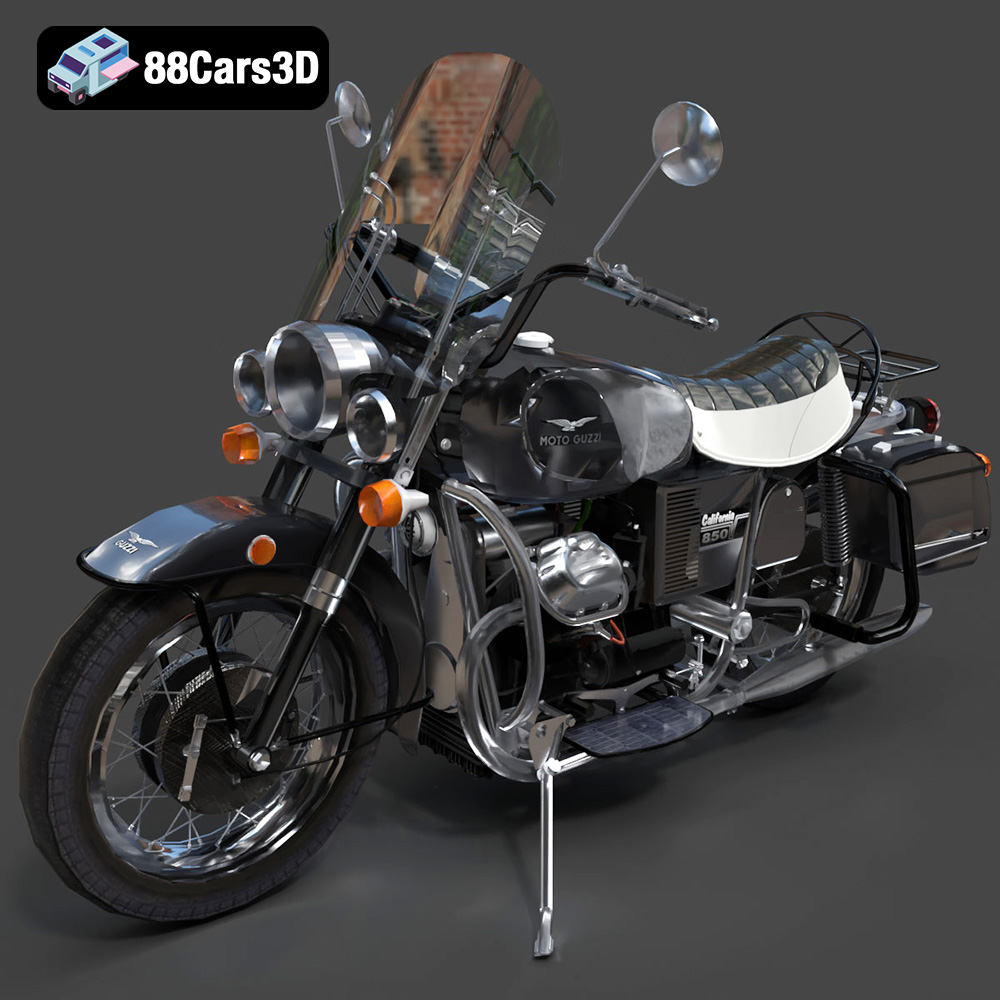
Texture: Yes
Material: Yes
Download the Moto Guzzi Classic Motorcycle 2024 3D Model featuring clean geometry, realistic detailing, and a fully modeled interior. Includes .blend, .fbx, .obj, .glb, .stl, .ply, .unreal, and .max formats for rendering, simulation, and game development.
Price: $10
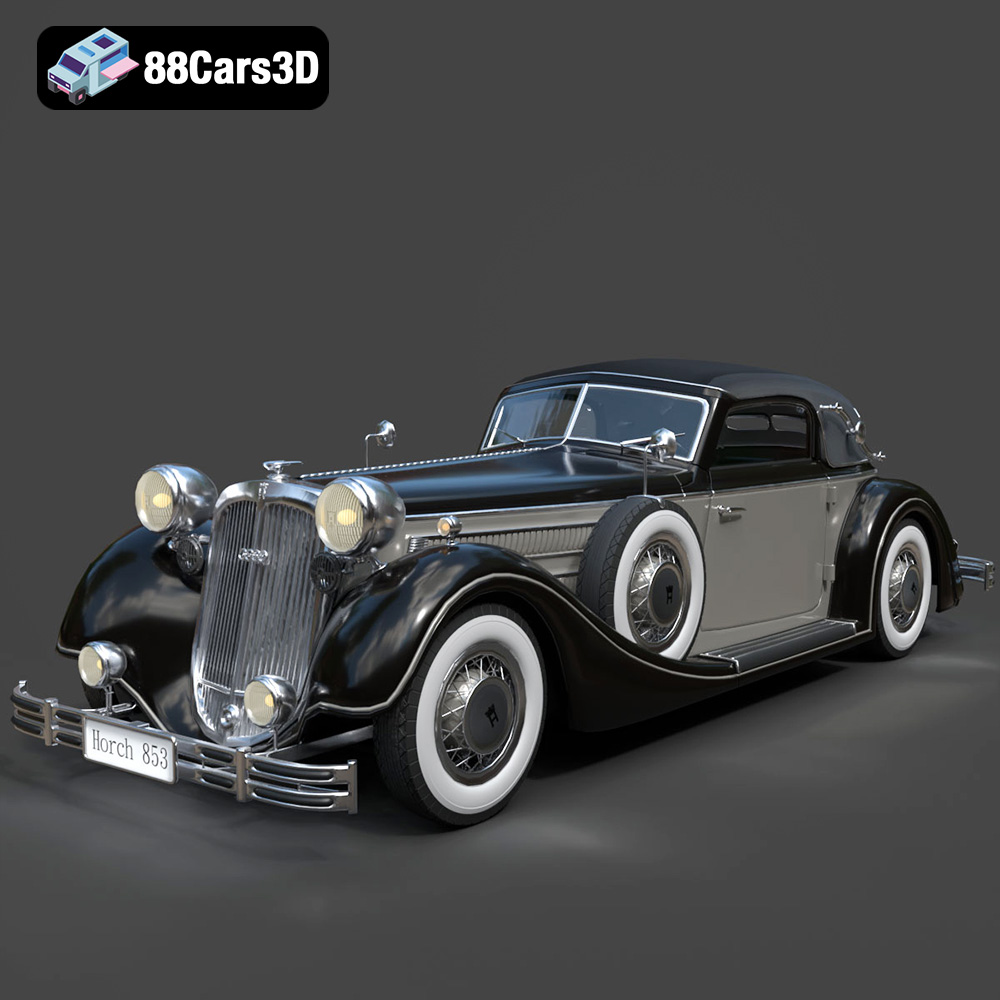
Texture: Yes
Material: Yes
Download the Horch 853 Sport Cabriolet 1937 3D Model featuring clean geometry, realistic detailing, and a fully modeled interior. Includes .blend, .fbx, .obj, .glb, .stl, .ply, .unreal, and .max formats for rendering, simulation, and game development.
Price: $10
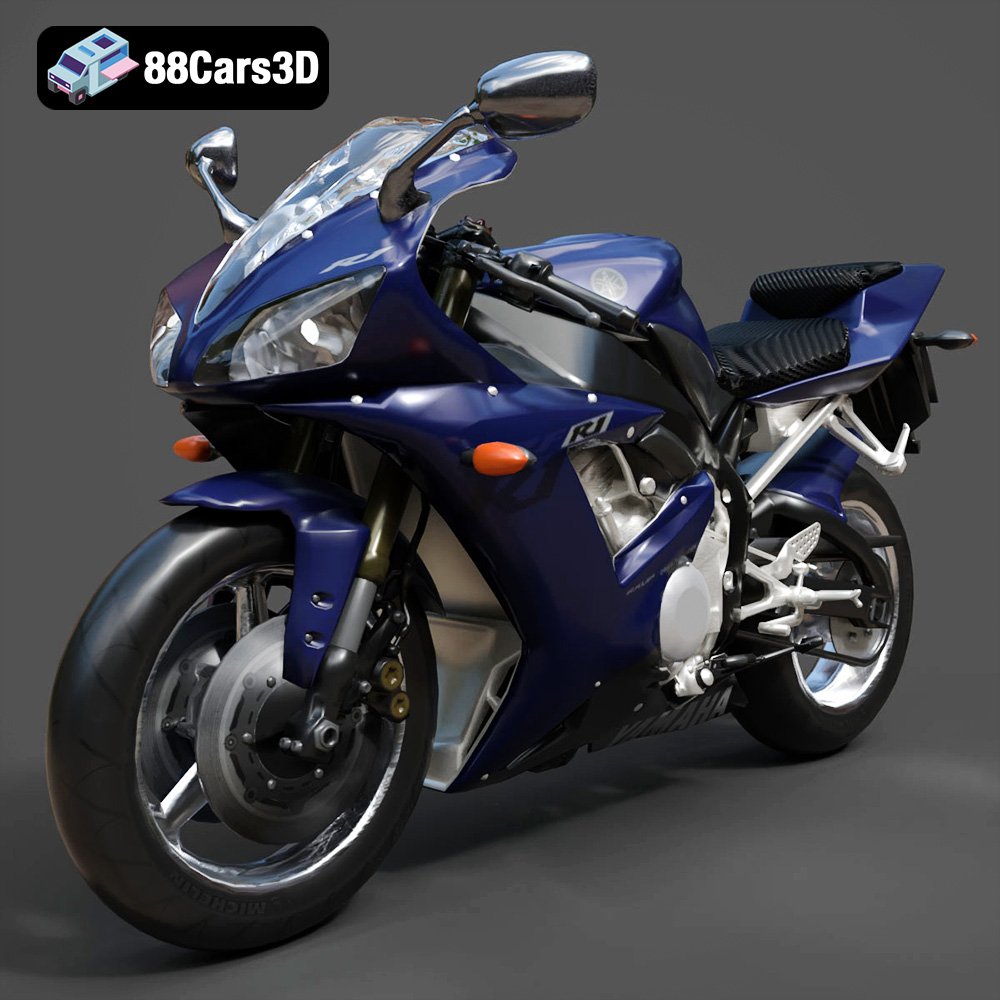
Texture: Yes
Material: Yes
Download the Yamaha YZF-R1 Motorcycle 3D Model featuring clean geometry, realistic detailing, and a fully modeled interior. Includes .blend, .fbx, .obj, .glb, .stl, .ply, .unreal, and .max formats for rendering, simulation, and game development.
Price: $10
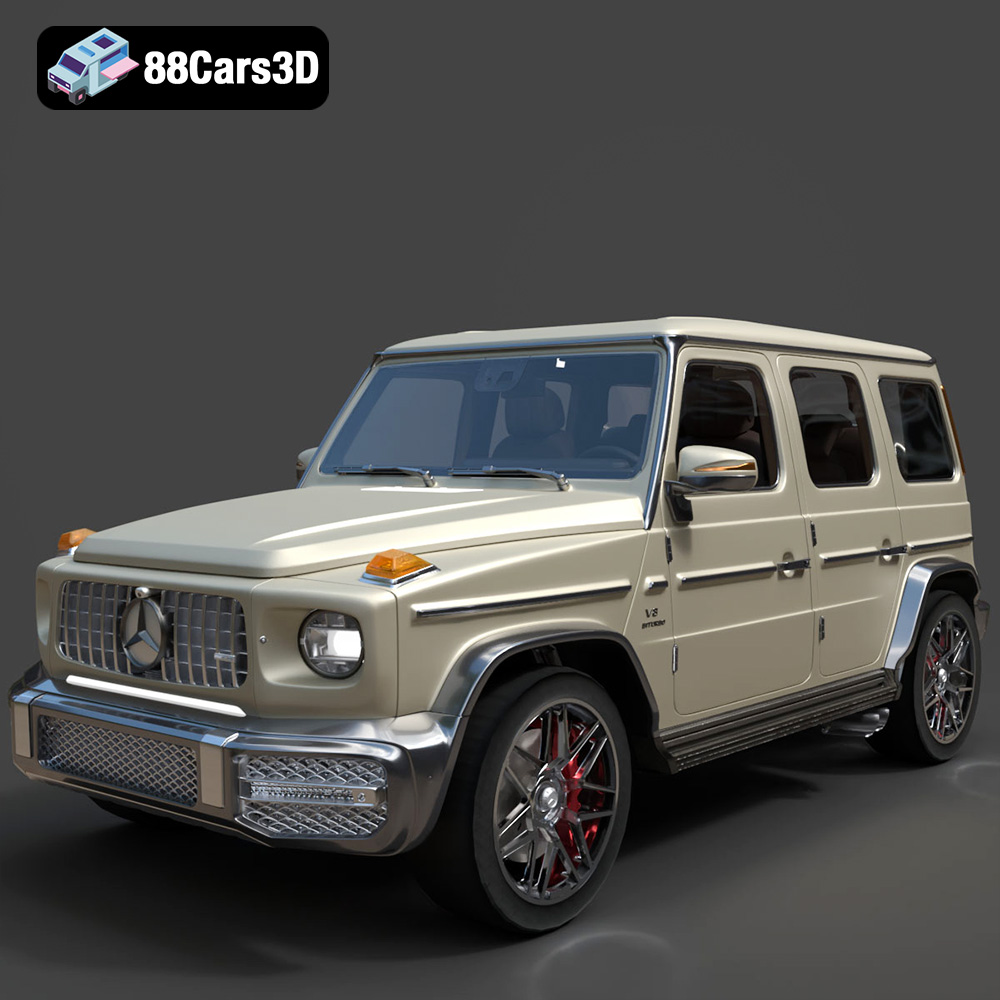
Texture: Yes
Material: Yes
Download the Mercedes Benz G63 AMG 2019 3D Model featuring clean geometry, realistic detailing, and a fully modeled interior. Includes .blend, .fbx, .obj, .glb, .stl, .ply, .unreal, and .max formats for rendering, simulation, and game development.
Price: $90
Texture: Yes
Material: Yes
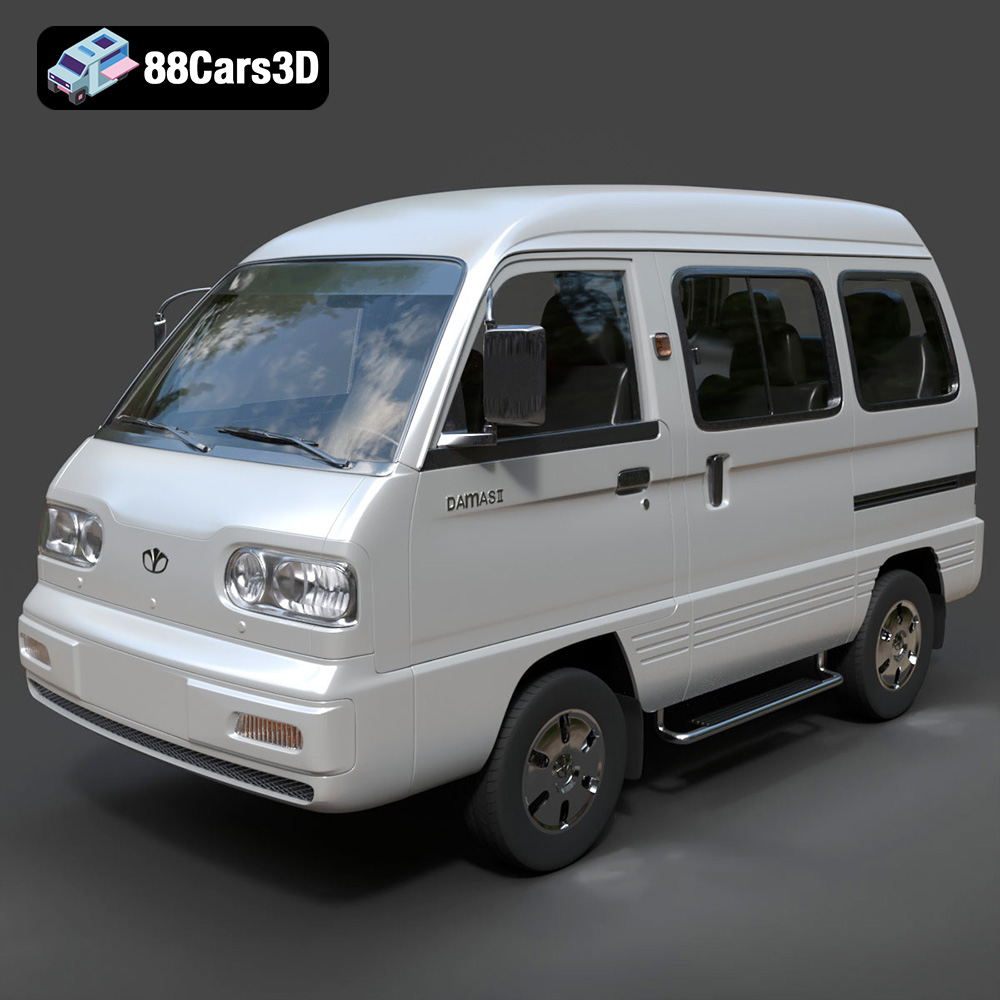
Download the Daewoo Damas Mk2 2012 3D Model featuring clean geometry, realistic detailing, and a fully modeled interior. Includes .blend, .fbx, .obj, .glb, .stl, .ply, .unreal, and .max formats for rendering, simulation, and game development.
Price: $10
Texture: Yes
Material: Yes
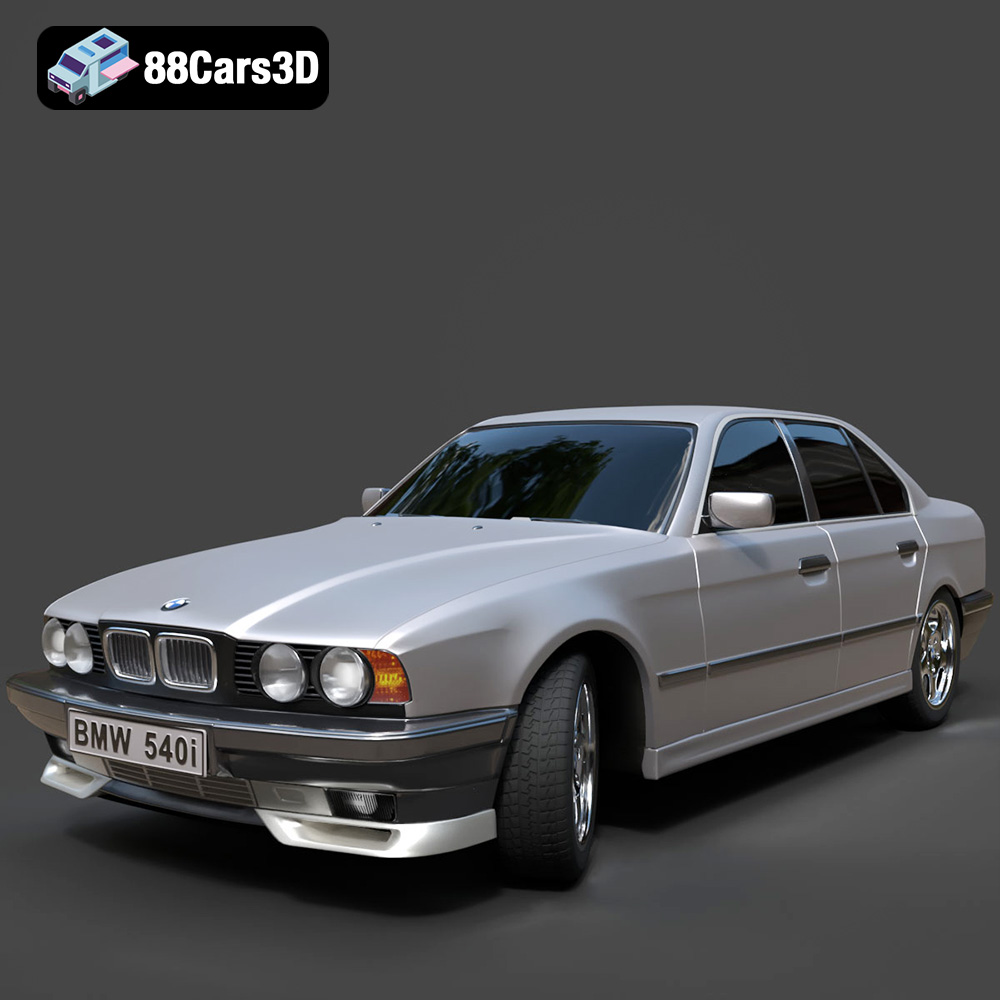
Download the BMW 540 E34 3D Model featuring clean geometry, realistic detailing, and a fully modeled interior. Includes .blend, .fbx, .obj, .glb, .stl, .ply, .unreal, and .max formats for rendering, simulation, and game development.
Price: $10
Texture: Yes
Material: Yes
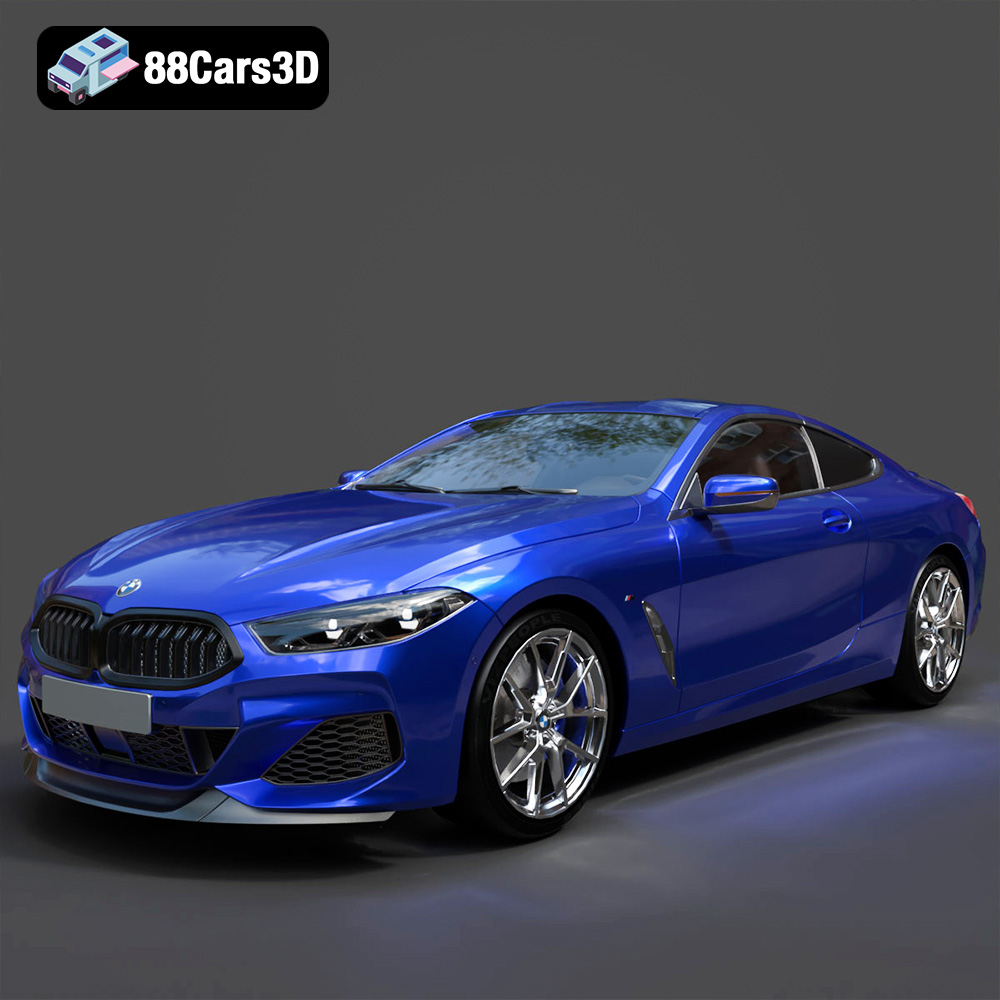
Download the BMW 8 Series Coupe 2020 3D Model featuring clean geometry, realistic detailing, and a fully modeled interior. Includes .blend, .fbx, .obj, .glb, .stl, .ply, .unreal, and .max formats for rendering, simulation, and game development.
Price: $10
Texture: Yes
Material: Yes
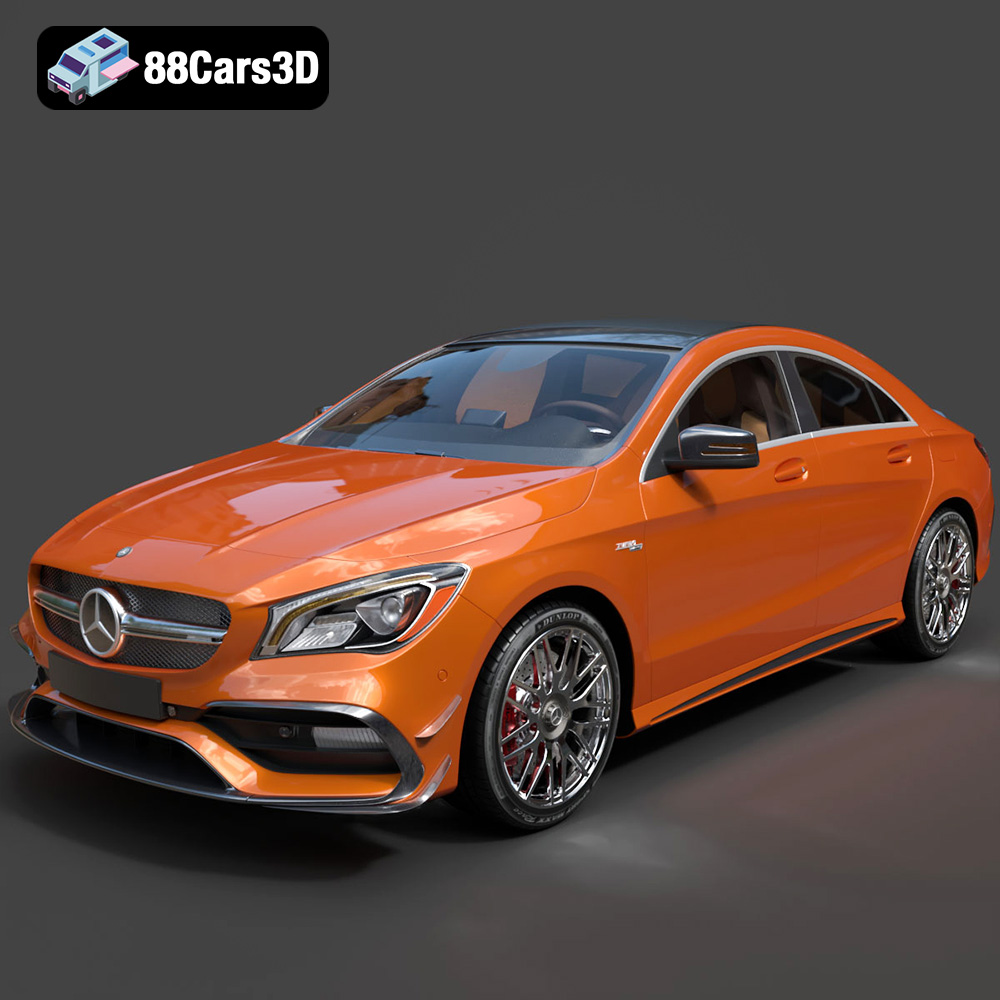
Download the Mercedes-Benz CLA45 AMG 2017 3D Model featuring clean geometry, realistic detailing, and a fully modeled interior. Includes .blend, .fbx, .obj, .glb, .stl, .ply, .unreal, and .max formats for rendering, simulation, and game development.
Price: $21.99
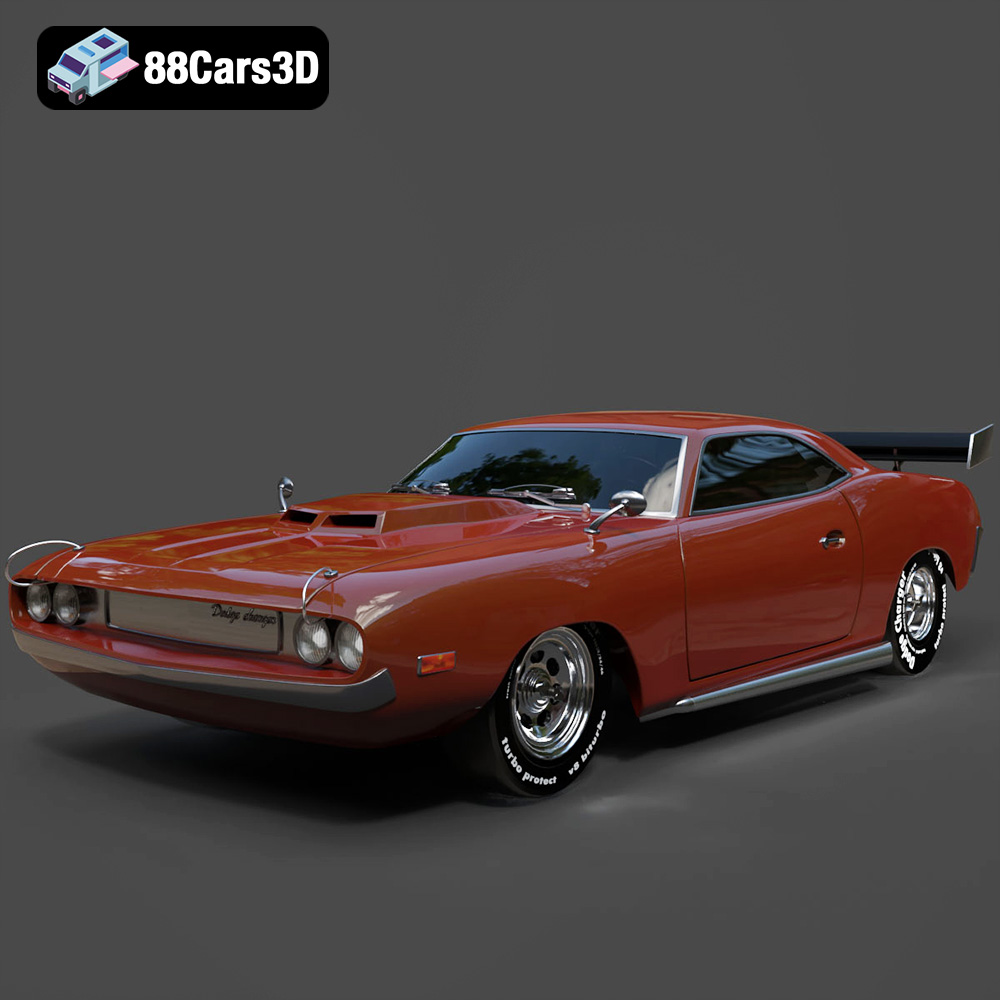
Texture: Yes
Material: Yes
Download the Dodge Charger Car-004 3D Model featuring clean geometry, realistic detailing, and a fully modeled interior. Includes .blend, .fbx, .obj, .glb, .stl, .ply, .unreal, and .max formats for rendering, simulation, and game development.
Price: $10
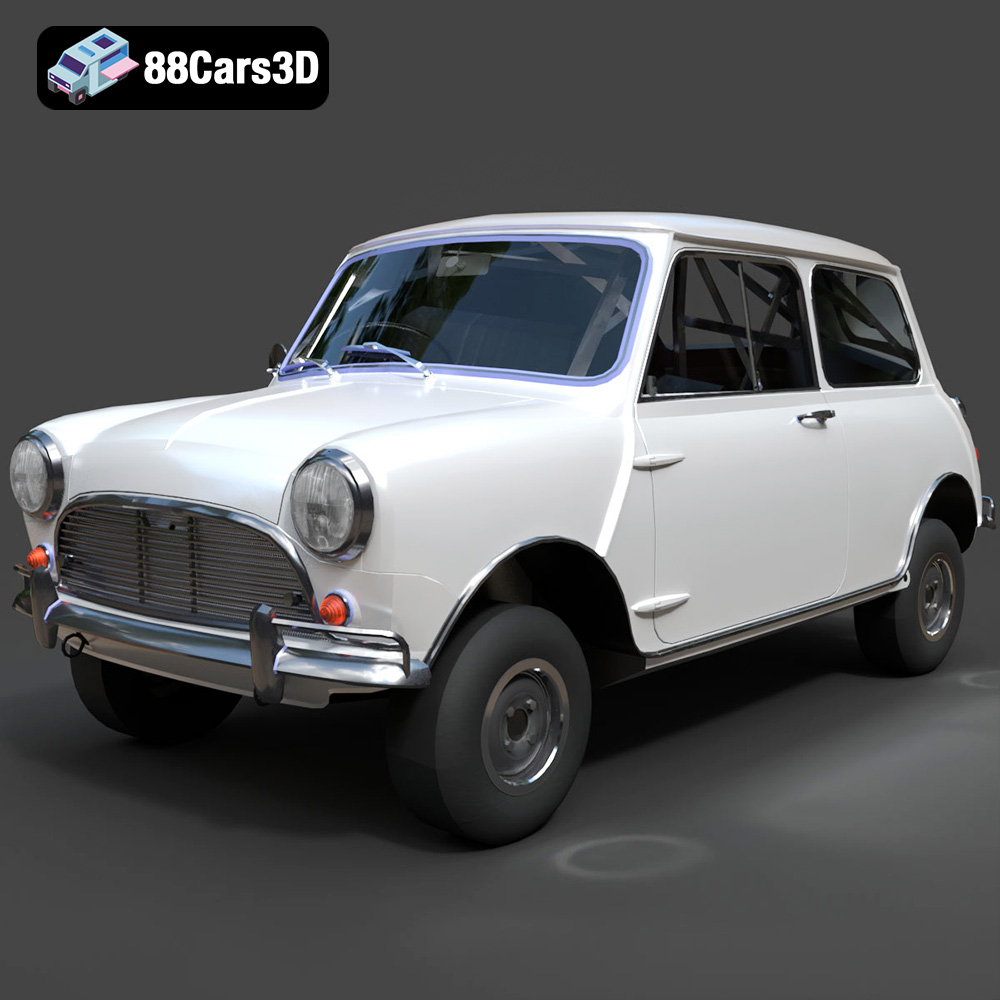
Texture: Yes
Material: Yes
Download the Austin Mini Cooper S 1965 3D Model featuring clean geometry, realistic detailing, and a fully modeled interior. Includes .blend, .fbx, .obj, .glb, .stl, .ply, .unreal, and .max formats for rendering, simulation, and game development.
Price: $10

